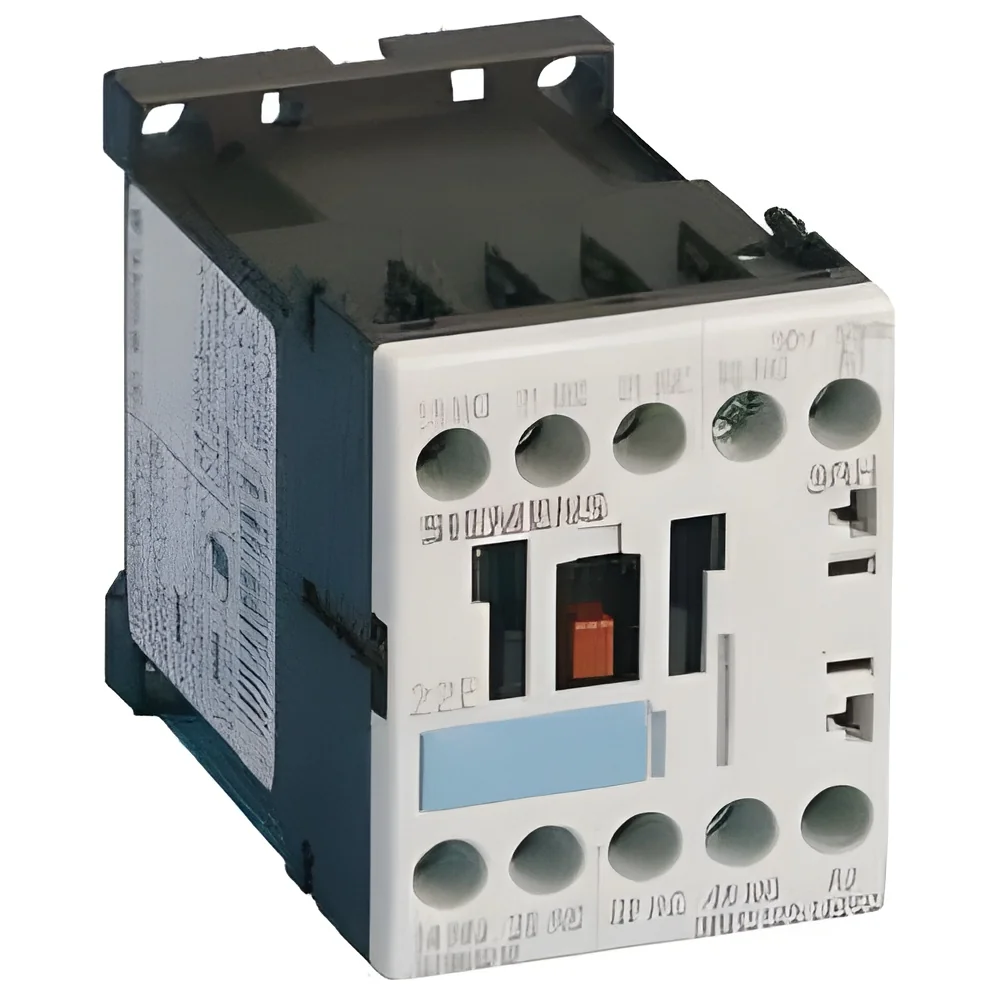
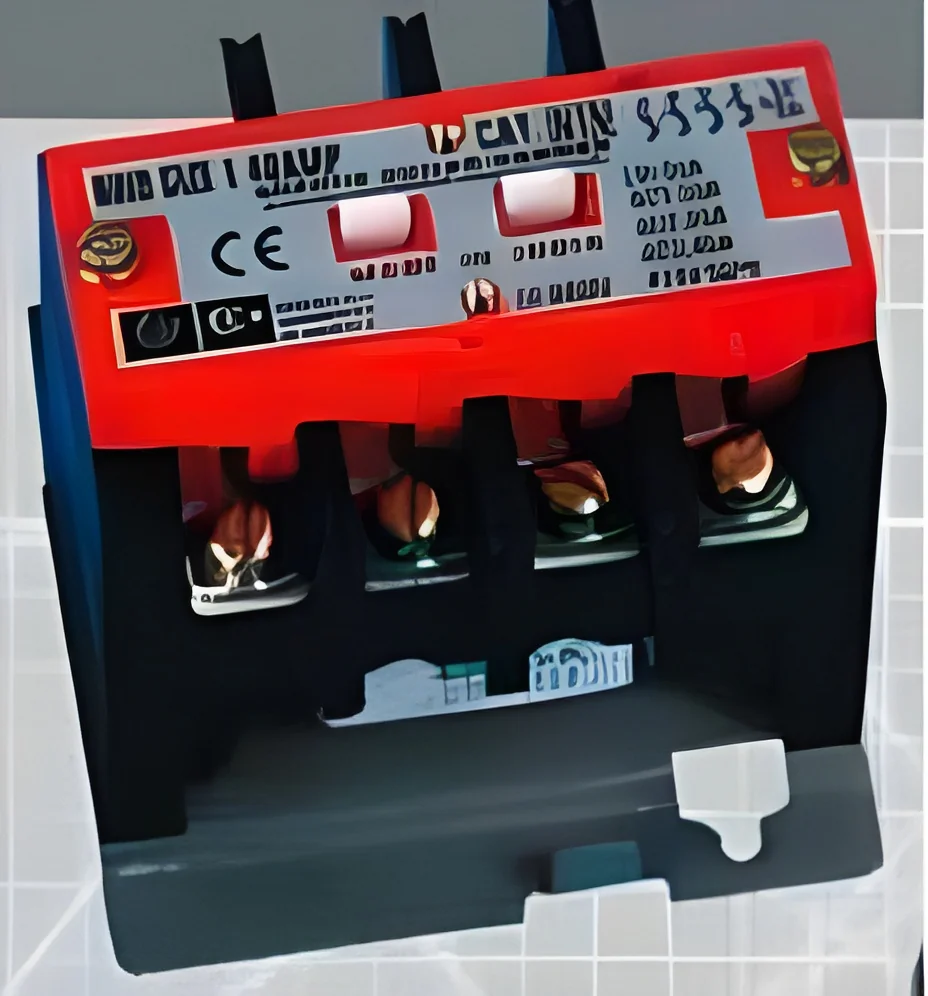
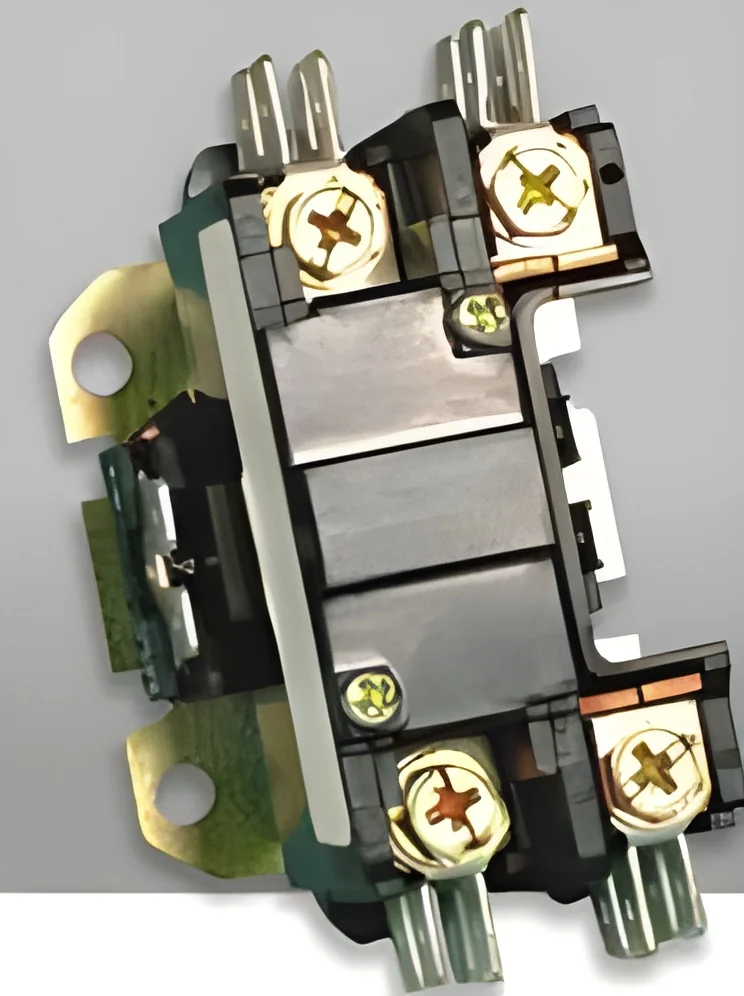
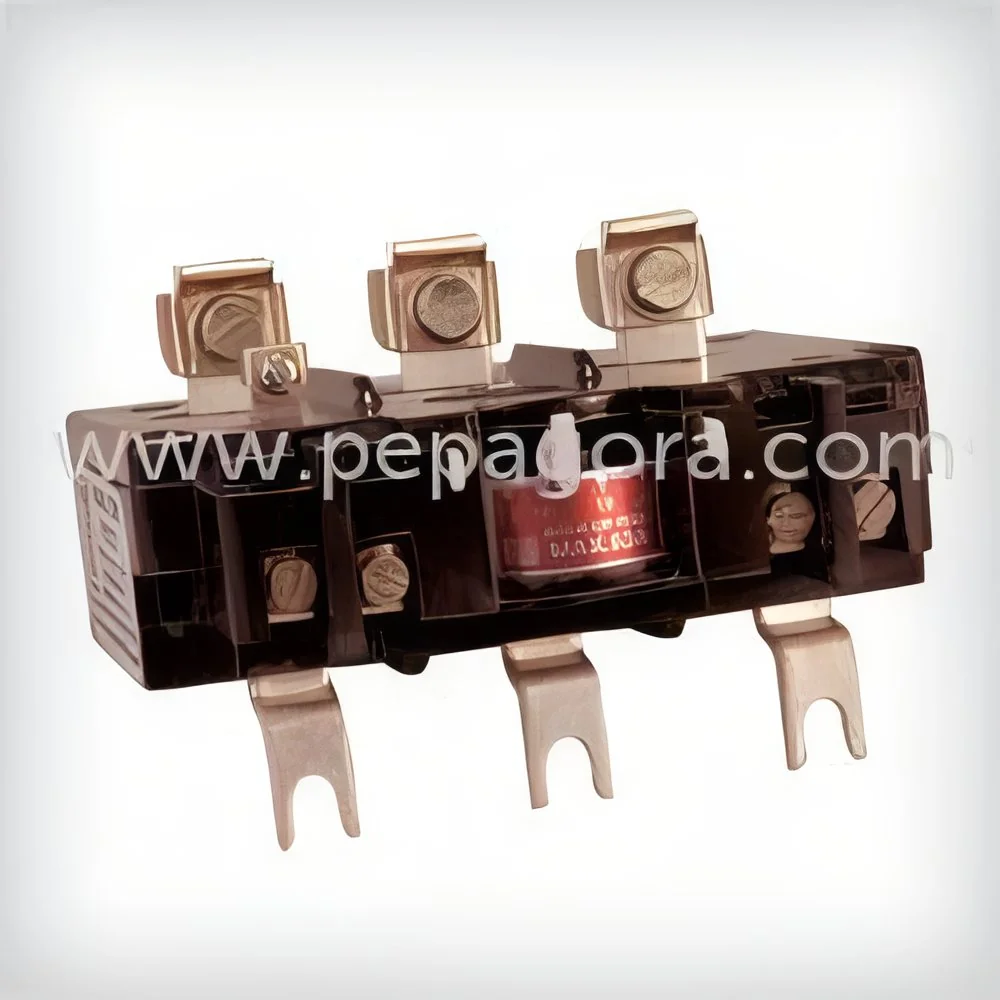
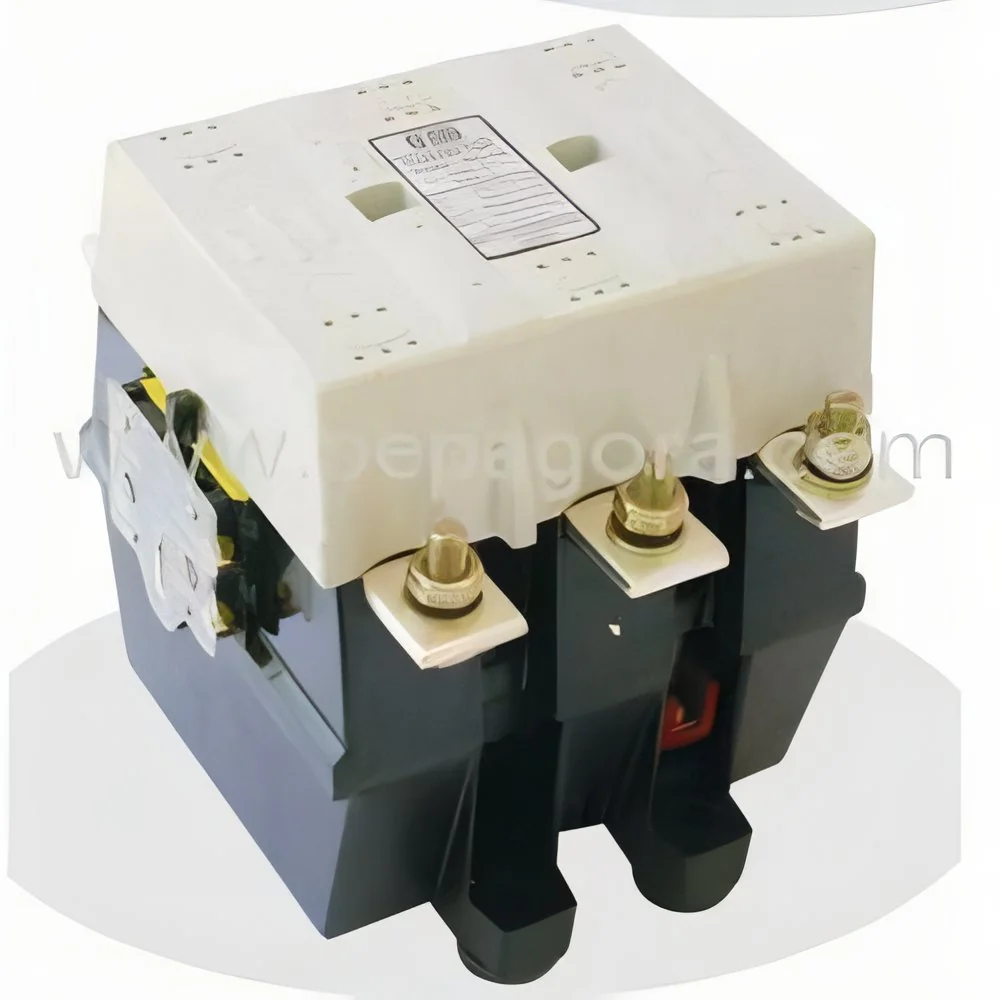
𝗪𝗵𝗮𝘁 𝗮𝗿𝗲 𝗥𝗲𝗹𝗮𝘆𝘀, 𝗖𝗼𝗻𝘁𝗮𝗰𝘁𝗼𝗿𝘀 & 𝗦𝘁𝗮𝗿𝘁𝗲𝗿𝘀?
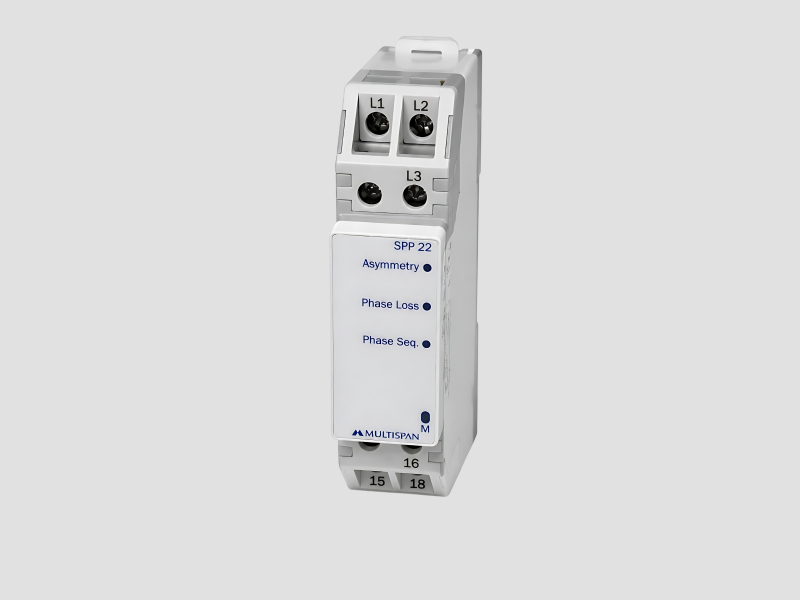
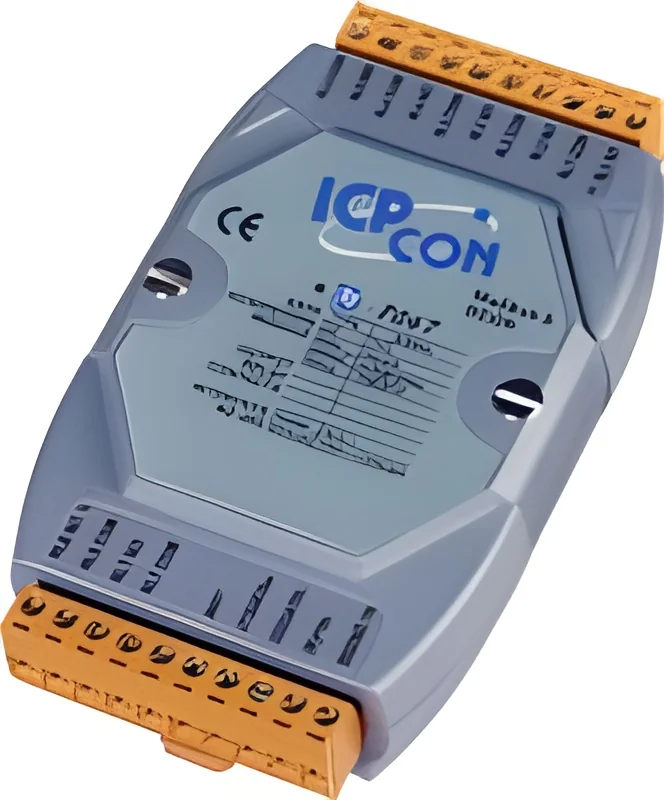
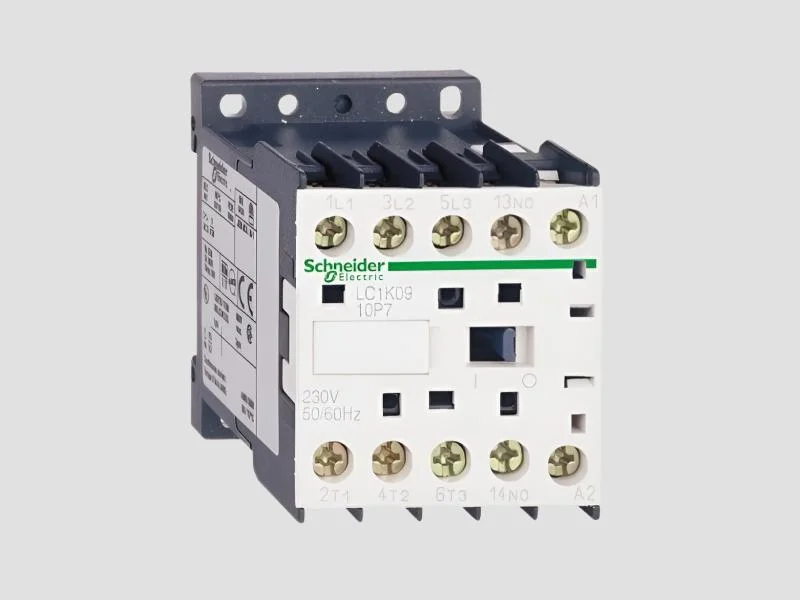
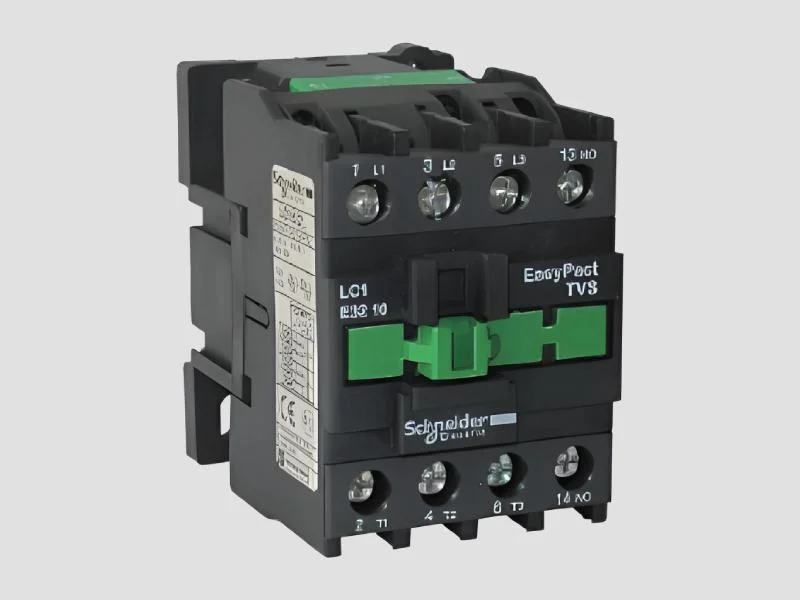
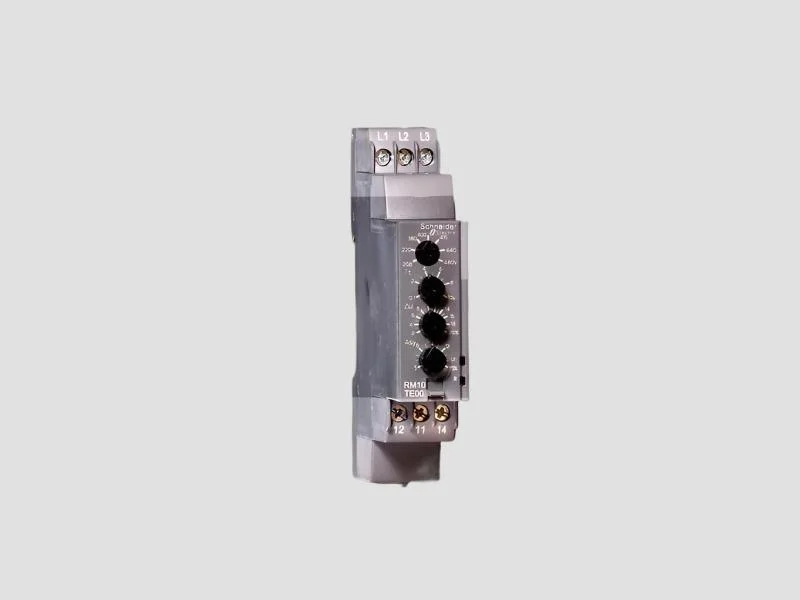
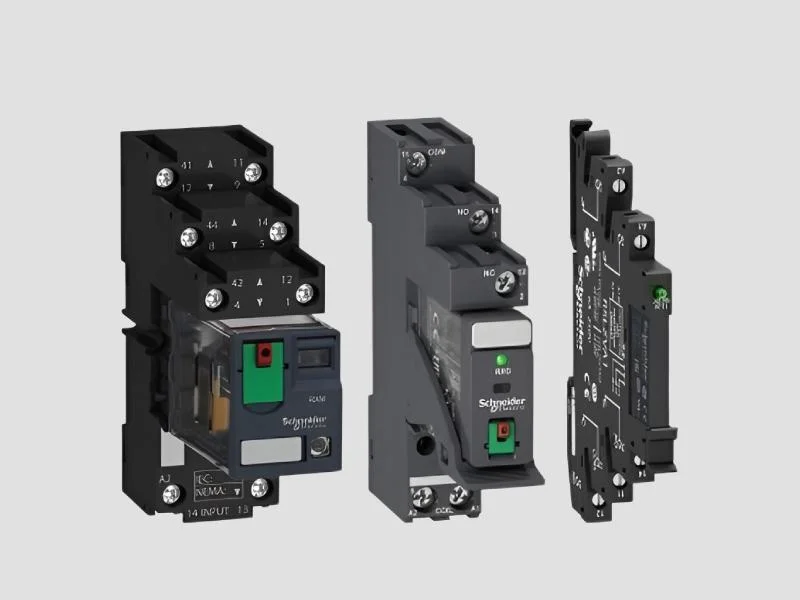
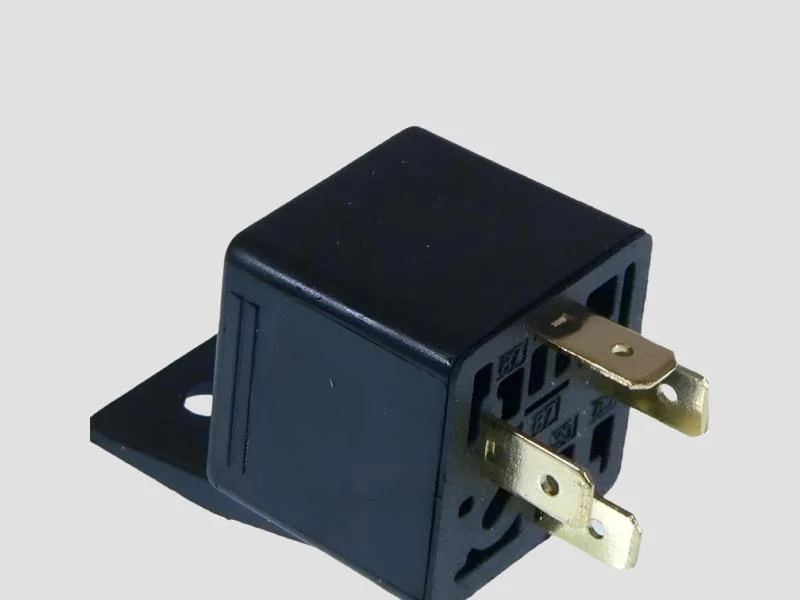
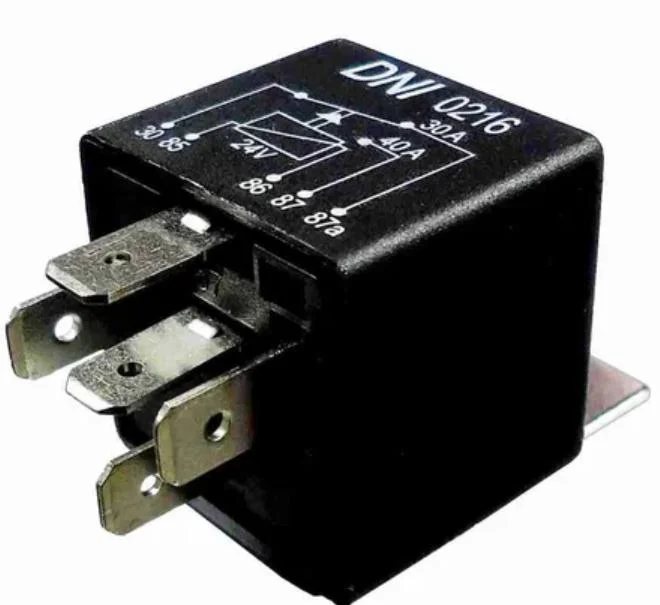
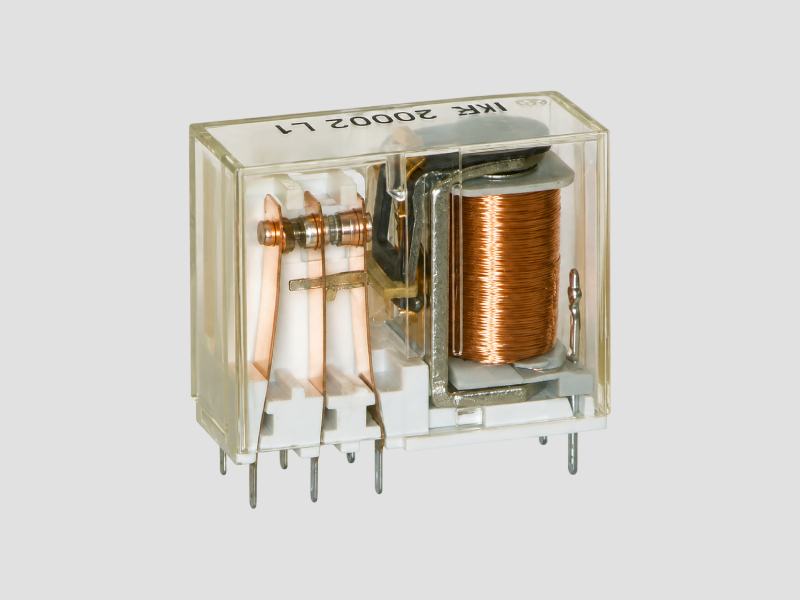
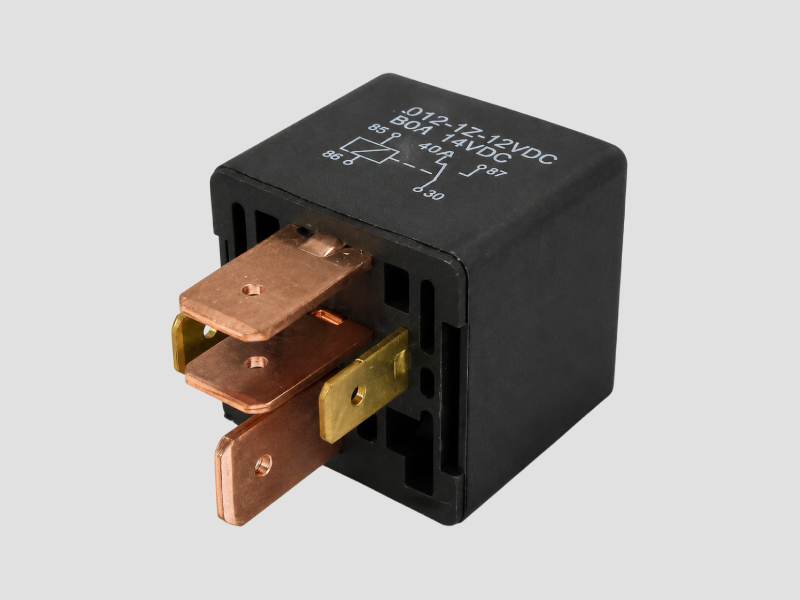
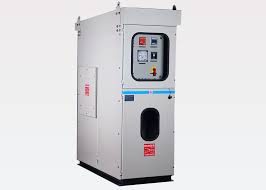
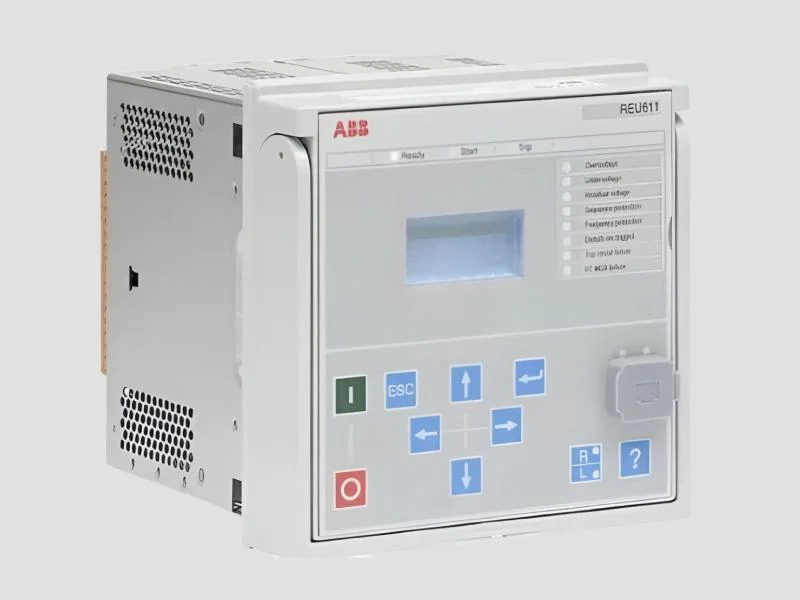
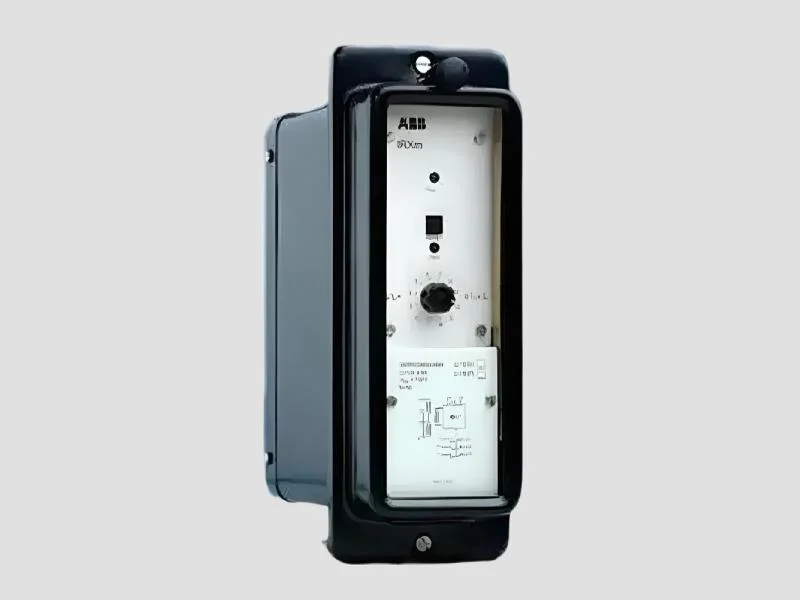
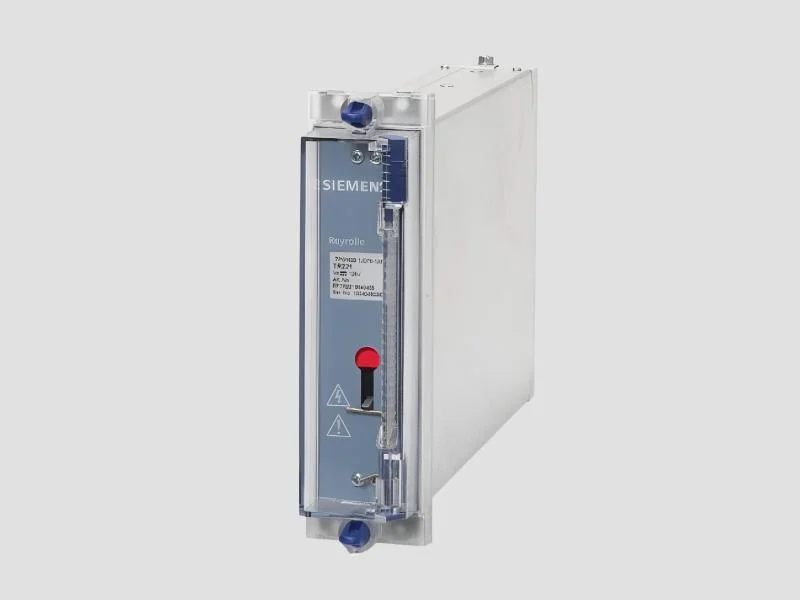
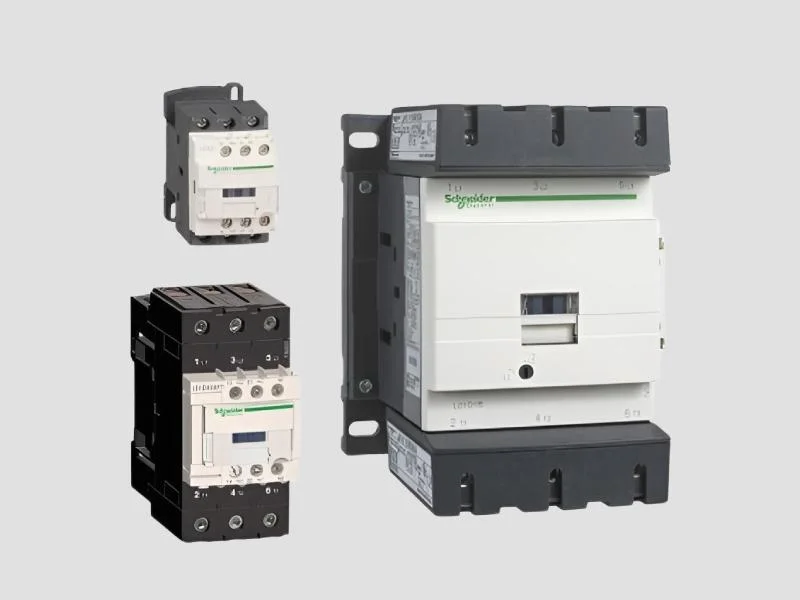
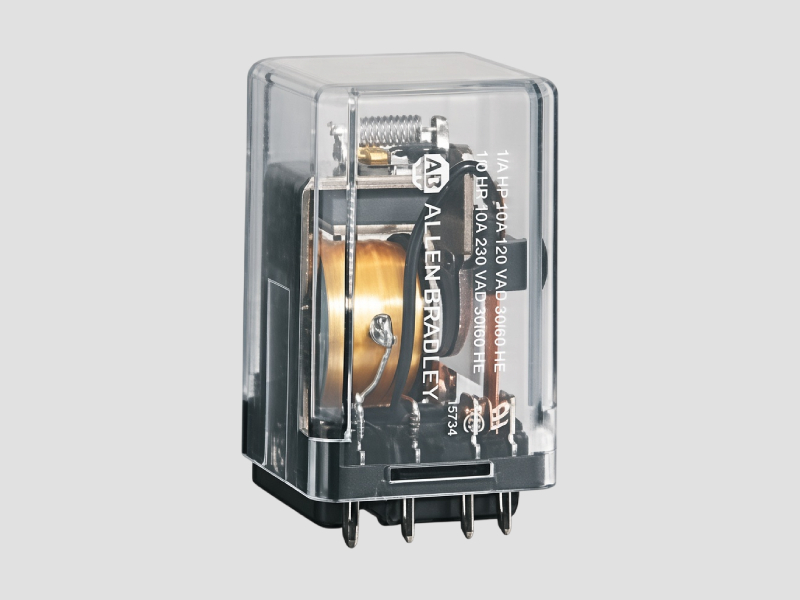
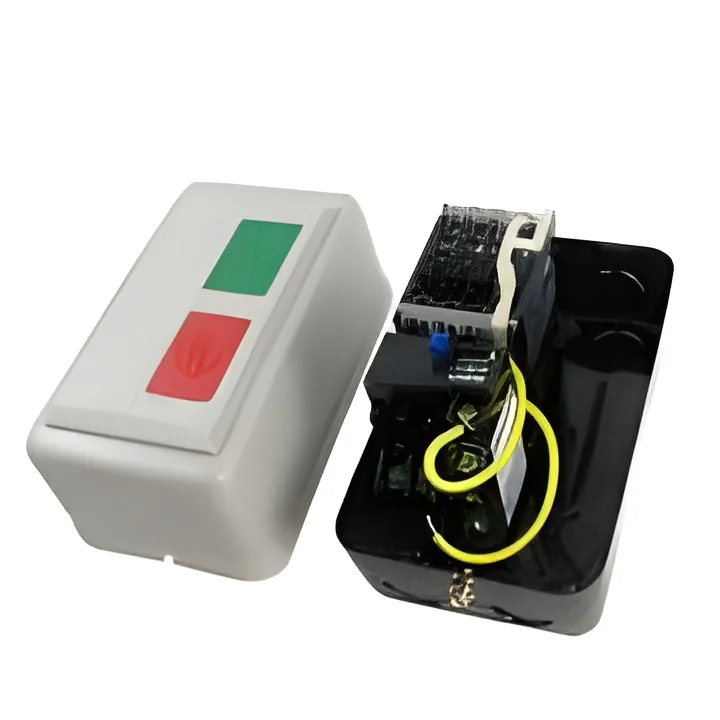
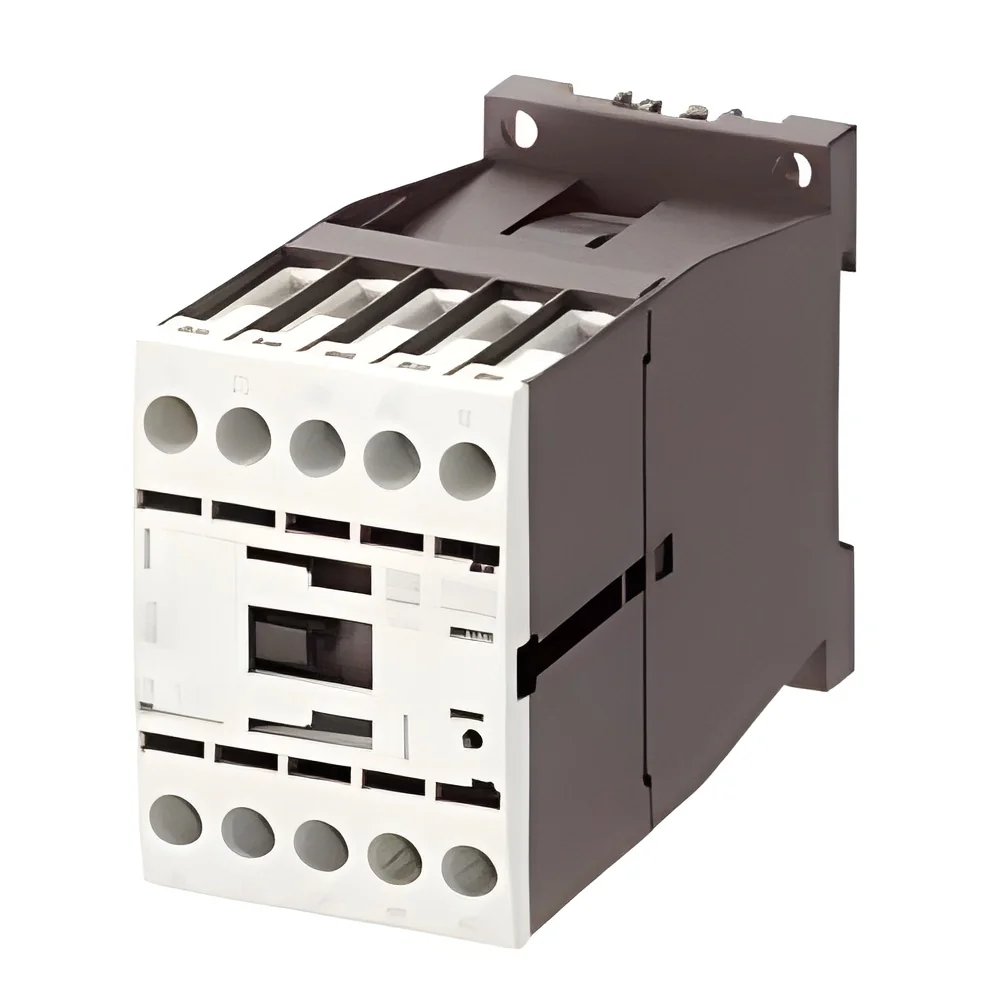
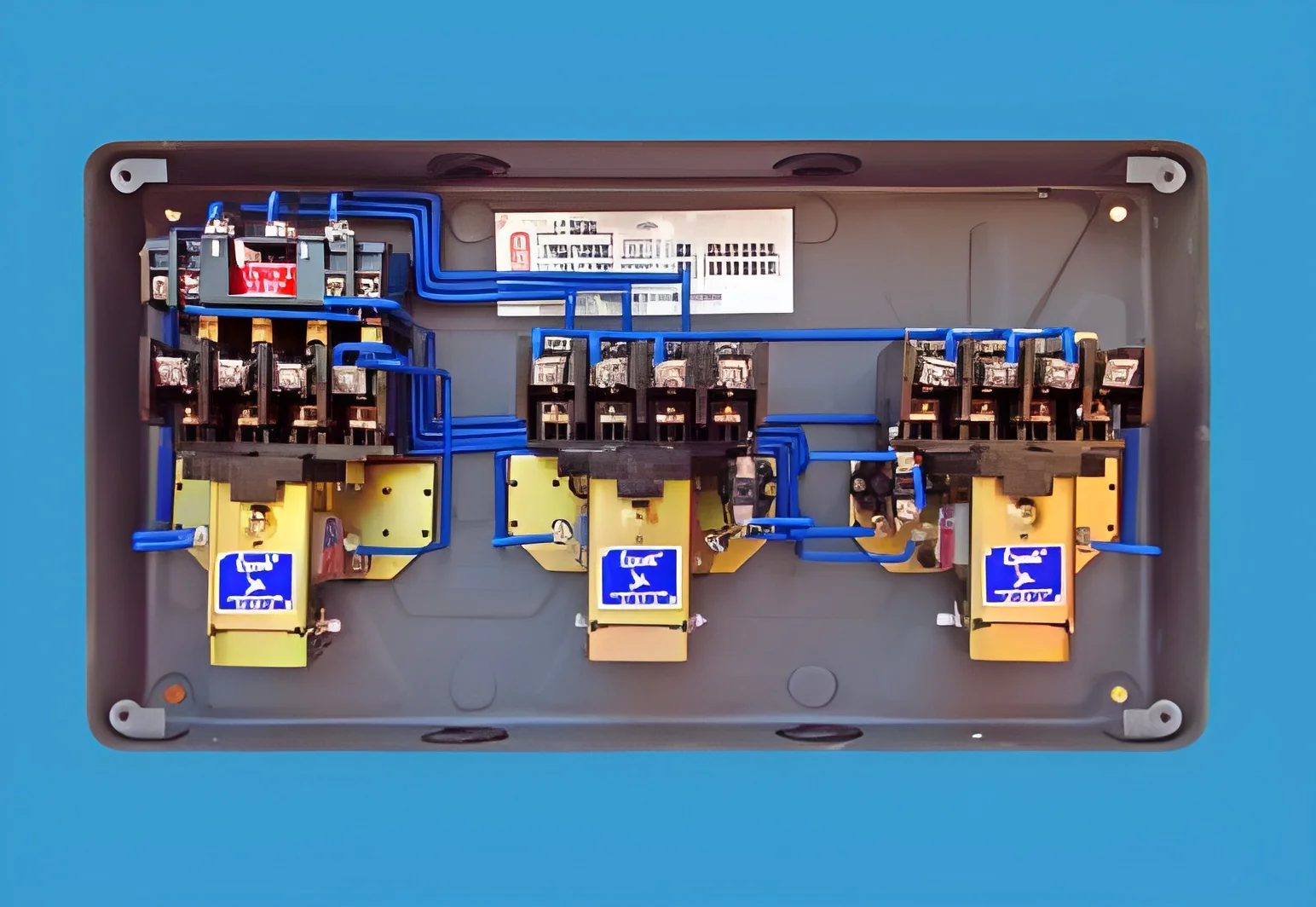
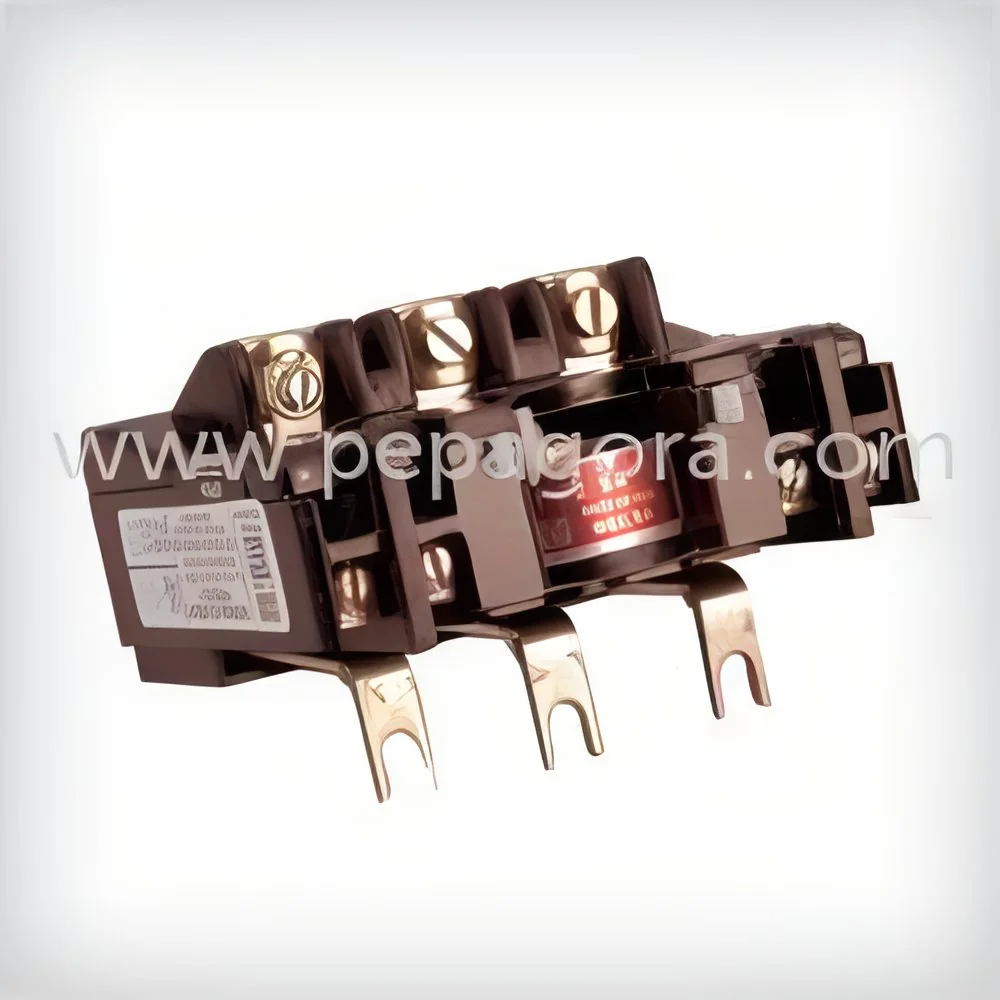
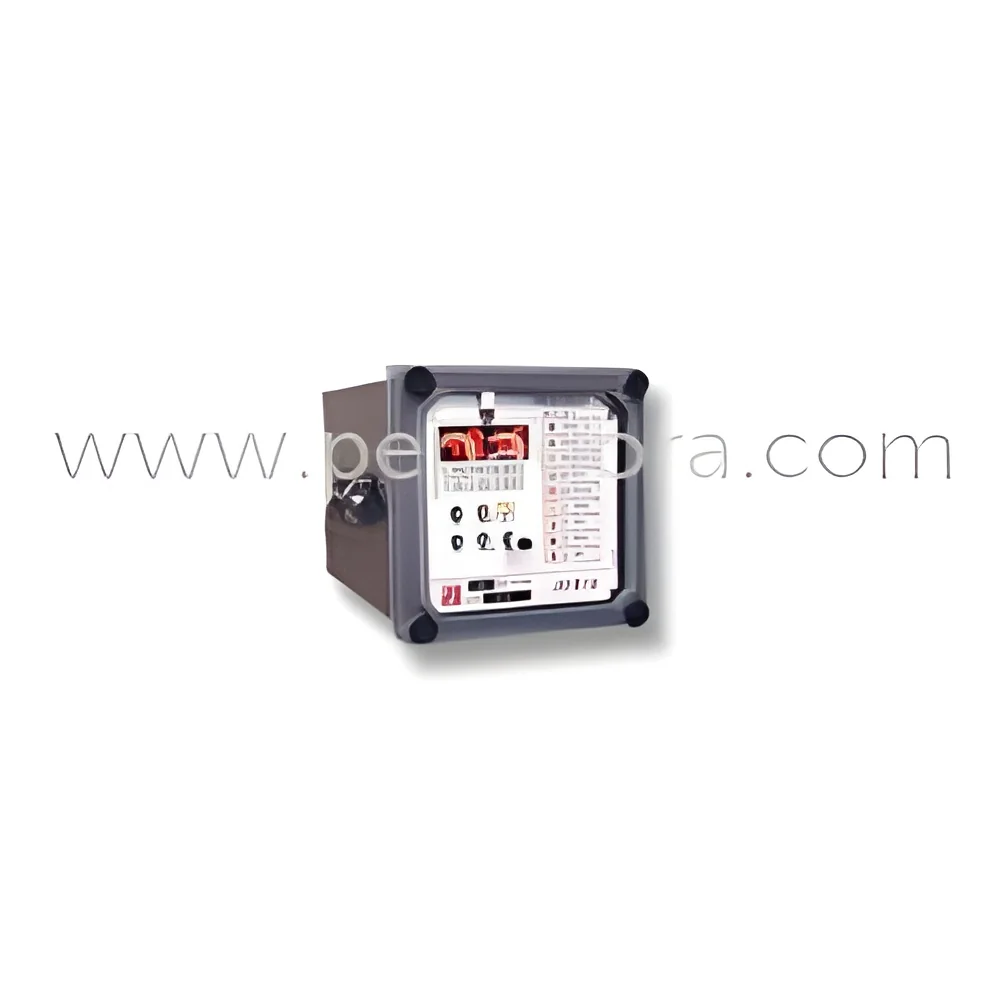
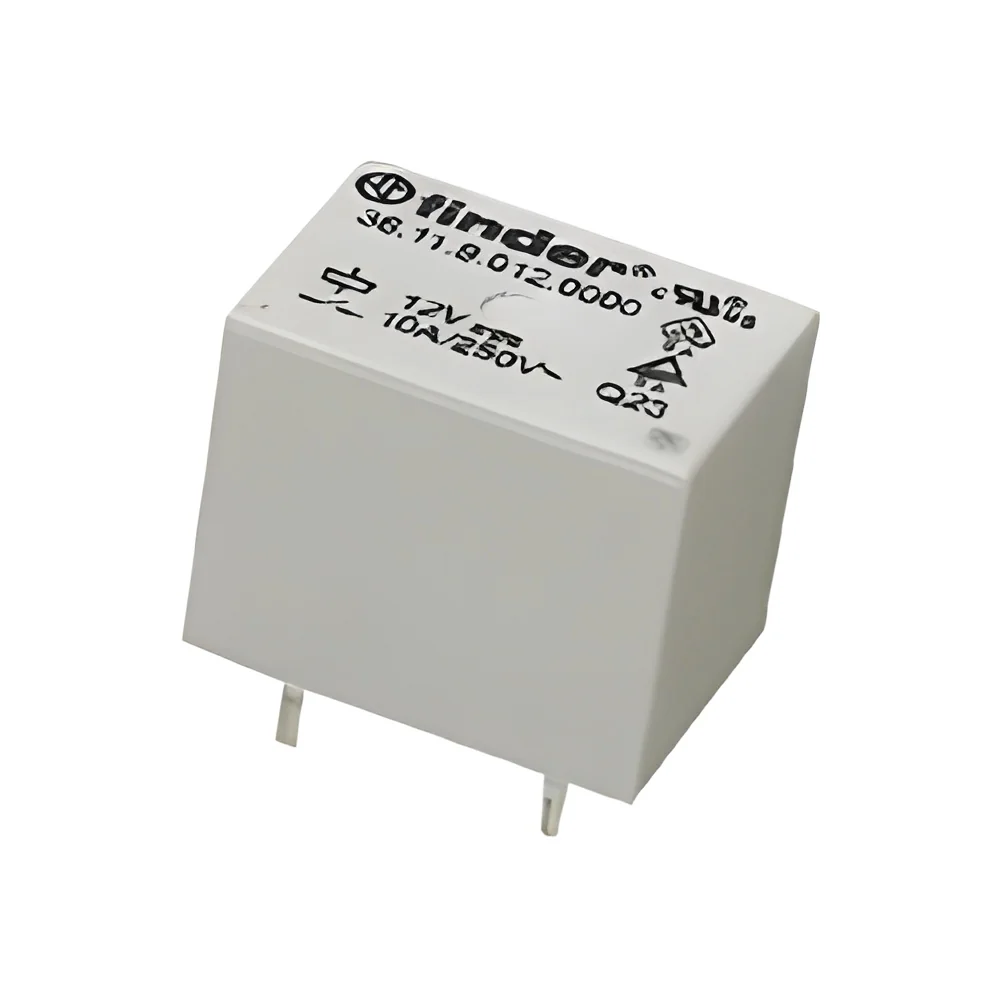
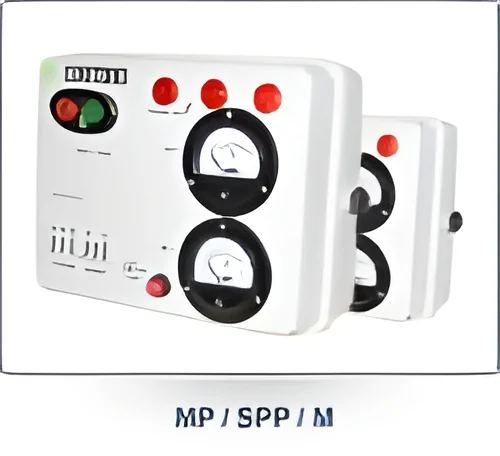
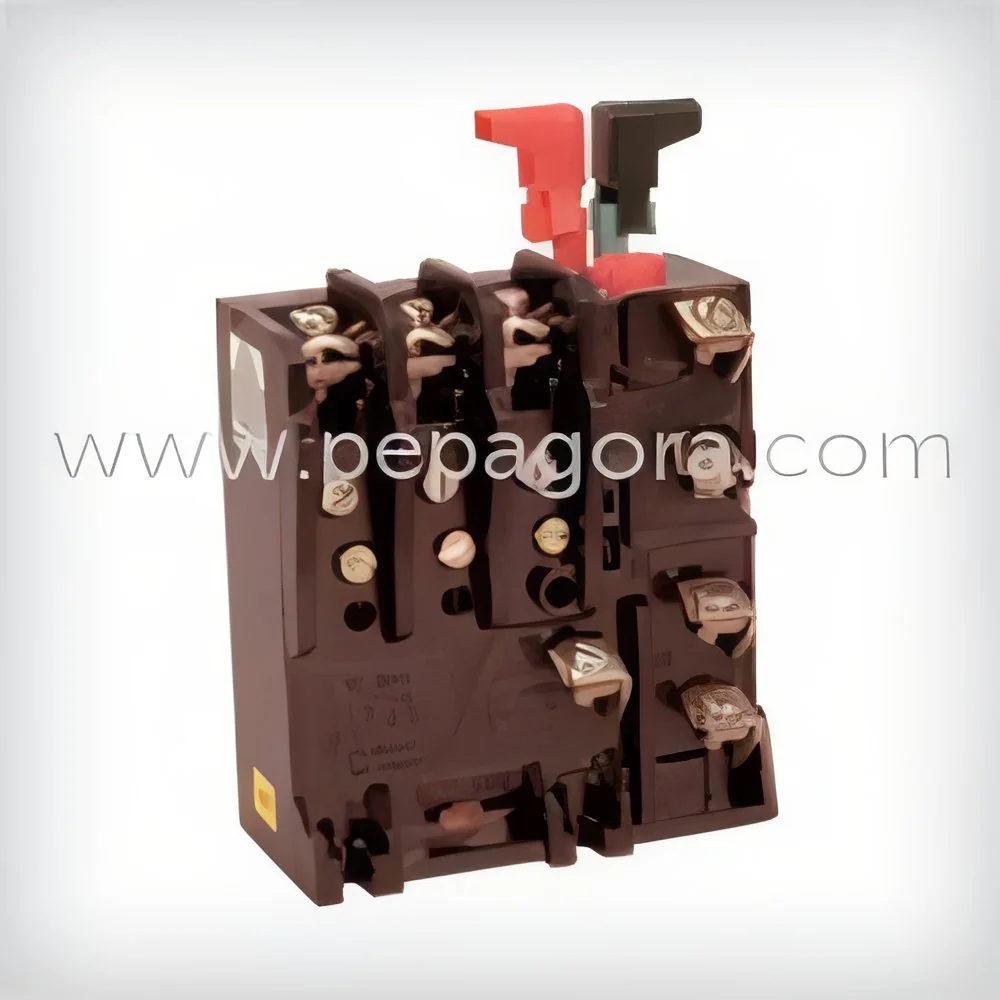
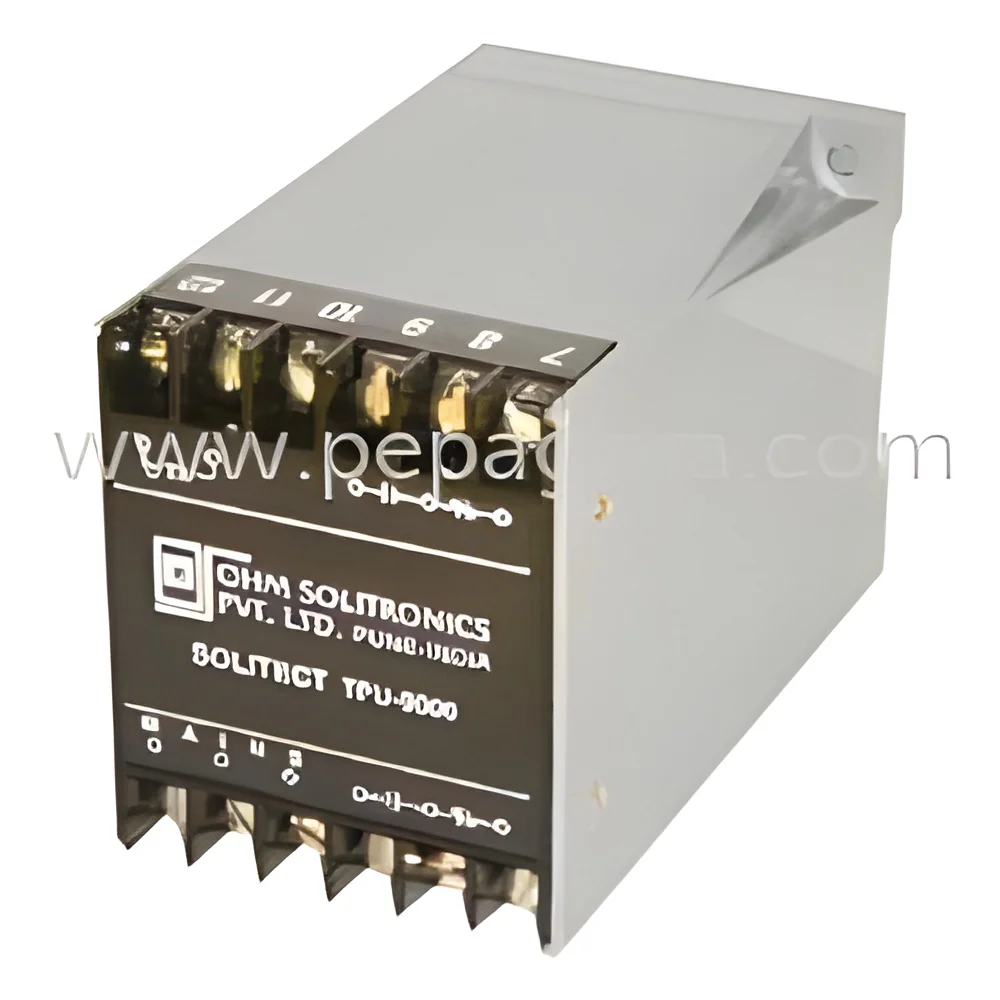
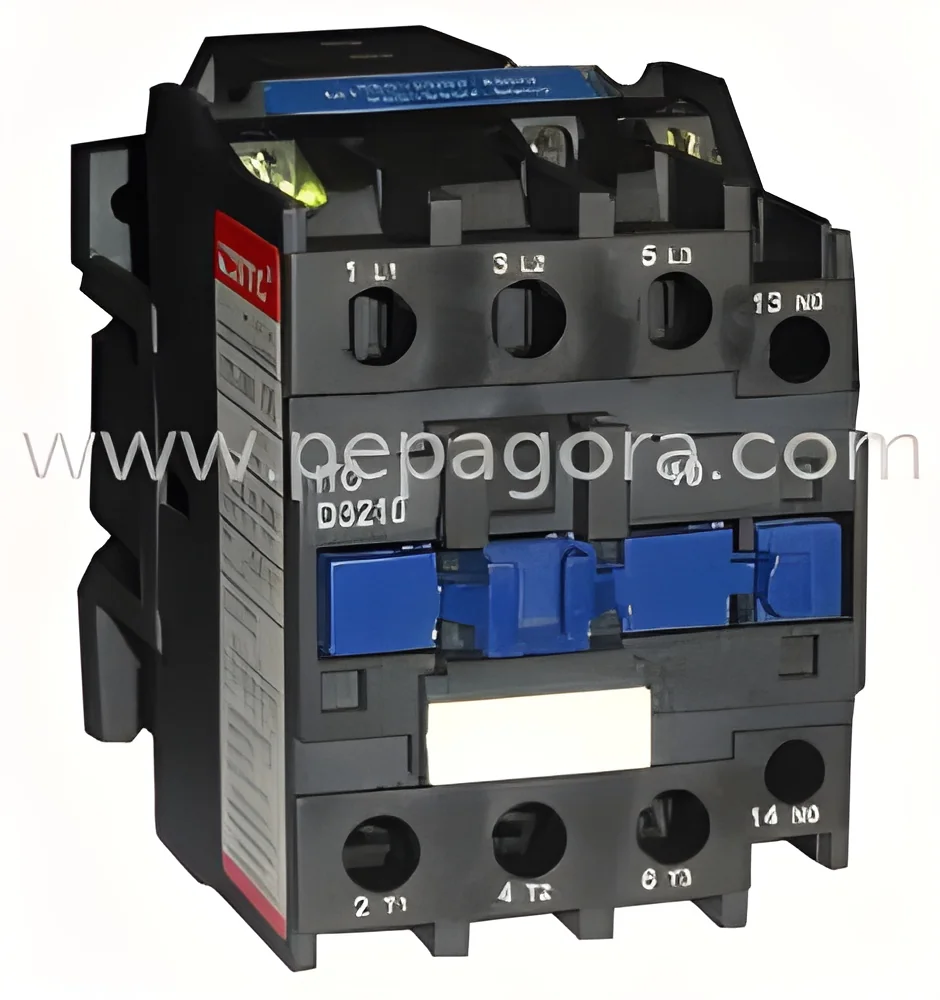
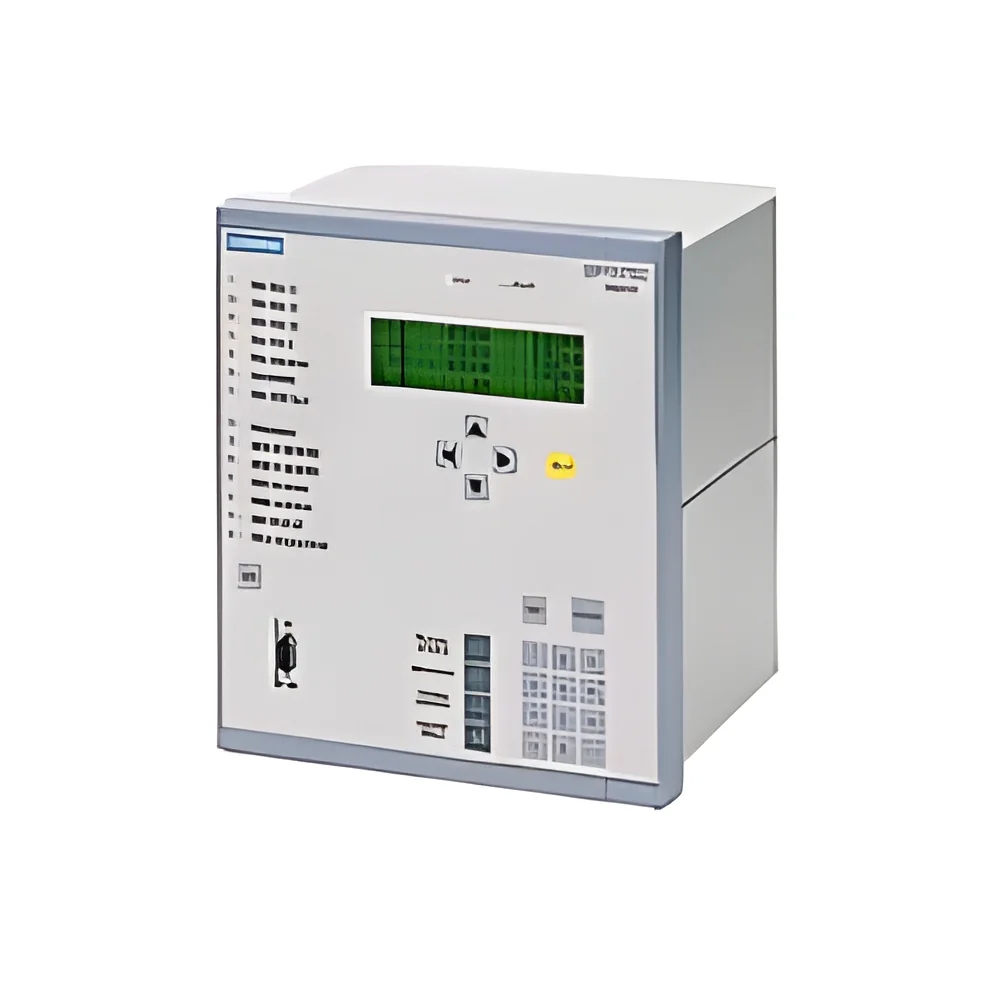
Relays, contactors, and starters are essential components in electrical systems, primarily used for controlling and managing electrical circuits. A relay is a switch that opens and closes circuits electromechanically or electronically, while a contactor is a heavy-duty relay designed for switching a larger load. Starters are specifically utilized to start and stop electric motors, ensuring they operate under safe conditions. These components play a crucial role in automating and controlling various electrical devices and systems.
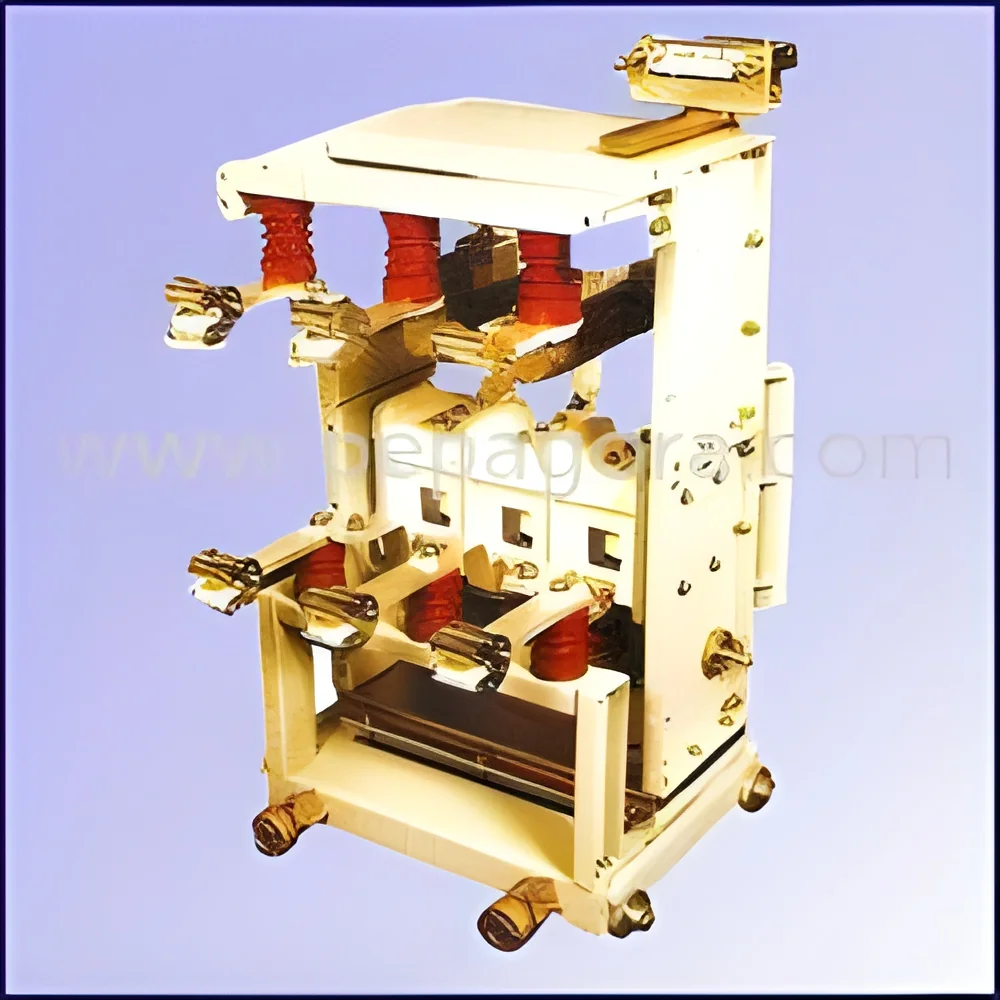
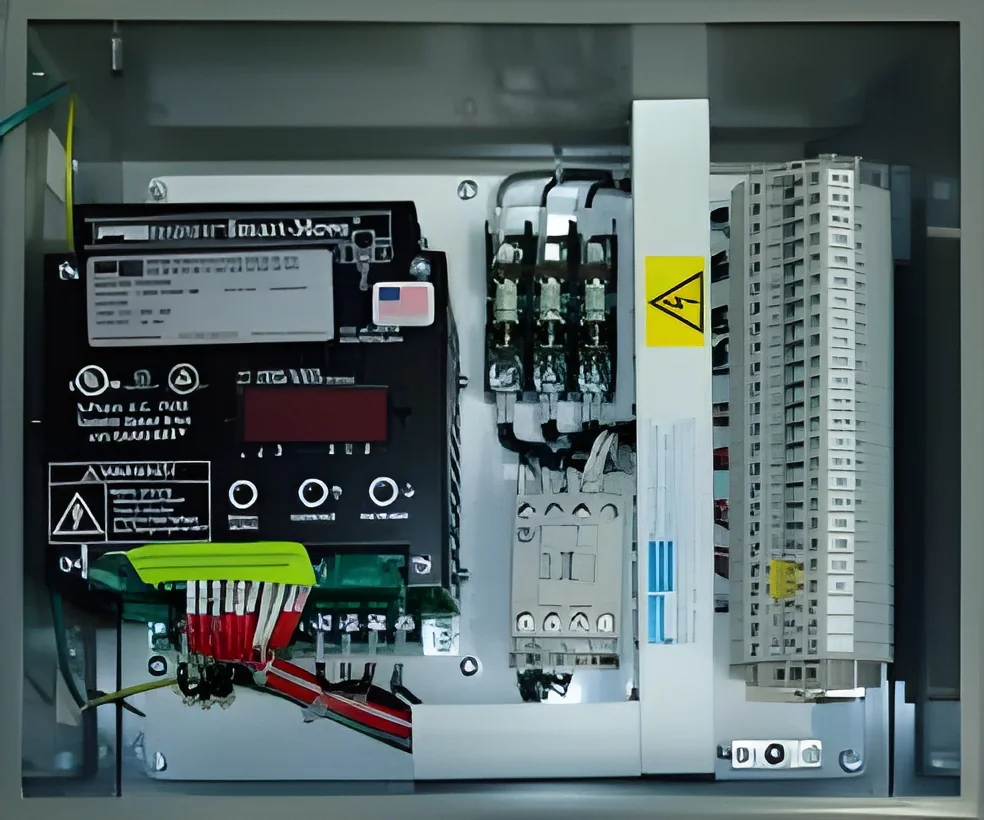
In practical applications, these devices are widely used in industrial settings for automation, machinery control, and safety systems. They are vital in sectors like manufacturing, construction, and energy, where reliable electrical control is necessary. For instance, contactors are commonly employed in motor control circuits to manage the power supply to motors, while relays may be used in control panels for signaling. The relevance of these components continues to grow in the context of modern industry, especially as automation and smart technologies become more prevalent.
𝗞𝗲𝘆 𝗙𝗲𝗮𝘁𝘂𝗿𝗲𝘀 𝗮𝗻𝗱 𝗦𝗽𝗲𝗰𝗶𝗳𝗶𝗰𝗮𝘁𝗶𝗼𝗻𝘀
Relays, contactors, and starters come with various features and specifications that cater to different industrial needs. When considering these components, it is essential to understand their key specifications to ensure optimal performance and compatibility with existing systems.
Key specifications include:
1. Switching Capacity
- Refers to the maximum current and voltage the device can handle.
- Typical ranges vary depending on the type and application.
2. Coil Voltage
- The voltage required to energize the coil for operation.
- Common voltages include 24V, 120V, and 240V AC or DC.
3. Number of Contacts
- Indicates how many circuits can be controlled.
- Options may include single-pole, double-pole, and multi-pole configurations.
4. Contact Material
- The type of material used for contacts affects durability and conductivity.
- Common materials include silver, copper, and gold.
5. Mounting Type
- Specifies how the device is installed in a system.
- Options include panel mount, DIN rail mount, and plug-in types.
6. Response Time
- The time taken for the device to operate after being triggered.
- Important for applications requiring quick responsiveness.
7. Environmental Ratings
- Defines the conditions the device can withstand, including temperature and humidity.
- Ratings such as IP (Ingress Protection) indicate resistance to dust and water.
8. Certifications
- Indicates compliance with industry standards and safety regulations.
- Common certifications include CE marking.
Understanding these specifications ensures that businesses choose the right components that meet their operational needs.
𝗖𝗼𝗺𝗺𝗼𝗻 𝗔𝗽𝗽𝗹𝗶𝗰𝗮𝘁𝗶𝗼𝗻𝘀 𝗮𝗻𝗱 𝗨𝘀𝗲 𝗖𝗮𝘀𝗲𝘀
Relays, contactors, and starters serve a wide range of industries, each with specific applications tailored to their operational requirements.
1. Manufacturing: In manufacturing plants, relays and contactors are crucial for controlling machinery and equipment, ensuring efficient production processes.
2. Construction: In construction sites, starters are used to manage the power supply to heavy equipment and tools, enhancing safety and operational efficiency.
3. Energy: In power generation and distribution, contactors are essential for managing electrical loads and protecting circuits from overloads.
4. HVAC: In heating, ventilation, and air conditioning systems, relays control various components, maintaining optimal system performance.
5. Transportation: In automotive and rail systems, starters are used to power motors and other electrical devices, ensuring reliable operation.
6. Water Treatment: In water treatment facilities, these devices control pumps and valves, facilitating the efficient management of water resources.
7. Agriculture: In agricultural applications, starters are used to manage irrigation systems and other electrically powered equipment, improving productivity.
𝗣𝗿𝗼𝗱𝘂𝗰𝘁 𝗩𝗮𝗿𝗶𝗮𝗻𝘁𝘀 𝗮𝗻𝗱 𝗦𝘂𝗯𝗰𝗮𝘁𝗲𝗴𝗼𝗿𝗶𝗲𝘀
The market offers a diverse range of relays, contactors, and starters to meet varying industry needs.
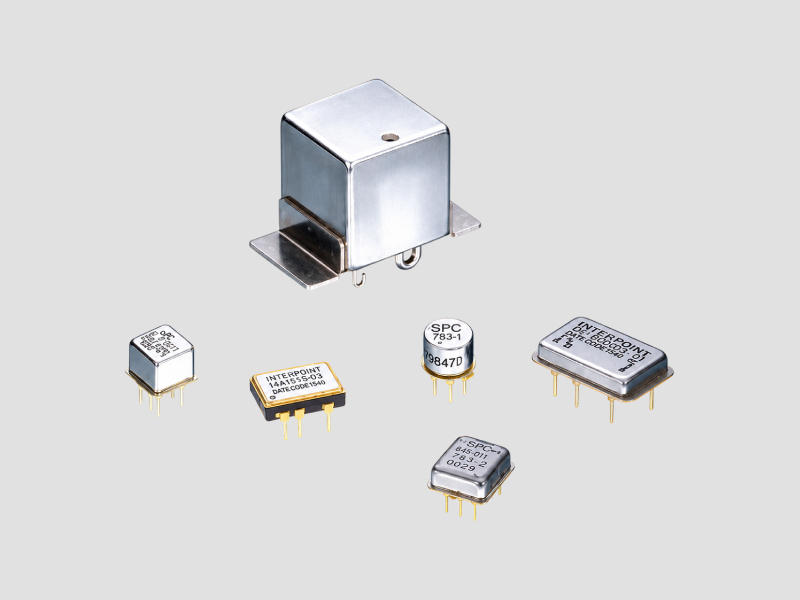
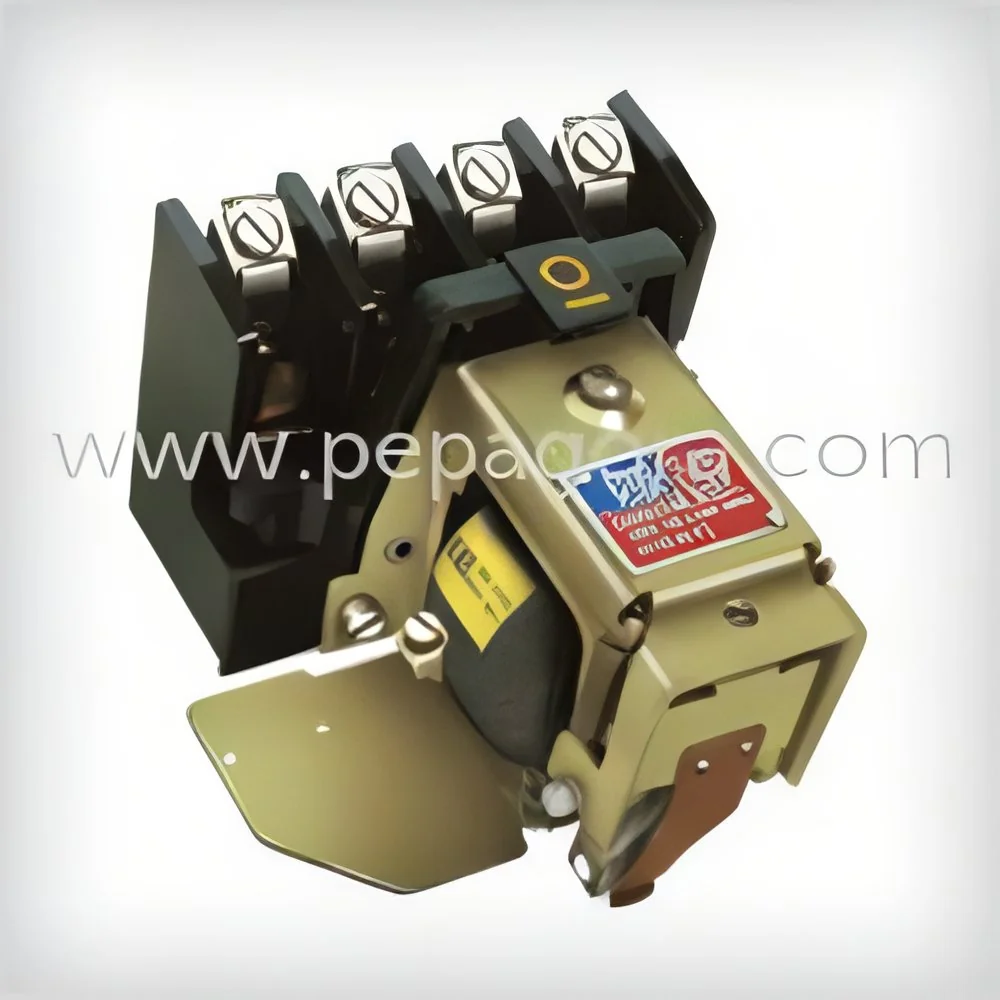
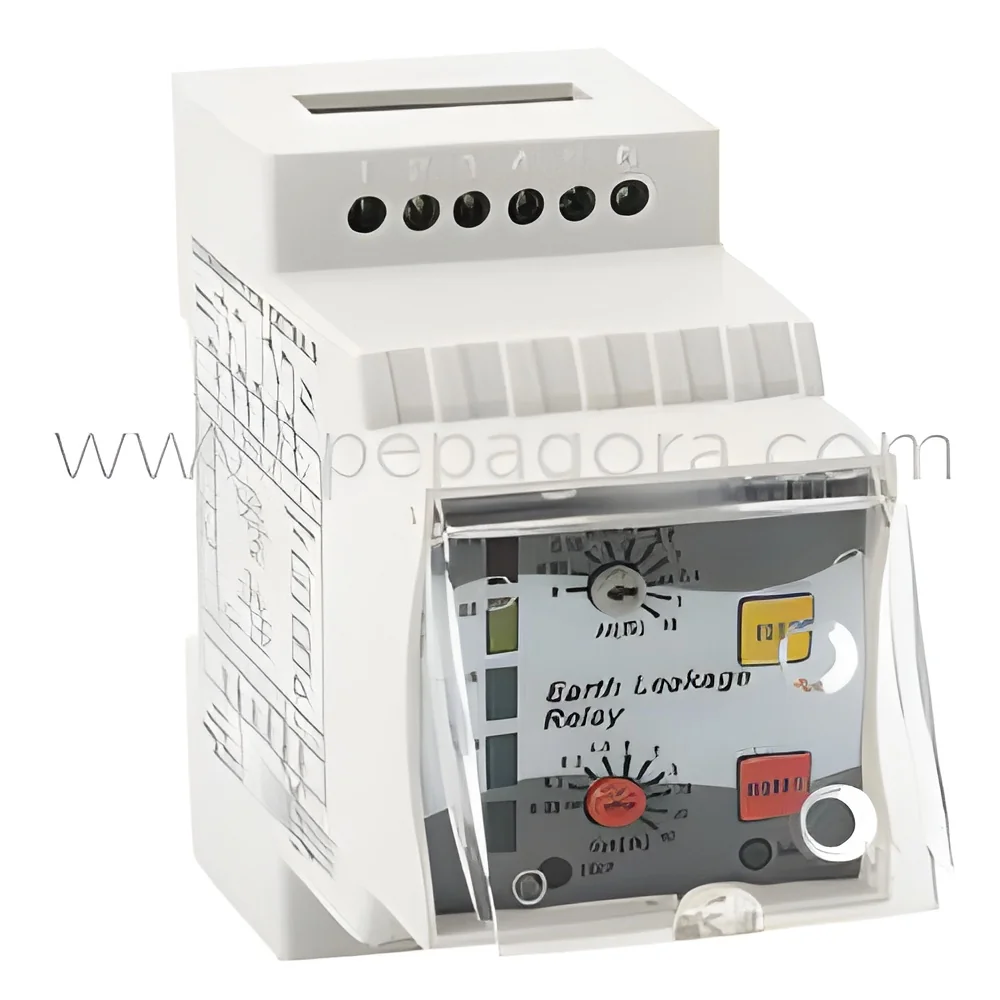
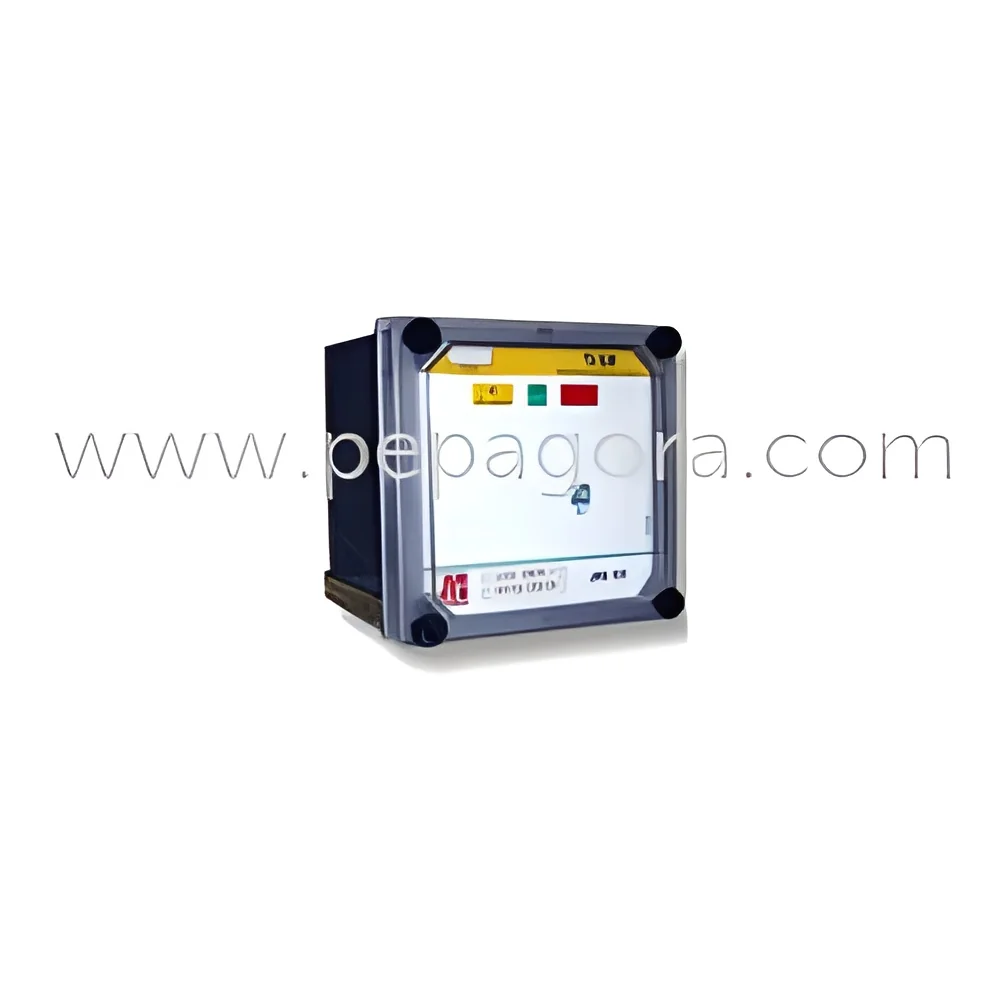
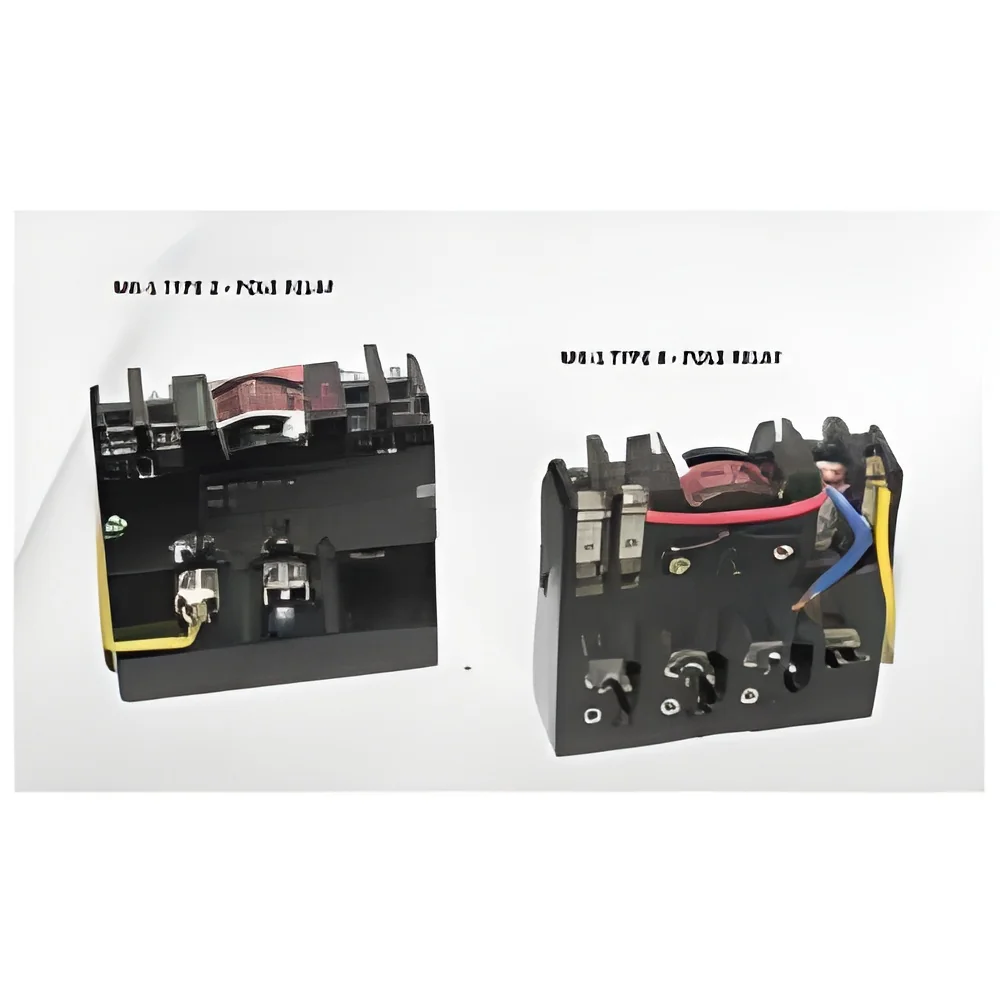
Electromechanical Relays: These relays use electromagnetic force to operate switches and are suitable for low to moderate power applications. They are often used in control circuits.
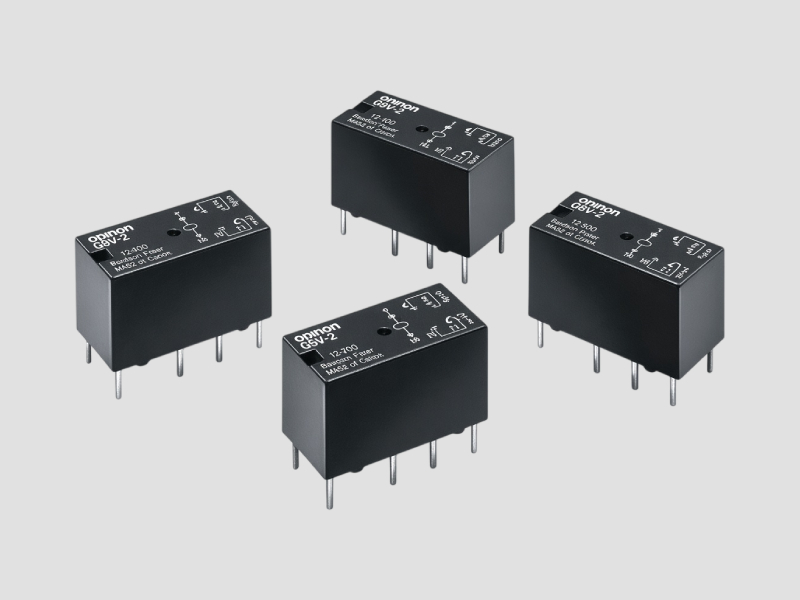
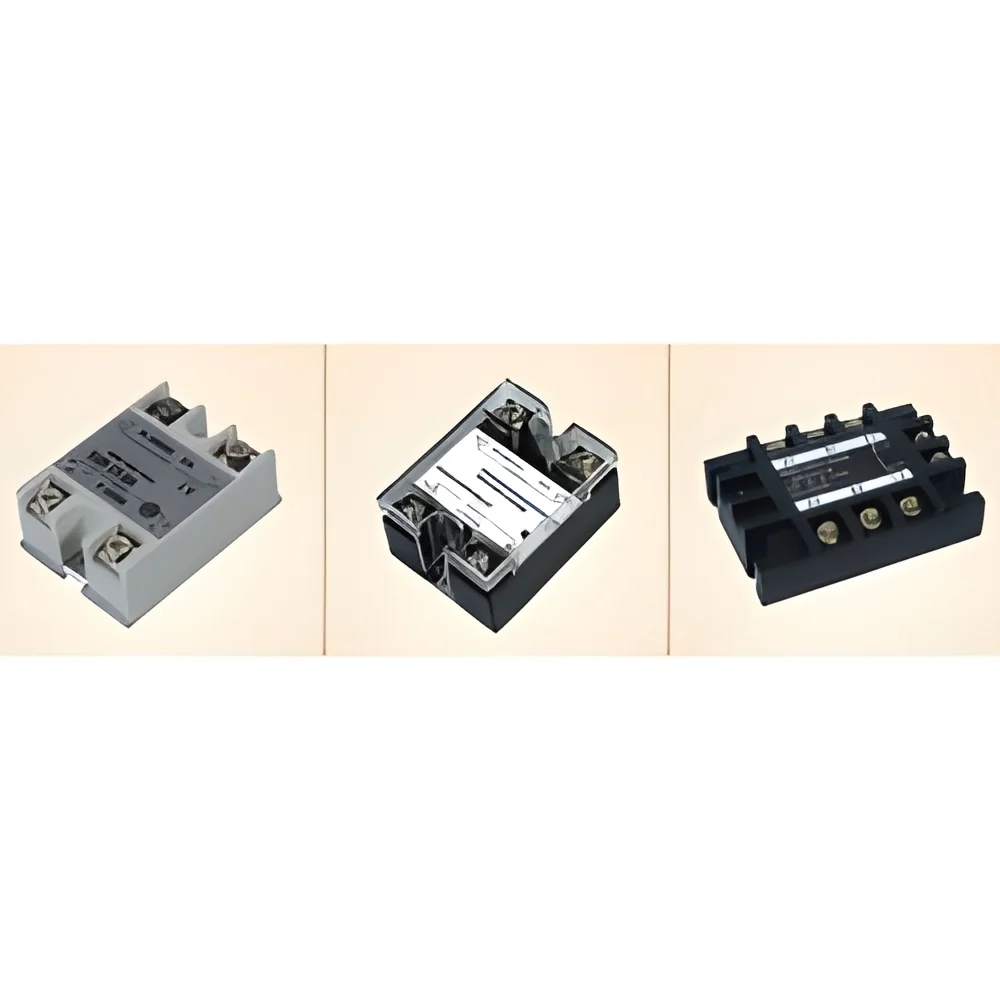
Solid State Relays: These relays provide faster switching times and longer life spans compared to electromechanical types. They are ideal for high-speed applications and environments requiring high durability.
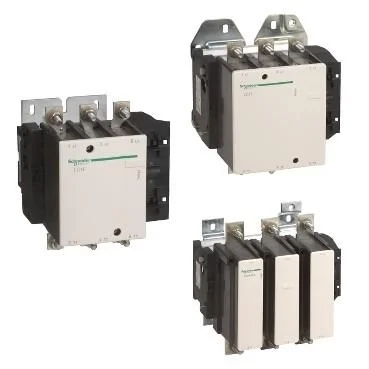
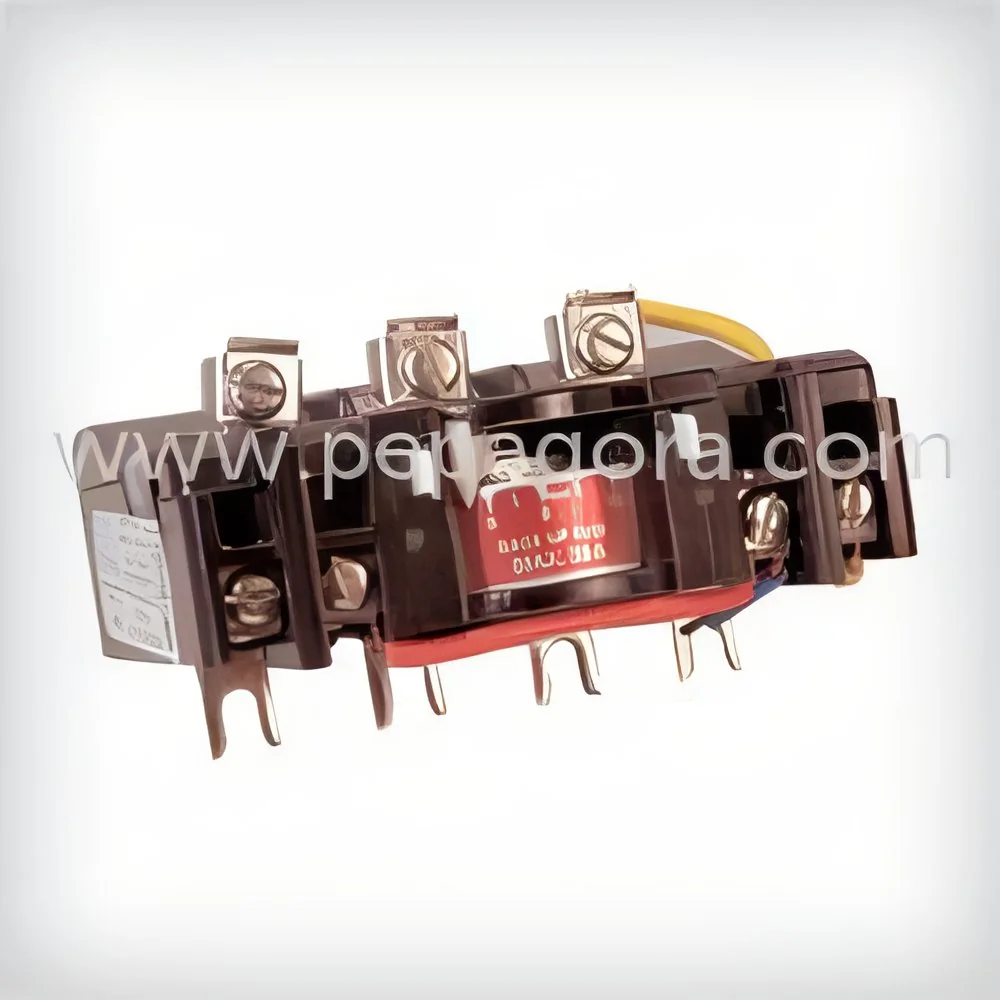
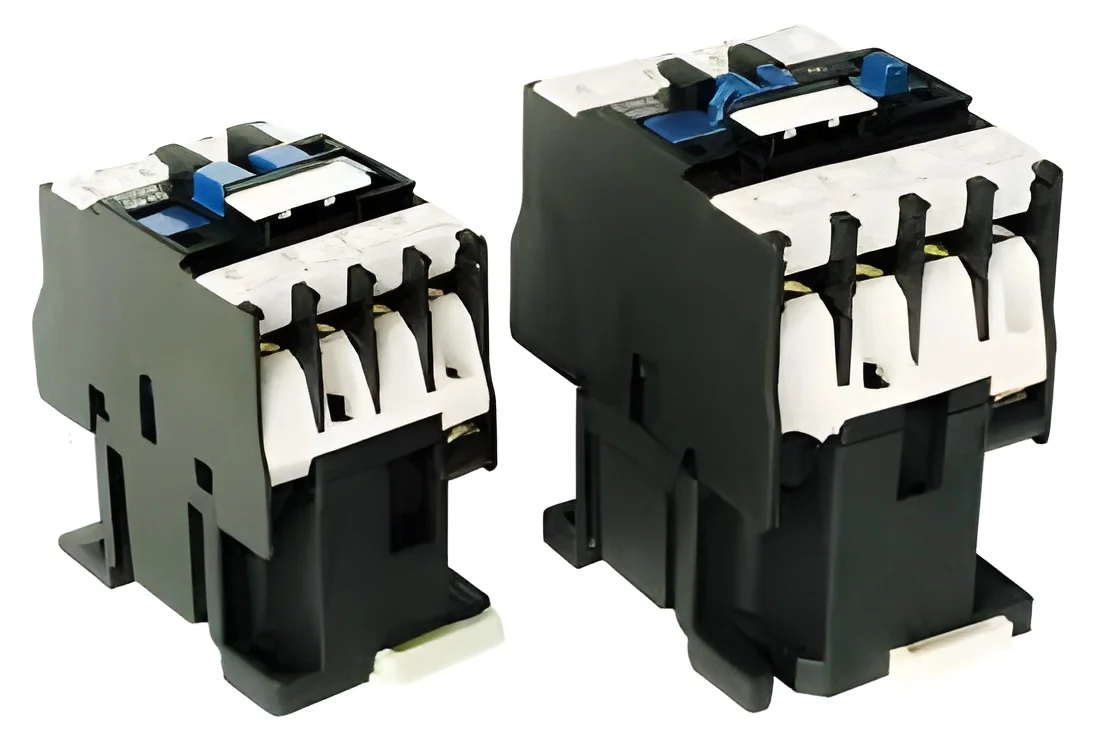
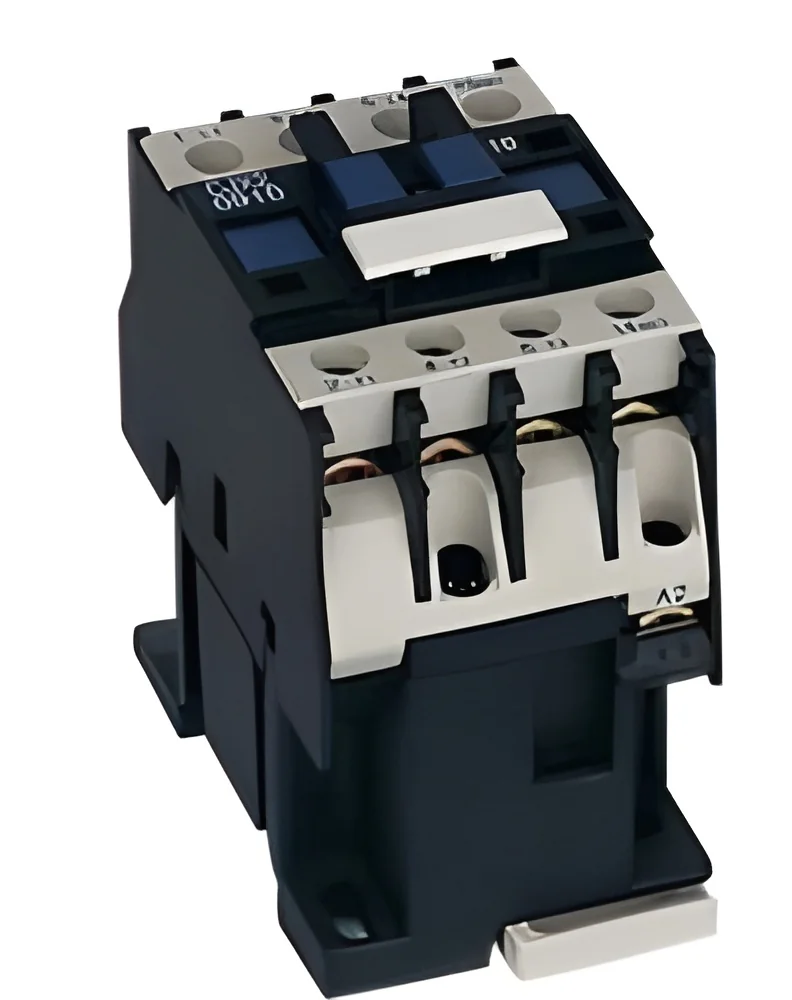
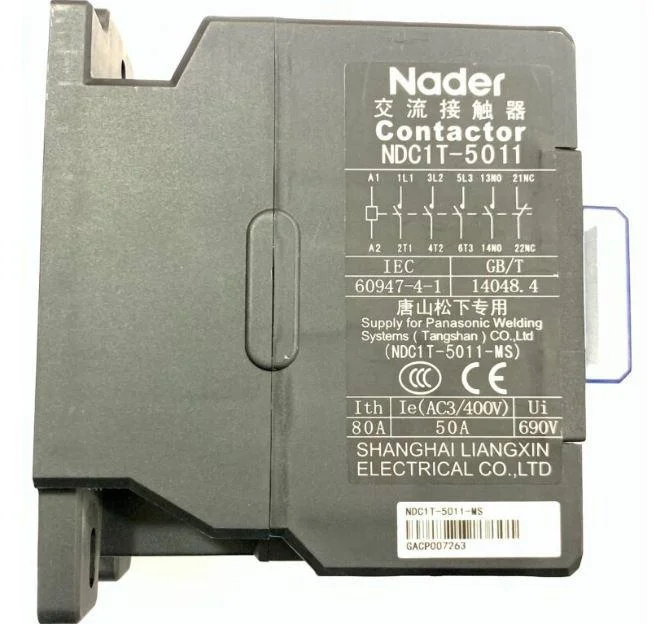
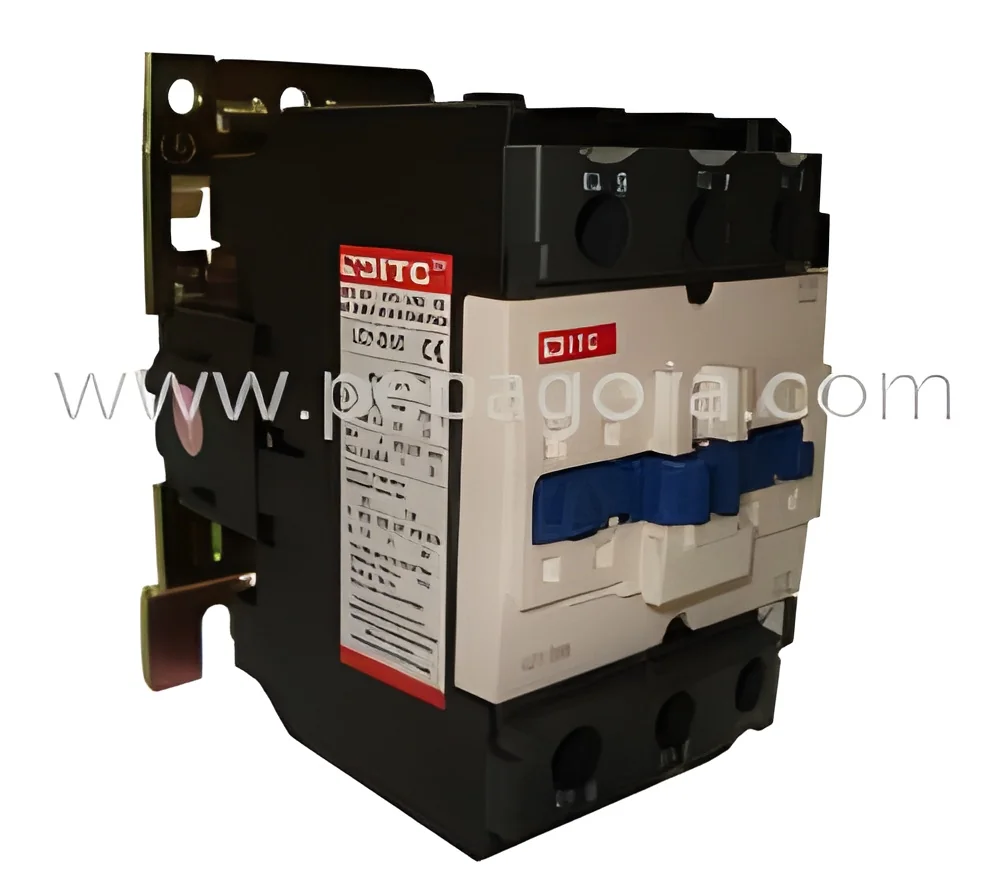
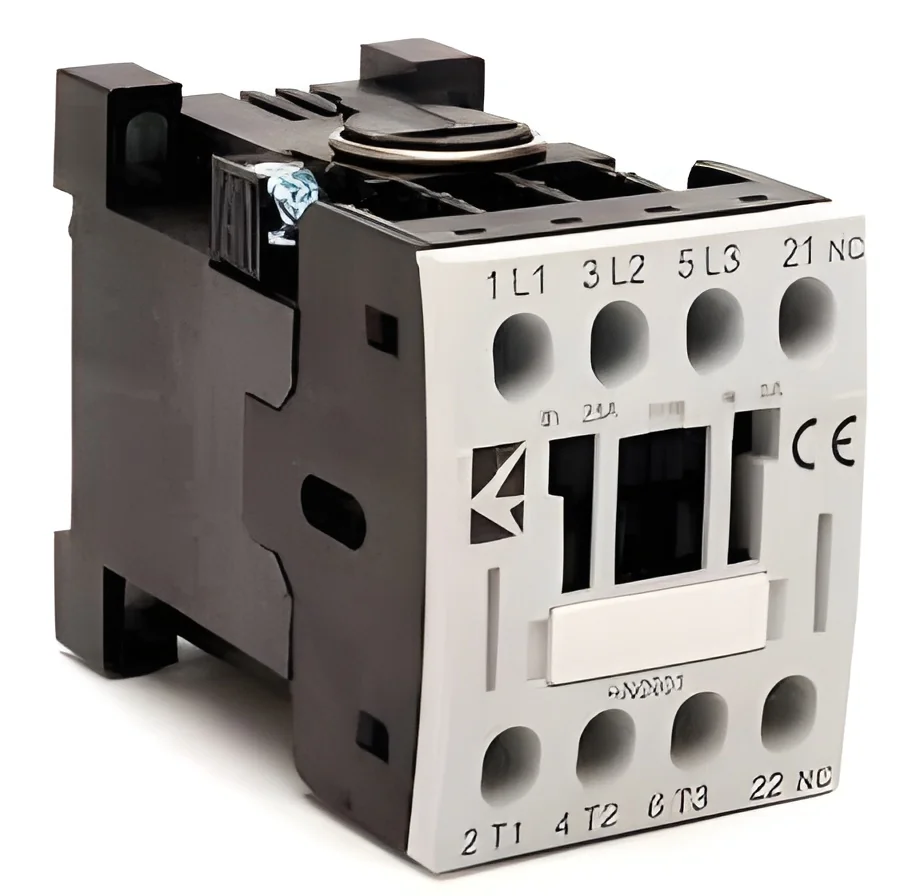
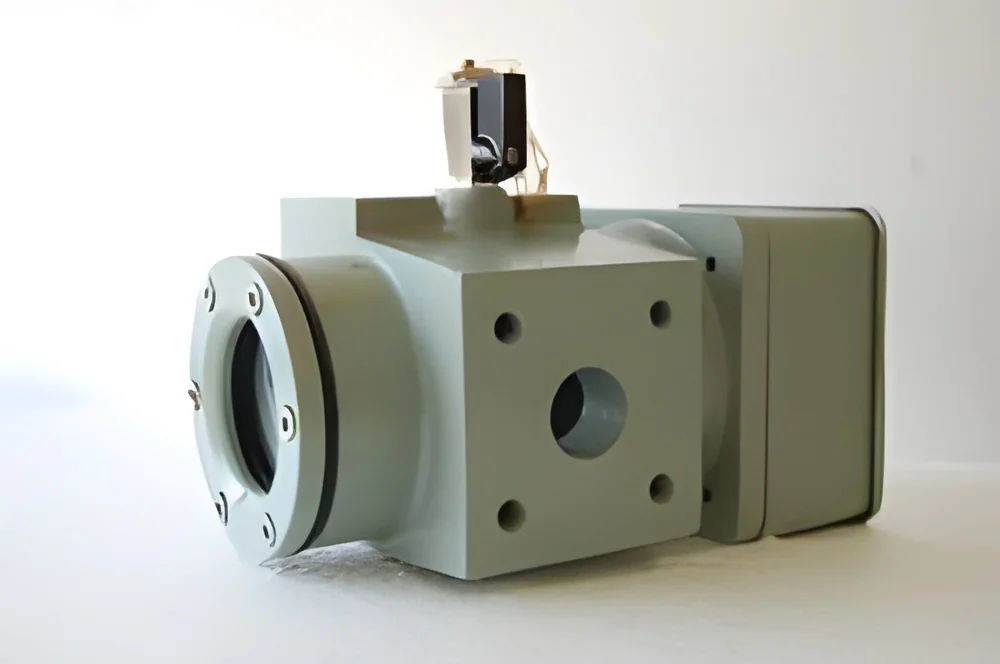
AC Contactors: Designed specifically for alternating current applications, these contactors are commonly used in motor control circuits and automation systems.
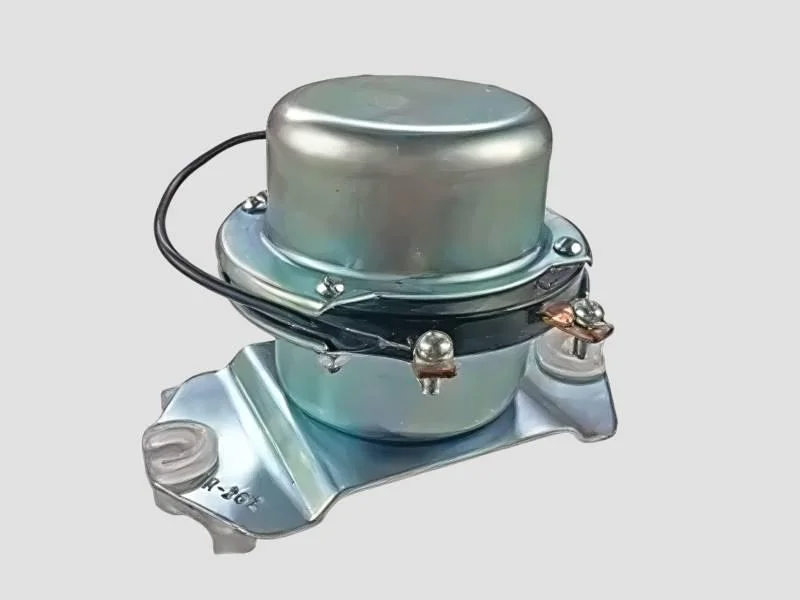
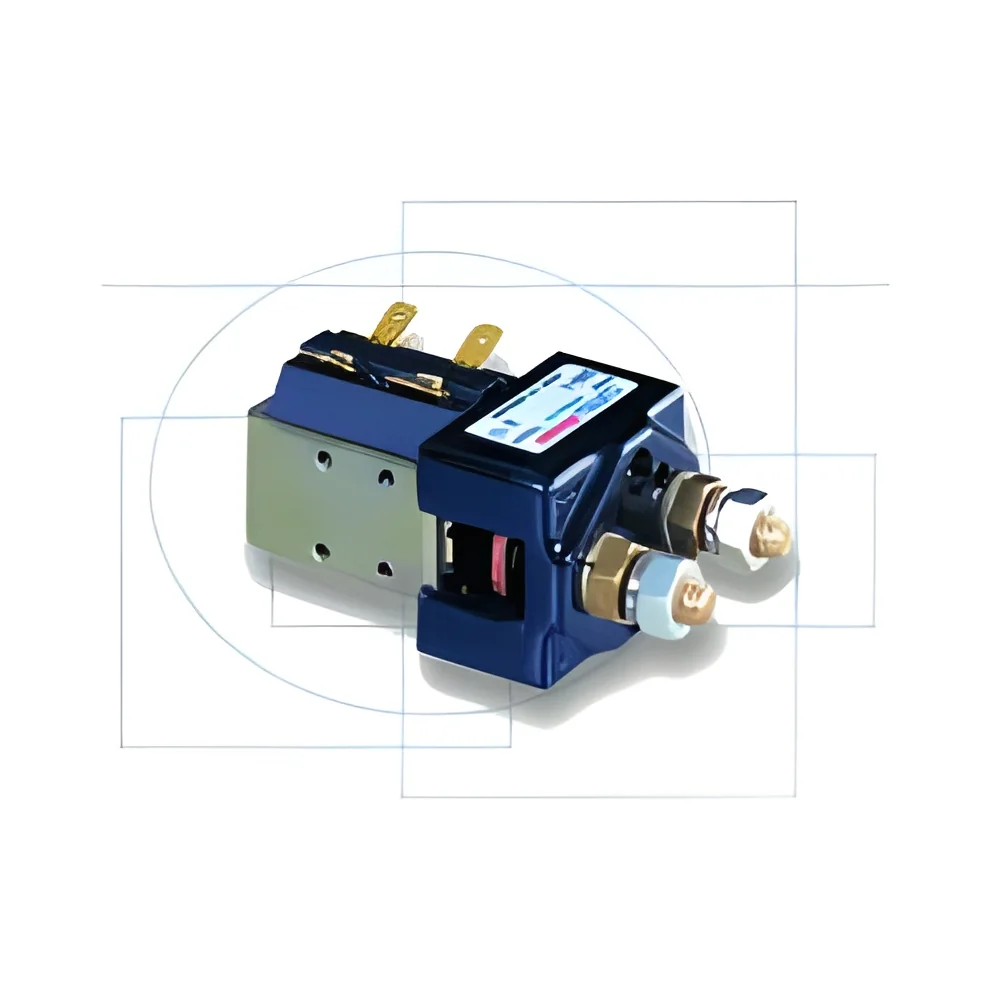
DC Contactors: These are tailored for direct current applications, providing reliability in systems like battery management and electric vehicles.
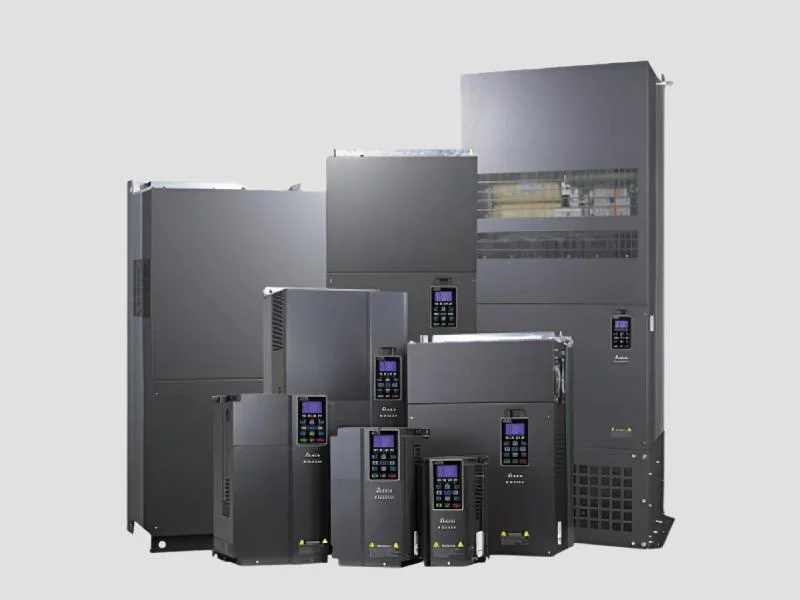
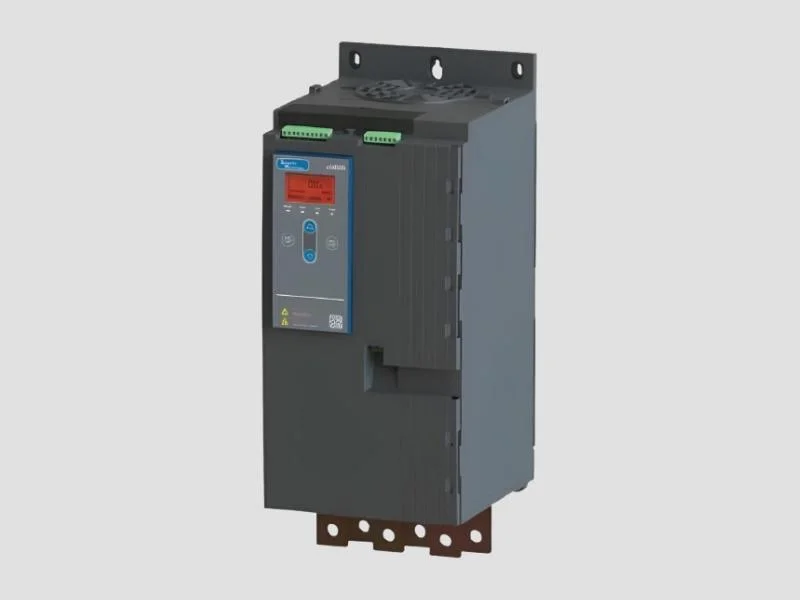
Soft Starters: These devices gradually ramp up the motor's power, reducing inrush current and mechanical stress. They are often used in applications where smooth motor operation is critical.
𝗕𝗲𝗻𝗲𝗳𝗶𝘁𝘀 𝗮𝗻𝗱 𝗔𝗱𝘃𝗮𝗻𝘁𝗮𝗴𝗲𝘀
The use of relays, contactors, and starters brings several key benefits to industrial operations.
1. Enhanced Control: These devices allow for precise control of electrical systems, improving overall efficiency and safety.
2. Increased Reliability: High-quality relays and contactors are built to withstand demanding conditions, ensuring long-term performance.
3. Safety Features: Many models come with built-in safety mechanisms to prevent overloads and short circuits, protecting both equipment and personnel.
4. Automation Support: These components facilitate the automation of processes, reducing manual intervention and enhancing productivity.
5. Cost-Effectiveness: By optimizing energy consumption and reducing downtime, businesses can achieve significant cost savings over time.
6. Versatility: With various configurations available, these devices can be adapted for a wide range of applications across different industries.
𝗕𝘂𝘆𝗶𝗻𝗴 𝗚𝘂𝗶𝗱𝗲 𝗳𝗼𝗿 𝗕𝟮𝗕 𝗕𝘂𝘆𝗲𝗿𝘀
When sourcing relays, contactors, and starters, there are several factors that B2B buyers should consider to ensure they make informed purchasing decisions.
1. Quality Assessment: Evaluate the quality of components by checking certifications and performance ratings. High-quality products lead to lower failure rates and longer lifespans.
2. Supplier Verification: Vet suppliers thoroughly by reviewing their reputation, customer feedback, and industry experience. A reliable supplier ensures consistent product quality and service.
3. Pricing and MOQ: Consider the total cost of ownership, including pricing, minimum order quantities, and shipping costs. Compare quotes from multiple suppliers to find the best deal.
4. Delivery and Lead Times: Assess the supplier's ability to deliver on time. Reliable lead times are crucial for maintaining production schedules and avoiding delays.
5. Compliance Requirements: Ensure that the products meet relevant industry standards and regulations. Compliance with safety and performance standards is essential for operational integrity.
𝗖𝗼𝗺𝗽𝗹𝗶𝗮𝗻𝗰𝗲 𝗮𝗻𝗱 𝗖𝗲𝗿𝘁𝗶𝗳𝗶𝗰𝗮𝘁𝗶𝗼𝗻𝘀
Compliance and certifications are critical aspects of relays, contactors, and starters. Manufacturers often adhere to quality standards such as ISO 9001, which ensures consistency in production and quality management systems. Industry certifications such as CE marking indicate that the products meet European safety, health, and environmental protection requirements.
Safety and testing requirements are also paramount. Devices must undergo rigorous testing to ensure they can operate safely under specified conditions. This includes thermal, electrical, and mechanical tests.
Additionally, regional compliance considerations may vary. Buyers should be aware of local regulations and standards that apply to their specific industry and geographic area to ensure products are compliant.
𝗪𝗵𝘆 𝗦𝗼𝘂𝗿𝗰𝗲 𝗥𝗲𝗹𝗮𝘆𝘀, 𝗖𝗼𝗻𝘁𝗮𝗰𝘁𝗼𝗿𝘀 & 𝗦𝘁𝗮𝗿𝘁𝗲𝗿𝘀 𝗳𝗿𝗼𝗺 𝗣𝗲𝗽𝗮𝗴𝗼𝗿𝗮?
Pepagora provides a trusted platform for sourcing relays, contactors, and starters, offering several key advantages to B2B buyers.
Verified Supplier Network: Pepagora features a network of verified suppliers, ensuring that buyers have access to high-quality products and reliable service. This network helps mitigate risks associated with sourcing.
Streamlined RFQ Process: The platform simplifies the request for quotation process, allowing buyers to easily compare offers from multiple suppliers. This efficiency enables quicker decision-making.
Trade Assurance and Support: Pepagora offers trade assurance, providing buyers with protection and support throughout the purchasing process. This adds an extra layer of security for transactions.
Regional Coverage: With a reach that spans India, the GCC, and Southeast Asia, Pepagora connects buyers with suppliers across these regions, making it easier to find suitable products and services tailored to local markets.

 IN
IN