What are Definite Purpose Contactors?
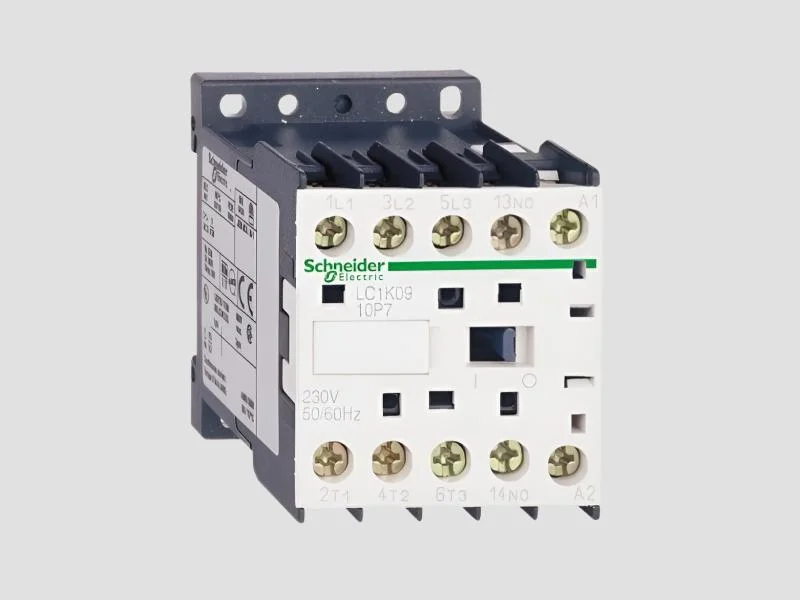
Definite Purpose Contactors are electrical devices designed to control power circuits for specific applications. These contactors are engineered to handle specific loads, making them essential components in various industrial and commercial settings. They provide reliable operation for motor control, lighting, and heating applications, ensuring efficient power management.
These contactors are primarily used in equipment that requires frequent switching and control. Industries such as HVAC, manufacturing, and material handling utilize definite purpose contactors to manage motors, compressors, and other machinery. The design caters to specific voltage and current ratings, enhancing their performance and reliability in demanding environments.
In the current market context, definite purpose contactors are gaining traction due to increased automation and energy efficiency initiatives across industries. Their ability to reduce energy consumption while maintaining operational effectiveness makes them a critical component for businesses focused on sustainability and productivity.
Key Features and Specifications
Definite Purpose Contactors are characterized by a range of features that enhance their functionality and reliability. Understanding these specifications is essential for selecting the right contactor for your needs.
Key specifications include:
1. Voltage Rating
- Designed to operate at specific voltage levels, typically ranging from 24V to 600V.
2. Current Rating
- Available in various current capacities, generally from 10A to 100A, to suit different applications.
3. Coil Voltage
- Standard coil voltages include 120V, 240V, and 480V, ensuring compatibility with existing systems.
4. Number of Poles
- Offered in single-pole, double-pole, and three-pole configurations for diverse circuit requirements.
5. Operation Type
- Includes both mechanically held and electrically held options for tailored control solutions.
6. Enclosure Type
- Available in open and enclosed designs, providing protection against dust and moisture.
7. Auxiliary Contacts
- Optional auxiliary contacts are available for additional control and monitoring capabilities.
8. Certification
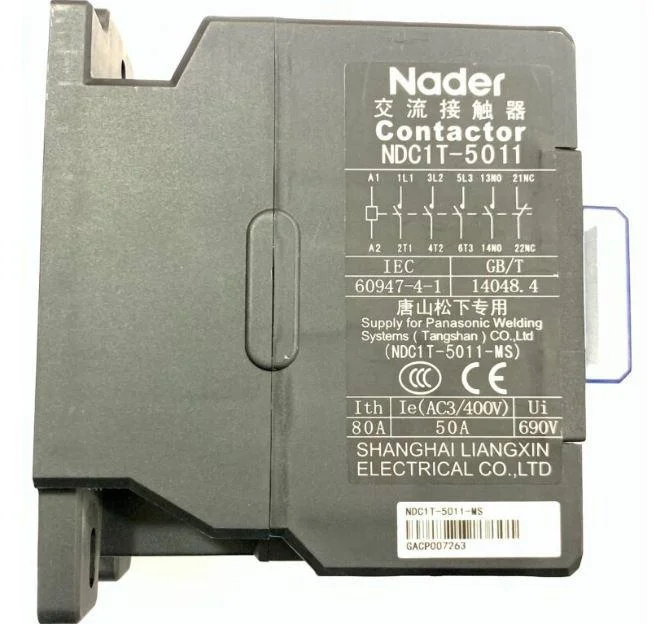
- Compliance with CE standards ensures safety and reliability in operation.
These features collectively ensure that definite purpose contactors meet the rigorous demands of various applications while providing safe and efficient operation.
Common Applications and Use Cases
Definite Purpose Contactors are utilized across several industries for specific applications.
1. HVAC: In heating, ventilation, and air conditioning systems, definite purpose contactors control motors for compressors and fans, ensuring efficient climate control.
2. Manufacturing: These contactors are essential in controlling machinery, including conveyors and automated systems, to enhance operational efficiency and safety.
3. Material Handling: In warehouses and distribution centers, definite purpose contactors manage motorized equipment like forklifts and pallet jacks, streamlining logistics processes.
4. Food Processing: They are used to control heating elements and refrigeration units, ensuring proper temperature management in food production and storage.
5. Pump Control: In water treatment and irrigation systems, definite purpose contactors manage the operation of pumps, promoting reliable water flow and distribution.
6. Lighting Control: They are commonly used in commercial lighting systems to manage circuits and enhance energy efficiency.
7. Agriculture: Definite purpose contactors control motors for irrigation systems and greenhouse environments, supporting agricultural productivity.
Product Variants and Subcategories
Definite Purpose Contactors come in various forms to cater to specific needs and applications.
Standard Contactors
These are the most common type, designed for general-purpose use in controlling motors and lighting circuits. They offer reliable performance and are easy to integrate into existing systems.
Heavy-Duty Contactors
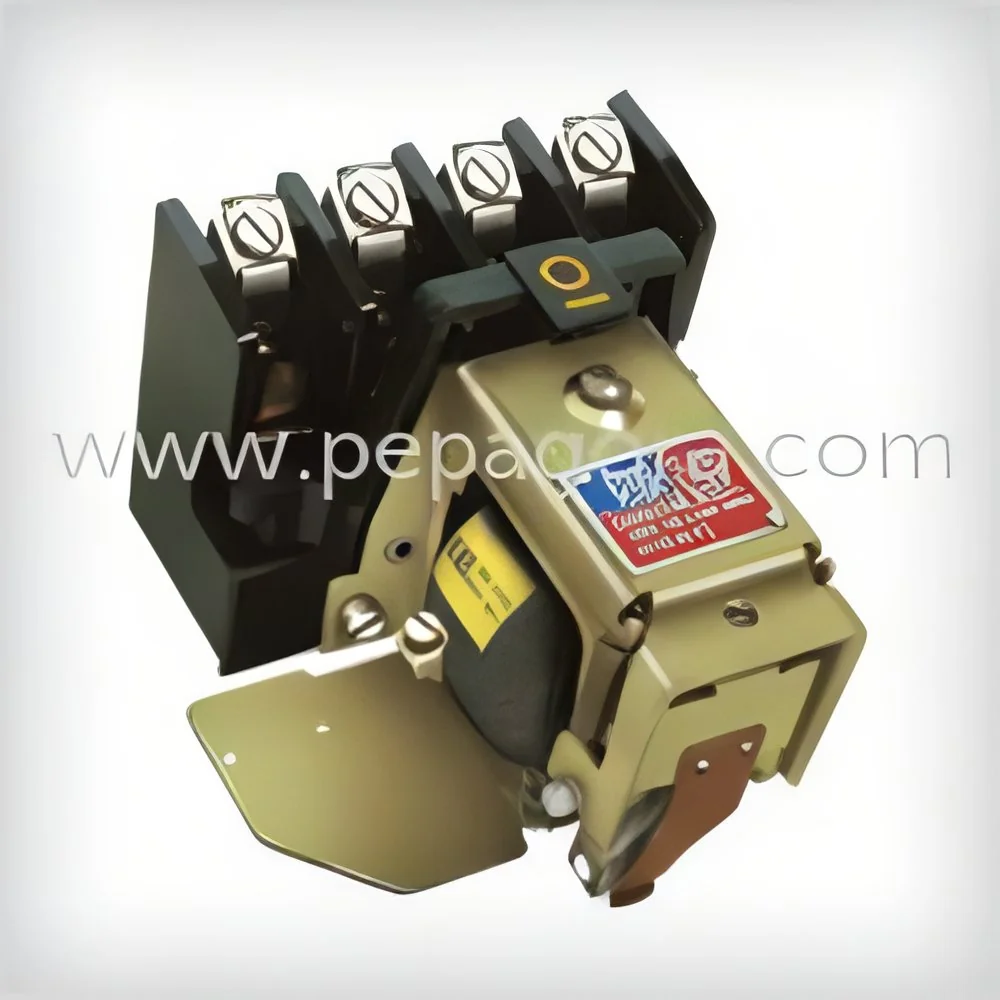
Engineered for high-load applications, these contactors handle larger currents and are built for durability, making them suitable for demanding industrial environments.
Compact Contactors
Ideal for applications with space constraints, compact contactors provide the same functionality in a smaller footprint, supporting equipment in tight spaces.
Smart Contactors
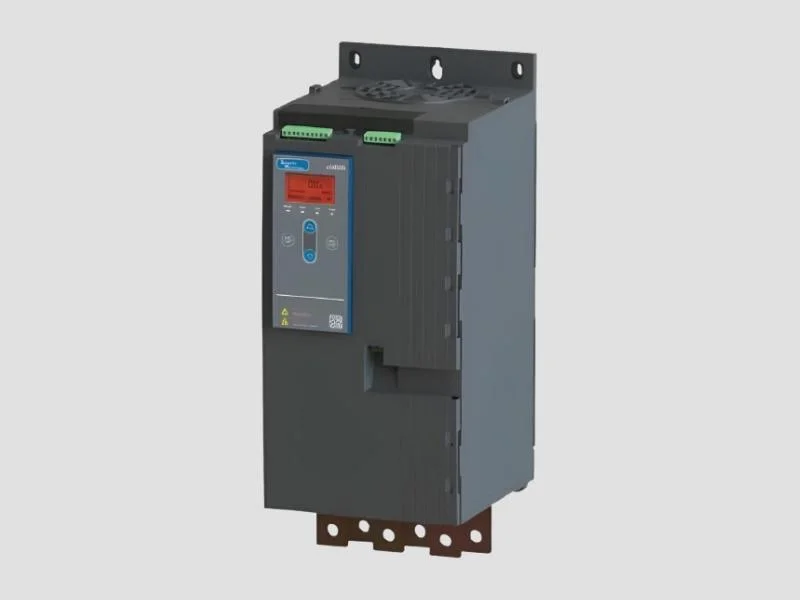
Integrated with monitoring and control features, smart contactors provide data analytics capabilities, enhancing operational efficiency and predictive maintenance.
Benefits and Advantages
Definite Purpose Contactors offer numerous advantages for businesses looking to optimize their operations.
1. Reliability: These contactors are designed for specific applications, ensuring consistent performance and minimizing downtime.
2. Energy Efficiency: By managing power more effectively, definite purpose contactors help reduce energy consumption and operational costs.
3. Safety: Built to comply with industry standards, these contactors enhance safety in electrical systems by preventing overloads and short circuits.
4. Versatility: With a range of options available, they can be tailored to meet the unique requirements of various applications across different industries.
5. Ease of Installation: Definite purpose contactors are generally straightforward to install, allowing for quick integration into existing systems.
6. Maintenance-Friendly: Designed for durability, these contactors often require less frequent maintenance, reducing operational interruptions.
Buying Guide for B2B Buyers
When sourcing Definite Purpose Contactors, there are several factors to keep in mind to ensure you make an informed decision.
1. Quality Assessment: Look for contactors that meet relevant quality standards and have a proven track record of reliability in applications similar to yours.
2. Supplier Verification: Vet potential suppliers to ensure they offer quality products and have a good reputation in the industry.
3. Pricing and MOQ: Understand the pricing structure and minimum order quantities. This will help you manage budgets and inventory effectively.
4. Delivery and Lead Times: Inquire about logistics to ensure timely delivery of products, particularly if they are critical to your operations.
5. Compliance Requirements: Ensure that the contactors meet all relevant regulatory and safety requirements for your industry, such as CE certification.
Compliance and Certifications
Definite Purpose Contactors must adhere to various compliance and certification standards to ensure safety and reliability. Key quality standards include ISO 9001, which emphasizes consistent quality management systems.
Industry certifications, such as CE, indicate that the products meet European safety, health, and environmental protection standards. This certification is crucial for ensuring that the contactors can be used safely in different applications.
Safety and testing requirements are also paramount. Definite purpose contactors undergo rigorous testing to ensure they can handle specified loads without failure. Additionally, manufacturers must consider regional compliance requirements to meet local regulations and standards.
Why Source Definite Purpose Contactors from Pepagora?
Pepagora provides a trusted platform for sourcing Definite Purpose Contactors with several key advantages.
Verified Supplier Network: Pepagora’s robust verification process ensures that all suppliers meet stringent quality and reliability standards, giving buyers confidence in their purchases.
Streamlined RFQ Process: The platform's quotation system simplifies the procurement process, allowing buyers to receive multiple quotes quickly and easily, ensuring competitive pricing.
Trade Assurance and Support: Pepagora offers trade assurance programs that protect buyers, ensuring timely delivery and product quality, which is critical for operational efficiency.
Regional Coverage: With a strong presence in India, GCC, and Southeast Asia, Pepagora connects buyers with local suppliers, making sourcing convenient and efficient while supporting regional manufacturing initiatives.

 IN
IN