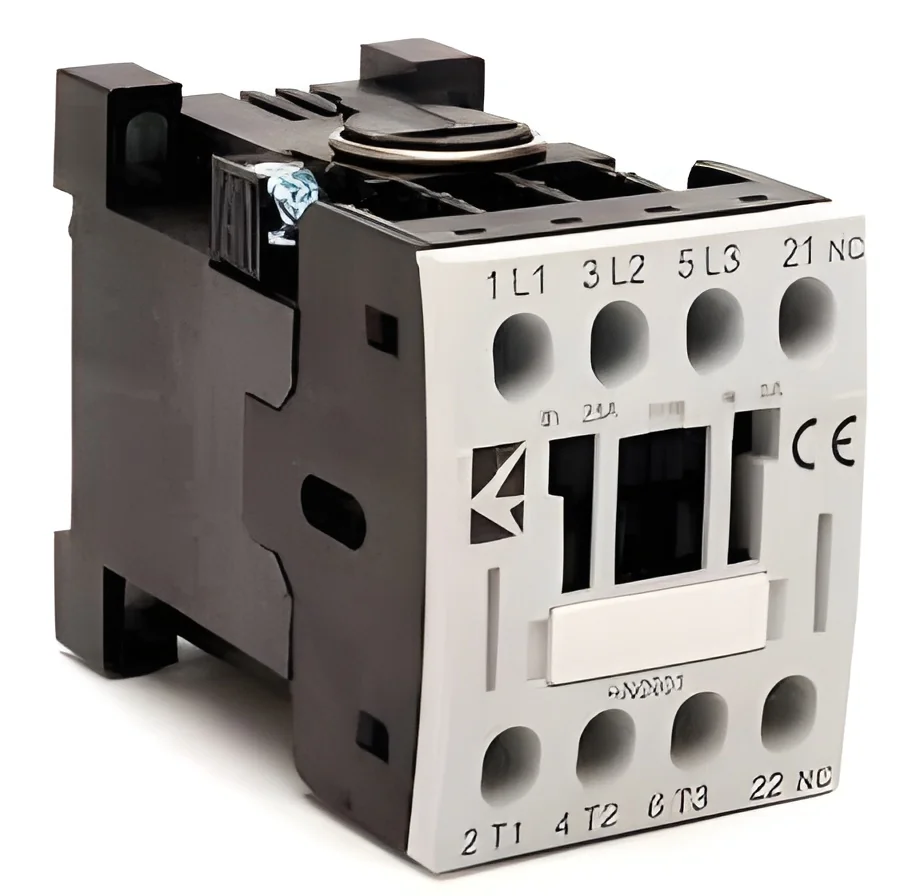
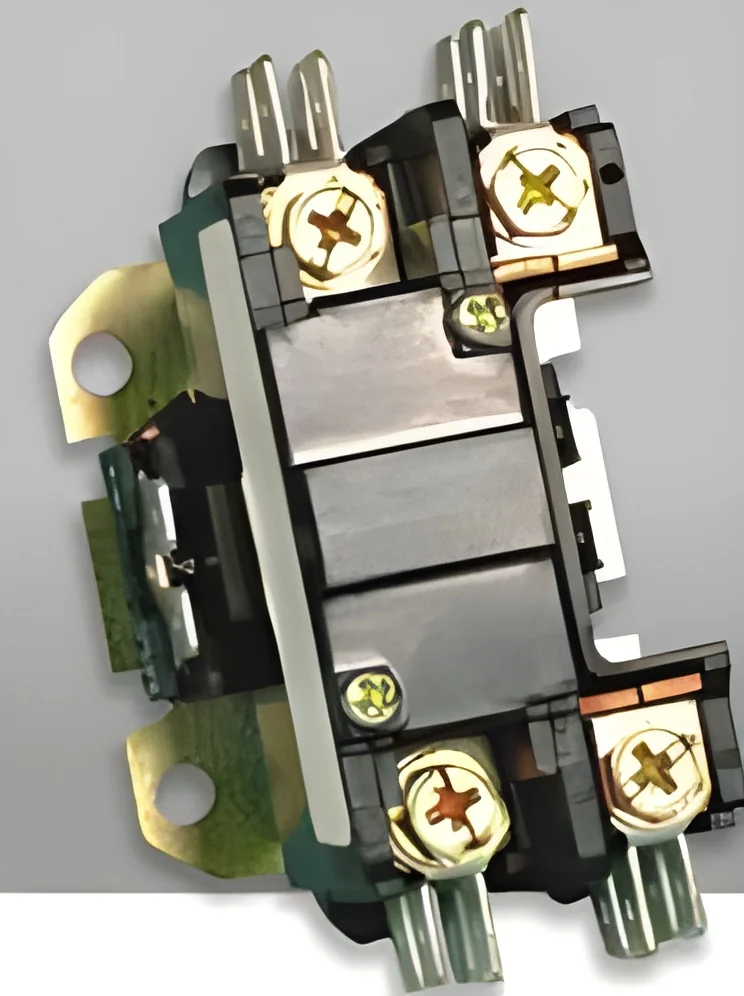
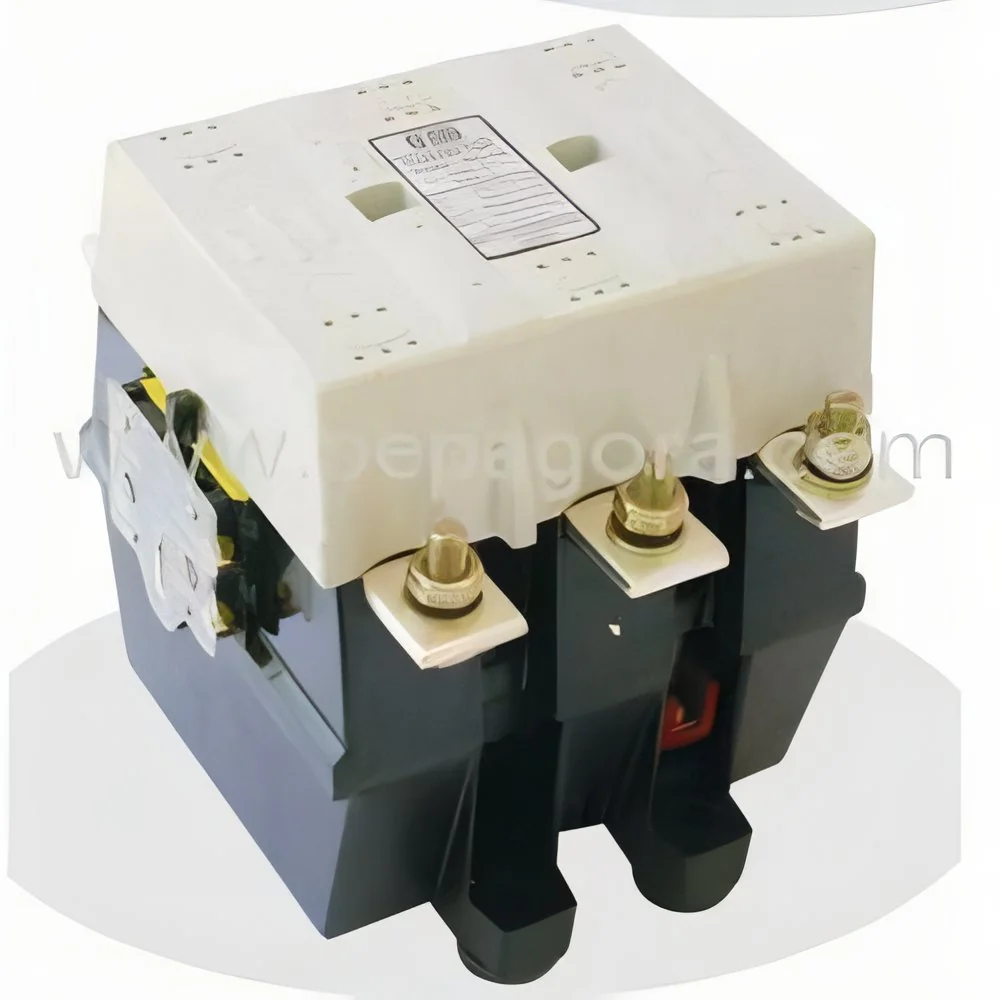
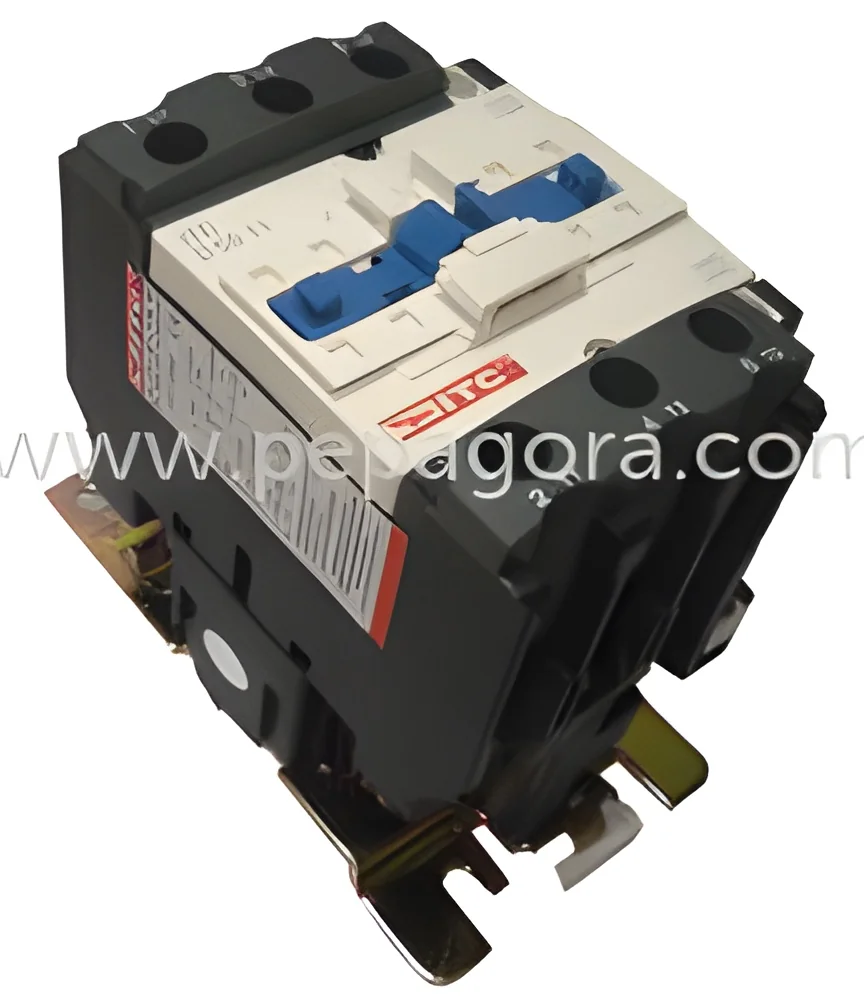
What are Power Contactors?
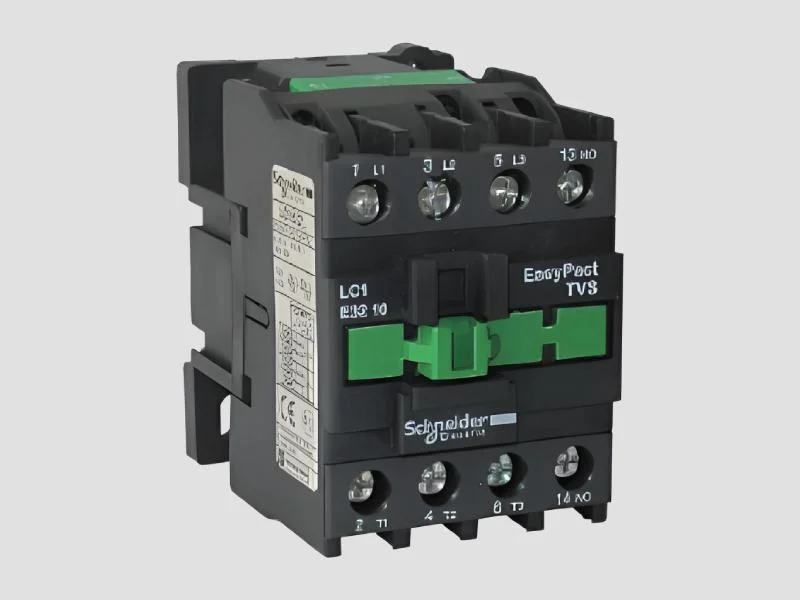
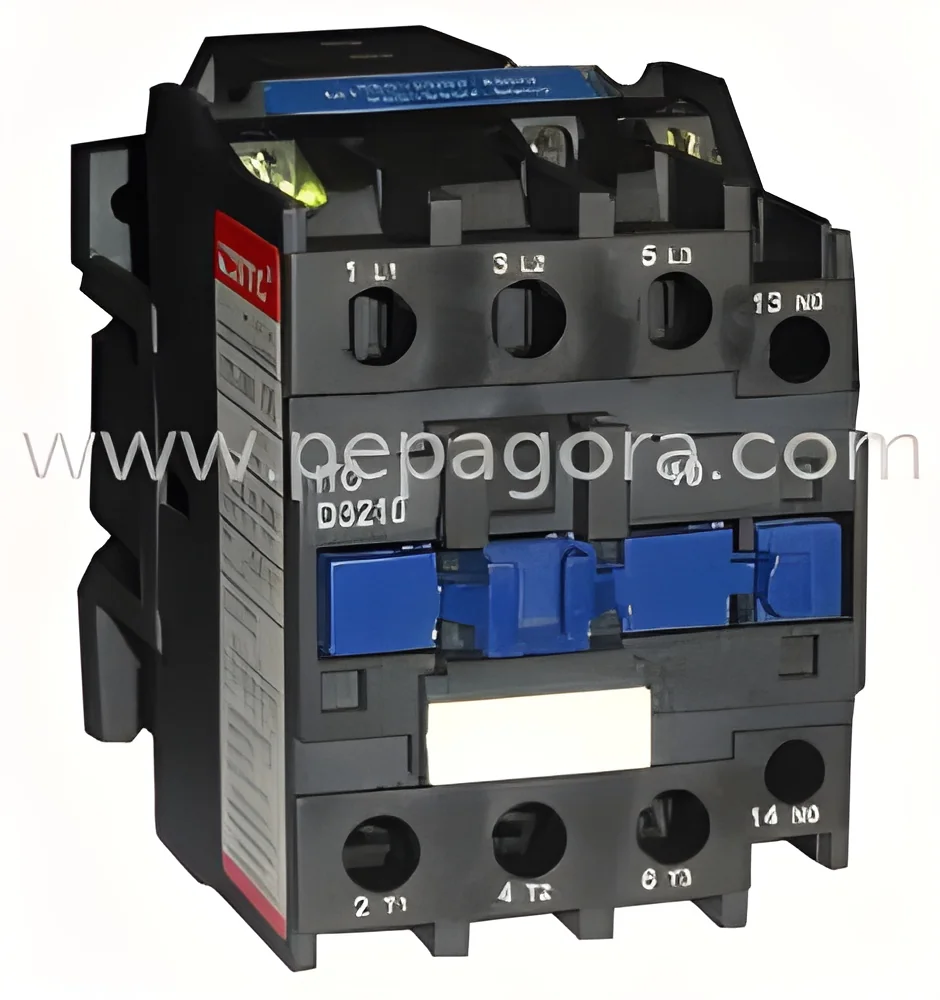
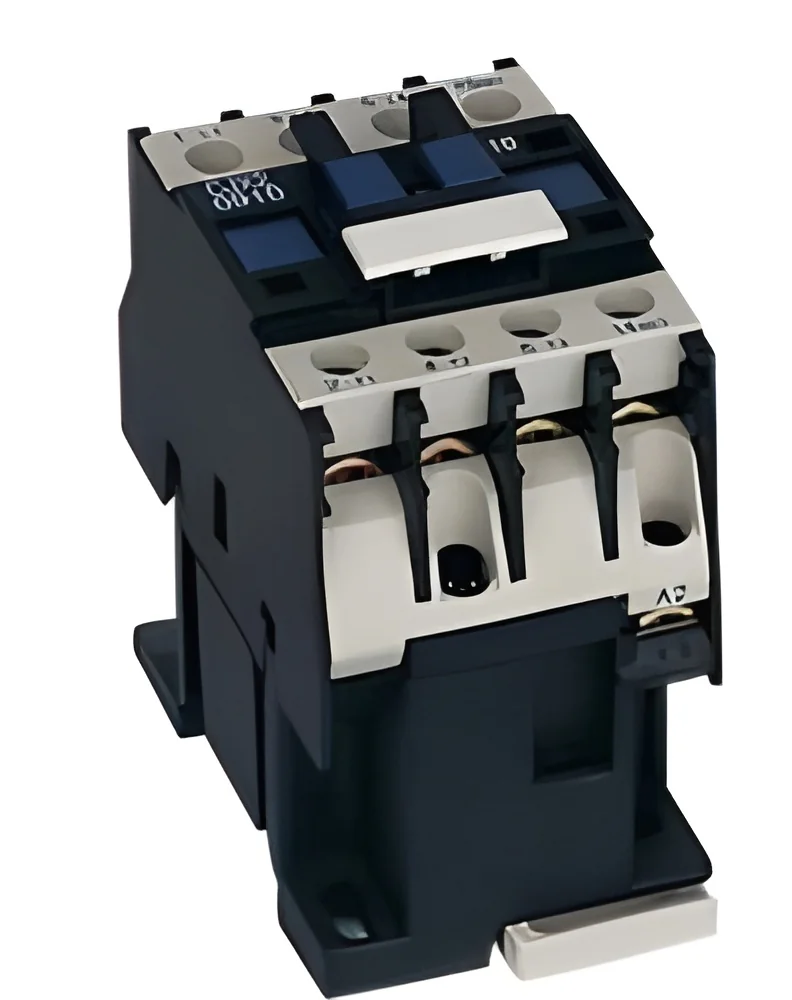
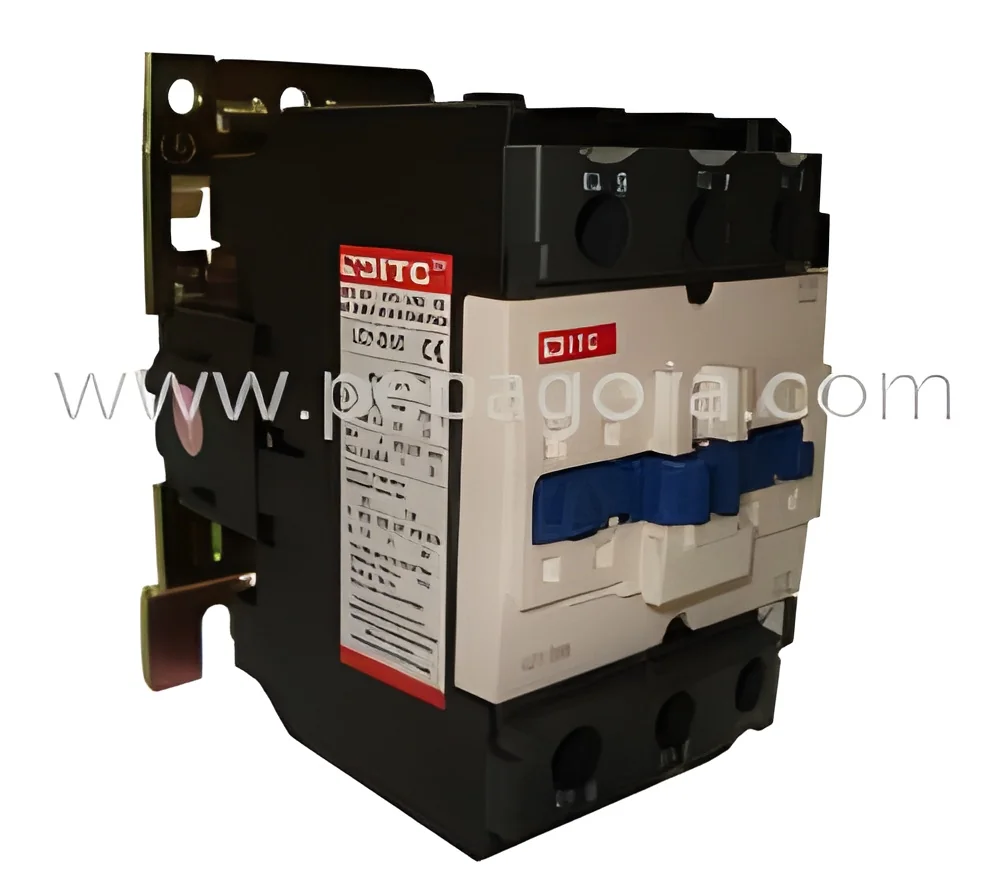
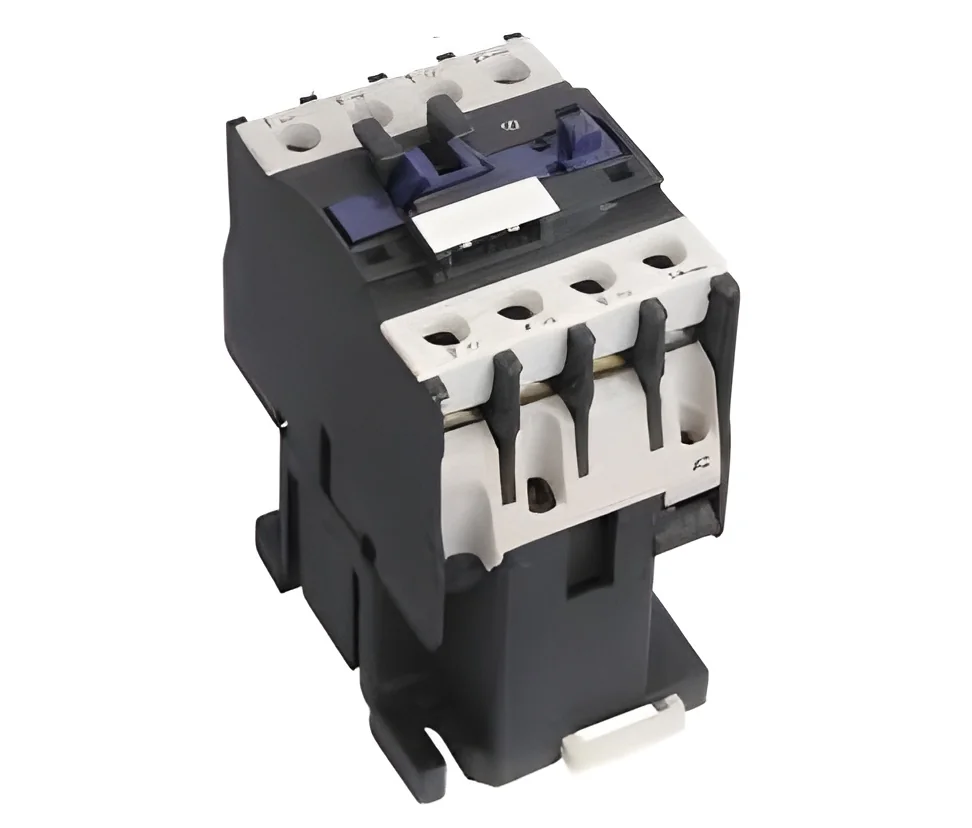
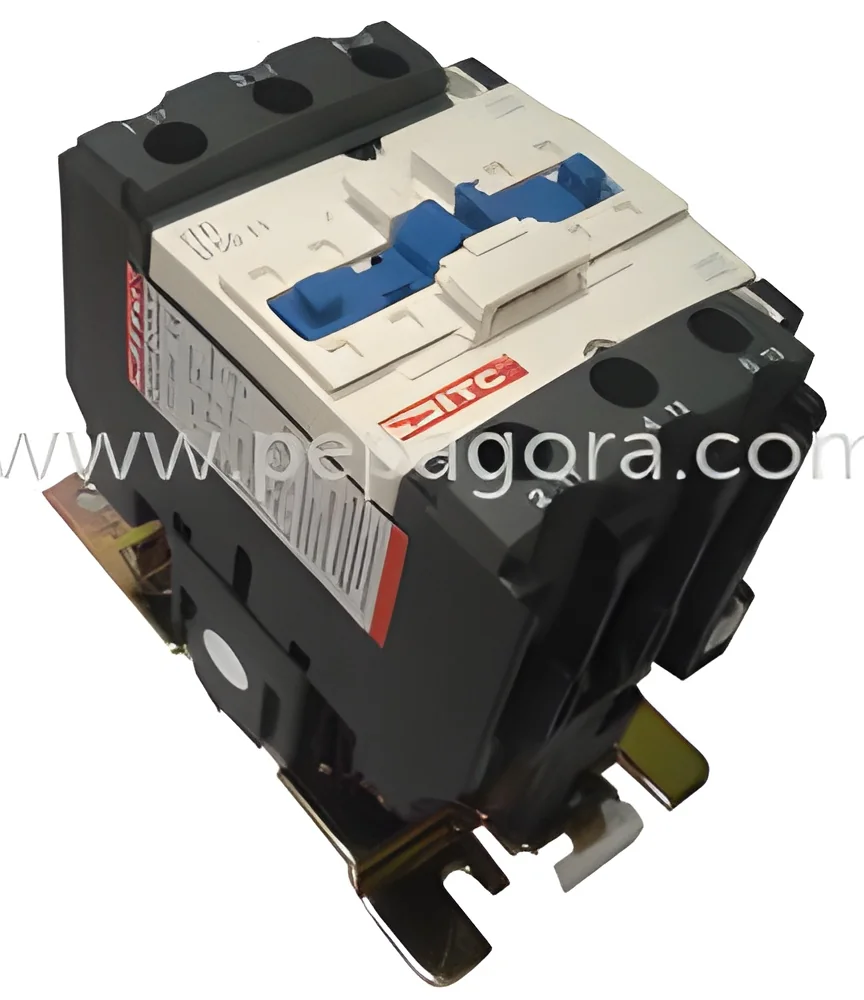
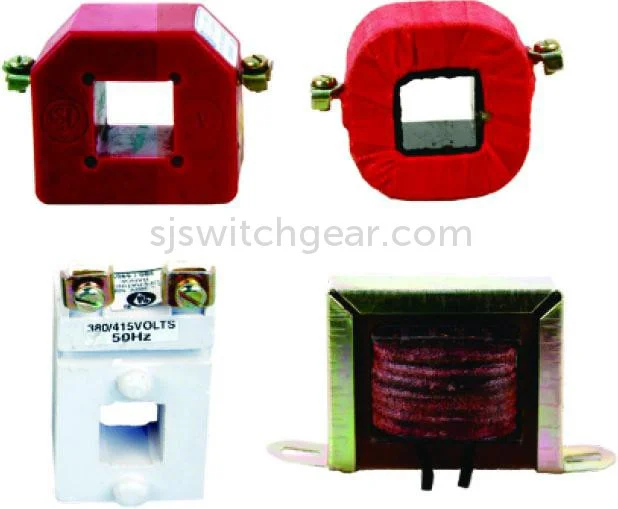
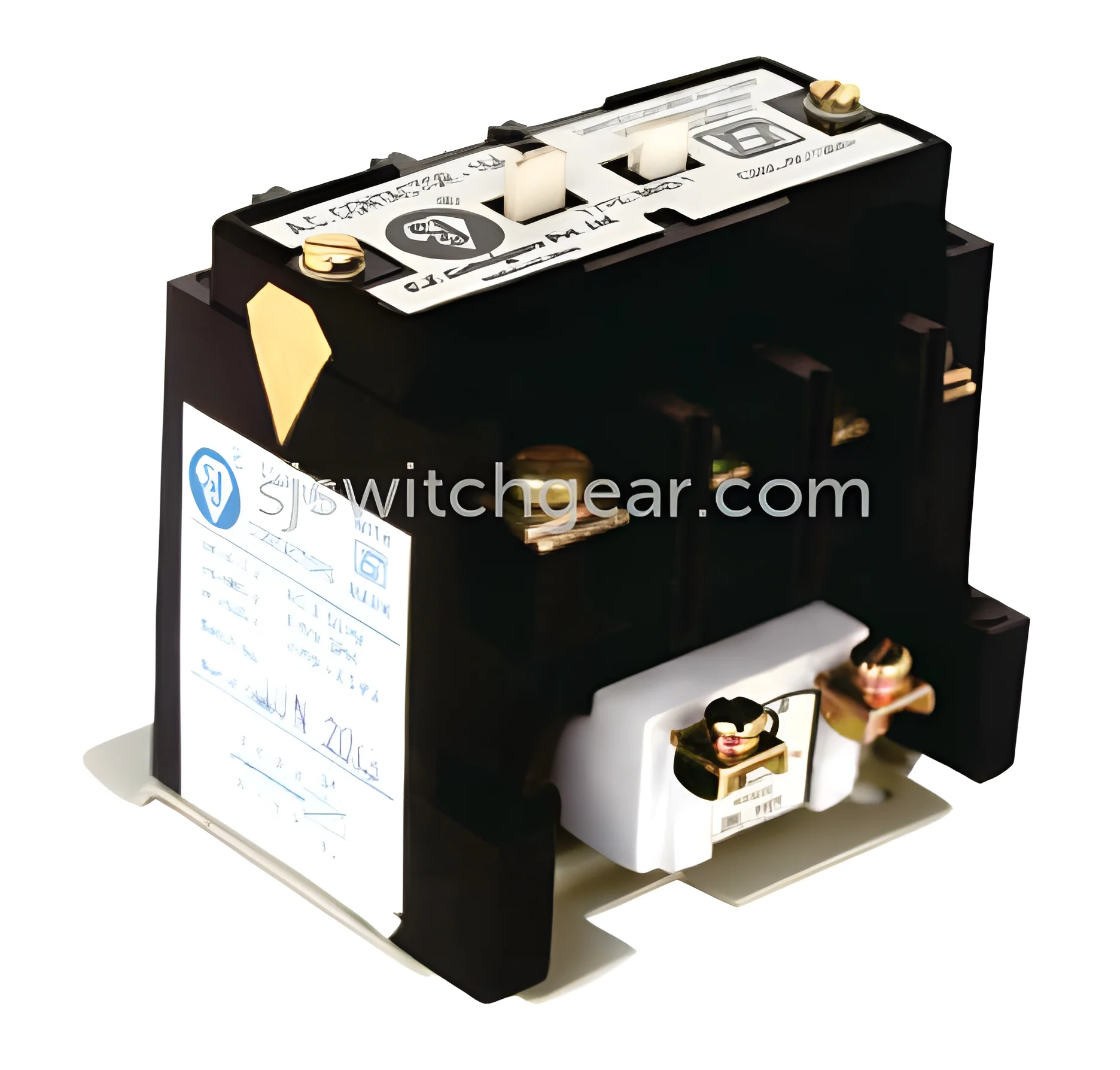
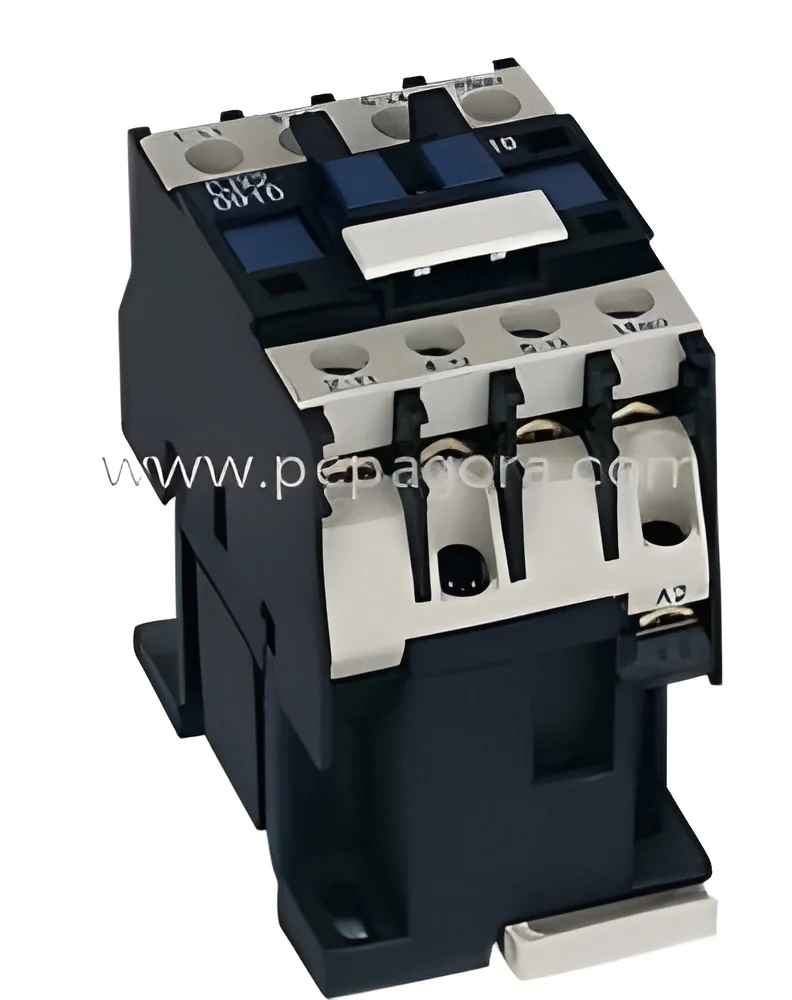
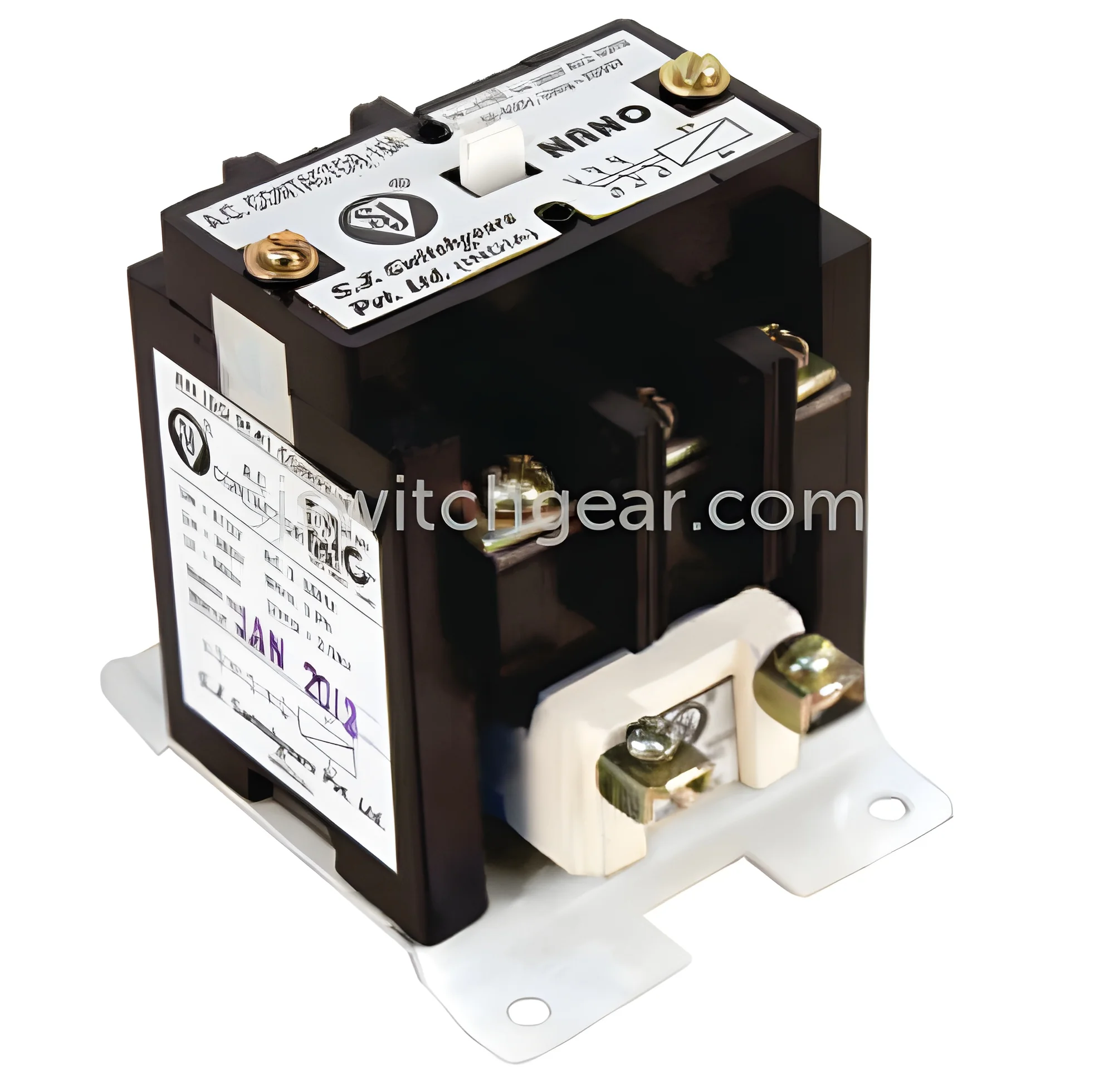
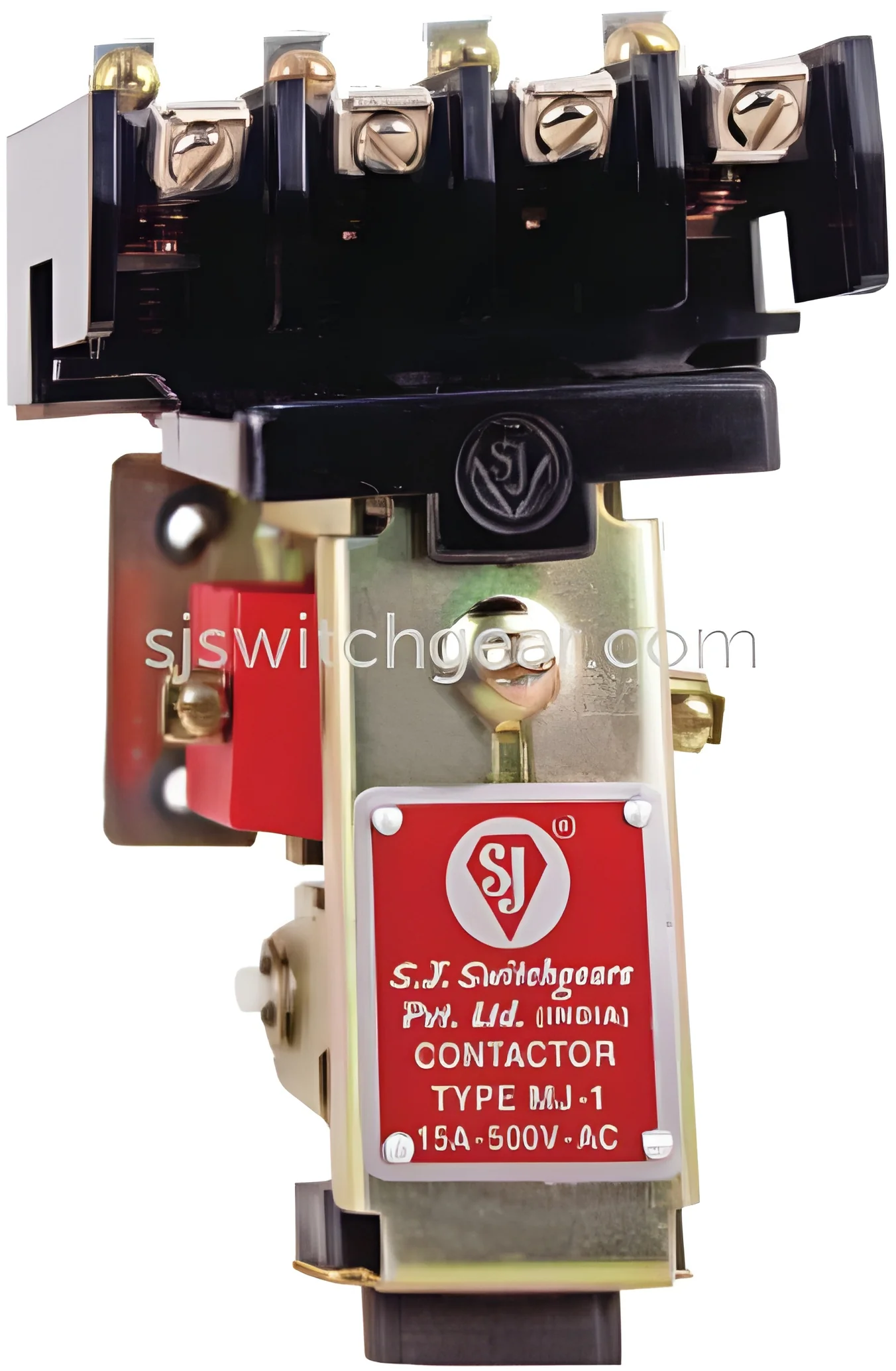
Power contactors are electromechanical devices used to control the flow of electrical power in various applications. They operate by opening and closing electrical circuits, allowing or interrupting the current flow to connected equipment. Power contactors are designed for high-current and high-voltage applications, making them essential components in industrial and commercial settings. They are typically activated by an electromagnetic coil, which, when energized, pulls a set of contacts together to either make or break the electric circuit.
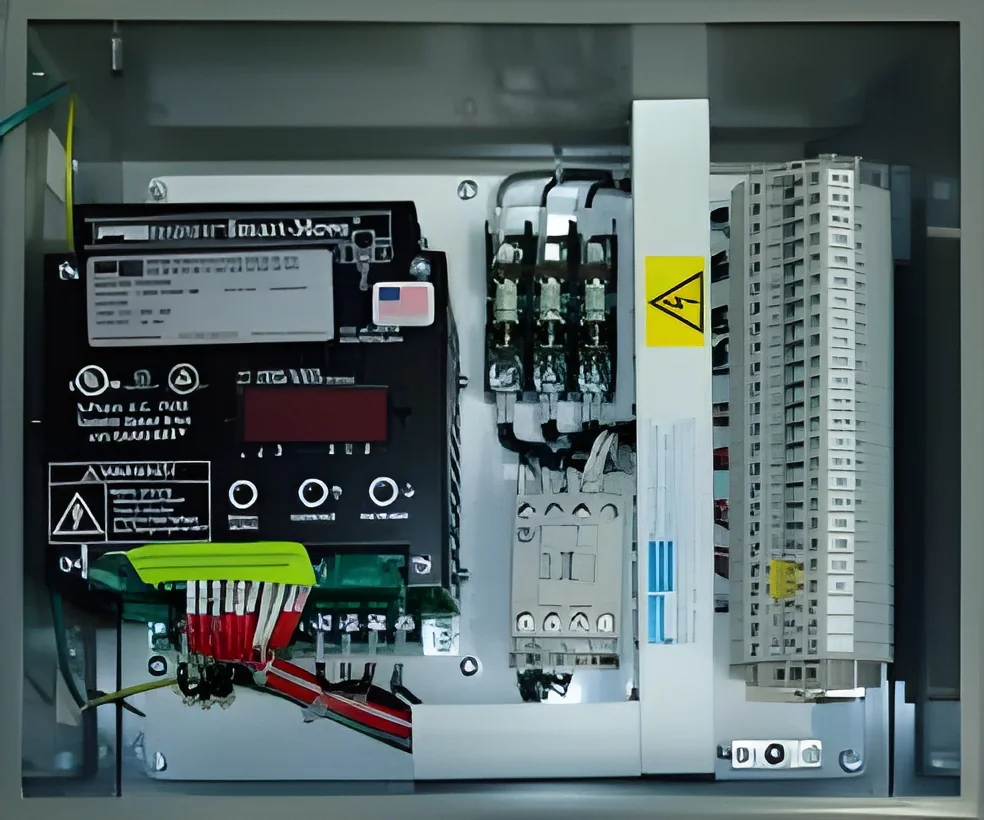
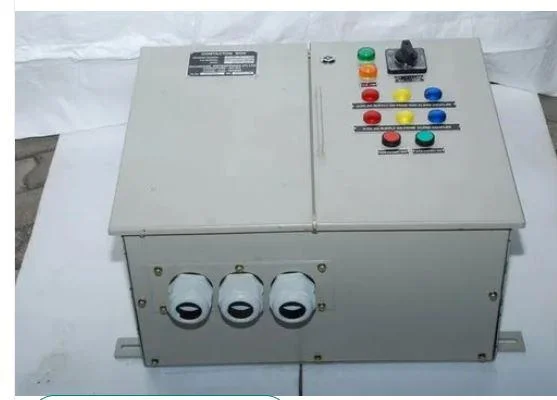
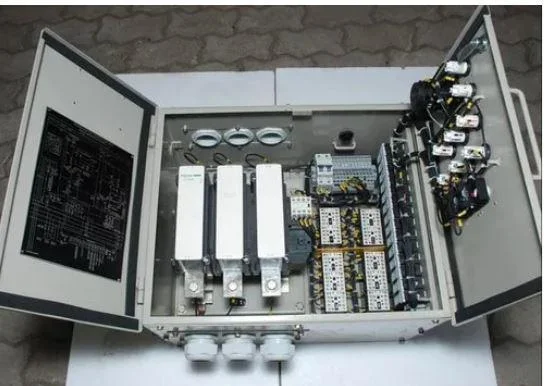
These devices find primary use in controlling motors, lighting systems, heating equipment, and other heavy electrical loads. They are widely used in manufacturing processes, HVAC systems, and electrical distribution panels. Businesses rely on power contactors for their reliability and efficiency in managing electrical operations. As industries move towards automation, the relevance of power contactors has increased, ensuring safe and efficient power management in various applications.
Key Features and Specifications
Power contactors come with a range of features and specifications that enhance their functionality and suitability for different applications. Understanding these features is essential for selecting the right product for specific needs.
Key specifications include:
1. Coil Voltage
- The voltage required to energize the coil of the contactor.
- Common ranges include AC and DC voltages, typically from 24V to 600V.
2. Current Rating
- The maximum current that a contactor can handle.
- Ratings commonly vary from 9A to 800A or more, depending on the model.
3. Number of Poles
- Indicates how many circuits the contactor can control.
- Available in configurations such as single-pole, double-pole, and three-pole.
4. Contact Configuration
- The arrangement of contacts within the contactor.
- Options include normally open (NO), normally closed (NC), and combinations thereof.
5. Operating Temperature Range
- The temperature limits within which the contactor operates effectively.
- Typically ranges from -40°C to +60°C.
6. Mechanical Life
- The number of cycles the contactor can operate before failure.
- Generally rated for several million cycles under normal conditions.
7. Electrical Life
- The number of electrical operations the contactor can perform.
- Ratings can be in the hundreds of thousands to millions of operations.
8. Safety Standards
- Compliance with industry standards such as CE for safety and performance.
- Ensures that the product meets both national and international regulations.
In summary, understanding these key features and specifications is crucial for businesses looking to select the right power contactors for their operations.
Common Applications and Use Cases
Power contactors serve a variety of industries due to their versatility and reliability.
1. Manufacturing: In manufacturing plants, power contactors are essential for controlling motors that drive conveyor belts, pumps, and other machinery, ensuring efficient operation.
2. HVAC: In heating, ventilation, and air conditioning systems, power contactors manage the power supply to compressors and fans, allowing for effective climate control.
3. Agriculture: Power contactors are used in agricultural equipment to control irrigation systems and machinery, improving operational efficiency in farming practices.
4. Construction: In construction sites, power contactors are employed to manage electrical tools and equipment, ensuring safe and reliable power distribution.
5. Oil and Gas: Power contactors are vital in oil and gas operations for controlling pumps and monitoring equipment, providing reliable performance in demanding environments.
6. Water Treatment: In water treatment facilities, power contactors help manage pumps and filtration systems, contributing to efficient water processing.
7. Transportation: In transportation systems, power contactors control rail and road signaling systems, enhancing safety and operational effectiveness.
Product Variants and Subcategories
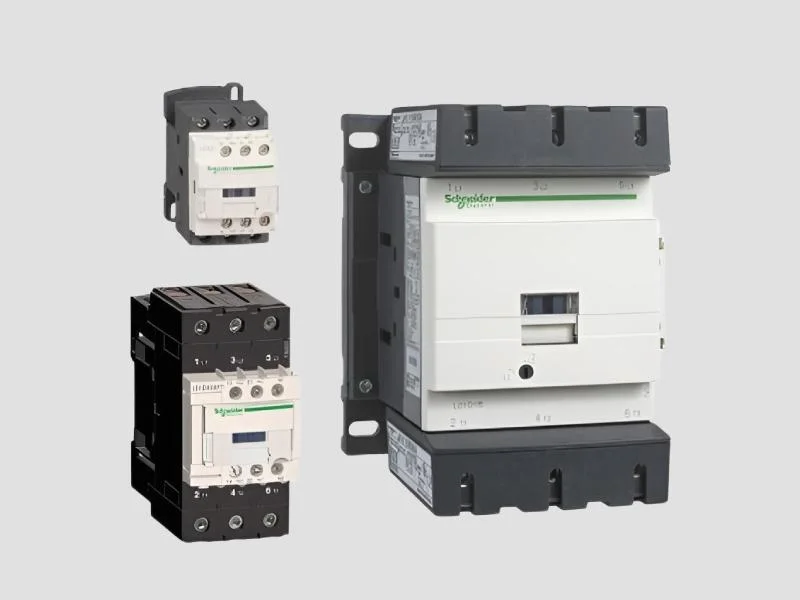
Power contactors come in a variety of configurations to meet different operational needs.
Standard Contactors:
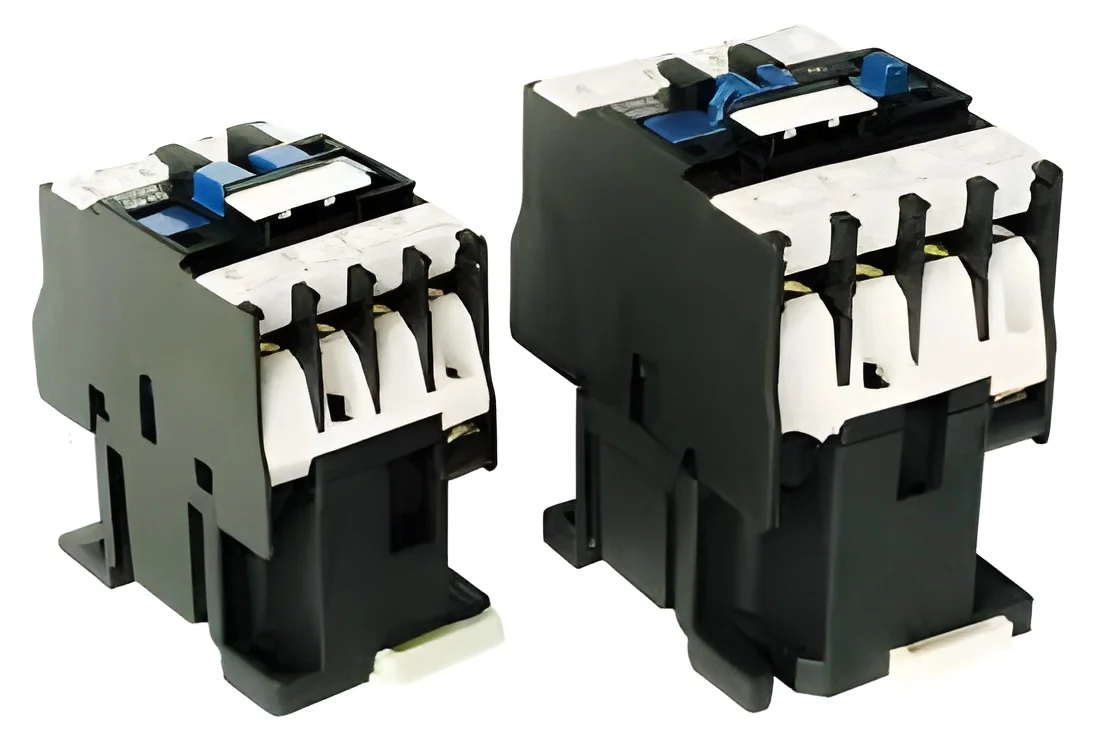
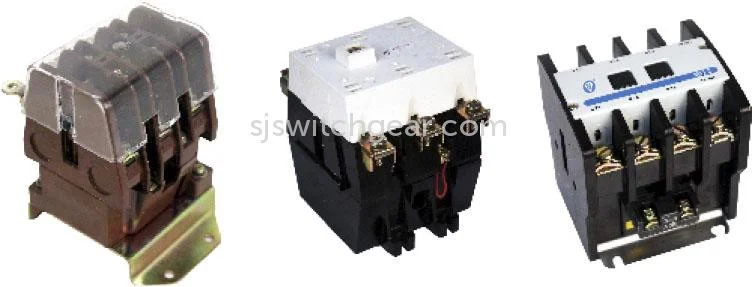
These are the most common types used in various industrial applications. They offer reliable performance for controlling motors and lighting systems, with options for different voltage and current ratings.
Heavy-Duty Contactors:
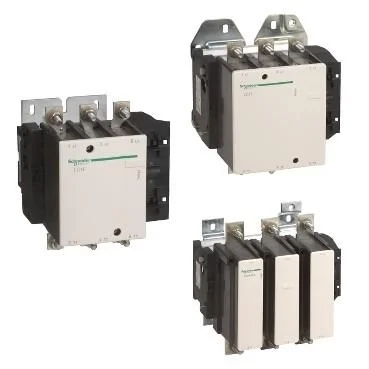
Designed for high-load applications, these contactors can handle larger currents and are built to withstand harsher environments. They are ideal for industrial machinery and heavy equipment.
Miniature Contactors:
Miniature versions are used in applications where space is limited. They provide the same functionality as standard contactors but in a more compact design, suitable for smaller devices.
Benefits and Advantages
Power contactors provide numerous benefits for businesses looking to manage electrical systems effectively.
1. Reliability: Power contactors are designed for durability, ensuring consistent performance over time, which reduces downtime and maintenance costs.
2. Safety: They incorporate safety features that protect against electrical faults, minimizing the risk of accidents in industrial environments.
3. Efficiency: By enabling precise control of electrical loads, power contactors enhance energy efficiency, leading to reduced operational costs.
4. Versatility: With various configurations and specifications, power contactors can be adapted for a wide range of applications across different industries.
5. Ease of Integration: Power contactors are designed to integrate seamlessly into existing electrical systems, simplifying installation and operation.
6. Scalability: They can be easily scaled to meet changing operational demands, allowing businesses to expand and adapt as needed.
Buying Guide for B2B Buyers
When sourcing power contactors, it is essential to consider several factors to ensure the right choice for your business needs.
1. Quality Assessment: Evaluate the quality of the product based on manufacturer reputation and compliance with industry standards. Look for certifications such as CE to ensure reliability.
2. Supplier Verification: Vet suppliers by checking their credentials, customer reviews, and industry experience. A verified supplier network ensures you receive quality products.
3. Pricing and MOQ: Understand the pricing structure and minimum order quantities. This helps in budgeting and ensures you get the best deals without overcommitting.
4. Delivery and Lead Times: Consider logistics and lead times for delivery. Ensure that the supplier can meet your timelines to avoid disruptions in your operations.
5. Compliance Requirements: Be aware of any regulatory requirements that apply to your industry. Ensure that the power contactors you choose meet these compliance standards.
Compliance and Certifications
Power contactors must adhere to various quality and safety standards to ensure their reliability and performance in industrial applications. Compliance with ISO 9001, which focuses on quality management systems, is essential for manufacturers to maintain high standards in production.
Additionally, CE certification is important as it indicates that the products meet European safety, health, and environmental protection standards. This certification is crucial for businesses looking to operate in the European market.
Safety and testing requirements are also critical. Power contactors should undergo rigorous testing to ensure they can handle the specified loads and operate safely under various conditions. Regional compliance considerations may vary, so it is essential to check local regulations and standards in the markets where the products will be used.
Why Source Power Contactors from Pepagora?
Pepagora provides a trusted platform for sourcing power contactors, offering several key advantages to B2B buyers.
Verified Supplier Network: Pepagora ensures that all suppliers are thoroughly vetted for quality and reliability. This network provides buyers with confidence in their purchasing decisions, knowing they are sourcing from reputable companies.
Streamlined RFQ Process: The platform features an efficient request for quotation (RFQ) system that simplifies the procurement process. Buyers can easily compare quotes from multiple suppliers, helping them make informed choices.
Trade Assurance and Support: Pepagora offers trade assurance and buyer protection services, ensuring that transactions are secure and that buyers receive the products as promised. This support adds an extra layer of security to the purchasing process.
Regional Coverage: With a strong presence in India, the GCC, and Southeast Asia, Pepagora facilitates access to a wide range of suppliers across these regions. This geographic reach allows businesses to find the right power contactors suited to their specific needs.

 IN
IN