IN
IN₹
Apparel & Fashion
Description
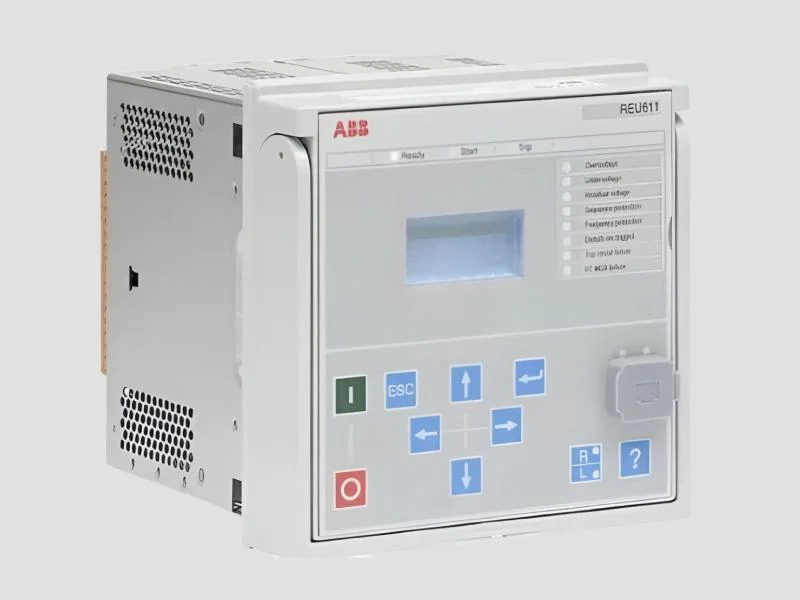
Numeric Protection Relays represent the forefront of electrical protection technology, combining microprocessor precision with multifunctional capabilities to safeguard power systems. These advanced devices continuously monitor critical parameters including current, voltage, frequency, and power, replacing traditional electromechanical relays with superior accuracy and reliability. Engineered for demanding environments, they provide comprehensive protection through sophisticated algorithms that detect abnormalities instantly, ensuring rapid response to potential system threats while maintaining detailed operational records for analysis and optimization.

Across industrial sectors, these protection relays serve as vital components in electrical infrastructure. Manufacturing facilities rely on them to protect production equipment and maintain continuous operations, while utility companies integrate them into substations and distribution networks to ensure grid stability. Energy generatio...
Numeric Protection Relays represent the forefront of electrical protection technology, combining microprocessor precision with multifunctional capabilities to safeguard power systems. These advanced devices continuously monitor critical parameters including current, voltage, frequency, and power, replacing traditional electromechanical relays with superior accuracy and reliability. Engineered for demanding environments, they provide comprehensive protection through sophisticated algorithms that detect abnormalities instantly, ensuring rapid response to potential system threats while maintaining detailed operational records for analysis and optimization.

Across industrial sectors, these protection relays serve as vital components in electrical infrastructure. Manufacturing facilities rely on them to protect production equipment and maintain continuous operations, while utility companies integrate them into substations and distribution networks to ensure grid stability. Energy generation plants, including conventional power stations and renewable installations, utilize these relays to safeguard transformers, generators, and connection points. Commercial complexes and critical facilities implement them within power distribution systems to prevent downtime and protect valuable equipment from electrical faults that could disrupt essential services.

The business value of Numeric Protection Relays extends beyond basic protection to deliver measurable operational advantages. Their reliability translates to reduced equipment failures and maintenance costs, while their precise fault detection minimizes system downtime and production losses. These devices support proactive maintenance strategies through comprehensive event recording and self-diagnostic capabilities, enabling timely interventions before minor issues escalate. Their communication interfaces facilitate integration with supervisory systems, providing real-time visibility into electrical network performance and supporting data-driven decision making for system optimization and capacity planning.

Key Features:
- Multifunction protection capabilities covering overcurrent, earth fault, voltage, and frequency protection
- Real-time monitoring of electrical parameters including current, voltage, power, and energy measurements
- Comprehensive event recording with detailed fault logs and oscillographic capture for analysis
- Communication support through multiple protocols including Modbus, IEC 61850, and DNP3
- High-accuracy measurement and fast tripping response times for reliable system protection

Benefits:
- Enhanced system reliability through precise fault detection and rapid isolation of problem areas
- Reduced maintenance costs with self-diagnostic functions and detailed event logging for troubleshooting
- Improved operational safety by preventing equipment damage from electrical abnormalities and faults
- Simplified integration with existing automation systems through standard communication interfaces
- Comprehensive protection in a single unit, reducing panel space requirements and installation complexity
Specifications
| Additional Information | |
|---|---|
| SKU | SPR-NPR-01 |
| Country of Origin | India |
Application
Numeric Protection Relays are essential components in modern electrical infrastructure, providing critical protection for power distribution networks. They monitor system parameters continuously to detect abnormalities and prevent equipment damage, making them indispensable for maintaining operational continuity and safety across various installations.
These relays integrate seamlessly into control panels and automation systems, offering precise fault detection and isolation capabilities. Their advanced functionality supports complex protection schemes while simplifying maintenance through detailed event logging and communication interfaces that enable remote monitoring and control in diverse industrial environments.
Real-world applications:
- Protecting electrical feeders and distribution lines in utility substations from overloads and short circuits.
- Safeguarding transformers in industrial plants and power generation facilities against internal faults and abnormal conditions.
- Monitoring and protecting motors in manufacturing facilities to prevent damage from phase imbalances or overheating.
- Ensuring reliable operation of renewable energy systems like solar farms and wind turbines by managing grid connection stability.
- Providing comprehensive protection for power distribution panels in commercial buildings and data centers to maintain uninterrupted operations.
Trade Details
| Available Stock | In Stock |
| Sample Availability | No |
Payment Terms
| Payment Terms |
|
| Payment Methods |
|
Shipping & Logistics
| Port of Dispatch | Chennai Port |
Company Profile

Spark Engineering, Tamil Nadu
 Tamil Nadu, India
Tamil Nadu, IndiaManufacturer•Retailer
Turn Over
₹1 Crore – ₹5 Crore
Factory Details
Factory Size1000-5000 sqm
Annual Production Capacity0 a:1:{i:0;s:4:"Sets";}
SKU: SPR-NPR-01
Numeric Protection Relay For Power Systems With Monitoring And Communication
Numeric Protection Relay for power systems delivers accurate multifunction protection, real-time monitoring, and communication support for feeders, transformers, and motors, ensuring reliable electrical system safety.
Min. Order Quantity: 1 Unit
Shipping
Shipping fee and delivery date to be negotiated. Contact supplier now for more details.
Spark Engineering Tamil Nadu, India
Tamil Nadu, IndiaManufacturer