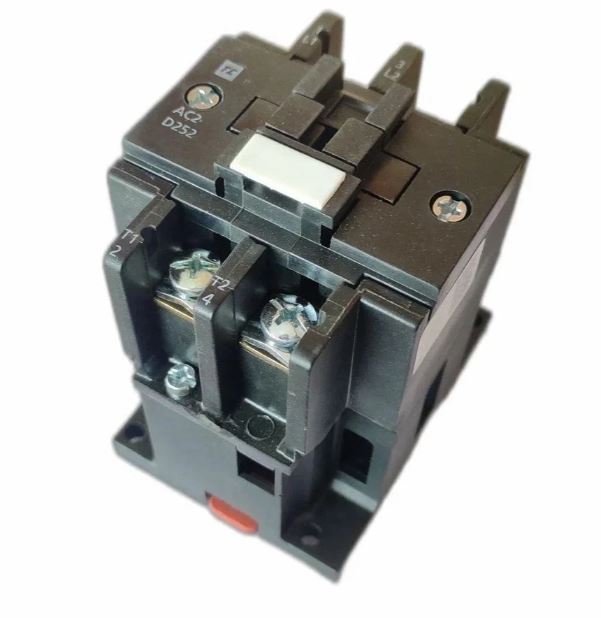
What are Contactor Relays?
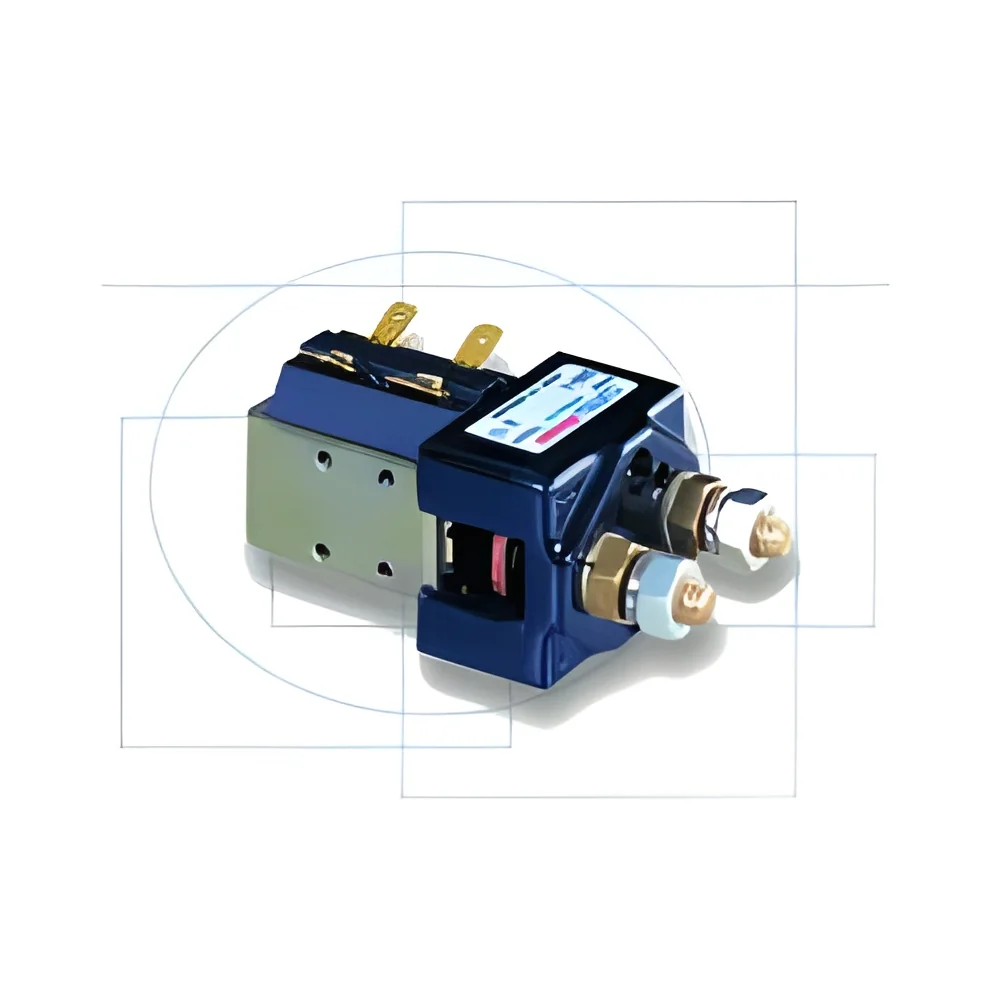
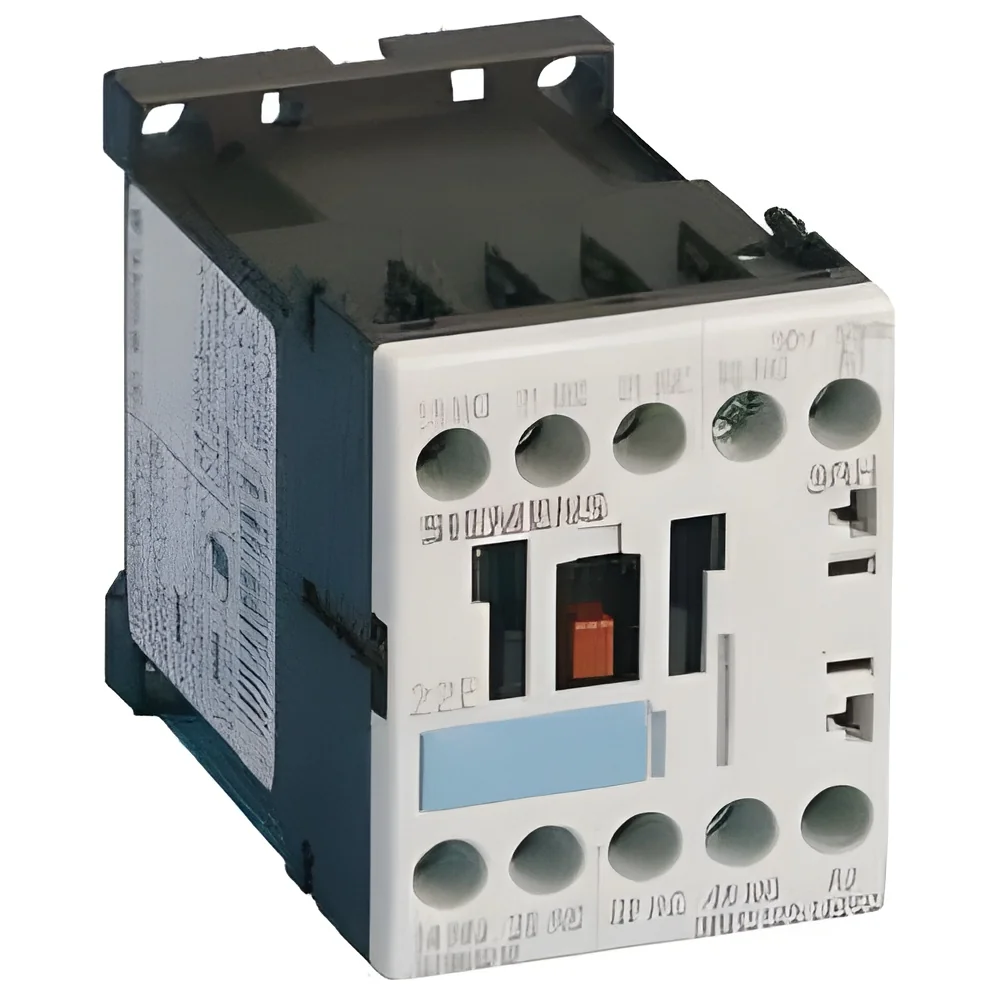
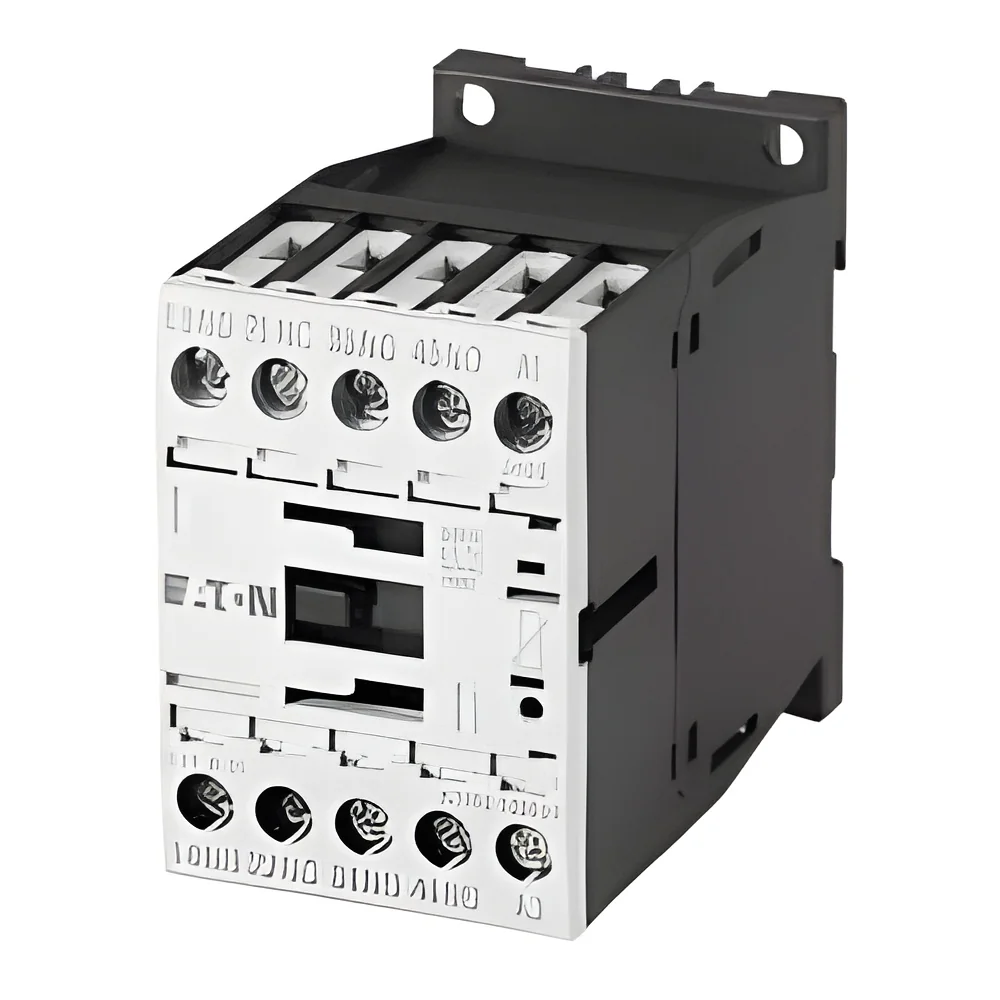
Contactor relays are electromechanical devices used to switch electrical circuits on and off. They function by using an electromagnetic coil to create a magnetic field that closes or opens a set of contacts, allowing or interrupting the flow of electricity. Contactor relays differ from traditional relays in that they are designed to handle higher power loads, making them suitable for controlling large motors and equipment.
These devices find primary use in industrial automation, motor control, and various electrical applications. In manufacturing plants, for instance, contactor relays are essential for starting and stopping motors, controlling lighting systems, and managing conveyor belts. Their reliability and efficiency make them a crucial component for businesses looking to enhance operational productivity and safety.
In the current market, the demand for contactor relays is driven by the growing need for automation in various industries, including manufacturing, construction, and energy. As businesses strive to improve efficiency and reduce operational costs, contactor relays have become indispensable tools in modern electrical systems, contributing to the overall advancement of industrial technology.
Key Features and Specifications
Contactor relays offer a range of features that enhance their functionality and reliability in industrial applications. Understanding these key specifications is essential for selecting the right relay for your needs.
Key specifications include:
1. Coil Voltage
- This refers to the voltage required to energize the coil of the contactor relay.
- Common ranges include 12V, 24V, 120V, and 240V.
2. Contact Configuration
- Defines the arrangement of contacts, which can be normally open (NO) or normally closed (NC).
- Typical configurations include 1NO, 1NC, or multiple combinations.
3. Current Rating
- Indicates the maximum current the relay can handle.
- Ratings can range from 10A to 100A or more, depending on the application.
4. Switching Capacity
- Refers to the maximum power that can be switched through the relay.
- Rated in terms of watts or kilowatts.
5. Mechanical Life
- Represents the number of operations the relay can perform before mechanical failure.
- Typically ranges from 1 million to 10 million operations.
6. Electrical Life
- Indicates the lifespan of the relay under normal operating conditions.
- Generally ranges from 100,000 to 1 million operations.
7. Ambient Temperature Range
- Specifies the temperature limits within which the relay can operate effectively.
- Common ranges are -20°C to 60°C.
8. Certifications
- Many contactor relays are certified for safety and performance standards, such as CE.
In summary, understanding the features and specifications of contactor relays is crucial for selecting the appropriate model for specific industrial applications.
Common Applications and Use Cases
Contactor relays are versatile components employed in various sectors to achieve reliable electrical control.
1. Manufacturing: In manufacturing settings, contactor relays control motors for machinery, ensuring safe and efficient operation.
2. HVAC Systems: They are used to manage heating, ventilation, and air conditioning systems, allowing for automated temperature control.
3. Mining: Contactor relays help control heavy machinery, providing the necessary power management for demanding environments.
4. Water Treatment: In water treatment facilities, they are utilized to control pumps and mixers, ensuring the proper functioning of the processes.
5. Oil and Gas: Contactor relays facilitate the operation of equipment in oil and gas extraction and processing, where reliability is critical.
6. Marine: In marine applications, contactor relays control electrical systems on ships, ensuring safety and operational efficiency.
7. Agriculture: They are used in agricultural equipment to manage irrigation systems and other automated processes.
Product Variants and Subcategories
Contactor relays come in various configurations to meet different industrial needs, offering flexibility and adaptability.
General Purpose Contactors: These are designed for standard applications, providing reliable performance in a variety of settings, including lighting control and motor management.
Motor Starters: These specialized contactors are equipped with additional features like overload protection, specifically designed to start and stop electric motors safely.
High-Voltage Contactors: These variants are engineered for applications requiring high voltage handling, ensuring safe operation in demanding environments.
Miniature Contactors: Compact in design, these contactors are ideal for space-constrained applications while still delivering efficient performance.
Benefits and Advantages
Using contactor relays provides numerous advantages for industrial applications.
1. Enhanced Safety: They ensure safe operation of electrical devices by controlling power flow effectively.
2. Reliability: With a robust design, contactor relays provide consistent performance over extended periods, reducing downtime.
3. Energy Efficiency: By automating the control of electrical circuits, they contribute to lower energy consumption.
4. Versatility: Contactor relays can be used in a wide range of applications across multiple industries, making them a flexible solution.
5. Easy Integration: They can be easily integrated into existing electrical systems, providing an upgrade path without significant redesign.
6. Maintenance Convenience: Many contactor relays are designed for easy maintenance, allowing for quick replacements and repairs.
Buying Guide for B2B Buyers
When sourcing contactor relays, it is essential to consider several factors to ensure the best fit for your needs.
1. Quality Assessment: Evaluate the quality of contactor relays based on performance standards and reliability. Look for manufacturers that comply with international quality certifications.
2. Supplier Verification: Conduct thorough research to vet suppliers, checking for reviews and industry reputation. A verified supplier network can provide peace of mind regarding product quality.
3. Pricing and MOQ: Consider the cost of contactor relays and minimum order quantities. Compare prices among suppliers to ensure competitive rates while maintaining quality.
4. Delivery and Lead Times: Assess the logistics involved, including delivery times and shipping options. Reliable suppliers will provide clear timelines to meet project deadlines.
5. Compliance Requirements: Ensure that the contactor relays meet the necessary regulatory standards for your industry. This includes checking for certifications like CE to ensure safety and compliance.
Compliance and Certifications
Contactor relays are subject to various compliance standards and certifications that ensure their safety and performance in industrial applications. Many manufacturers adhere to quality management systems such as ISO 9001, which establishes criteria for quality assurance in production processes.
Certifications like CE indicate that the relays meet European safety standards, ensuring they can be safely used in various applications. Additionally, compliance with safety and testing requirements is critical to ensuring that contactor relays perform reliably under expected operating conditions.
Regional compliance considerations may vary, so it is essential for businesses to verify that their contactor relays meet local regulations and standards. Understanding these compliance requirements can help avoid legal issues and enhance operational safety.
Why Source Contactor Relays from Pepagora?
Pepagora offers a trusted platform for sourcing contactor relays, providing numerous advantages for businesses looking to optimize their electrical systems.
Verified Supplier Network: Pepagora ensures that all suppliers are rigorously vetted, providing buyers with confidence in the quality and reliability of the products they purchase.
Streamlined RFQ Process: The platform simplifies the request for quotation process, making it easy for businesses to obtain competitive pricing and terms from multiple suppliers.
Trade Assurance and Support: Buyers benefit from trade assurance programs that protect their purchases, ensuring satisfaction and support throughout the buying process.
Regional Coverage: With a strong presence in India, the GCC, and Southeast Asia, Pepagora connects buyers to a wide network of suppliers, facilitating access to high-quality contactor relays in various regions.

 IN
IN