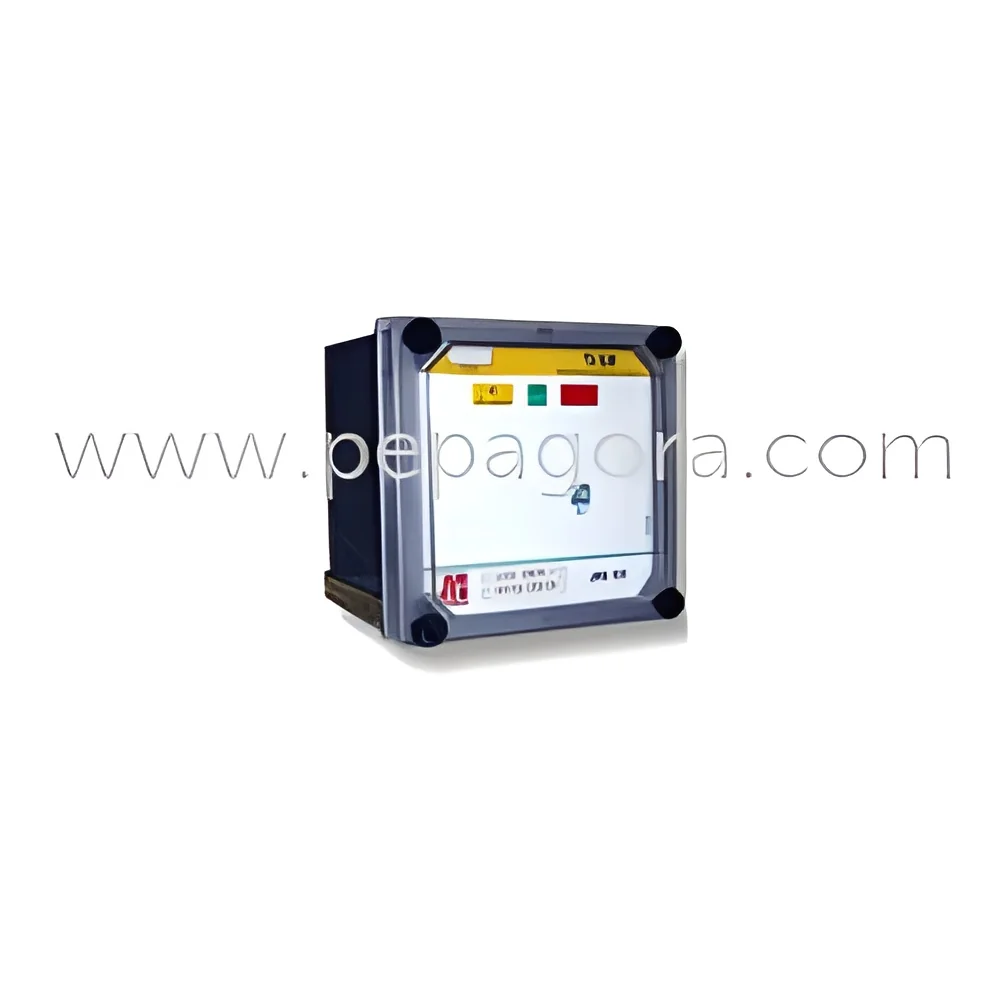
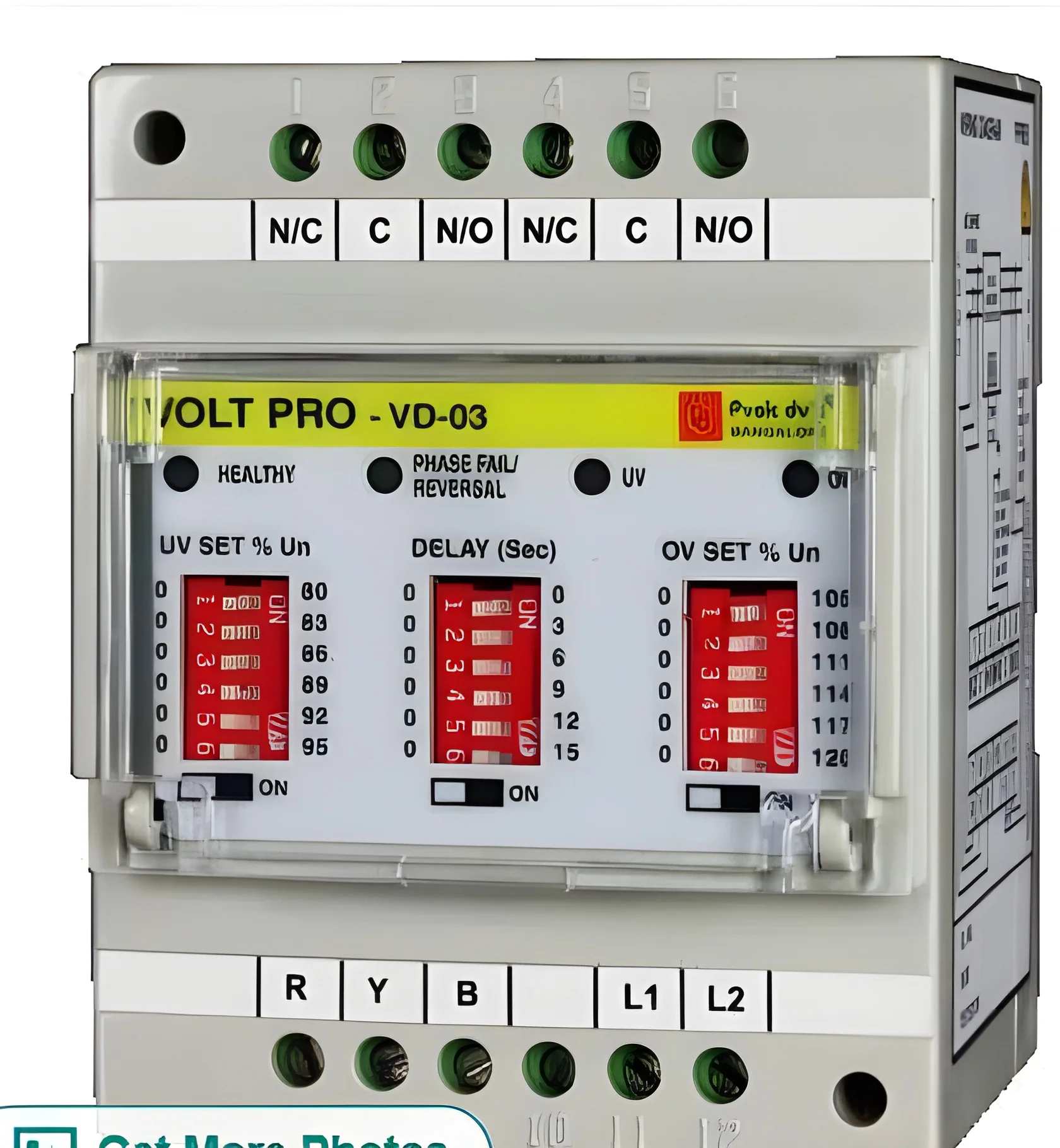
What are Auxiliary Relays?
Auxiliary relays are electrical devices designed to support the operation of primary relays and control systems. They act as intermediaries that enhance the functionality of main relays by providing additional contacts and functions. This capability allows for better control and automation in various electrical and electronic systems. Auxiliary relays are often used in conjunction with larger equipment, enabling operations such as switching, signaling, and controlling loads efficiently.
These relays find extensive applications across various industries, including manufacturing, energy, and transportation. In manufacturing plants, they help in automating machinery operations and improving safety protocols. In the energy sector, auxiliary relays play a crucial role in power distribution systems, ensuring reliable monitoring and control of electrical circuits. The growing demand for automation and smart technologies in these industries drives the relevance and market expansion of auxiliary relays.
Key Features and Specifications
Auxiliary relays come with a range of features and specifications that cater to diverse industrial needs. These features enhance their versatility and adaptability in various applications.
Key specifications include:
1. Contact Configuration
- Configurations can include normally open (NO) and normally closed (NC) contacts.
- Common arrangements are 1NO, 1NC, or combinations thereof.
2. Coil Voltage
- Available in various voltage ratings, typically ranging from 12V to 240V DC or AC.
- Ensures compatibility with different control systems.
3. Switching Capacity
- Rated for various load capacities, often ranging from 5A to 20A.
- Determines the maximum load the relay can handle safely.
4. Response Time
- Fast response times, often under 20 milliseconds.
- Critical for applications requiring quick relay activation.
5. Operating Temperature Range
- Typically operates between -40°C to +70°C.
- Suitable for various environmental conditions.
6. Mounting Options
- Can be panel-mounted or DIN rail-mounted.
- Offers flexibility for installation in different setups.
7. Life Cycle
- Rated for mechanical life cycles, often exceeding 1 million operations.
- Ensures long-term reliability and reduced maintenance needs.
8. Certification
- CE certification indicating compliance with European safety standards.
- Ensures product reliability and safety in operations.
Auxiliary relays are essential components that ensure efficient and reliable operations in many industrial applications. Their specifications provide buyers with critical information for selecting the right relay for their needs.
Common Applications and Use Cases
Auxiliary relays are utilized across various sectors, serving multiple applications that enhance operational efficiency.
1. Manufacturing: In automated assembly lines, auxiliary relays facilitate the control of machinery and equipment, ensuring synchronized operations and safety measures.
2. Power Distribution: In electrical grids, they are used to monitor and control power flow, providing essential functions like overload protection and fault detection.
3. Transportation: Auxiliary relays support signaling systems in railways and traffic control, ensuring safe and efficient movement.
4. Oil and Gas: In this sector, they control pumps and valves, maintaining safety and operational integrity in critical processes.
5. HVAC Systems: Auxiliary relays assist in managing heating, ventilation, and air conditioning systems by controlling various components for optimal performance.
6. Water Treatment: They monitor and control pumps and motors in water treatment facilities, ensuring efficient water processing.
7. Building Automation: Auxiliary relays are integral in smart building systems, controlling lighting, security, and energy management.
These applications illustrate the versatility and necessity of auxiliary relays across multiple industries.
Product Variants and Subcategories
Auxiliary relays come in various configurations to meet specific operational requirements. The variety allows businesses to choose the most suitable option for their applications.
Relay Type A
This variant features a compact design with multiple contact configurations, making it ideal for space-constrained environments. It is commonly used in industrial automation applications.
Relay Type B
Designed for high-load applications, this variant has enhanced switching capacity and durability. It is often employed in power distribution systems to manage larger electrical loads.
Relay Type C
This variant offers advanced monitoring features, making it suitable for smart automation systems. It provides real-time feedback and control, enhancing overall system efficiency.
Benefits and Advantages
Auxiliary relays provide numerous advantages that enhance operational efficiency and safety in various applications.
1. Enhanced Control: They enable more precise control over electrical systems, improving automation and reducing manual intervention.
2. Increased Safety: By providing additional layers of monitoring and control, auxiliary relays enhance safety in industrial operations.
3. Reliability: With high mechanical life ratings, they ensure consistent performance over extended periods, reducing downtime.
4. Flexibility: The variety of configurations allows for customization based on specific application needs, making them suitable for diverse industries.
5. Cost-Effectiveness: Their ability to manage multiple functions reduces the need for additional components, leading to lower overall system costs.
6. Compliance: Many auxiliary relays meet international safety standards, ensuring they can be used in regulated environments.
Buying Guide for B2B Buyers
When sourcing auxiliary relays, it is essential for buyers to consider several key factors to ensure they select the right products for their needs.
1. Quality Assessment: Evaluate the quality of relay components, focusing on durability, reliability, and performance under varied conditions.
2. Supplier Verification: Vet potential suppliers by checking their certifications, reputation in the market, and customer reviews to ensure reliability.
3. Pricing and MOQ: Consider the price range and minimum order quantities to align with budget constraints and inventory management strategies.
4. Delivery and Lead Times: Assess logistics capabilities and lead times to ensure timely delivery for project requirements.
5. Compliance Requirements: Ensure that the relays meet relevant regulatory and industry standards, which may vary by region and application.
Compliance and Certifications
Auxiliary relays are subject to various quality standards and certifications that ensure their reliability and safety in industrial applications.
ISO 9001 is a standard that many manufacturers adhere to, ensuring a consistent quality management system. This certification indicates that the manufacturing processes meet global quality benchmarks, enhancing product trustworthiness.
The CE mark is a significant certification that indicates compliance with European health and safety regulations. Products bearing this mark have met essential safety requirements, making them suitable for use within the European market.
Safety and testing requirements often include rigorous assessments of electrical performance and endurance. Manufacturers typically conduct these tests to guarantee that their relays perform reliably under specified conditions.
Additionally, regional compliance can vary, necessitating an understanding of local regulations when sourcing auxiliary relays. Buyers should confirm that their selected products meet all necessary compliance standards pertinent to their operational territory.
Why Source Auxiliary Relays from Pepagora?
Pepagora offers a reliable platform for sourcing auxiliary relays, combining quality products with exceptional service.
Verified Supplier Network: Pepagora connects buyers with a network of verified suppliers, ensuring that every relay sourced meets stringent quality standards. This network reduces the risk associated with purchasing from unknown vendors.
Streamlined RFQ Process: The platform simplifies the request for quotation process, allowing buyers to easily compare options and select the best supplier for their needs. This efficient system saves time and facilitates informed decision-making.
Trade Assurance and Support: Pepagora provides buyer protection through trade assurance programs. This support includes guarantees on product quality and delivery, offering peace of mind to purchasers.
Regional Coverage: With an extensive network in India, the GCC, and Southeast Asia, Pepagora ensures that buyers have access to a broad range of auxiliary relays tailored to regional requirements. This geographic reach enhances convenience and availability for businesses across these regions.

 IN
IN