Key Features and Specifications
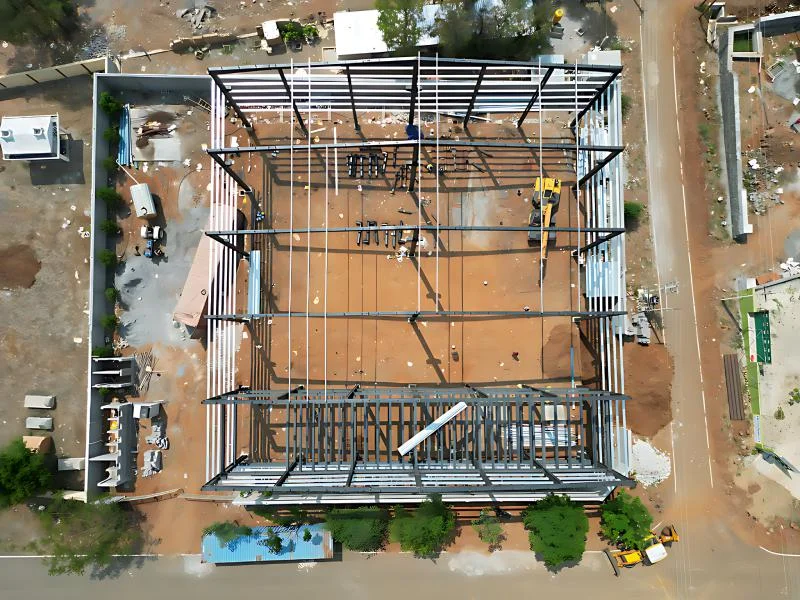
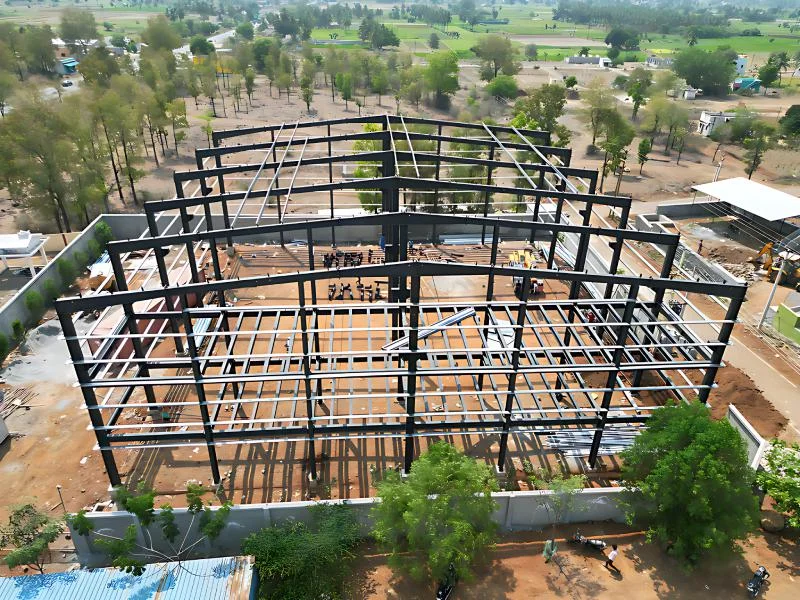
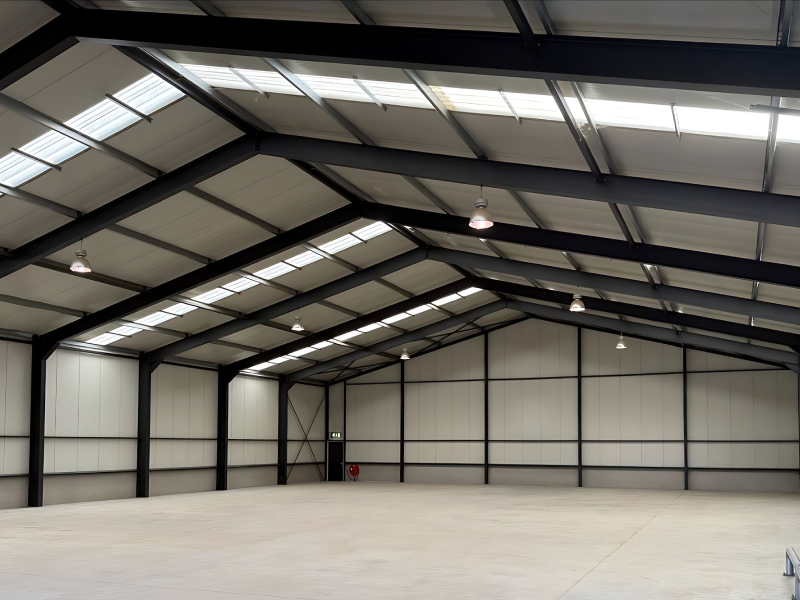
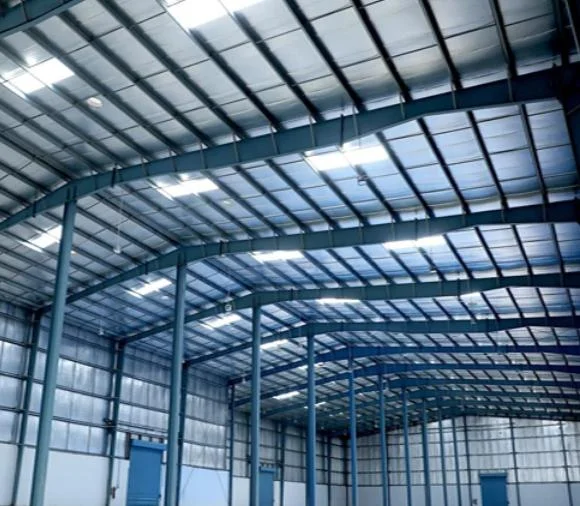
Pre-Engineered Building (PEB) Structures offer several features that make them a preferred choice in the construction industry. They are designed to be durable, lightweight, and adaptable to various environmental conditions. The manufacturing process allows for precision engineering, ensuring high quality and consistency across all components.
Key specifications include:
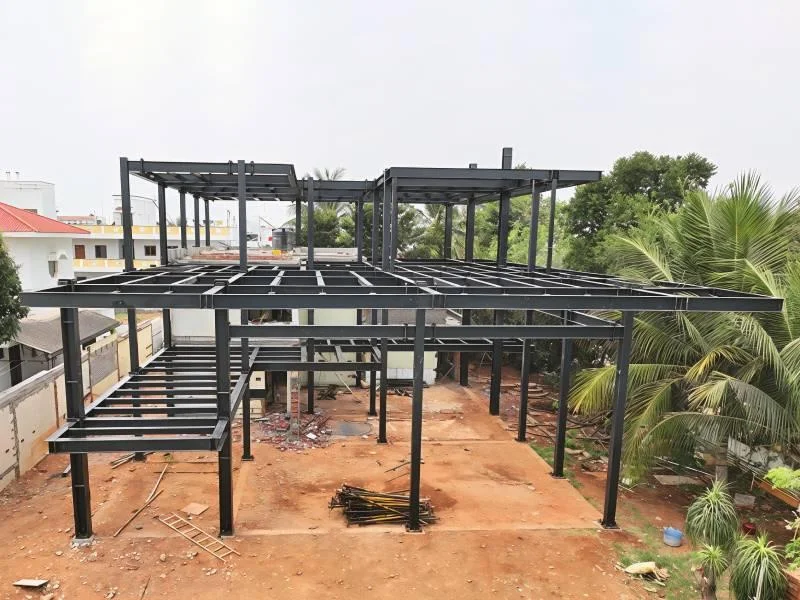
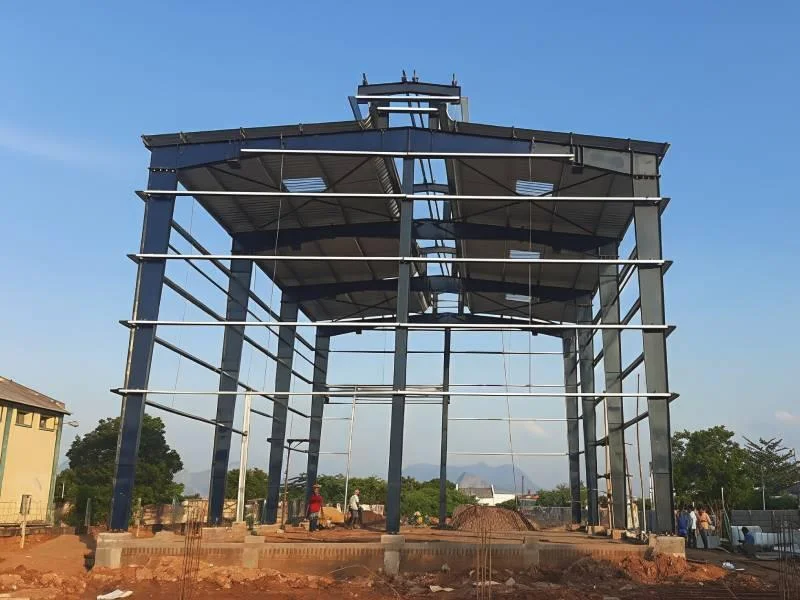
1. Structural Frame
- Composed of high-strength steel
- Designed to withstand various loads and environmental conditions
2. Roof and Wall Panels
- Insulated panels for energy efficiency
- Available in multiple materials including metal and composite
3. Span Capability
- Clear spans ranging from 10 to 100 meters
- Customizable based on project requirements
4. Building Height
- Maximum heights can exceed 12 meters
- Adjustable to meet specific function and aesthetic needs
5. Foundation Requirements
- Lightweight foundations reduce construction costs
- Designed for various soil types
6. Thermal Performance
- Options for insulation to meet energy codes
- Effective thermal regulation to enhance comfort
7. Fire Resistance
- Compliance with fire safety regulations
- Fire-resistant materials available
8. Customization Options
- Flexible designs to accommodate specific client needs
- Various finishes and colors for aesthetic appeal
In summary, Pre-Engineered Building Structures provide versatile and efficient solutions for a wide range of construction needs, ensuring both functionality and durability.
Common Applications and Use Cases
Pre-Engineered Building (PEB) Structures are utilized in numerous sectors, providing tailored solutions for various construction challenges.
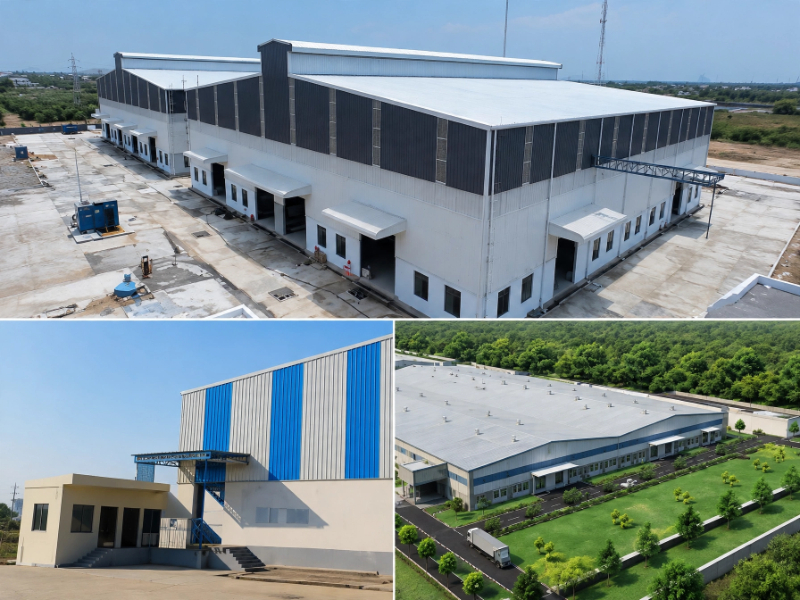
1. Manufacturing Facilities: These structures offer expansive floor space for machinery and assembly lines, enhancing operational efficiency.
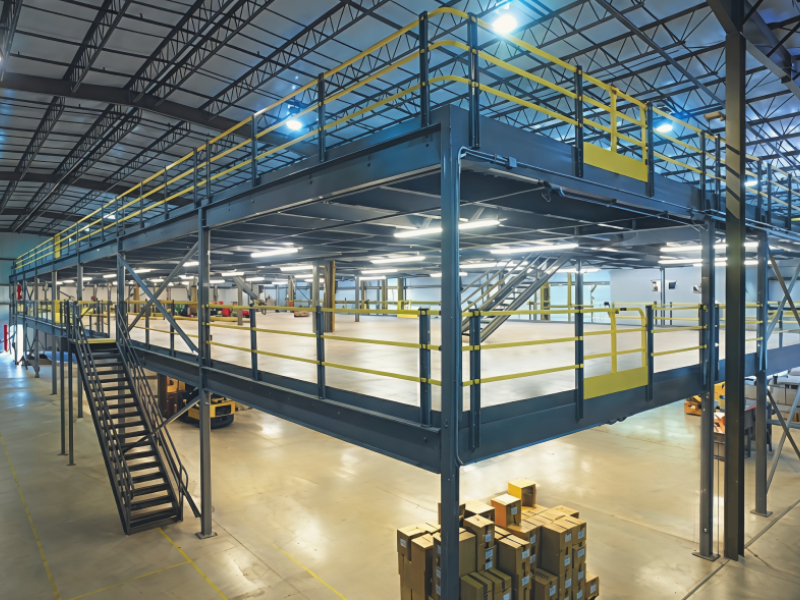
2. Warehousing: PEBs are ideal for warehouses requiring large storage areas, allowing for easy access and inventory management.
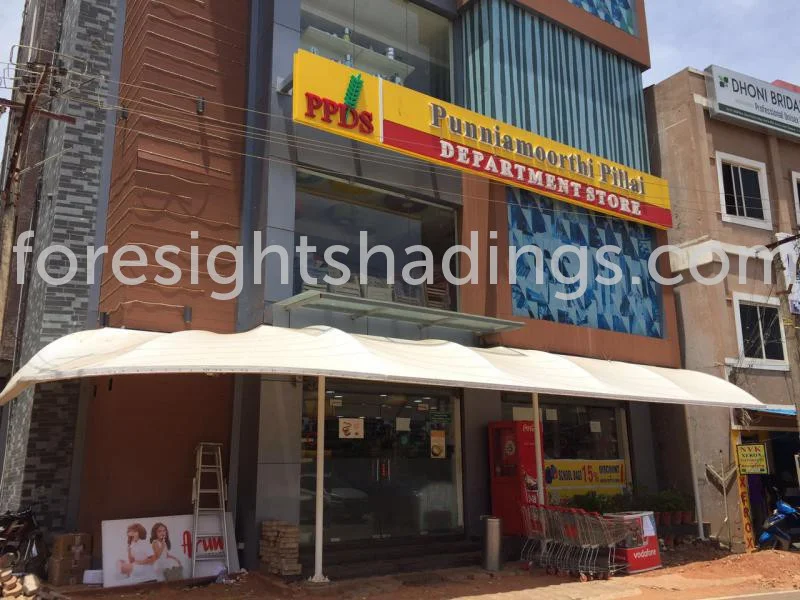
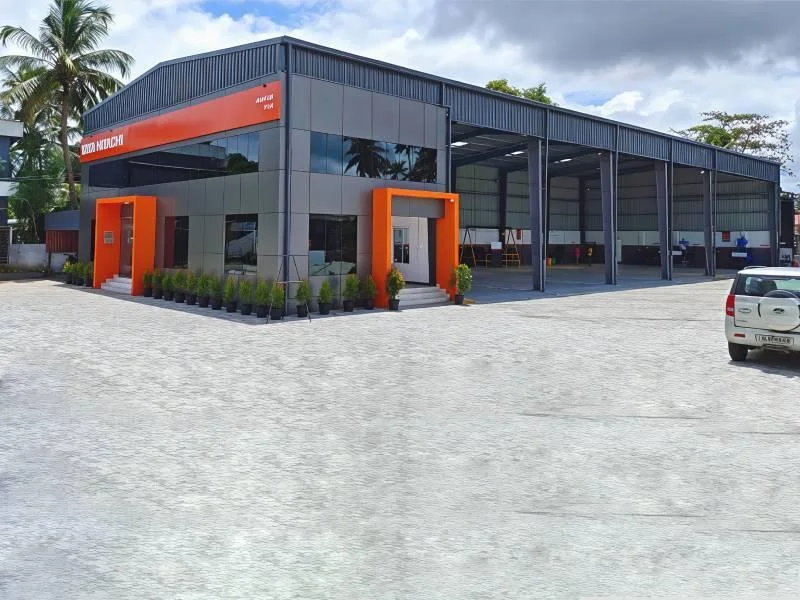
3. Retail Outlets: PEBs can be designed to accommodate retail spaces, providing a customizable and attractive environment for customers.
4. Sports Facilities: These buildings can be configured for sports complexes, including gymnasiums and indoor arenas, with open spans and high ceilings.
5. Agricultural Buildings: PEBs are used for barns and storage facilities, offering durability and protection for agricultural products.
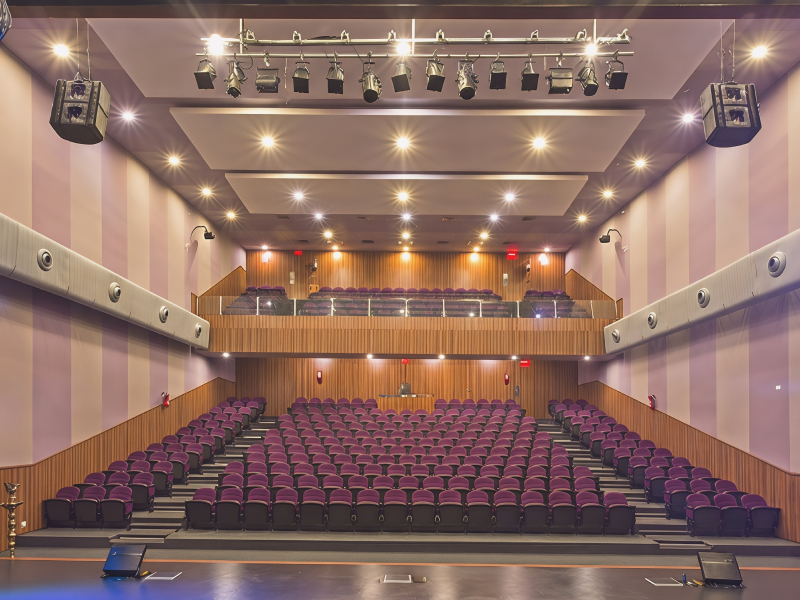
6. Educational Institutions: Schools and colleges benefit from PEBs for classrooms and auditoriums, providing cost-effective solutions.
7. Healthcare Facilities: PEBs can be designed to create clinics and hospitals, ensuring a timely response to construction needs in the healthcare sector.
Product Variants and Subcategories
Pre-Engineered Building (PEB) Structures come in various configurations to meet specific industry requirements. This diversity allows businesses to choose solutions that best fit their operational needs.
Standard PEB Structures: These structures are designed for general use and can be customized for a wide range of applications, from warehouses to retail spaces.
Custom PEB Solutions: Tailored to meet specific customer requirements, these solutions may include unique architectural features or specialized functionalities.
Modular PEB Systems: Designed for rapid deployment, modular PEB systems can be easily expanded or reconfigured as business needs evolve.
Benefits and Advantages
The adoption of Pre-Engineered Building (PEB) Structures brings numerous advantages to businesses looking for construction solutions.
1. Cost Efficiency: PEBs significantly reduce construction costs due to lower labor requirements and faster assembly times.
2. Speed of Construction: With components pre-fabricated, the time from design to occupancy is minimized, allowing businesses to operate sooner.
3. Flexibility: PEBs can be easily modified or expanded, accommodating changing business needs without extensive renovations.
4. Sustainability: The efficient use of materials and energy during construction contributes to a lower environmental impact.
5. Quality Assurance: Manufactured in controlled environments, PEBs ensure consistent quality and adherence to industry standards.
6. Low Maintenance: The materials used in PEB construction often require minimal upkeep, reducing long-term operational costs.
Buying Guide for B2B Buyers
When sourcing Pre-Engineered Building (PEB) Structures, buyers should consider several critical factors to ensure a successful procurement process.
1. Quality Assessment: Evaluate the materials and manufacturing processes to ensure compliance with industry standards and durability requirements.
2. Supplier Verification: Conduct thorough checks on suppliers to confirm their credibility, experience, and past project successes.
3. Pricing and MOQ: Understand the pricing structure and minimum order quantities, as these can vary significantly between suppliers.
4. Delivery and Lead Times: Consider the logistics involved, including estimated delivery times and the supplier's ability to meet deadlines.
5. Compliance Requirements: Ensure that the PEB structures meet local building codes and regulations, including any necessary certifications.
Compliance and Certifications
Pre-Engineered Building (PEB) Structures must adhere to relevant quality standards and certifications to ensure safety and performance. ISO 9001 is a widely recognized standard focusing on quality management systems, ensuring consistent product quality and customer satisfaction.
Additionally, compliance with CE marking indicates that the building materials meet European safety, health, and environmental protection requirements. It's essential for manufacturers to adhere to safety and testing requirements, which may vary by region.
Buyers should also consider regional compliance, as different areas may have unique building codes and standards that must be followed. Ensuring compliance helps mitigate risks and supports the overall integrity of the construction project.
Why Source Pre-Engineered Building (PEB) Structures from Pepagora?
Pepagora provides a trusted platform for sourcing Pre-Engineered Building (PEB) Structures, offering several key advantages to buyers.
Verified Supplier Network: Pepagora connects buyers with vetted suppliers, ensuring reliability and quality in the procurement process. This network allows businesses to select from reputable manufacturers who adhere to industry standards.
Streamlined RFQ Process: The request for quotation (RFQ) system simplifies the sourcing process, enabling buyers to obtain competitive quotes from multiple suppliers quickly. This efficiency helps in making informed purchasing decisions.
Trade Assurance and Support: Pepagora offers trade assurance, providing buyers with protection throughout the purchasing process. Support services are available to address any concerns and facilitate smooth transactions.
Regional Coverage: Pepagora has a wide geographic reach, covering markets in India, the GCC, and Southeast Asia. This broad network ensures that businesses can access PEB solutions tailored to their specific regional needs.
By choosing Pepagora, buyers can confidently navigate the procurement of Pre-Engineered Building Structures, benefiting from a streamlined process and a diverse selection of quality products.

 IN
IN




 India
India