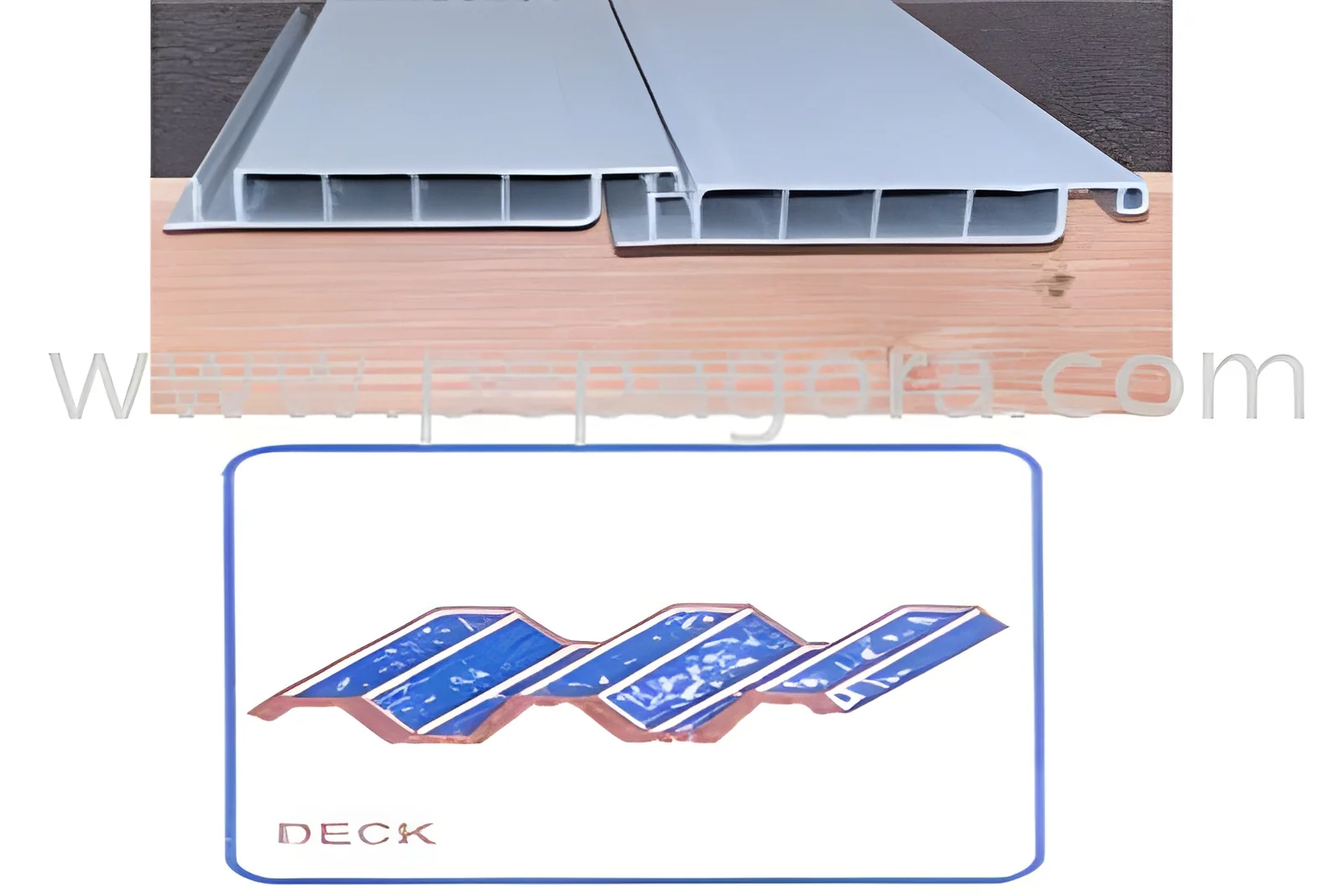
What are Steel Frameworks & Sections?
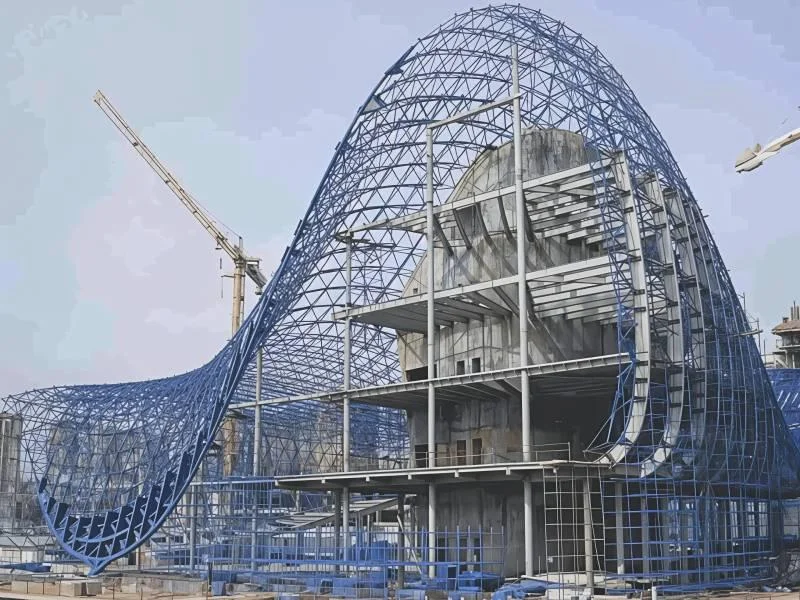
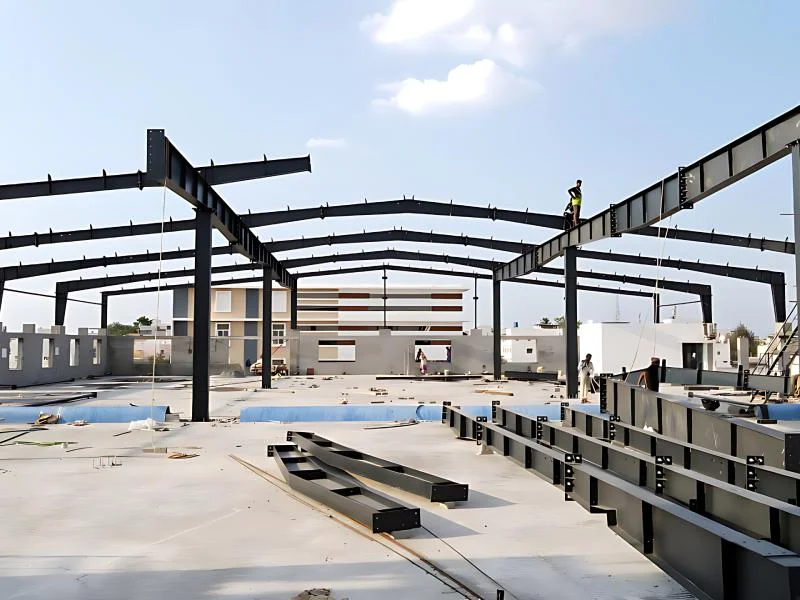
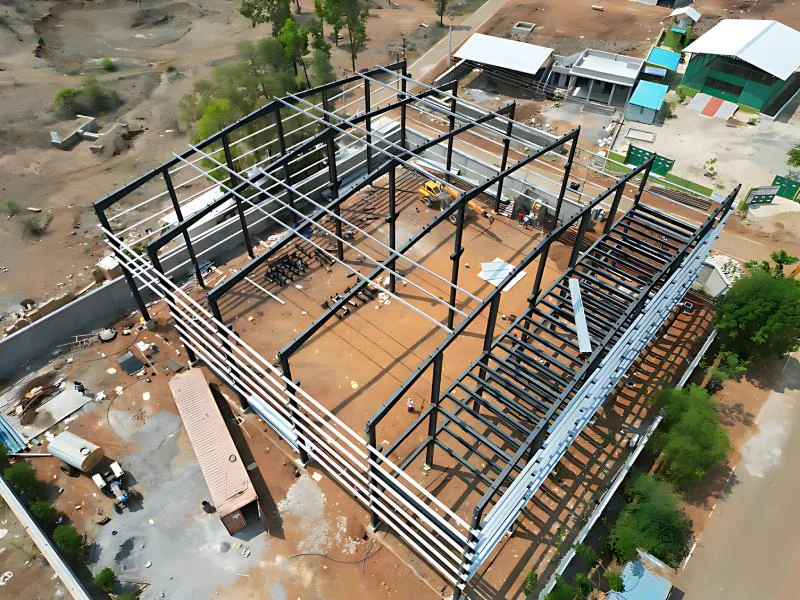
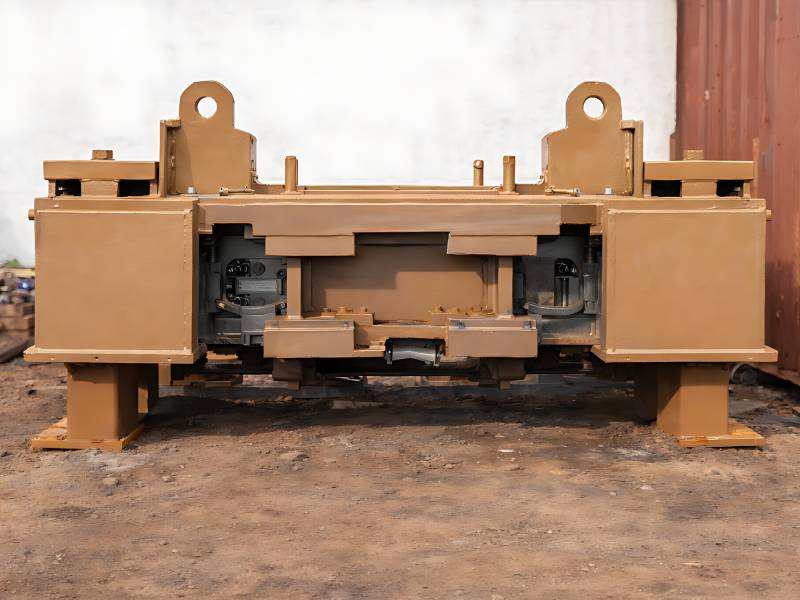
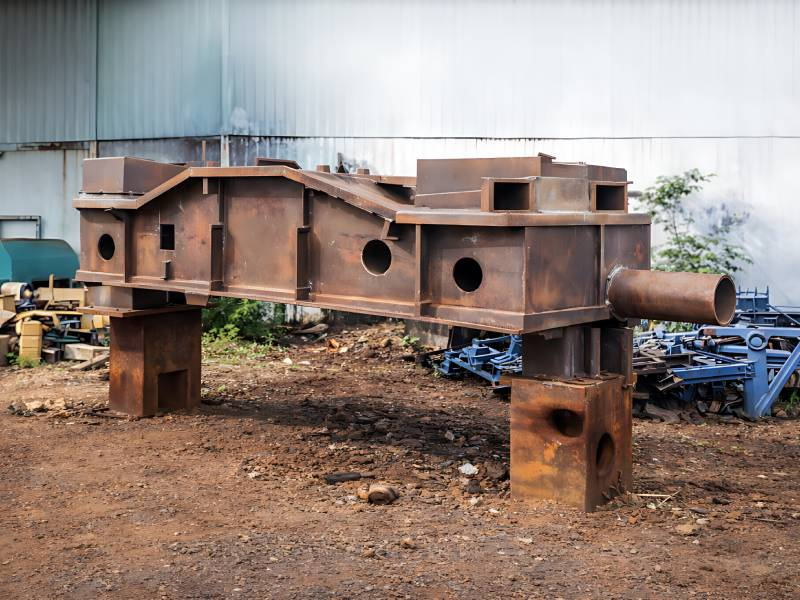
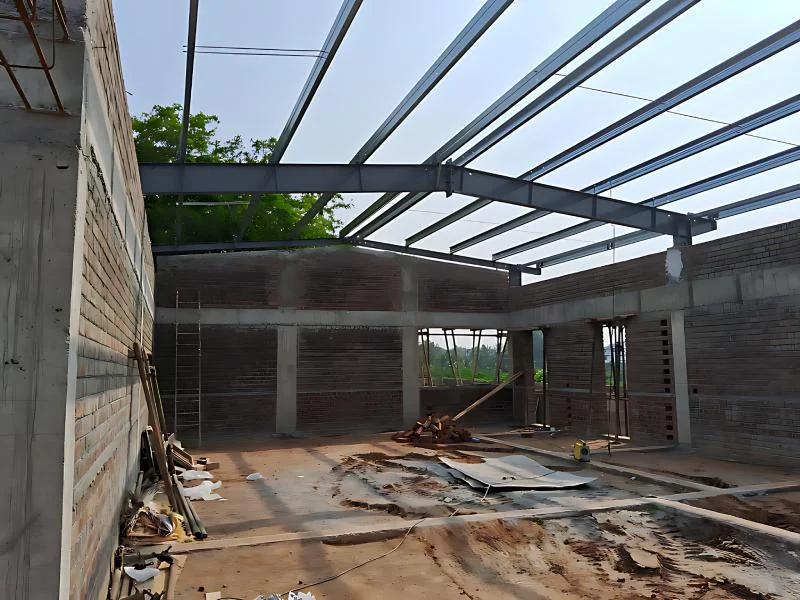
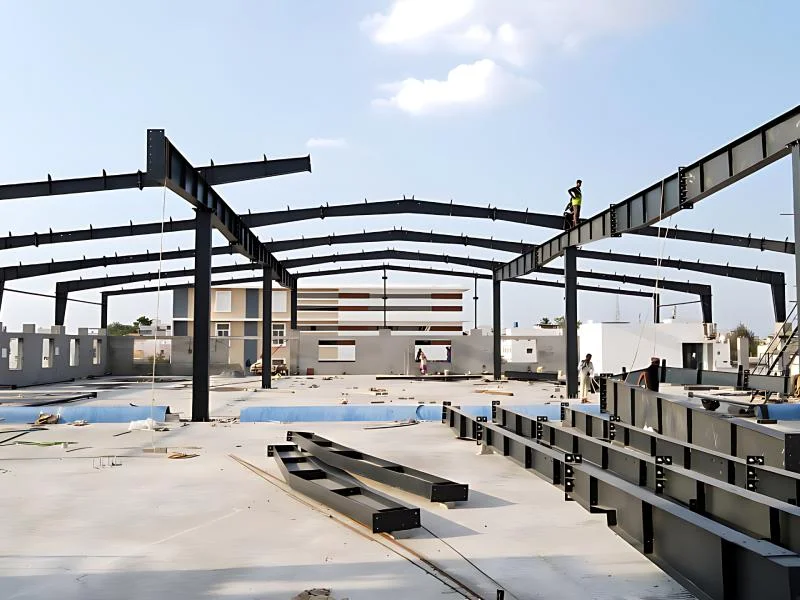
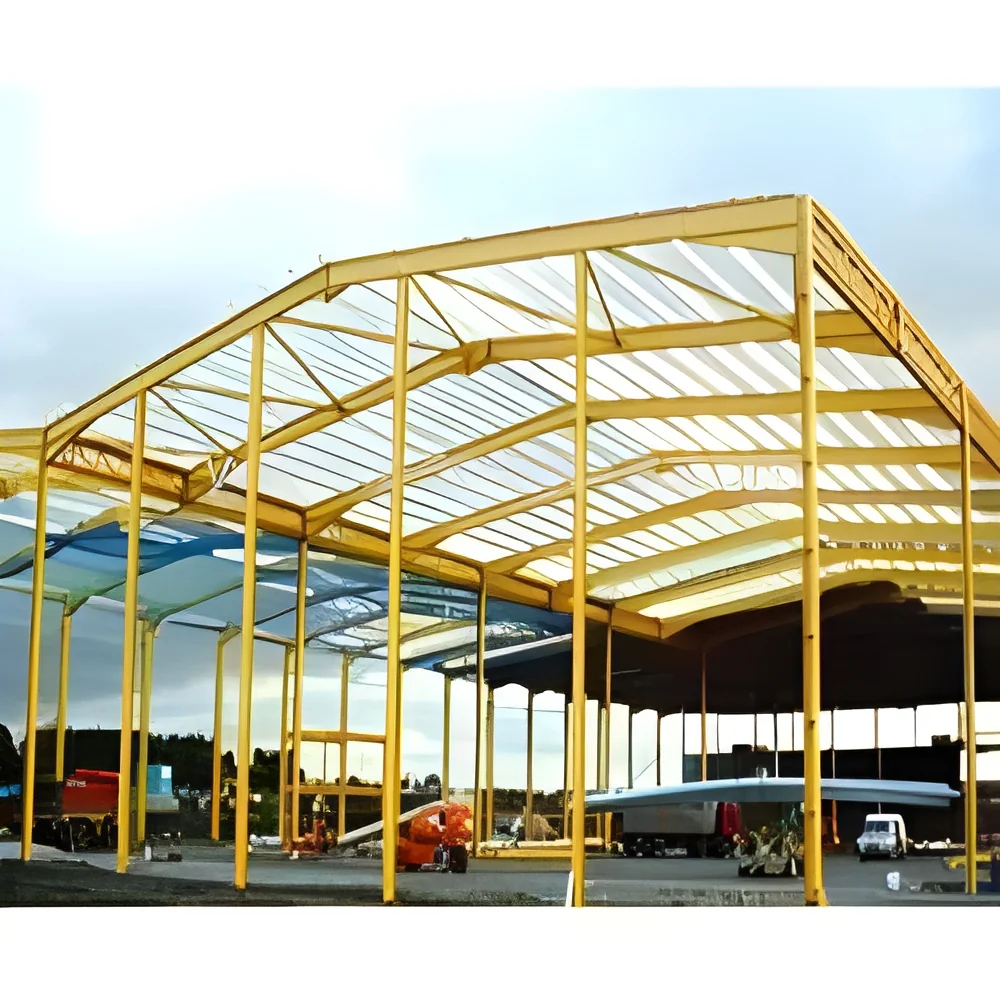
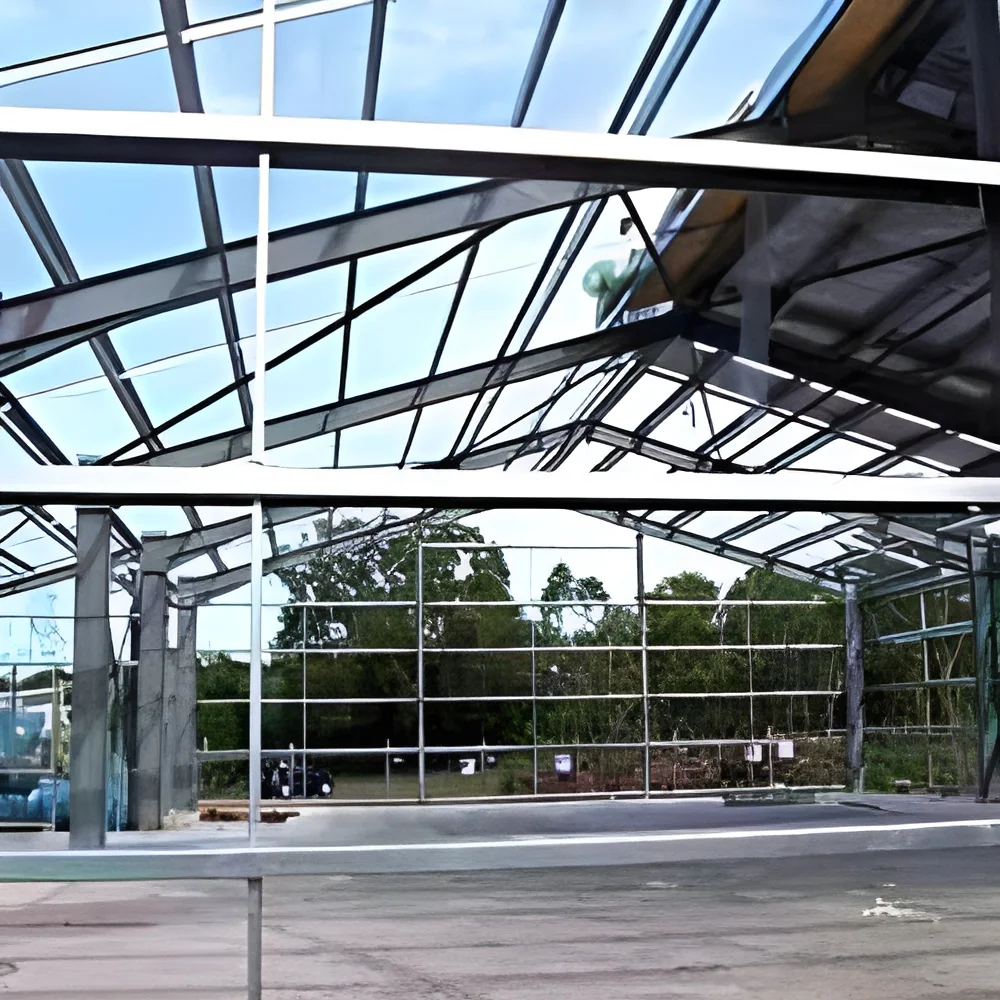
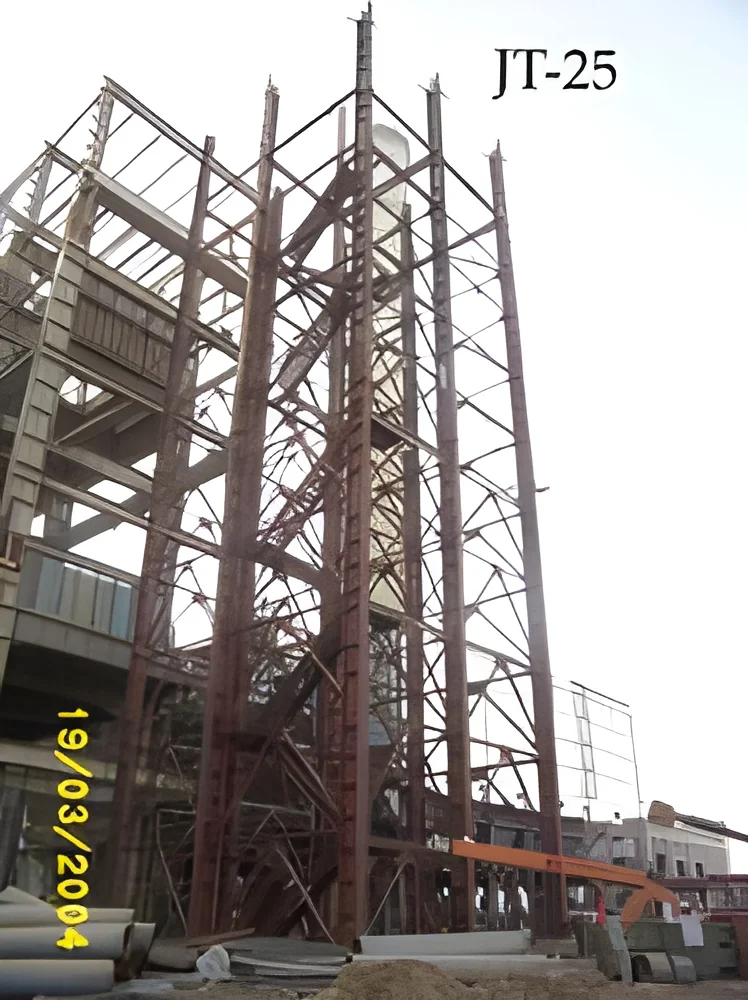
Steel frameworks and sections are structural components made from steel, designed to provide strength, support, and stability in various construction projects. These products are typically prefabricated and include shapes such as beams, columns, and trusses. The versatility of steel allows for the creation of durable structures that can withstand significant loads and environmental challenges.
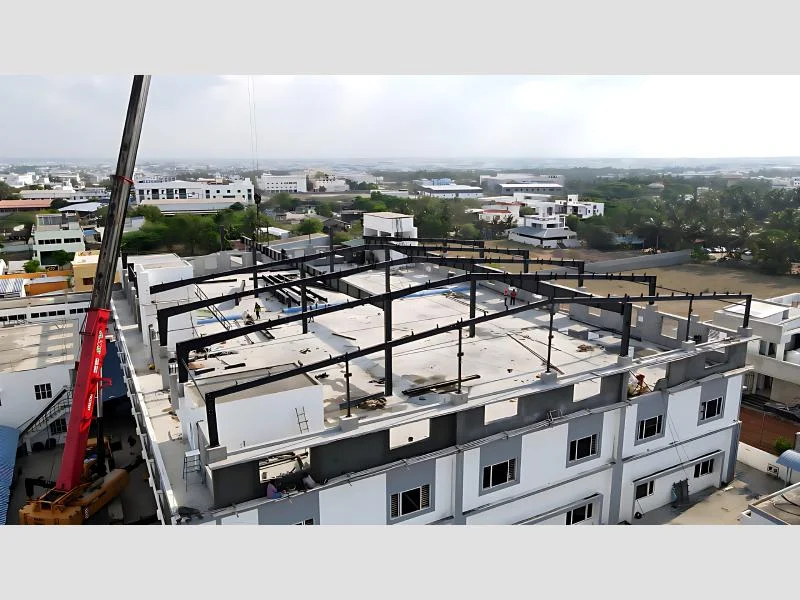
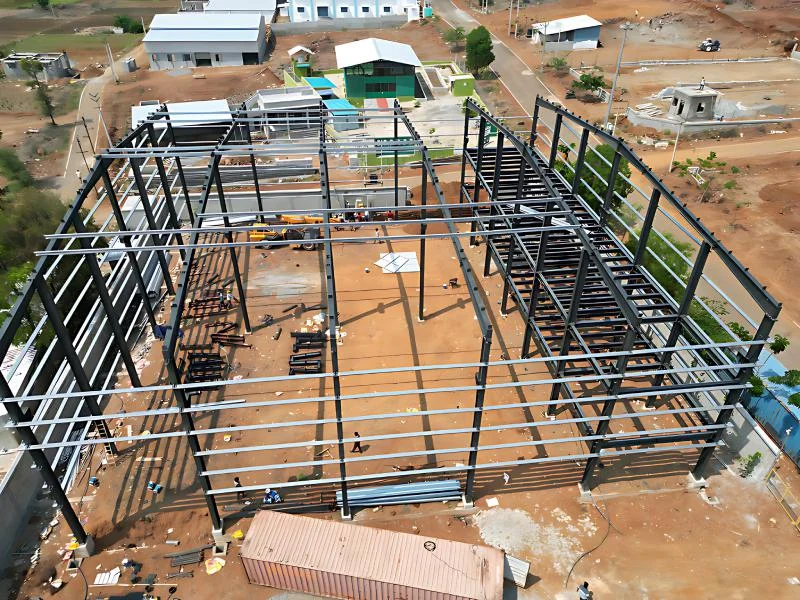
These frameworks are primarily used in the construction of buildings, bridges, and industrial facilities. They form the backbone of many architectural designs, offering the necessary support for roofs and floors while allowing for open spaces without the need for extensive internal columns. In addition to construction, steel frameworks are also utilized in manufacturing, automotive, and energy sectors, showcasing their broad relevance across different industries.
As the construction and manufacturing sectors continue to grow, the demand for steel frameworks and sections remains strong. The ongoing development of infrastructure projects and urban expansion drives the market for these essential components. Their ability to meet stringent building codes and standards further solidifies their position in the industrial landscape.
Key Features and Specifications
Steel frameworks and sections are characterized by several key features that enhance their performance and usability in various applications. These features include high tensile strength, durability, and resistance to environmental factors. Understanding the specifications is crucial for selecting the right product for specific projects.
Key specifications include:
1. Material Grade
- Typically includes grades like S235, S275, and S355.
- Each grade has varying yield strengths and tensile properties.
2. Dimensions
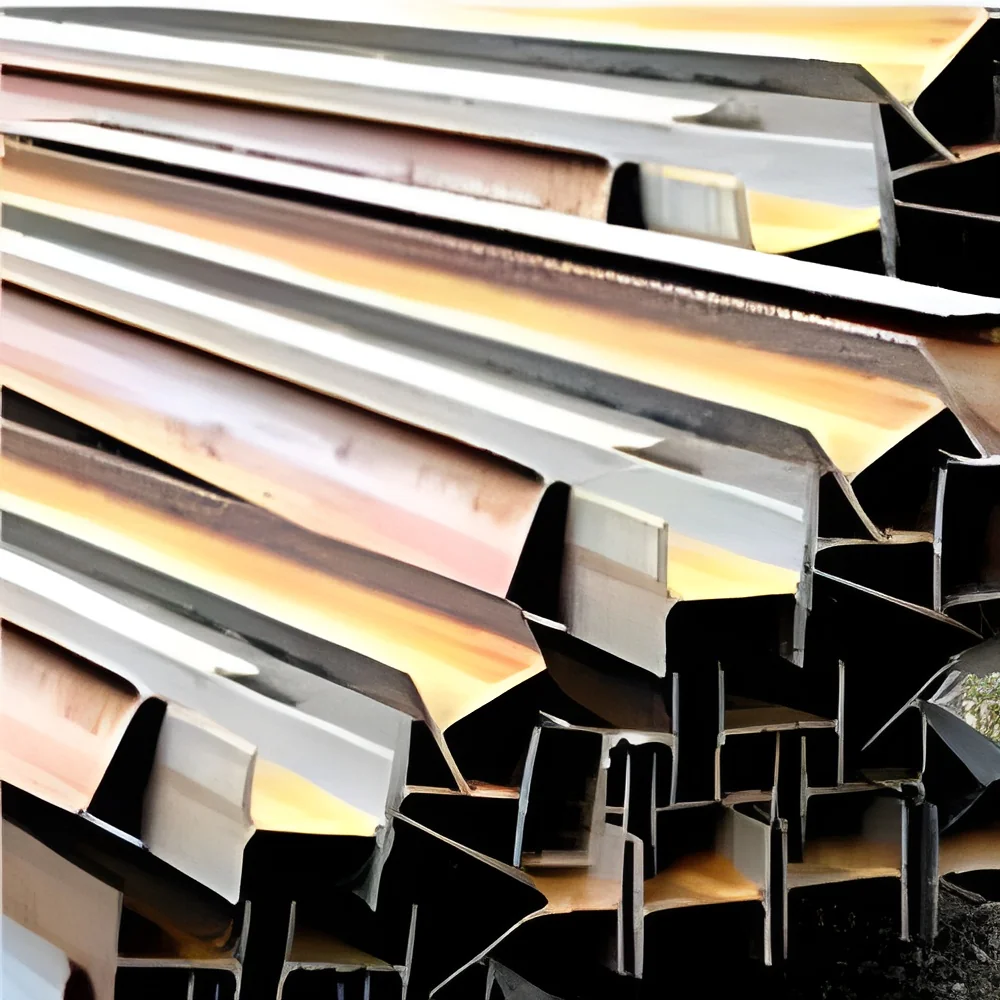
- Available in a range of sizes and shapes, including I-beams, H-beams, and square tubes.
- Custom sizes can often be manufactured based on project requirements.
3. Finish
- Options include hot-dip galvanizing, powder coating, or painted finishes.
- Finishing improves corrosion resistance and overall aesthetics.
4. Load Capacity
- Specific load-bearing capacities depend on the dimensions and material grade.
- Engineering calculations are necessary to determine suitability for intended use.
5. Joint Types
- Common joint types include welded, bolted, and riveted connections.
- Selection of joint type impacts assembly methods and structural integrity.
6. Compliance Standards
- Must comply with local and international building codes and standards.
- Ensures safety and reliability in various applications.
7. Weight
- Weight varies by design and material specifications.
- Important for transportation and installation planning.
8. Fabrication Tolerance
- Tolerances dictate the allowable variations in dimensions and shapes.
- Critical for ensuring proper fit during assembly.
In summary, understanding these features and specifications helps buyers choose the right steel frameworks and sections that meet both structural and aesthetic requirements.
Common Applications and Use Cases
Steel frameworks and sections are integral to multiple industries, showcasing their adaptability and strength.
1. Construction: Steel frameworks are predominantly used in commercial and residential buildings, providing structural support for floors, roofs, and walls.
2. Manufacturing: Factories utilize steel sections for machinery support structures, conveyor systems, and storage racks, enhancing operational efficiency.
3. Automotive: Steel frameworks are essential in the construction of assembly lines and support structures for heavy machinery in automotive plants.
4. Energy: In the energy sector, steel frameworks support wind turbines, solar panel installations, and other renewable energy structures.
5. Infrastructure: Bridges and overpasses rely on steel sections for their strength and durability, allowing for safe transportation over large spans.
6. Aerospace: Steel frameworks are used in manufacturing facilities for aircraft, providing robust support systems for assembly and testing.
7. Marine: Steel structures are critical in shipbuilding yards, providing support for dry docks and construction areas.
Product Variants and Subcategories
Steel frameworks and sections come in various forms, catering to different structural needs.
I-Beams
I-beams are widely used for their structural efficiency, providing strength with minimal weight. They are commonly found in building construction and industrial applications.
H-Beams
H-beams are known for their high load-bearing capacity and are often used in heavy construction projects, such as bridges and large buildings.
Square and Rectangular Tubes
These sections offer uniform strength in all directions and are frequently used in the construction of frames and support structures in various industries.
Channel Sections
Channel sections are ideal for applications requiring a lightweight yet robust framework, often used in railings and supports.
Benefits and Advantages
Steel frameworks and sections provide numerous advantages that make them a preferred choice for construction and industrial applications.
1. High Strength-to-Weight Ratio: Steel offers exceptional strength while remaining lightweight, allowing for efficient construction and design flexibility.
2. Durability: Steel is resistant to warping, cracking, and splitting, ensuring longevity and reducing maintenance costs.
3. Design Versatility: The ability to fabricate steel into various shapes and sizes allows for innovative architectural designs.
4. Cost-Effectiveness: Steel frameworks can reduce overall project costs through efficient use of materials and shorter construction times.
5. Eco-Friendly: Steel is recyclable, making it a sustainable choice for environmentally conscious builders.
6. Fire Resistance: Steel has inherent fire-resistant properties, enhancing safety in construction applications.
Buying Guide for B2B Buyers
When sourcing steel frameworks and sections, it is essential to consider several key factors to ensure quality and suitability for your projects.
1. Quality Assessment: Evaluate the material grade and specifications to ensure they meet industry standards. Look for certifications that indicate compliance with relevant quality guidelines.
2. Supplier Verification: Vet potential suppliers through references and their track record in delivering high-quality products. Ensure they have the necessary certifications and experience in the industry.
3. Pricing and MOQ: Understand the pricing structure and minimum order quantities that may apply. This helps in budgeting and ensuring that the purchase aligns with project requirements.
4. Delivery and Lead Times: Confirm the supplier's ability to meet your timeline for delivery. Timely delivery is crucial for maintaining project schedules.
5. Compliance Requirements: Ensure that the products meet local and international building codes and safety standards to avoid regulatory issues.
Compliance and Certifications
In the manufacturing of steel frameworks and sections, compliance with quality standards is paramount. Relevant standards include ISO 9001, which focuses on quality management systems, ensuring that suppliers maintain consistent quality in their products.
Industry certifications, such as CE marking, indicate that the products meet European safety and environmental requirements. These certifications are critical for buyers looking to ensure their materials are reliable and safe for use in construction and industrial applications.
Safety and testing requirements are also essential, as they dictate the necessary evaluations that products must undergo before reaching the market. Regional compliance considerations should be taken into account, as different countries may have varying regulations regarding steel production and usage.
Why Source Steel Frameworks & Sections from Pepagora?
Pepagora provides a trusted platform for sourcing steel frameworks and sections, offering several key advantages for B2B buyers.
Verified Supplier Network: Pepagora boasts a network of verified suppliers, ensuring that buyers can trust the quality of products they source. This network undergoes regular assessments to maintain high standards.
Streamlined RFQ Process: The platform simplifies the request for quotation (RFQ) process, allowing buyers to easily compare prices and specifications from multiple suppliers, saving time and ensuring competitive pricing.
Trade Assurance and Support: Buyers benefit from trade assurance programs that protect their purchases, providing peace of mind throughout the procurement process. Dedicated support ensures any queries or issues are promptly addressed.
Regional Coverage: With a strong presence in India, the GCC, and Southeast Asia, Pepagora facilitates access to a wide range of suppliers and products, enhancing sourcing opportunities for buyers across these regions.

 IN
IN