What are Prefab Structure Fabricators?
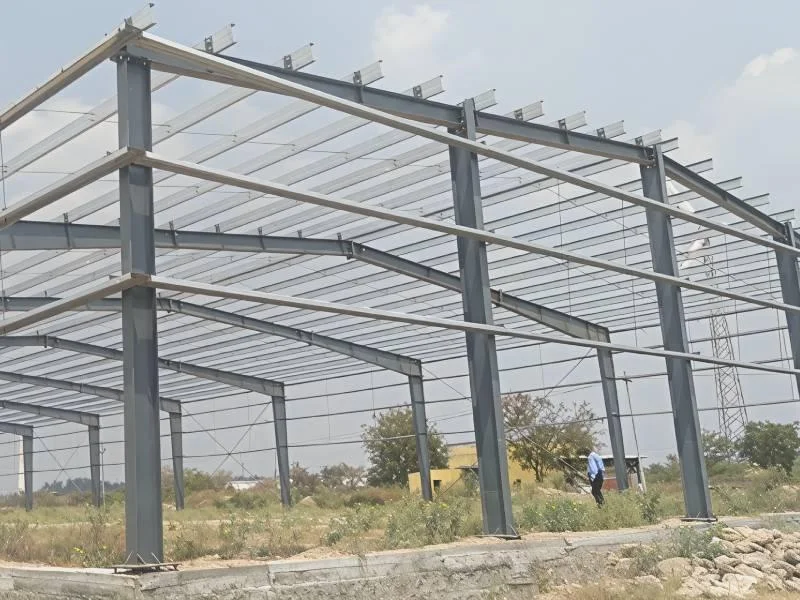
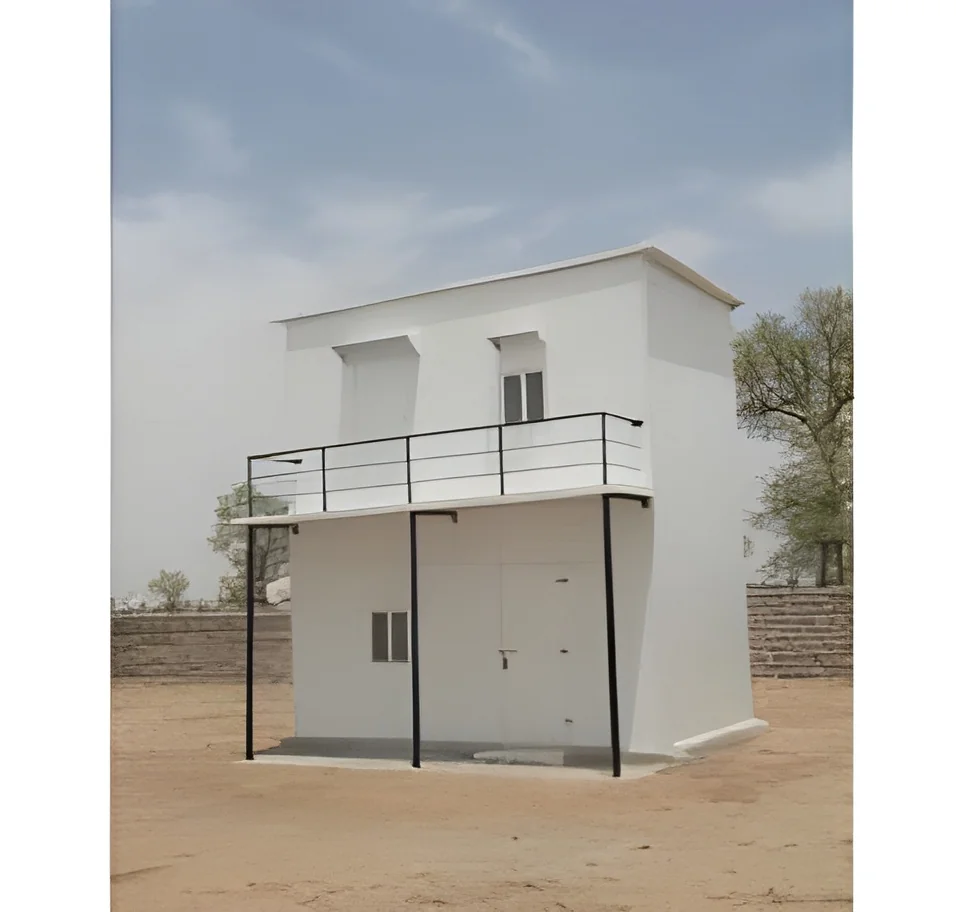
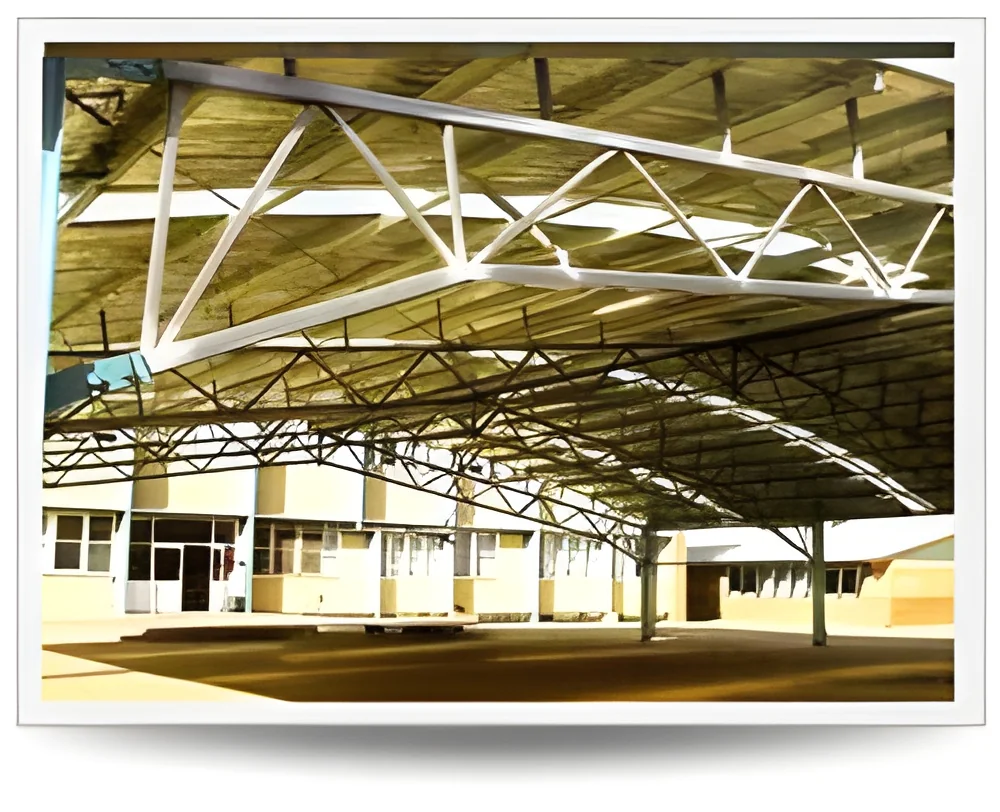
Prefab Structure Fabricators are specialized manufacturers that produce pre-engineered structures designed for rapid assembly and deployment. These prefabricated structures are constructed using modular components, which are fabricated off-site and then transported to the construction site for quick assembly. This approach not only accelerates the construction process but also enhances quality control by allowing for precision manufacturing in a controlled environment.
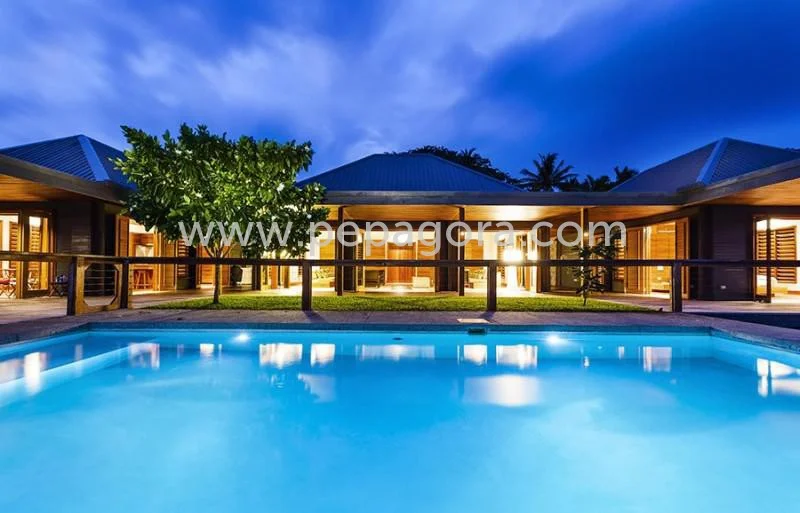
The primary applications of prefab structures include commercial buildings, residential complexes, temporary facilities, and industrial applications. Businesses utilize these structures for their versatility, cost-effectiveness, and ability to meet tight deadlines. The growing demand for sustainable building practices has also made prefab structures a popular choice, as they often reduce waste and promote efficient use of materials. In a market increasingly focused on speed and sustainability, prefab structure fabricators play a crucial role in modern construction.
As the construction industry evolves, the relevance of prefab structure fabricators continues to grow. Companies are increasingly looking for innovative solutions that allow them to complete projects faster and with fewer resources. The market for prefabricated structures has expanded globally, driven by advancements in engineering technologies and changing consumer preferences. As a result, prefab structure fabricators are well-positioned to meet the needs of various sectors in today's competitive landscape.
Key Features and Specifications
Prefab Structure Fabricators are known for their efficiency and adaptability, with many features that enhance their functionality and application. Understanding these key specifications is vital for businesses looking to integrate prefab solutions into their projects.
Key specifications include:
1. Material Composition
- Typically made from steel, wood, or concrete composites
- Provides durability and strength across various applications
2. Customization Options
- Available in various sizes and configurations
- Tailored to meet specific project requirements
3. Assembly Techniques
- Designed for quick and easy assembly on-site
- Often utilize modular systems for straightforward installation
4. Energy Efficiency
- Can be designed to meet energy efficiency standards
- Incorporates insulation and energy-saving technologies
5. Durability Standards
- Built to withstand diverse environmental conditions
- Compliance with local building codes and regulations
6. Cost-Effective Solutions
- Reduce labor and material costs through efficient manufacturing
- Shorten construction timeframes leading to overall project savings
7. Transportability
- Easily transported to various locations
- Ideal for temporary or relocatable structures
In summary, the key features and specifications of prefab structure fabricators provide critical insights for businesses. Their efficiency, customization, and adherence to durability standards make them a valuable option for modern construction projects.
Common Applications and Use Cases
Prefab structures serve a wide range of industries, making them versatile solutions for various construction needs. Their adaptability allows businesses to leverage these structures for multiple applications.
1. Commercial Construction: Prefab structures are commonly used for office buildings and retail spaces, allowing for rapid deployment and reduced downtime.
2. Residential Projects: Many developers utilize prefab materials for housing developments, enabling faster completion times and efficient resource management.
3. Industrial Facilities: Factories and warehouses benefit from prefab designs, which can be constructed to meet specific operational needs while maximizing space.
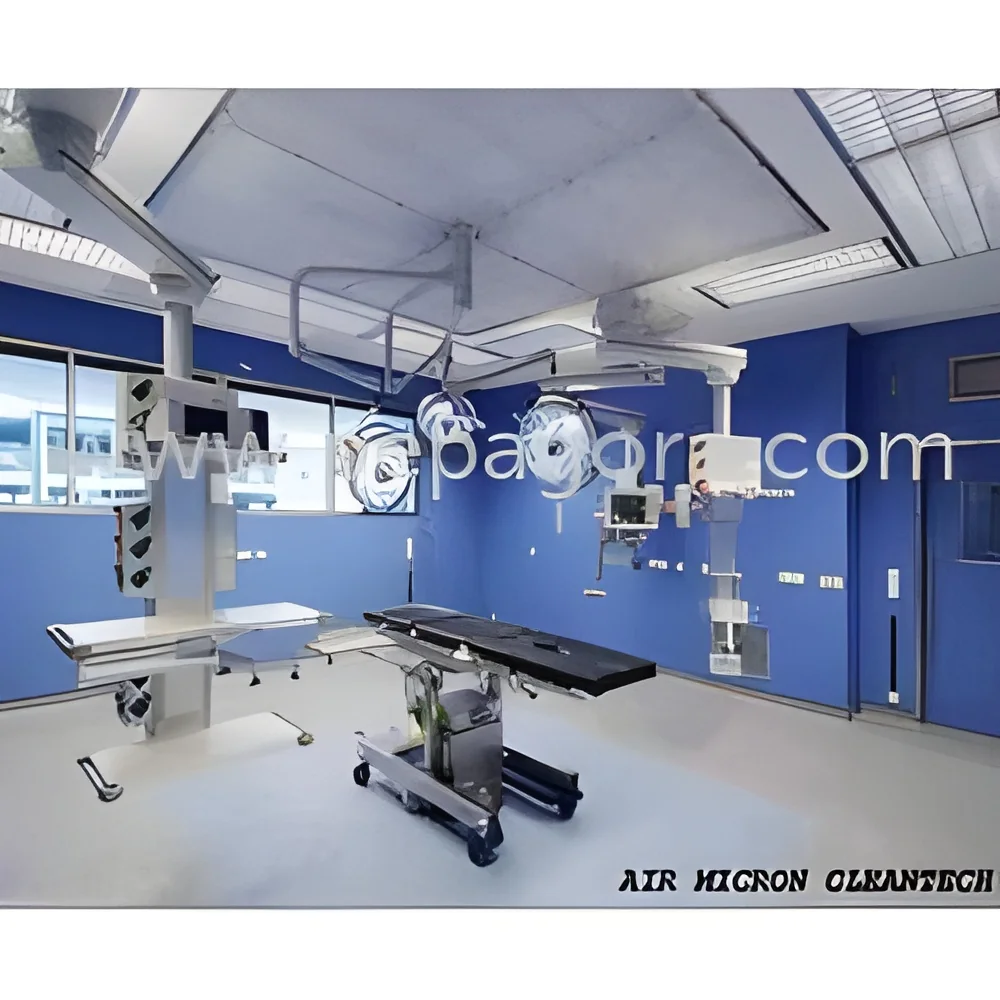
4. Healthcare Facilities: Temporary hospitals and clinics often rely on prefabricated structures for quick setups during emergencies or expansions.
5. Educational Institutions: Schools and universities utilize prefab buildings for classrooms and dormitories, providing flexible solutions to accommodate growing populations.
6. Hospitality Industry: Hotels and resorts can deploy prefab cabins or lodges, offering unique accommodations with reduced construction time.
7. Disaster Relief: Prefab structures are ideal for providing immediate housing solutions in disaster-stricken areas, ensuring quick responses to urgent needs.
Product Variants and Subcategories
Prefab structure fabricators offer a diverse range of product variants tailored to specific market needs. This variety allows businesses to select the most suitable option for their projects.
Modular Buildings
These are pre-engineered sections that can be combined to create larger structures. They are frequently used for office spaces, classrooms, and healthcare facilities, providing flexibility in design and usage.
Temporary Structures
Ideal for short-term projects, these structures can be quickly assembled and dismantled. They are often used for events, construction sites, or seasonal operations.
Container Homes
Using repurposed shipping containers, these homes provide a sustainable and cost-effective housing solution. They can be customized for various living standards and are gaining popularity in urban settings.
Benefits and Advantages
Choosing prefab structure fabricators comes with numerous advantages that enhance project efficiency and effectiveness. Understanding these benefits is essential for B2B buyers.
Key benefits include:
1. Speed of Construction: Prefab structures can be assembled much faster than traditional buildings, significantly reducing project timelines.
2. Cost Savings: The efficiency of the manufacturing process often leads to lower construction costs, making it a financially viable option.
3. Quality Control: Off-site fabrication allows for rigorous quality checks, resulting in higher construction standards and fewer defects.
4. Sustainability: Prefab construction typically generates less waste and promotes the use of eco-friendly materials, aligning with green building practices.
5. Flexibility: The modular nature of prefab structures allows for easy customization and scalability, accommodating a variety of project needs.
6. Reduced Labor Requirements: With much of the work done off-site, the demand for on-site labor is minimized, simplifying project management.
Buying Guide for B2B Buyers
When sourcing prefab structure fabricators, several factors must be taken into account to ensure the selection of the right supplier for your needs. A well-informed approach will yield the best results.
1. Quality Assessment: Evaluate the quality of materials and construction methods used by the fabricators. Request samples or references from previous projects to ensure standards are met.
2. Supplier Verification: Conduct thorough research on potential suppliers. Check for certifications, industry reputation, and customer reviews to ensure reliability.
3. Pricing and MOQ: Understand the pricing structure, including any minimum order quantities. This will help you budget effectively and avoid unexpected costs.
4. Delivery and Lead Times: Discuss logistics and expected lead times for delivery. Timely delivery is crucial to maintaining project schedules.
5. Compliance Requirements: Ensure that the fabricators adhere to local building codes and regulations. Familiarize yourself with any necessary certifications or safety standards.
Compliance and Certifications
Compliance and certifications are critical aspects of prefab structure fabrication, ensuring that products meet industry standards and safety requirements.
Quality standards such as ISO 9001 are essential for maintaining high manufacturing processes and quality control. This certification indicates that a company has a robust quality management system in place.
Additionally, industry certifications like CE mark signify that products comply with European health, safety, and environmental standards. This is particularly important for businesses operating in the European market.
Safety and testing requirements are also crucial, as they ensure that structures can withstand environmental stressors. Compliance with these standards protects end-users and enhances the overall credibility of the product.
Regional compliance considerations vary by location, so it is essential for buyers to understand the specific regulations applicable to their projects. This knowledge ensures all products meet the necessary legal and safety requirements.
Why Source Prefab Structure Fabricators from Pepagora?
Pepagora offers a trusted platform for sourcing prefab structure fabricators, providing several key advantages to enhance the procurement process.
Verified Supplier Network: Pepagora has established a comprehensive network of verified suppliers. Each supplier undergoes a rigorous vetting process, ensuring that buyers can trust their products and services.
Streamlined RFQ Process: The request for quotation (RFQ) system is designed to facilitate seamless communication between buyers and suppliers. This process helps ensure that buyers receive competitive pricing and timely responses to their inquiries.
Trade Assurance and Support: Pepagora provides buyer protection through trade assurance, which safeguards transactions. This support allows businesses to make purchases with confidence, knowing they are protected against potential issues.
Regional Coverage: With a strong presence in India, the GCC, and Southeast Asia, Pepagora is well-positioned to serve a diverse range of industries. This geographic reach ensures that buyers have access to a wide variety of prefab structure fabricators to meet their specific needs.

 IN
IN