
 IN
Portable Classrooms
5 products available
What are Portable Classrooms?
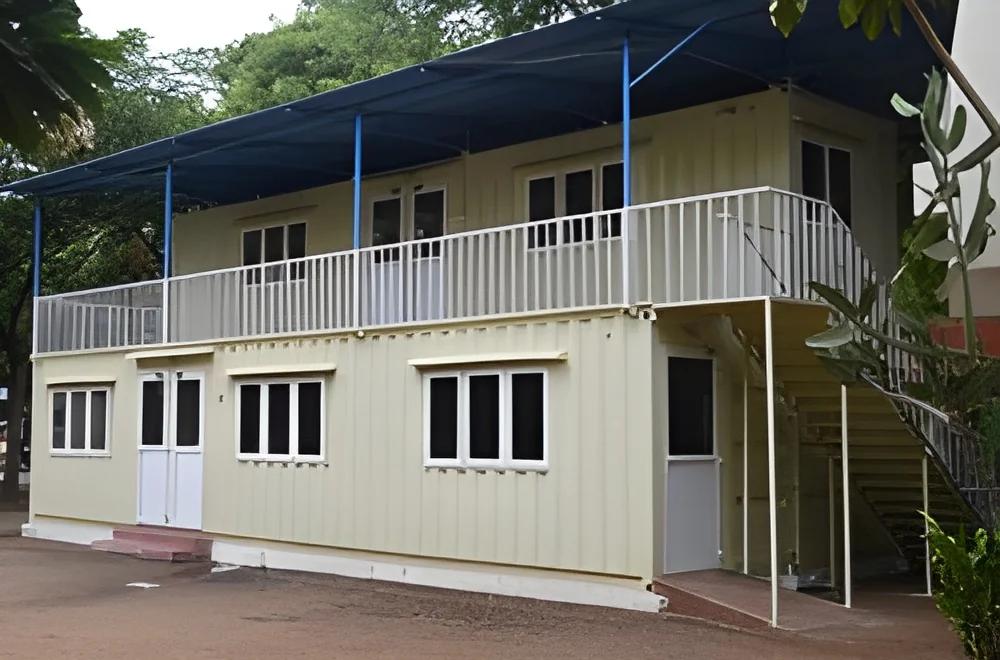
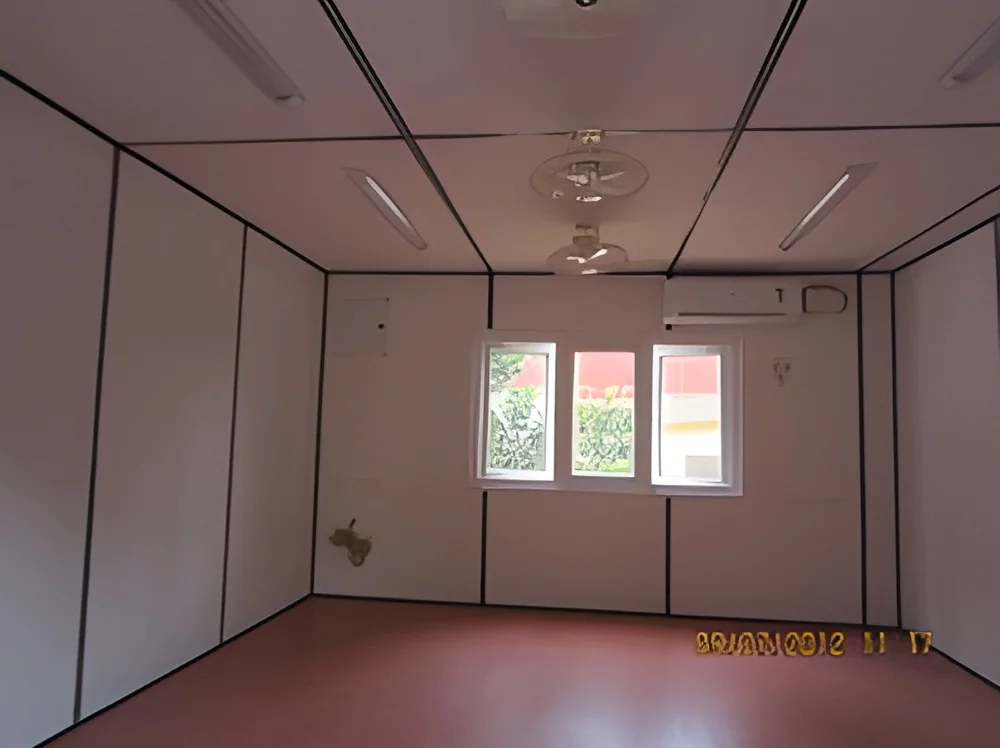
Portable classrooms are flexible, mobile educational spaces designed to accommodate various learning environments. These units are pre-fabricated structures that can be quickly delivered and set up, making them an efficient solution for schools facing space constraints. They are built with durable materials and are equipped with essential features to create a conducive learning atmosphere.
The primary uses of portable classrooms include serving as temporary or permanent educational facilities, administrative offices, and even daycare centers. They are particularly useful in situations where traditional structures are impractical, such as during construction or renovation projects, or in areas hit by natural disasters. As educational institutions adapt to changing needs, the demand for portable classrooms continues to grow, making them an important product in the construction and education sectors.
In the current market context, portable classrooms represent a vital resource for both public and private educational organizations. The increasing need for flexible learning spaces, driven by rising student enrollment and shifting teaching methodologies, highlights their relevance in the educational landscape. As schools look for cost-effective and innovative solutions, portable classrooms have emerged as a practical choice.
Key Features and Specifications
Portable classrooms come with a range of features and specifications designed to enhance their functionality and comfort. These units are engineered to meet the diverse needs of educational institutions while adhering to industry standards.
Key specifications include:
1. Size and Space
- Available in various dimensions to suit different needs
- Typically ranges from 400 to 1,200 square feet
2. Construction Materials
- Built using high-quality, weather-resistant materials
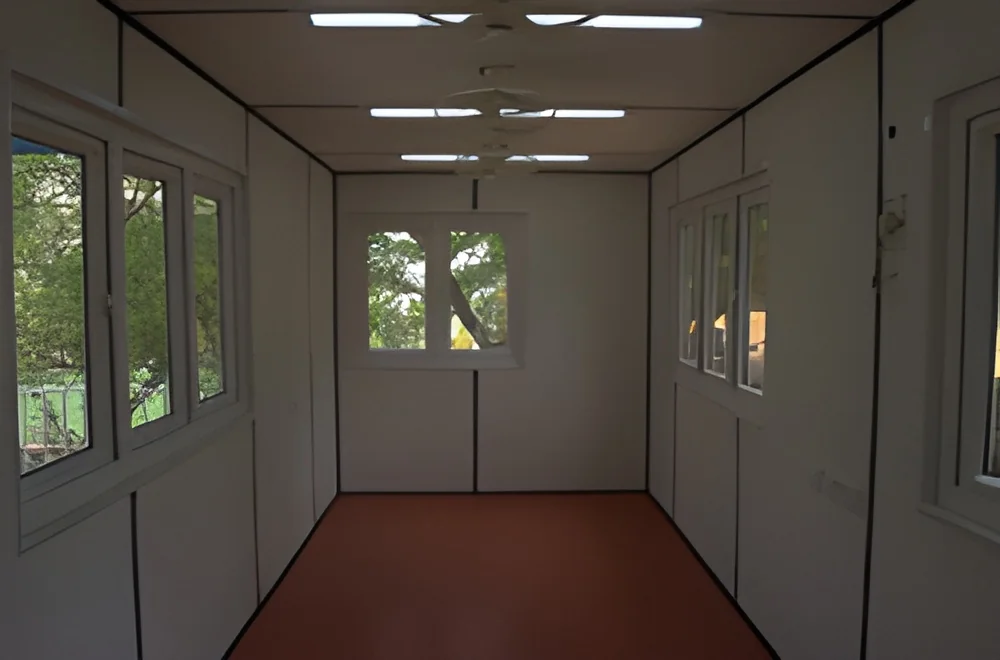
- Insulated for energy efficiency and temperature control
3. Interior Features
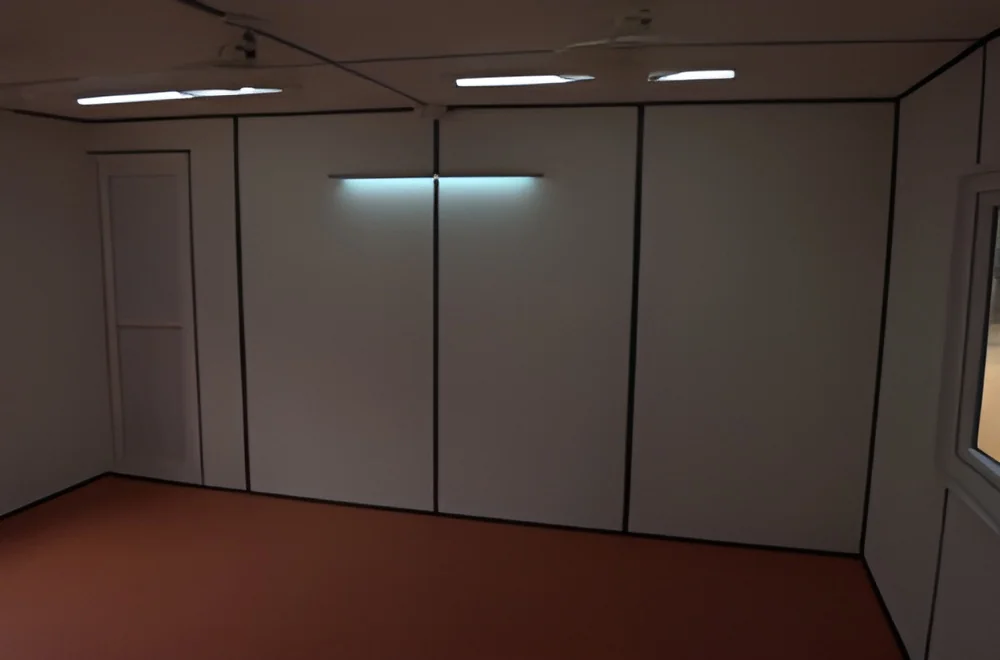
- Equipped with standard classroom amenities such as desks, chairs, and whiteboards
- Options for built-in storage and technology integration
4. Accessibility Features
- Designed to comply with ADA standards
- Includes ramps and spacious layouts for wheelchair access
5. Energy Efficiency
- Energy-efficient lighting and HVAC systems
- Options for solar panels to reduce energy costs
6. Customization Options
- Various floor plans and layouts available to meet specific requirements
- Ability to add features like restrooms, kitchens, or additional storage
7. Mobility
- Units can be relocated easily as needs change
- Designed for quick setup and dismantling
8. Safety Standards
- Compliance with fire safety and building codes
- Equipped with emergency exits and fire alarms
In summary, portable classrooms are versatile structures that offer essential features for educational purposes while being customizable to suit specific needs.
Common Applications and Use Cases
Portable classrooms are employed across various industries, demonstrating their versatility and adaptability.
1. Education: Schools use portable classrooms to manage overcrowding, especially during peak enrollment periods or when renovations are ongoing.
2. Government: Local governments may utilize portable classrooms for administrative offices or temporary housing for displaced families during emergencies.
3. Construction: Construction companies often require temporary office spaces on job sites, making portable classrooms a viable solution.
4. Healthcare: Healthcare facilities may use portable classrooms for patient education programs or as temporary consultation rooms.
5. Community Services: Non-profit organizations often require flexible spaces for workshops, training sessions, or outreach programs.
6. Event Management: Event organizers can use portable classrooms as ticketing booths, information centers, or staff offices during large events.
7. Military: Portable classrooms can serve as training facilities for military personnel in remote locations.
Product Variants and Subcategories
Portable classrooms come in various types to cater to different needs, providing flexibility for various applications.
Standard Portable Classroom
This variant is designed as a traditional classroom setup and includes essential features such as desks, chairs, and whiteboards. It is ideal for use in schools for temporary or long-term educational needs.
Mobile Classroom
Equipped with wheels, mobile classrooms can be easily relocated to different sites. They are particularly useful for schools that need to adjust their layouts based on changing enrollment or program requirements.
Eco-Friendly Classroom
This variant focuses on sustainability, featuring energy-efficient designs and materials. It is suited for educational institutions aiming to promote environmental awareness among students.
Benefits and Advantages
Portable classrooms offer numerous benefits that make them an attractive choice for educational institutions.
1. Cost-Effectiveness: Portable classrooms are often more affordable than traditional construction methods, providing significant savings for schools.
2. Flexibility: They can be quickly deployed and relocated based on changing needs, allowing for adaptable educational environments.
3. Speed of Installation: These units can be set up rapidly, minimizing disruption to existing educational activities.
4. Customization: Portable classrooms can be tailored to meet specific requirements, ensuring that schools have the necessary facilities for their programs.
5. Durable and Weather-Resistant: Built from high-quality materials, portable classrooms are designed to withstand various weather conditions and provide a safe learning environment.
6. Improved Learning Environment: With proper insulation and ventilation, portable classrooms can provide comfortable settings conducive to learning.
Buying Guide for B2B Buyers
When sourcing portable classrooms, it is essential for buyers to consider several factors to ensure they make informed decisions.
1. Quality Assessment: Evaluate the quality of materials and construction to ensure durability and longevity. Look for units that meet recognized safety and building standards.
2. Supplier Verification: Ensure that suppliers have a good reputation and history of delivering quality products. Request references and check reviews from previous clients.
3. Pricing and MOQ: Understand the pricing structure and minimum order quantities. This will help in budgeting and determining if the supplier meets your purchasing needs.
4. Delivery and Lead Times: Inquire about delivery timelines and logistics to ensure that the portable classrooms can be set up when needed.
5. Compliance Requirements: Verify that the portable classrooms comply with local regulations and safety standards, which may vary by region.
Compliance and Certifications
Portable classrooms must adhere to various compliance and certification requirements to ensure safety and quality standards.
Relevant quality standards include ISO 9001, which governs quality management systems, ensuring that manufacturers meet consistent quality benchmarks.
Industry certifications such as CE indicate compliance with European health, safety, and environmental protection standards, which can enhance the credibility of the product.
Safety and testing requirements are critical, as manufacturers must ensure that portable classrooms are built to withstand environmental stresses and provide safe environments for students.
Regional compliance considerations can vary, necessitating that buyers research local regulations to ensure that their portable classrooms meet specific legal requirements.
Why Source Portable Classrooms from Pepagora?
Pepagora provides a trusted platform for sourcing portable classrooms with several key advantages that make the purchasing process seamless.
Verified Supplier Network: Pepagora maintains a network of verified suppliers, ensuring that buyers can access quality products from reputable manufacturers.
Streamlined RFQ Process: The request for quotation process is user-friendly, allowing buyers to easily compare prices and features from multiple suppliers.
Trade Assurance and Support: Buyers benefit from trade assurance, which offers protection against potential risks, ensuring a secure transaction.
Regional Coverage: With a strong presence in India, the GCC, and Southeast Asia, Pepagora provides extensive geographical reach, making it easy for buyers in various regions to find suitable portable classroom solutions.

Frequently Asked Questions
What are Portable Classrooms?
Portable classrooms are temporary or semi-permanent structures designed to provide educational space for schools, training centers, and organizations. They are typically prefabricated and can be moved from one location to another, making them a flexible solution for space needs.
What are the different types of Portable Classrooms?
Portable classrooms come in various types, including modular buildings, mobile trailers, and prefabricated units. Each type can vary in size, layout, and amenities, allowing institutions to choose based on their specific requirements and intended use.
How do I choose the right Portable Classrooms?
To choose the right portable classrooms, consider factors such as the number of students, the intended use, and available space. Additionally, assess the quality of materials, insulation, and any required amenities like restrooms or storage.
What are the standard specifications for Portable Classrooms?
Standard specifications for portable classrooms typically include size dimensions, structural integrity, insulation levels, and compliance with local building codes. Many models also come equipped with electrical systems, lighting, and HVAC options.
What is the price range for Portable Classrooms?
The price range for portable classrooms can vary widely depending on factors such as size, materials used, and customization options. Generally, prices can start from a few lakhs and go up to several lakhs for more advanced or larger units.
What quality standards apply to Portable Classrooms?
Portable classrooms must adhere to various quality standards, including safety regulations, building codes, and environmental standards. Many manufacturers also follow ISO certifications to ensure high-quality construction and materials.
Where can I find Portable Classrooms suppliers in India?
You can find portable classrooms suppliers in India through online B2B marketplaces, construction industry directories, and trade shows. Websites like Pepagora.com can connect you with reliable manufacturers and suppliers in this sector.
Can Portable Classrooms be customized?
Yes, portable classrooms can often be customized to meet specific needs. Options for customization may include size adjustments, layout changes, and the addition of amenities such as restrooms, storage space, and furniture.
What is the typical minimum order quantity for Portable Classrooms?
The typical minimum order quantity (MOQ) for portable classrooms can vary by supplier and product type. Generally, manufacturers may require a minimum of one unit, but bulk orders may attract better pricing.
What is the typical lead time for Portable Classrooms?
The typical lead time for portable classrooms varies depending on the manufacturer's production schedule and customization requests. Generally, the lead time can range from a few weeks to several months.
Why Businesses Trust Pepagora
Thousands of companies trust Pepagora to source smarter and sell faster
Expand Your Sales Globally

Source Smarter,Grow Faster
