What are Sandwich Panels for Roofing?
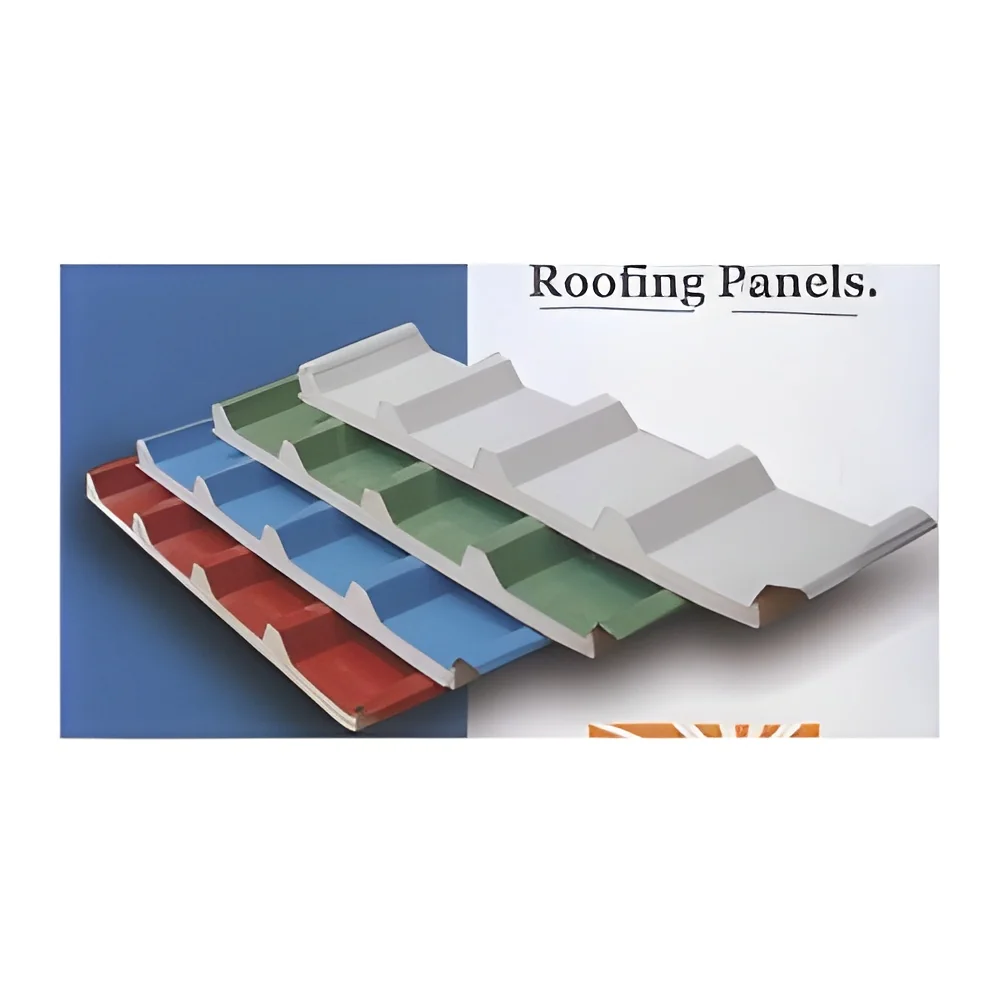
Sandwich panels for roofing are composite building materials that consist of two outer layers and a core material in between. The outer layers are typically made from metal or other sturdy materials, while the core is often composed of insulating materials such as polyurethane, polystyrene, or mineral wool. This construction provides excellent thermal insulation, structural stability, and soundproofing, making sandwich panels an ideal choice for various roofing applications.
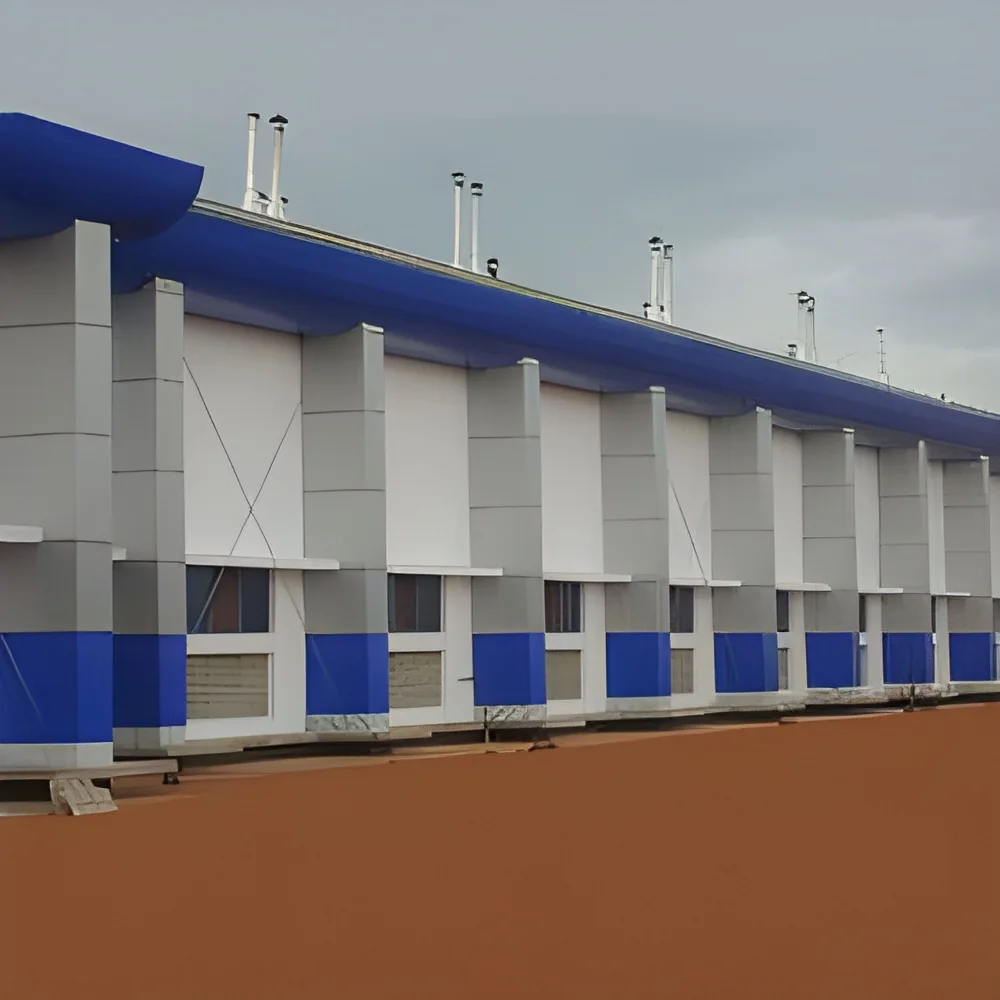
These panels are primarily used in commercial, industrial, and agricultural buildings. They are commonly employed in warehouses, factories, cold storage facilities, and agricultural structures due to their energy efficiency and quick installation. Their lightweight nature and ease of handling reduce labor costs and construction time, making them a popular choice among builders and contractors. The growing demand for energy-efficient building materials further enhances the relevance of sandwich panels in the construction industry.
As the construction industry evolves, sandwich panels are becoming increasingly significant in sustainable building practices. With rising energy costs and a focus on reducing carbon footprints, the demand for high-performance insulation materials like sandwich panels is expected to grow. Their versatility in design and application positions them well within the market, catering to a wide range of customer needs.
Key Features and Specifications
Sandwich panels for roofing come with a variety of features and specifications that enhance their performance and suitability for different applications. These features ensure that the panels meet the diverse needs of modern construction projects.
Key specifications include:
1. Insulation Type
- Core materials such as polyurethane, polystyrene, or mineral wool
- High thermal resistance values for energy efficiency
2. Panel Thickness
- Common thicknesses range from 40mm to 200mm
- Thickness affects insulation properties and structural integrity
3. Sheet Metal Thickness
- Typically ranges from 0.4mm to 1.0mm
- Affects durability and load-bearing capacity
4. Fire Resistance Rating
- Varies based on core material and construction
- Important for compliance with safety regulations
5. Acoustic Performance
- Sound attenuation properties depend on core material
- Essential for applications in noise-sensitive environments
6. Weather Resistance
- Coating options available for enhanced durability
- Provides protection against corrosion and UV exposure
7. Installation Method
- Systems available for both direct and indirect fastening
- Installation efficiency contributes to reduced labor costs
8. Customization Options
- Panels can be tailored in size, color, and finish
- Flexibility in design to meet specific project requirements
These features ensure that sandwich panels are a reliable choice for various roofing applications, supporting energy efficiency and structural integrity.
Common Applications and Use Cases
Sandwich panels for roofing serve a wide range of industries, each benefiting from their unique properties and advantages.
1. Industrial Facilities: These panels are extensively used in factories and warehouses, providing quick installation and excellent insulation for temperature-sensitive processes.
2. Agricultural Buildings: In farms and agricultural storage, sandwich panels offer protection against weather elements while maintaining optimal conditions for stored goods.
3. Commercial Buildings: Retail spaces and office complexes utilize these panels for energy efficiency, enhancing comfort for occupants while reducing utility costs.
4. Cold Storage Warehouses: The superior insulation properties make sandwich panels ideal for cold storage applications, helping maintain temperature control for perishable goods.
5. Educational Institutions: Schools and universities benefit from the soundproofing capabilities of sandwich panels, creating conducive learning environments.
6. Transportation Hubs: Airports and bus terminals use these panels for roofing due to their lightweight nature and quick assembly, facilitating easier construction.
Product Variants and Subcategories
Sandwich panels for roofing are available in various types, each designed to meet specific needs and applications.
Polyurethane Sandwich Panels: These panels feature a polyurethane core that provides excellent thermal insulation. They are suitable for climate-controlled environments, making them ideal for cold storage and refrigerated warehouses.
Polystyrene Sandwich Panels: With a polystyrene core, these panels offer good insulation at a lower cost. They are often used in commercial buildings where budget constraints are a priority.
Mineral Wool Sandwich Panels: These panels are designed for fire resistance and sound insulation. They are commonly used in industrial applications where safety and noise reduction are critical.
Benefits and Advantages
Choosing sandwich panels for roofing comes with several advantages that enhance building performance and efficiency.
1. Energy Efficiency: The insulation properties of sandwich panels significantly reduce heating and cooling costs, contributing to lower energy bills.
2. Quick Installation: Lightweight design and modular construction allow for faster assembly, reducing overall project timelines.
3. Versatility: Available in various materials and finishes, sandwich panels can be customized to fit diverse architectural styles and functional requirements.
4. Durability: Resistant to weather elements, corrosion, and pest damage, these panels offer long-lasting performance with minimal maintenance.
5. Fire Safety: Many sandwich panels are designed with fire-resistant cores, providing added protection in case of emergencies.
6. Cost-Effectiveness: The combination of energy savings and reduced labor costs makes sandwich panels a financially viable option for many projects.
Buying Guide for B2B Buyers
When sourcing sandwich panels for roofing, there are several key factors that B2B buyers should consider to ensure they make informed purchasing decisions.
1. Quality Assessment: Evaluate the quality of materials and manufacturing processes. Look for certifications that indicate compliance with industry standards, ensuring that the panels will perform as expected.
2. Supplier Verification: Vet suppliers for reliability and reputation. Check references and reviews, and assess their production capabilities to ensure they can meet your project demands.
3. Pricing and MOQ: Understand the pricing structure and minimum order quantities. Negotiate terms to achieve the best value while ensuring your needs are met.
4. Delivery and Lead Times: Discuss logistics with suppliers to establish realistic delivery schedules. Timely delivery is crucial for keeping projects on track.
5. Compliance Requirements: Be aware of local regulations and compliance needs. Ensure that the panels meet necessary safety and performance standards for your specific applications.
Compliance and Certifications
Sandwich panels for roofing must adhere to various quality standards and certifications to ensure safety and performance. These standards include ISO 9001, which guarantees quality management systems, and CE marking, indicating compliance with European health, safety, and environmental protection standards.
Additionally, safety and testing requirements should be met to ensure that the panels can withstand environmental stresses. This includes fire resistance tests and thermal performance assessments. Regional compliance considerations may vary, so it is essential to understand local regulations that apply to the use of sandwich panels in construction projects.
Why Source Sandwich Panels for Roofing from Pepagora?
Pepagora offers a reliable platform for sourcing sandwich panels for roofing, providing B2B buyers with several key advantages.
Verified Supplier Network: Pepagora connects buyers with a network of verified suppliers, ensuring that all listed vendors meet stringent quality and reliability standards.
Streamlined RFQ Process: The platform features an efficient request for quotation (RFQ) system that simplifies the procurement process, allowing buyers to receive competitive quotes quickly.
Trade Assurance and Support: Pepagora prioritizes buyer protection through trade assurance programs, providing peace of mind during transactions and ensuring that quality standards are met.
Regional Coverage: With a strong presence in India, the GCC, and Southeast Asia, Pepagora facilitates access to a wide range of suppliers and products, catering to diverse market needs and preferences.

 IN
IN