What are Temporary Hospitals & Clinics?
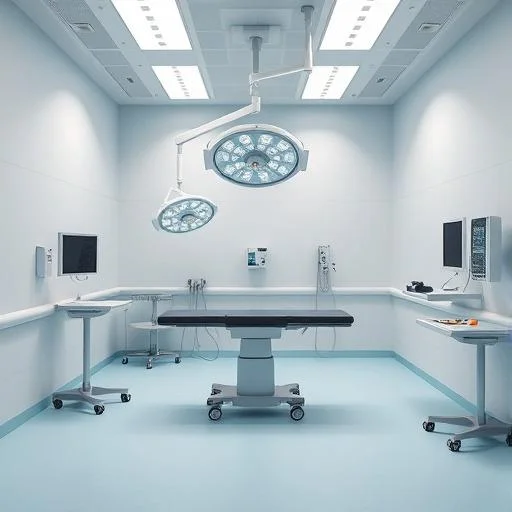
Temporary hospitals and clinics are mobile healthcare facilities designed to provide immediate medical care in situations where traditional healthcare infrastructure may be lacking. These structures can be established quickly and are often used during emergencies, disasters, or health crises, such as pandemics. They are equipped with essential medical equipment, staff, and resources to deliver healthcare services effectively in a temporary setting.
The primary uses of temporary hospitals and clinics include emergency response, disaster relief, and support during public health emergencies. Businesses, governments, and non-profit organizations utilize these facilities to extend healthcare access to affected populations. This adaptability is crucial in meeting urgent medical needs, particularly in areas affected by natural disasters or unexpected surges in patient volume.
In today's healthcare landscape, the relevance of temporary hospitals and clinics has increased significantly. They play a vital role in enhancing healthcare delivery during crises and are becoming an essential component of emergency preparedness strategies. The market for these facilities is expanding, driven by the growing recognition of their importance in ensuring public health and safety.
Key Features and Specifications
Temporary hospitals and clinics offer a range of features that support their functionality in various environments. They are designed to be modular and easily deployable, making them suitable for quick setup in diverse locations. The following specifications highlight the key aspects of these facilities:
1. Modular Design
- Facilitates rapid assembly and disassembly
- Allows customization based on specific needs
2. Portable Infrastructure
- Lightweight materials for easy transport
- Can be set up in remote or urban areas
3. Medical Equipment Integration
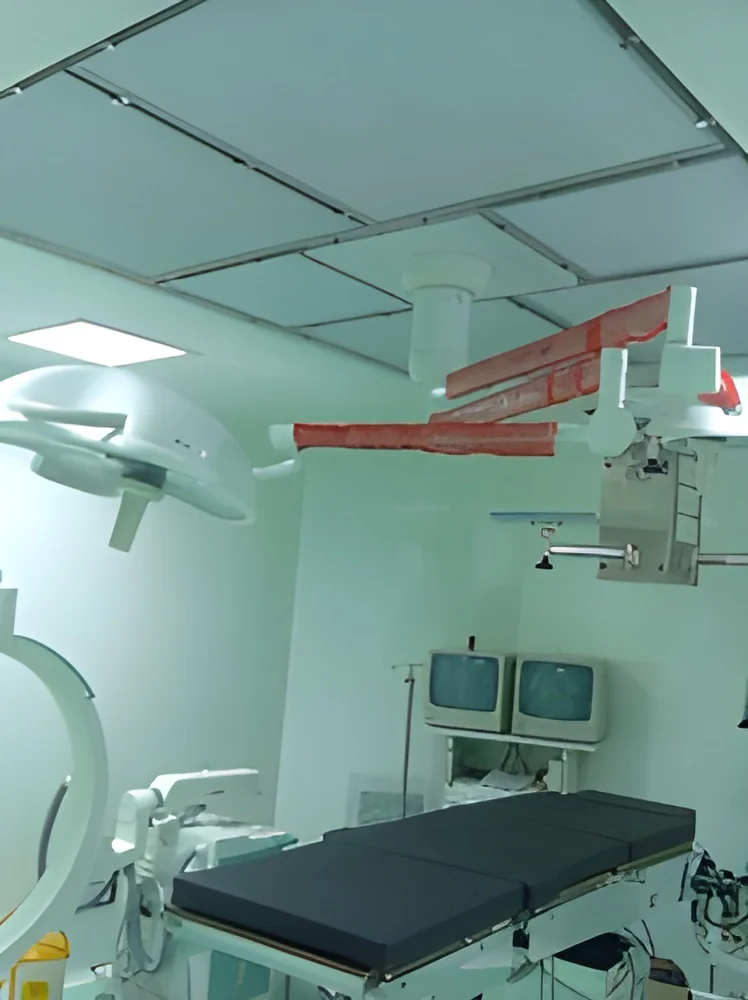
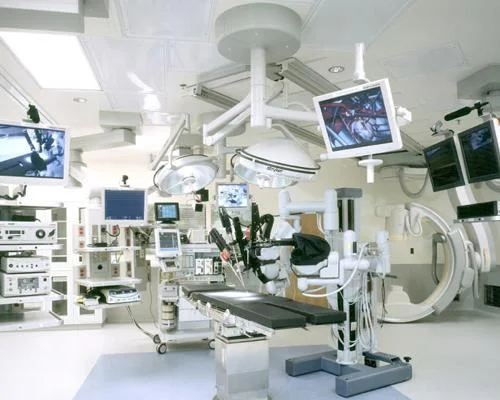
- Equipped with essential medical devices and supplies
- Supports various healthcare services including triage, treatment, and recovery
4. Climate Control Systems
- Temperature regulation for patient comfort and equipment efficacy
- Humidity control features to maintain a safe environment
5. Capacity Options
- Configurable to accommodate varying patient loads
- Options for private and shared patient spaces
6. Power Supply Solutions
- Equipped with backup generators or solar panels
- Ensures continuous operation in off-grid locations
7. Communication Systems
- Integrated technology for efficient communication among staff
- Facilitates remote consultations or telemedicine services
8. Compliance with Health Standards
- Designed to meet safety and health regulations
- Adheres to industry certifications such as CE
These specifications highlight the critical attributes that make temporary hospitals and clinics an effective solution in urgent healthcare scenarios.
Common Applications and Use Cases
Temporary hospitals and clinics serve a variety of industries, providing flexible healthcare solutions tailored to specific needs.
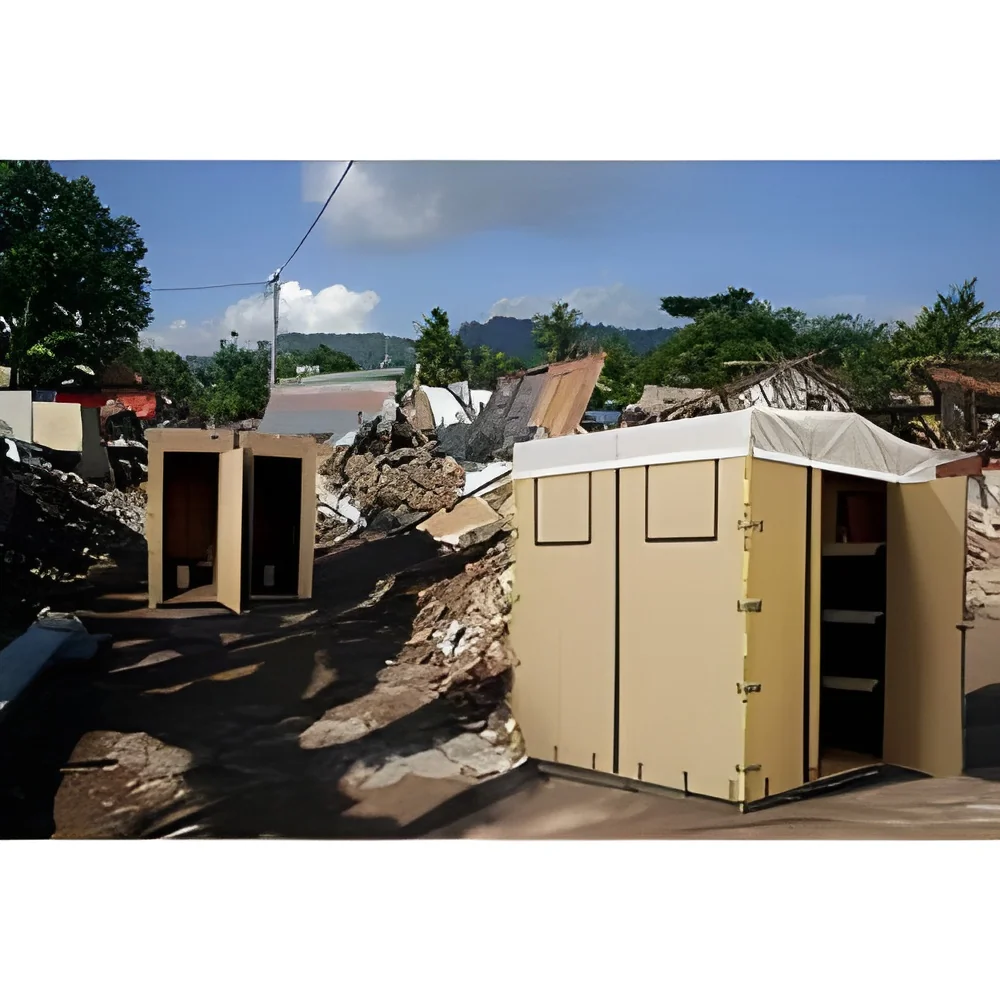
1. Emergency Response: These facilities are crucial in disaster-stricken areas, providing immediate care to injured individuals and supporting local healthcare systems overwhelmed by demand.
2. Public Health Initiatives: During health crises, such as pandemics, temporary clinics are deployed to conduct testing, vaccinations, and treatment, enhancing community health efforts.
3. Military Operations: Military units utilize temporary medical facilities to provide healthcare services to deployed personnel, ensuring readiness and welfare.
4. Event Medical Services: Large gatherings or events may require temporary clinics to manage medical emergencies and provide first aid to attendees.
5. Refugee and Migrant Support: In humanitarian settings, temporary hospitals address the health needs of displaced populations, offering critical medical services in resource-limited environments.
6. Rural Healthcare Access: In remote areas with limited healthcare infrastructure, temporary clinics can bridge gaps and provide essential services to underserved communities.
7. Research and Clinical Trials: Temporary facilities can support clinical studies by providing controlled environments for patient care during research initiatives.
Product Variants and Subcategories
Temporary hospitals and clinics come in various forms to meet diverse healthcare needs.
Rapid Response Units
These units are designed for quick deployment in emergency scenarios. They feature modular setups and all necessary medical equipment, allowing healthcare providers to offer immediate services.
Mobile Health Clinics
These clinics are equipped to travel to various locations. They often focus on preventative care, health education, and routine check-ups, making healthcare accessible to remote populations.
Field Hospitals
Designed for larger-scale operations, field hospitals can accommodate significant numbers of patients and provide a wide range of services, including surgical care and intensive treatment.
Pop-Up Clinics
These clinics are typically set up in urban areas during health emergencies, offering immediate care and support to populations in need, such as during flu outbreaks or public health campaigns.
Benefits and Advantages
Temporary hospitals and clinics offer numerous advantages that enhance their utility in various situations.
1. Rapid Deployment: These facilities can be set up quickly, ensuring immediate access to healthcare during emergencies.
2. Flexibility: Their modular design allows for customization based on specific healthcare needs and patient volumes.
3. Enhanced Accessibility: Temporary clinics can be placed in underserved areas, improving healthcare access for vulnerable populations.
4. Cost-Effectiveness: Establishing temporary facilities can be more economical than expanding existing infrastructure, especially during short-term crises.
5. Resource Optimization: They enable efficient use of medical resources and personnel, ensuring that healthcare providers can deliver care where it is most needed.
6. Improved Patient Outcomes: By providing immediate medical attention, temporary hospitals can reduce morbidity and mortality rates during emergencies.
Buying Guide for B2B Buyers
When sourcing temporary hospitals and clinics, it is essential to consider several critical factors to ensure the right choice.
1. Quality Assessment: Evaluate the quality of materials, construction, and medical equipment. Look for facilities that meet recognized industry standards and have a proven track record.
2. Supplier Verification: Vet potential suppliers thoroughly. Check for certifications, reviews, and previous project references to ensure reliability and reputation.
3. Pricing and MOQ: Understand the pricing structure and minimum order quantities. Ensure that the costs align with your budget while considering long-term value.
4. Delivery and Lead Times: Assess logistics capabilities, including delivery schedules and lead times. Timely delivery is crucial for effective deployment during emergencies.
5. Compliance Requirements: Ensure that the temporary hospitals and clinics meet all necessary regulatory and compliance standards relevant to your location and healthcare needs.
Compliance and Certifications
Compliance with industry standards and safety regulations is paramount for temporary hospitals and clinics. Relevant quality standards such as ISO 9001 ensure that these facilities adhere to rigorous quality management practices.
Additionally, certifications like CE indicate that the facilities meet European health, safety, and environmental protection standards. These certifications are essential for ensuring that temporary hospitals and clinics are safe for patient care.
Safety and testing requirements also play a critical role in the design and operation of these facilities. Regular inspections and adherence to local health regulations ensure that temporary healthcare environments remain effective and safe.
Finally, regional compliance considerations must be taken into account. Different regions may have specific regulatory requirements that must be met to operate legally and effectively.
Why Source Temporary Hospitals & Clinics from Pepagora?
Pepagora provides a trusted platform for sourcing temporary hospitals and clinics, offering several key advantages to B2B buyers.
Verified Supplier Network: Our platform connects buyers with a network of verified suppliers, ensuring they can access quality products from reputable manufacturers.
Streamlined RFQ Process: The quotation system is designed to simplify the process of obtaining quotes from multiple suppliers. This efficiency helps buyers make informed decisions quickly.
Trade Assurance and Support: Pepagora offers trade assurance features that protect buyers. This includes support throughout the purchasing process, ensuring a secure transaction.
Regional Coverage: With a focus on India, the GCC, and Southeast Asia, Pepagora provides extensive regional coverage, enabling buyers to find suitable suppliers in their geographic area. This local presence enhances responsiveness and support during critical times.

 IN
IN