
 IN
Modular Retail Kiosks & Shops
3 products available
What are Modular Retail Kiosks & Shops?
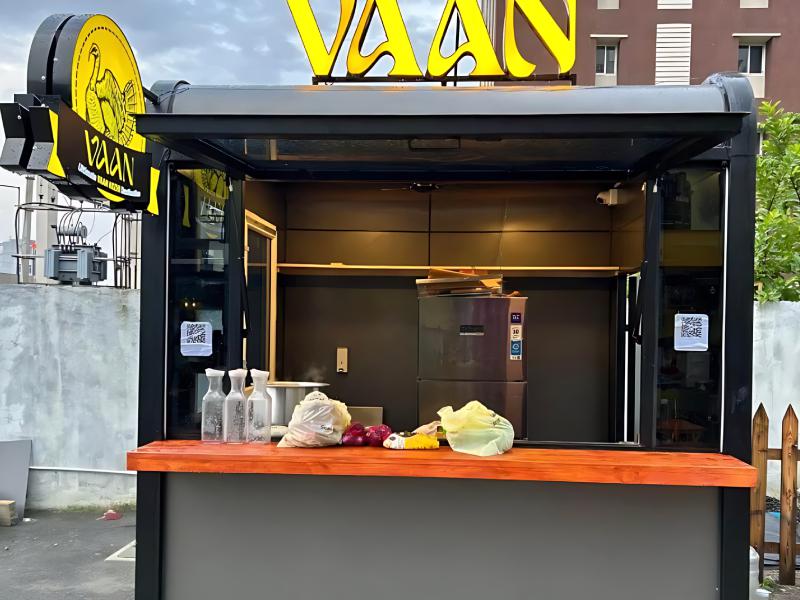
Modular retail kiosks and shops are versatile, pre-fabricated structures designed for retail use in various environments. These kiosks are often constructed using lightweight materials, allowing for easy assembly and disassembly. They can be customized to fit diverse retail needs, offering a dynamic solution for businesses looking to establish a presence in high-traffic areas without committing to a permanent structure.
These kiosks serve a wide array of applications, from food and beverage sales to merchandise displays. Businesses utilize them in shopping malls, airports, trade shows, and outdoor events. The adaptability of modular kiosks allows retailers to quickly respond to changing market conditions and consumer demands. As the retail landscape evolves, these structures have gained popularity due to their flexibility, cost-effectiveness, and ability to enhance customer engagement.
In a market characterized by rapid changes and increased competition, modular retail kiosks play a significant role. They provide businesses with a practical approach to expand their reach and experiment with new concepts. The growing demand for temporary and mobile retail solutions reflects a shift in consumer behavior, making modular kiosks increasingly relevant in today’s retail industry.
Key Features and Specifications
Modular retail kiosks and shops come equipped with a variety of features designed to enhance functionality and user experience. These features cater to both the retailer's needs and the customer's convenience.
Key specifications include:
1. Size and Layout
- Available in various dimensions to suit specific retail needs
- Customizable layouts for optimal product display and customer flow
2. Material Composition
- Constructed from durable, lightweight materials for easy transport
- Weather-resistant finishes for outdoor applications
3. Power Supply Options
- Equipped with electrical outlets and lighting systems
- Energy-efficient solutions available to minimize operational costs
4. Branding and Customization
- Ability to incorporate brand colors, logos, and signage
- Options for interior design that reflect the retail concept
5. Security Features
- Lockable storage and display areas for product safety
- Surveillance system options for enhanced security
6. Mobility and Installation
- Designed for quick assembly and disassembly
- Mobility options like wheels for easy relocation
7. Environmental Controls
- Options for climate control to preserve product quality
- Ventilation systems for food-related kiosks
8. Compliance and Safety Standards
- Built to meet industry regulations for health and safety
- Certifications like CE and UL for product assurance
In summary, modular retail kiosks and shops combine functionality and adaptability, making them a valuable asset for businesses aiming to enhance their retail presence.
Common Applications and Use Cases
Modular retail kiosks and shops have a broad range of applications across various industries, showcasing their versatility and practicality.
1. Food and Beverage Industry: Kiosks are commonly used for coffee stands, snack bars, and quick-service restaurants. They allow businesses to serve customers efficiently in high-traffic locations.
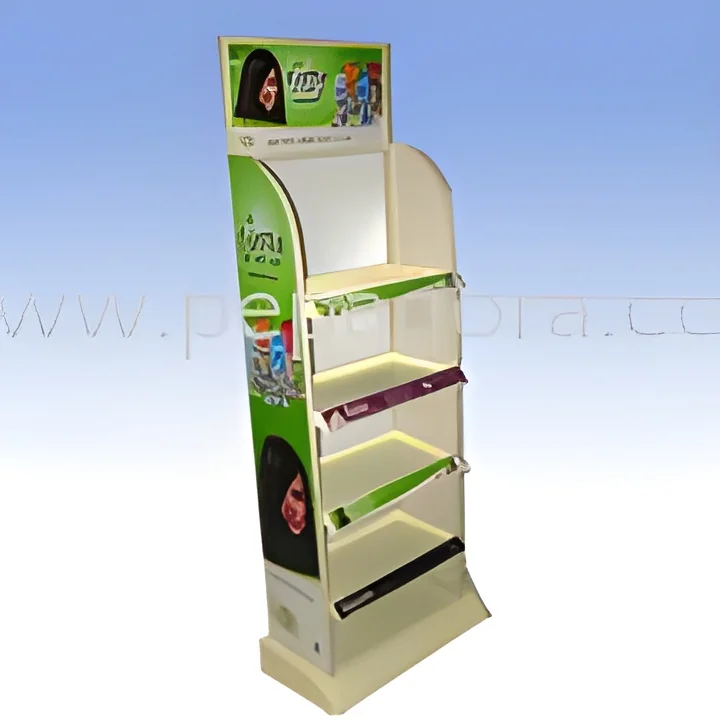
2. Retail Sector: Retail kiosks are ideal for showcasing merchandise such as clothing, electronics, and accessories. They provide an engaging shopping experience while maximizing space.
3. Events and Exhibitions: Used extensively at trade shows and fairs, these kiosks help businesses present their products and services effectively, attracting potential customers.
4. Transportation Hubs: Airports and train stations utilize kiosks for retail operations, offering travelers convenient access to food, beverages, and travel essentials.
5. Pop-Up Shops: Businesses can test new markets or products through temporary kiosks, allowing for flexibility without long-term commitments.
6. Health and Beauty: Kiosks in malls often feature beauty products and services, creating a unique shopping experience that encourages customer interaction.
7. Technology and Electronics: Retailers often use kiosks to display the latest gadgets, providing hands-on experiences for customers.
In conclusion, the modular design of retail kiosks makes them suitable for a multitude of industries, facilitating innovative retail strategies.
Product Variants and Subcategories
Modular retail kiosks and shops offer a diverse range of variants tailored to meet specific business needs.
Compact Kiosks: These smaller units are perfect for limited spaces and are designed for quick service. Ideal for food vendors and small retail operations, they maximize efficiency.
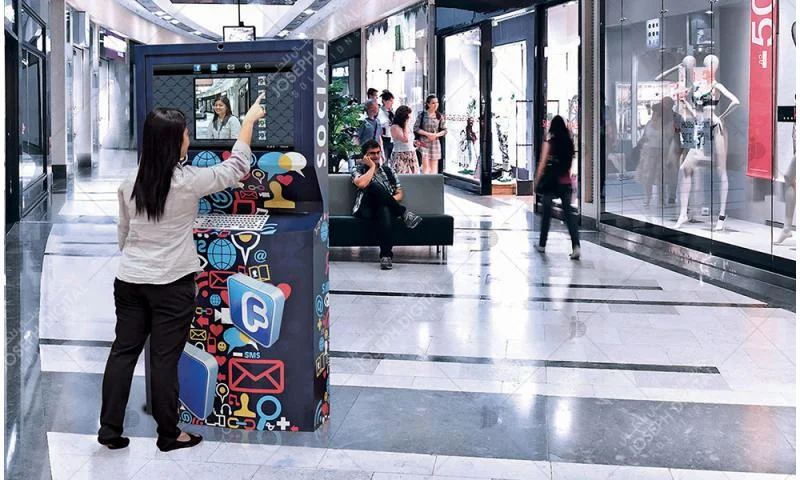
Interactive Kiosks: Equipped with touch screens, these kiosks enhance customer engagement by providing information or allowing product selection. They are commonly used in technology and entertainment sectors.
Mobile Kiosks: Designed with wheels for mobility, these units can be easily relocated for events or changes in demand, making them suitable for seasonal businesses.
Customizable Kiosks: These units allow businesses to tailor the design and layout to their branding and operational needs, offering flexibility in presentation.
In summary, the variety in modular retail kiosks enables businesses to choose solutions that best fit their operational model and market strategy.
Benefits and Advantages
Modular retail kiosks and shops provide several key benefits that enhance business operations.
1. Cost-Effectiveness: Lower overhead costs compared to traditional retail spaces, allowing businesses to invest more in inventory and marketing.
2. Flexibility: Ability to relocate or reconfigure kiosks as needed, adapting to changing market conditions or consumer preferences.
3. Quick Setup: Fast installation times enable businesses to start operations promptly, reducing time to market.
4. Enhanced Customer Engagement: Interactive features and appealing designs attract customers and improve their shopping experience.
5. Brand Visibility: Customizable designs help businesses strengthen brand presence in competitive environments.
6. Scalability: Businesses can easily expand or reduce their retail footprint based on demand, making it suitable for growth.
In conclusion, the benefits of modular retail kiosks make them an appealing option for businesses looking to enhance their retail strategy.
Buying Guide for B2B Buyers
When considering the purchase of modular retail kiosks and shops, B2B buyers should evaluate several important factors to ensure they make informed decisions.
1. Quality Assessment: Buyers should consider the materials used in construction and overall durability. Checking for certifications such as CE and UL can indicate compliance with quality standards.
2. Supplier Verification: It is essential to vet suppliers by reviewing their reputations, customer feedback, and product offerings. A reliable supplier network enhances the purchasing experience.
3. Pricing and MOQ: Understanding the pricing structure and minimum order quantities can aid in budget planning. Buyers should seek transparent pricing to avoid hidden costs.
4. Delivery and Lead Times: Timely delivery is crucial for business operations. Buyers should clarify lead times to ensure kiosks arrive when needed for events or openings.
5. Compliance Requirements: Buyers must ensure that the kiosks meet local health and safety regulations. Familiarity with compliance standards helps avoid legal issues.
In summary, thorough research and consideration of these factors will help B2B buyers make successful purchases of modular retail kiosks and shops.
Compliance and Certifications
Modular retail kiosks and shops must adhere to various compliance and certification standards to ensure safety and reliability.
Quality standards such as ISO 9001 are essential for maintaining consistent quality in production processes. This certification assures buyers that the products meet international standards for quality management.
Industry certifications like CE and UL verify that kiosks comply with safety and performance standards. CE marking indicates conformity with European health, safety, and environmental protection standards, while UL certification ensures safety through rigorous testing.
Safety and testing requirements are critical, especially for kiosks intended for food and beverage sales. Compliance with health regulations and sanitation standards helps protect consumers and businesses alike.
Regional compliance considerations should also be taken into account. Depending on the geographic location of deployment, different regulations may apply. Understanding these requirements is vital for successful market entry.
In conclusion, compliance and certifications play a crucial role in ensuring the quality and safety of modular retail kiosks, making them a reliable choice for businesses.
Why Source Modular Retail Kiosks & Shops from Pepagora?
Pepagora offers a trusted platform for sourcing modular retail kiosks and shops, providing several key advantages for B2B buyers.
First, Pepagora features a verified supplier network, ensuring that buyers connect with reputable manufacturers. This verification process helps mitigate risks associated with unreliable suppliers and promotes confidence in purchasing decisions.
Second, the streamlined Request for Quotation (RFQ) process allows buyers to easily compare options from multiple suppliers. This system simplifies the purchasing process, saving time and effort while ensuring competitive pricing.
Additionally, Pepagora provides trade assurance and support, offering buyers protection against potential issues. This assurance fosters a secure purchasing environment, encouraging businesses to invest in modular solutions with peace of mind.
Lastly, Pepagora's regional coverage extends across India, the GCC, and Southeast Asia, making it easier for buyers to access a wide array of products and suppliers. This geographic reach allows businesses to tap into various markets efficiently.
In summary, sourcing modular retail kiosks and shops from Pepagora combines reliability, efficiency, and extensive market access, making it an ideal choice for B2B buyers.


Frequently Asked Questions
What are Modular Retail Kiosks & Shops?
Modular Retail Kiosks & Shops are pre-fabricated retail units designed for flexible and efficient merchandising. They can be easily assembled and disassembled, making them ideal for various retail environments such as malls, events, and outdoor spaces.
What are the different types of Modular Retail Kiosks & Shops?
There are several types of Modular Retail Kiosks & Shops, including standalone kiosks, pop-up shops, and mobile kiosks. Each type serves different purposes, such as serving quick snacks, selling merchandise, or providing information in crowded areas.
How do I choose the right Modular Retail Kiosks & Shops?
Choosing the right Modular Retail Kiosks & Shops involves considering factors such as location, intended use, and target audience. It is also important to evaluate the design, size, and functionality to ensure it meets your business needs.
What are the standard specifications for Modular Retail Kiosks & Shops?
Standard specifications for Modular Retail Kiosks & Shops typically include dimensions, materials used, power supply options, and design features. These specifications may vary based on the manufacturer and the intended use of the kiosk.
What is the price range for Modular Retail Kiosks & Shops?
The price range for Modular Retail Kiosks & Shops can vary significantly based on size, materials, and custom features. Generally, prices can start from a few thousand rupees for basic models to several lakhs for more sophisticated designs.
What quality standards apply to Modular Retail Kiosks & Shops?
Quality standards for Modular Retail Kiosks & Shops include durability, safety, and compliance with local regulations. Manufacturers often adhere to industry standards to ensure that the kiosks are safe for public use and maintain structural integrity.
Where can I find Modular Retail Kiosks & Shops suppliers in India?
You can find Modular Retail Kiosks & Shops suppliers in India through online B2B marketplaces, trade shows, and local directories. Pepagora.com is a valuable resource for connecting with reputable manufacturers and suppliers.
Can Modular Retail Kiosks & Shops be customized?
Yes, Modular Retail Kiosks & Shops can often be customized to meet specific branding and functional requirements. Customization options may include size, layout, color schemes, and additional features like signage or technology integration.
What is the typical minimum order quantity for Modular Retail Kiosks & Shops?
The typical minimum order quantity (MOQ) for Modular Retail Kiosks & Shops can vary by manufacturer, but it generally ranges from one unit for custom orders to several units for standard models. It's best to check with suppliers for their specific MOQs.
What is the typical lead time for Modular Retail Kiosks & Shops?
The typical lead time for Modular Retail Kiosks & Shops can range from a few weeks to several months, depending on factors such as customization and manufacturing capacity. It is advisable to inquire about lead times when placing an order.
Why Businesses Trust Pepagora
Thousands of companies trust Pepagora to source smarter and sell faster
Expand Your Sales Globally

Source Smarter,Grow Faster
