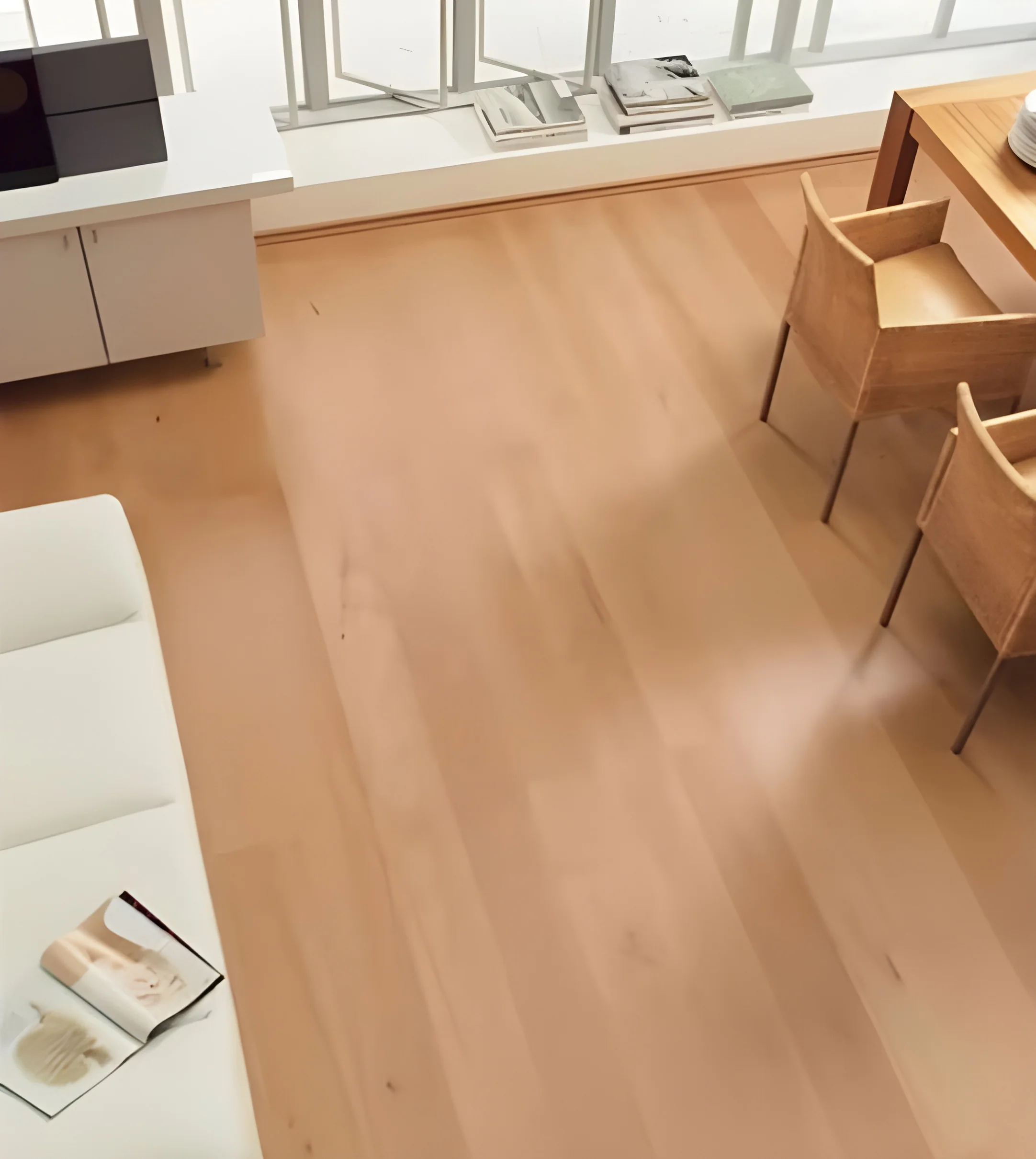
What are Modular Flooring Systems?
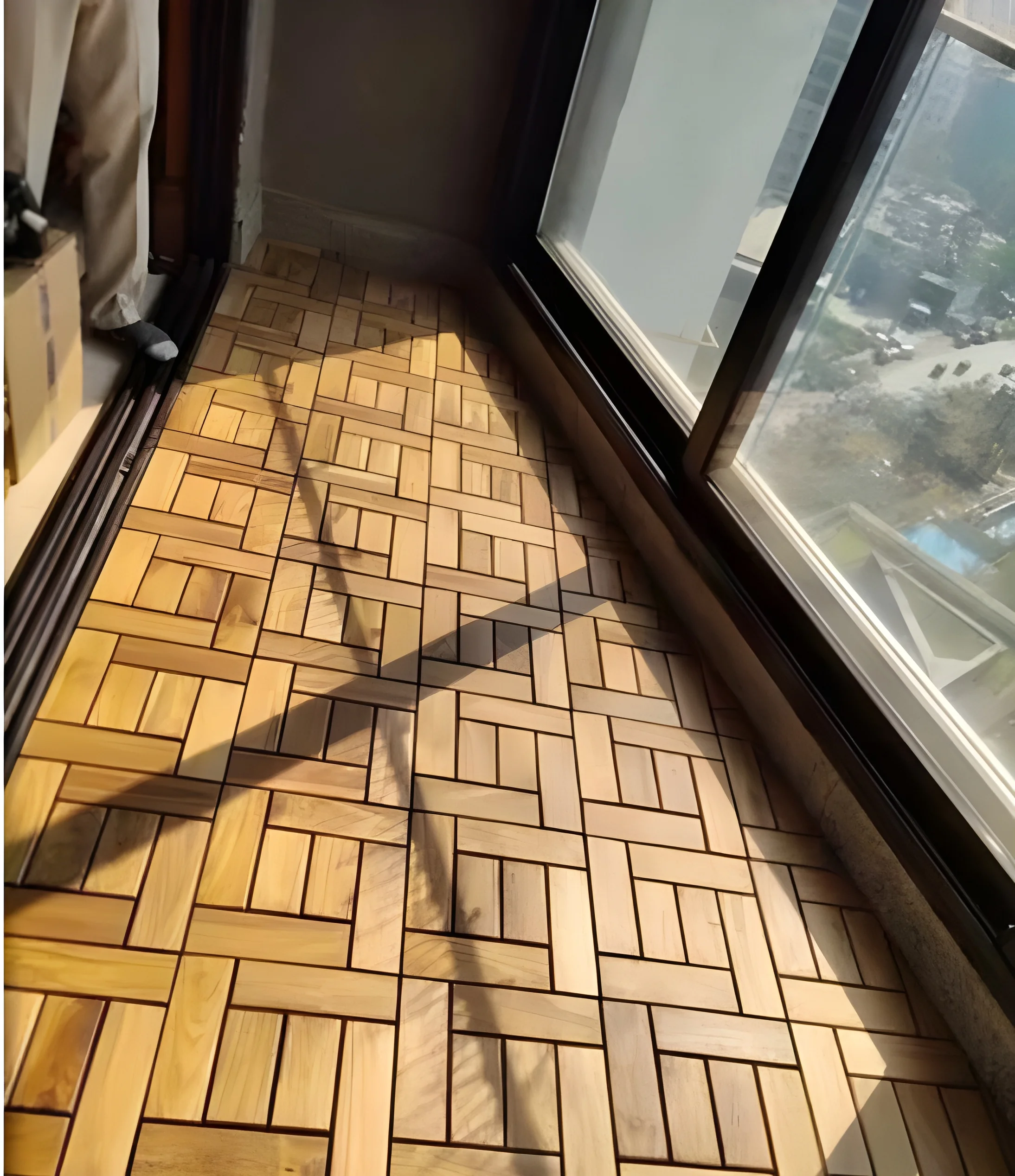
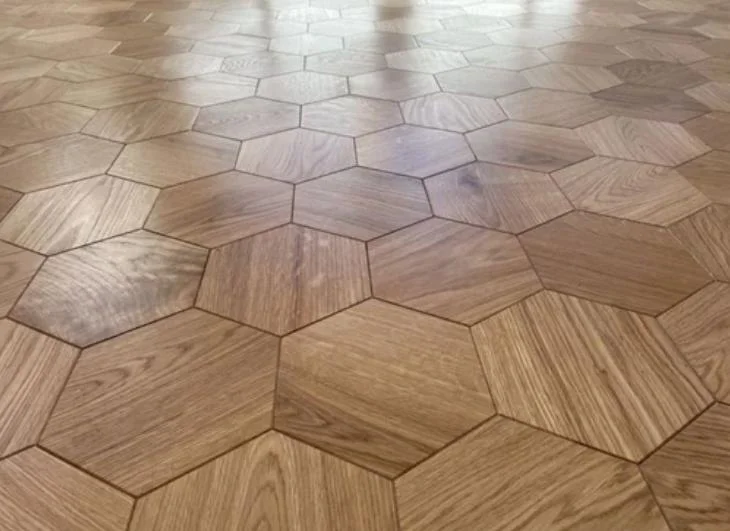
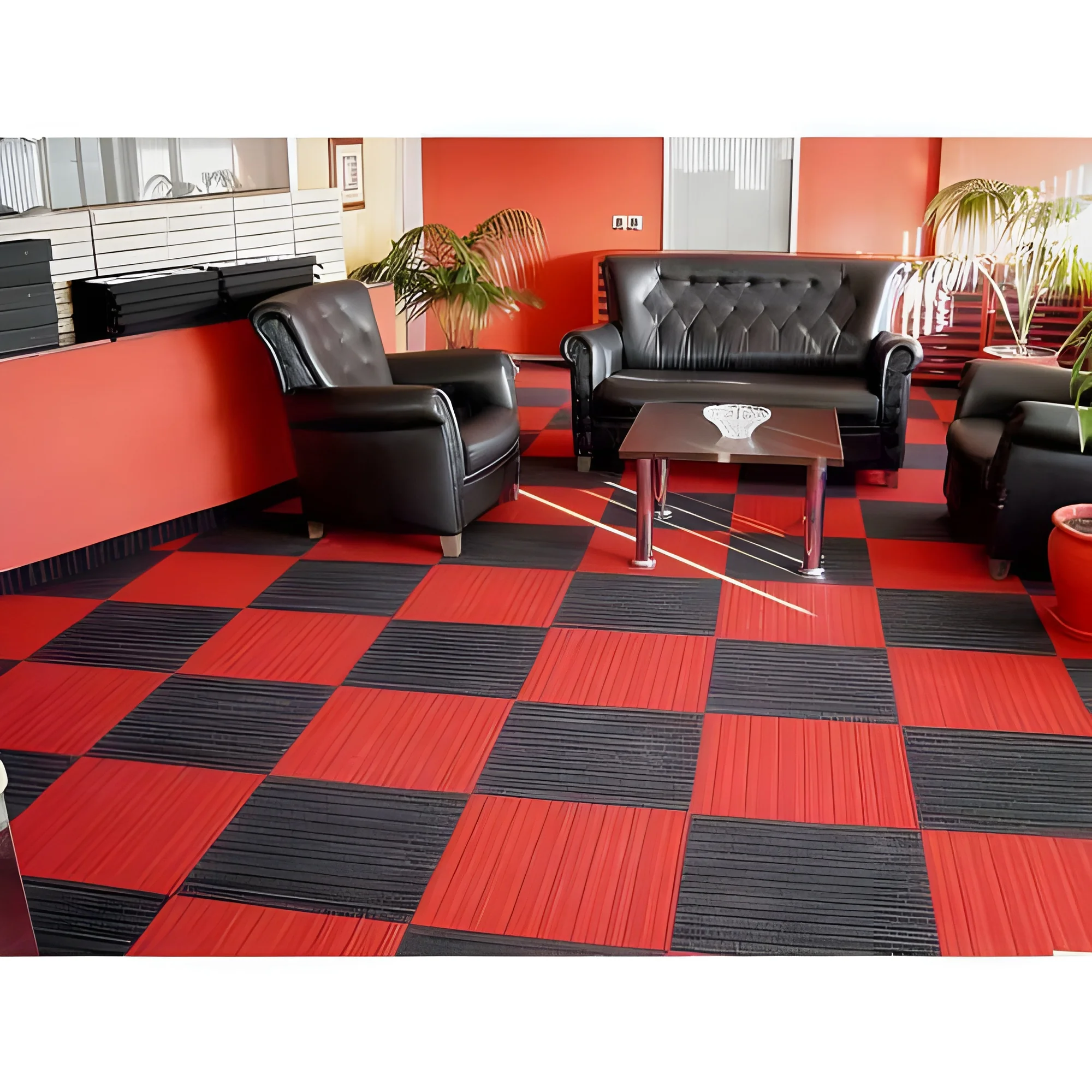
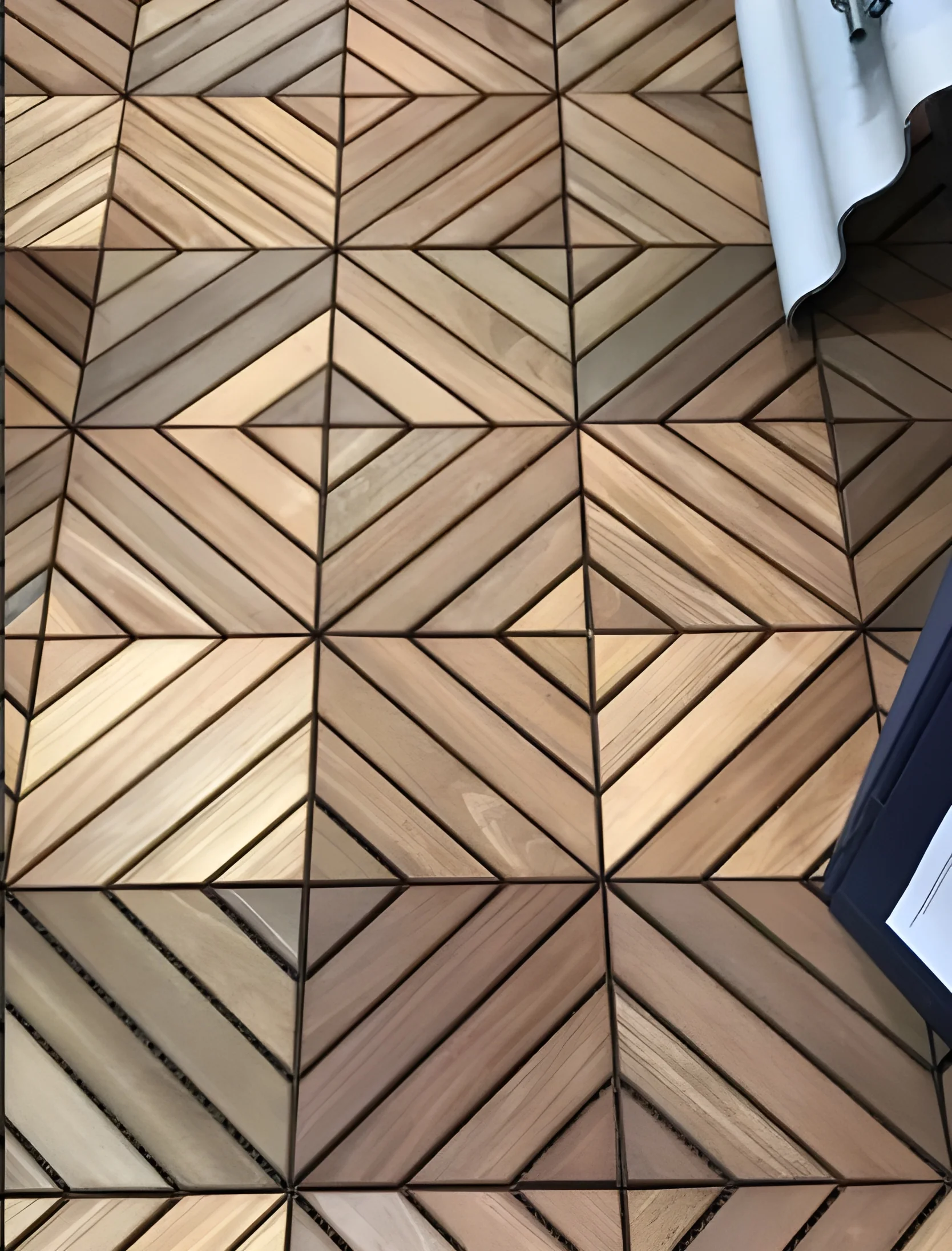
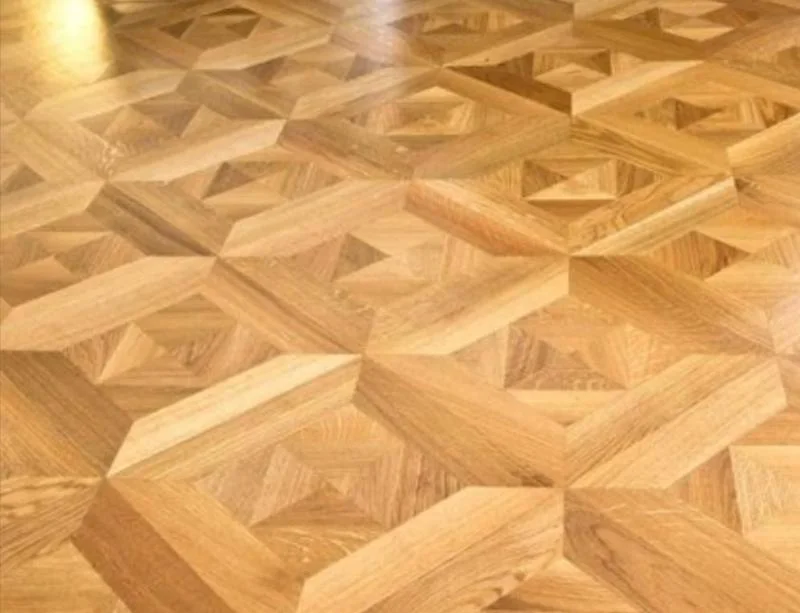
Modular flooring systems are versatile flooring solutions composed of individual tiles or panels that can be easily installed, removed, and replaced. These systems are designed to provide flexibility in design and function, allowing businesses to create custom layouts tailored to their specific needs. Typically constructed from materials such as vinyl, carpet, or rubber, modular flooring systems offer durability and aesthetic appeal suitable for various environments.
These flooring solutions are primarily used in commercial and industrial settings, including offices, warehouses, retail spaces, and healthcare facilities. Their ease of installation and maintenance makes them a popular choice for businesses looking to optimize their floor space without extensive downtime. In today's market, modular flooring systems are increasingly relevant due to the growing demand for adaptable and sustainable building materials. They support efficient space management while promoting a modern look and feel in various applications.
Key Features and Specifications
Modular flooring systems are characterized by several key features that enhance their functionality and versatility. These features make them suitable for a wide range of applications across different industries.
Key specifications include:
1. Material Composition
- Commonly made from vinyl, carpet tiles, rubber, or composite materials
- Designed to withstand heavy foot traffic and wear
2. Tile Dimensions
- Available in various sizes, commonly 18"x18" or 24"x24"
- Custom dimensions can be provided based on project needs
3. Installation Method
- Can be installed using adhesive or a loose-lay technique
- Allows for quick and easy replacement of damaged tiles
4. Maintenance Requirements
- Easy to clean with minimal maintenance needed
- Resistant to stains and spills depending on material
5. Acoustic Properties
- Some tiles are designed to reduce noise levels
- Suitable for environments requiring sound insulation
6. Environmental Standards
- Many products are compliant with LEED certification requirements
- Made from recycled materials in certain variants
7. Warranty
- Typically offered with warranties ranging from 5 to 15 years
- Coverage varies based on the manufacturer and product line
8. Fire Resistance Ratings
- Many modular flooring products comply with fire safety standards
- Ratings may include Class I or Class II based on material testing
In summary, modular flooring systems offer a range of features that cater to diverse business needs, ensuring durability, ease of maintenance, and adaptability across various environments.
Common Applications and Use Cases
Modular flooring systems are utilized across multiple industries, showcasing their versatility and adaptability.
1. Office Spaces: Modular flooring is widely used in corporate offices for its aesthetic appeal and ability to create dynamic work environments. It allows for easy reconfiguration as business needs change.
2. Retail Environments: Retail stores benefit from modular flooring's easy installation and maintenance, enabling quick updates to displays and layouts while providing a welcoming atmosphere for customers.
3. Healthcare Facilities: In hospitals and clinics, modular flooring systems support hygiene and durability, as they can be easily cleaned and replaced to maintain a safe environment.
4. Educational Institutions: Schools and universities utilize modular flooring for classrooms and common areas, allowing for flexible designs that accommodate various activities.
5. Hospitality Sector: Hotels and restaurants leverage modular flooring for its aesthetic versatility and ease of maintenance, helping to create inviting spaces for guests.
6. Industrial Settings: Warehouses and manufacturing facilities benefit from modular flooring's durability and resistance to heavy machinery and foot traffic.
7. Fitness Centers: Gyms and fitness studios use modular flooring designed for impact absorption and safety, providing a comfortable workout environment.
Product Variants and Subcategories
Modular flooring systems offer a variety of options to meet different business needs and design preferences.
Vinyl Modular Flooring
Vinyl modular flooring is popular for its durability and water-resistant properties. It comes in various colors and designs, making it suitable for both commercial and residential applications. Vinyl flooring is also easy to clean, making it ideal for high-traffic areas.
Carpet Tiles
Carpet tiles provide warmth and comfort to spaces such as offices and educational institutions. They are available in numerous styles and textures, allowing for creative designs. The modular nature of carpet tiles also facilitates easy replacement of damaged sections.
Rubber Flooring
Rubber modular flooring is designed for high-impact areas, such as gyms and industrial settings. It offers excellent slip resistance and shock absorption, enhancing safety for users. Rubber flooring is also low maintenance and can withstand heavy use.
Benefits and Advantages
Modular flooring systems provide a range of benefits that enhance their appeal for businesses.
1. Flexibility: The modular nature allows for easy reconfiguration of layouts, accommodating changing business needs.
2. Cost-Effectiveness: With reduced installation and maintenance costs, modular flooring proves to be a budget-friendly option for businesses.
3. Quick Installation: Modular flooring can be installed swiftly, minimizing downtime and disruption to business operations.
4. Easy Repair: Damaged tiles can be replaced individually without the need for extensive renovations, saving time and money.
5. Aesthetic Variety: Available in various colors, textures, and designs, modular flooring can enhance the overall look of any space.
6. Environmental Considerations: Many modular flooring options are made from sustainable materials and can contribute to green building certifications.
Buying Guide for B2B Buyers
When sourcing modular flooring systems, businesses should consider several important factors to ensure they make informed decisions.
1. Quality Assessment: Evaluate the quality of materials and construction methods used in the flooring systems. High-quality products typically offer better durability and performance.
2. Supplier Verification: Research potential suppliers to verify their reliability and reputation. Look for reviews, certifications, and references from previous clients.
3. Pricing and MOQ: Understand the pricing structure and minimum order quantities required by suppliers. This helps in budgeting and ensuring cost-effectiveness.
4. Delivery and Lead Times: Confirm delivery schedules and lead times to ensure that the flooring systems will arrive when needed for installation.
5. Compliance Requirements: Check if the flooring systems meet relevant industry standards and regulations. Compliance with safety and environmental guidelines is essential for peace of mind.
Compliance and Certifications
Modular flooring systems are subject to various quality standards and certifications that ensure safety and performance.
ISO 9001 is a widely recognized quality management standard that applies to manufacturers of modular flooring systems. Compliance indicates that the company maintains high-quality production processes.
Industry certifications such as CE and UL demonstrate that the products meet specific safety and performance criteria. These certifications provide assurance to buyers that the flooring systems are reliable and safe for use.
Additionally, manufacturers may adhere to safety and testing requirements that ensure the flooring systems perform well under various conditions. This includes fire resistance and slip resistance testing.
Regional compliance considerations may also play a role, especially in markets with strict regulations regarding building materials. Businesses should ensure that the flooring systems they choose comply with local laws and standards.
Why Source Modular Flooring Systems from Pepagora?
Pepagora offers a trusted platform for sourcing modular flooring systems, providing several advantages to B2B buyers.
Verified Supplier Network: Pepagora ensures that all suppliers on its platform are thoroughly vetted, giving buyers confidence in the quality and reliability of the products they are purchasing.
Streamlined RFQ Process: The request for quotation process on Pepagora is designed to be efficient and user-friendly, enabling buyers to receive competitive pricing and proposals from multiple suppliers quickly.
Trade Assurance and Support: Pepagora provides trade assurance to protect buyers, ensuring that their investments are safe and that they receive the products as promised.
Regional Coverage: With a strong presence in India, the GCC, and Southeast Asia, Pepagora connects businesses with local suppliers, facilitating logistics and reducing response times for inquiries and orders.

 IN
IN