What are Turnkey Modular Construction Providers?
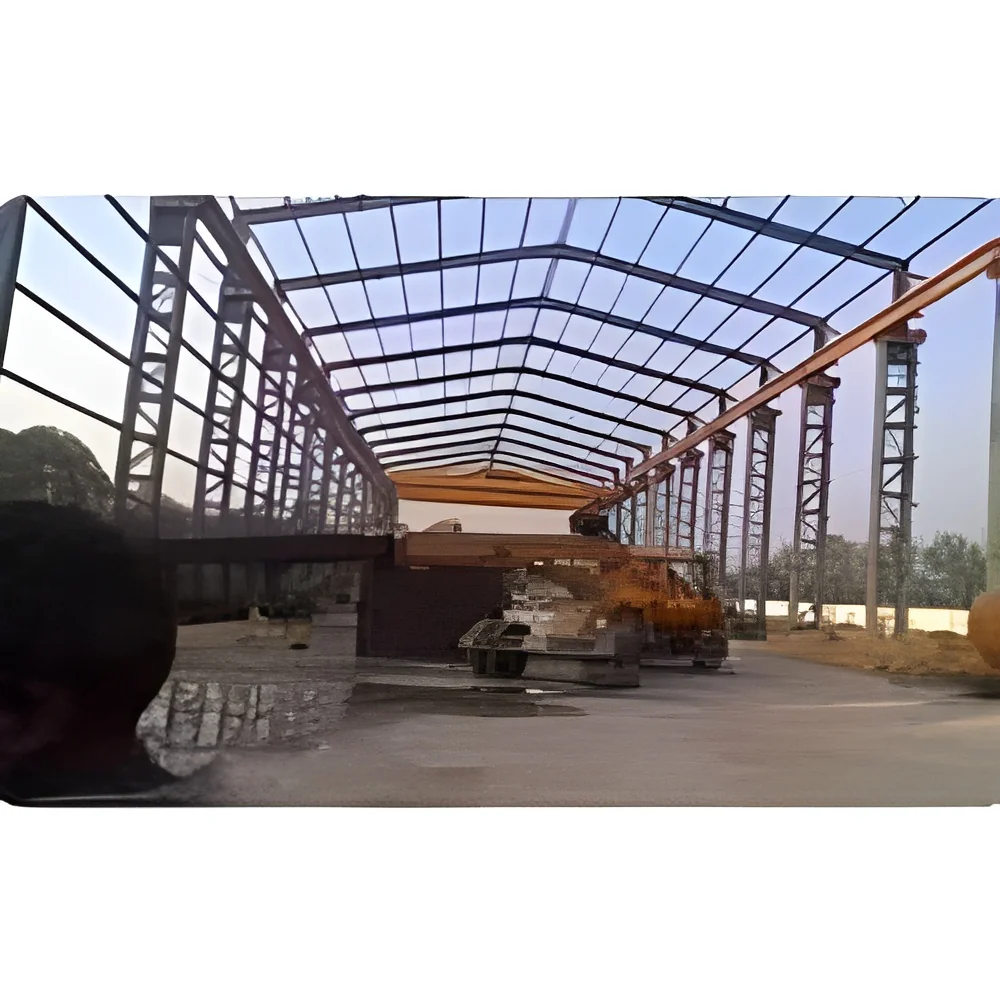
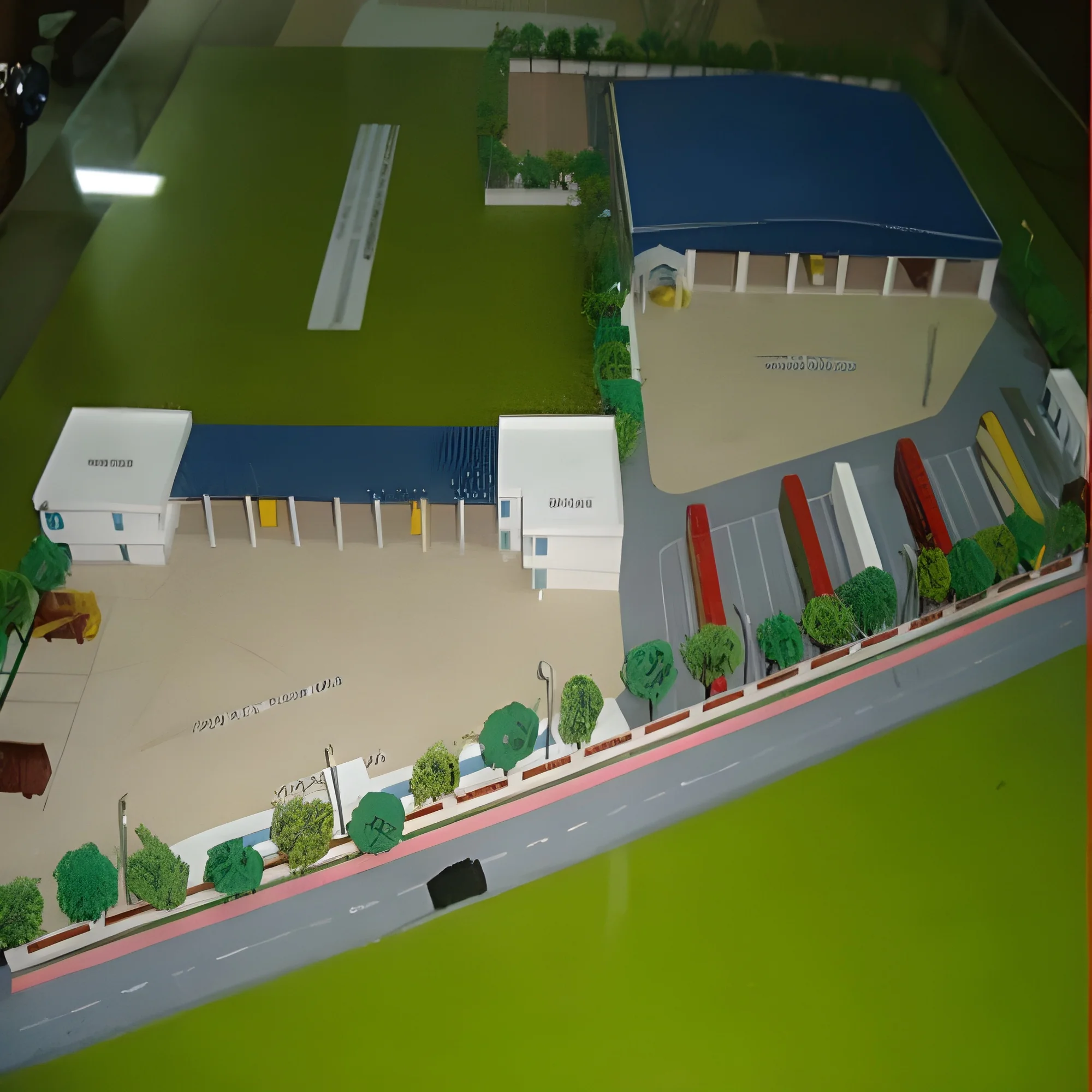
Turnkey modular construction providers are companies that offer complete modular construction services, handling every aspect of the building process from design to final installation. These providers specialize in creating prefabricated structures that are manufactured off-site and then transported to the construction site for assembly. This approach allows for a streamlined construction process, reducing time and labor costs while maintaining high quality standards.
These services are primarily used in sectors such as commercial buildings, healthcare facilities, educational institutions, and residential housing. Businesses often choose turnkey solutions for their efficiency, as they eliminate the need for multiple contractors and streamline communication. Additionally, the modular approach is particularly relevant in today’s fast-paced market, where quick deployment of structures can be crucial for meeting demand or responding to emergencies.
The demand for turnkey modular construction is growing, driven by the need for cost-effective and sustainable building solutions. As industries focus on reducing construction timelines and improving environmental performance, modular construction offers a viable solution. This trend is particularly prominent in regions experiencing rapid urbanization and infrastructure development.
Key Features and Specifications
Turnkey modular construction providers offer a variety of features and specifications that cater to diverse construction needs. The focus is on efficiency, quality, and adaptability to suit various applications.
Key specifications include:
1. Design Flexibility
- Modular designs can be customized to meet specific client requirements.
- Options for expansion and reconfiguration are available.
2. Quality Control
- Strict adherence to quality standards during manufacturing.
- Regular inspections to ensure compliance with industry regulations.
3. Speed of Construction
- Reduced construction timelines due to off-site fabrication.
- On-site assembly can often be completed in a matter of days or weeks.
4. Sustainability
- Use of eco-friendly materials and energy-efficient designs.
- Reduced waste compared to traditional construction methods.
5. Cost-Effectiveness
- Lower overall costs due to efficient manufacturing processes.
- Predictable pricing with fewer unexpected expenses.
6. Safety Standards
- Compliance with safety regulations during both manufacturing and installation.
- Incorporation of safety features in design and construction.
7. Scalability
- Ability to easily scale projects up or down based on client needs.
- Modular units can be added or removed as required.
8. Comprehensive Services
- End-to-end service from design to final installation.
- Ongoing support and maintenance options available post-construction.
In summary, turnkey modular construction providers offer a comprehensive and efficient solution for building needs, making them an attractive option for various sectors.
Common Applications and Use Cases
Turnkey modular construction providers serve a wide range of industries, making them versatile in application.
1. Commercial Real Estate: These providers supply modular offices, retail spaces, and mixed-use developments that can be quickly constructed to meet market demands.
2. Healthcare: Modular construction is ideal for hospitals and clinics, allowing for rapid deployment of facilities that can adapt to changing healthcare needs.
3. Education: Schools and universities benefit from modular classrooms and administrative buildings that can be built efficiently and provide flexible learning environments.
4. Hospitality: Hotels and resorts utilize modular solutions for guest accommodations that can be quickly assembled to meet seasonal demand.
5. Housing: Residential units are increasingly constructed using modular methods, offering affordable and sustainable housing solutions.
6. Military: Turnkey modular construction provides rapid deployment facilities for military bases, including barracks and command centers.
7. Disaster Relief: Modular structures can be deployed quickly in response to natural disasters, providing immediate shelter and support services.
Product Variants and Subcategories
Turnkey modular construction offers a variety of product options to meet specific needs. Each variant provides unique features tailored for different applications.
Modular Offices: These pre-fabricated office spaces are designed for flexibility and quick installation. They are suitable for temporary or permanent office needs, offering customizable layouts and designs.
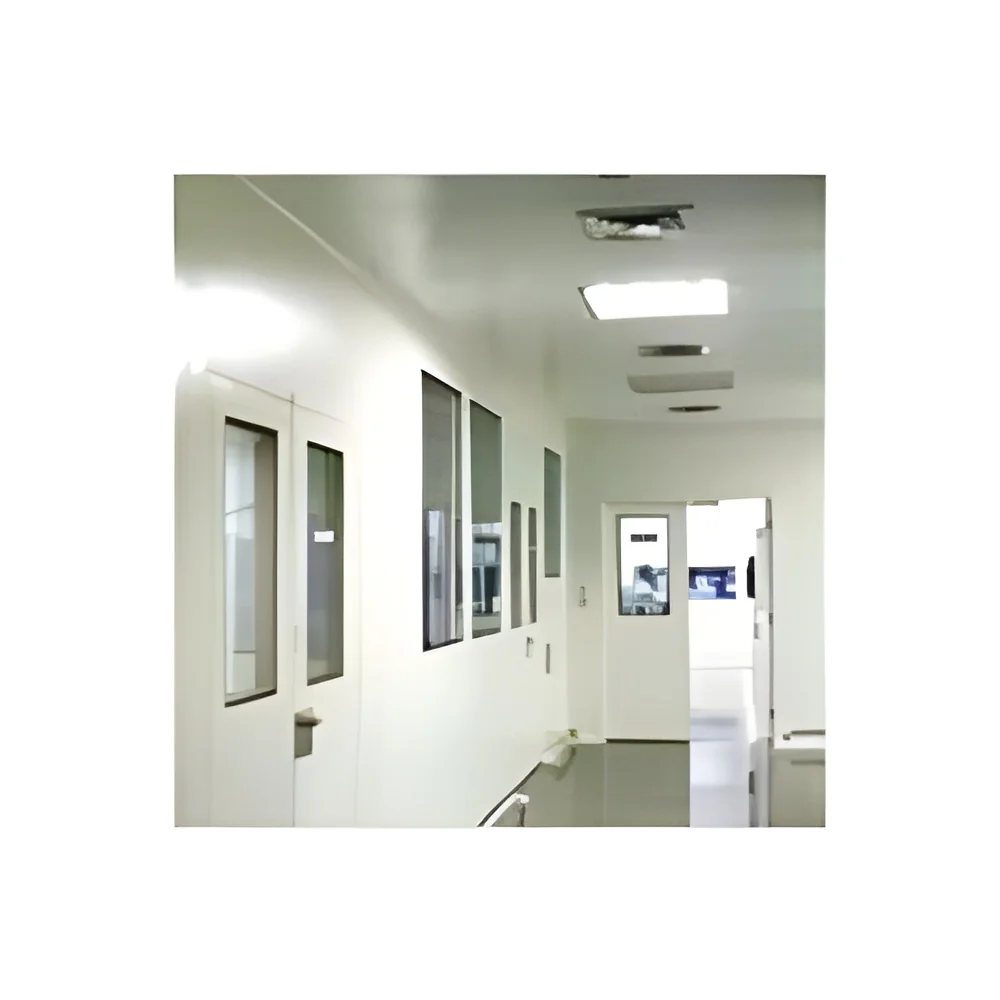
Healthcare Units: Specialized modular units designed for medical facilities. These include patient rooms, surgical suites, and emergency care facilities, all constructed with strict adherence to health standards.
Classroom Modules: Designed for educational institutions, these modular classrooms are built for durability and adaptability. They can be expanded or reconfigured as student populations change.
Retail Pods: Small, modular retail spaces that can be deployed in various locations. These units are ideal for pop-up shops or temporary retail solutions.
Benefits and Advantages
Choosing turnkey modular construction provides numerous advantages for businesses.
Key benefits include:
1. Time Savings: The construction process is significantly faster compared to traditional building methods, allowing businesses to occupy spaces sooner.
2. Cost Efficiency: Streamlined processes and reduced labor costs lead to lower overall project expenses.
3. Quality Assurance: Consistent quality control measures during manufacturing ensure high standards in the final product.
4. Flexibility: Modular designs allow for easy reconfiguration or expansion, adapting to changing business needs.
5. Sustainability: Many providers emphasize the use of eco-friendly materials and energy-efficient designs, contributing to reduced environmental impact.
6. Reduced Disruption: Off-site construction minimizes disruptions to the surrounding area, allowing for faster project completion without significant site disturbance.
Buying Guide for B2B Buyers
When sourcing turnkey modular construction providers, several key factors should be considered to make an informed decision.
1. Quality Assessment: Evaluate the quality of materials and construction practices. Look for providers with strong reputations and proven track records in quality assurance.
2. Supplier Verification: Ensure that the providers are credible and reliable. Conduct background checks and seek references from previous clients to verify their capabilities.
3. Pricing and MOQ: Understand the pricing structures and minimum order quantities. Compare quotes from different providers to ensure competitive pricing.
4. Delivery and Lead Times: Discuss logistics and expected delivery times. Ensure that the provider can meet your project timelines without delays.
5. Compliance Requirements: Familiarize yourself with regulatory standards and industry compliance needs. Verify that the provider adheres to all necessary safety and quality regulations.
Compliance and Certifications
Turnkey modular construction providers must adhere to various quality standards and certifications to ensure safety and reliability. Key standards include ISO 9001 for quality management systems, which ensures that providers maintain high levels of quality control throughout the manufacturing process.
Additional certifications, such as CE and UL, indicate compliance with European and North American safety standards, respectively. These certifications assure clients that the modular units meet rigorous safety and performance criteria.
In addition to these certifications, compliance with local regulations and safety standards is essential. Providers should demonstrate awareness of and adherence to regional building codes and safety requirements to ensure that all structures are safe for occupancy and use.
Why Source Turnkey Modular Construction Providers from Pepagora?
Pepagora offers a trusted platform for sourcing turnkey modular construction providers, bringing several key advantages to B2B buyers.
Verified Supplier Network: Pepagora ensures that all listed suppliers undergo a rigorous verification process. This builds trust and confidence in the quality and reliability of the providers.
Streamlined RFQ Process: The Request for Quotation (RFQ) system simplifies the process of obtaining quotes from multiple suppliers. Buyers can easily compare options and make informed decisions.
Trade Assurance and Support: Pepagora provides trade assurance, ensuring that buyers are protected throughout the sourcing process. This includes support for negotiations and conflict resolution.
Regional Coverage: With a focus on regions such as India, the GCC, and Southeast Asia, Pepagora connects buyers with local suppliers who understand the market dynamics and compliance requirements. This geographic reach enhances the sourcing experience for businesses looking for modular construction solutions.

 IN
IN