
 IN
Structural Sealants & Tapes
12 products available
What are Structural Sealants & Tapes?
Structural sealants and tapes are specialized adhesive products designed to provide a strong bond between materials while offering protection against environmental factors. These products are crucial for ensuring the integrity and longevity of various structures, particularly in demanding applications where traditional adhesives may not suffice. Structural sealants can be formulated to withstand extreme temperatures, moisture, and other conditions, making them ideal for a range of industrial uses.
These products find extensive application across multiple industries, including construction, automotive, aerospace, and manufacturing. In construction, for instance, structural sealants are used for glazing applications, weatherproofing, and joint sealing. In the automotive industry, they are critical for bonding components and ensuring vehicle durability. The growing emphasis on sustainability and energy efficiency in construction and manufacturing further elevates the relevance of structural sealants and tapes in today’s market.
Key Features and Specifications
Structural sealants and tapes come with a variety of features designed to meet the specific needs of different applications. Understanding these features is essential for selecting the right product for your project.
Key specifications include:
1. Adhesive Type
- Types can include silicone, polyurethane, and acrylic.
- Each type has unique properties suited for different applications.
2. Cure Time
- This refers to the time required for the sealant to reach full strength.
- Typical ranges can vary from a few hours to several days, depending on the product.
3. Temperature Resistance
- Sealants can withstand high and low temperatures.
- Specifications may include ranges from -40°C to 120°C.
4. Elasticity
- Indicates the ability to stretch and return to original shape.
- High elasticity is essential for dynamic joints.
5. UV Resistance
- Important for outdoor applications to prevent degradation.
- Products may offer varying levels of UV stability.
6. Chemical Resistance
- Certain sealants are resistant to chemicals, making them suitable for industrial environments.
- This is particularly important in the automotive and manufacturing sectors.
7. VOC Content
- Volatile Organic Compounds (VOC) levels are significant for indoor air quality.
- Low VOC options are available for environmentally conscious projects.
8. Application Method
- Sealants can be applied using caulking guns, tapes, or automated dispensing systems.
- The choice of application method can impact efficiency and effectiveness.
Understanding these specifications helps businesses choose the right structural sealants and tapes to enhance performance and durability in their applications.
Common Applications and Use Cases
Structural sealants and tapes are versatile products serving various industries effectively.
1. Construction: In this sector, structural sealants are used for sealing joints, bonding glass panels, and ensuring waterproofing in buildings.
2. Automotive: Sealants are crucial for assembling vehicle components, such as windshields and body panels, ensuring durability and protection against the elements.
3. Aerospace: These products are used in aircraft assembly to bond components that must withstand extreme conditions and vibrations.
4. Manufacturing: In factories, sealants are applied to machinery and equipment to prevent leaks and enhance overall efficiency.
5. Electronics: Sealants protect sensitive electronic components from moisture and dust, ensuring reliability in various devices.
6. Marine: Used in boats and ships, sealants provide waterproofing and adhere critical components that face harsh marine environments.
7. HVAC: Sealants are employed in heating, ventilation, and air conditioning systems to improve energy efficiency and prevent air leaks.
Product Variants and Subcategories
Structural sealants and tapes come in various forms, catering to different needs and applications.
Silicone Sealants
These are known for their flexibility and temperature resistance. They are ideal for applications where movement is expected, such as in expansion joints and glazing.
Polyurethane Sealants
These sealants offer excellent adhesion and durability. They are often used in automotive and construction applications due to their strong bond and resistance to moisture.
Acrylic Sealants
These are water-based and easy to paint over, making them suitable for indoor applications. They work well for sealing gaps and cracks in walls and ceilings.
Tapes for Sealing
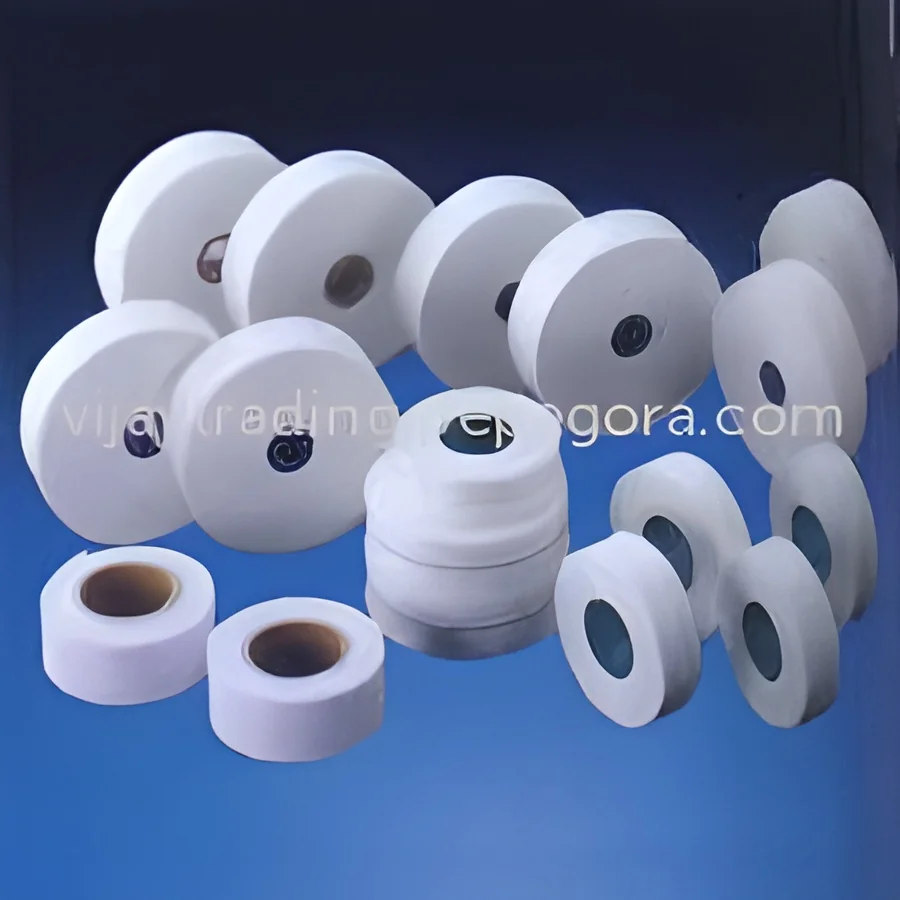
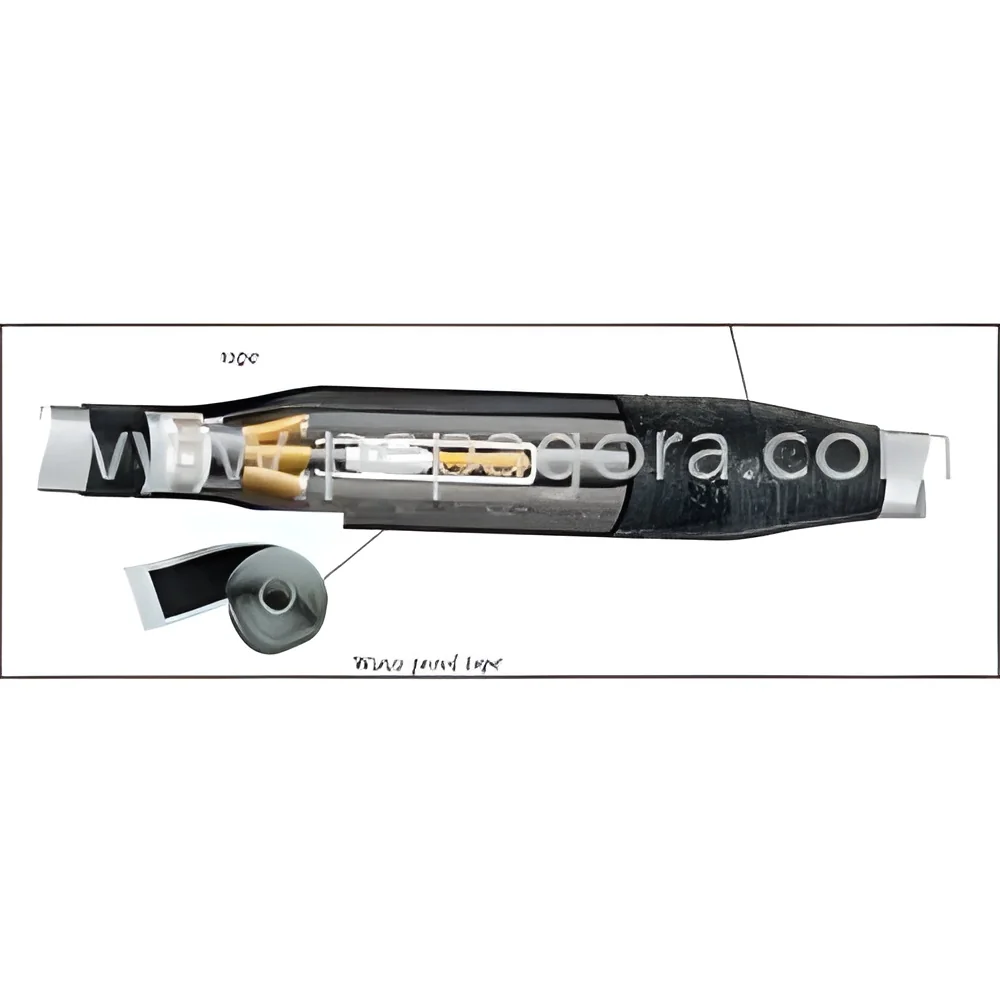
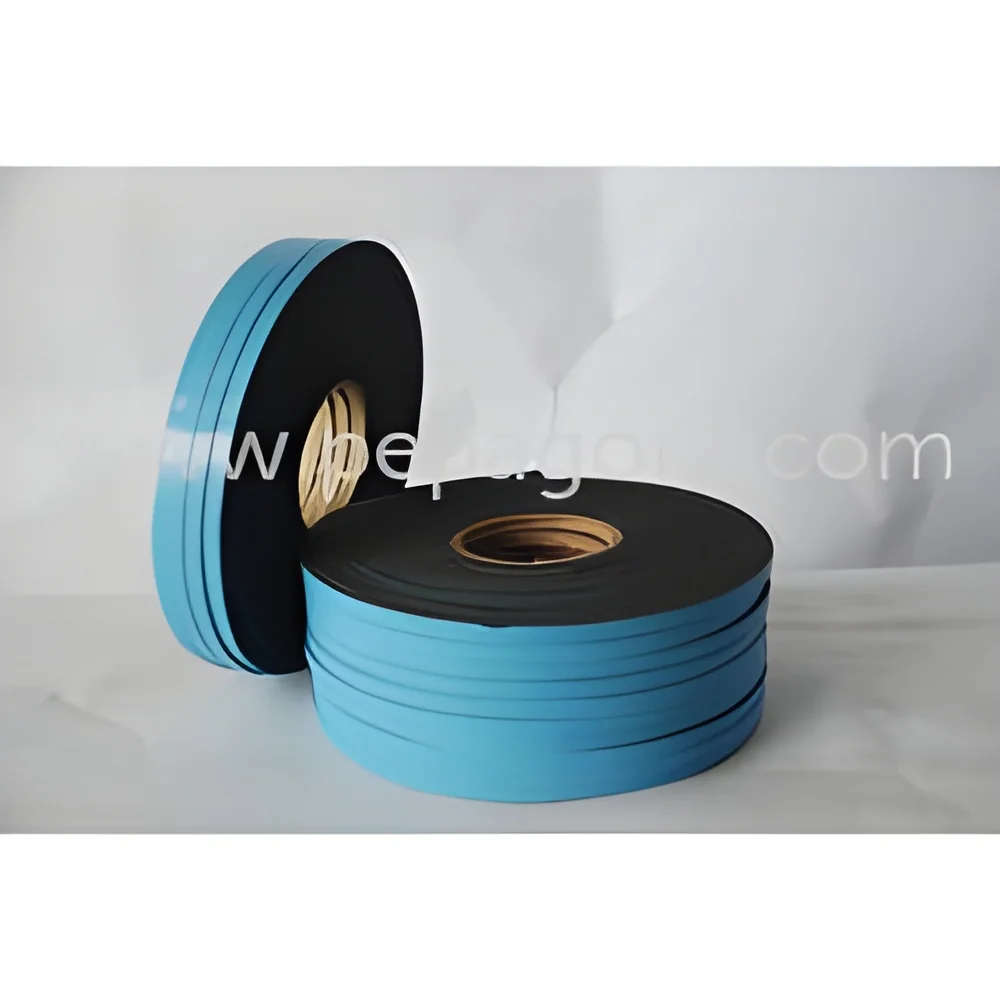
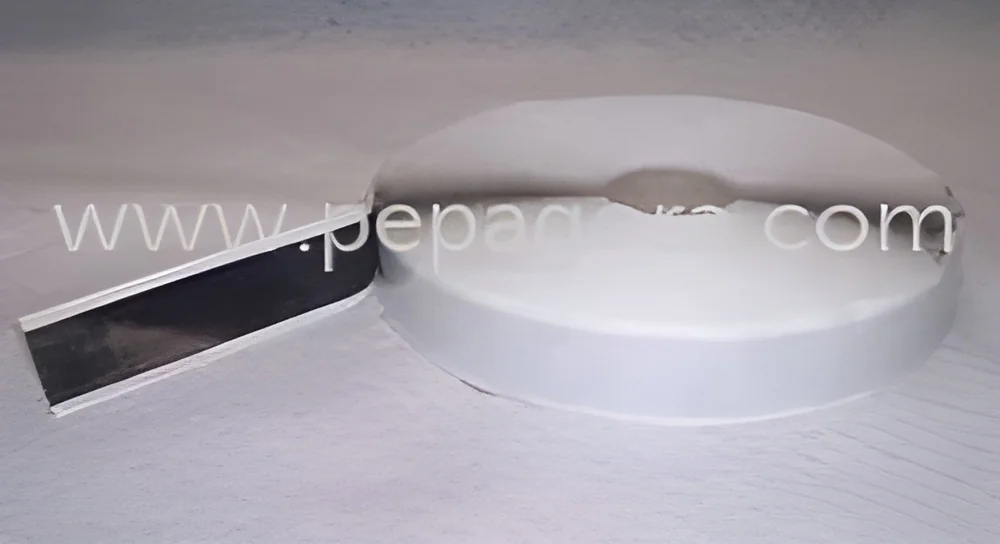
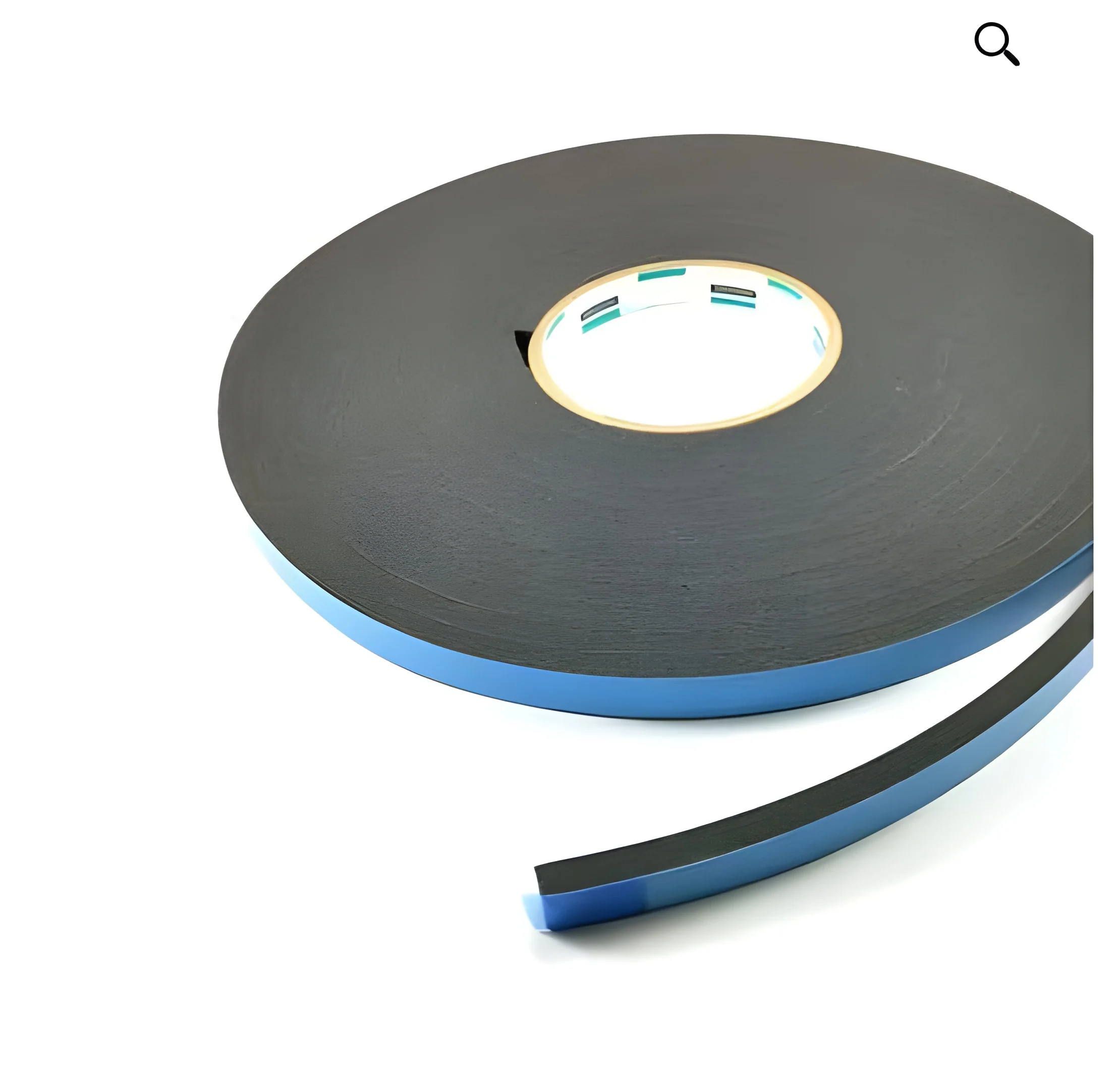
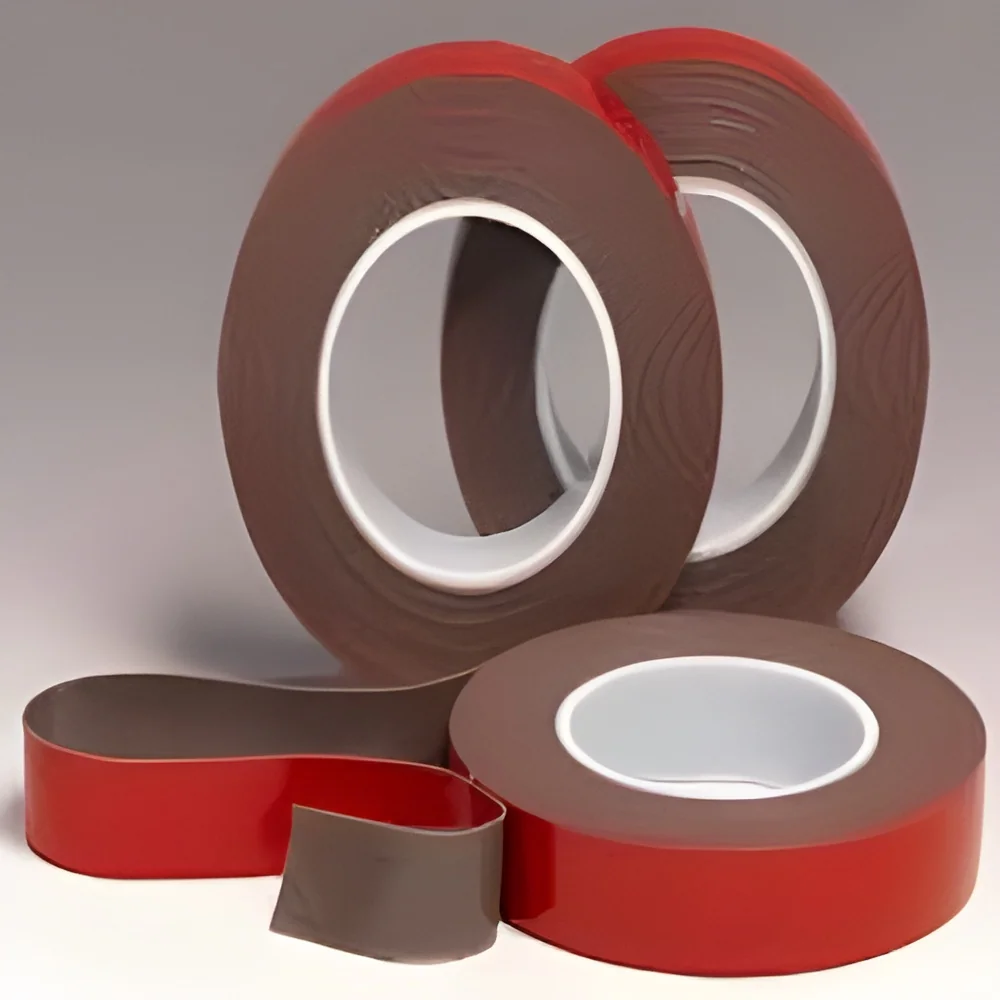
These adhesive tapes provide a quick and effective sealing solution for various industrial applications. They are often used for temporary bonding and for applications that require easy removal.
Benefits and Advantages
Choosing structural sealants and tapes comes with several significant benefits.
1. Enhanced Durability: These products provide long-lasting bonds that withstand environmental stressors, ensuring structural integrity over time.
2. Increased Efficiency: Quick curing times and easy application methods save time during projects, allowing for faster completion.
3. Versatility: A wide range of formulations and types means there is a suitable product for nearly every application across different industries.
4. Improved Energy Efficiency: Proper sealing reduces energy loss, leading to lower utility costs and a smaller carbon footprint.
5. Protection Against Elements: Sealants guard against moisture, UV rays, and chemicals, prolonging the life of structures and components.
6. Cost-Effective Solutions: Despite initial costs, the longevity and performance of these products result in overall savings over time.
Buying Guide for B2B Buyers
When sourcing structural sealants and tapes, several factors should be taken into consideration.
1. Quality Assessment: Ensure products meet industry standards and specifications relevant to your applications. Look for certifications and testing results to confirm quality.
2. Supplier Verification: Vet suppliers thoroughly to ensure they have a good reputation and provide reliable products. Request references and check their history in the industry.
3. Pricing and MOQ: Understand the pricing structure and minimum order quantities (MOQ). Compare costs among different suppliers to ensure you get the best value.
4. Delivery and Lead Times: Discuss logistics with suppliers to confirm delivery schedules. Ensure they can meet your project timelines.
5. Compliance Requirements: Be aware of any regulatory requirements that may apply to your industry and ensure products comply with local and international standards.
Compliance and Certifications
Structural sealants and tapes must adhere to various quality standards to ensure safety and reliability. ISO 9001 is a widely recognized standard that assures consistent quality management practices.
CE certification is also important, particularly for products used in the European market, as it indicates that the product meets the essential requirements of relevant European health, safety, and environmental protection legislation.
Safety and testing requirements are crucial as well. Products should undergo rigorous testing for performance characteristics, such as adhesion, elasticity, and resistance to environmental factors.
Regional compliance considerations should be addressed, particularly in markets with specific regulations. Ensure that you are aware of local laws and standards that may affect product use.
Why Source Structural Sealants & Tapes from Pepagora?
Pepagora provides a trusted platform for sourcing structural sealants and tapes with several key advantages.
Verified Supplier Network: Pepagora connects buyers with a network of verified suppliers. This ensures that you are sourcing products from reputable manufacturers who meet industry standards.
Streamlined RFQ Process: The platform offers an easy-to-use request for quotation (RFQ) system, allowing buyers to solicit quotes from multiple suppliers efficiently. This saves time and simplifies the purchasing process.
Trade Assurance and Support: Pepagora offers trade assurance to protect buyers. This ensures that your orders are fulfilled as promised and provides support throughout the purchasing journey.
Regional Coverage: With a strong presence in India, the GCC, and Southeast Asia, Pepagora caters to a broad geographic area. This ensures that you can find local suppliers who understand regional market needs and can provide timely support.


Frequently Asked Questions
What are Structural Sealants & Tapes?
Structural sealants and tapes are adhesive materials used to create airtight and watertight seals in construction and manufacturing applications. They provide essential bonding and sealing properties to various substrates, ensuring structural integrity and longevity.
What are the different types of Structural Sealants & Tapes?
There are several types of structural sealants and tapes, including silicone sealants, polyurethane sealants, acrylic sealants, and double-sided adhesive tapes. Each type has unique properties and applications, making them suitable for various environments and materials.
How do I choose the right Structural Sealants & Tapes?
Choosing the right structural sealants and tapes involves considering factors such as the materials being bonded, environmental conditions, and specific application requirements. It is also important to review technical data sheets and consult with manufacturers or suppliers for recommendations.
What are the standard specifications for Structural Sealants & Tapes?
Standard specifications for structural sealants and tapes typically include adhesion strength, elasticity, temperature resistance, and durability. Compliance with industry standards such as ASTM and ISO may also be required, depending on the application.
What is the price range for Structural Sealants & Tapes?
The price range for structural sealants and tapes varies widely based on type, brand, and quantity. Generally, prices can range from a few hundred to several thousand Indian Rupees per unit or per bulk order.
What quality standards apply to Structural Sealants & Tapes?
Quality standards for structural sealants and tapes include adherence to industry-specific regulations such as ISO 9001 for quality management and ASTM standards for performance. These standards ensure that products meet safety, reliability, and effectiveness criteria.
Where can I find Structural Sealants & Tapes suppliers in India?
You can find structural sealants and tapes suppliers in India through online B2B marketplaces, trade directories, and industry exhibitions. Websites like Pepagora.com can connect you with reputable manufacturers and suppliers in this sector.
Can Structural Sealants & Tapes be customized?
Yes, many manufacturers offer customization options for structural sealants and tapes to meet specific application requirements. Customization may include variations in size, color, formulation, and packaging.
What is the typical minimum order quantity for Structural Sealants & Tapes?
The typical minimum order quantity (MOQ) for structural sealants and tapes can vary by supplier but often ranges from 100 to 1,000 units. It's advisable to check with individual suppliers for their specific MOQ policies.
What is the typical lead time for Structural Sealants & Tapes?
The typical lead time for structural sealants and tapes depends on the supplier and the complexity of the order. Standard lead times can range from 1 to 4 weeks, but it may vary based on factors such as customization and order volume.
Why Businesses Trust Pepagora
Thousands of companies trust Pepagora to source smarter and sell faster
Expand Your Sales Globally

Source Smarter,Grow Faster
