
 IN
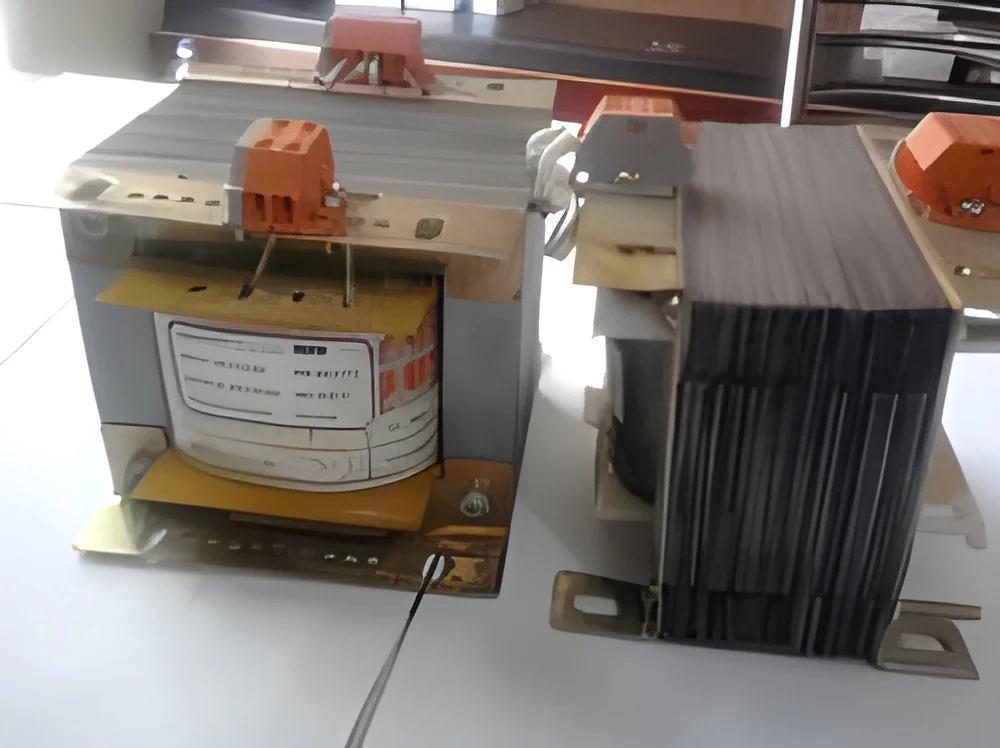
Potential Transformers (PT)
68 products available
Key Features and Specifications
Potential Transformers come equipped with several key features that enhance their functionality and reliability. These specifications help buyers understand the performance capabilities of the devices.
Key specifications include:
1. Voltage Ratio
- The voltage reduction factor, indicating the relationship between primary and secondary voltage.
- Common ratios include 100:1, 200:1, and custom ratios based on application needs.
2. Accuracy Class
- Defines the precision of the transformer in measuring voltage.
- Typical accuracy classes include 0.1, 0.2, and 0.5, based on the IEC standard.
3. Frequency Rating
- Specifies the operational frequency range of the PT.
- Standard ratings often include 50 Hz and 60 Hz.
4. Insulation Level
- Indicates the dielectric strength of the transformer.
- Common insulation levels range from 1 kV to 36 kV.
5. Phase Configuration
- Refers to the number of phases supported by the transformer.
- Available in single-phase and three-phase configurations.
6. Burden Rating
- Represents the load that the transformer can support without affecting accuracy.
- Typically specified in VA (volt-amperes).
7. Temperature Range
- The operational temperature limits for the device.
- Data not available for specific ranges.
8. Certification
- Potential Transformers often carry industry certifications such as CE.
- Ensures compliance with safety and performance standards.
In summary, understanding these specifications is essential for selecting the right Potential Transformer to meet specific application requirements.
Common Applications and Use Cases
Potential Transformers are utilized across various industries, given their crucial role in voltage measurement and monitoring.
1. Power Generation: PTs are used in power plants to monitor voltage levels and ensure safe operation of generators and transformers.
2. Electrical Distribution: In substations, PTs provide accurate voltage readings for metering and protection systems, allowing for efficient electricity distribution.
3. Manufacturing: These transformers are employed in industrial settings to measure voltage levels for control systems and machinery, ensuring optimal performance.
4. Telecommunications: PTs help in monitoring voltage levels in telecommunication networks, maintaining system reliability and performance.
5. Renewable Energy: In solar and wind power installations, PTs are used to monitor output voltage, contributing to efficient energy management.
6. Transportation: PTs are employed in railways and transit systems for monitoring voltage in signaling and safety systems.
7. Building Automation: In smart buildings, PTs facilitate monitoring of electrical systems, enhancing energy management and operational efficiency.
Product Variants and Subcategories
Potential Transformers come in various configurations to meet different application needs.
Single-Phase Potential Transformers
These are designed for applications requiring voltage measurement in single-phase systems. They are compact and suitable for residential and light industrial use.
Three-Phase Potential Transformers
Ideal for industrial applications, these transformers support three-phase voltage measurements, ensuring accurate monitoring in complex electrical systems.
Outdoor Potential Transformers
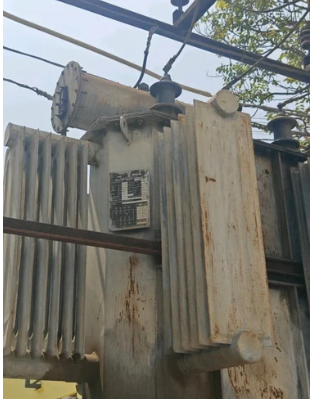
Built for durability, these variants are designed to withstand harsh environmental conditions. They are commonly used in outdoor substations and power distribution networks.
Indoor Potential Transformers
These transformers are optimized for use in controlled environments, such as switchgear and control panels, providing reliable voltage measurement in indoor settings.
Benefits and Advantages
Choosing Potential Transformers offers several advantages for businesses looking to enhance their electrical systems.
1. Accurate Voltage Measurement: PTs provide precise voltage readings, enabling better monitoring and control of electrical systems.
2. System Protection: By stepping down high voltages, PTs protect sensitive instruments and equipment from damage.
3. Enhanced Safety: PTs contribute to safer operations by ensuring that high voltage levels are managed effectively.
4. Reliability: High-quality PTs are built to last, delivering consistent performance over time.
5. Cost-Effective Solutions: Investing in PTs can lead to long-term savings by reducing maintenance costs and improving system efficiency.
6. Compliance with Standards: Many PTs come with certifications ensuring they meet industry safety and performance standards.
Buying Guide for B2B Buyers
When sourcing Potential Transformers, it is crucial to consider multiple factors to ensure the right choice for your applications.
1. Quality Assessment: Evaluate the quality of PTs by checking for industry certifications and testing records. Look for products that comply with relevant standards to ensure reliability and safety.
2. Supplier Verification: Vet potential suppliers by researching their reputation, customer reviews, and history in the industry. A reliable supplier will offer consistent quality and support.
3. Pricing and MOQ: Understand the pricing structure and minimum order quantities (MOQ) that suppliers offer. Evaluate multiple quotes to ensure competitive pricing without compromising quality.
4. Delivery and Lead Times: Assess the logistics involved, including delivery timelines and shipping options. Ensure the supplier can meet your project deadlines.
5. Compliance Requirements: Familiarize yourself with regional compliance needs and safety regulations that apply to Potential Transformers. Ensure the selected products meet these standards.
Compliance and Certifications
Compliance and certifications are vital for ensuring the safety and functionality of Potential Transformers.
Most PTs adhere to quality standards such as ISO 9001, which ensures consistent quality management practices. Certifications like CE indicate compliance with European safety standards, providing assurance about the reliability of the products.
Safety and testing requirements are critical in the manufacturing of PTs. These include rigorous testing processes to verify the performance and safety of the devices under different conditions.
Regional compliance considerations may vary based on the market. It is essential to ensure that the selected PTs meet local regulatory requirements to avoid legal issues and ensure safe operations.
Why Source Potential Transformers (PT) from Pepagora?
Pepagora provides a trusted platform for sourcing Potential Transformers with several key advantages.
Verified Supplier Network: Pepagora has established a network of verified suppliers, ensuring that buyers have access to high-quality products. This verification process includes checks for reliability and compliance with industry standards.
Streamlined RFQ Process: The Request for Quotation (RFQ) system allows buyers to easily request quotes from multiple suppliers. This process simplifies procurement and enables better pricing comparisons.
Trade Assurance and Support: Pepagora offers buyer protection through trade assurance programs. This ensures that purchases are secure and that buyers receive support throughout the transaction process.
Regional Coverage: Pepagora caters to a wide geographic area, including India, the Gulf Cooperation Council (GCC), and Southeast Asia. This extensive reach ensures that buyers can find potential transformers suited to their regional needs.



Frequently Asked Questions
What are Potential Transformers (PT)?
Potential Transformers (PT) are electrical devices used to step down high voltage electrical signals to lower levels suitable for measurement and control. They play a crucial role in ensuring accurate voltage readings in various applications, including substations and industrial settings.
What are the different types of Potential Transformers (PT)?
There are several types of Potential Transformers (PT), including electromagnetic PTs and capacitor voltage transformers (CVTs). Each type has its unique characteristics and applications, with electromagnetic PTs being widely used for traditional voltage transformation and CVTs often employed in high-voltage systems.
How do I choose the right Potential Transformers (PT)?
Choosing the right Potential Transformers (PT) involves considering the application requirements, voltage levels, and accuracy specifications. It's essential to evaluate the environmental conditions and select a PT that meets the necessary industry standards.
What are the standard specifications for Potential Transformers (PT)?
Standard specifications for Potential Transformers (PT) typically include voltage rating, accuracy class, burden rating, and insulation level. These specifications ensure that the PT operates correctly within the desired parameters and provides reliable measurements.
What is the price range for Potential Transformers (PT)?
The price range for Potential Transformers (PT) varies widely based on specifications, manufacturer, and order quantity. Generally, prices can start from a few thousand Indian Rupees and can go up to several tens of thousands, depending on the complexity and features of the device.
What quality standards apply to Potential Transformers (PT)?
Potential Transformers (PT) must adhere to various quality standards including IS, IEC, and ANSI. These standards ensure that the devices are reliable, safe, and meet performance expectations in electrical applications.
Where can I find Potential Transformers (PT) suppliers in India?
Potential Transformers (PT) suppliers in India can be found through online B2B marketplaces, industry trade shows, and electrical equipment distributors. Websites like Pepagora.com offer a platform to connect with reputable manufacturers and suppliers.
Can Potential Transformers (PT) be customized?
Yes, Potential Transformers (PT) can often be customized to meet specific requirements such as voltage levels, accuracy classes, and physical dimensions. Many manufacturers offer customization options to cater to the unique needs of their clients.
What is the typical minimum order quantity for Potential Transformers (PT)?
The typical minimum order quantity (MOQ) for Potential Transformers (PT) can vary by manufacturer but usually ranges from 5 to 10 units. It is advisable to confirm the MOQ with the supplier before placing an order.
What is the typical lead time for Potential Transformers (PT)?
The typical lead time for Potential Transformers (PT) can range from 4 to 12 weeks, depending on factors such as availability, customization, and order volume. It is important to discuss lead times directly with the supplier to ensure timely delivery.
Why Businesses Trust Pepagora
Thousands of companies trust Pepagora to source smarter and sell faster
Expand Your Sales Globally

Source Smarter,Grow Faster
