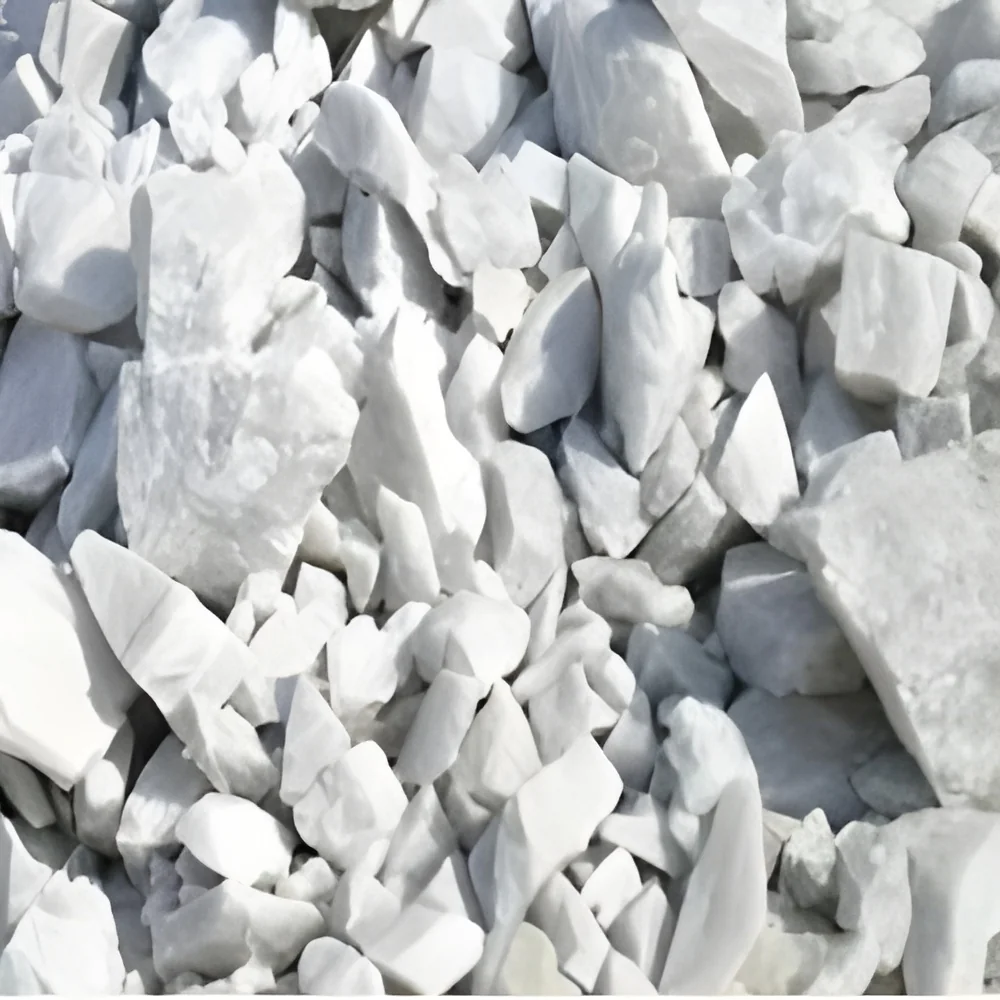
What are Porcelain Raw Materials?
Porcelain raw materials are essential components used in the manufacturing of porcelain products. These materials typically include kaolin, feldspar, and quartz, which are combined to create a durable and aesthetically pleasing final product. The fundamental characteristic of porcelain is its high strength, translucency, and resistance to thermal shock, making it a favored choice in various applications.
The primary uses of porcelain raw materials span diverse industries, including ceramics, tableware, tiles, and sanitary ware. Manufacturers utilize these materials to produce items that not only serve functional purposes but also offer decorative value. In addition to traditional applications, porcelain materials are increasingly being explored in advanced fields such as electronics and dental applications due to their unique properties.
In the current market, the demand for porcelain products is on the rise, driven by consumer preferences for high-quality and sustainable materials. This trend creates opportunities for businesses involved in sourcing and supplying porcelain raw materials, as they play a crucial role in the production chain of various end products. Understanding these materials' characteristics and applications is vital for businesses looking to thrive in this competitive landscape.
Key Features and Specifications
Porcelain raw materials are characterized by several key features that make them suitable for a wide range of applications. These features ensure that manufacturers achieve the desired quality and performance in their finished products.
Key specifications include:
1. Kaolin Content
- Kaolin is a primary ingredient in porcelain production.
- Typically required in a range of 20% to 50% for optimal performance.
2. Feldspar Content
- Feldspar acts as a flux, lowering the melting temperature.
- Usually present in a range of 25% to 40%.
3. Quartz Content
- Provides structural integrity and strength.
- Commonly required in a range of 25% to 50%.
4. Particle Size
- Fine particle size enhances the plasticity and workability.
- Required size can be less than 100 microns for best results.
5. Purity Levels
- High purity levels are necessary to avoid impurities affecting the final product.
- Typically, a purity level of 95% or higher is preferred.
6. Color Consistency
- Uniform color is essential for aesthetic applications.
- Color variations should be minimal across batches.
7. Moisture Content
- Controlled moisture levels are crucial for processing.
- Usually maintained below 1% for stability.
8. Chemical Composition
- Specific chemical compositions influence the final properties of porcelain.
- Must adhere to industry standards for consistency.
In summary, understanding these specifications is critical for manufacturers to ensure the quality and performance of their porcelain products.
Common Applications and Use Cases
Porcelain raw materials serve a variety of industries, reflecting their versatility and importance in production processes.
1. Ceramics Industry: Porcelain is extensively used to create ceramic products such as dishes, cups, and decorative items. The materials' durability and aesthetic appeal make them ideal for both functional and ornamental purposes.
2. Sanitary Ware: In the sanitary ware segment, porcelain materials are used to manufacture toilets, sinks, and bathtubs. Their resistance to stains and ease of cleaning makes them highly desirable.
3. Tiles: Porcelain tiles are favored for flooring and wall applications due to their strength and low water absorption. They are often utilized in residential and commercial spaces.
4. Electrical Insulators: Porcelain materials are used in the production of electrical insulators due to their electrical insulating properties and ability to withstand high temperatures.
5. Dental Applications: In dentistry, porcelain is used to create crowns and bridges, offering a natural appearance and excellent biocompatibility.
6. Tableware: High-quality tableware, including fine china, is crafted from porcelain raw materials, appealing to consumers seeking elegance and durability.
7. Art and Sculpture: Artists utilize porcelain for sculptural works due to its fine texture and ability to hold intricate details.
Product Variants and Subcategories
Porcelain raw materials encompass a range of variants, each tailored to specific applications and industry needs.
Standard Porcelain Clay
This variant is commonly used in the ceramics industry for items like tableware and decorative pieces. It offers excellent plasticity and can be easily molded into various shapes.
Bone China
Bone china is a type of porcelain that includes bone ash, giving it a distinctive translucency and strength. It is primarily used for high-end tableware and is favored for its lightweight and elegant appearance.
Stoneware Clay
Stoneware clay is a denser, more robust type of porcelain raw material. It is often used in functional items like cookware and bakeware, thanks to its ability to withstand high temperatures.
Benefits and Advantages
The use of porcelain raw materials offers several key advantages for manufacturers and end-users.
1. Durability: Porcelain products are known for their strength and longevity, making them ideal for various applications that require wear resistance.
2. Aesthetic Appeal: The fine finish and versatile designs of porcelain allow for a wide range of decorative options, enhancing visual appeal in products.
3. Chemical Resistance: Porcelain is resistant to many chemicals, making it suitable for industrial applications where exposure to harsh substances is common.
4. Thermal Stability: Porcelain raw materials can withstand high temperatures without losing structural integrity, making them ideal for cookware and other heat-related applications.
5. Low Maintenance: Porcelain products are easy to clean and maintain, promoting hygiene and convenience for users.
6. Versatility: The diverse applications of porcelain materials across industries highlight their flexibility and adaptability to various manufacturing needs.
Buying Guide for B2B Buyers
When sourcing porcelain raw materials, B2B buyers should consider several key factors to ensure they make informed purchasing decisions.
1. Quality Assessment: It is essential to evaluate the quality of porcelain materials based on their purity, consistency, and compliance with industry standards. Buyers should request samples and conduct tests as needed.
2. Supplier Verification: Vetting suppliers is crucial to ensure reliability and quality. Buyers should investigate the supplier's reputation, certifications, and track record in the industry.
3. Pricing and MOQ: Understanding price structures and minimum order quantities (MOQ) helps buyers budget effectively. It is advisable to compare quotes from multiple suppliers to find the best deal.
4. Delivery and Lead Times: Logistics play a significant role in the supply chain. Buyers should confirm delivery schedules and ensure suppliers can meet their timelines without compromising quality.
5. Compliance Requirements: Buyers must be aware of relevant regulations and compliance standards in their region. This includes certifications such as CE and adherence to safety guidelines.
Compliance and Certifications
Compliance with industry standards and certifications is essential for porcelain raw materials. Relevant quality standards, such as ISO 9001, ensure that manufacturers maintain high levels of quality management throughout their processes. Additionally, the CE certification indicates that products meet European safety, health, and environmental protection standards.
Safety and testing requirements should not be overlooked, as they guarantee that the materials used in production pose no risk to users. Manufacturers should conduct thorough testing to ensure compliance with these standards.
Regional compliance considerations are also important, as different regions may have specific regulations governing the production and use of porcelain materials. Understanding these requirements helps businesses avoid legal issues and ensures they meet customer expectations.
Why Source Porcelain Raw Materials from Pepagora?
Pepagora provides a trusted platform for sourcing porcelain raw materials, offering several key advantages to B2B buyers.
Verified Supplier Network: Pepagora features a network of verified suppliers, ensuring that buyers can access high-quality materials from reputable sources. This reduces the risk of procurement issues and enhances trust in the supply chain.
Streamlined RFQ Process: The request for quotation (RFQ) process on Pepagora is designed to be efficient and user-friendly. Buyers can easily submit their requirements and receive competitive quotes from multiple suppliers in a short time.
Trade Assurance and Support: Pepagora offers trade assurance and support services to protect buyers throughout their purchasing journey. This includes assistance with order tracking, dispute resolution, and payment security.
Regional Coverage: With a wide geographic reach encompassing India, the Gulf Cooperation Council (GCC), and Southeast Asia, Pepagora connects buyers with suppliers across diverse markets. This broad network facilitates access to a range of porcelain raw materials tailored to specific regional needs.

 IN
IN
 India
India