
 IN
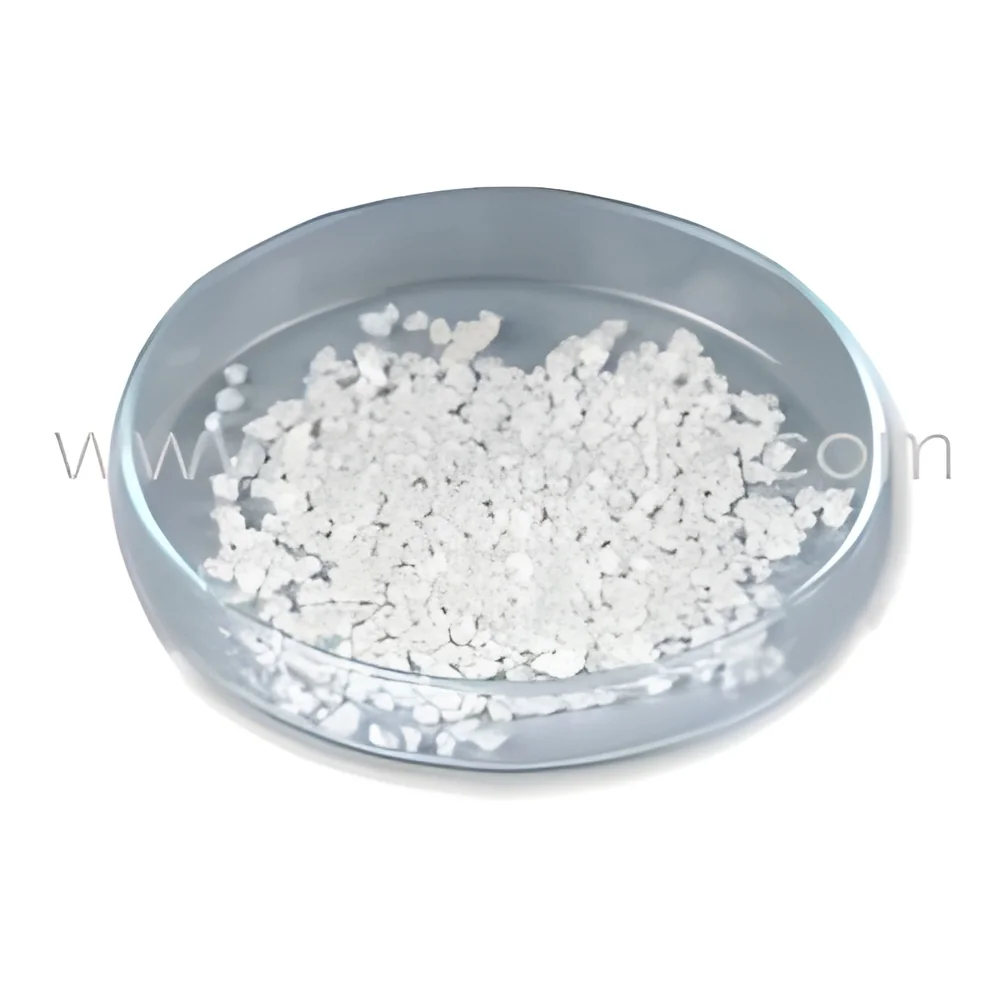
Polyvinyl Chloride (PVC) Granules
3 products available
Key Features and Specifications
Polyvinyl Chloride (PVC) granules offer various features that make them suitable for diverse applications. They are known for their excellent mechanical properties, including strength and flexibility. Additionally, they exhibit good resistance to chemicals, moisture, and UV radiation, enhancing their functionality in different environments.
Key specifications include:
1. Mechanical Strength
- High tensile strength and impact resistance
- Suitable for applications requiring durability
2. Thermal Stability
- Maintains performance across a wide temperature range
- Essential for applications exposed to varying conditions
3. Chemical Resistance
- Resistant to acids, alkalis, and other chemicals
- Ideal for use in industrial settings
4. Colorability
- Can be colored easily for aesthetic applications
- Provides versatility in product design
5. Density
- Typical density range of 1.3 to 1.5 g/cm3
- Influences processing and application suitability
6. Processing Temperature
- Recommended processing temperature typically between 160°C to 200°C
- Important for maintaining material integrity during manufacturing
The features and specifications of PVC granules ensure their effectiveness across many industries, making them a preferred choice for manufacturers.
Common Applications and Use Cases
Polyvinyl Chloride (PVC) granules serve a wide range of industries, demonstrating their versatility and adaptability.
1. Construction: PVC is extensively used in the plumbing and drainage sector for pipes, fittings, and siding materials due to its durability and resistance to moisture.
2. Automotive: In the automotive industry, PVC granules are utilized for producing dashboards, door panels, and seat covers, contributing to lightweight and cost-effective vehicle designs.
3. Consumer Goods: PVC granules are employed in manufacturing toys, packaging materials, and household items, providing a balance of safety and functionality.
4. Electrical: PVC is used in insulation for wires and cables due to its excellent electrical properties, making it a staple in the electronics industry.
5. Medical: In the medical field, PVC granules are utilized for producing various medical devices and packaging due to their hygienic properties and ease of sterilization.
6. Footwear: The footwear industry benefits from PVC granules for the production of soles and various shoe components, providing durability and comfort.
7. Signage: PVC is used in the signage industry for producing durable and weather-resistant signs, ensuring longevity and visibility.
Product Variants and Subcategories
Polyvinyl Chloride (PVC) granules come in various forms and types to cater to different manufacturing needs.
General Purpose PVC
This variant is widely used across multiple applications due to its balanced properties. It is suitable for products such as pipes, sheets, and profiles, offering good strength and processability.
Plasticized PVC
Plasticized PVC is modified with plasticizers to enhance flexibility and softness. This variant is commonly used in applications like flexible hoses, wiring insulation, and soft toys, where flexibility is essential.
Rigid PVC
Rigid PVC is characterized by its hardness and strength. It is primarily used in construction materials such as windows, doors, and piping, providing structural integrity and durability.
Benefits and Advantages
Polyvinyl Chloride (PVC) granules offer substantial benefits that make them a preferred choice in various industries.
1. Cost-Effectiveness: PVC granules are competitively priced, making them an economical choice for manufacturers while maintaining quality.
2. Versatility: The ability to be molded into various shapes and forms allows PVC to be used in many applications across different sectors.
3. Durability: PVC exhibits excellent resistance to wear and tear, ensuring longevity and reliability in products made from it.
4. Chemical Resistance: The inherent resistance to chemicals makes PVC suitable for use in aggressive environments, reducing the risk of degradation.
5. Lightweight: PVC is lighter than many other materials, contributing to lower shipping costs and ease of handling during manufacturing.
6. Low Maintenance: Products made from PVC require minimal maintenance, making them appealing for long-term applications.
Buying Guide for B2B Buyers
When sourcing Polyvinyl Chloride (PVC) granules, several factors should be taken into account to ensure an efficient purchasing process.
1. Quality Assessment: Evaluate the quality of PVC granules based on standardized testing and certifications. Ensure that the material meets industry requirements for your specific applications.
2. Supplier Verification: Conduct thorough research on potential suppliers. Verify their reputation, production capabilities, and compliance with industry standards to ensure reliability.
3. Pricing and MOQ: Understand the pricing structure and minimum order quantities (MOQ) set by suppliers. Be prepared to negotiate terms that meet your budget and production needs.
4. Delivery and Lead Times: Discuss delivery schedules and lead times with suppliers. Timely delivery is crucial for maintaining production timelines and supply chain efficiency.
5. Compliance Requirements: Ensure that the PVC granules comply with relevant regulations and certifications in your industry, such as UL and CE, to avoid legal complications.
Compliance and Certifications
Polyvinyl Chloride (PVC) granules must adhere to several quality and safety standards to ensure they meet industry requirements. Commonly recognized standards include ISO 9001, which emphasizes quality management systems, and HACCP, which focuses on food safety principles.
Industry certifications like UL and CE indicate that the materials have been tested for safety and performance in specific applications. These certifications are vital for building trust with customers and demonstrating compliance with regulatory standards.
Furthermore, suppliers should be aware of regional compliance considerations, as different areas may have specific regulations regarding the use of PVC in various products. Staying informed on these requirements helps to ensure that the PVC granules used in manufacturing meet all necessary safety and quality benchmarks.
Why Source Polyvinyl Chloride (PVC) Granules from Pepagora?
Pepagora provides a trusted platform for sourcing Polyvinyl Chloride (PVC) granules, offering several key advantages to B2B buyers.
Verified Supplier Network: Pepagora has established a network of verified suppliers, ensuring that buyers can access high-quality PVC granules from reputable manufacturers. This network helps buyers avoid risks associated with unverified sources.
Streamlined RFQ Process: The platform features a streamlined Request for Quotation (RFQ) process, simplifying the procurement experience. Buyers can easily submit their requirements and receive competitive quotations from multiple suppliers.
Trade Assurance and Support: Pepagora offers trade assurance and support to protect buyers throughout the purchasing process. This feature provides an added layer of security, ensuring that transactions are completed smoothly and reliably.
Regional Coverage: Pepagora's reach extends across India, the GCC, and Southeast Asia, allowing buyers to connect with suppliers in their region. This geographic coverage enhances accessibility and reduces logistical challenges associated with sourcing materials.

 India


Frequently Asked Questions
What are Polyvinyl Chloride (PVC) Granules?
Polyvinyl Chloride (PVC) Granules are small plastic pellets made from the polymerization of vinyl chloride. These granules serve as a raw material for various applications, including pipes, cables, and flooring materials.
What are the different types of Polyvinyl Chloride (PVC) Granules?
There are two main types of PVC granules: rigid and flexible. Rigid PVC is commonly used in construction, while flexible PVC granules are utilized in products that require more malleability, such as electrical cables and inflatable items.
How do I choose the right Polyvinyl Chloride (PVC) Granules?
Choosing the right PVC granules depends on the intended application, required flexibility, and specific industry standards. It is essential to consider factors such as color, additives, and the granule's physical properties.
What are the standard specifications for Polyvinyl Chloride (PVC) Granules?
Standard specifications for PVC granules include density, melt flow index, and tensile strength. These specifications can vary based on the intended use; thus, it is important to refer to industry guidelines for specific requirements.
What is the price range for Polyvinyl Chloride (PVC) Granules?
The price of PVC granules can vary widely based on quality, type, and supplier. Generally, the price range can be anywhere from ₹70 to ₹150 per kg, but it is advisable to obtain quotes from multiple suppliers for accurate pricing.
What quality standards apply to Polyvinyl Chloride (PVC) Granules?
PVC granules must meet various quality standards such as ISO 9001, which ensures consistent quality management. Additionally, certain industries may require compliance with specific regulations, such as RoHS for electronic applications.
Where can I find Polyvinyl Chloride (PVC) Granules suppliers in India?
You can find suppliers of Polyvinyl Chloride (PVC) Granules through B2B marketplaces like Pepagora, industry trade shows, and online directories. It is recommended to research and verify suppliers' credentials before making a purchase.
Can Polyvinyl Chloride (PVC) Granules be customized?
Yes, PVC granules can be customized based on specific requirements such as color, additives, and physical properties. Many manufacturers offer customization options to meet the unique needs of different applications.
What is the typical minimum order quantity for Polyvinyl Chloride (PVC) Granules?
The typical minimum order quantity for PVC granules can range from 500 kg to 1 ton, depending on the supplier. It is advisable to check with individual suppliers for their specific MOQ requirements.
What is the typical lead time for Polyvinyl Chloride (PVC) Granules?
The typical lead time for Polyvinyl Chloride (PVC) Granules varies by supplier but usually ranges from 1 to 4 weeks. Factors influencing lead time include order size, customization requirements, and supplier location.
Why Businesses Trust Pepagora
Thousands of companies trust Pepagora to source smarter and sell faster
Expand Your Sales Globally

Source Smarter,Grow Faster
