Key Features and Specifications
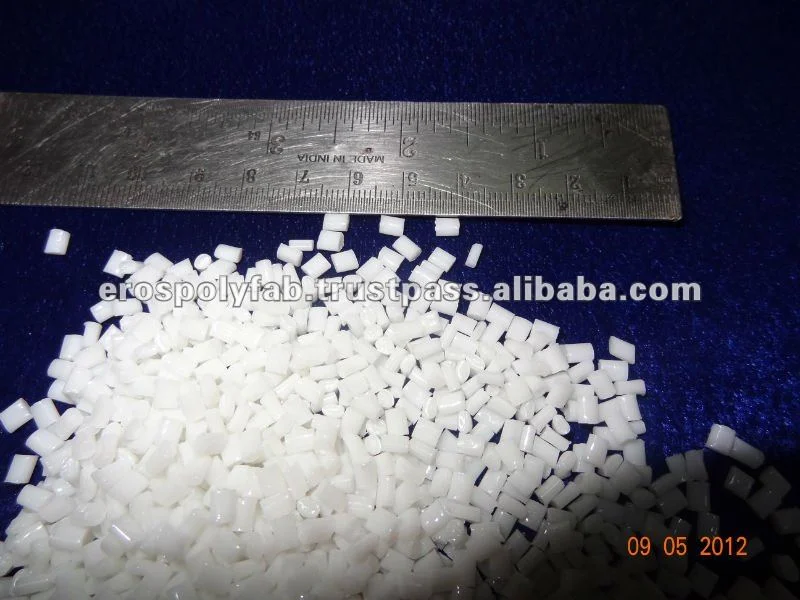
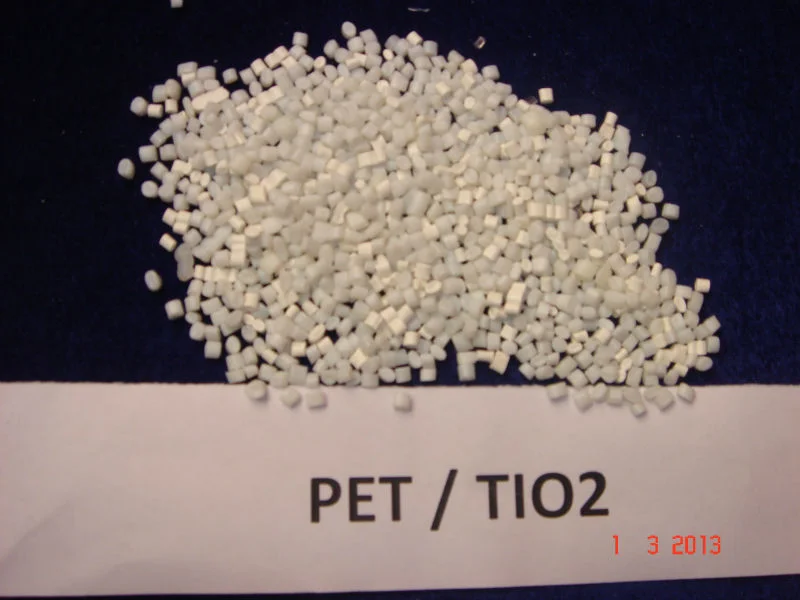
Polyethylene Terephthalate (PET) Flakes and Chips offer a range of features that make them desirable for various applications. These features include high strength, excellent chemical resistance, and good thermal stability. PET flakes and chips can be produced in different colors and sizes, accommodating specific requirements for different manufacturing processes.
Key specifications include:
1. Color
- Available in clear, colored, and opaque options
- Customization available based on client needs
2. Purity Level
- Typically above 98% for high-quality applications
- Lower purity levels may be available for specific uses
3. Moisture Content
- Standard moisture levels kept below 0.5%
- Essential for maintaining quality in processing
4. Particle Size
- Common sizes range from 2 mm to 12 mm
- Suitable for various processing techniques
5. Bulk Density
- Typical bulk density ranges from 0.3 to 0.6 g/cm³
- Important for storage and transportation considerations
6. Melting Point
- Melting temperature generally around 250°C
- Critical for applications involving heat processing
7. Recyclability
- Fully recyclable, supporting circular economy initiatives
- Compliant with various recycling standards
In summary, PET flakes and chips are characterized by their versatility, high purity, and excellent mechanical properties, making them suitable for a wide range of industrial applications.
Common Applications and Use Cases
Polyethylene Terephthalate (PET) Flakes and Chips serve numerous industries due to their recyclability and functional properties.
1. Packaging Industry: PET flakes and chips are often used to produce new bottles and containers, contributing to sustainable packaging solutions.
2. Textile Manufacturing: Recycled PET is frequently used in the creation of fibers for clothing and upholstery, promoting eco-friendly fashion.
3. Automotive Sector: PET chips are utilized in manufacturing lightweight automotive components, improving fuel efficiency and reducing emissions.
4. Construction Industry: These materials are incorporated into insulation products and composites, enhancing building performance.
5. Consumer Goods: PET flakes serve as raw material for various consumer products, including household items and personal care products.
6. Electronics: Recycled PET is used in the production of casings and components, supporting the move towards sustainable electronics.
7. Agriculture: PET materials are utilized for creating durable agricultural films and protective coverings.
Product Variants and Subcategories
Polyethylene Terephthalate (PET) Flakes and Chips come in various forms, offering flexibility and adaptability for different industrial needs.
Standard PET Flakes: These flakes are commonly used in recycling operations to create new PET products. They are available in various colors and purity levels and are highly sought after in the packaging and textile industries.
Recycled PET Chips: These chips are tailored for applications requiring thicker materials, such as automotive parts and construction products. They provide excellent strength and durability, making them ideal for high-performance uses.
Food-Grade PET Flakes: Specifically processed to meet stringent food safety standards, these flakes are suitable for applications in food packaging and containers, ensuring safety and compliance.
Benefits and Advantages
Polyethylene Terephthalate (PET) Flakes and Chips offer several advantages that appeal to manufacturers and businesses.
1. Environmental Sustainability: By using recycled materials, companies can reduce waste and promote sustainability, addressing growing consumer demand for eco-friendly products.
2. Cost-Effectiveness: PET flakes and chips offer a cost-effective alternative to virgin materials, leading to significant savings in production costs.
3. Versatility: These materials can be easily processed into various shapes and sizes, allowing for a wide range of applications across different industries.
4. High Performance: PET flakes and chips exhibit excellent mechanical and thermal properties, ensuring durability and reliability in end products.
5. Compliance with Standards: Many PET products meet international quality and safety standards, providing assurance to manufacturers and consumers alike.
6. Contribution to Circular Economy: The recyclability of PET supports the circular economy model, encouraging the use of materials in multiple life cycles.
Buying Guide for B2B Buyers
When sourcing Polyethylene Terephthalate (PET) Flakes and Chips, businesses should consider several key factors to ensure they make informed decisions.
1. Quality Assessment: Evaluate the quality of PET flakes and chips by reviewing certification and testing results. Look for purity levels and compliance with industry standards to ensure product reliability.
2. Supplier Verification: Vet suppliers thoroughly by checking references, certifications, and their history in the market. A reliable supplier will have a proven track record of delivering quality materials.
3. Pricing and MOQ: Understand the pricing structure and minimum order quantities (MOQ) required by suppliers. This will help you plan budgets and manage inventory effectively.
4. Delivery and Lead Times: Assess delivery options and lead times to ensure timely supply. Consider logistics capabilities and shipping arrangements to avoid disruptions in production.
5. Compliance Requirements: Ensure that the PET flakes and chips meet regulatory compliance standards, including safety and environmental regulations applicable in your region.
Compliance and Certifications
Polyethylene Terephthalate (PET) Flakes and Chips are subject to various quality standards and certifications that ensure their safety and efficacy in industrial applications. Many manufacturers adhere to ISO 9001, which outlines requirements for a quality management system, ensuring that products consistently meet customer and regulatory requirements.
Additionally, certifications such as CE indicate compliance with European safety standards, enhancing the product's marketability. Safety and testing requirements are crucial, especially for food-grade applications, where compliance with regulations such as HACCP is necessary.
Regional compliance considerations may vary, and buyers should be aware of specific requirements in their geographical areas to ensure that they are sourcing compliant products. This diligence not only helps in maintaining product integrity but also safeguards against potential legal issues.
Why Source Polyethylene Terephthalate (PET) Flakes & Chips from Pepagora?
Pepagora provides a trusted platform for sourcing Polyethylene Terephthalate (PET) Flakes and Chips, offering numerous advantages to buyers.
Verified Supplier Network: Pepagora features a network of thoroughly vetted suppliers, ensuring that buyers can access quality materials from reliable sources. This network is built on trust, performance, and compliance with industry standards.
Streamlined RFQ Process: The platform offers an efficient request-for-quotation (RFQ) process, allowing buyers to quickly obtain competitive pricing from multiple suppliers. This efficiency helps businesses make informed purchasing decisions in a timely manner.
Trade Assurance and Support: Pepagora prioritizes buyer protection through trade assurance policies. This support gives buyers confidence in their transactions, knowing that they are safeguarded against potential issues.
Regional Coverage: With a strong presence in India, the GCC, and Southeast Asia, Pepagora provides extensive geographic reach. This allows businesses to connect with suppliers in their region, facilitating smoother transactions and logistics.
In conclusion, Pepagora stands out as a comprehensive resource for sourcing high-quality Polyethylene Terephthalate (PET) Flakes and Chips, supporting businesses in their sustainability goals and operational needs.

 IN
IN