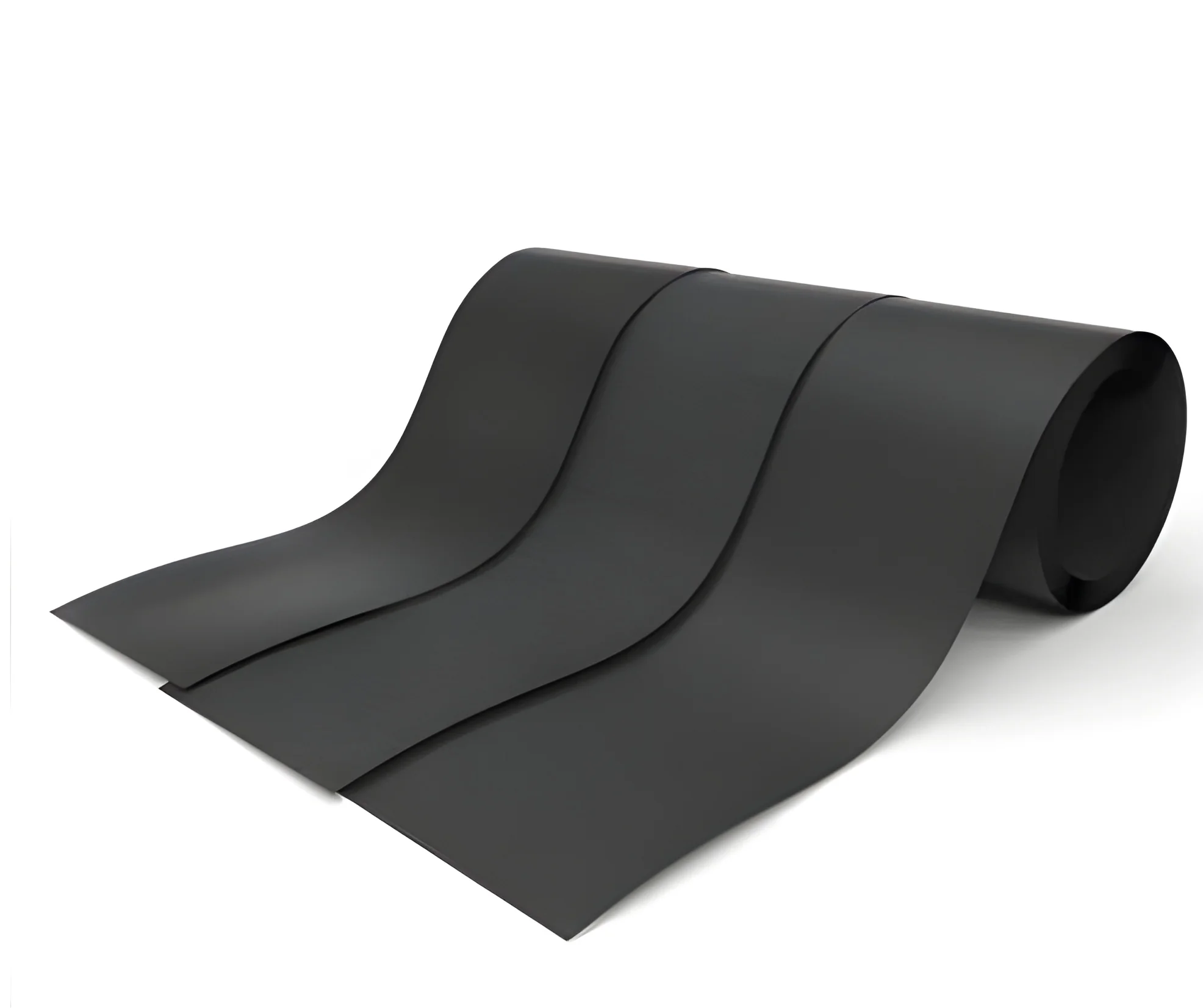
Key Features and Specifications
Thermoplastic Elastomers (TPE) offer a variety of features and specifications that appeal to industries looking for reliable materials. These specifications help manufacturers select the right TPE for their specific applications.
Key specifications include:
1. Hardness
- Measured in Shore A or Shore D durometer scales
- Ranges typically from 20 Shore A to 80 Shore D
2. Tensile Strength
- Indicates material strength under tension
- Common values range from 5 to 30 MPa
3. Elongation at Break
- Describes material's stretchability before breaking
- Values often range from 300% to 800%
4. Compression Set
- Measures the ability to recover after deformation
- Usually less than 30% after 22 hours at 70°C
5. Temperature Resistance
- Performance under varying temperatures
- Generally suitable from -40°C to 120°C
6. Chemical Resistance
- Resistance to oils, greases, and solvents
- Varies by formulation; specific data often available from suppliers
7. UV Resistance
- Ability to withstand ultraviolet light exposure
- Important for outdoor applications; varies by grade
8. Compliance with Regulatory Standards
- Many TPEs meet industry-specific regulations
- Certification often includes CE and other relevant standards
In summary, TPEs are complex materials with a broad range of specifications that cater to different industrial needs. Understanding these specifications helps businesses make informed decisions when selecting TPEs for their applications.
Common Applications and Use Cases
Thermoplastic Elastomers (TPE) are employed in various industries due to their versatile properties.
1. Automotive: TPEs are used for sealing systems, gaskets, and flexible connectors due to their durability and weather resistance.
2. Consumer Goods: Items such as grips, handles, and soft-touch surfaces often utilize TPEs for their comfort and aesthetic appeal.
3. Medical: TPEs are ideal for medical devices and tubing, providing biocompatibility and sterilization capabilities.
4. Electronics: TPEs are employed in cable insulation and components, offering flexibility and resistance to chemicals.
5. Industrial: TPEs are used in various industrial applications, including conveyor belts and vibration damping components.
6. Footwear: TPEs can be found in shoe soles and components, providing comfort and durability.
7. Toys: Many toys are made from TPEs, ensuring safety and flexibility for children.
In summary, TPEs are widely used across industries, making them essential in the production of various products that require flexibility and durability.
Product Variants and Subcategories
Thermoplastic Elastomers (TPE) come in various formulations, each designed to meet specific application needs.
TPE-S (Styrenic Block Copolymers)
This variant is known for its excellent elasticity and is often used in consumer goods and medical applications. TPE-S offers a good balance of hardness and flexibility, making it suitable for a range of products.
TPE-O (Olefinic Thermoplastic Elastomers)
TPE-O is characterized by its chemical resistance and high-temperature performance. It is commonly used in automotive and industrial applications, where exposure to oils and high temperatures is a concern.
TPE-U (Thermoplastic Polyurethane Elastomers)
This variant provides superior abrasion resistance and is often used in applications that require durability, such as sporting goods and industrial components.
TPE-E (Thermoplastic Copolyester Elastomers)
TPE-E is known for its excellent impact strength and flexibility. It is frequently used in applications requiring high resilience, such as consumer electronics.
Benefits and Advantages
Choosing Thermoplastic Elastomers (TPE) provides several advantages for businesses seeking reliable materials.
Key benefits include:
1. Versatility: TPEs can be tailored for various applications, making them suitable for a wide range of industries.
2. Ease of Processing: TPEs can be easily molded and shaped, reducing production times and costs.
3. Recyclability: Unlike traditional rubber, TPEs can be recycled, contributing to sustainability efforts.
4. Durability: TPEs offer excellent resistance to wear, chemicals, and environmental factors, enhancing product lifespan.
5. Cost-Effectiveness: TPEs often provide a more economical solution compared to traditional materials without sacrificing performance.
6. Customizability: TPEs can be formulated to meet specific performance requirements, allowing for tailored solutions.
In summary, TPEs offer numerous advantages that make them an attractive choice for manufacturers looking to enhance their product offerings.
Buying Guide for B2B Buyers
When sourcing Thermoplastic Elastomers (TPE), businesses should consider several key factors to ensure they select the right material for their needs.
1. Quality Assessment: Look for TPEs that meet industry-specific quality standards. Verify the manufacturer’s certifications and track record to ensure high-quality production.
2. Supplier Verification: Vet suppliers thoroughly by checking their reputations, customer reviews, and past projects. Building relationships with reliable suppliers can lead to better pricing and consistency.
3. Pricing and MOQ: Understand the pricing structure and minimum order quantities (MOQ) set by suppliers. Compare costs across different suppliers to find competitive pricing.
4. Delivery and Lead Times: Assess the logistics capabilities of suppliers, including their ability to meet delivery deadlines and manage lead times effectively.
5. Compliance Requirements: Ensure that the TPEs comply with relevant regulatory standards in your industry, such as CE certification or other applicable regulations.
In conclusion, a thorough understanding of these factors will help B2B buyers make informed decisions when sourcing Thermoplastic Elastomers.
Compliance and Certifications
Thermoplastic Elastomers (TPE) are subject to various quality standards and certifications that ensure safety, performance, and environmental compliance.
Relevant quality standards such as ISO 9001 emphasize the importance of a quality management system for manufacturers. Adherence to these standards helps ensure consistent product quality and reliability.
Industry certifications, such as CE, indicate that TPEs comply with European safety standards. This is crucial for applications in sectors like medical and automotive, where compliance with safety regulations is essential.
Safety and testing requirements are also critical in ensuring that TPEs are safe for use in various applications. Manufacturers may conduct testing for physical properties, chemical resistance, and other performance metrics to meet industry standards.
Regional compliance considerations should not be overlooked. Different regions may have specific regulations governing the use of materials like TPEs. Understanding these requirements is vital for businesses operating in multiple markets.
Why Source Thermoplastic Elastomers (TPE) from Pepagora?
Pepagora provides a trusted platform for sourcing Thermoplastic Elastomers (TPE) with several key advantages that cater to B2B buyers.
Verified Supplier Network: Pepagora ensures that all suppliers within the network are thoroughly vetted. This verification process helps maintain high standards of quality and reliability, providing buyers with confidence in their sourcing decisions.
Streamlined RFQ Process: The request for quotation (RFQ) process on Pepagora is designed to be efficient and user-friendly. Buyers can quickly submit their requirements and receive competitive quotes from multiple suppliers, saving time and effort.
Trade Assurance and Support: Pepagora offers trade assurance programs that protect buyers during transactions. This support ensures that buyers can transact with peace of mind, knowing they are covered in case of disputes.
Regional Coverage: With a strong presence in regions such as India, the GCC, and Southeast Asia, Pepagora facilitates easy access to suppliers and manufacturers. This geographic reach allows businesses to effectively tap into local markets and meet their sourcing needs.
In summary, sourcing Thermoplastic Elastomers (TPE) through Pepagora provides businesses with a reliable, efficient, and supportive platform to meet their material needs.

 IN
IN