What are Recycled HDPE Granules?
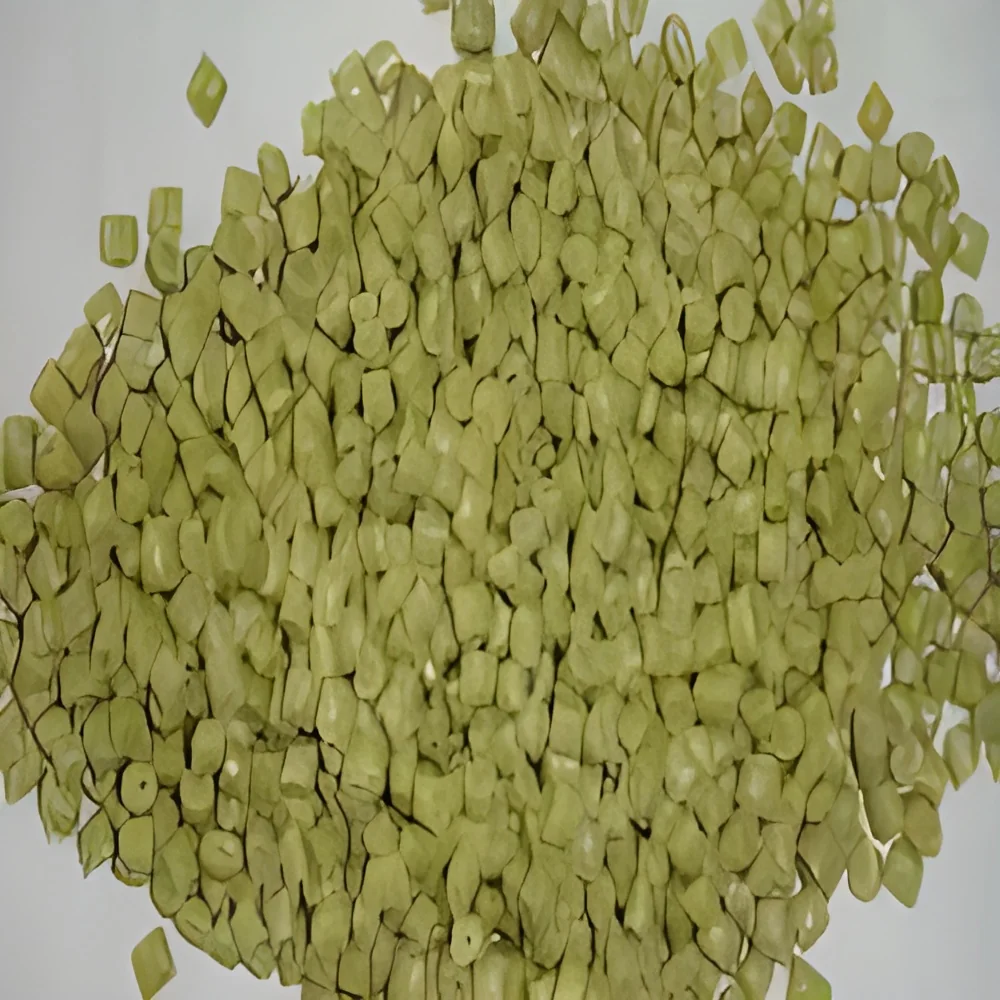
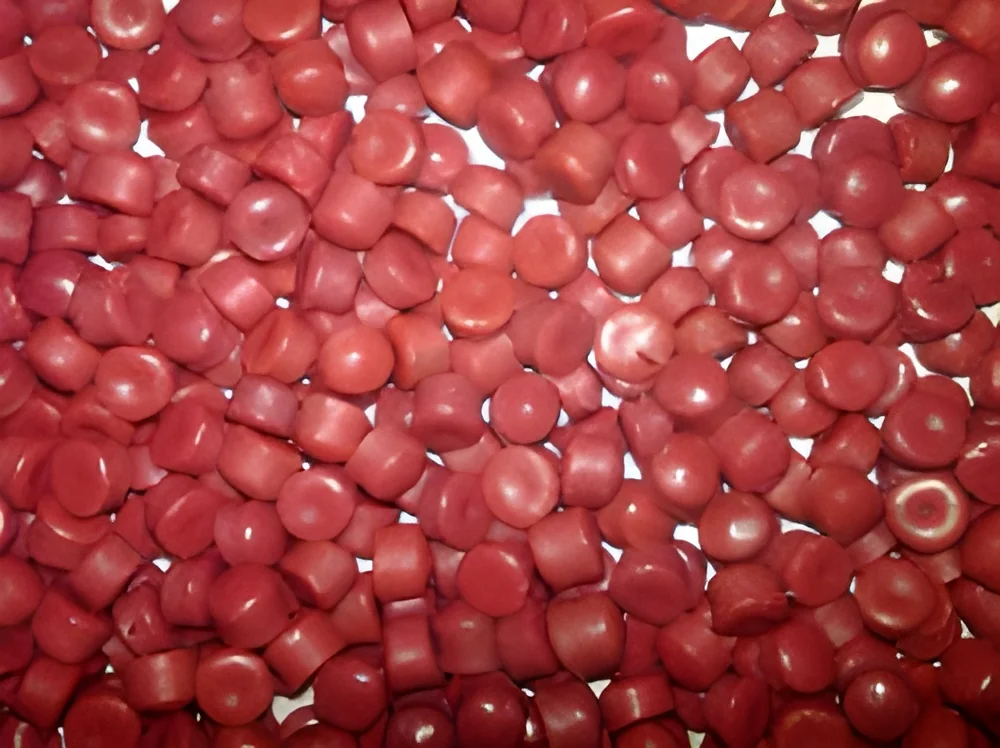
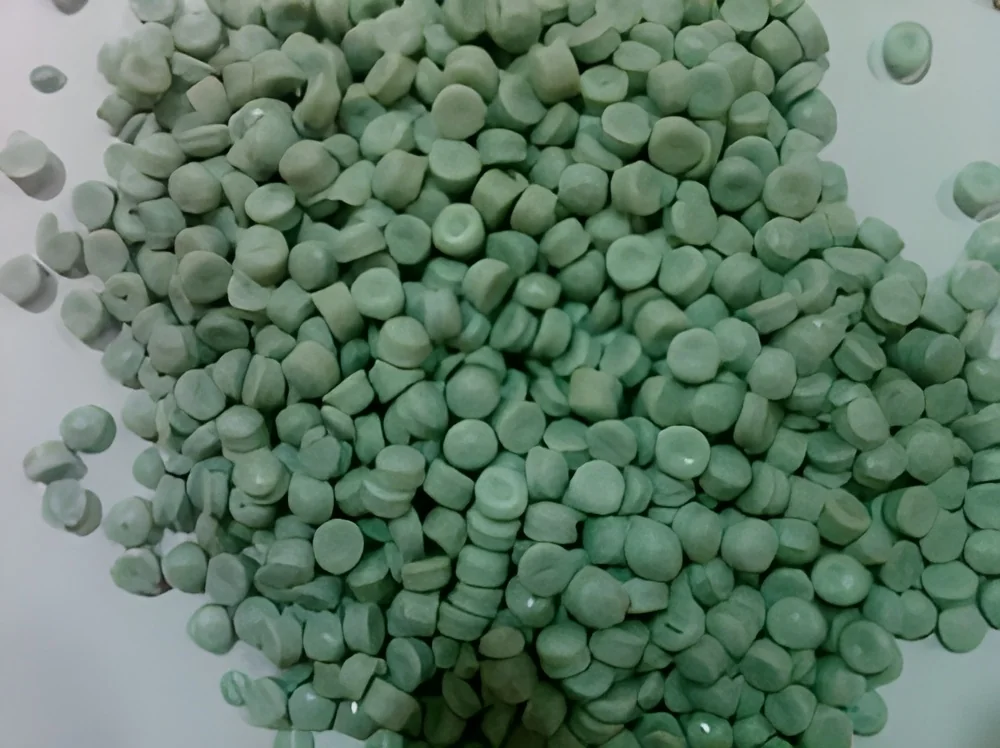
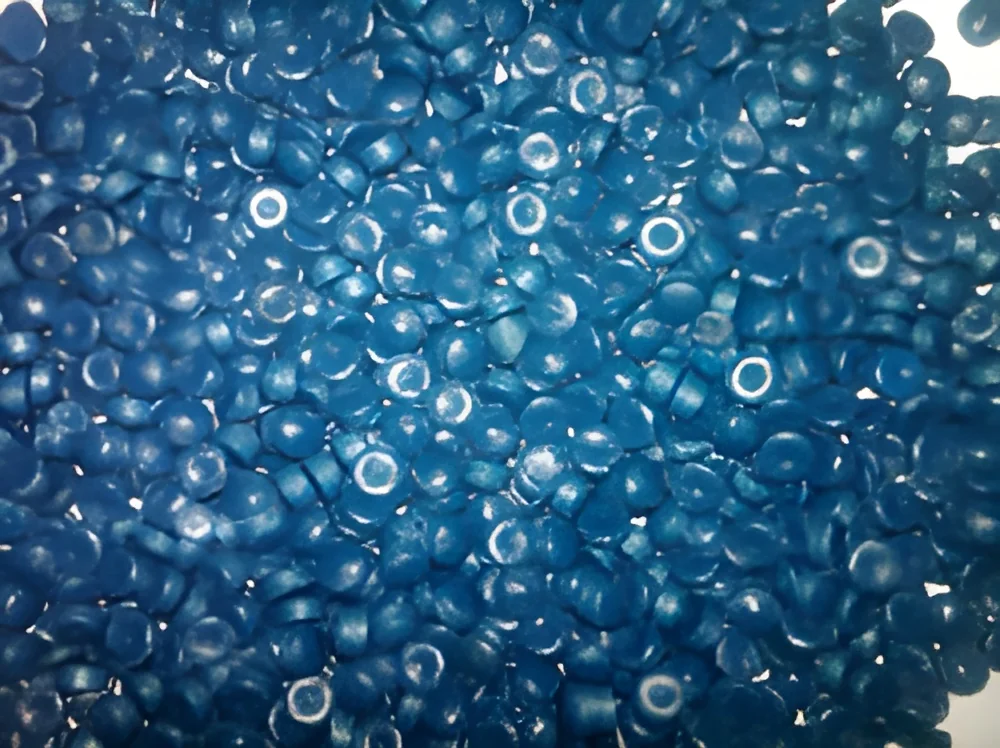
Recycled HDPE granules are small plastic pellets made from post-consumer high-density polyethylene (HDPE) materials. The recycling process involves collecting, cleaning, and processing used HDPE products, such as bottles and containers, into granules that can be reused in manufacturing. These granules maintain many of the desirable properties of virgin HDPE, making them suitable for various applications across multiple industries.
The primary uses of recycled HDPE granules include the production of new plastic products, packaging materials, and construction components. Businesses utilize these granules to create items like bottles, plastic bags, and durable goods. The demand for recycled HDPE is increasing as companies focus on sustainability and reducing their environmental impact. In a market where plastic waste is a growing concern, recycled HDPE granules offer an eco-friendly alternative to virgin materials.
Recycled HDPE granules are becoming increasingly relevant in industries such as packaging, automotive, and construction. As businesses strive to meet regulatory requirements and consumer expectations for sustainable practices, the market for recycled materials continues to expand. This shift presents opportunities for companies to enhance their product offerings while contributing positively to the environment.
Key Features and Specifications
Recycled HDPE granules are known for their durability, resistance to impact, and versatility in applications. Understanding their specifications is essential for manufacturers who wish to utilize these materials effectively.
Key specifications include:
1. Density
- Typically ranges from 0.93 to 0.97 g/cm³
- Affects the weight and durability of final products
2. Melt Flow Index (MFI)
- Generally between 1 to 10 g/10 min
- Indicates the flow characteristics during processing
3. Color
- Available in natural and various colors
- Allows for customization based on client needs
4. Moisture Content
- Usually less than 0.5%
- Ensures optimal processing and quality
5. Tensile Strength
- Ranges from 20 to 30 MPa
- Reflects the strength of the material under tension
6. Impact Resistance
- High resistance to impact
- Essential for products that require durability
7. Thermal Stability
- Can withstand temperatures up to 120°C
- Important for applications involving heat exposure
8. Compliance with Standards
- Must meet industry standards (details not available)
- Ensures quality and safety for end-users
In summary, understanding the key features and specifications of recycled HDPE granules helps businesses select the right material for their production needs, ensuring quality and performance in their final products.
Common Applications and Use Cases
Recycled HDPE granules find applications in numerous industries due to their versatility and eco-friendly benefits.
1. Packaging: Recycled HDPE is widely used to manufacture bottles, containers, and packaging films, offering an environmentally responsible solution for the packaging sector.
2. Automotive: These granules are used in producing parts like dashboards, interior panels, and other components, contributing to lighter and more sustainable vehicles.
3. Construction: Recycled HDPE is utilized in applications such as piping, plastic lumber, and insulation materials, providing durable alternatives for building projects.
4. Consumer Goods: Manufacturers use recycled HDPE to create household items, toys, and furniture, capitalizing on its strength and durability.
5. Agriculture: The granules are employed in producing agricultural films and containers, helping to promote sustainable farming practices.
6. Electronics: Recycled HDPE is used in the production of casings and components for electronic devices, supporting eco-friendly technology solutions.
7. Marine Applications: These granules are utilized in making products for marine environments, such as boat components and dock materials, owing to their resistance to water and UV radiation.
Product Variants and Subcategories
Recycled HDPE granules are available in different variants to cater to specific industrial needs.
Natural Recycled HDPE Granules
This variant is characterized by its natural color and is commonly used in applications where color is not a concern. It maintains high strength and is widely used in various manufacturing processes.
Colored Recycled HDPE Granules
These granules come in a range of colors, allowing manufacturers to produce visually appealing products without the need for additional coloring processes. They are ideal for packaging and consumer goods.
Benefits and Advantages
Recycled HDPE granules offer numerous advantages for businesses looking to enhance their product lines and sustainability efforts.
1. Environmental Impact: Utilizing recycled materials helps reduce plastic waste, contributing to a more sustainable future.
2. Cost-Effectiveness: Recycled HDPE granules are often more affordable than virgin materials, allowing businesses to lower production costs.
3. Versatility: The material can be used in a wide range of applications, making it suitable for diverse industries.
4. Quality Performance: Recycled HDPE granules retain desirable properties such as strength and durability, ensuring quality in final products.
5. Market Demand: There is a growing consumer preference for sustainable products, making recycled HDPE an attractive option for manufacturers.
6. Compliance: Using recycled materials can help companies meet regulatory requirements and sustainability goals.
Buying Guide for B2B Buyers
When sourcing recycled HDPE granules, it is essential for B2B buyers to consider several factors to ensure they make informed decisions.
1. Quality Assessment: Evaluate the quality of recycled HDPE granules by checking for certifications and standards that guarantee performance and safety.
2. Supplier Verification: Conduct thorough research on potential suppliers to ensure they have a reliable track record and adhere to industry standards.
3. Pricing and MOQ: Consider the pricing of recycled HDPE granules and be aware of minimum order quantities that may affect purchasing decisions.
4. Delivery and Lead Times: Understand the logistics involved, including delivery schedules and lead times, to ensure timely production.
5. Compliance Requirements: Be familiar with any regulatory compliance requirements relevant to the use of recycled materials in your industry.
Compliance and Certifications
Recycled HDPE granules must adhere to various quality standards and certifications to ensure safety and performance in applications.
Relevant quality standards include ISO 9001, which focuses on quality management systems, ensuring that products meet customer and regulatory requirements.
Industry certifications such as UL and CE indicate that the materials have been tested and meet safety and performance standards. These certifications are crucial for gaining customer trust and ensuring product reliability.
Safety and testing requirements are critical in the production of recycled HDPE granules. Manufacturers must ensure that their products do not contain harmful contaminants and that they perform well under specified conditions.
Additionally, regional compliance considerations may vary based on local regulations governing the use of recycled materials. Understanding these regulations is essential for businesses operating in multiple regions.
Why Source Recycled HDPE Granules from Pepagora?
Pepagora provides a trusted platform for sourcing recycled HDPE granules, offering several key advantages for businesses.
Verified Supplier Network: Pepagora features a network of verified suppliers who adhere to industry standards, ensuring that buyers receive high-quality products.
Streamlined RFQ Process: The request for quotation (RFQ) process on Pepagora is designed to be efficient, allowing buyers to easily compare offers and select the best options.
Trade Assurance and Support: Pepagora offers buyer protection through trade assurance, providing support throughout the purchasing process to ensure satisfaction.
Regional Coverage: With a strong presence in India, the GCC, and Southeast Asia, Pepagora connects buyers with suppliers across these regions, enhancing accessibility to recycled HDPE granules.

 IN
IN