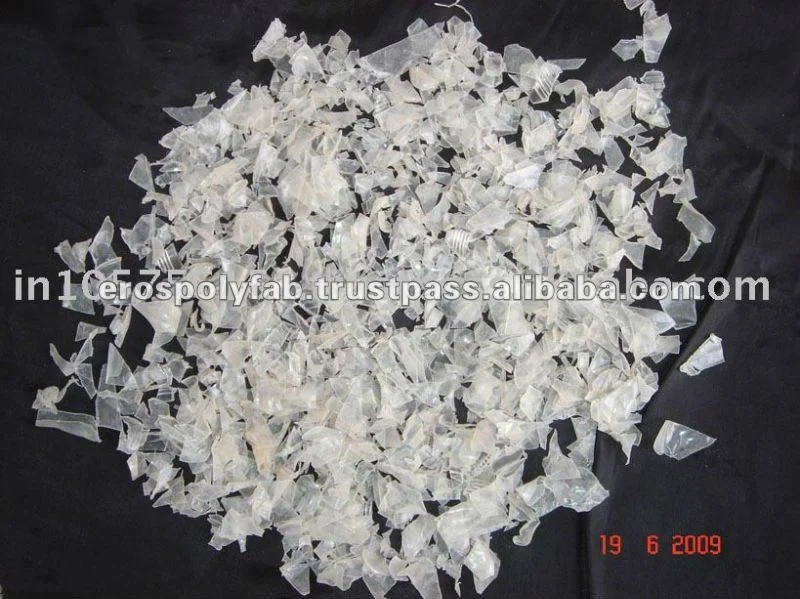
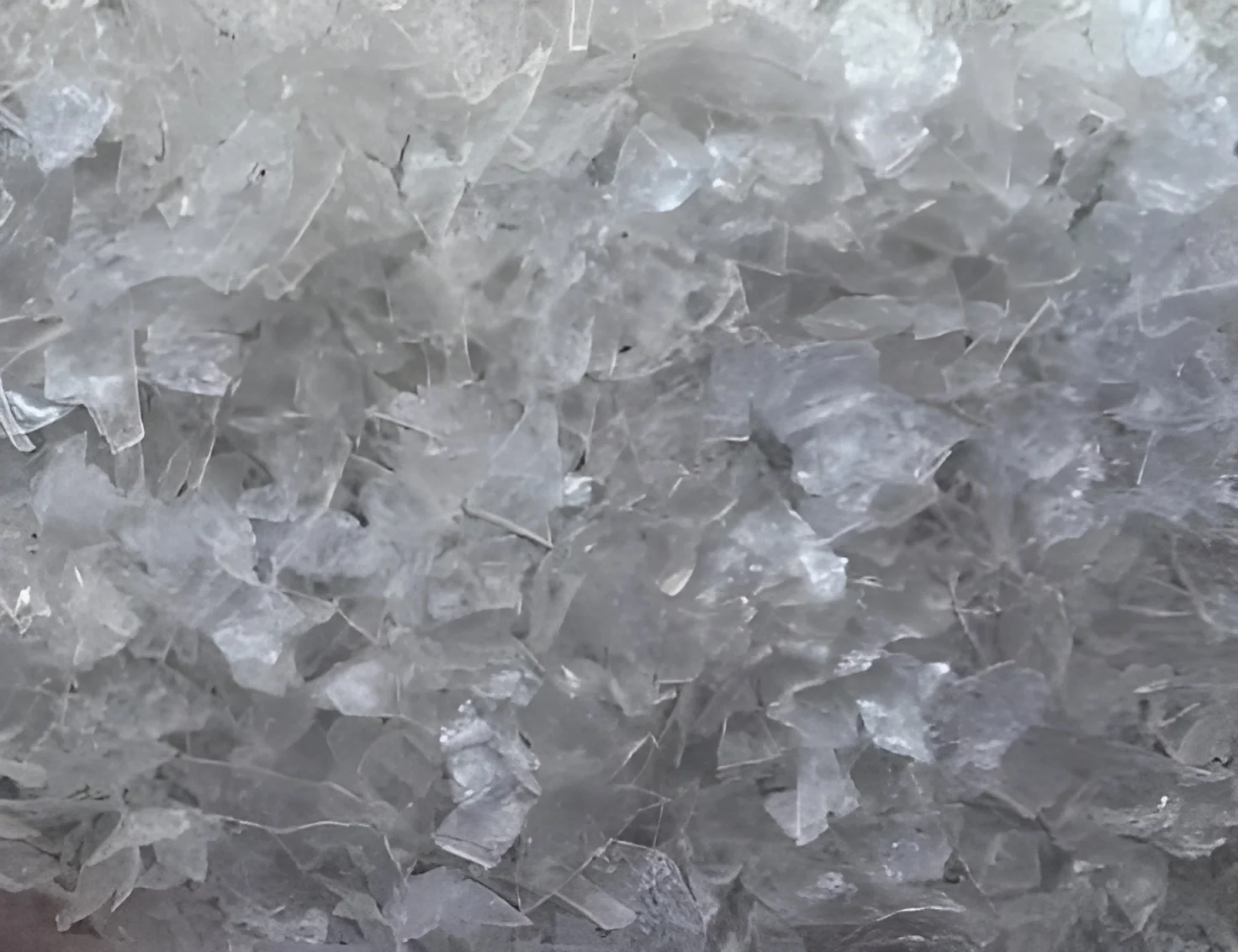
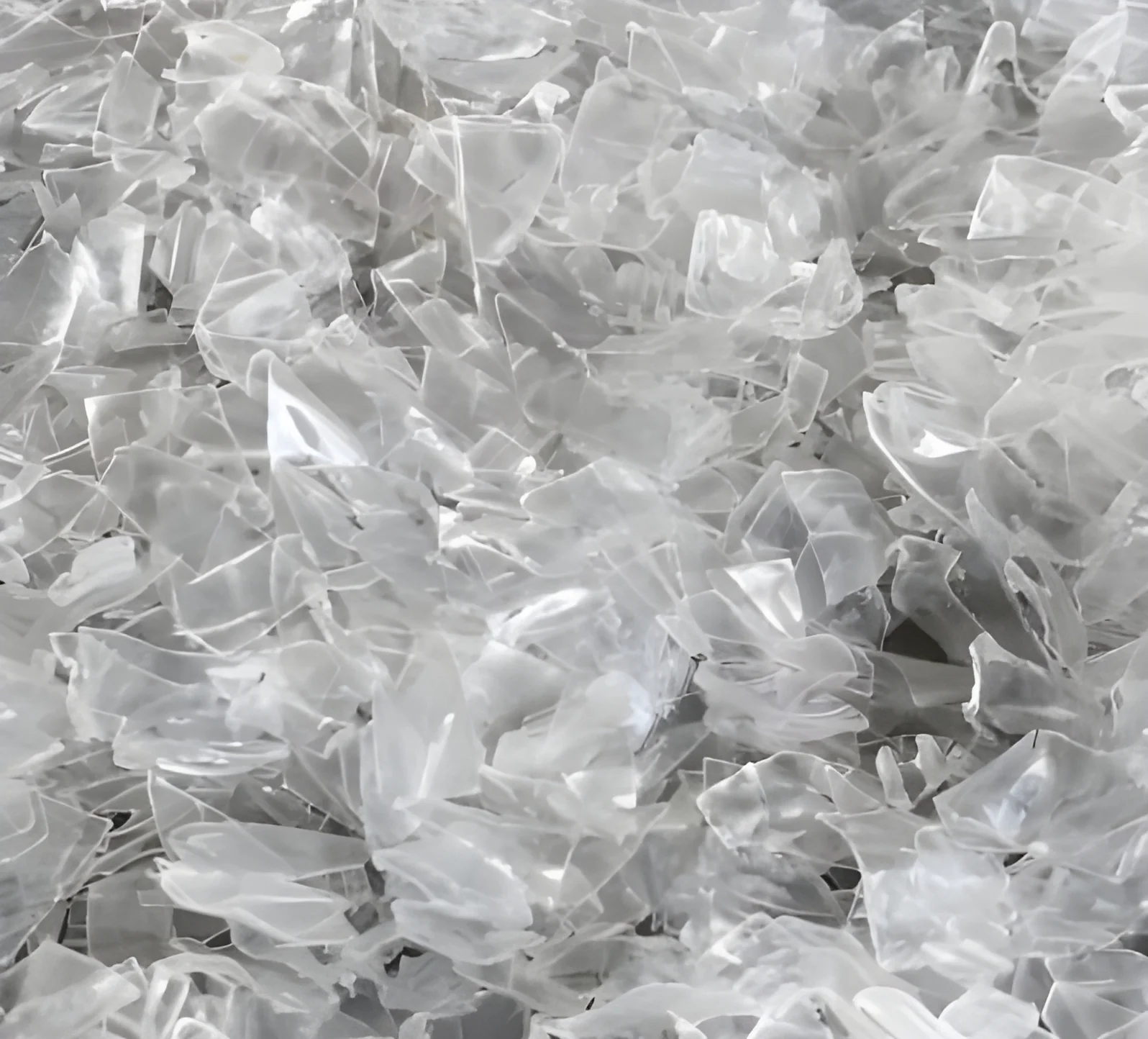
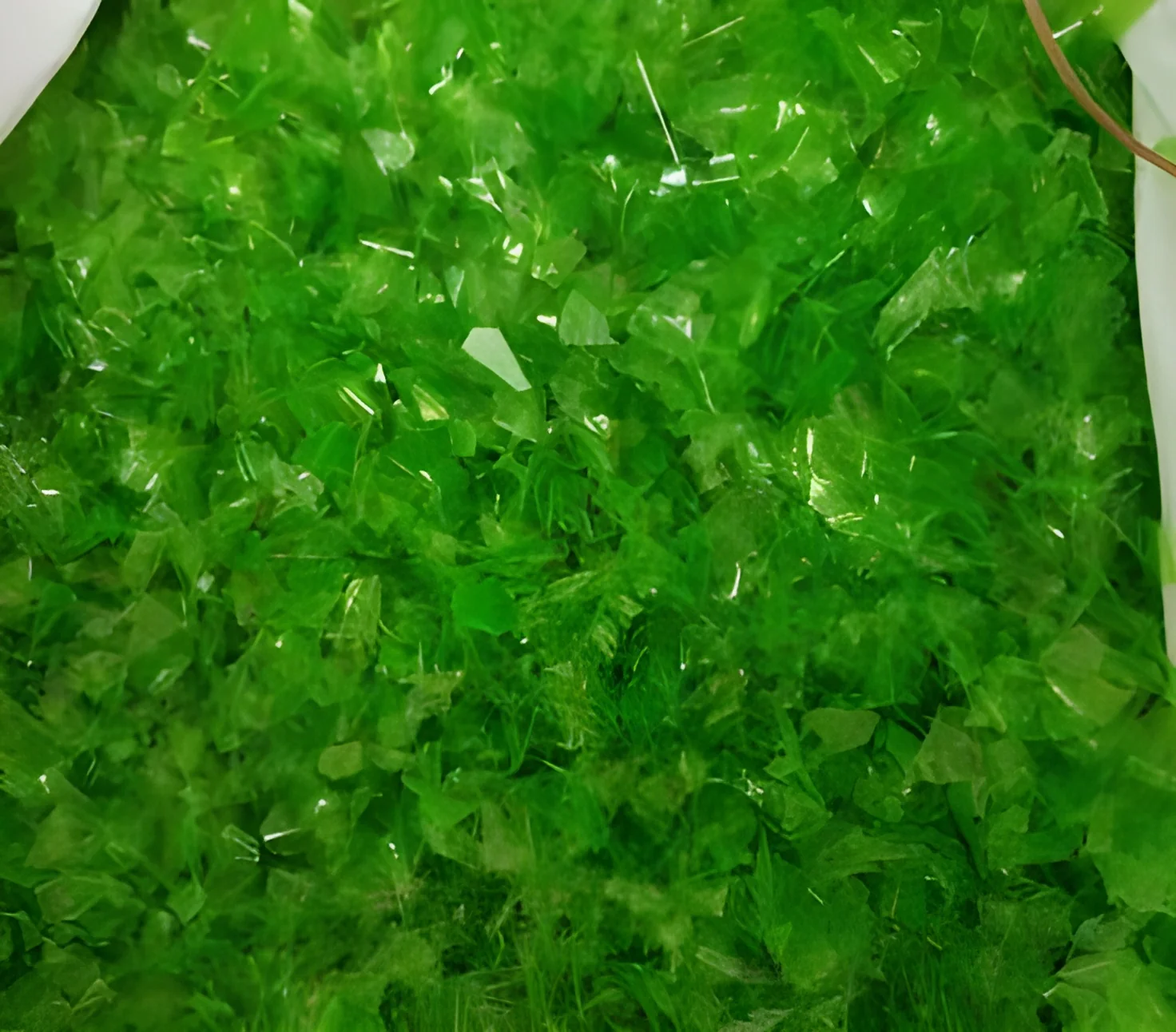
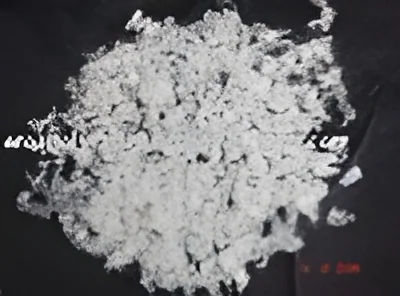
What are Recycled PET Flakes?
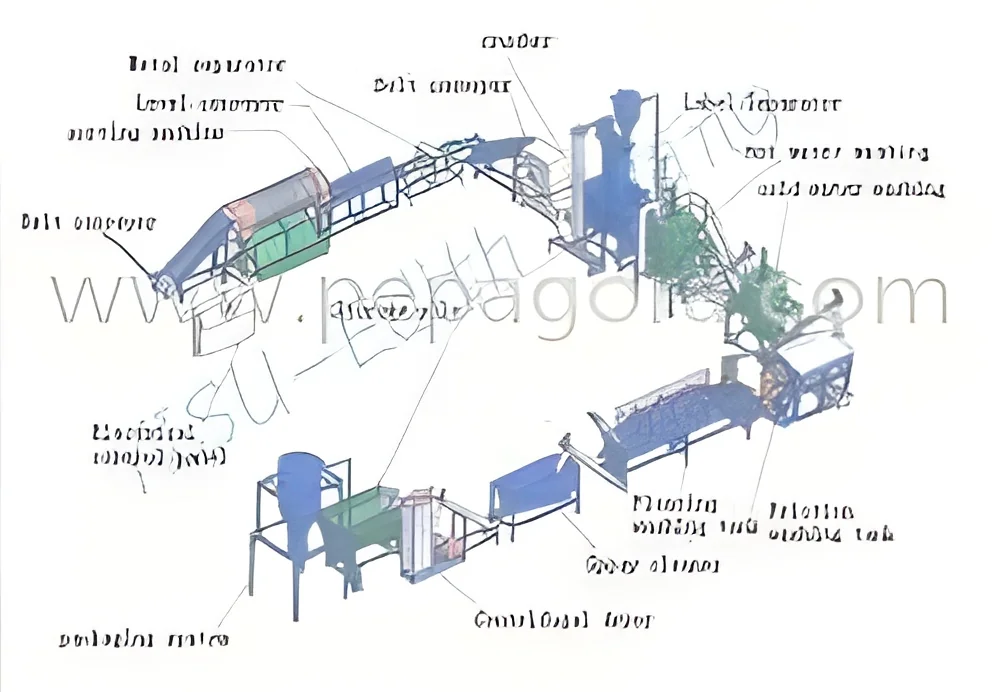
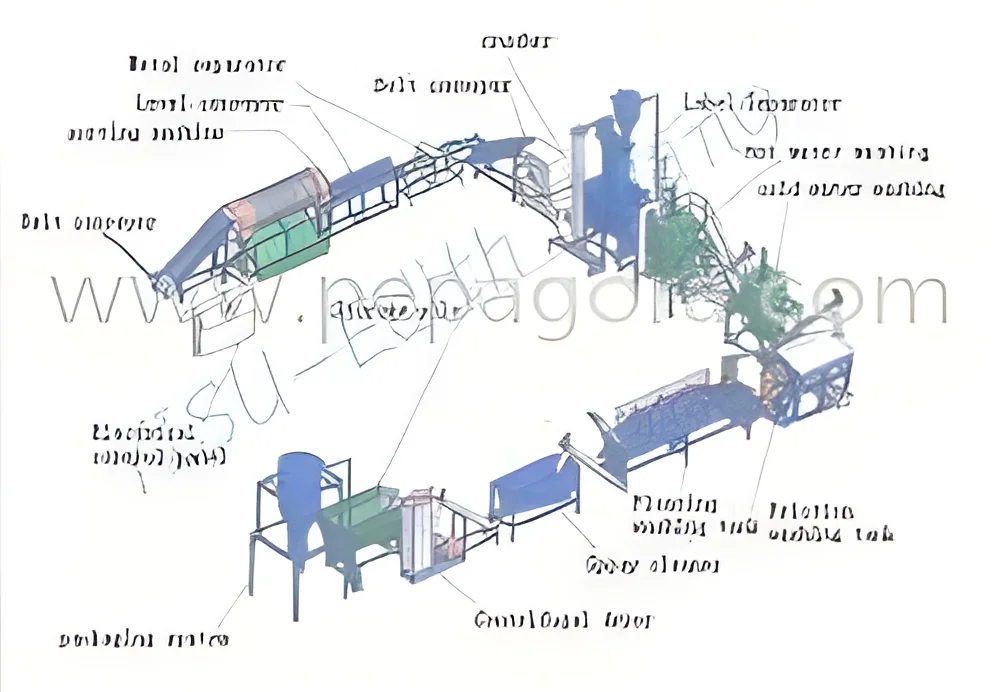
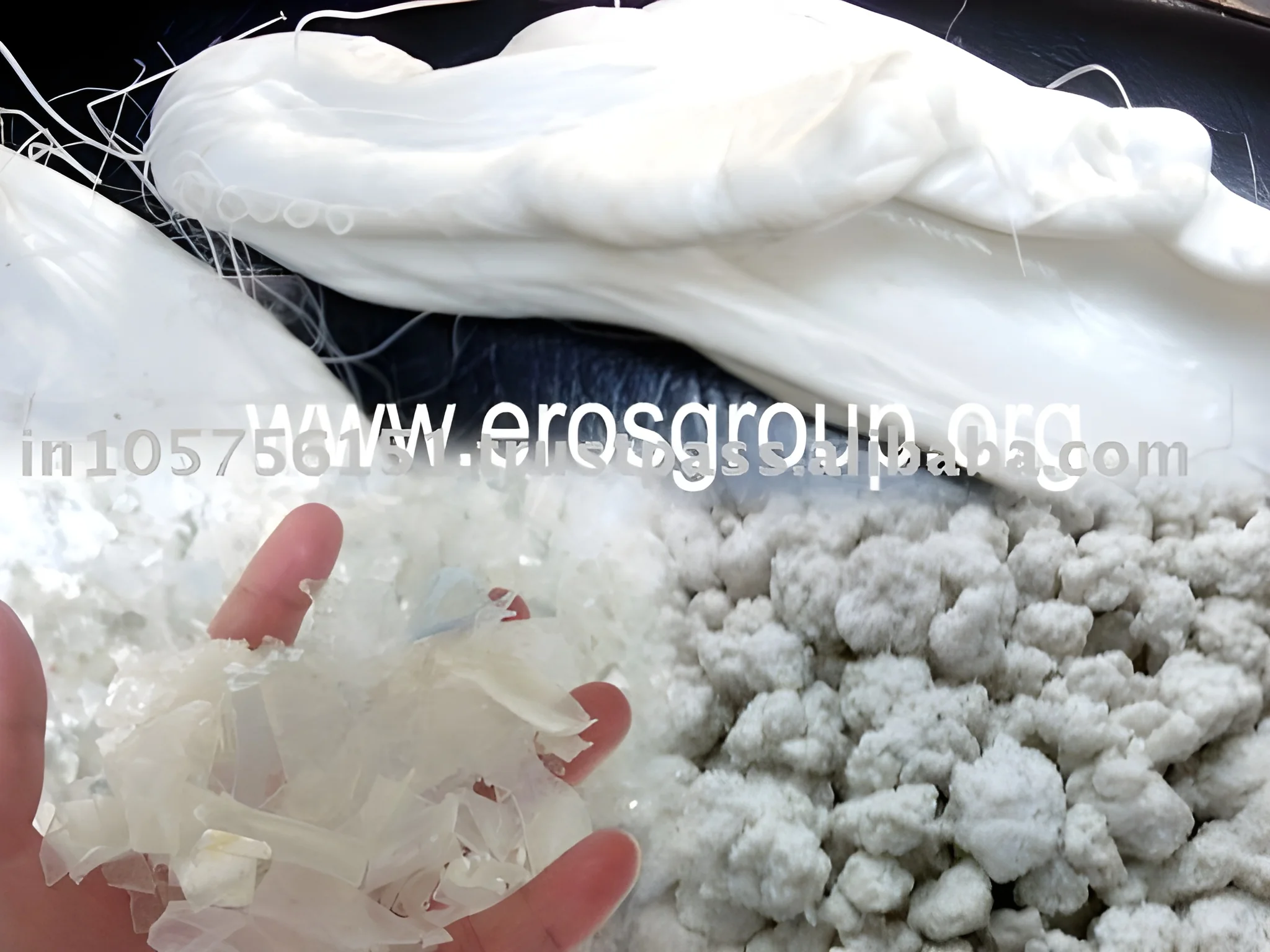
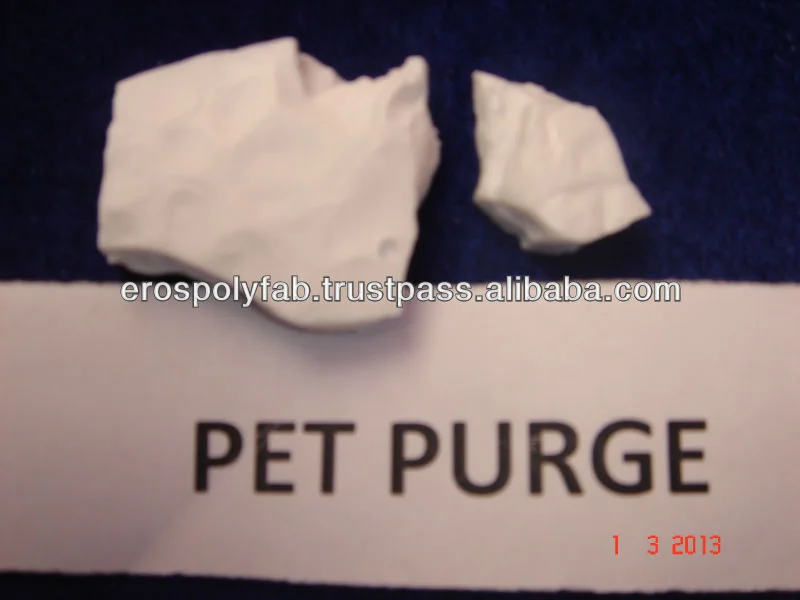
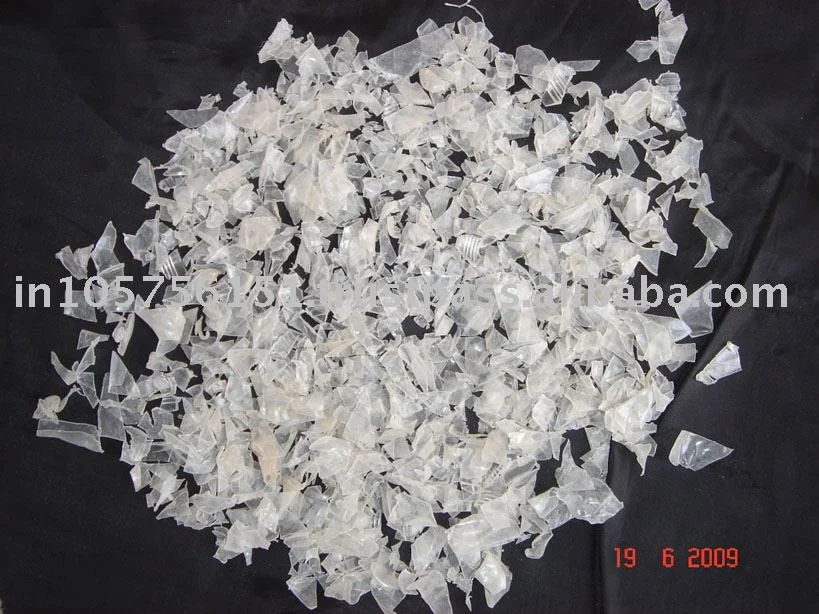
Recycled PET flakes are small pieces of recycled polyethylene terephthalate, a type of plastic commonly used in packaging and textiles. This material is derived from post-consumer PET products, such as plastic bottles and containers, which are collected, cleaned, and processed into flakes. The recycling process not only reduces waste but also conserves resources by repurposing materials that would otherwise end up in landfills.
Recycled PET flakes are widely used in various industries, including packaging, textiles, and manufacturing. Businesses utilize these flakes to produce new PET products, such as bottles, containers, and fibers for clothing. The versatility of recycled PET flakes allows companies to incorporate sustainable practices into their operations, meeting consumer demand for eco-friendly products. As the global focus on sustainability intensifies, the market for recycled materials, including PET flakes, continues to grow, making them an essential component in many supply chains.
Key Features and Specifications
Recycled PET flakes offer numerous features that make them suitable for various applications. The specifications of these flakes can vary based on their processing and intended use. Understanding these features is critical for businesses looking to source quality materials.
Key specifications include:
1. Color
- Typically available in clear, green, and blue variations
- Color can impact the end product's aesthetic and marketability
2. Flake Size
- Available in various sizes, generally ranging from 1 mm to 10 mm
- Size affects the melting process and the quality of the final product
3. Purity Level
- High purity levels are essential for food-grade applications
- Purity is often assessed through contaminant testing
4. Moisture Content
- Typically kept below 1% to prevent degradation during processing
- Essential for maintaining the quality of final products
5. Bulk Density
- Generally ranges from 0.5 to 0.8 g/cm³
- Influences transportation and storage efficiency
6. Melt Flow Index (MFI)
- Indicates the flowability of the material during processing
- Critical for determining processing conditions in manufacturing
7. Odor
- Should be minimal to ensure product quality, especially in food applications
- Assessing odor levels helps in maintaining compliance with safety standards
8. Compliance with Standards
- Must meet industry standards such as CE certification for safety
- Ensures suitability for various applications and markets
In summary, these specifications play a vital role in determining the suitability of recycled PET flakes for different applications, making it essential for buyers to evaluate these features carefully.
Common Applications and Use Cases
Recycled PET flakes find applications across several industries, showcasing their versatility and eco-friendly nature.
1. Packaging: Recycled PET flakes are commonly used to produce new bottles and containers, significantly reducing the need for virgin plastic. This helps companies meet sustainability goals and regulatory requirements.
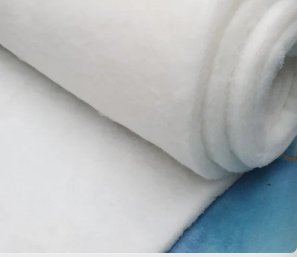
2. Textiles: The fashion industry utilizes recycled PET flakes to create fibers for clothing, carpets, and other textile products. This reduces reliance on fossil fuel-derived fibers and promotes circular economy practices.
3. Automotive: In the automotive sector, recycled PET flakes are used in the manufacturing of interior components and insulation materials, contributing to lighter and more sustainable vehicle designs.
4. Construction: These flakes can be incorporated into construction materials, such as insulation panels and roofing products, enhancing their sustainability profile.
5. Consumer Goods: Recycled PET flakes are employed in producing various everyday items, including containers, trays, and other household products, catering to environmentally conscious consumers.
6. Electronics: Some electronic products use recycled PET in their housings and components, aligning with green initiatives in the tech industry.
7. Agriculture: Recycled PET flakes can be used to produce agricultural films and containers, supporting sustainable agricultural practices.
Product Variants and Subcategories
Recycled PET flakes come in various forms, each suited for specific applications and industries.
Clear Recycled PET Flakes: These flakes are typically used in food packaging due to their high purity and visual appeal. They are essential for companies looking to maintain a transparent supply chain.
Colored Recycled PET Flakes: Available in several colors, these flakes are often used in non-food packaging and textile applications. The color can enhance the aesthetic quality of the final product.
High-Purity Recycled PET Flakes: Specifically processed for applications requiring stringent safety standards, such as food and beverage containers, these flakes ensure compliance with health regulations.
Low-Odor Recycled PET Flakes: Designed for use in sensitive applications, these flakes minimize odor to meet the needs of the food and cosmetic industries.
Benefits and Advantages
Recycled PET flakes offer several benefits that make them attractive to businesses across various sectors.
1. Environmental Impact: Using recycled PET flakes significantly reduces plastic waste and lessens the environmental footprint of production processes.
2. Cost Efficiency: Sourcing recycled materials can lower production costs compared to using virgin materials, especially as demand for sustainable products rises.
3. Quality: High-quality recycled PET flakes can match or even exceed the performance of virgin materials in many applications, ensuring customer satisfaction.
4. Brand Image: Companies utilizing recycled materials can enhance their brand image by appealing to environmentally conscious consumers and stakeholders.
5. Regulatory Compliance: Sourcing recycled PET flakes helps businesses meet environmental regulations and sustainability goals, making them more competitive in the market.
6. Versatility: The wide range of applications for recycled PET flakes allows businesses to diversify their product offerings, tapping into various markets.
Buying Guide for B2B Buyers
When sourcing recycled PET flakes, businesses should consider several important factors to ensure they make informed decisions.
1. Quality Assessment: Evaluate the quality of recycled PET flakes by reviewing purity levels, moisture content, and compliance with industry standards. Request sample testing to ensure they meet specific application requirements.
2. Supplier Verification: Vet potential suppliers by checking their certifications and reputation in the market. Establishing a reliable supplier network is crucial for maintaining product quality and consistency.
3. Pricing and MOQ: Understand the pricing structure and minimum order quantities (MOQ) before making a purchase. Compare quotes from different suppliers to ensure you get the best deal.
4. Delivery and Lead Times: Consider logistics, including delivery times and shipping costs. Reliable suppliers should provide clear timelines for product availability.
5. Compliance Requirements: Ensure that the recycled PET flakes meet regional compliance standards and certifications. This is important for industries with strict regulations, such as food and beverage.
Compliance and Certifications
Recycled PET flakes must adhere to various quality standards and certifications to ensure safety and reliability in their applications. Key standards include ISO 9001, which outlines quality management systems, and HACCP, which focuses on food safety.
CE certification is also relevant, as it indicates compliance with European safety standards. This is particularly important for companies exporting products to international markets.
Additionally, safety and testing requirements must be met to assess the presence of contaminants and ensure the quality of recycled materials. This may involve routine testing for physical properties and compliance with regional regulations.
Businesses should also consider regional compliance needs, as different markets may have varying standards governing the use of recycled materials. Understanding these requirements is essential for ensuring product acceptance and minimizing legal risks.
Why Source Recycled PET Flakes from Pepagora?
Pepagora serves as a trusted platform for sourcing recycled PET flakes, offering several advantages that cater to B2B buyers.
Verified Supplier Network: Pepagora boasts a network of verified suppliers, ensuring that businesses can source high-quality recycled PET flakes with confidence. Each supplier undergoes a thorough vetting process to guarantee reliability.
Streamlined RFQ Process: The platform features a user-friendly Request for Quotation (RFQ) system, allowing buyers to easily obtain quotes from multiple suppliers. This simplifies the sourcing process and saves time for busy procurement teams.
Trade Assurance and Support: Pepagora provides trade assurance, protecting buyers against potential risks associated with sourcing. The platform also offers support throughout the purchasing process, ensuring a seamless experience.
Regional Coverage: With a strong presence in India, the GCC, and Southeast Asia, Pepagora caters to a diverse range of markets. This geographic reach enables businesses to access recycled PET flakes that meet local needs while promoting sustainability on a larger scale.

 IN
IN