Key Features and Specifications
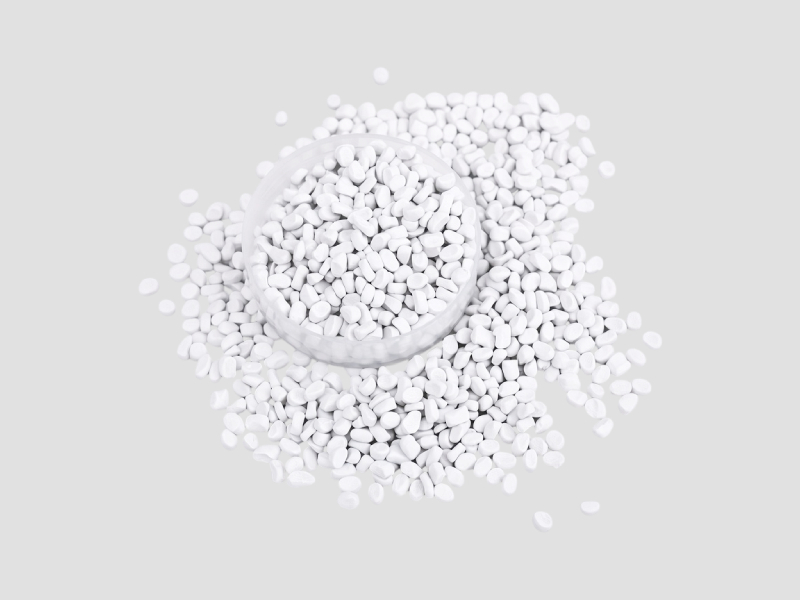
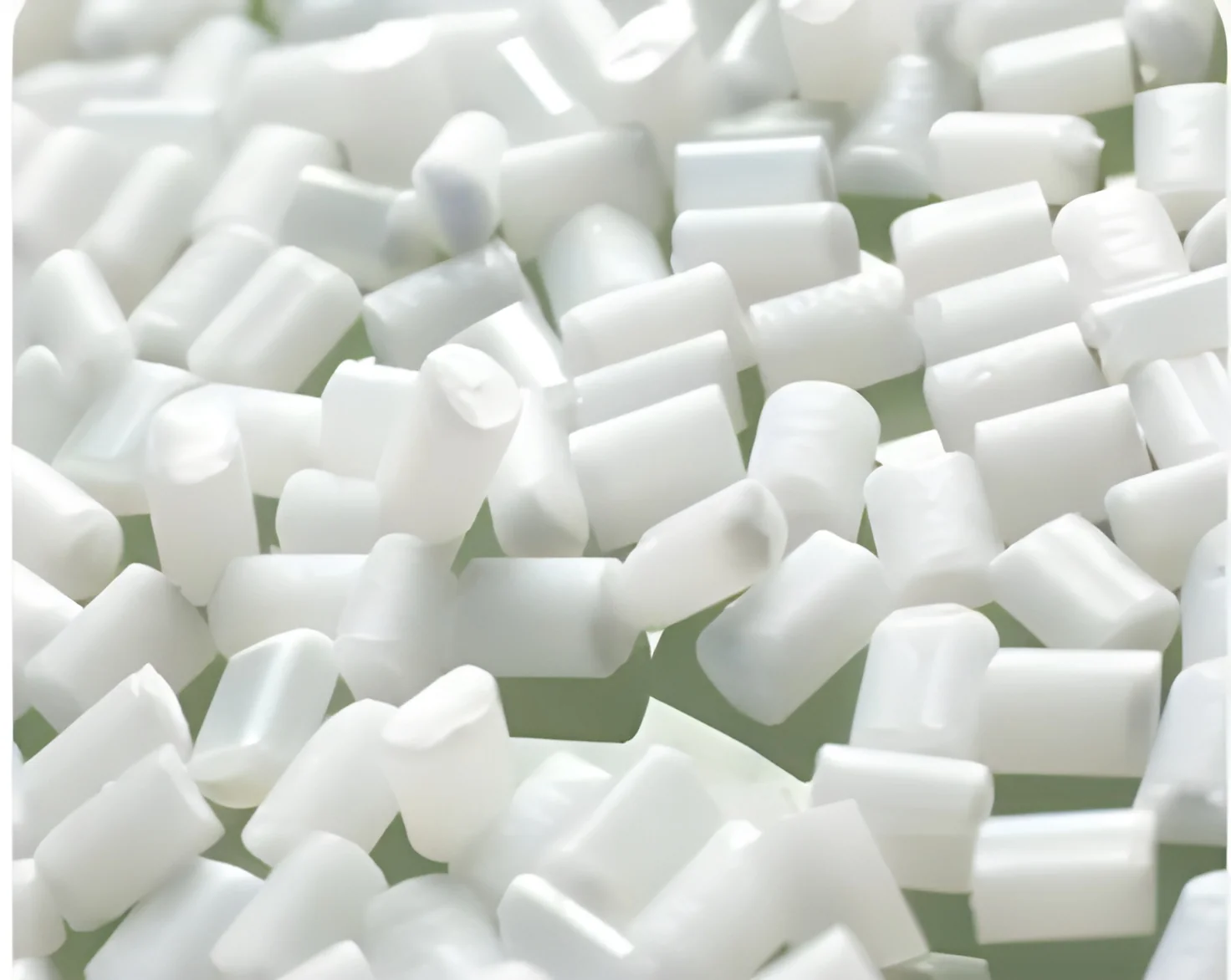
Polystyrene (PS) granules possess several key features that make them attractive for industrial applications. Their properties include durability, lightweight nature, and excellent thermal insulation. Additionally, they can be easily molded and shaped into various forms.
Key specifications include:
1. Density
- Commonly ranges from 0.04 to 1.06 g/cm3.
- Affects the material's strength and insulation properties.
2. Melt Flow Index (MFI)
- Typically between 0.5 to 12 g/10 min.
- Indicates the flow characteristics during processing.
3. Color
- Available in natural, white, and other custom colors.
- Color options can be tailored for specific applications.
4. Thermal Conductivity
- Generally around 0.03 to 0.04 W/mK.
- Important for insulation applications.
5. Impact Resistance
- Varies based on formulation but generally good for most applications.
- Enhances durability in packaging and construction.
6. UV Stability
- Varies by type; some are designed for outdoor use.
- Increases longevity in exposed applications.
7. Chemical Resistance
- Offers moderate resistance to various chemicals.
- Considerations depend on specific application requirements.
8. Compliance Standards
- May need to meet specific industry standards depending on use.
- Essential for applications in sensitive industries like food packaging.
In summary, polystyrene granules are characterized by their lightweight nature, versatility, and various specifications that cater to diverse industrial needs.
Common Applications and Use Cases
Polystyrene (PS) granules are utilized across a wide range of industries due to their versatile properties.
1. Packaging: Polystyrene is extensively used for packaging materials, including containers, protective packaging, and disposable cutlery, thanks to its lightweight and insulating properties.
2. Construction: In the construction industry, PS granules are employed for insulation boards and lightweight fill materials, offering thermal insulation and structural benefits.
3. Electronics: Polystyrene is utilized in the production of electronic components and housings, providing durability and protection for sensitive electronic devices.
4. Food Service: The food industry uses polystyrene for disposable food containers and utensils, benefiting from its lightweight and insulating qualities.
5. Medical Devices: PS granules are used in the manufacturing of medical equipment and supplies, where sterility and safety are paramount.
6. Toys: The toy industry employs polystyrene for manufacturing lightweight and durable toys, appealing to both children and manufacturers.
7. Automotive: Polystyrene is found in various automotive components, contributing to lightweight construction and improved fuel efficiency.
Product Variants and Subcategories
Polystyrene (PS) granules come in various formulations and types to meet specific application needs. This diversity allows businesses to select the most suitable variant for their projects.
General Purpose Polystyrene (GPPS)
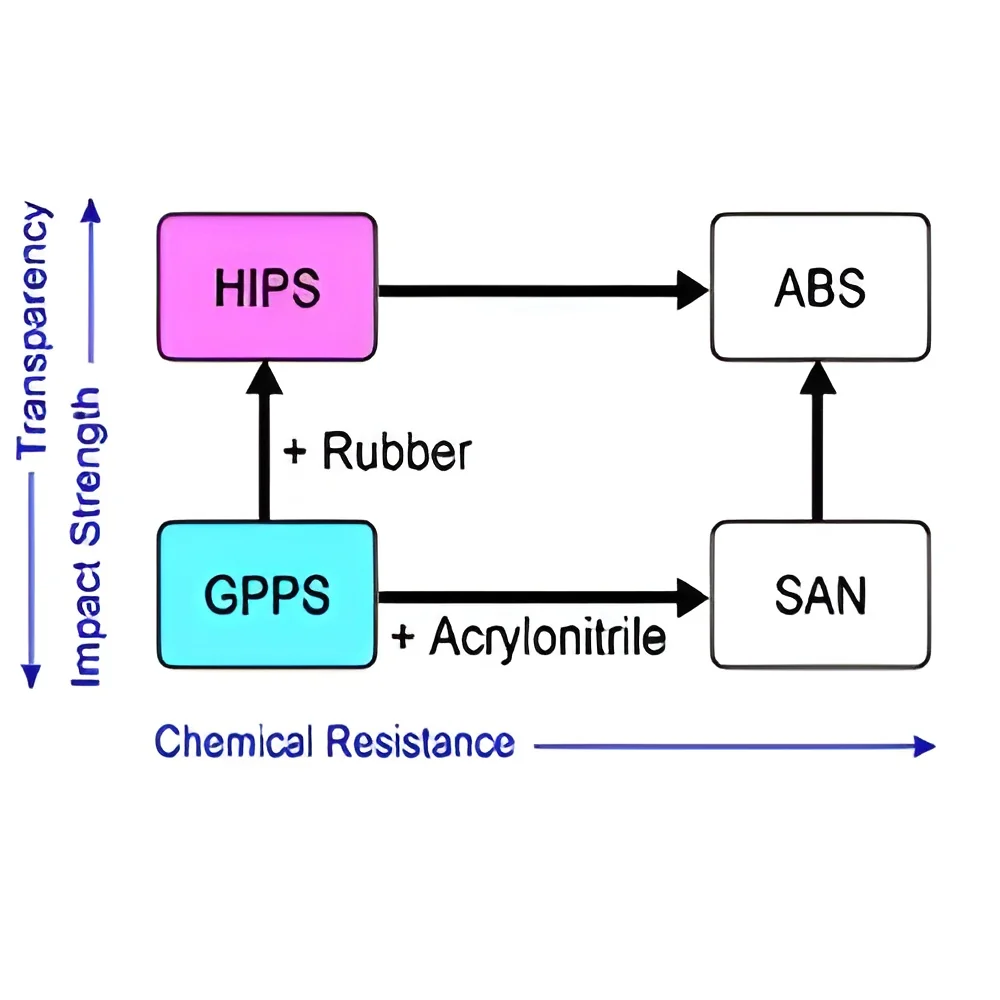
GPPS is a clear, rigid material commonly used in packaging, consumer products, and household items. Its transparency and ease of processing make it a popular choice for manufacturers.
High Impact Polystyrene (HIPS)
HIPS is a modified version of standard polystyrene that offers enhanced impact resistance. It is widely used in applications requiring durability, such as electronic housings and automotive parts.
Expanded Polystyrene (EPS)
EPS is a lightweight, foamed version of polystyrene known for its excellent insulation properties. It is commonly used in packaging, construction, and insulation applications.
Benefits and Advantages
Sourcing polystyrene (PS) granules offers numerous advantages for businesses across various sectors.
1. Versatility: Polystyrene can be molded into various shapes and sizes, making it suitable for a wide range of applications.
2. Cost-Effectiveness: The lightweight nature of polystyrene reduces shipping costs, making it a budget-friendly option for manufacturers.
3. Excellent Insulation: Polystyrene provides superior thermal insulation, which is essential in packaging and construction applications.
4. Durability: PS granules exhibit good impact resistance, making them suitable for use in products that require strength and longevity.
5. Easy Processing: Polystyrene can be easily processed using various manufacturing techniques, enhancing production efficiency.
6. Chemical Resistance: Polystyrene offers moderate resistance to many chemicals, making it suitable for diverse applications.
Buying Guide for B2B Buyers
When sourcing polystyrene (PS) granules, it is important for B2B buyers to consider several key factors that will ensure a successful procurement process.
1. Quality Assessment: Buyers should evaluate the quality of polystyrene granules by reviewing the supplier's production processes, including material sourcing and manufacturing standards.
2. Supplier Verification: It is crucial to vet suppliers by checking their certifications and reputation in the industry. Reliable suppliers should provide references and documentation.
3. Pricing and MOQ: Understanding the pricing structure and minimum order quantities (MOQ) is essential for budgeting and planning. Buyers should seek competitive pricing without compromising quality.
4. Delivery and Lead Times: Buyers must clarify delivery schedules and lead times to ensure timely project execution. Efficient logistics can significantly affect overall costs.
5. Compliance Requirements: Buyers should verify that the polystyrene granules meet any relevant industry standards and regulations, ensuring compliance for their specific applications.
Compliance and Certifications
Polystyrene (PS) granules must adhere to various compliance and certification standards to ensure product quality and safety.
Relevant quality standards include ISO 9001, which outlines the criteria for quality management systems. This standard helps manufacturers maintain high-quality production processes.
Certifications such as UL and CE are important for ensuring that products meet safety and performance requirements. These certifications provide assurance that the polystyrene granules are suitable for their intended applications.
Safety and testing requirements may also be imposed depending on the industry. For example, food packaging applications may require compliance with specific health and safety regulations.
Regional compliance considerations may vary, and buyers should be aware of local regulations that could impact their sourcing decisions.
Why Source Polystyrene (PS) Granules from Pepagora?
Pepagora provides a trusted platform for sourcing polystyrene (PS) granules, offering several key advantages for B2B buyers.
Verified Supplier Network: Pepagora connects buyers with a network of verified suppliers. This ensures that businesses can source high-quality materials from reputable manufacturers committed to industry standards.
Streamlined RFQ Process: The platform offers a user-friendly request for quotation (RFQ) process, allowing buyers to compare multiple suppliers, pricing, and specifications efficiently. This helps in making informed purchasing decisions.
Trade Assurance and Support: Pepagora provides trade assurance and support for buyers, ensuring protection throughout the procurement process. This includes assistance with negotiations and logistics.
Regional Coverage: With a strong presence in India, GCC, and Southeast Asia, Pepagora offers extensive geographic coverage. This enables buyers to access polystyrene granules from various suppliers within their region, enhancing convenience and reducing shipping times.

 IN
IN