Key Features and Specifications
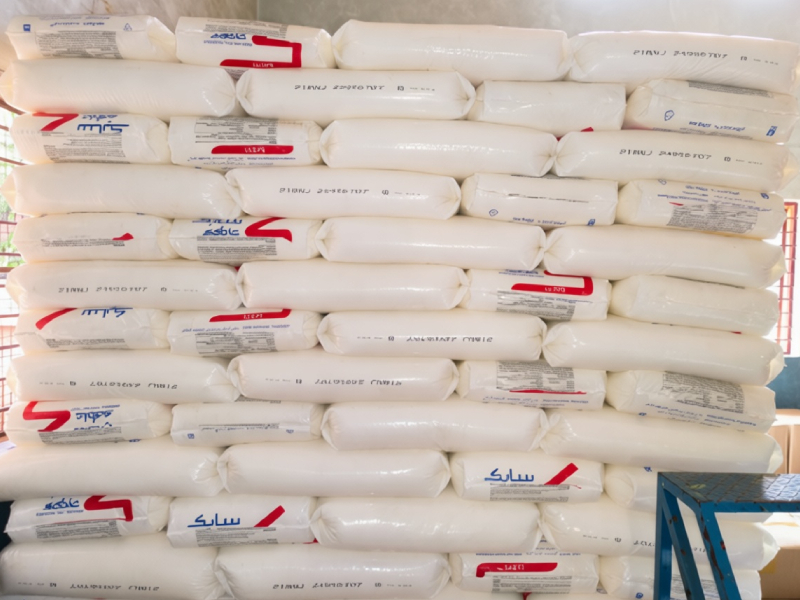
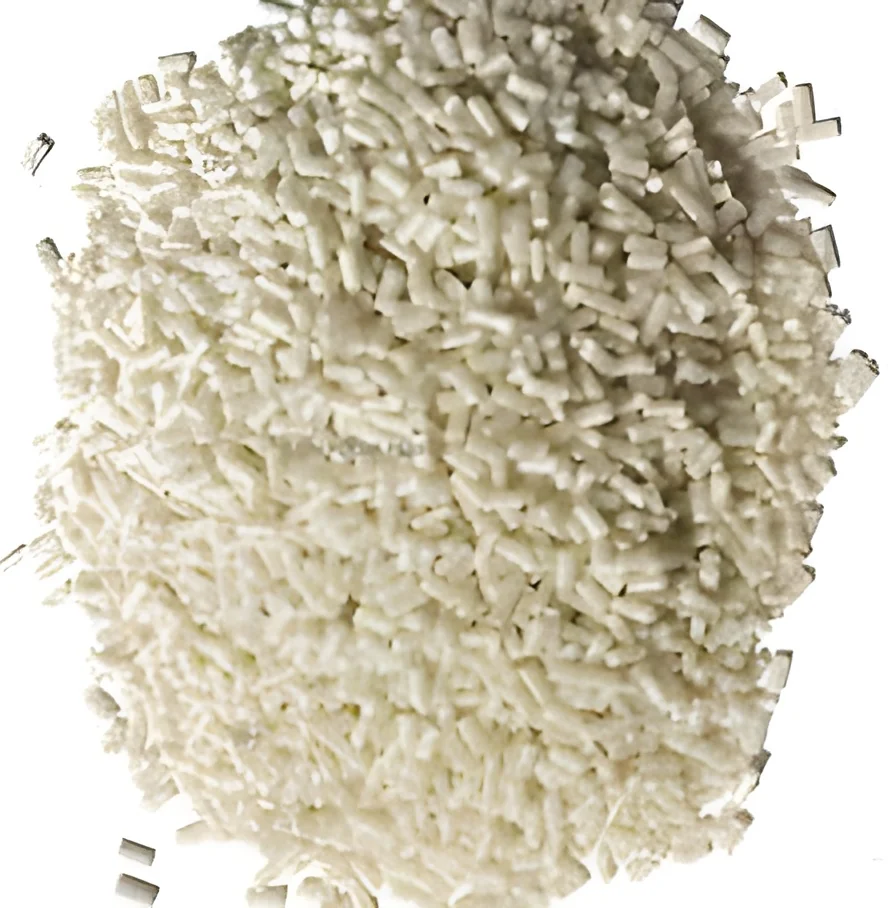
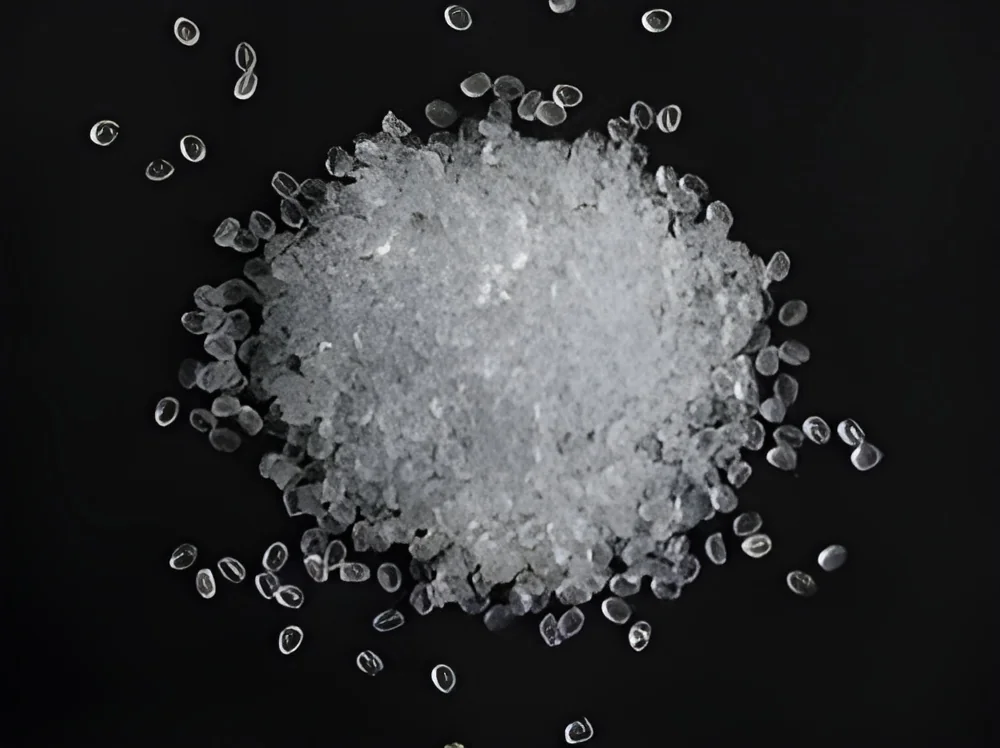
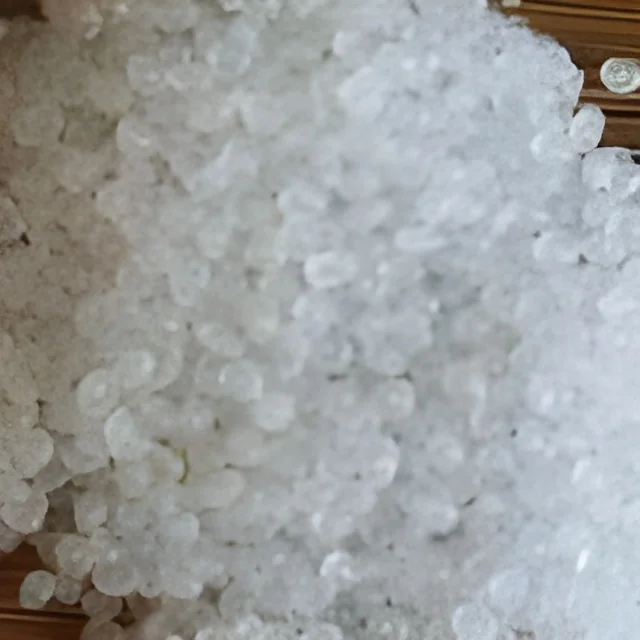
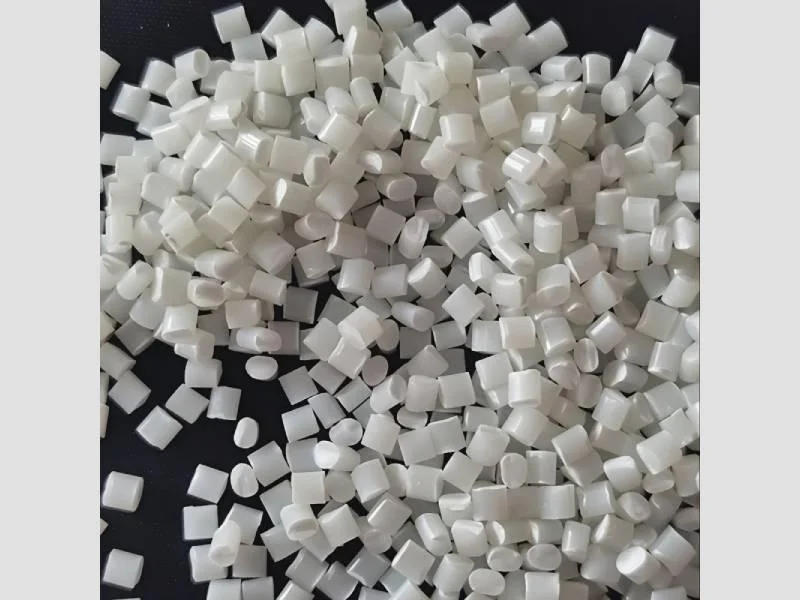
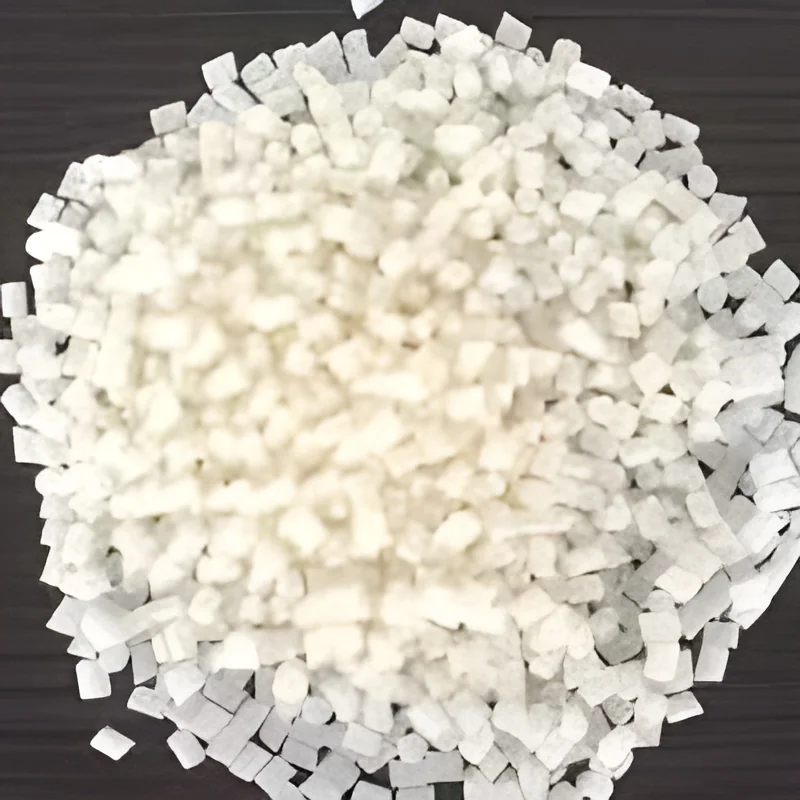
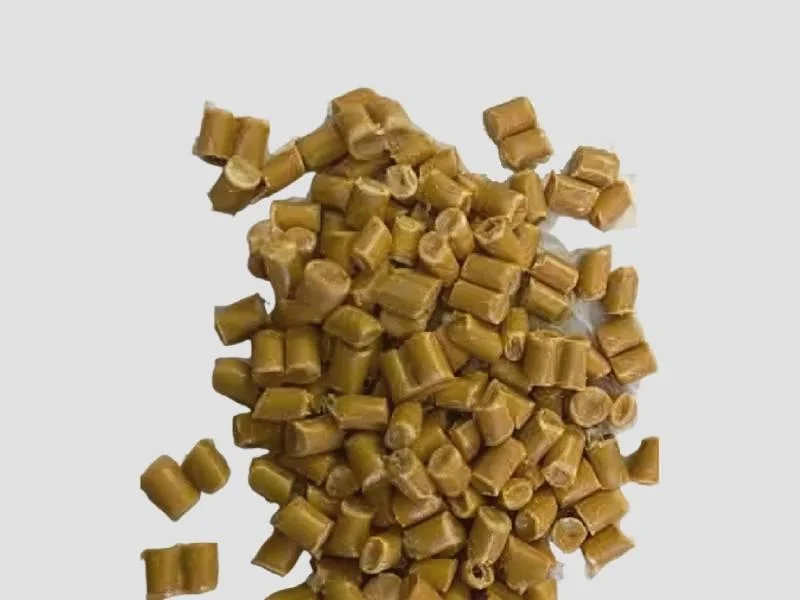
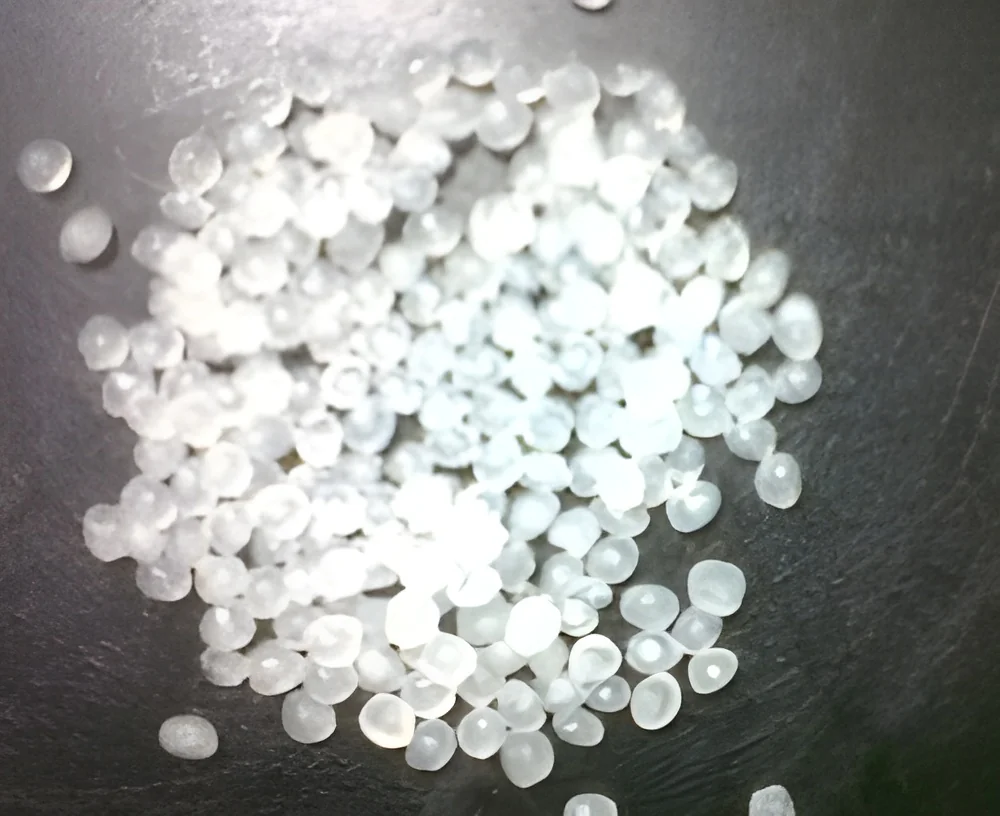
Polypropylene (PP) granules offer a range of features that make them suitable for numerous applications. Their chemical stability, thermal resistance, and lightweight properties are among the most notable. This section outlines the key specifications that define PP granules' performance characteristics.
Key specifications include:
1. Density
- Typical range: 0.90 - 0.91 g/cm³
- Influences the material's lightweight properties and structural integrity
2. Melt Flow Rate (MFR)
- Typical range: 1 - 40 g/10 min
- Determines the flow characteristics during processing
3. Tensile Strength
- Typical range: 20 - 40 MPa
- Indicates the material's ability to withstand tension without breaking
4. Elongation at Break
- Typical range: 50 - 800%
- Represents the material's flexibility and ductility
5. Heat Deflection Temperature
- Typical range: 100 - 120°C
- Indicates the temperature at which the material begins to deform under load
6. Chemical Resistance
- Resistant to acids, bases, and solvents
- Provides longevity and durability in harsh environments
7. Impact Strength
- Typical range: 3 - 5 kJ/m²
- Indicates the material's resistance to sudden impacts
8. UV Resistance
- Varies by formulation
- Essential for outdoor applications to prevent degradation
These specifications highlight the capabilities of PP granules, making them a preferred choice across various industries.
Common Applications and Use Cases
Polypropylene (PP) granules are widely utilized in numerous industries due to their versatile properties. Their application ranges from everyday items to specialized industrial products.
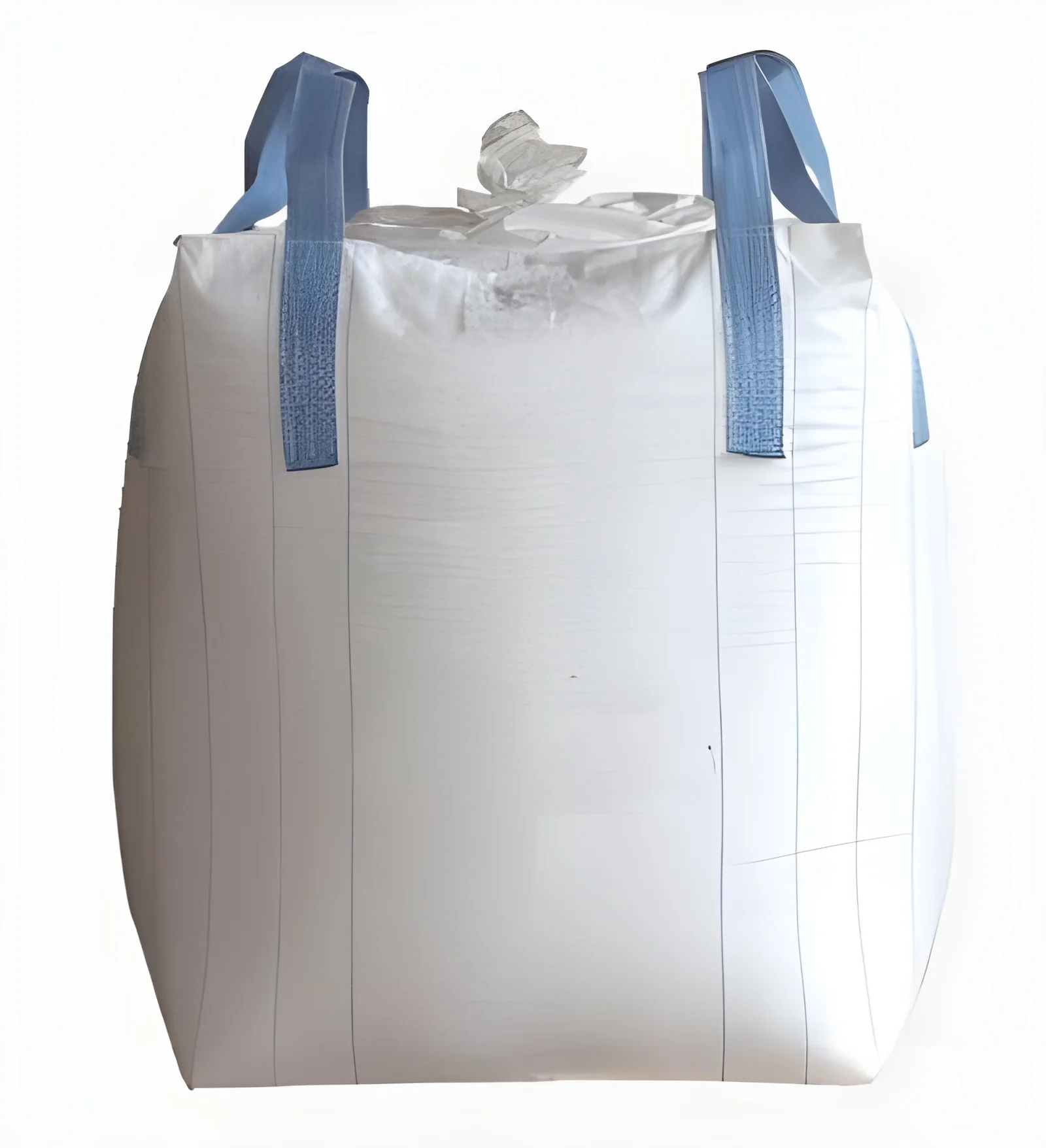
1. Packaging: PP granules are extensively used in the production of packaging materials, including bags, containers, and films, due to their lightweight and moisture-resistant characteristics.
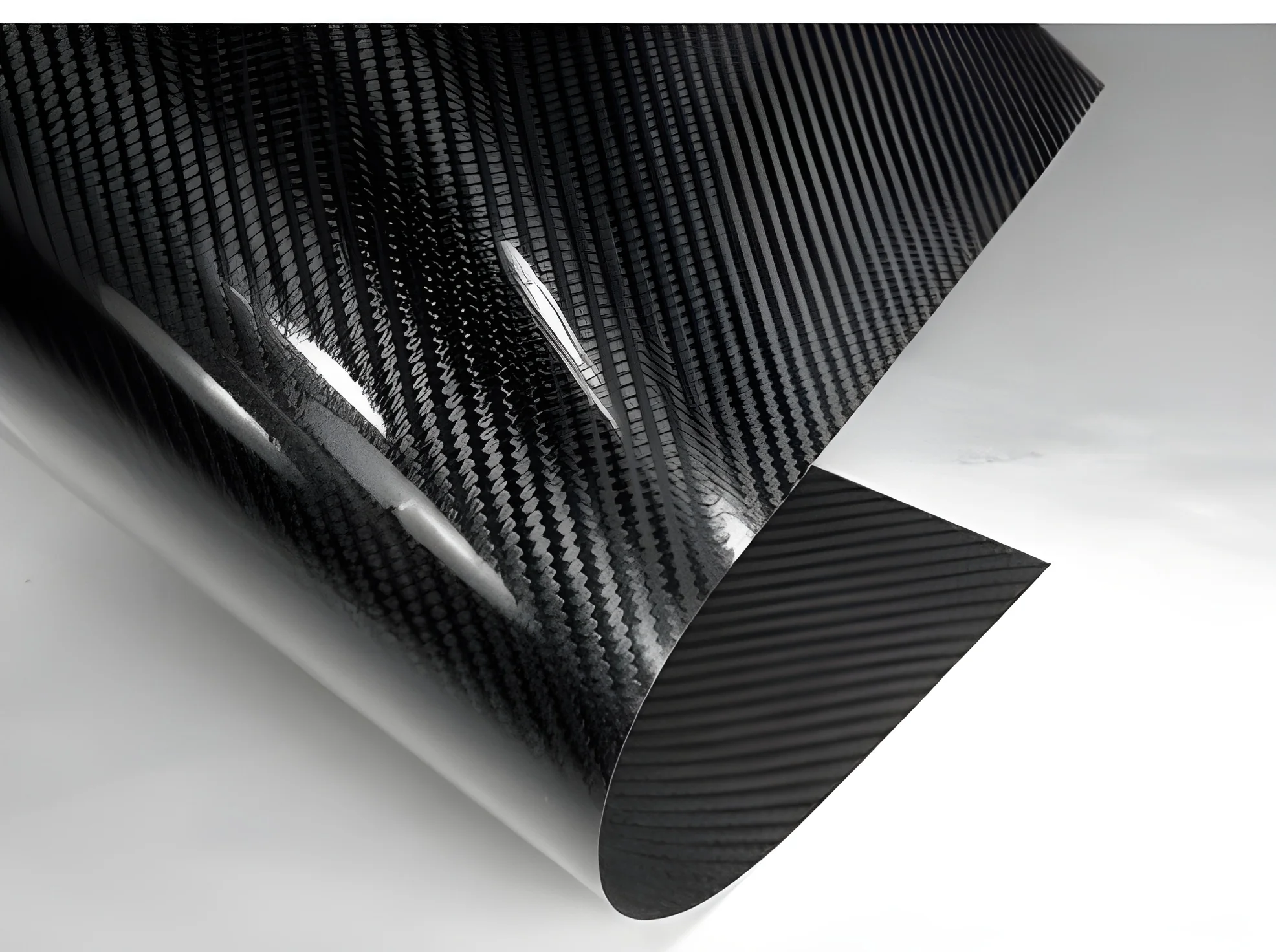
2. Automotive: In the automotive sector, PP granules are employed to manufacture interior components, bumpers, and exterior trims, contributing to vehicle weight reduction and fuel efficiency.
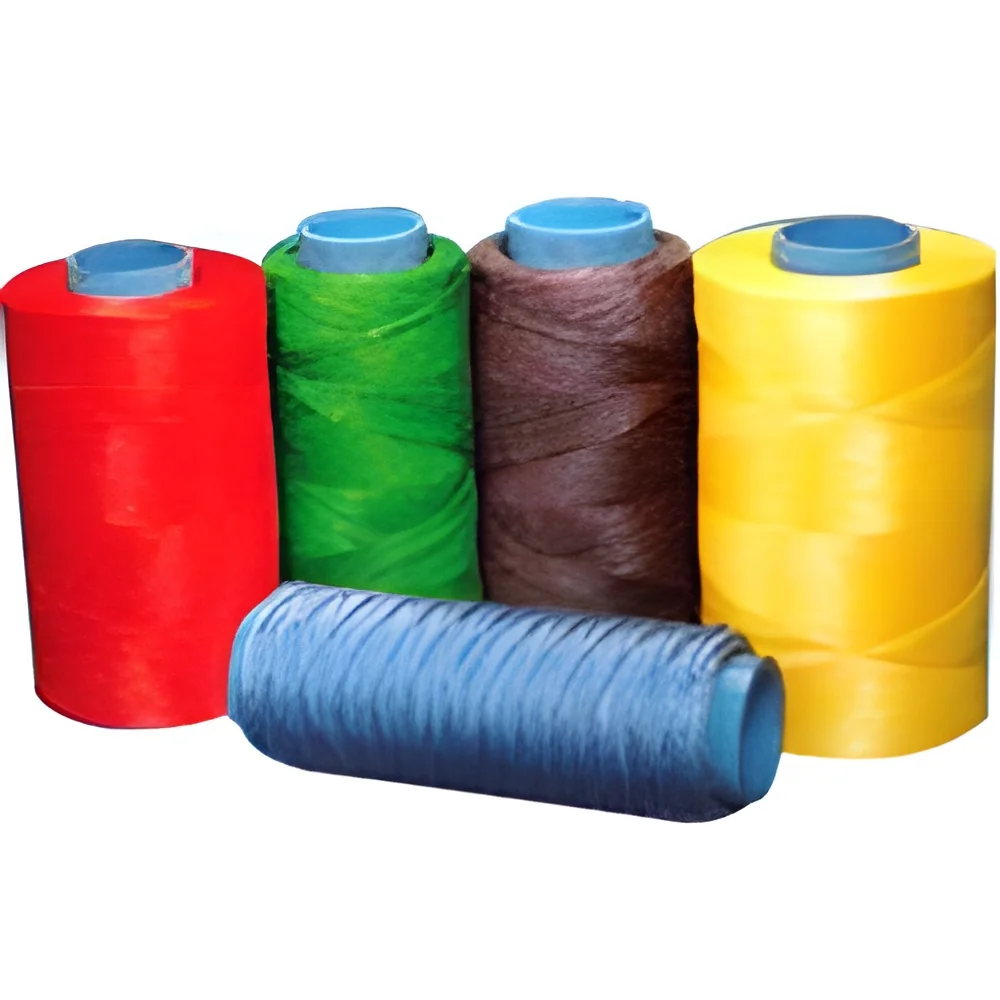
3. Textiles: The textile industry uses PP granules for producing non-woven fabrics, carpets, and upholstery, benefiting from their durability and resistance to wear.
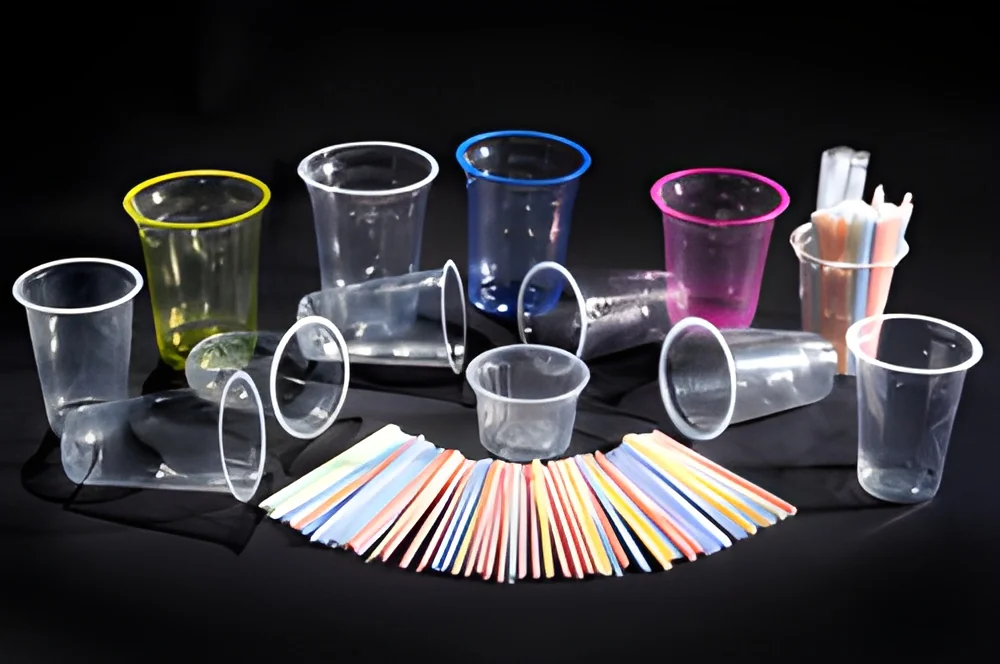
4. Consumer Goods: Household items such as storage containers, toys, and kitchenware are often made from PP granules, taking advantage of their safety and ease of cleaning.
5. Medical Applications: PP granules are also utilized in medical supplies, including syringes and surgical instruments, due to their sterilization capabilities and chemical resistance.
6. Construction: In construction, PP granules are used for manufacturing pipes and fittings, benefiting from their strength and resistance to corrosion.
7. Electrical Components: Various electrical components, such as connectors and insulators, are produced using PP granules due to their insulating properties.
Product Variants and Subcategories
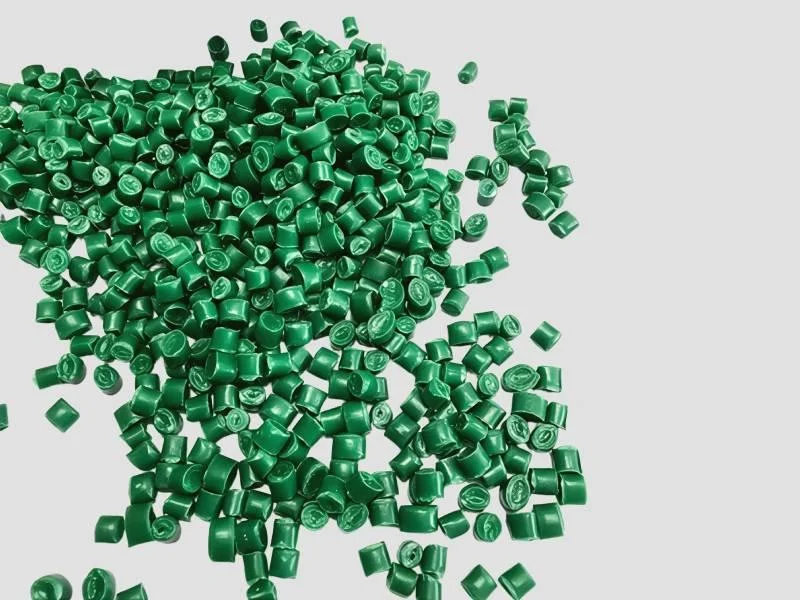
Polypropylene (PP) granules come in various formulations, allowing for tailored solutions to meet specific industrial needs. This diversity enhances their applicability across different sectors.
Standard PP Granules
These granules are the most common form and are utilized in a wide range of applications, including packaging and consumer goods. Their balanced properties make them suitable for many industries.
Impact-Modified PP Granules
These variants offer enhanced impact resistance, making them ideal for automotive parts and other applications where durability is critical. They are designed to withstand sudden impacts without cracking.
Fiber-Grade PP Granules
Specially formulated for textile applications, fiber-grade PP granules are used to produce non-woven fabrics and carpets. Their properties ensure high strength and durability in fabric production.
Copolymer PP Granules
These granules provide improved flexibility and clarity, making them suitable for specific packaging applications. They are often used in food containers and medical packaging.
Benefits and Advantages
Sourcing Polypropylene (PP) granules offers numerous benefits that enhance operational efficiency and product quality.
Key benefits include:
1. Cost-Effectiveness: PP granules are generally less expensive than other plastics, making them an economical choice for manufacturers.
2. Lightweight Properties: The lightweight nature of PP granules allows for reduced shipping costs and increased energy efficiency in transportation.
3. Chemical Resistance: Their resistance to various chemicals makes PP granules suitable for use in harsh environments, extending product lifespan.
4. Versatility: PP granules can be processed using different methods such as injection molding and extrusion, accommodating a wide range of applications.
5. Recyclability: PP granules can be recycled, contributing to sustainability efforts and reducing environmental impact.
6. Ease of Processing: These granules can be easily molded and shaped, allowing for efficient manufacturing processes.
Buying Guide for B2B Buyers
When sourcing Polypropylene (PP) granules, it is essential for B2B buyers to consider several factors to ensure they choose the right product and supplier.
1. Quality Assessment: Evaluate the quality of PP granules based on industry standards and specifications. Look for certifications that indicate compliance with quality benchmarks.
2. Supplier Verification: Conduct thorough research on potential suppliers to verify their reputation, reliability, and history of delivering quality products.
3. Pricing and MOQ: Analyze pricing structures and minimum order quantities (MOQ) to ensure that they align with your budget and production needs.
4. Delivery and Lead Times: Discuss logistics and delivery timelines with suppliers to ensure timely access to materials and avoid production delays.
5. Compliance Requirements: Ensure that the PP granules meet all relevant regulatory requirements and certifications applicable to your industry.
Compliance and Certifications
Polypropylene (PP) granules must adhere to various compliance standards and certifications to ensure product safety and quality. Key quality standards include ISO 9001, which outlines best practices for quality management systems.
Additionally, industry certifications such as UL and CE indicate that the materials meet specific safety and performance requirements. Buyers should also be aware of regional compliance considerations, which may vary depending on local regulations.
Safety and testing requirements are crucial for ensuring that the PP granules are suitable for their intended applications, especially in sectors like food packaging and medical supplies. Manufacturers often conduct rigorous testing to confirm that their products meet these standards.
Why Source Polypropylene (PP) Granules from Pepagora?
Pepagora offers a trusted platform for sourcing Polypropylene (PP) granules, providing several advantages for businesses seeking reliable materials.
Verified Supplier Network: Pepagora ensures that all suppliers are thoroughly vetted, helping buyers connect with reputable manufacturers who adhere to quality standards.
Streamlined RFQ Process: The platform simplifies the request for quotation (RFQ) process, allowing buyers to easily compare options and make informed purchasing decisions.
Trade Assurance and Support: Pepagora offers trade assurance, providing buyers with protection and support throughout the sourcing process, ensuring a smooth transaction.
Regional Coverage: With a strong presence in India, the GCC, and Southeast Asia, Pepagora facilitates access to a broad network of suppliers, helping businesses find the right PP granules to meet their needs.

 IN
IN