What are Additive Masterbatches?
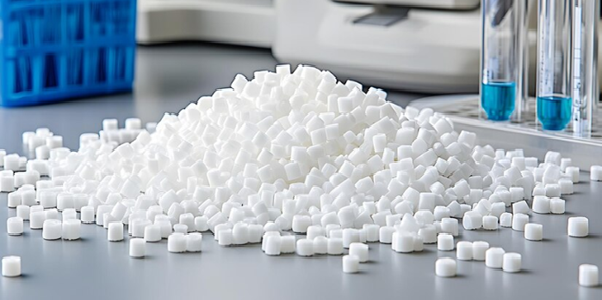
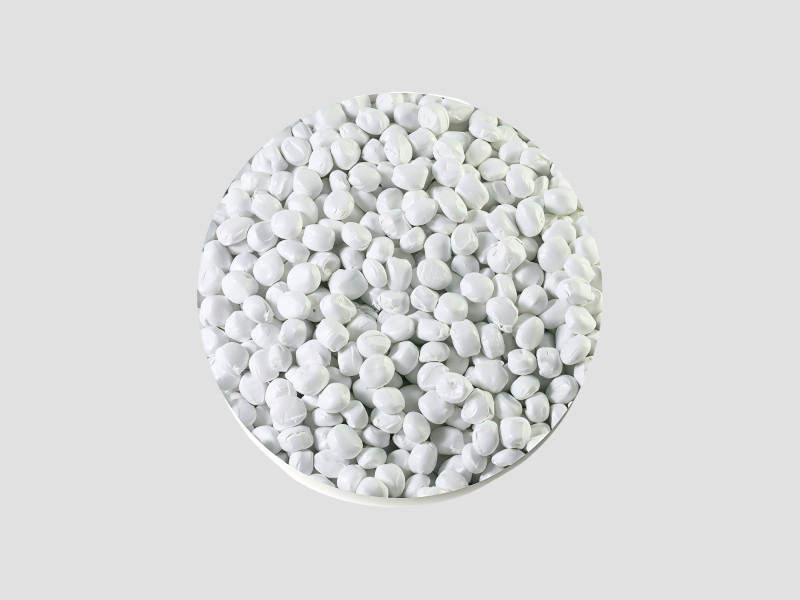
Additive masterbatches are concentrated mixtures of additives that are used in the plastics industry to enhance the properties of base polymers. These masterbatches are produced by combining additives with a polymer carrier, resulting in a product that can be easily incorporated into the production process. By using additive masterbatches, manufacturers can effectively improve various characteristics of plastic products, such as strength, durability, and performance.
Additive masterbatches find primary applications in various sectors, including packaging, automotive, and consumer goods. In the packaging industry, they are used to enhance barrier properties and improve the visual appeal of products. In the automotive sector, these masterbatches contribute to the longevity and safety of components, while in consumer goods, they help achieve desired aesthetics and functionality. The relevance of additive masterbatches in today's market is significant, as they play a crucial role in meeting the increasing demands for high-performance materials across industries.
Key Features and Specifications
Additive masterbatches come with a range of features and specifications that make them versatile for different applications. Understanding these specifications is important for selecting the right product for specific needs.
Key specifications include:
1. Additive Type
- Types include UV stabilizers, antioxidants, colorants, and processing aids.
- Each additive type serves a unique purpose in enhancing material properties.
2. Carrier Resin
- The polymer carrier used can vary, including polyethylene, polypropylene, or polystyrene.
- The choice of carrier affects compatibility with the base polymer.
3. Concentration Levels
- Additives can be provided in various concentration levels, typically ranging from 5% to 25%.
- The concentration affects the performance and cost-efficiency of the masterbatch.
4. Processing Temperature
- Specific processing temperature ranges must be maintained for optimal performance.
- Typical ranges can vary based on the additive and polymer type.
5. Color Stability
- The color stability of the masterbatch is crucial for maintaining product appearance.
- Stability can be affected by environmental factors and processing conditions.
6. Compatibility
- Compatibility with different base polymers is essential for effective use.
- Testing for compatibility should be conducted based on the end application.
7. Performance Enhancements
- The masterbatch can improve characteristics such as impact resistance, gloss, and transparency.
- Enhanced performance leads to higher product quality.
8. Shelf Life
- The shelf life can vary based on storage conditions and formulation.
- Proper storage is essential for maintaining effectiveness.
In summary, understanding these features and specifications is crucial for manufacturers looking to optimize their products with additive masterbatches.
Common Applications and Use Cases
Additive masterbatches are utilized across numerous industries, each benefiting from their unique properties and enhancements.
1. Packaging: In the packaging sector, additive masterbatches are used to improve barrier properties, enhance visual appeal, and extend the shelf life of products.
2. Automotive: These masterbatches contribute to the durability and performance of automotive components, ensuring they withstand wear and environmental factors.
3. Consumer Goods: In consumer products, additive masterbatches enhance aesthetics and functionality, allowing for vibrant colors and improved material properties.
4. Construction: In construction materials, they are used to improve strength and resistance to environmental challenges, contributing to longer-lasting structures.
5. Electronics: In the electronics industry, additive masterbatches help provide electrical insulation and thermal stability for various components.
6. Agriculture: They are employed in agricultural films to enhance UV protection and durability, aiding in crop protection and yield enhancement.
7. Textiles: In textiles, additive masterbatches improve colorfastness and durability, ensuring long-lasting products.
Product Variants and Subcategories
The diversity of additive masterbatches allows for tailored solutions to meet specific industry needs.
UV Stabilizer Masterbatch
This variant is specifically designed to protect polymers from UV degradation. It enhances the longevity of products exposed to sunlight, making it ideal for outdoor applications.
Antioxidant Masterbatch
Formulated to prevent oxidation during processing and end-use, this masterbatch extends the life of polymer products by reducing brittleness and degradation.
Color Masterbatch
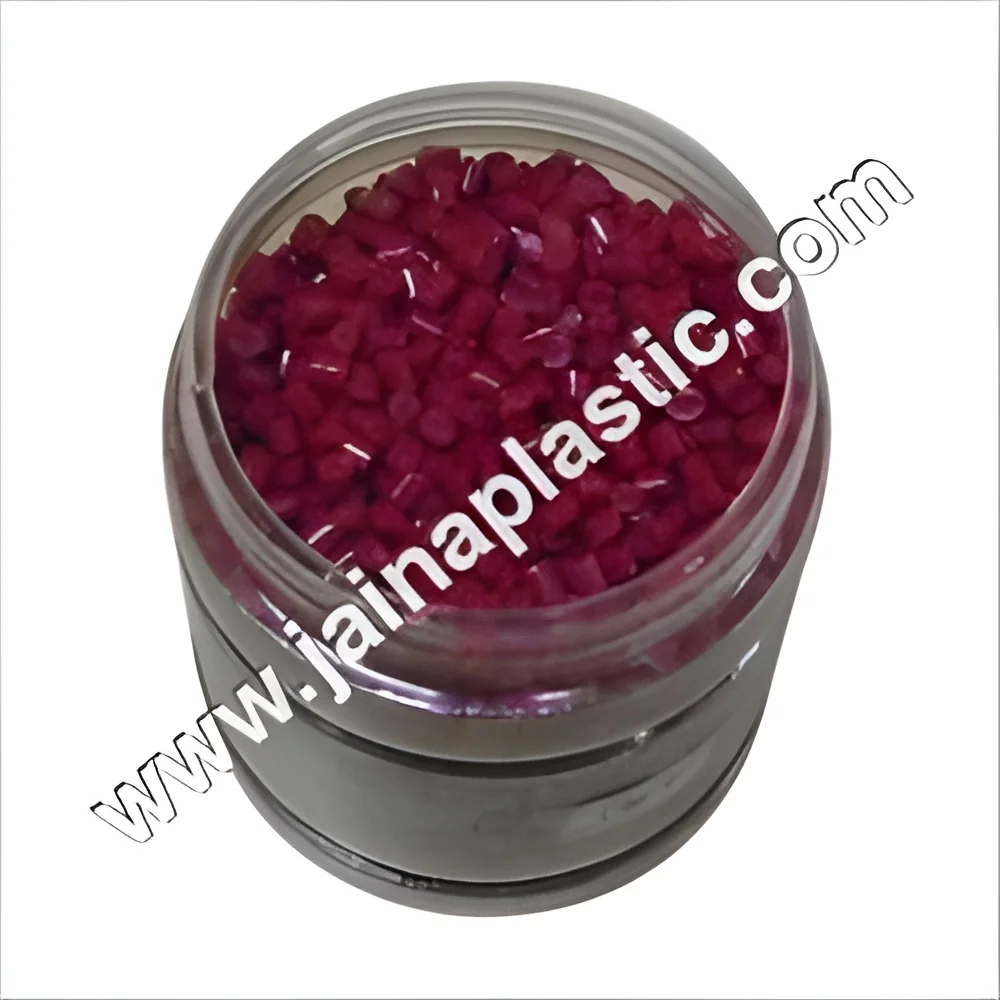
This variant is used to achieve specific colors in plastic products, offering a wide range of shades and excellent dispersion properties for uniformity.
Flame Retardant Masterbatch
Designed to provide fire resistance, this masterbatch is crucial for applications requiring compliance with safety standards in various industries.
Processing Aid Masterbatch
This variant improves the processing efficiency of polymers, reducing energy consumption and enhancing flow properties during manufacturing.
Benefits and Advantages
Additive masterbatches offer several advantages that make them a valuable addition to manufacturing processes.
Key benefits include:
1. Enhanced Material Properties: They significantly improve the physical and chemical properties of base polymers, leading to better performance.
2. Cost-Effectiveness: By using masterbatches, manufacturers can achieve desired properties without the need for complex formulations, saving on costs.
3. Improved Processing Efficiency: Additive masterbatches can simplify the production process, reducing downtime and enhancing overall efficiency.
4. Customization Options: Manufacturers can tailor masterbatches to meet specific requirements, ensuring optimal performance for various applications.
5. Reduced Environmental Impact: Many additive masterbatches are designed to enhance recyclability and reduce waste, contributing to more sustainable practices.
6. Compliance with Standards: Using certified masterbatches helps ensure products meet regulatory requirements, enhancing marketability.
Buying Guide for B2B Buyers
When sourcing additive masterbatches, it is essential for B2B buyers to consider several key factors to ensure optimal selection.
1. Quality Assessment: Evaluate the quality of the masterbatches based on consistency, performance, and compliance with industry standards. Request samples for testing.
2. Supplier Verification: Conduct thorough research to verify supplier credentials, including their experience, reputation, and customer feedback.
3. Pricing and MOQ: Understand the pricing structure and minimum order quantities. Compare quotes from multiple suppliers to ensure competitive pricing.
4. Delivery and Lead Times: Discuss logistics with suppliers to establish reliable delivery schedules and lead times to avoid production delays.
5. Compliance Requirements: Ensure that the additive masterbatches meet any relevant regulatory and safety standards applicable to your industry.
Compliance and Certifications
Compliance and certifications are critical aspects of additive masterbatches to ensure product quality and safety.
Additive masterbatches should adhere to relevant quality standards such as ISO 9001, which ensures consistent quality management systems. Additionally, food-grade applications may require adherence to HACCP (Hazard Analysis Critical Control Point) standards to ensure safety throughout the production process.
Industry certifications such as CE mark are essential for products sold in European markets, signifying compliance with EU safety and health standards. Manufacturers must also address safety and testing requirements to ensure that products can withstand environmental challenges and meet performance expectations.
Regional compliance considerations may vary, so it is crucial for manufacturers to understand the specific regulations that apply in their target markets. This includes understanding local environmental regulations and industry-specific guidelines.
Why Source Additive Masterbatches from Pepagora?
Pepagora offers a trusted platform for sourcing additive masterbatches, providing several key advantages for B2B buyers.
Verified Supplier Network: Pepagora connects buyers with a network of verified suppliers, ensuring reliability and quality in sourcing. Each supplier undergoes a thorough vetting process to guarantee their credentials and capabilities.
Streamlined RFQ Process: The platform simplifies the request for quotation (RFQ) process, allowing buyers to easily compare offers from multiple suppliers. This ensures that buyers can obtain competitive pricing and terms efficiently.
Trade Assurance and Support: Pepagora provides trade assurance and support to protect buyers throughout the sourcing process. This includes assistance with negotiations and resolving any issues that may arise.
Regional Coverage: With a strong geographic reach in India, the GCC, and Southeast Asia, Pepagora facilitates access to a wide range of suppliers and markets, making it easier for buyers to find the right additive masterbatches for their needs.

 IN
IN