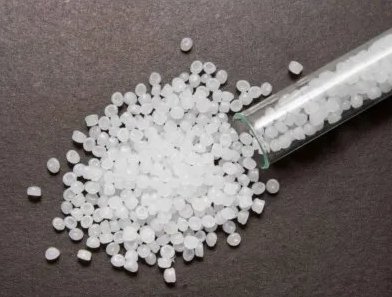
Key Features and Specifications
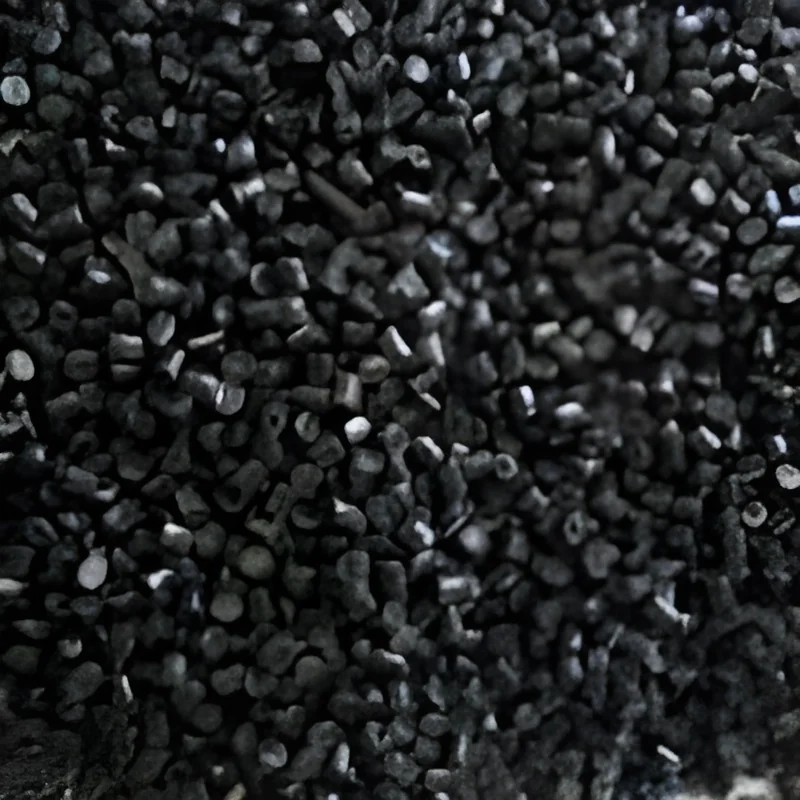
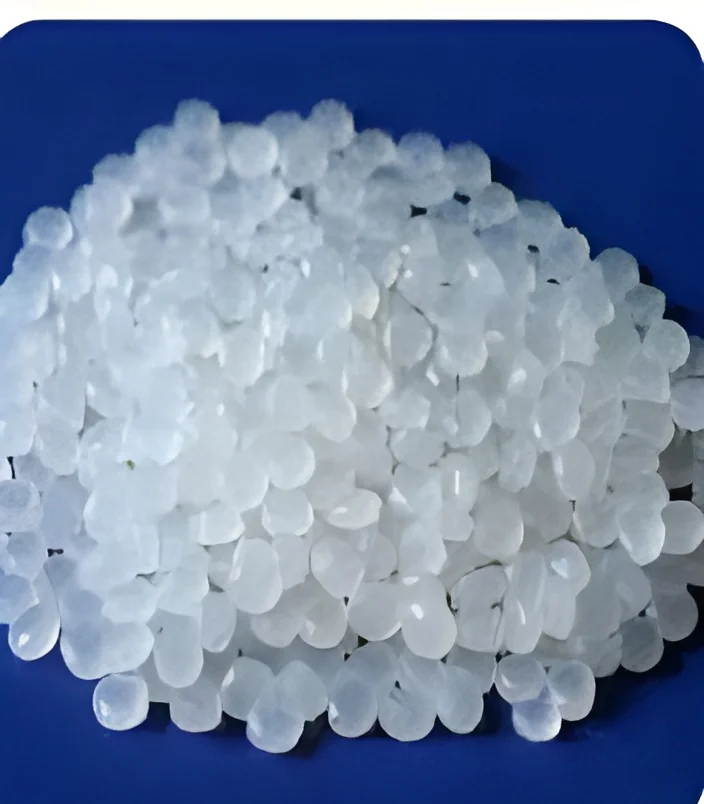
Polyethylene (PE) granules possess several key features that make them suitable for a wide range of applications. These features include their excellent chemical resistance, flexibility, and impact strength. Additionally, they can be easily processed through various methods such as extrusion, injection molding, and blow molding. Understanding the technical specifications of PE granules is essential for businesses to select the right type for their needs.
Key specifications include:
1. Density
- Varies between low-density (LDPE) and high-density (HDPE)
- Typical range from 0.91 g/cm³ to 0.97 g/cm³
2. Melt Flow Index (MFI)
- Indicates the flow characteristics during processing
- Ranges from 0.1 to 20 g/10 min depending on the grade
3. Tensile Strength
- Measures the material's resistance to deformation
- Can range from 10 to 30 MPa
4. Elongation at Break
- Indicates the material's stretchability
- Typically ranges between 300% to 600%
5. Thermal Stability
- Determines the heat resistance of the material
- Generally suitable for applications within temperatures up to 80°C
6. UV Resistance
- Critical for outdoor applications
- Varies by formulation and additives used
7. Biodegradability
- Standard PE granules are not biodegradable
- Options for biodegradable variants exist
8. Color Availability
- PE granules can be colored or left natural
- Custom colors can be made available upon request
In summary, polyethylene granules offer a range of specifications that cater to diverse industrial needs, making them a preferred choice for manufacturers.
Common Applications and Use Cases
Polyethylene (PE) granules serve various industries, each with its own specific applications.
1. Packaging: PE granules are widely used in the production of flexible packaging materials, such as plastic bags and stretch films, due to their lightweight and durable nature.
2. Automotive: In the automotive industry, PE granules are utilized for manufacturing components like dashboards, fuel tanks, and insulation materials, providing strength and resistance to chemicals.
3. Construction: PE granules are essential in creating pipes, fittings, and insulation materials for construction, offering longevity and resistance to moisture.
4. Consumer Goods: Many household products, including containers, toys, and household items, utilize PE granules for their safety and versatility.
5. Agriculture: In agriculture, PE granules are used to create films for crop protection and greenhouse covers, helping enhance plant growth by optimizing light and humidity control.
6. Healthcare: The healthcare industry utilizes PE granules in the production of medical devices, containers, and packaging, ensuring safety and sterility.
7. Electrical: PE granules are employed in manufacturing electrical insulation materials, providing excellent dielectric properties.
Product Variants and Subcategories
Polyethylene (PE) granules come in various formulations to meet specific industry needs.
Low-Density Polyethylene (LDPE): LDPE granules are characterized by their flexibility and low-density structure, making them ideal for applications like plastic bags, shrink wraps, and flexible tubing. They provide excellent clarity and are resistant to impact.
High-Density Polyethylene (HDPE): HDPE granules are known for their strength and rigidity. They are commonly used in products such as bottles, containers, and piping systems, offering superior resistance to chemicals and moisture.
Linear Low-Density Polyethylene (LLDPE): LLDPE granules combine characteristics of LDPE and HDPE, providing improved stretchability and strength. They are widely used in packaging films and stretch wraps.
Benefits and Advantages
Choosing polyethylene (PE) granules offers numerous advantages for businesses.
1. Cost-Effectiveness: PE granules are affordable, making them a popular choice for manufacturers looking to optimize production costs.
2. Versatility: These granules can be processed using various methods, allowing for diverse applications across multiple industries.
3. Chemical Resistance: PE granules exhibit excellent resistance to a wide range of chemicals, ensuring product durability.
4. Lightweight: The lightweight nature of PE granules contributes to lower shipping costs and ease of handling.
5. Recyclability: Many PE products can be recycled, aligning with sustainability goals and reducing environmental impact.
6. Durability: PE granules provide long-lasting performance, making them suitable for both indoor and outdoor applications.
Buying Guide for B2B Buyers
When sourcing polyethylene (PE) granules, businesses should consider several factors to ensure they make informed decisions.
1. Quality Assessment: Evaluate the quality of PE granules by checking for certifications and testing reports. Quality materials lead to better end products.
2. Supplier Verification: Conduct thorough research on potential suppliers. Look for established manufacturers with a proven track record of quality and reliability.
3. Pricing and MOQ: Understand the cost structure, including pricing per unit and minimum order quantities (MOQ). This helps in budgeting and meeting procurement requirements.
4. Delivery and Lead Times: Inquire about delivery schedules and lead times. Timely delivery is crucial for maintaining production schedules.
5. Compliance Requirements: Ensure that the PE granules meet relevant regulatory standards for safety and environmental impact. Compliance is essential for avoiding legal issues.
Compliance and Certifications
Polyethylene (PE) granules are subject to various quality standards and certifications, which ensure their safety and performance in industrial applications. Common standards include ISO 9001 for quality management systems, which helps companies maintain consistency in production and service. Additionally, certifications like UL and CE indicate compliance with safety standards, particularly for products used in consumer and medical applications.
Testing requirements are critical in determining the material's suitability for specific uses. This includes assessments for strength, chemical resistance, and thermal stability. Regional compliance considerations vary, so it is essential for manufacturers to be aware of local regulations governing the use of plastic materials in their respective markets.
Why Source Polyethylene (PE) Granules from Pepagora?
Pepagora provides a trusted platform for sourcing polyethylene (PE) granules, offering several key advantages to B2B buyers.
Verified Supplier Network: Pepagora features a robust network of verified suppliers, ensuring that businesses can access high-quality PE granules from reputable manufacturers.
Streamlined RFQ Process: The platform simplifies the request for quotation (RFQ) process, allowing buyers to easily connect with suppliers and receive competitive pricing.
Trade Assurance and Support: Pepagora offers trade assurance to protect buyers throughout the purchasing process, providing peace of mind when investing in materials.
Regional Coverage: With a focus on regions like India, the GCC, and Southeast Asia, Pepagora ensures that businesses can find local suppliers who understand the specific needs of their markets.
In conclusion, sourcing polyethylene (PE) granules through Pepagora not only enhances procurement efficiency but also ensures access to high-quality materials tailored to industry requirements.

 IN
IN