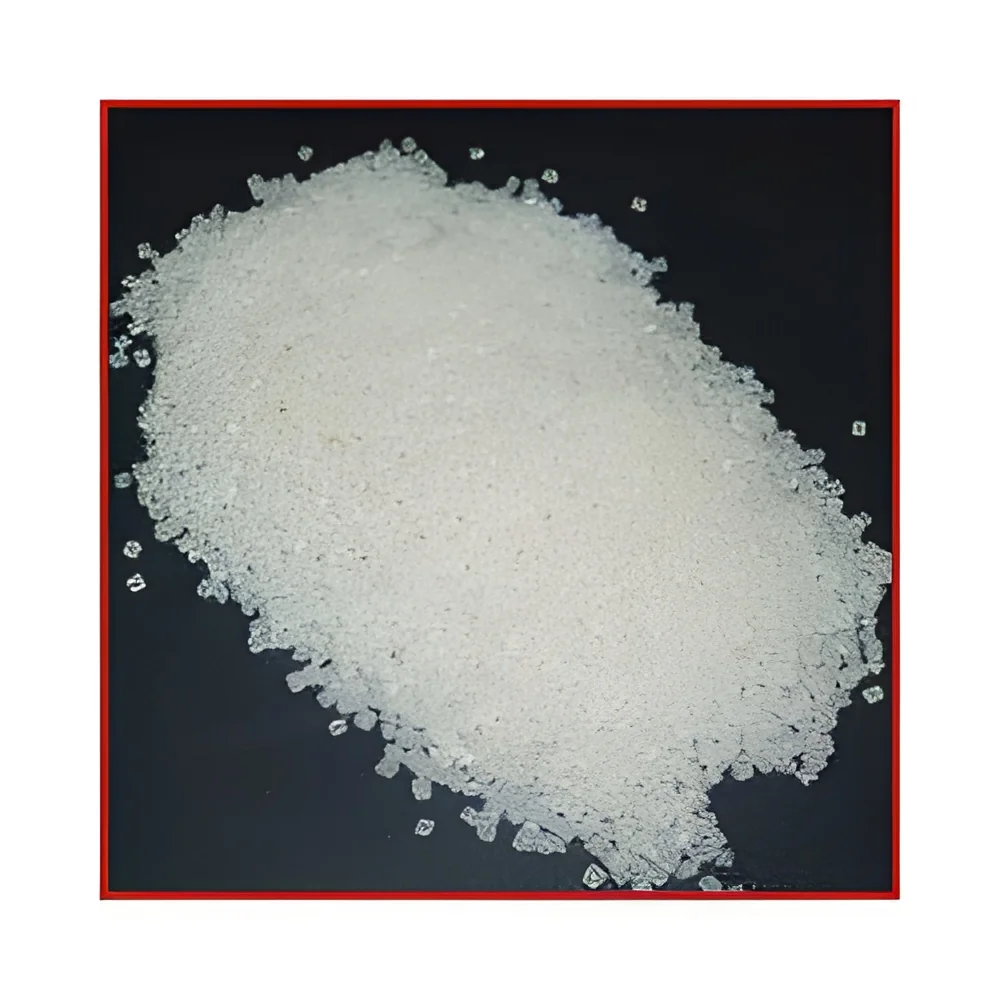
What are Recycled LDPE Granules?
Recycled LDPE granules are small plastic pellets made from post-consumer waste, specifically low-density polyethylene (LDPE). This process involves collecting, sorting, cleaning, and processing LDPE materials, such as plastic bags and containers, into granules that can be reused in manufacturing new products. The recycling of LDPE not only helps reduce environmental impact but also contributes to the circular economy by repurposing waste materials into valuable resources.
These granules find diverse applications across various industries. They are commonly used in the production of plastic films, packaging materials, and agricultural products. Businesses leverage recycled LDPE granules to create sustainable products that meet growing environmental standards and consumer preferences for eco-friendly materials. The relevance of recycled LDPE granules in today’s market is significant, as industries aim to reduce their carbon footprint and comply with stricter regulations regarding plastic waste management.
Key Features and Specifications
Recycled LDPE granules offer a variety of features that appeal to manufacturers looking for sustainable materials. These granules are known for their flexibility, low-density properties, and excellent chemical resistance. They can be processed at lower temperatures, making them energy-efficient during manufacturing.
Key specifications include:
1. Density
- Typically ranges from 0.910 to 0.940 g/cm³.
- Influences the processing characteristics and end-use performance.
2. Melt Flow Index (MFI)
- Usually within the range of 1 to 5 g/10 min.
- Indicates the flowability of the material during processing.
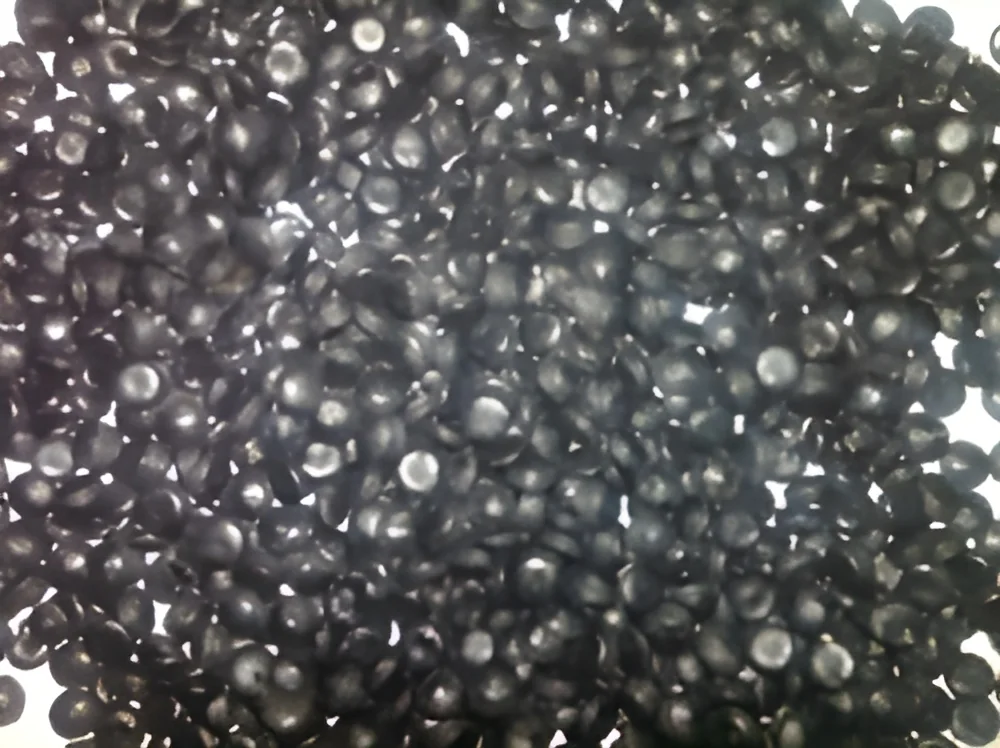
3. Color
- Generally available in natural or black.
- Can be customized based on specific customer requirements.
4. Moisture Content
- Ideally below 0.5%.
- Ensures optimal processing and product quality.
5. Additives
- May include UV stabilizers or anti-oxidants.
- Enhances performance characteristics and longevity.
6. Packaging
- Supplied in bulk bags or smaller packaging options.
- Facilitates easy handling and transportation.
7. Recyclability
- Fully recyclable and contributes to reducing plastic waste.
- Supports sustainability initiatives within manufacturing processes.
In summary, recycled LDPE granules present a combination of flexibility, ease of processing, and environmental benefits, making them a valuable option for manufacturers seeking sustainable materials.
Common Applications and Use Cases
Recycled LDPE granules serve various industries and applications.
1. Packaging Industry: These granules are widely used in producing flexible packaging solutions, including bags, wraps, and pouches, which require durability and flexibility.
2. Agricultural Sector: Recycled LDPE is utilized in creating greenhouse films, mulch films, and irrigation tubing, which help improve crop yield and protect plants.
3. Consumer Goods: Manufacturers use recycled LDPE granules to produce containers, bottles, and other products, aligning with consumer demand for sustainable options.
4. Automotive Industry: Components such as interior panels and insulation materials are made using recycled LDPE, contributing to lighter and more eco-friendly vehicles.
5. Construction: Recycled LDPE is used in applications like protective sheeting and membranes, enhancing durability and sustainability in building projects.
6. Toys and Household Products: Various plastic toys and household items are manufactured from recycled LDPE, promoting eco-friendly consumer choices.
7. Electrical and Electronics: Recycled LDPE can be used in cable insulation and other components, supporting sustainability in electronic manufacturing.
Product Variants and Subcategories
Recycled LDPE granules come in various forms to suit different industrial needs.
Standard Recycled LDPE Granules: These are the most common form, ideal for general applications in packaging and consumer goods manufacturing. They offer a good balance of performance and cost-effectiveness.
Custom Color Recycled LDPE Granules: Available for businesses requiring specific color matching for branding or product differentiation. This variant allows companies to maintain visual consistency in their products.
Additive-Enhanced Recycled LDPE Granules: These granules come with specific additives that enhance properties like UV resistance or flame retardancy, making them suitable for specialized applications.
Benefits and Advantages
Recycled LDPE granules provide numerous benefits to manufacturers and the environment.
1. Environmental Sustainability: Using recycled materials reduces the reliance on virgin plastics, lowering carbon emissions and conserving resources.
2. Cost-Effectiveness: Recycled LDPE granules are often more affordable than virgin materials, providing cost savings for businesses.
3. Versatility: The granules can be used in a wide range of applications, making them suitable for various industries.
4. Compliance with Regulations: Sourcing recycled materials helps companies meet environmental regulations and sustainability goals.
5. Enhanced Brand Image: Utilizing recycled materials can improve a company’s reputation as an environmentally responsible business.
6. Quality Assurance: With proper processing, recycled LDPE granules can meet high-quality standards, ensuring reliable performance.
Buying Guide for B2B Buyers
When sourcing recycled LDPE granules, buyers should consider several important factors.
1. Quality Assessment: Ensure the granules meet specific quality standards for density, melt flow index, and moisture content. Request sample testing to verify performance.
2. Supplier Verification: Vet suppliers through industry references, certifications, and previous customer feedback to ensure reliability and quality.
3. Pricing and MOQ: Understand the pricing structure and minimum order quantities (MOQ) to align with budget and supply needs.
4. Delivery and Lead Times: Consider logistics for timely delivery. Clarify lead times based on order volume and supplier capabilities.
5. Compliance Requirements: Check for relevant certifications such as UL and CE, and ensure that products meet regional compliance standards.
Compliance and Certifications
Recycled LDPE granules are subject to various quality standards and certifications that ensure product safety and performance. ISO 9001 certification indicates adherence to quality management principles, ensuring consistent quality in manufacturing processes.
Additional industry certifications, such as UL and CE, signify compliance with safety and performance standards. These certifications are crucial for gaining customer trust and meeting regulatory requirements.
Safety and testing requirements are also essential, as they ensure that recycled materials are safe for use in consumer products. Furthermore, regional compliance considerations should be taken into account, as different markets may have specific regulations regarding recycled content and material safety.
Why Source Recycled LDPE Granules from Pepagora?
Pepagora offers a trusted platform for sourcing recycled LDPE granules, providing several key advantages to B2B buyers.
Verified Supplier Network: Pepagora connects buyers with a network of verified suppliers, ensuring that they receive high-quality materials from reputable sources.
Streamlined RFQ Process: The platform simplifies the request for quotation (RFQ) process, enabling buyers to quickly obtain competitive pricing and terms from multiple suppliers.
Trade Assurance and Support: Pepagora provides trade assurance, protecting buyers against potential risks and ensuring a secure transaction process.
Regional Coverage: With a strong presence in India, the GCC, and Southeast Asia, Pepagora offers extensive geographic coverage, making it easy for buyers to find suppliers that meet their specific regional needs.

 IN
IN