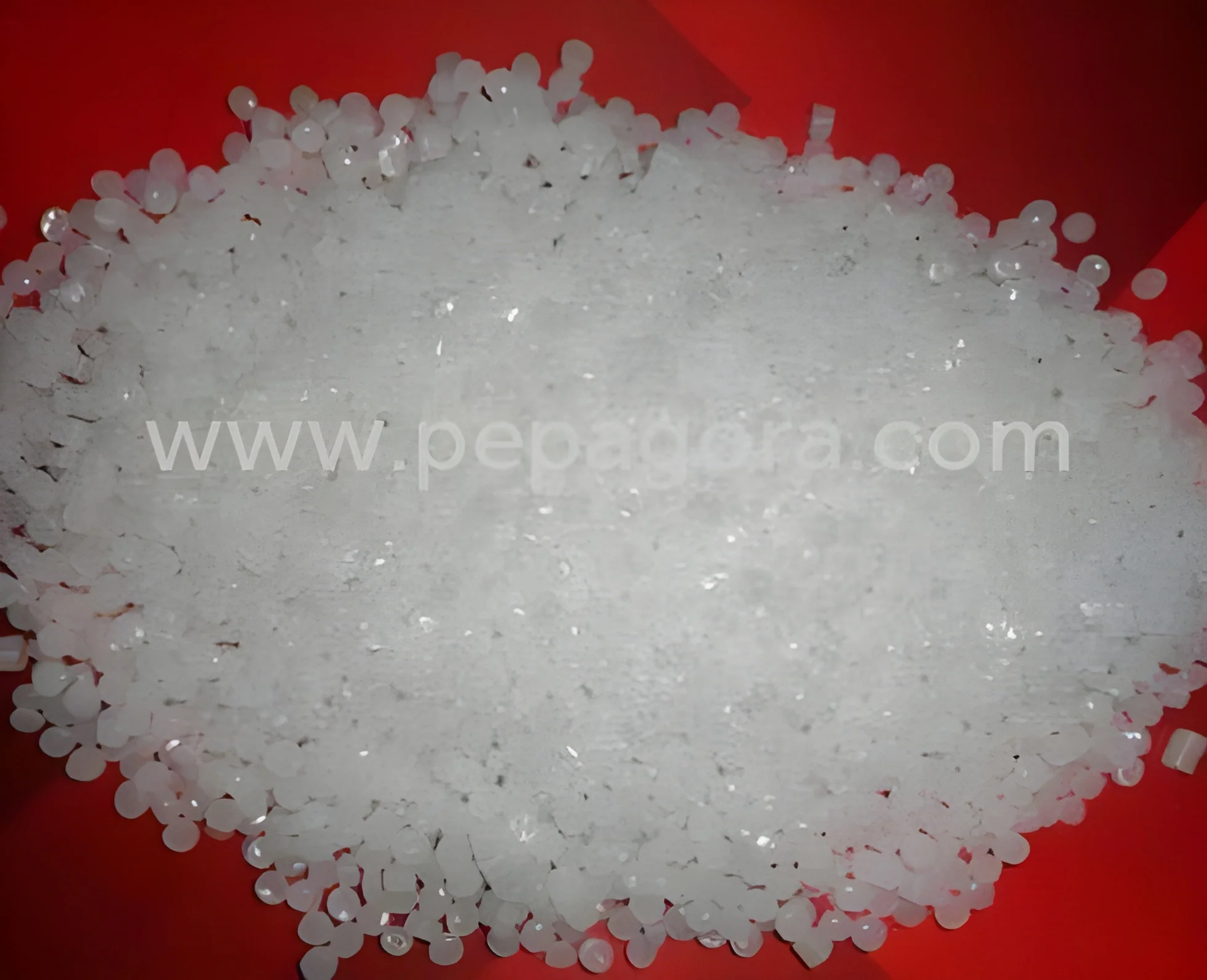
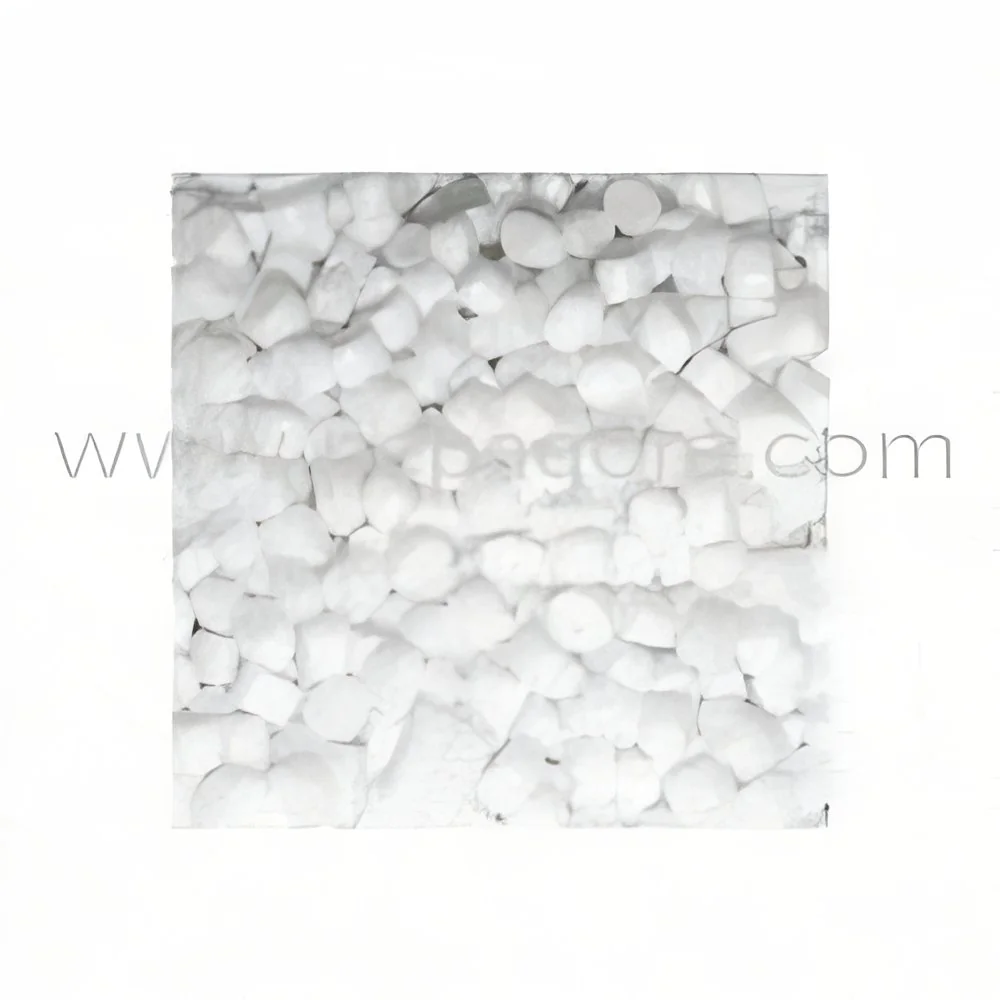
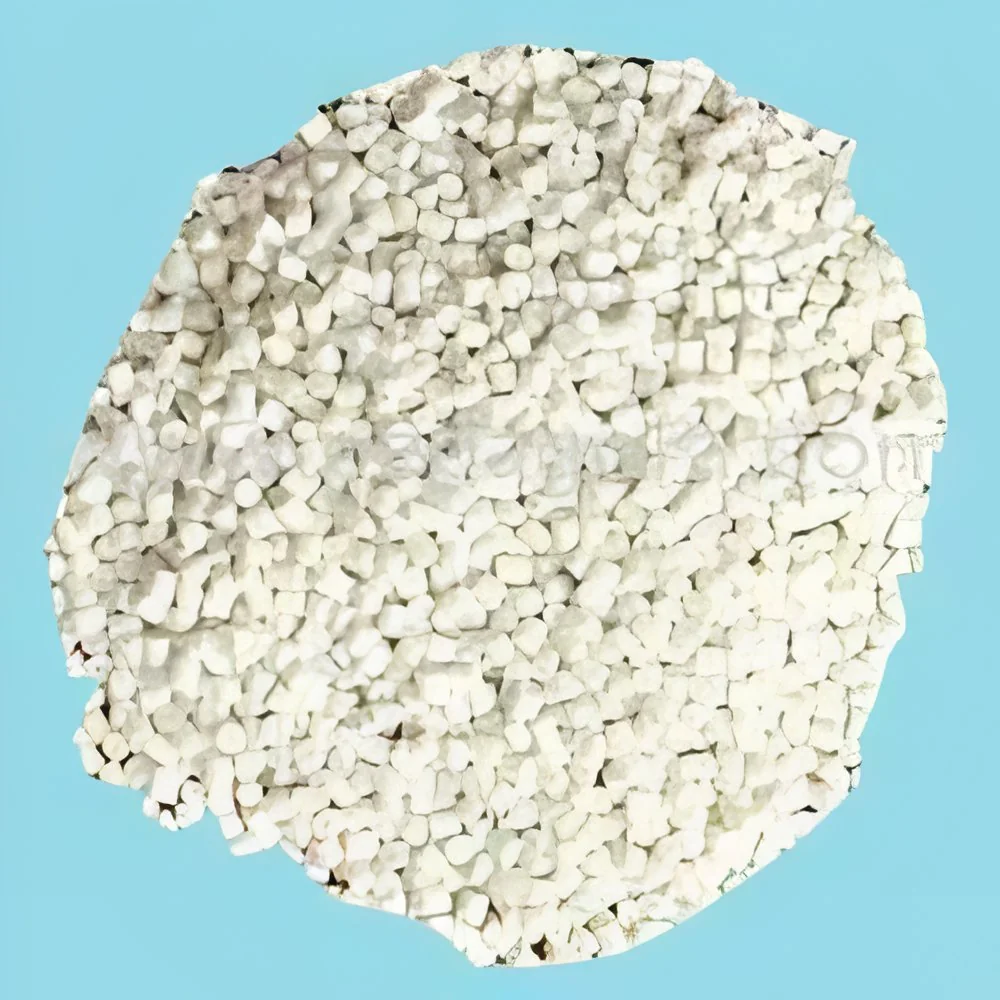
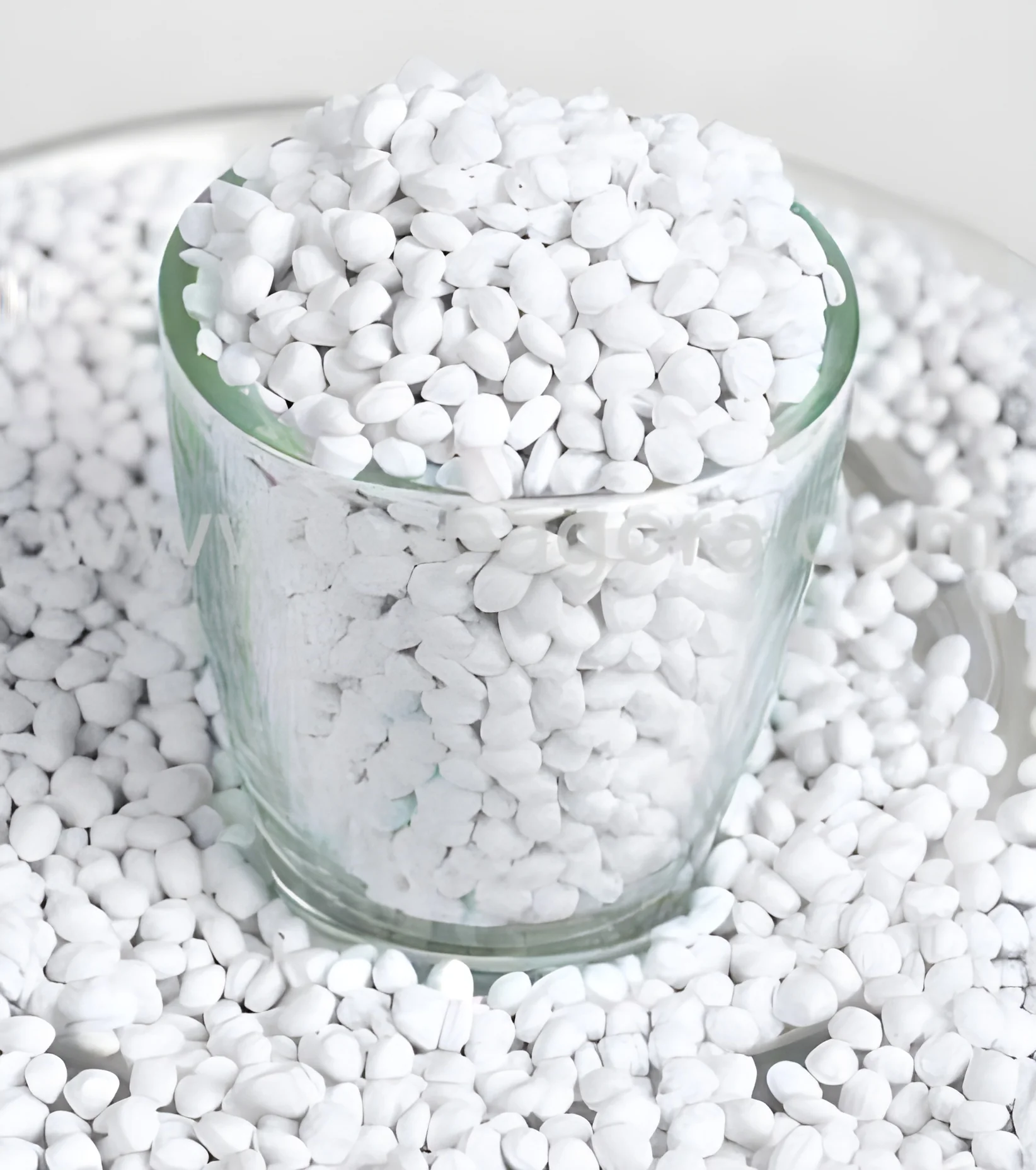
What are Plastic Masterbatches?
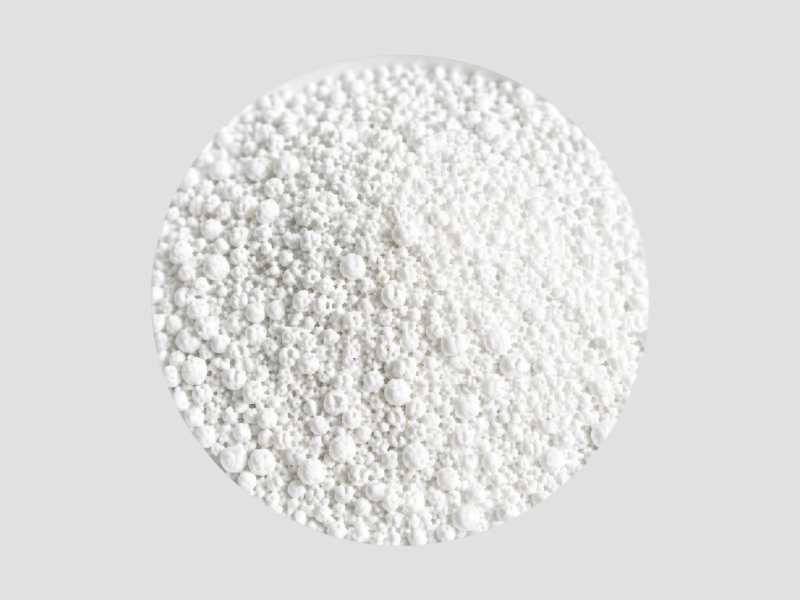
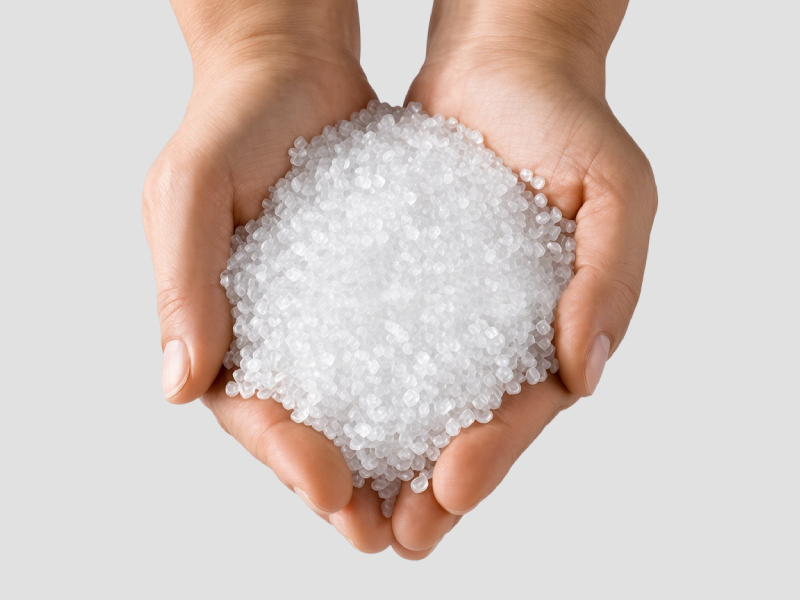
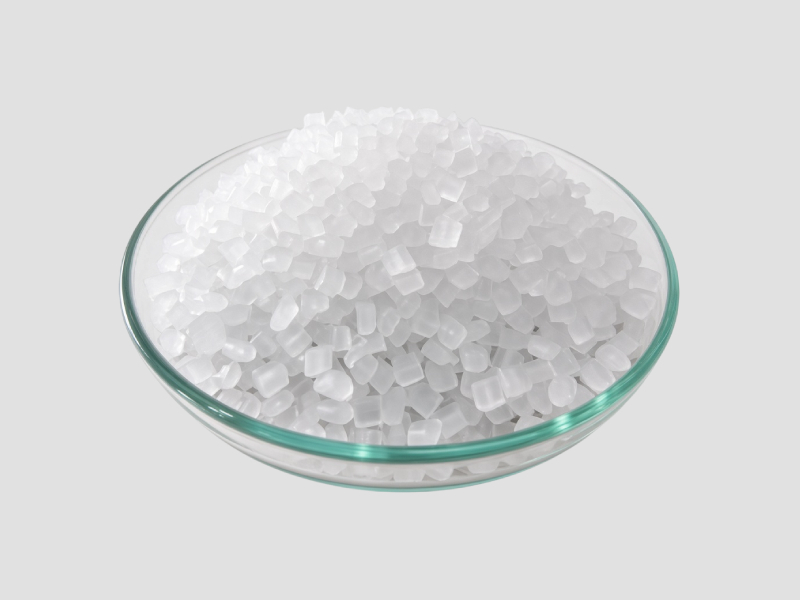
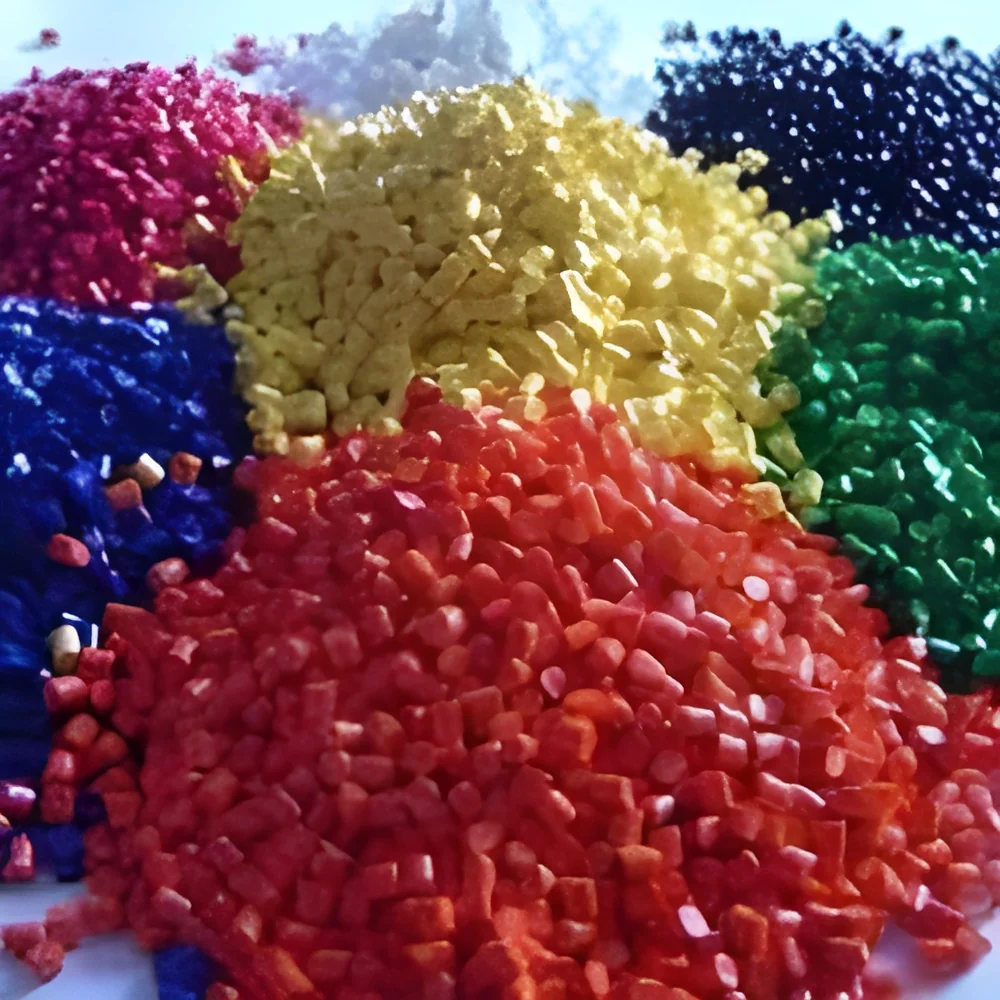
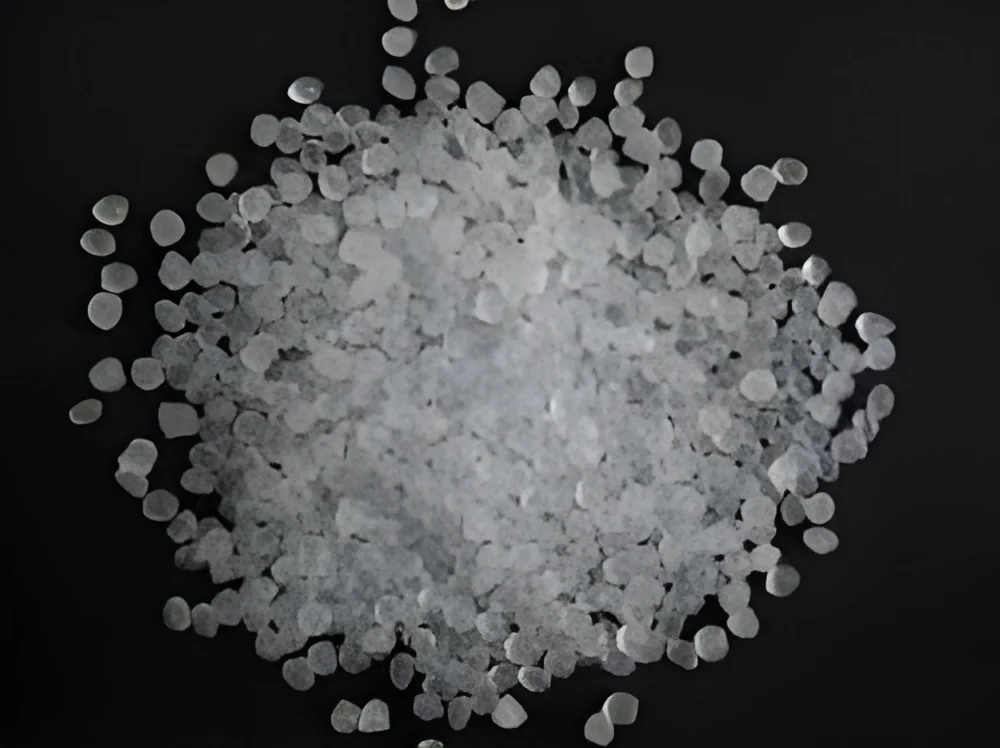
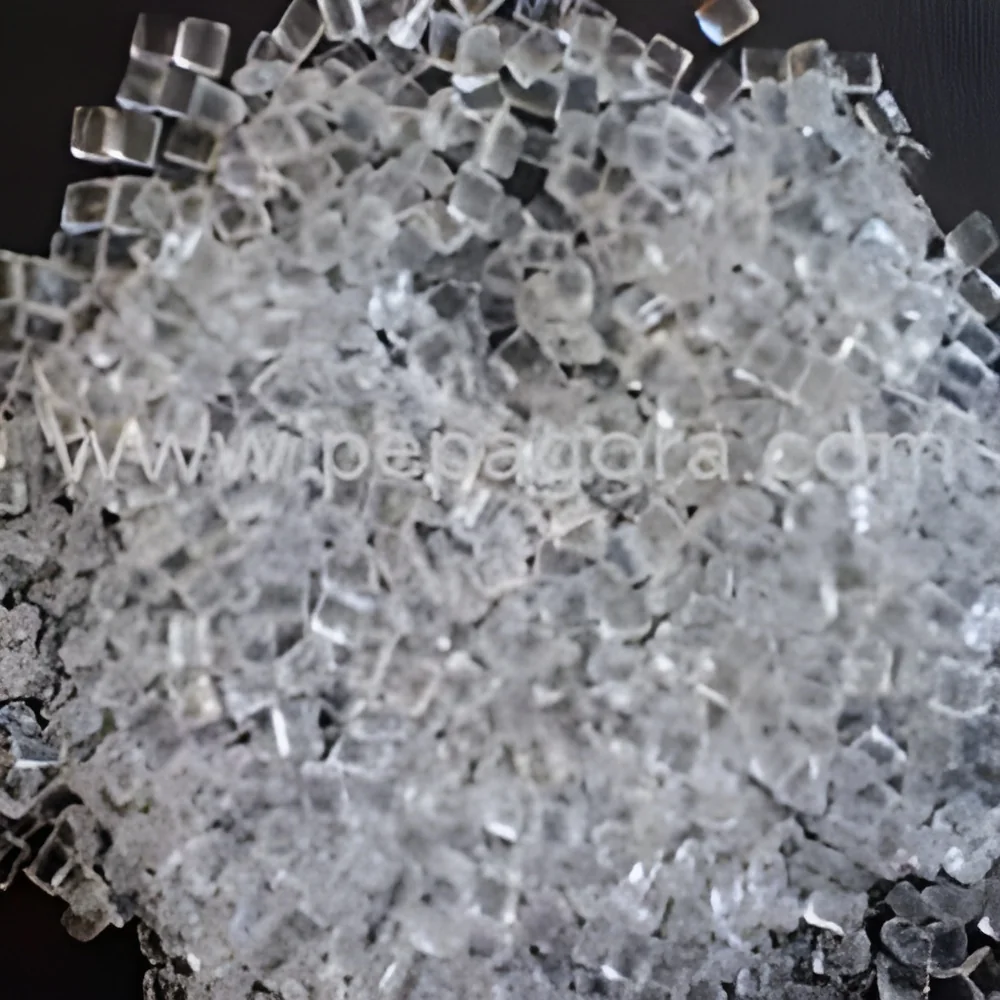
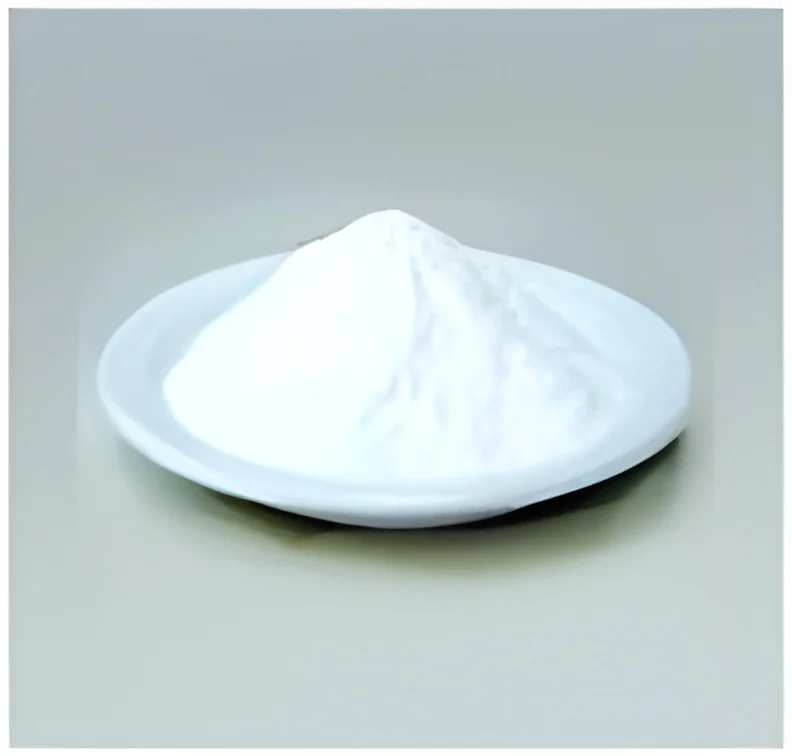
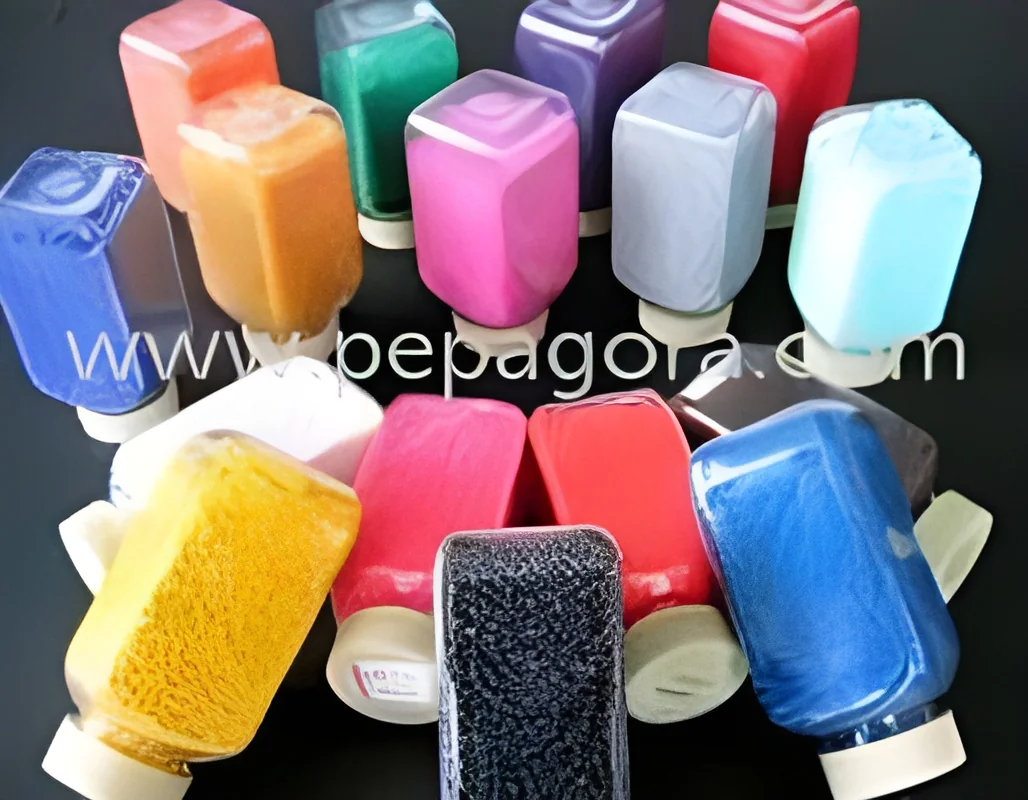
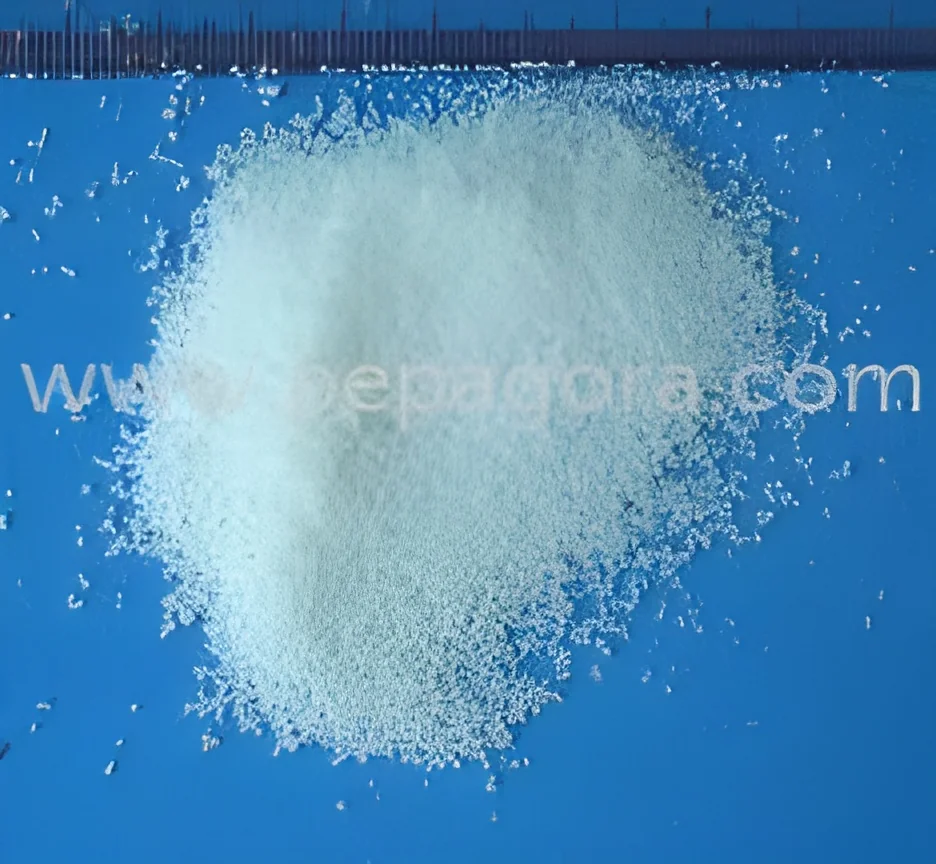
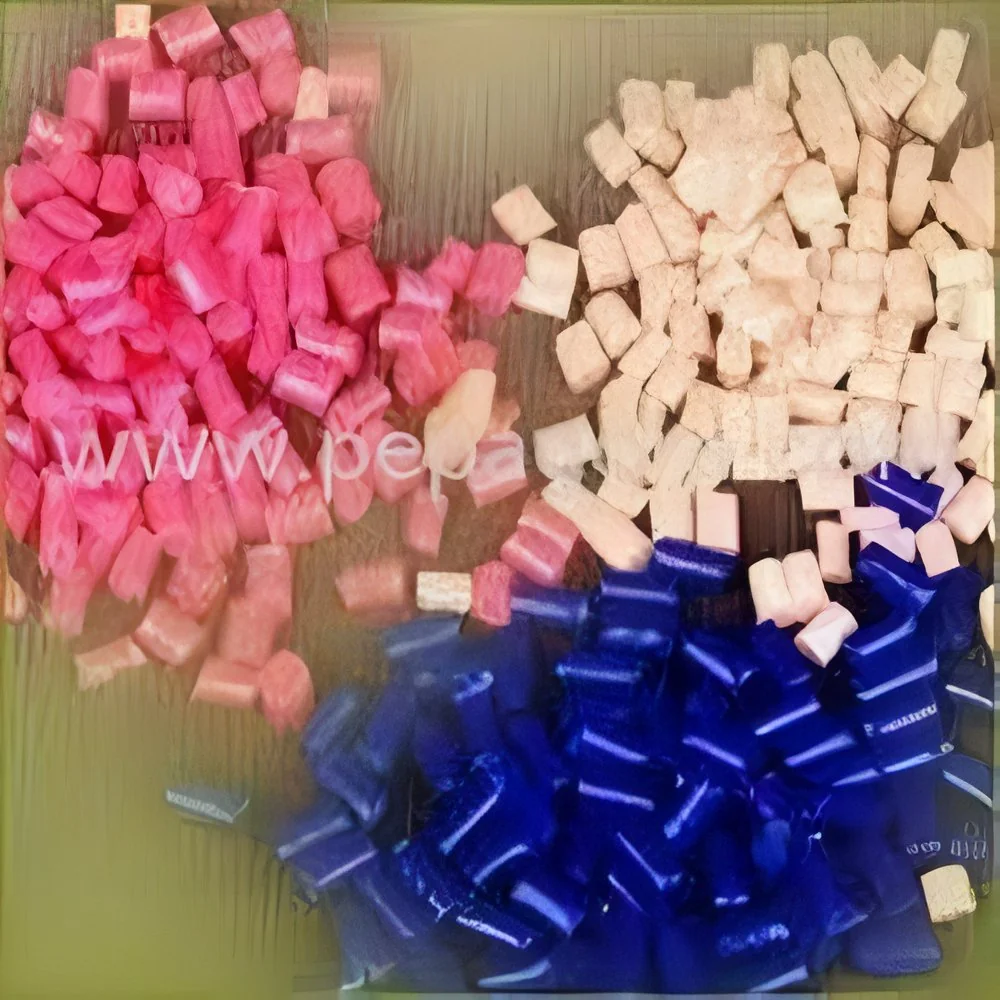
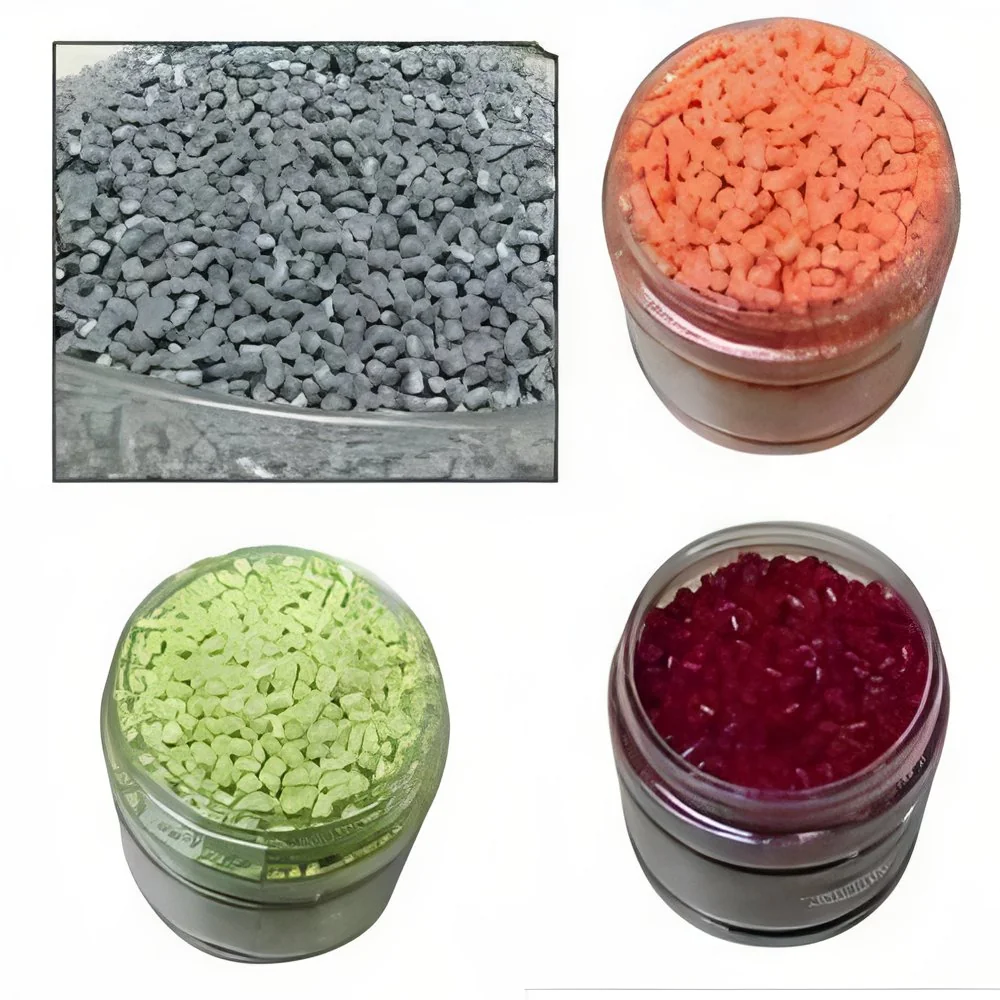
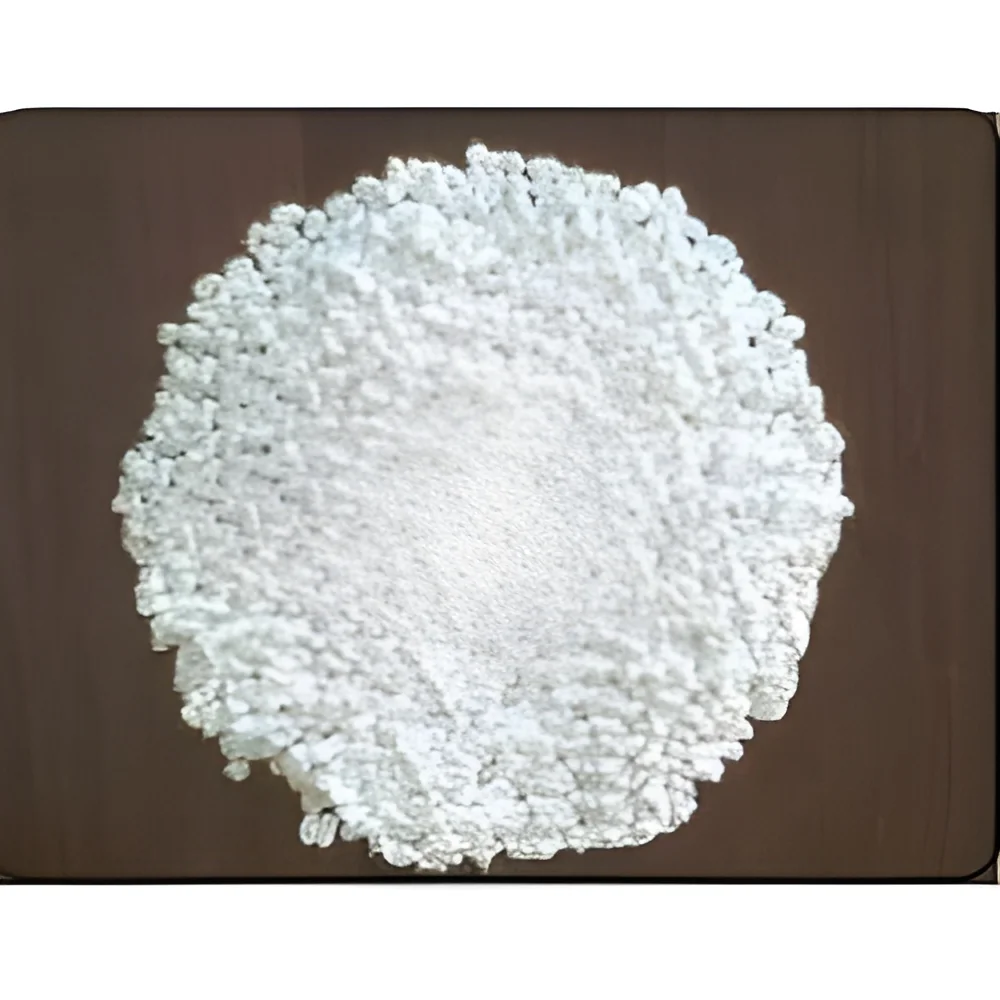
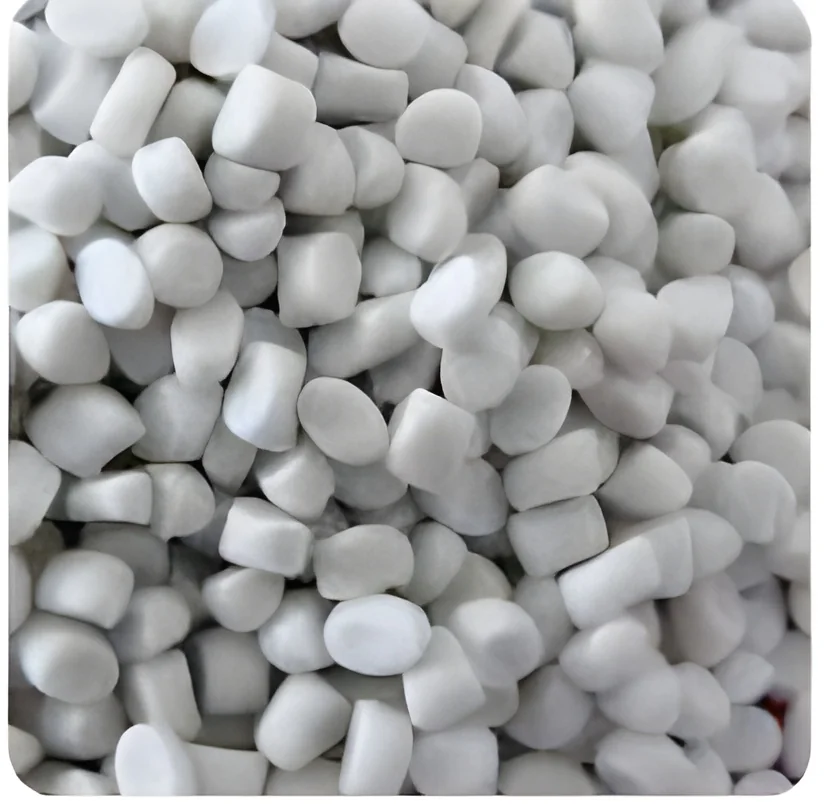
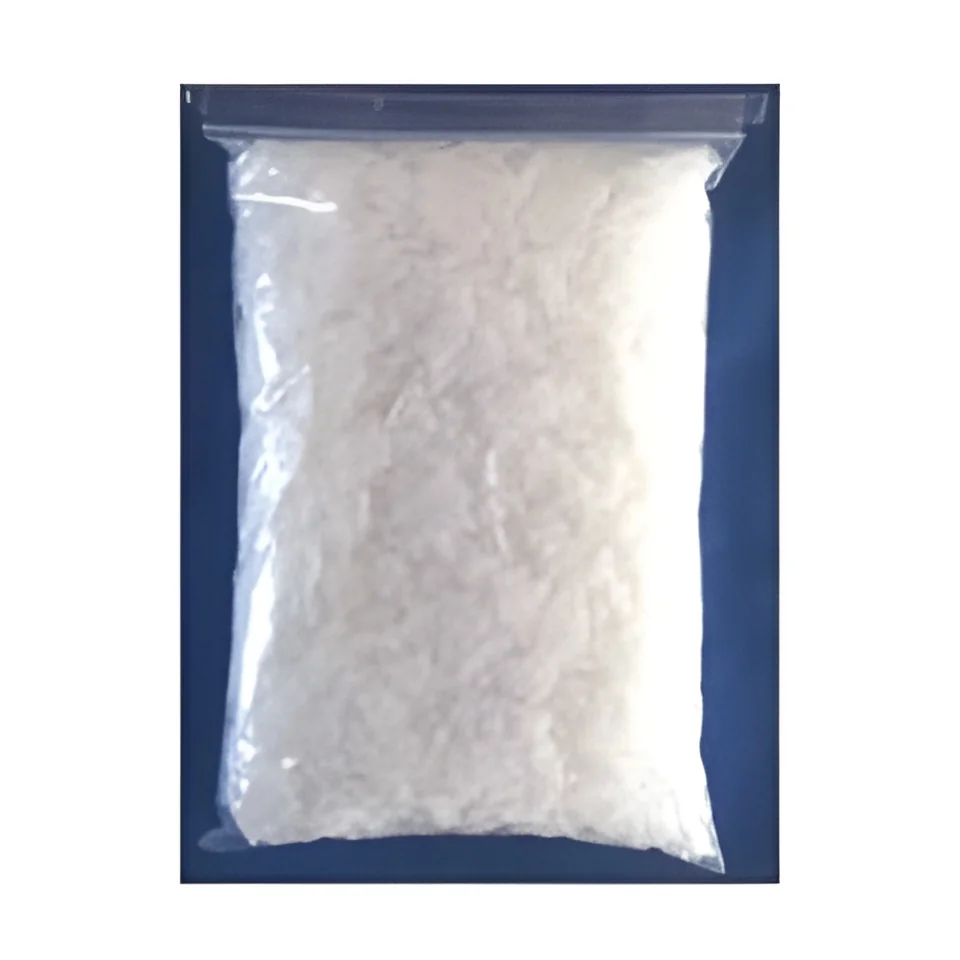
Plastic masterbatches are concentrated mixtures of additives and pigments that are used in the manufacturing of plastic products. These masterbatches are formulated to enhance the properties of base polymers, allowing for improved performance and aesthetics in the final products. Typically, they are produced by dispersing colorants or additives in a polymer carrier, which can then be easily blended with other plastic materials during the molding or extrusion process.
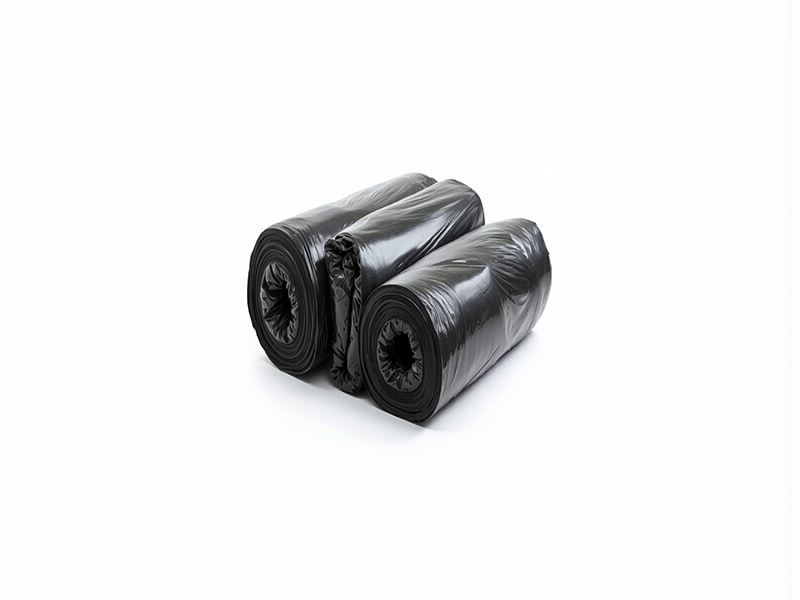
The primary uses of plastic masterbatches include coloring, UV stabilization, flame retardancy, and enhancing other performance characteristics such as impact resistance and anti-static properties. They find applications in a wide range of industries, including packaging, automotive, construction, and consumer goods. Businesses leverage these masterbatches to create products that meet specific regulatory requirements and consumer preferences, making them a crucial component in modern manufacturing.
In the current market context, plastic masterbatches play a vital role in driving innovation in plastic products. As industries seek to adopt sustainable practices and improve product functionality, the demand for high-quality masterbatches continues to grow. This trend is further fueled by advancements in polymer technology and environmental regulations promoting the use of specialized additives in plastic formulations.
Key Features and Specifications
Plastic masterbatches come with a variety of features that enhance the usability and performance of plastic products. Understanding these specifications is essential for selecting the appropriate masterbatch for specific applications.
Key specifications include:
1. Color Concentration
- This specification indicates the level of pigment concentration in the masterbatch.
- Typical ranges can vary from 10% to 70% pigment loading.
2. Carrier Resin Type
- The type of resin used as a carrier affects compatibility with different polymers.
- Common carrier resins include polyethylene (PE), polypropylene (PP), and polystyrene (PS).
3. Thermal Stability
- This specification determines how well the masterbatch maintains its properties under heat.
- Thermal stability is often evaluated at temperature ranges from 200°C to 280°C.
4. UV Resistance
- UV resistance indicates the masterbatch's ability to protect against ultraviolet degradation.
- The performance can vary based on the additives used.
5. Migration Resistance
- This specification measures how well additives remain within the polymer matrix during use.
- High migration resistance is crucial for products intended for food contact.
6. Moisture Resistance
- This specification refers to the masterbatch's ability to perform in humid environments.
- Moisture resistance is essential for applications in varying climates.
7. Flame Retardancy
- Indicates the masterbatch's effectiveness in reducing flammability.
- Can meet various safety standards depending on the formulation.
8. Customization Options
- Many suppliers offer customization to meet specific client needs.
- This includes adjusting color, additive levels, and other properties.
In summary, selecting the right plastic masterbatch involves understanding these key features and specifications. Each aspect plays a critical role in ensuring the final product meets industry standards and customer expectations.
Common Applications and Use Cases
Plastic masterbatches serve a variety of industries, enhancing the functionality and aesthetic quality of end products.
1. Packaging: Plastic masterbatches are widely used in packaging materials to provide vibrant colors and improve barrier properties, making products more appealing and durable.
2. Automotive: In the automotive industry, masterbatches are used to create interior and exterior components that require specific color matching and UV resistance to withstand harsh conditions.
3. Construction: Masterbatches enhance the performance of construction materials, providing properties such as weather resistance and improved durability for roofing and siding applications.
4. Consumer Goods: Many consumer products, including electronics and household items, utilize plastic masterbatches to achieve attractive finishes and necessary performance characteristics.
5. Agriculture: Masterbatches are employed in agricultural films and products to provide UV protection and enhance durability against environmental conditions.
6. Textile: In the textile industry, plastic masterbatches are used to color synthetic fibers, achieving a wide range of colors and patterns.
7. Medical: Masterbatches are also used in medical applications to ensure compliance with safety standards while providing necessary properties such as anti-static or antibacterial features.
Product Variants and Subcategories
Plastic masterbatches are a diverse category, catering to various industry needs with specialized formulations.
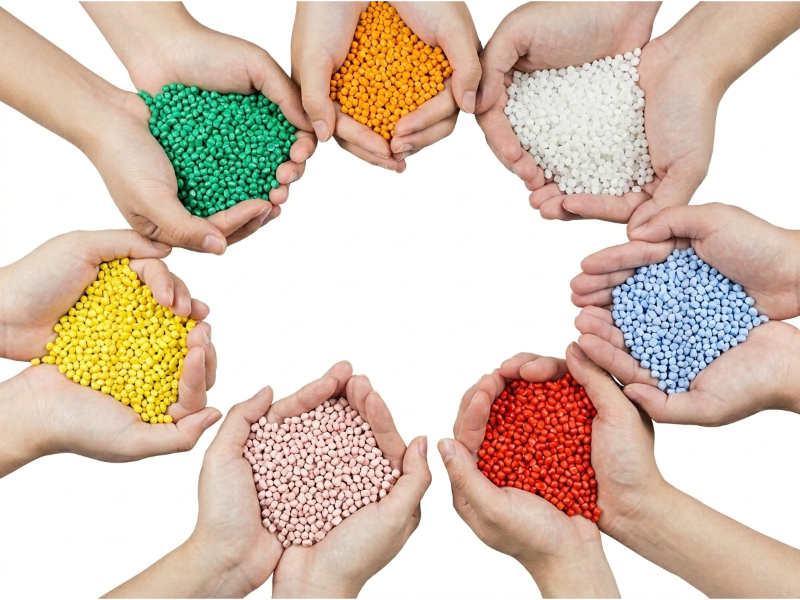
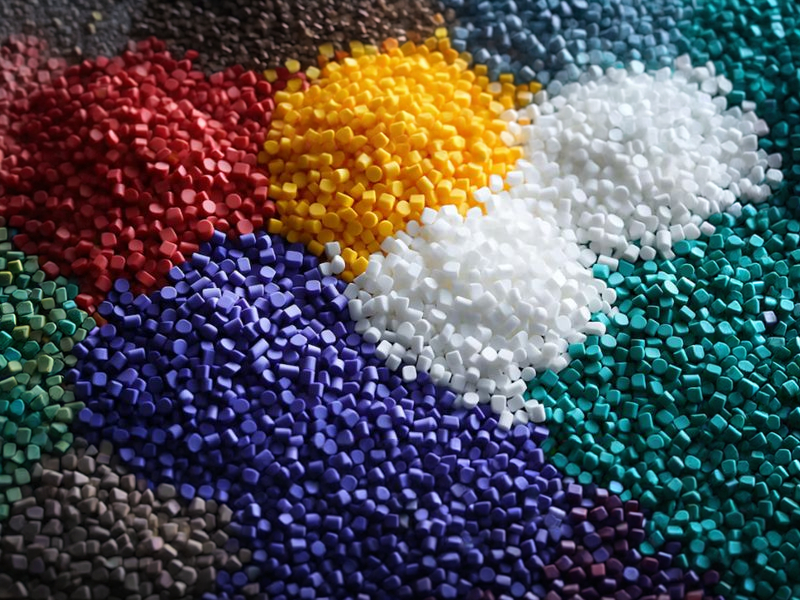
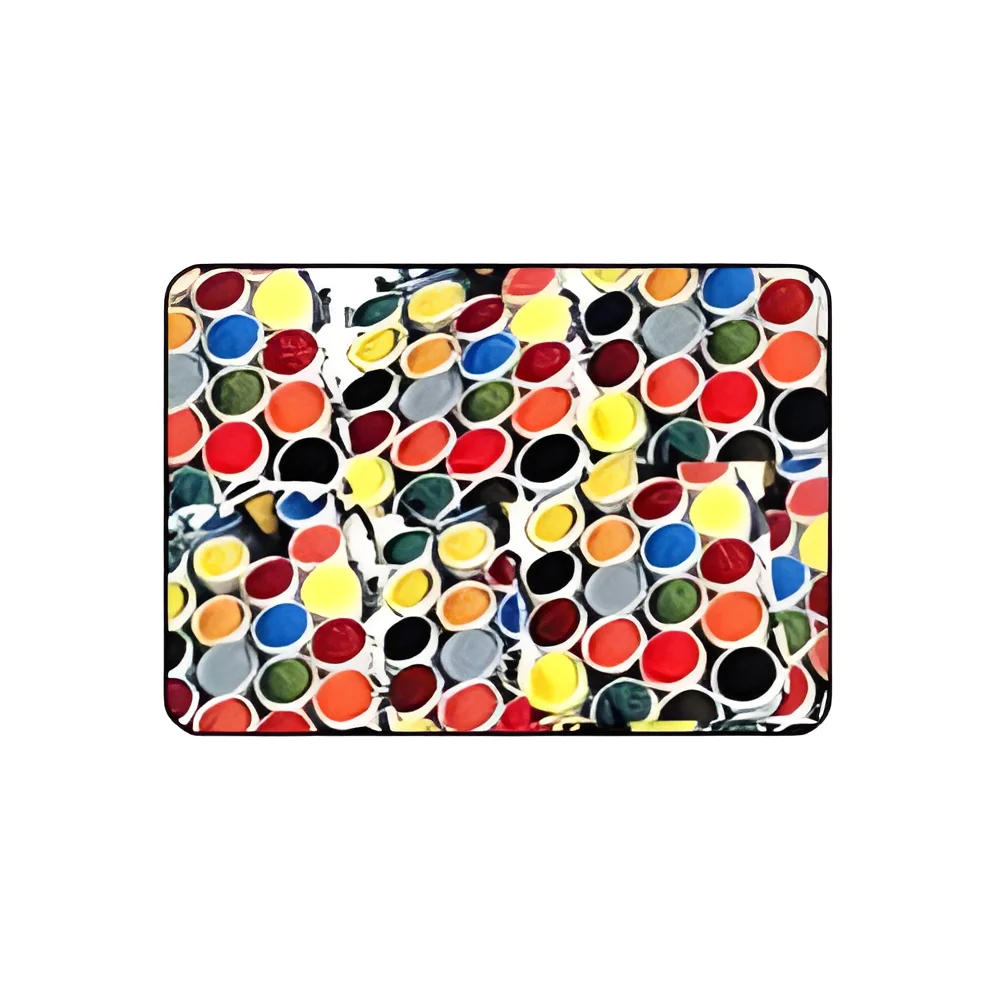
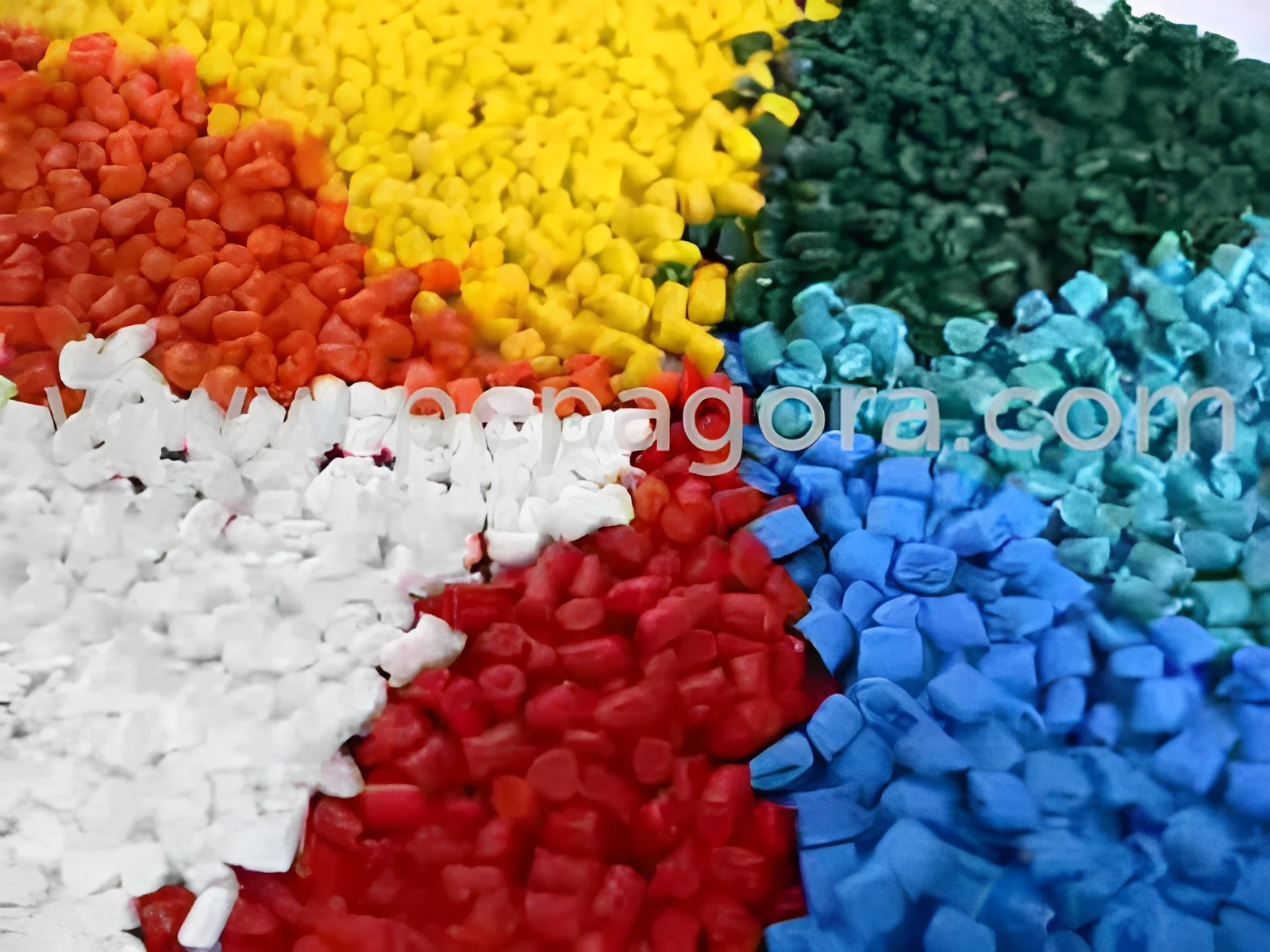
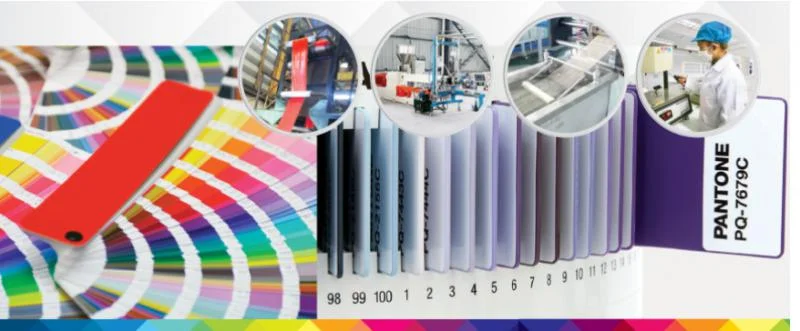
Color Masterbatches: These are designed to provide vibrant colors to plastics. They are suitable for a wide range of applications, from packaging to consumer goods, ensuring consistent and appealing colors.
Additive Masterbatches: These masterbatches contain performance-enhancing additives such as UV stabilizers, flame retardants, or anti-static agents. They are essential in applications where specific functionalities are required.
Reinforced Masterbatches: Formulated with fillers or reinforcements, these masterbatches enhance the mechanical properties of plastics, making them stronger and more durable for demanding applications.
Specialty Masterbatches: These include custom formulations tailored to specific needs, such as biodegradable options or masterbatches for specific industry requirements, ensuring compliance and performance.
Benefits and Advantages
Using plastic masterbatches offers several key benefits that can significantly enhance product quality and production efficiency.
1. Cost Efficiency: By using masterbatches, manufacturers can reduce overall production costs through efficient coloring and additive incorporation.
2. Enhanced Product Performance: Masterbatches improve the physical and aesthetic properties of plastics, leading to better performance in various applications.
3. Simplified Processing: The concentrated nature of masterbatches makes them easy to handle and mix, simplifying the manufacturing process.
4. Customization: Manufacturers can tailor masterbatches to meet specific requirements, ensuring that the end products comply with industry standards.
5. Consistent Quality: Masterbatches provide uniformity in color and performance, leading to consistent quality in production runs.
6. Environmental Considerations: Many masterbatches are designed to be eco-friendly, meeting regulations and consumer demand for sustainable products.
Buying Guide for B2B Buyers
When sourcing plastic masterbatches, it is essential for B2B buyers to consider several critical factors to ensure optimal choices.
1. Quality Assessment: Buyers should evaluate masterbatches based on quality criteria such as consistency, color accuracy, and performance characteristics to ensure they meet production needs.
2. Supplier Verification: It is crucial to vet suppliers thoroughly, checking for industry certifications, customer reviews, and their track record for reliability and quality.
3. Pricing and MOQ: Understanding the cost structure and minimum order quantities (MOQ) is vital for budgeting and ensuring that suppliers can meet demand without excessive lead times.
4. Delivery and Lead Times: Buyers should inquire about delivery timelines and logistics capabilities to ensure timely production schedules.
5. Compliance Requirements: It is important to confirm that the masterbatches meet relevant regulatory and safety standards, especially for industries like food packaging and medical applications.
Compliance and Certifications
Plastic masterbatches must adhere to various compliance and certification standards to ensure safety and quality. Relevant quality standards such as ISO 9001 ensure consistency in manufacturing processes and product quality. For industries with specific safety requirements, compliance with HACCP and GDP standards may also be necessary.
Industry certifications, such as CE marking, indicate that products meet EU safety, health, and environmental protection requirements. Additionally, safety and testing requirements often mandate rigorous assessments to confirm the performance and safety of masterbatches in their intended applications.
Regional compliance considerations are also critical, as different regions may have unique regulations governing the use of certain additives and colorants in plastics. Staying informed about these regulations helps manufacturers avoid legal complications and ensures that their products meet market demands.
Why Source Plastic Masterbatches from Pepagora?
Pepagora offers an exceptional platform for sourcing plastic masterbatches, providing numerous advantages for B2B buyers.
Verified Supplier Network: Pepagora features a robust network of verified suppliers, ensuring that buyers can trust the quality and reliability of the products offered. This verification process reduces the risk associated with procurement.
Streamlined RFQ Process: The platform simplifies the request for quotation (RFQ) process, allowing buyers to easily compare offerings from multiple suppliers. This transparency fosters informed decision-making.
Trade Assurance and Support: Buyers benefit from trade assurance programs that protect their purchases, providing peace of mind throughout the procurement process. Additionally, customer support is readily available to assist with any inquiries.
Regional Coverage: With a geographic reach that spans India, the GCC, and Southeast Asia, Pepagora connects buyers to a vast array of suppliers, making it easier to source the right plastic masterbatches for any specific need. This regional coverage ensures buyers have access to diverse products tailored to different market demands.

 IN
IN