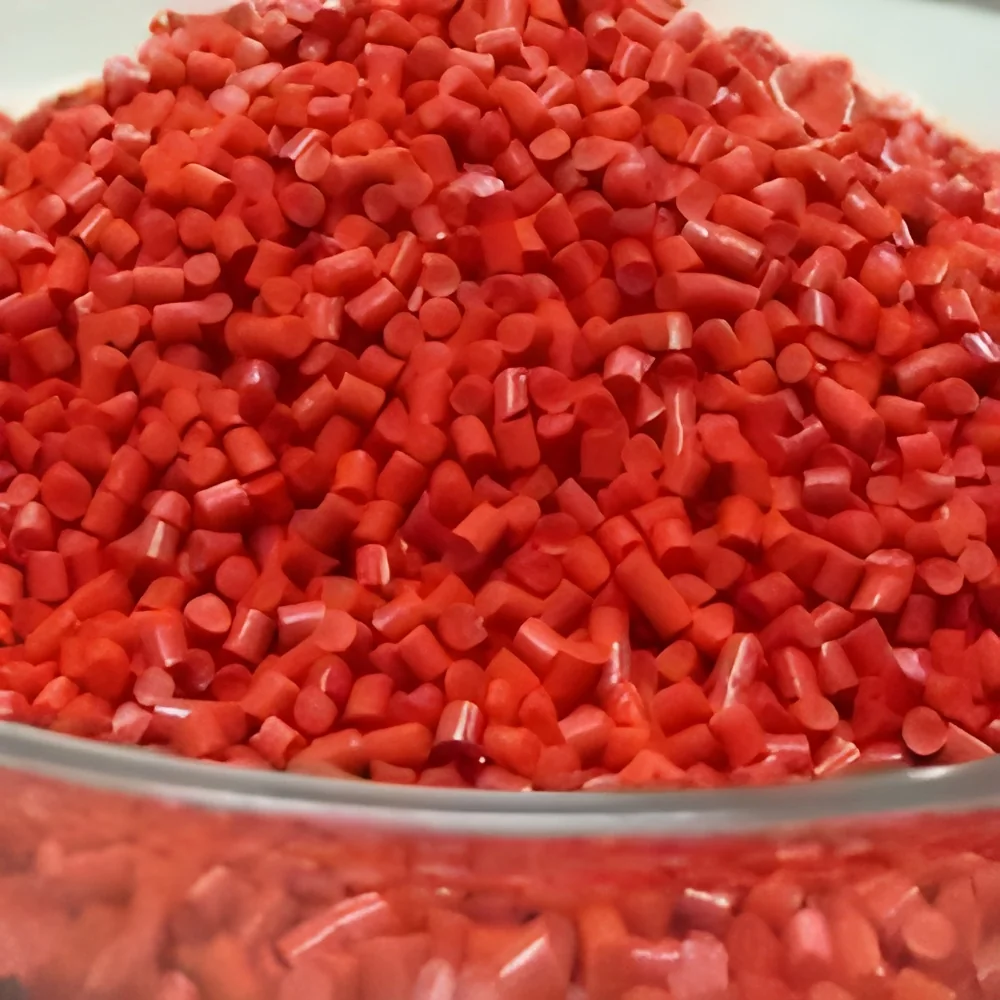
Key Features and Specifications
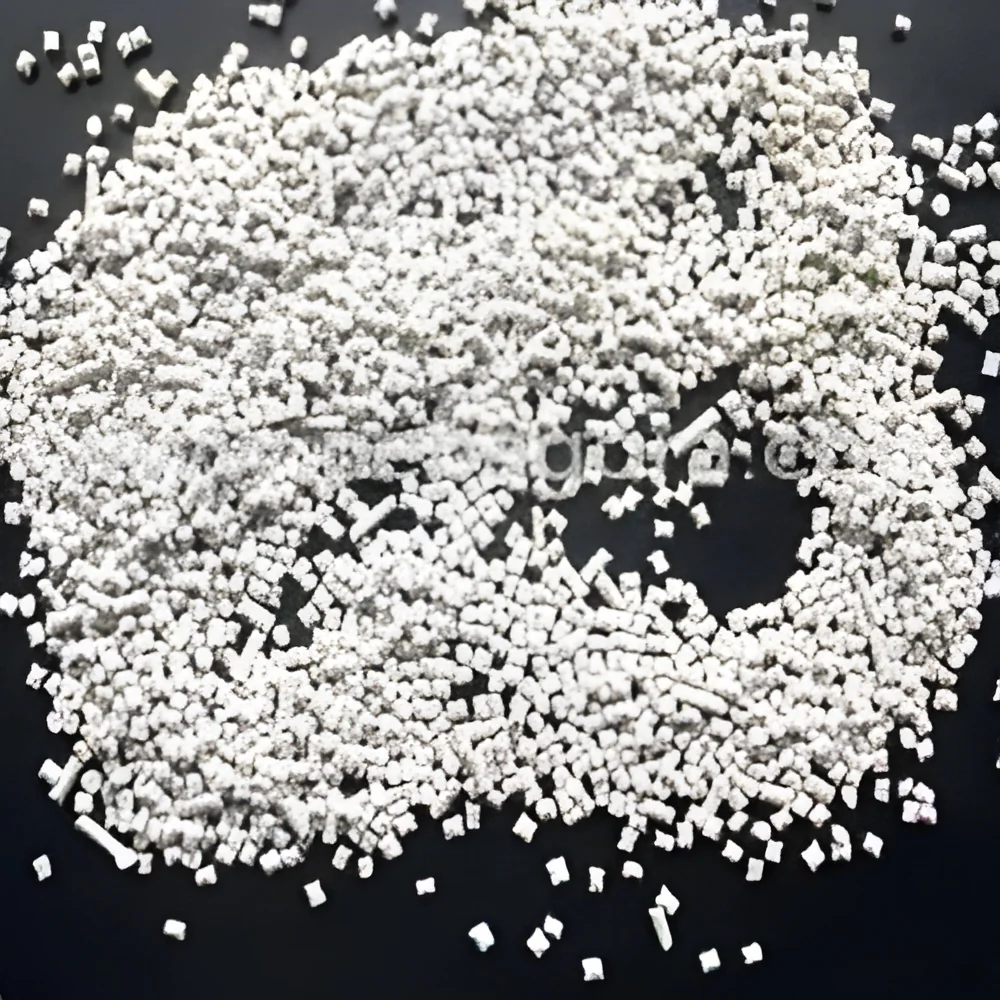
PLA pellets possess several features that make them suitable for various applications. They are known for their excellent mechanical properties, ease of processing, and compatibility with other materials. The following key specifications detail the essential characteristics of PLA pellets.
Key specifications include:
1. Molecular Weight
- The molecular weight of PLA pellets can vary, influencing their processing and application properties.
- Typical ranges are from 50,000 to 200,000 g/mol.
2. Melting Temperature
- PLA exhibits a melting temperature range that is suitable for conventional processing methods.
- Typical melting temperatures range from 150 to 180 degrees Celsius.
3. Density
- The density of PLA pellets contributes to their lightweight nature.
- Typical density values are around 1.24 g/cm³.
4. Biodegradability
- PLA is recognized for its biodegradability under industrial composting conditions.
- It typically degrades within 60 to 90 days in the right environment.
5. Transparency
- PLA pellets can be produced in transparent forms, making them ideal for packaging applications.
- The transparency level can vary based on processing and formulation.
6. Tensile Strength
- PLA exhibits considerable tensile strength, making it suitable for various load-bearing applications.
- Typical tensile strength values are around 50 to 70 MPa.
7. Impact Resistance
- The impact resistance of PLA can be modified for specific applications.
- It generally has lower impact resistance compared to traditional plastics.
8. Thermal Stability
- PLA pellets show good thermal stability during processing.
- They can withstand temperatures up to 120 degrees Celsius without significant degradation.
In summary, PLA pellets are characterized by their favorable mechanical properties, biodegradability, and versatility across diverse applications, making them a valuable material in the industrial landscape.
Common Applications and Use Cases
PLA pellets serve various industries, thanks to their unique properties and eco-friendly nature.
1. Packaging: PLA is extensively used in producing biodegradable packaging materials, such as food containers and film wraps. These applications benefit from PLA's transparency and mechanical strength.
2. Textiles: The textile industry utilizes PLA fibers to create sustainable clothing options. PLA fabrics offer comfort and durability while reducing the environmental impact of textile production.
3. 3D Printing: In the additive manufacturing sector, PLA is a popular filament due to its ease of use and low warping tendencies. It allows for high-quality prints with an attractive finish.
4. Medical Devices: PLA's biocompatibility makes it suitable for producing medical devices, including sutures and drug delivery systems. Its biodegradability is an added advantage in medical applications.
5. Agricultural Films: PLA is used in agriculture for biodegradable mulch films, which help improve soil health and reduce plastic waste in farming practices.
6. Disposable Products: Products like cutlery, straws, and plates made from PLA are gaining popularity in the food service industry due to their compostable nature.
7. Electronics: PLA can be used for producing casings and components in electronic devices, providing a sustainable alternative to conventional plastics.
Product Variants and Subcategories
PLA pellets come in various forms to cater to different application needs. These variants are designed to meet specific performance attributes and processing requirements.
Standard PLA Pellets
These are the most common form of PLA, suitable for general applications. They offer a good balance of properties for diverse uses, including packaging and textiles.
High-Heat PLA Pellets
These pellets are engineered to withstand higher temperatures, making them ideal for applications that require thermal resistance, such as certain 3D printing processes.
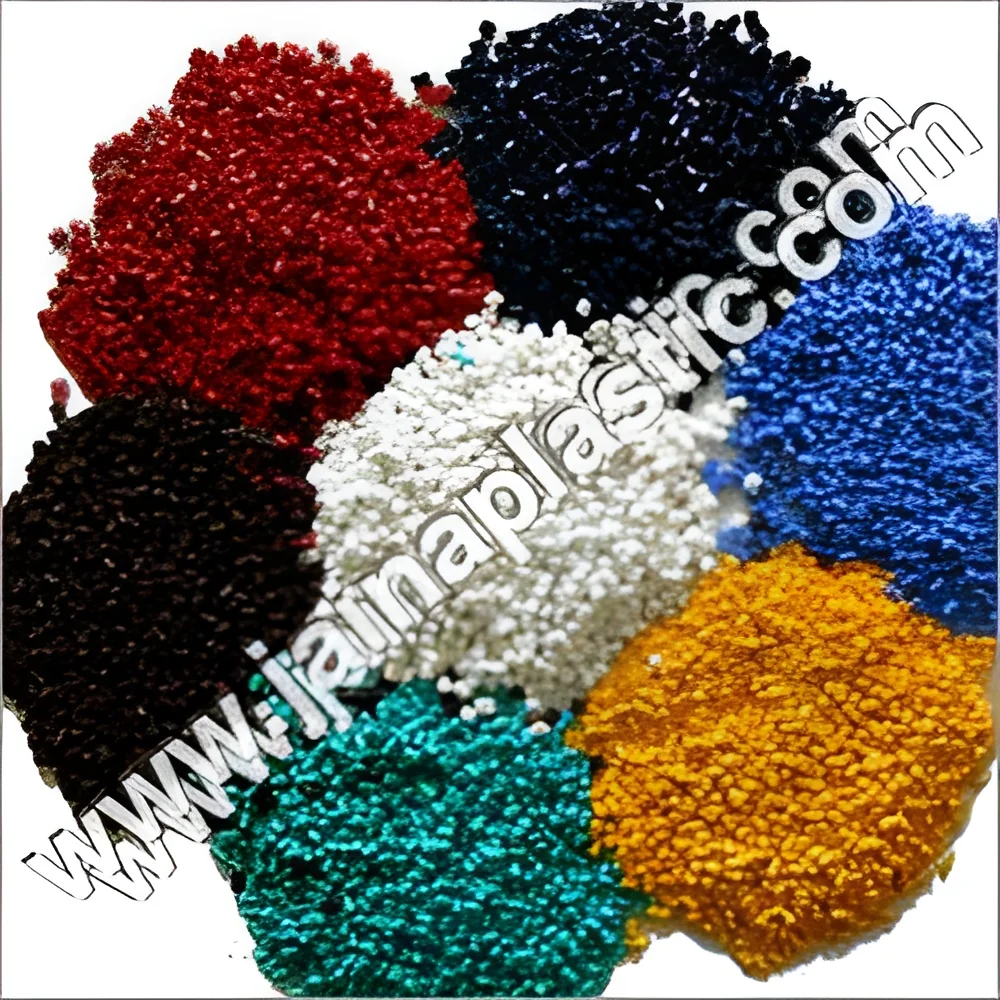
Color Masterbatch PLA Pellets
These variants are pre-colored to simplify the manufacturing process. They provide vibrant colors for applications in packaging and consumer products without additional dyeing steps.
Blended PLA Pellets
These pellets are blended with other materials to enhance specific properties, such as impact resistance or flexibility, allowing for tailored applications in various industries.
Benefits and Advantages
Sourcing PLA pellets offers numerous advantages for businesses focused on sustainability and performance.
Key benefits include:
1. Eco-Friendly: PLA is derived from renewable resources, reducing reliance on fossil fuels and minimizing environmental impact.
2. Biodegradable: PLA degrades naturally in industrial composting conditions, contributing to waste reduction.
3. Versatility: PLA pellets can be used across various applications, making them a flexible choice for manufacturers.
4. Ease of Processing: PLA can be processed using standard plastic manufacturing methods, simplifying integration into existing production lines.
5. Safety: PLA is non-toxic and safe for food contact applications, making it suitable for packaging and disposable products.
6. Mechanical Performance: PLA offers good tensile strength and stiffness, suitable for load-bearing applications.
Buying Guide for B2B Buyers
When sourcing PLA (Polylactic Acid) pellets, it is essential to consider several factors to ensure quality and reliability.
1. Quality Assessment: Evaluate the quality of PLA pellets through certifications and supplier documentation. Look for compliance with industry standards to verify product integrity.
2. Supplier Verification: Conduct thorough research to vet potential suppliers. Check their reputation, reliability, and history of delivering quality materials.
3. Pricing and MOQ: Understand the pricing structure and minimum order quantities (MOQ) set by suppliers. Compare offers to find the best value while ensuring quality.
4. Delivery and Lead Times: Inquire about logistics and delivery schedules to ensure timely supply. Assess the supplier's ability to meet your production timelines.
5. Compliance Requirements: Ensure that the PLA pellets meet any regulatory compliance required for your specific industry. This may include safety and environmental regulations.
Compliance and Certifications
PLA pellets are subject to several quality standards and certifications that ensure their safety and performance in industrial applications.
Key relevant quality standards include ISO 9001, which outlines quality management systems and is crucial for suppliers to maintain consistent product quality. Additionally, HACCP (Hazard Analysis and Critical Control Points) may be relevant in industries where food contact is concerned, ensuring that the production process minimizes health hazards.
Industry certifications such as CE (Conformité Européenne) indicate compliance with European safety standards, which is particularly important for products entering the European market.
Safety and testing requirements for PLA pellets can include assessments of mechanical properties, biodegradability, and potential toxicological effects. Regional compliance considerations may vary, so it is essential to check local regulations regarding bioplastics and their applications.
Why Source PLA (Polylactic Acid) Pellets from Pepagora?
Pepagora offers a trusted platform for sourcing PLA (Polylactic Acid) pellets, providing several key advantages for businesses.
Verified Supplier Network: Pepagora has established a network of verified suppliers, ensuring that buyers can source high-quality materials with confidence. Each supplier is vetted for reliability and product quality.
Streamlined RFQ Process: The request for quotation (RFQ) process is designed to be efficient and user-friendly. Buyers can quickly receive quotes from multiple suppliers, allowing for informed decision-making.
Trade Assurance and Support: Pepagora offers trade assurance, protecting buyers from uncertainties during transactions. This includes support for resolving disputes and ensuring a smooth purchasing experience.
Regional Coverage: With a strong presence in regions like India, the GCC, and Southeast Asia, Pepagora provides extensive geographic reach. This allows businesses to connect with local suppliers and meet regional demand effectively.
In conclusion, Pepagora serves as a valuable resource for businesses looking to source PLA pellets, combining supplier verification, an efficient procurement process, and robust support to facilitate successful transactions.

 IN
IN