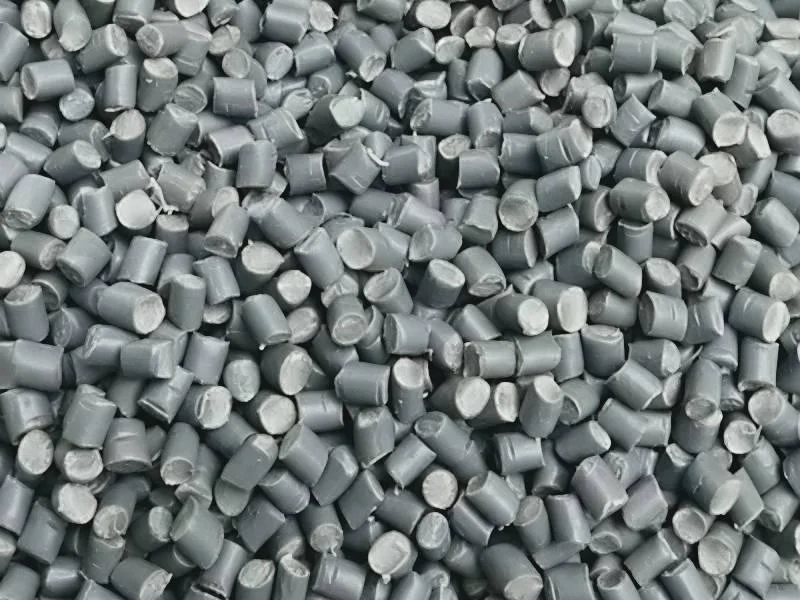
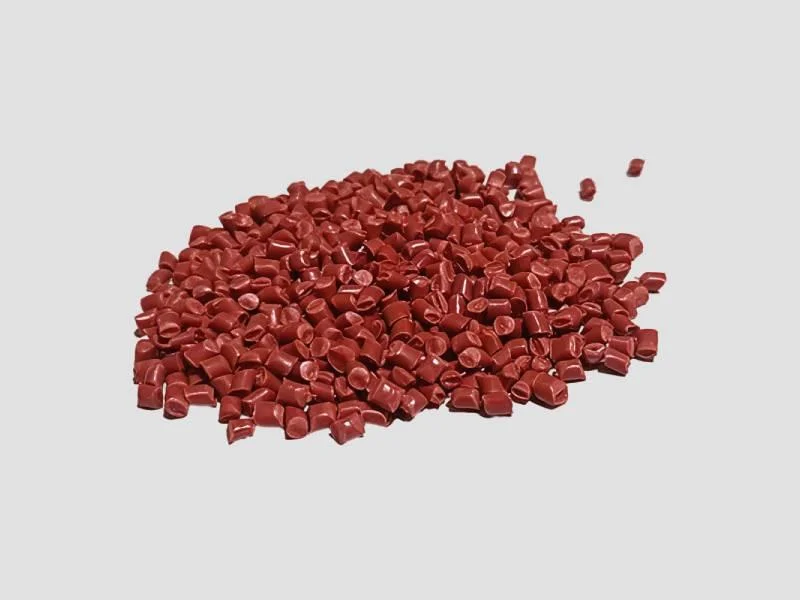
What are Recycled PP Granules?
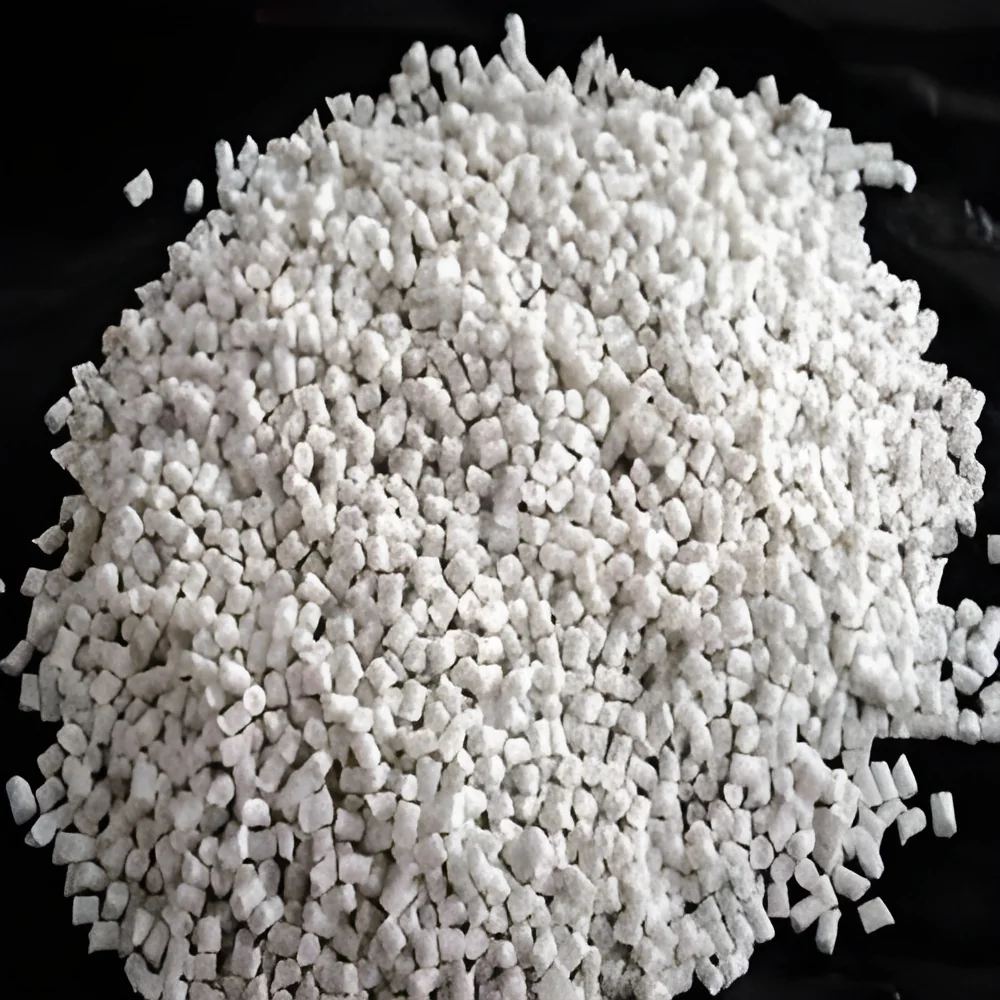
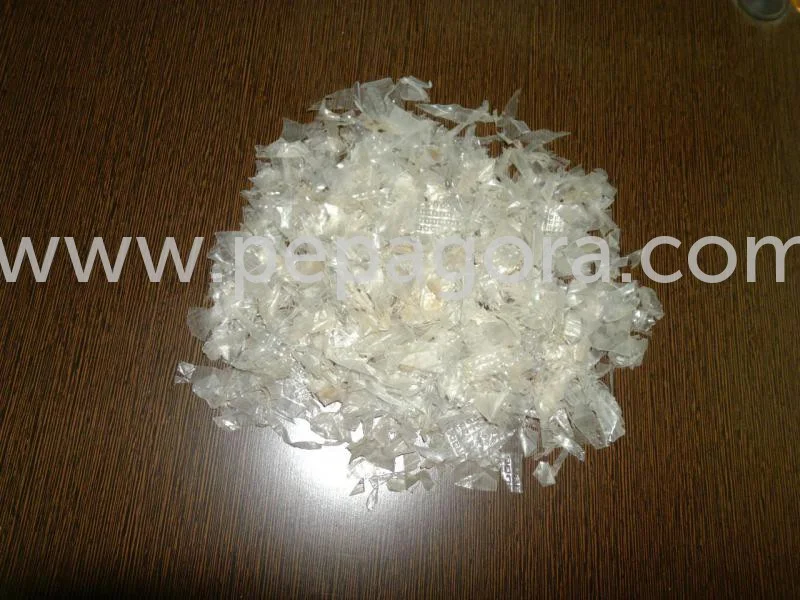
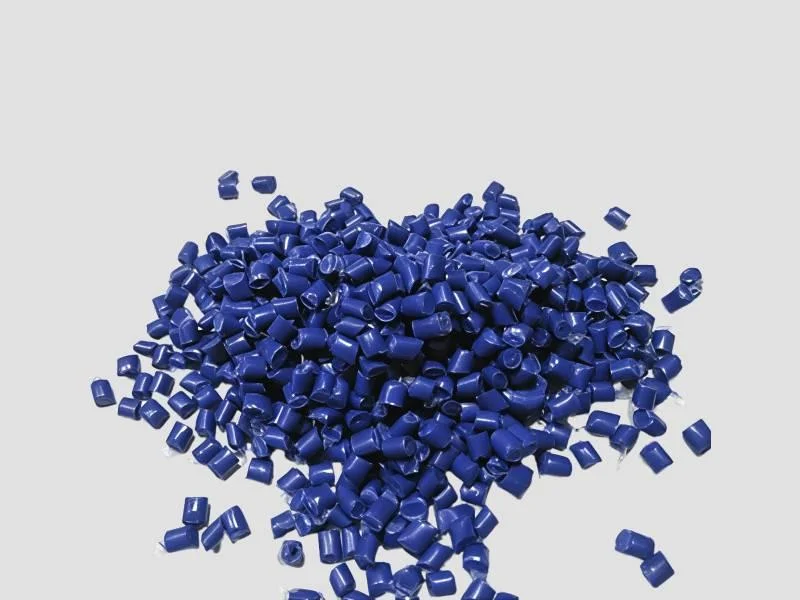
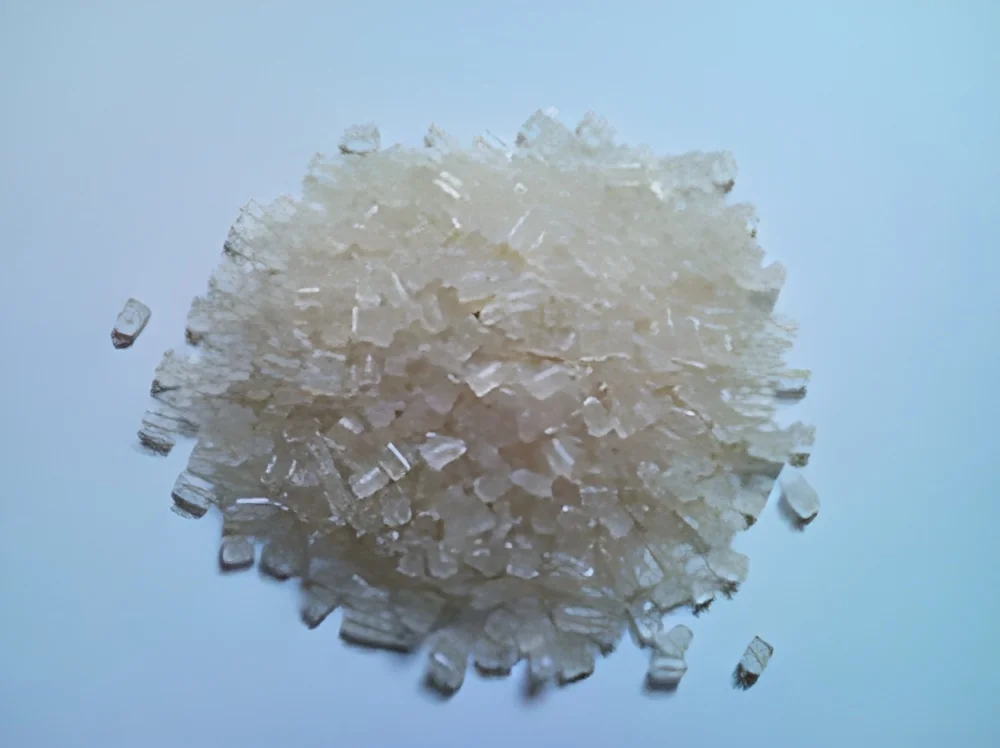
Recycled PP granules are plastic pellets derived from post-consumer polypropylene waste. The recycling process involves collecting, cleaning, and processing used polypropylene products, such as containers, packaging, and automotive parts, to create new granules suitable for manufacturing. This sustainable approach not only reduces the amount of plastic waste generated but also conserves natural resources and minimizes energy consumption compared to producing virgin polypropylene.
These granules are primarily used in various industrial applications, including injection molding, extrusion, and thermoforming. Industries such as packaging, automotive, and consumer goods frequently utilize recycled PP granules in the production of new products. As environmental regulations tighten and sustainability becomes a focal point for businesses, the demand for recycled materials like PP granules is expected to grow. This positions recycled PP granules as a vital component in the circular economy.
Key Features and Specifications
Recycled PP granules come with a variety of features and specifications that make them suitable for multiple applications. Understanding these characteristics is essential for businesses looking to incorporate recycled materials into their production processes.
Key specifications include:
1. Color
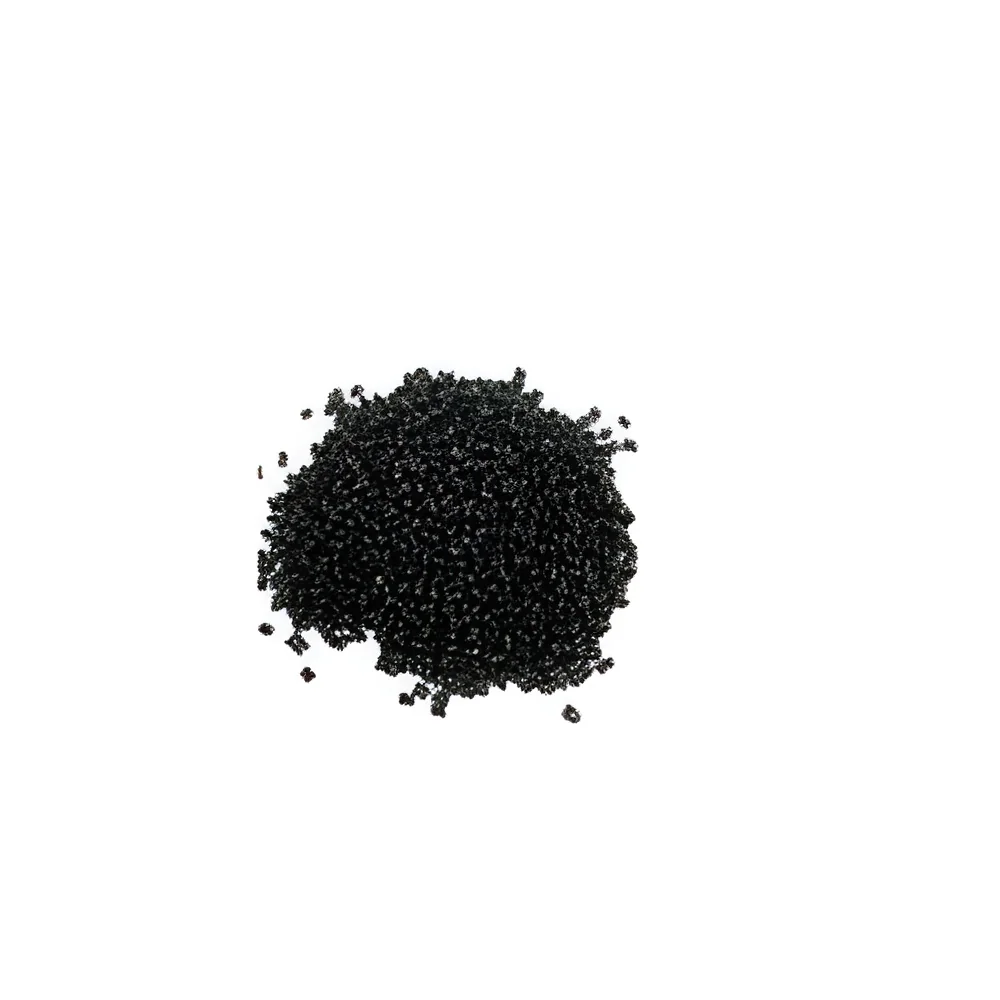
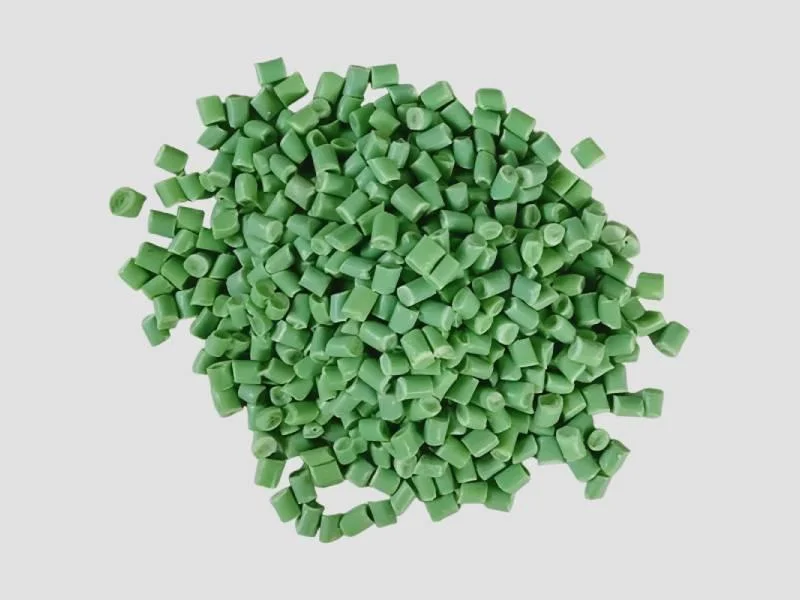
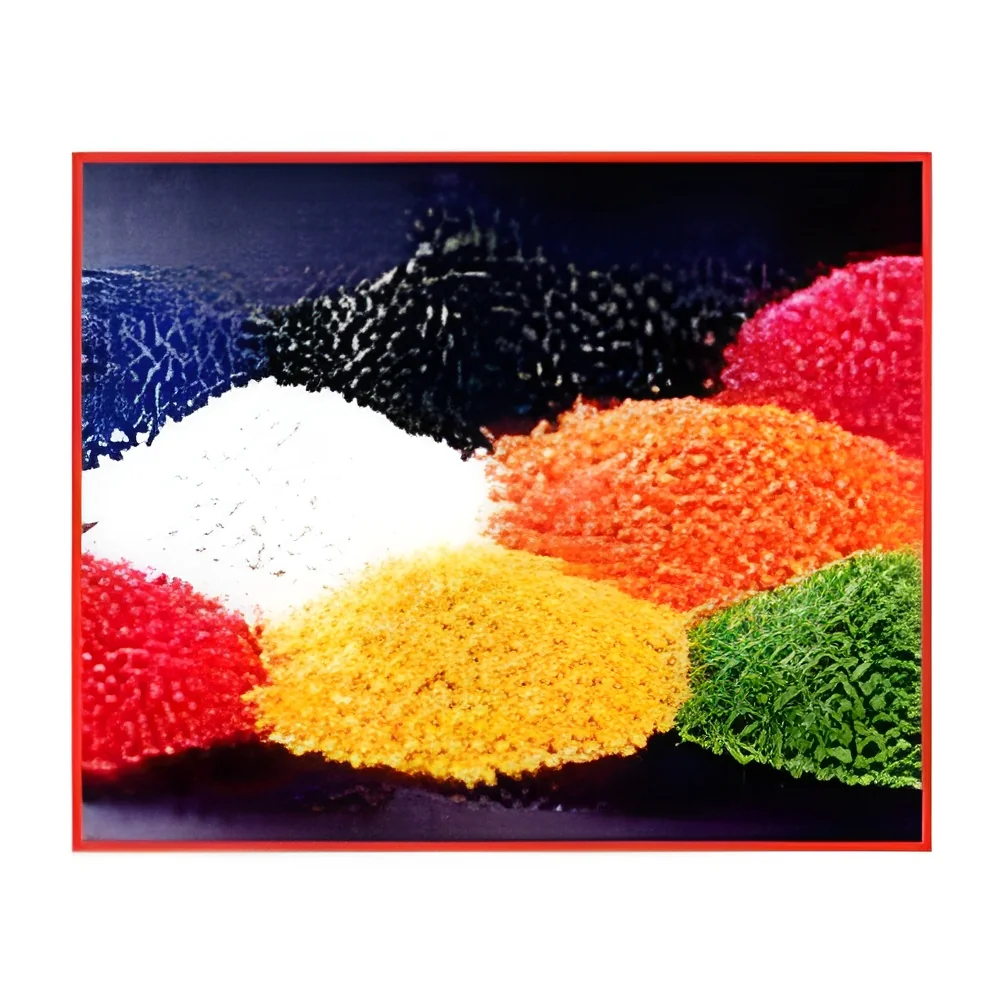
- Available in various colors, including natural, black, and custom shades.
- Color consistency is ensured through careful processing.
2. Melt Flow Index (MFI)
- Indicates the flow characteristics of the granules during processing.
- Generally ranges from 3 to 12 g/10 min, depending on the grade.
3. Density
- Typical density ranges from 0.90 to 0.92 g/cm³.
- Affects the strength and rigidity of the final products.
4. Contaminant Levels
- Low levels of contaminants are maintained through thorough cleaning processes.
- Important for ensuring product quality and safety.
5. Moisture Content
- Moisture levels are typically below 0.1%.
- Essential for preventing processing issues during manufacturing.
6. Processing Temperature
- Recommended processing temperatures range from 180 to 220 degrees Celsius.
- Variations depend on specific applications and equipment.
In summary, the specifications of recycled PP granules highlight their versatility and adaptability in various manufacturing processes.
Common Applications and Use Cases
Recycled PP granules are utilized across a broad spectrum of industries, showcasing their versatility and functionality.
1. Packaging: Used in the production of containers, bottles, and films, recycled PP granules help reduce environmental impact while maintaining product integrity.
2. Automotive: In automotive manufacturing, recycled PP granules are employed in interior components, such as trims and panels, contributing to lightweighting and sustainability efforts.
3. Consumer Goods: Many consumer products, including toys and household items, incorporate recycled PP granules, aligning with eco-friendly consumer preferences.
4. Construction: Recycled PP granules are used to manufacture construction materials like insulation and piping, enhancing the sustainability of building projects.
5. Textiles: The granules can be processed into fibers for use in textiles, providing an eco-friendly alternative to virgin materials.
6. Electrical and Electronics: They are also applied in the production of casings and components for electrical devices, helping to reduce plastic waste in the electronics industry.
Product Variants and Subcategories
Recycled PP granules come in various forms to meet distinct industry requirements.
Standard Grade
This variant is suitable for general applications, offering good mechanical properties and color consistency. It is commonly used in packaging and consumer goods.
High-Impact Grade
Designed for applications requiring enhanced toughness, this variant is ideal for automotive parts and durable consumer products.
Color Masterbatch
This variant combines recycled PP with color pigments, allowing for customized shades in final products. It is particularly useful in the packaging sector for branded items.
Benefits and Advantages
Sourcing recycled PP granules presents numerous benefits for businesses aiming to enhance sustainability and performance in their operations.
Key benefits include:
1. Environmental Responsibility: Using recycled PP granules reduces landfill waste and conserves resources, aligning with sustainability goals.
2. Cost Efficiency: Recycled materials often come at a lower cost compared to virgin plastics, providing financial savings for manufacturers.
3. Versatility: Recycled PP granules can be adapted for various applications across multiple industries, making them a flexible choice for businesses.
4. Improved Brand Image: Companies using recycled materials can enhance their reputation as environmentally conscious, appealing to eco-minded consumers.
5. Regulatory Compliance: Utilizing recycled materials can help companies meet increasingly stringent environmental regulations.
Buying Guide for B2B Buyers
When sourcing recycled PP granules, it is essential to consider several key factors to ensure a successful purchase.
1. Quality Assessment: Evaluate granule quality based on specifications, including melt flow index and contaminant levels. Request samples for testing before finalizing orders.
2. Supplier Verification: Thoroughly vet potential suppliers by checking their certifications, production processes, and customer reviews. Building relationships with reliable suppliers can ensure consistent quality.
3. Pricing and MOQ: Understand the pricing structure and minimum order quantities. Compare quotes from multiple suppliers to get the best deal while considering quality.
4. Delivery and Lead Times: Discuss logistics with suppliers to ensure timely delivery. Plan ahead for lead times to avoid production delays.
5. Compliance Requirements: Ensure that the recycled PP granules meet industry standards and certifications, such as UL and CE, to guarantee safety and quality.
Compliance and Certifications
Recycled PP granules must adhere to several quality standards and certifications to ensure they meet industry requirements.
ISO 9001 is a widely recognized standard that focuses on quality management systems. Compliance with this standard indicates that suppliers maintain consistent quality in their production processes.
HACCP (Hazard Analysis and Critical Control Points) is relevant for products that may come into contact with food. Suppliers of recycled PP granules intended for food packaging must ensure they meet these safety standards.
UL and CE certifications provide assurance that the materials comply with safety regulations for various applications, enhancing buyer confidence.
Additionally, regional compliance considerations should be taken into account. Different countries may have specific regulations regarding the use of recycled materials, and it is vital for suppliers to meet these requirements.
Why Source Recycled PP Granules from Pepagora?
Pepagora offers a reliable platform for sourcing recycled PP granules, providing numerous advantages to B2B buyers.
Verified Supplier Network: Pepagora ensures that all suppliers within its network are thoroughly vetted, guaranteeing quality and reliability. This helps businesses find trustworthy partners for their material needs.
Streamlined RFQ Process: The platform features an efficient Request for Quotation (RFQ) system, allowing buyers to quickly obtain quotes from multiple suppliers. This simplifies the sourcing process and saves valuable time.
Trade Assurance and Support: Pepagora offers trade assurance to protect buyers, ensuring that transactions are secure and that suppliers meet their commitments. This added layer of support fosters trust and confidence in the purchasing process.
Regional Coverage: With a strong presence in India, GCC, and Southeast Asia, Pepagora provides broad geographic reach. This allows businesses to tap into local suppliers while benefiting from competitive pricing and reduced shipping times.
In conclusion, sourcing recycled PP granules through Pepagora not only ensures quality and reliability but also supports businesses in their sustainability efforts.

 IN
IN