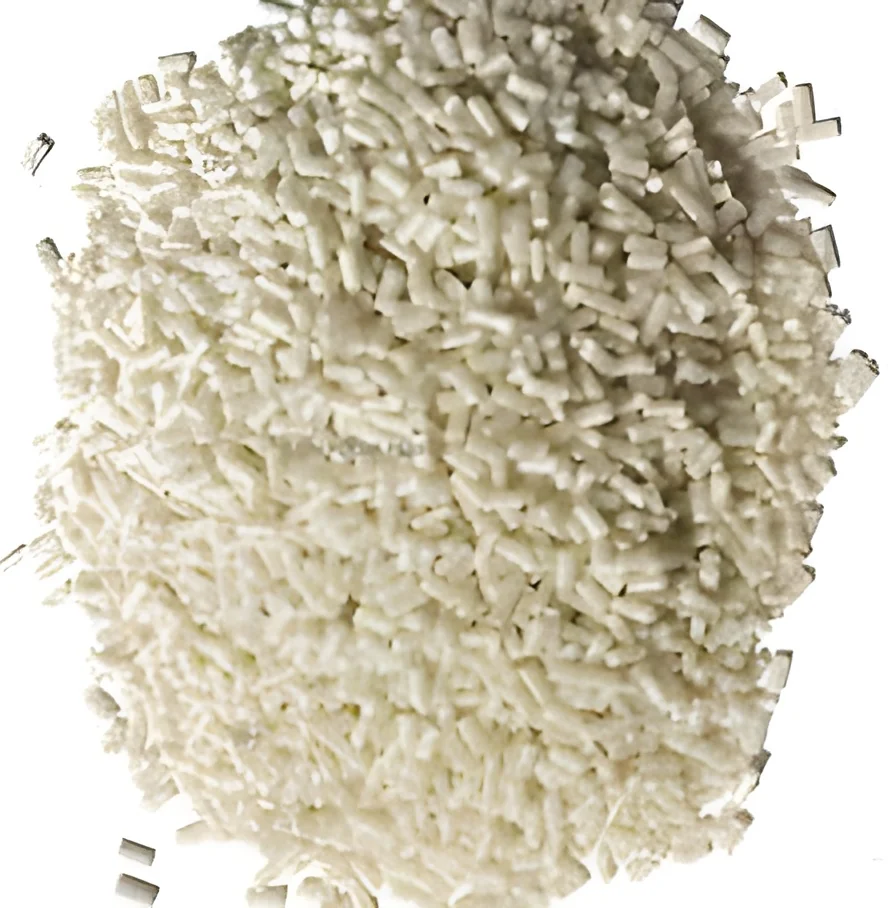
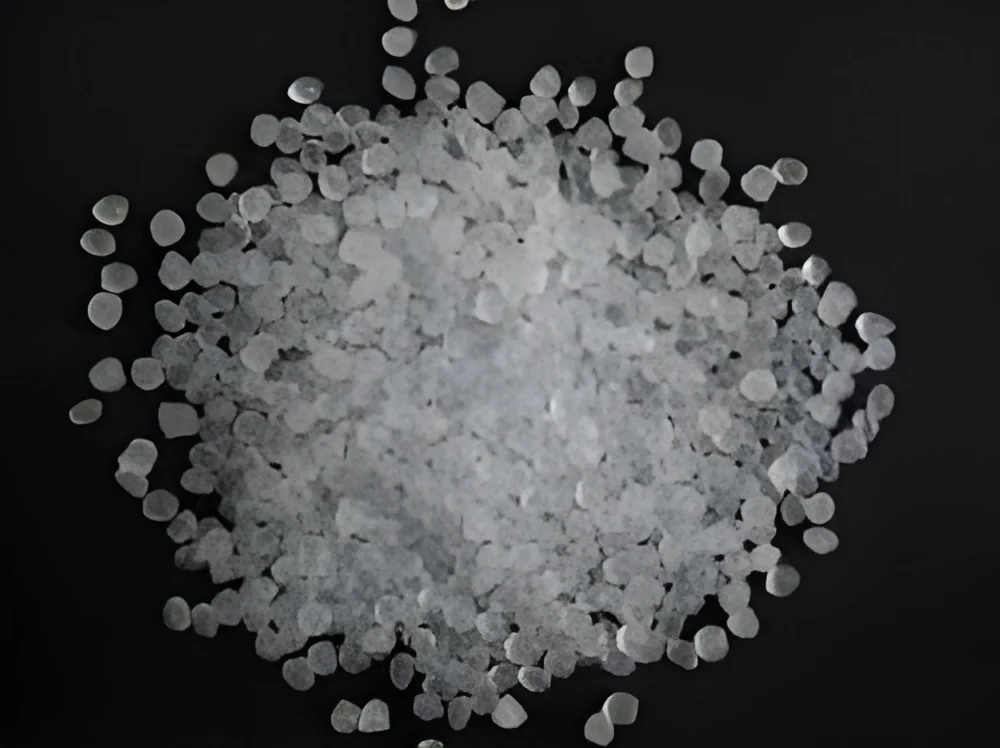
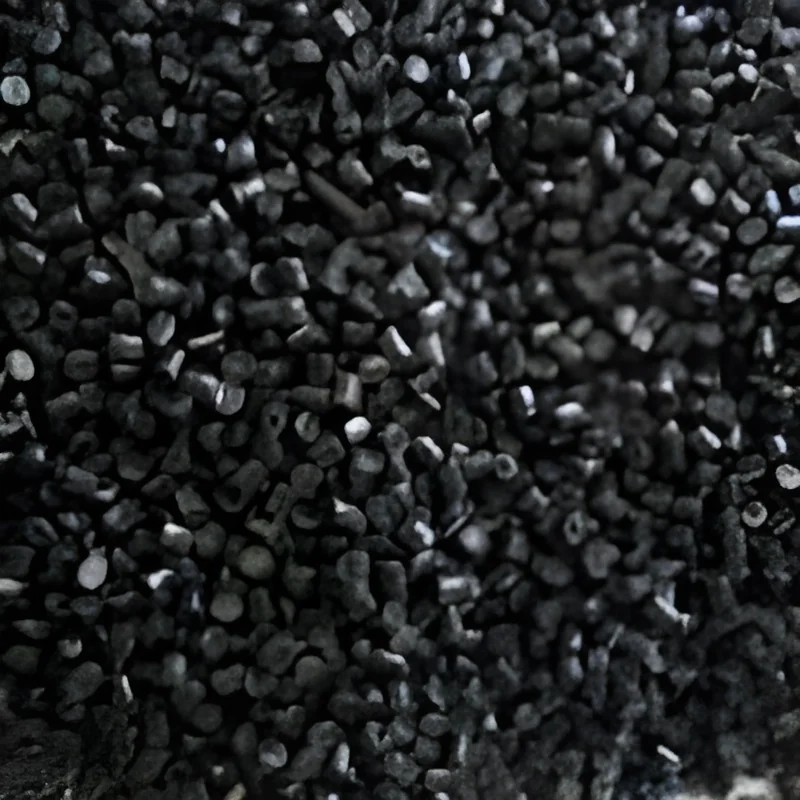
𝗞𝗲𝘆 𝗙𝗲𝗮𝘁𝘂𝗿𝗲𝘀 𝗮𝗻𝗱 𝗦𝗽𝗲𝗰𝗶𝗳𝗶𝗰𝗮𝘁𝗶𝗼𝗻𝘀
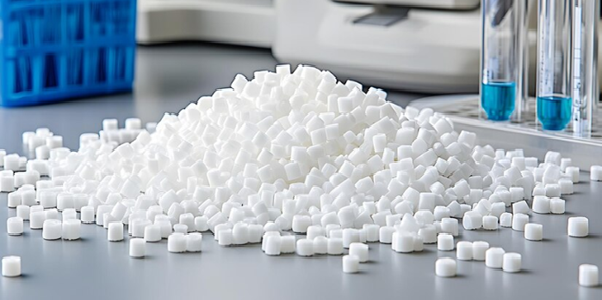
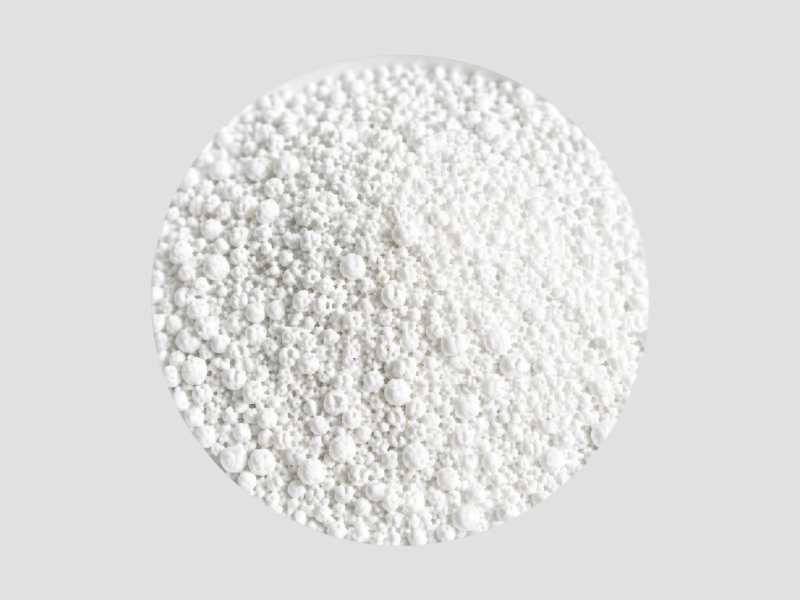
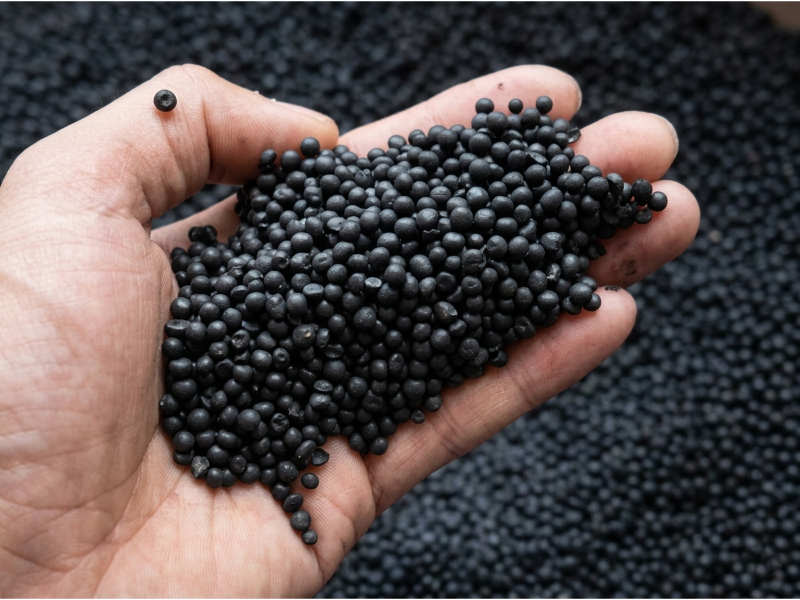
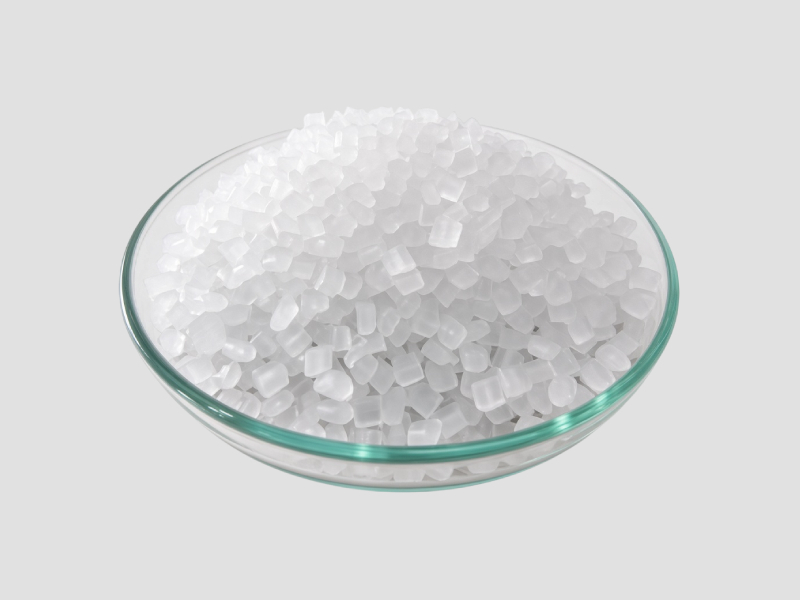
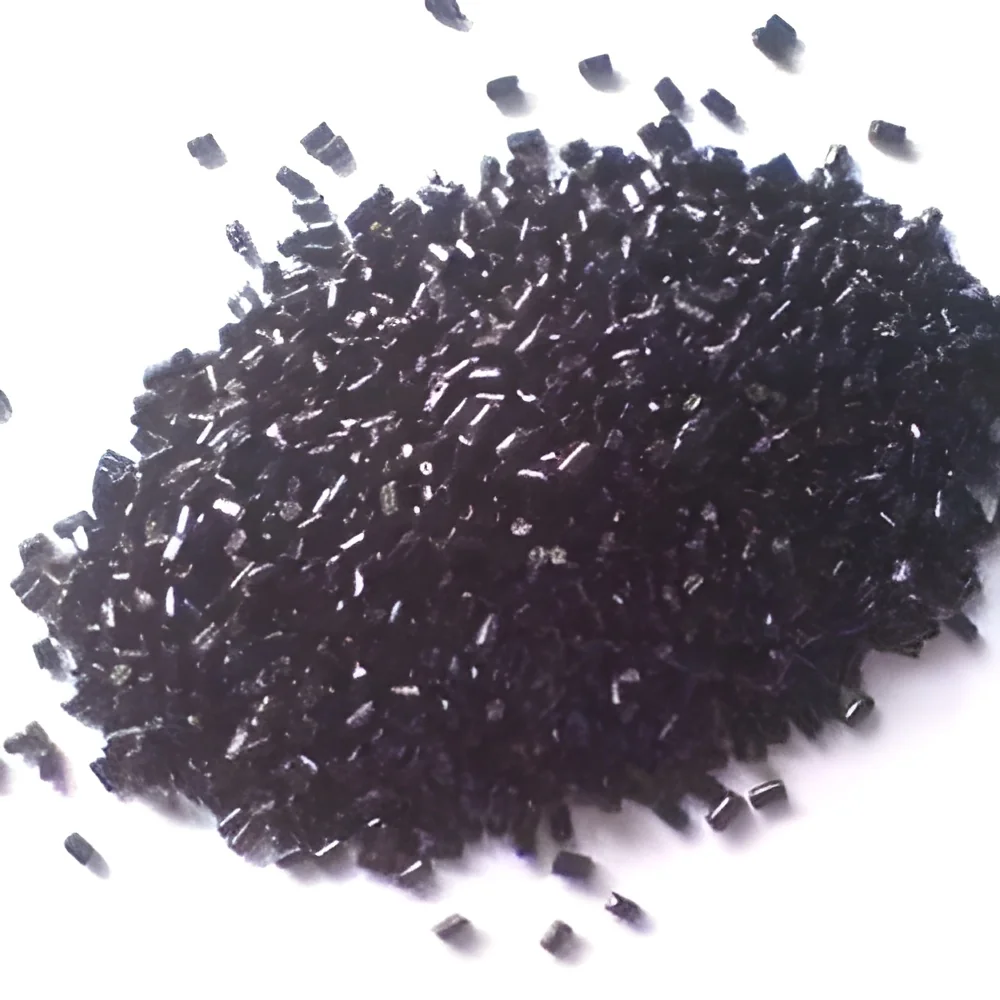
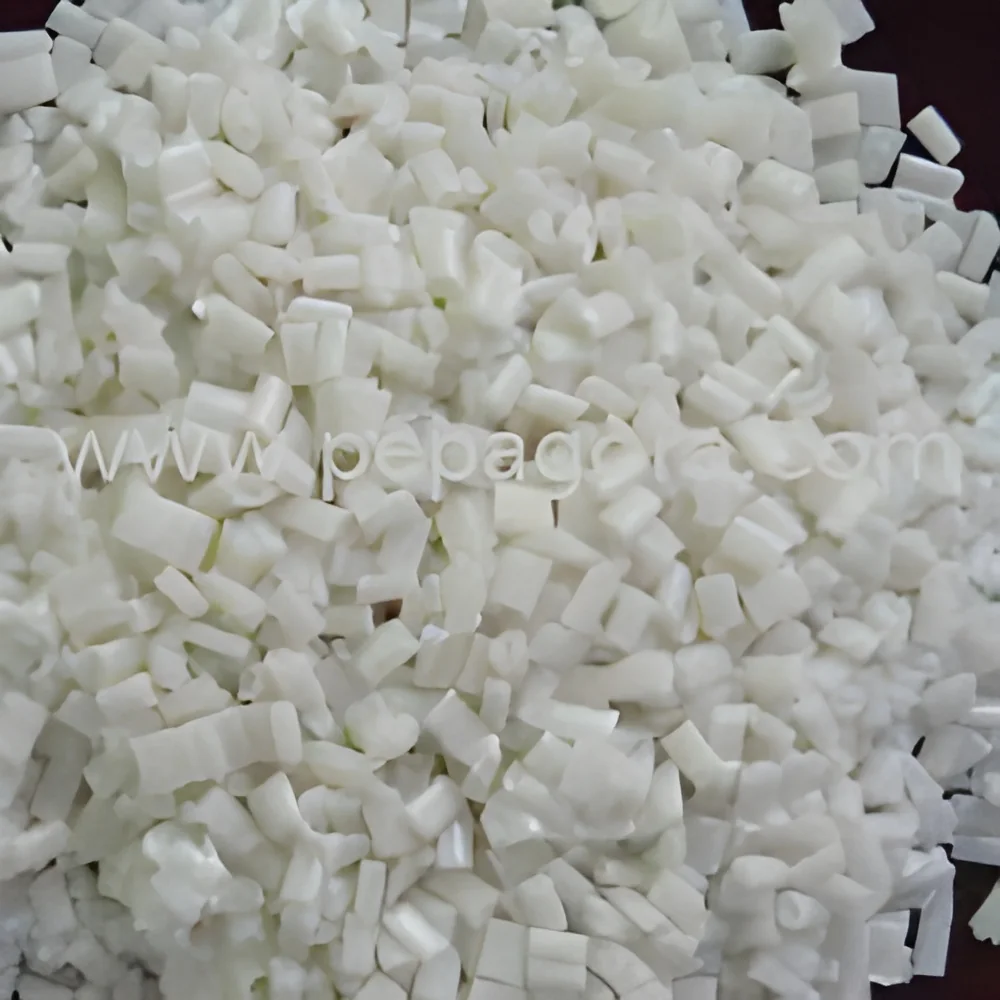
Plastic raw materials, both virgin and recycled, come with distinct features and specifications that cater to various applications. Understanding these specifications is vital for businesses looking to select the right raw materials for their production needs.
Key specifications include:
1. Material Type
- Virgin or recycled
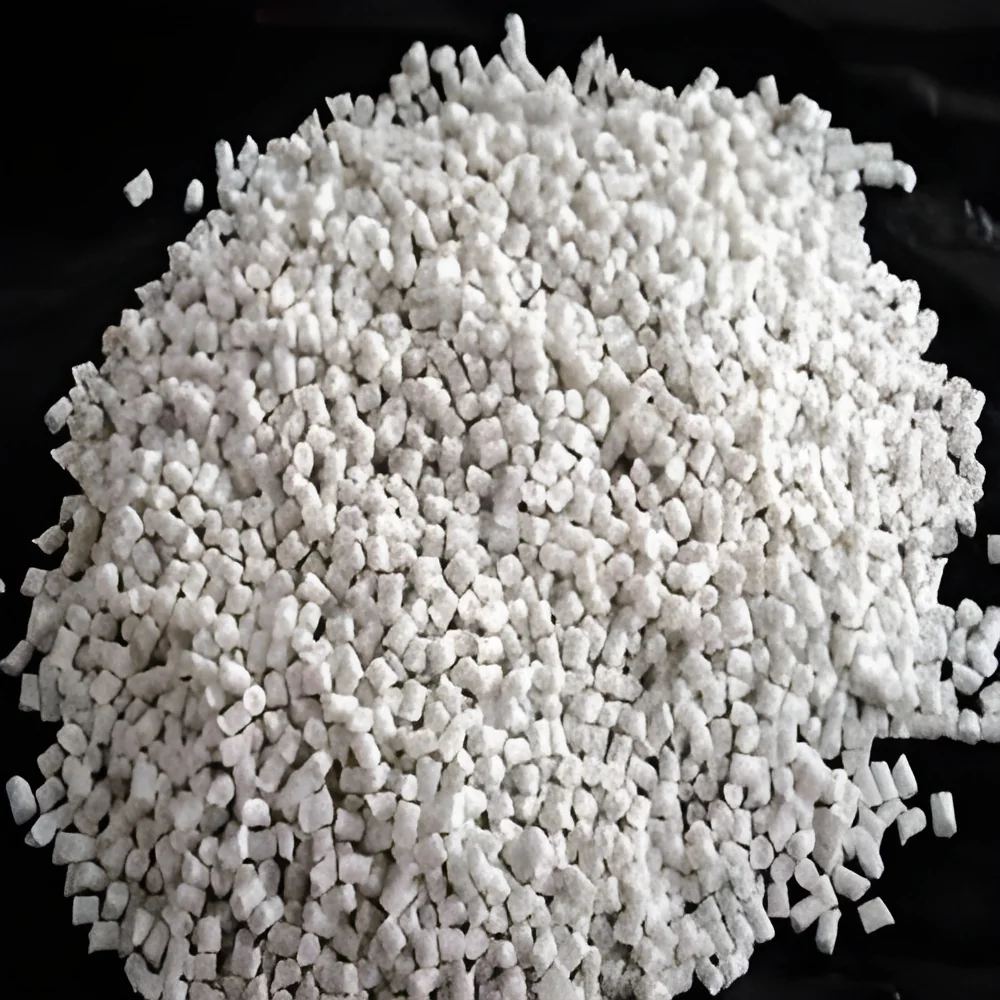
- Specific polymer families such as polyethylene, polypropylene, or polystyrene
2. Density
- Typical ranges for various plastics
- Impact on strength and application suitability
3. Melt Flow Index (MFI)
- Measurement of the flow rate of melted plastic
- Indicates processability for molding and extrusion
4. Tensile Strength
- Maximum stress a material can withstand when being stretched
- Important for assessing durability in applications
5. Impact Resistance
- Ability to withstand sudden forces without breaking
- Crucial in packaging and automotive uses
6. Thermal Stability
- Resistance to deformation at elevated temperatures
- Important for products exposed to heat
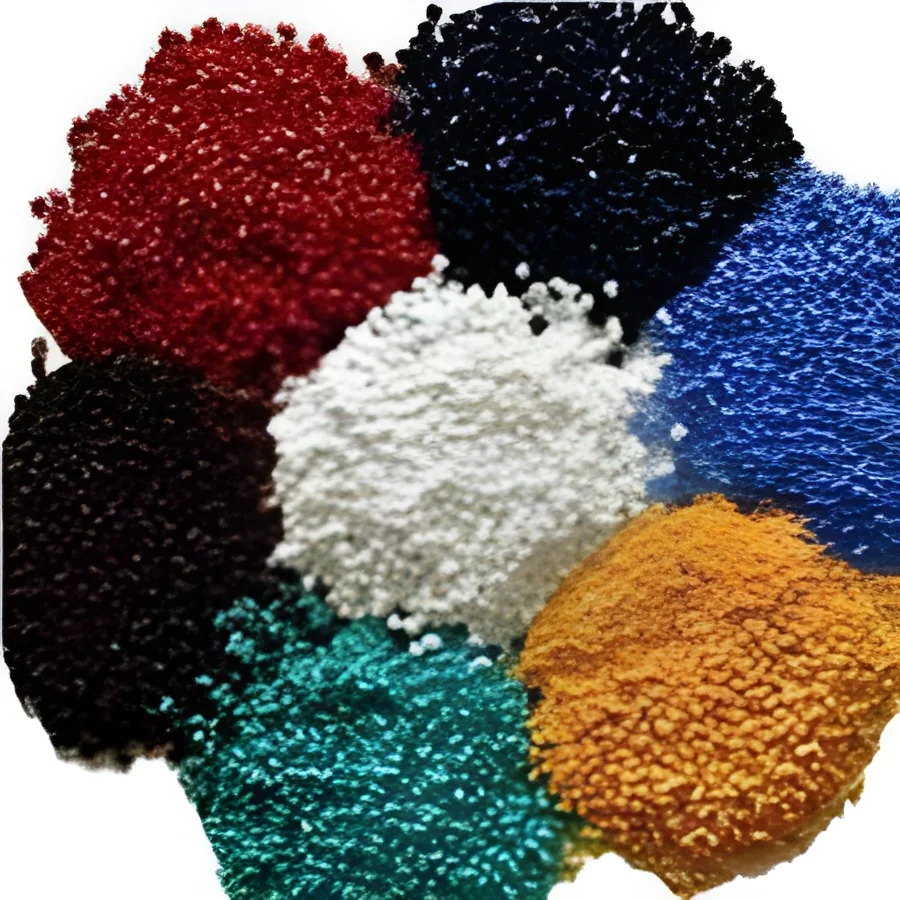
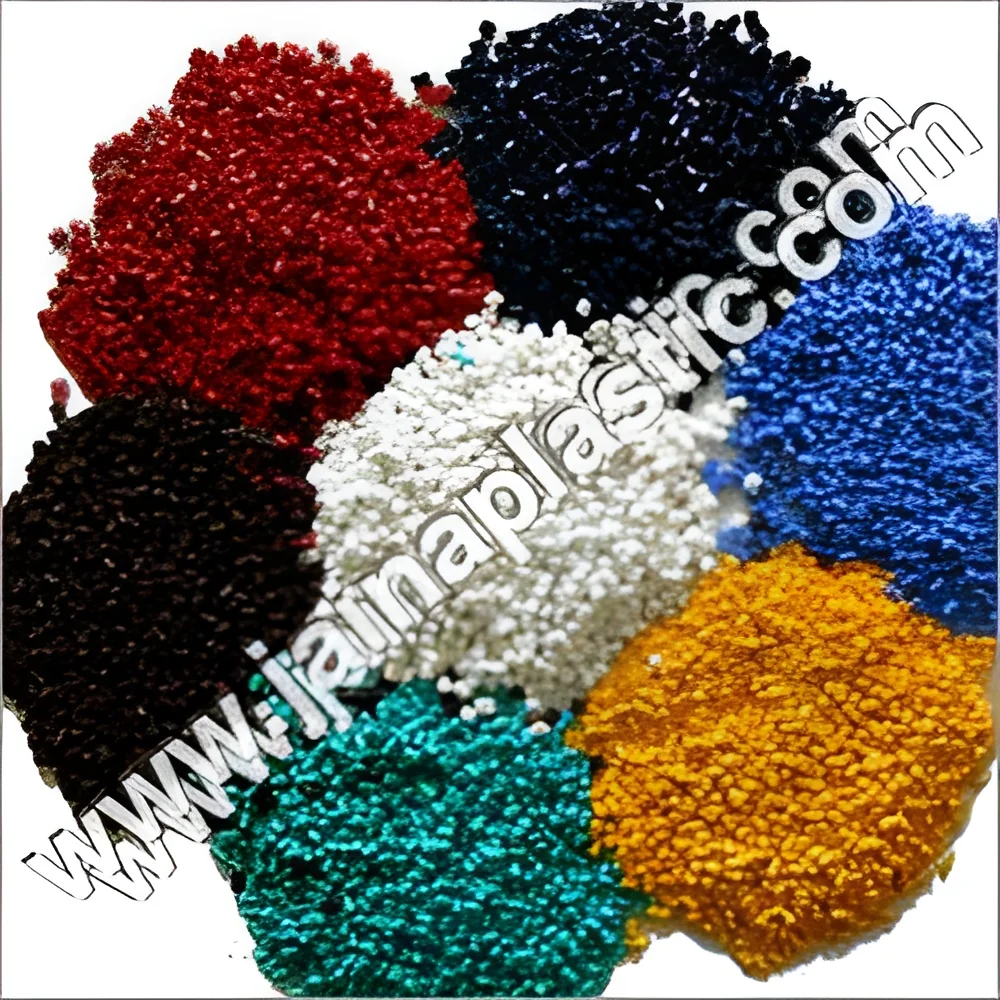
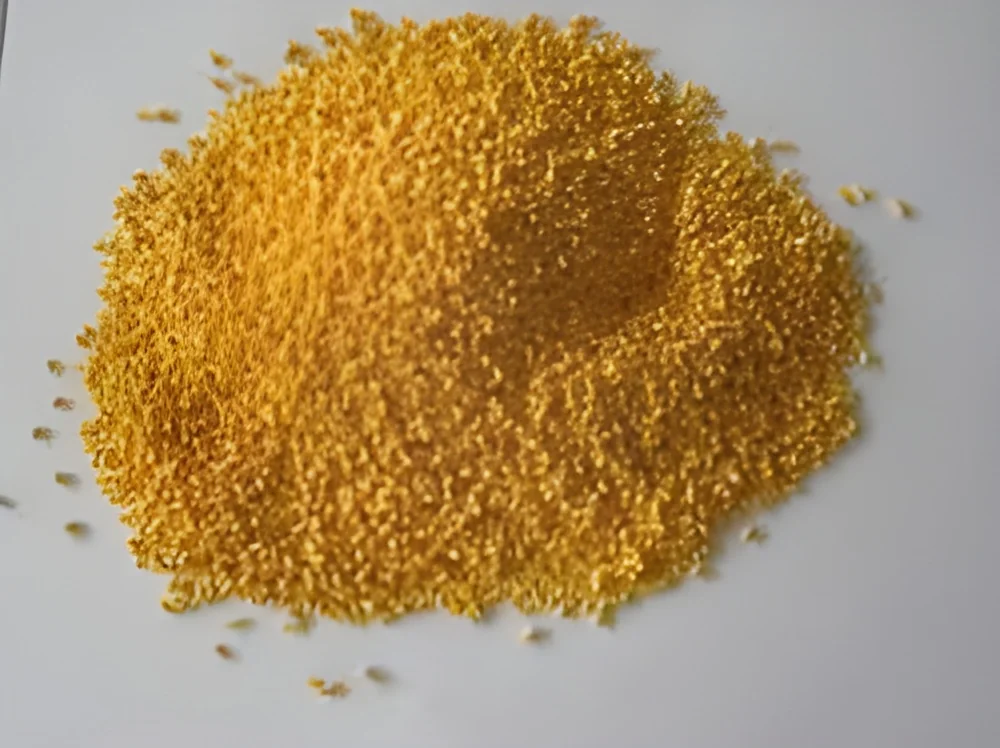
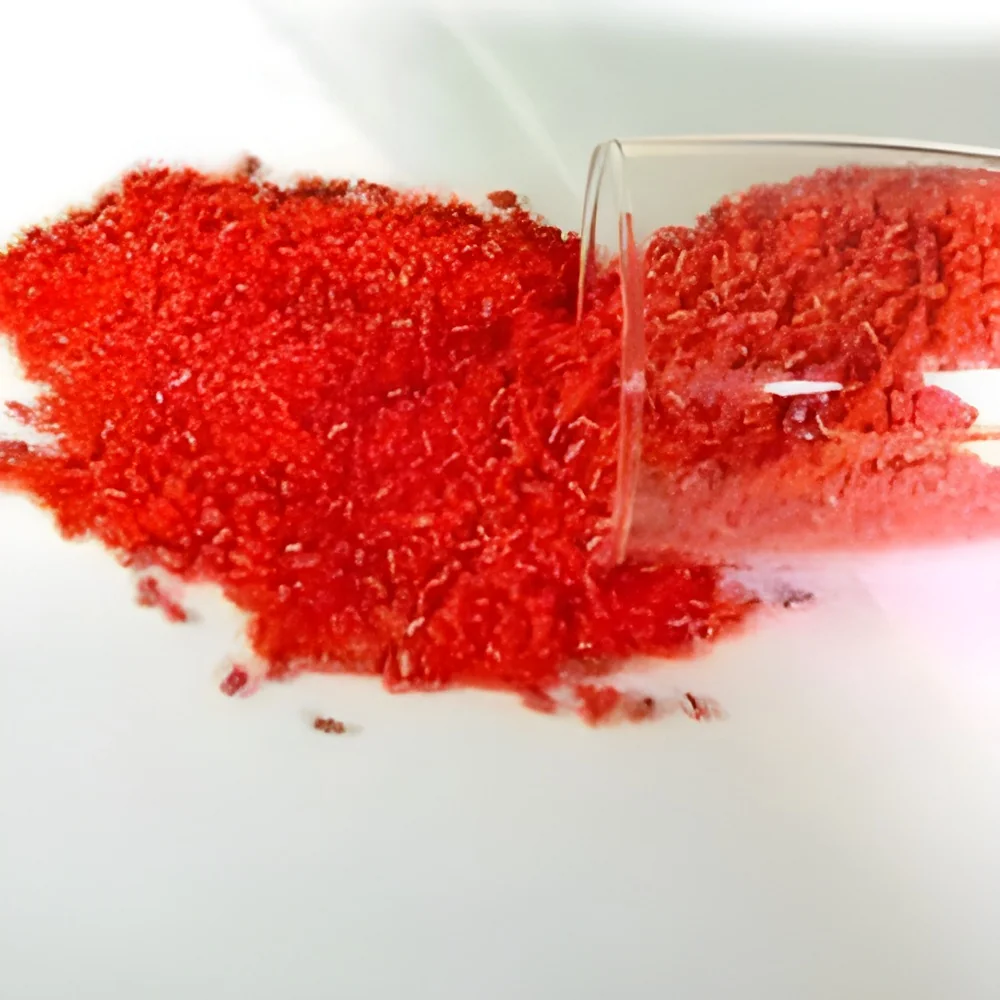
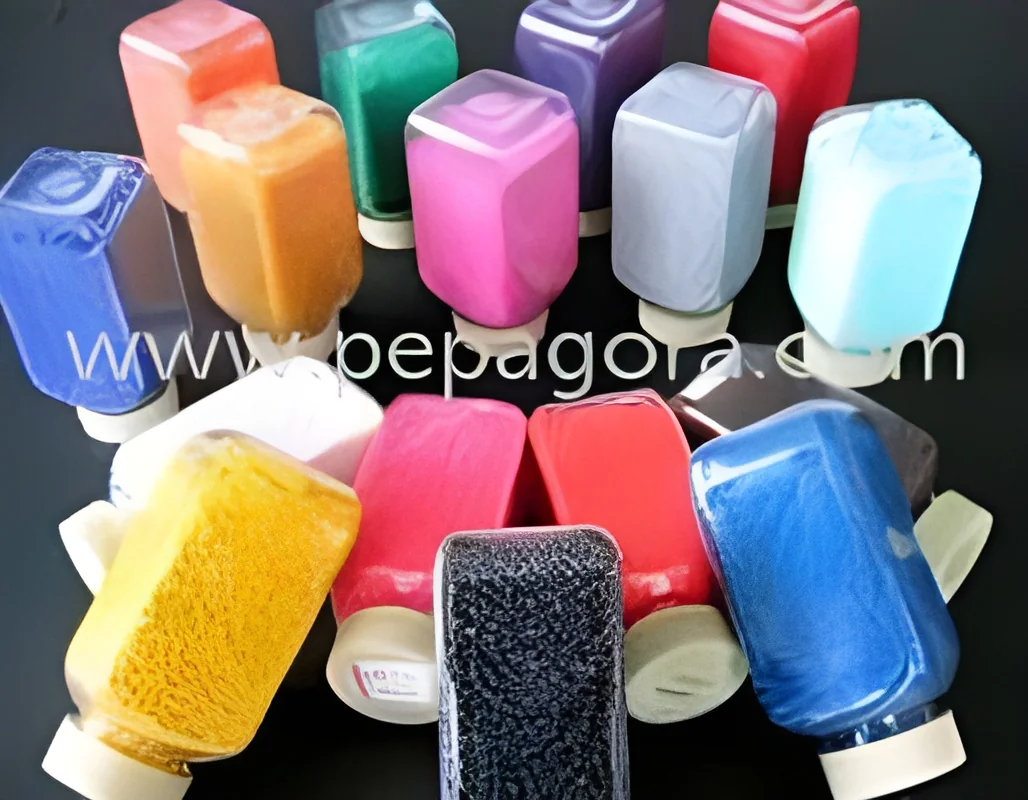
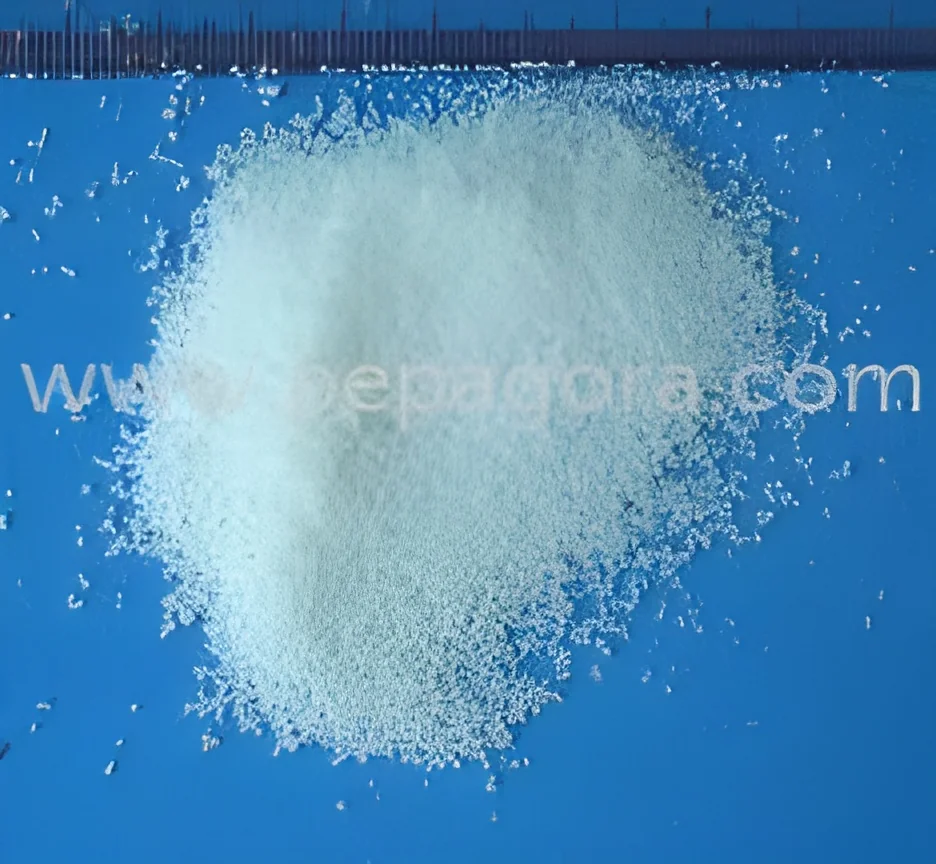
7. Color and Clarity
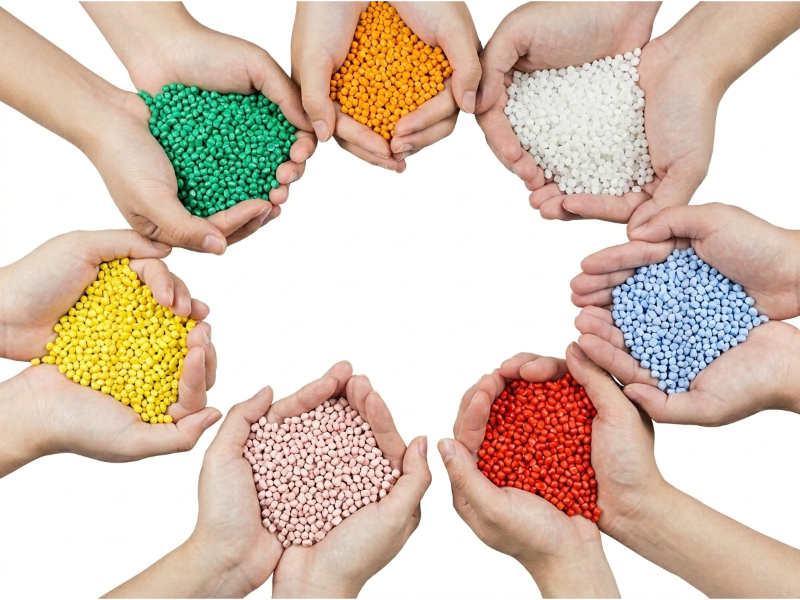
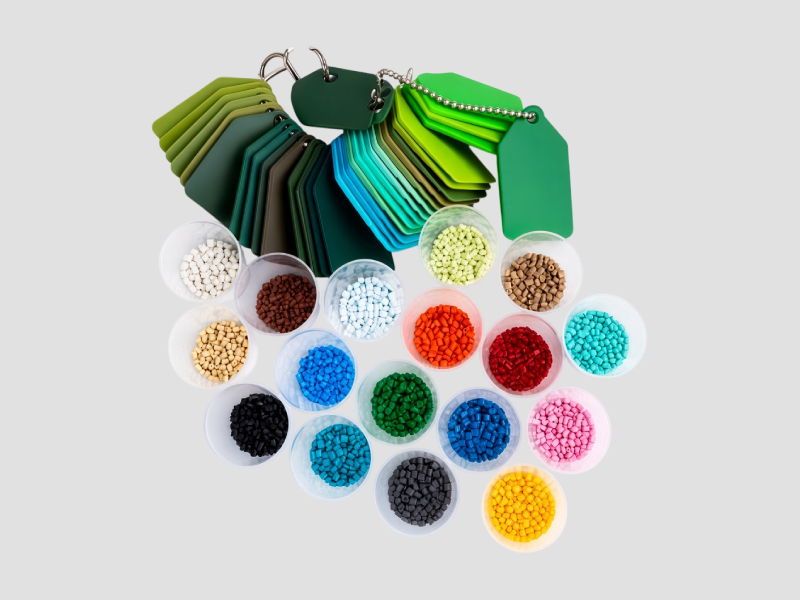
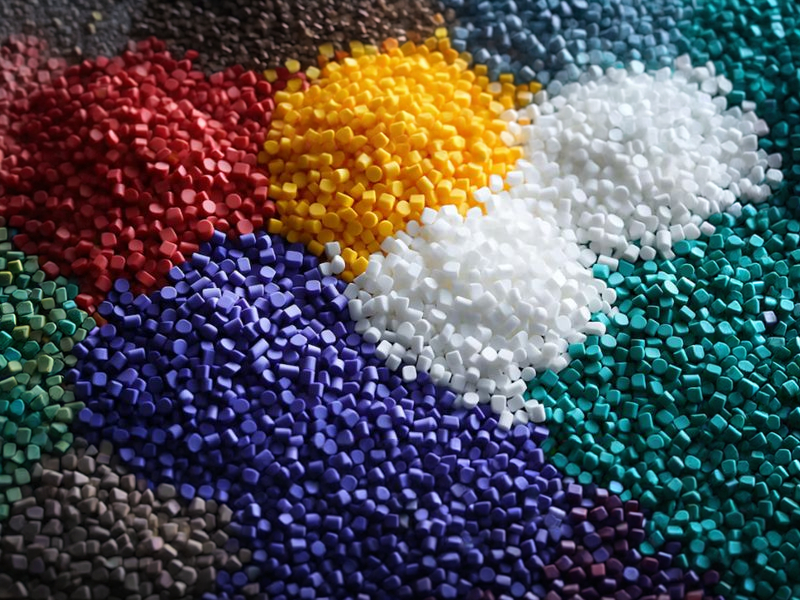
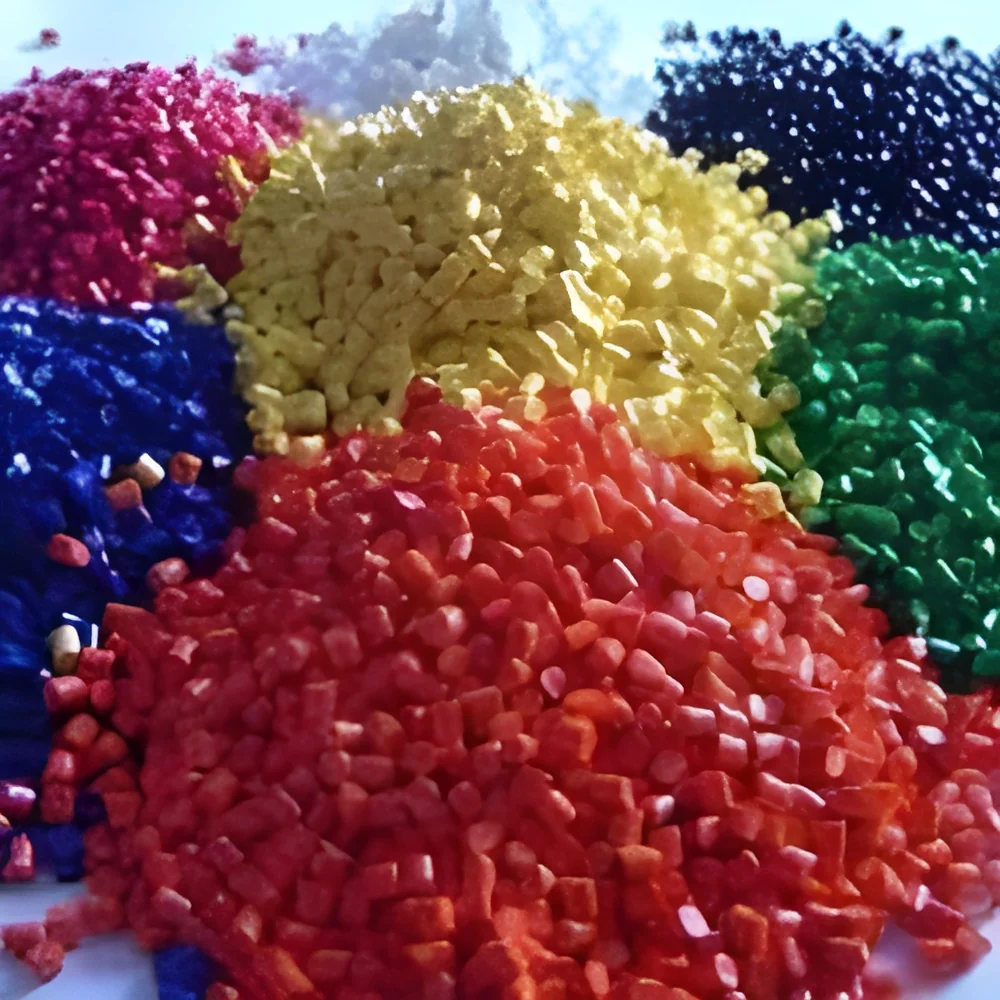
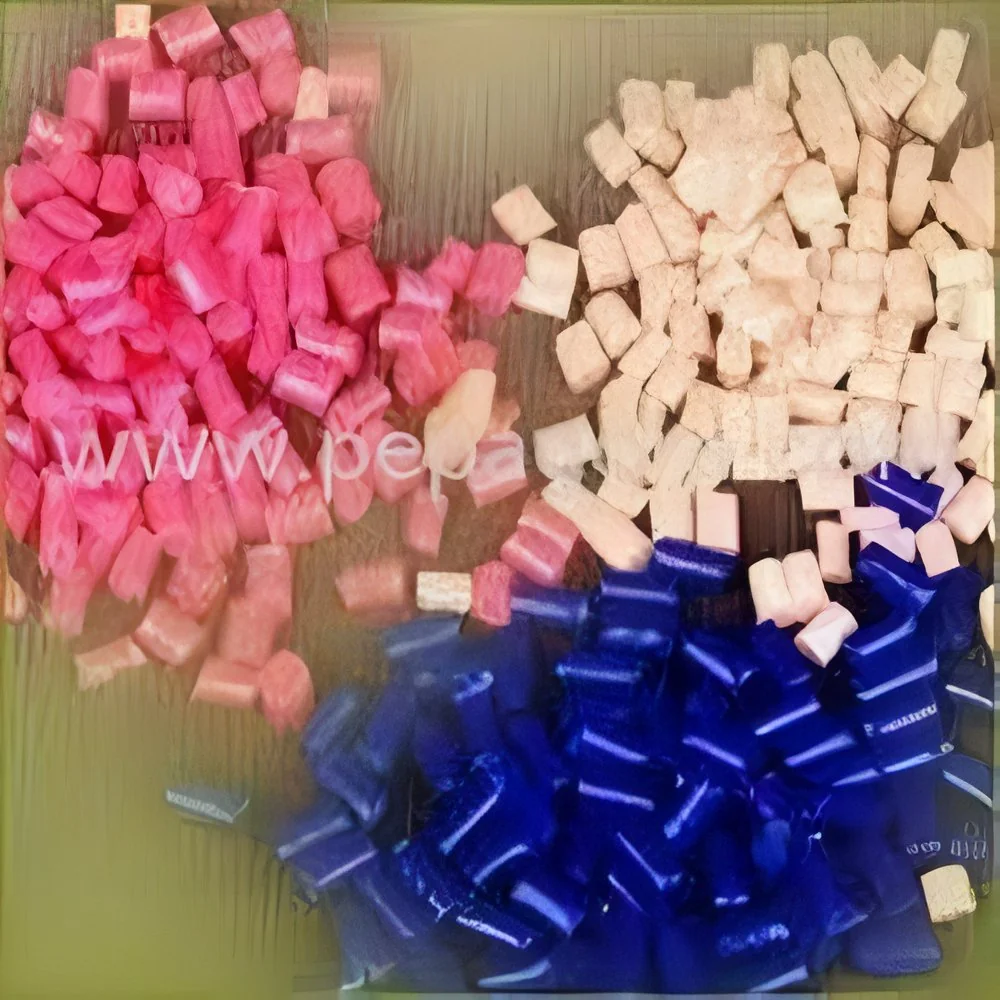
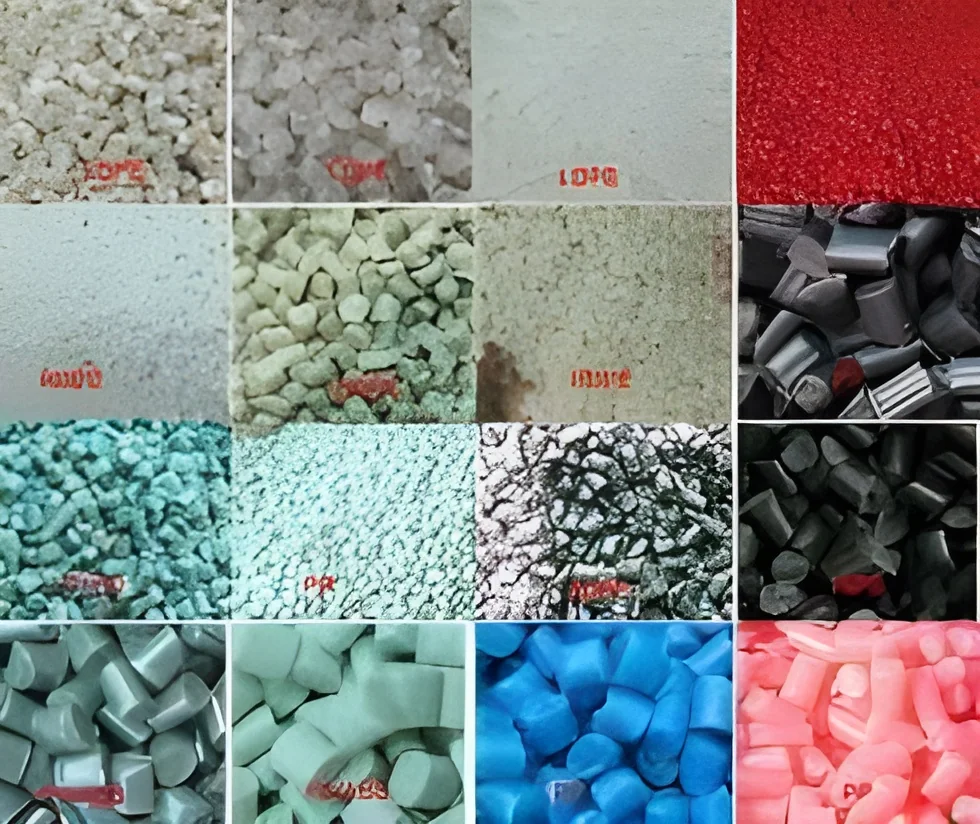
- Available in various colors and transparency levels
- Affects aesthetic appeal and branding
8. Compliance Standards
- Adherence to industry regulations such as CE certification
- Ensures safety and environmental responsibility
In summary, selecting the right plastic raw materials involves careful consideration of these specifications, ensuring they align with the intended application and performance requirements.
𝗖𝗼𝗺𝗺𝗼𝗻 𝗔𝗽𝗽𝗹𝗶𝗰𝗮𝘁𝗶𝗼𝗻𝘀 𝗮𝗻𝗱 𝗨𝘀𝗲 𝗖𝗮𝘀𝗲𝘀
Plastic raw materials are utilized across a wide range of industries, reflecting their versatility and adaptability. Businesses can leverage these materials to enhance their product offerings and operational efficiency.
1. Packaging: Plastics are widely used in packaging applications due to their lightweight, durability, and ability to preserve products. This includes food packaging, consumer goods, and industrial packaging solutions.
2. Automotive: In the automotive industry, plastic raw materials contribute to lightweight components, improving fuel efficiency. They are used in dashboards, bumpers, and interior trims.
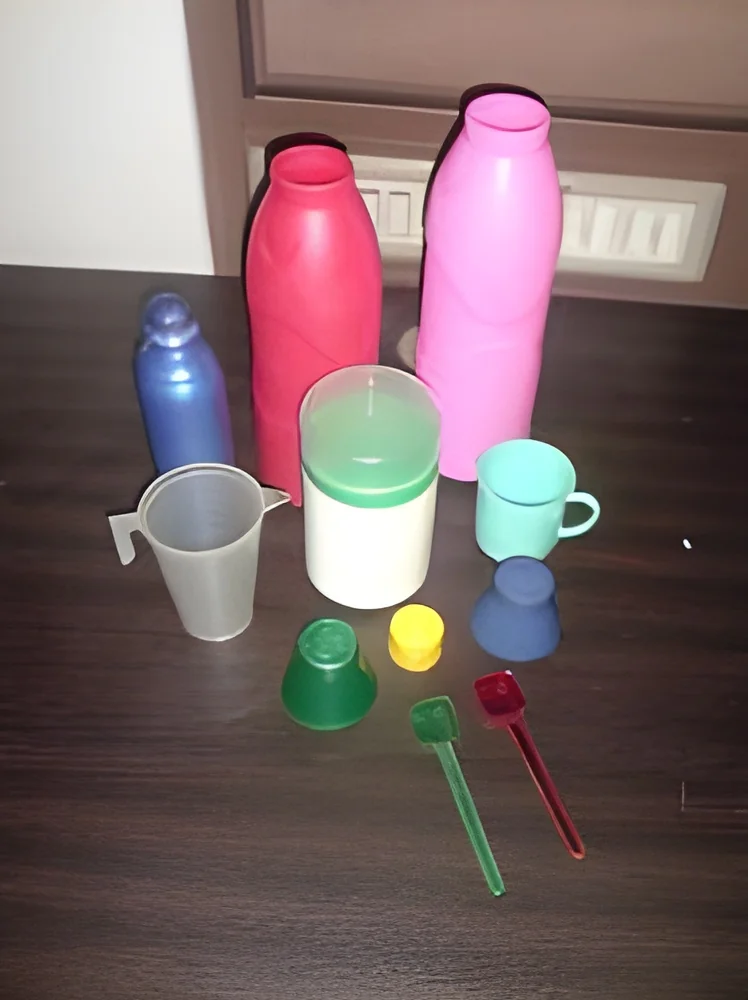
3. Consumer Goods: Household items such as containers, toys, and appliances frequently utilize plastic raw materials for their durability and ease of manufacturing.
4. Construction: Plastics are employed in construction for pipes, insulation, and structural components. They provide weather resistance and longevity in building materials.
5. Electronics: In the electronics sector, plastic raw materials are used for casings and components due to their insulating properties and design flexibility.
6. Medical: The medical industry relies on plastics for devices, packaging, and components, emphasizing the need for high-quality virgin materials to meet stringent safety standards.
7. Agriculture: Agricultural applications include plastic films for crop protection and containers for fertilizers and pesticides, showcasing the adaptability of plastic materials.
𝗣𝗿𝗼𝗱𝘂𝗰𝘁 𝗩𝗮𝗿𝗶𝗮𝗻𝘁𝘀 𝗮𝗻𝗱 𝗦𝘂𝗯𝗰𝗮𝘁𝗲𝗴𝗼𝗿𝗶𝗲𝘀
Plastic raw materials encompass a diverse range of variants, each designed to meet specific industrial needs. Understanding these variants helps businesses make informed sourcing decisions.
Polyethylene (PE)
Polyethylene is a widely used plastic variant known for its versatility and lightweight properties. It is commonly found in packaging films, bottles, and containers, making it essential in various sectors.
Polypropylene (PP)
Polypropylene offers excellent chemical resistance and is used in applications such as automotive parts, consumer goods, and textiles. Its durability makes it suitable for both rigid and flexible products.
Polyvinyl Chloride (PVC)
PVC is a versatile plastic used in construction materials, pipes, and medical devices. It is known for its robustness and ability to withstand harsh environments.
Polystyrene (PS)
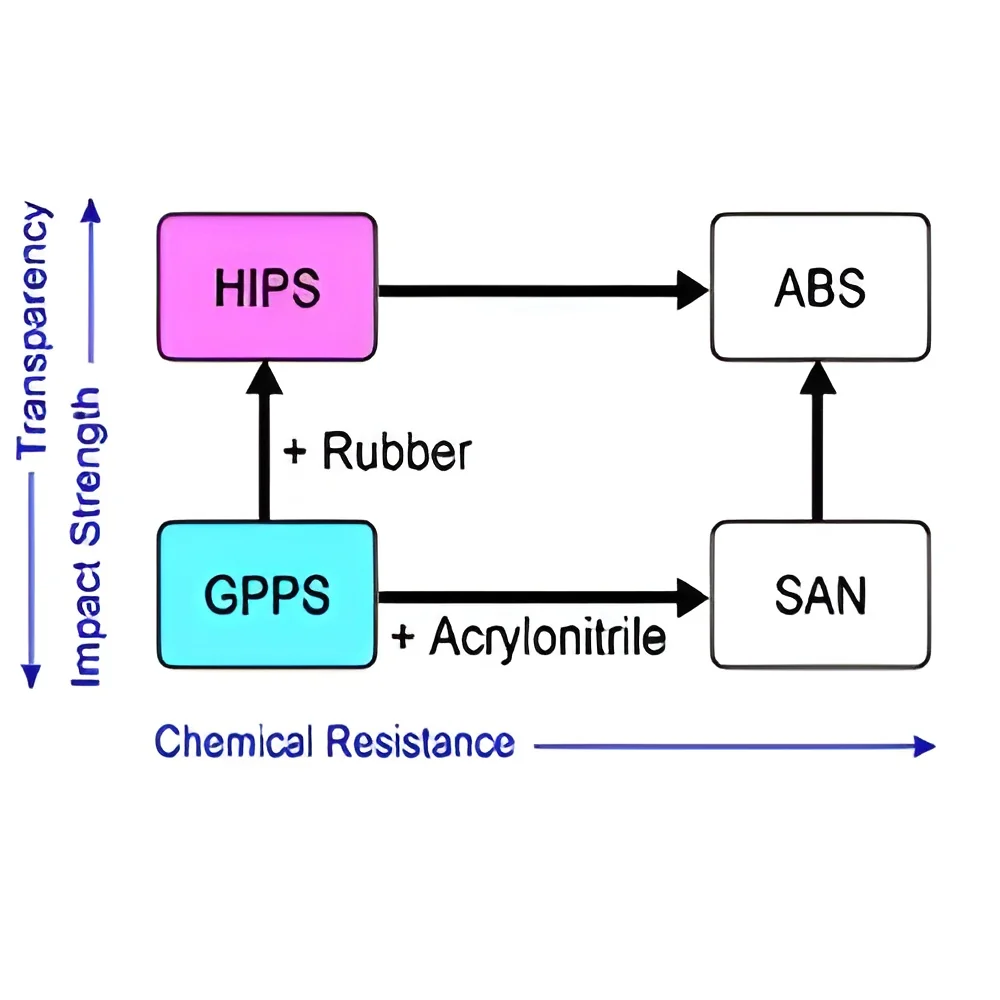
Polystyrene is commonly used in packaging, disposable cutlery, and insulation materials. Its lightweight nature and ease of processing make it a favorable choice for many applications.
Acrylonitrile Butadiene Styrene (ABS)
ABS is known for its strength and impact resistance, often used in consumer electronics and automotive parts. Its ability to be easily molded makes it suitable for complex designs.
𝗕𝗲𝗻𝗲𝗳𝗶𝘁𝘀 𝗮𝗻𝗱 𝗔𝗱𝘃𝗮𝗻𝘁𝗮𝗴𝗲𝘀
Sourcing plastic raw materials, both virgin and recycled, offers numerous advantages for businesses looking to enhance their production processes.
Key benefits include:
1. High Quality: Virgin plastic raw materials provide consistent quality and performance, ensuring reliable end products.
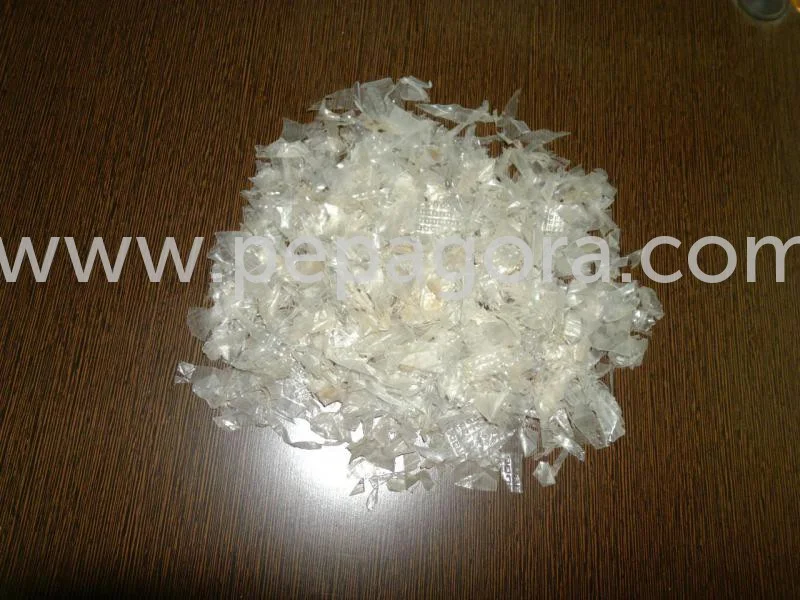
2. Sustainability: Utilizing recycled plastic materials helps reduce environmental impact and supports circular economy initiatives.
3. Cost Efficiency: Recycled plastics can offer cost savings without compromising on quality, making them an attractive option for budget-conscious manufacturers.
4. Versatility: Plastic raw materials can be tailored to meet diverse application needs, providing flexibility in product design and functionality.
5. Lightweight: Plastics are generally lighter than alternative materials, which can reduce shipping costs and improve energy efficiency.
6. Customization: Many plastic materials can be customized in terms of color and properties, allowing brands to differentiate their products in the market.
𝗕𝘂𝘆𝗶𝗻𝗴 𝗚𝘂𝗶𝗱𝗲 𝗳𝗼𝗿 𝗕𝟮𝗕 𝗕𝘂𝘆𝗲𝗿𝘀
When sourcing plastic raw materials, businesses should consider several key factors to ensure they make informed purchasing decisions.
1. Quality Assessment: Examine material specifications, certifications, and supplier reputation to ensure quality standards are met.
2. Supplier Verification: Conduct thorough checks on potential suppliers, including their production capabilities, reliability, and compliance with industry standards.
3. Pricing and MOQ: Understand pricing structures, including volume discounts and minimum order quantities, to optimize procurement costs.
4. Delivery and Lead Times: Evaluate suppliers’ logistics capabilities to ensure timely delivery of materials, which is critical for maintaining production schedules.
5. Compliance Requirements: Stay informed about relevant regulations and certifications required for specific applications, ensuring materials meet safety and environmental standards.
𝗖𝗼𝗺𝗽𝗹𝗶𝗮𝗻𝗰𝗲 𝗮𝗻𝗱 𝗖𝗲𝗿𝘁𝗶𝗳𝗶𝗰𝗮𝘁𝗶𝗼𝗻𝘀
Compliance and certifications are essential considerations when sourcing plastic raw materials. Various quality standards help ensure that products meet safety and performance requirements.
Relevant quality standards include ISO 9001, which focuses on quality management systems, ensuring consistent product quality and customer satisfaction. Other standards like HACCP and GDP are important for specific industries, particularly in food packaging and medical applications.
Industry certifications, such as CE certification, indicate compliance with European safety standards and regulations. This certification is crucial for manufacturers exporting products to European markets.
Safety and testing requirements vary by application, but they generally include assessments for chemical resistance, flammability, and environmental impact. It is vital for manufacturers to adhere to these standards to mitigate risks and enhance product reliability.
Regional compliance considerations are also important, as different regions may have specific regulations governing the use of plastic materials. Understanding these requirements helps businesses stay compliant and avoid potential legal issues.
Why Source Plastic Raw Materials (Virgin & Recycled) from Pepagora?
Pepagora offers a trusted platform for sourcing Plastic Raw Materials (Virgin & Recycled), providing several key advantages to buyers.
Verified Supplier Network: Pepagora connects businesses with verified suppliers, ensuring that all listed manufacturers meet stringent quality and compliance standards. This network fosters confidence in sourcing decisions.
Streamlined RFQ Process: The platform features a user-friendly Request for Quotation (RFQ) system that simplifies the procurement process. Buyers can easily compare prices and terms from multiple suppliers, facilitating informed choices.
Trade Assurance and Support: Pepagora provides trade assurance that protects buyers throughout the purchasing process. This support includes dispute resolution and guarantees on product quality, enhancing buyer confidence.
Regional Coverage: With a vast network extending across India, the GCC, and Southeast Asia, Pepagora ensures that businesses can access a wide range of plastic raw materials tailored to their regional requirements. This geographic reach allows for efficient sourcing and timely delivery.

 IN
IN