
 IN
Plastic Pellets from Industrial Waste
4 products available
What are Plastic Pellets from Industrial Waste?
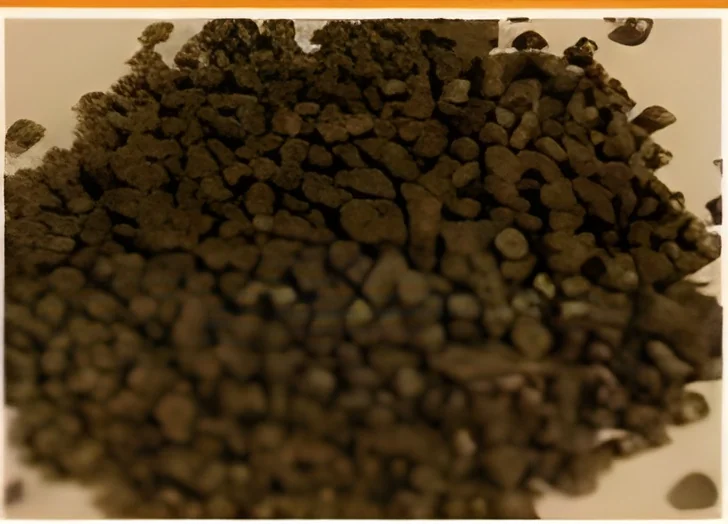
Plastic pellets from industrial waste are small, uniform plastic granules produced from recycled materials. These pellets are derived from various plastic waste generated during manufacturing processes, including scraps, trimmings, and defective products. The recycling process involves cleaning, shredding, and processing the waste into pellets that can be reused in production. This approach not only reduces the amount of plastic waste in landfills but also provides a sustainable source of raw materials for manufacturers.
These plastic pellets have a wide range of applications across various industries. They are primarily used in the production of new plastic products, such as containers, packaging materials, and automotive components. Additionally, they can be utilized in 3D printing, construction materials, and even in the textile industry. As businesses increasingly focus on sustainability and reducing their environmental footprint, the demand for plastic pellets made from industrial waste is expected to grow, making them a relevant choice in today’s market.
Key Features and Specifications
Plastic pellets from industrial waste come with several specific features that enhance their usability and appeal. They are designed to meet the requirements of various manufacturing processes while ensuring quality and sustainability.
Key specifications include:
1. Material Composition
- Made from recycled plastic waste
- Typically includes a mix of polypropylene, polyethylene, and other polymers
2. Size and Shape
- Uniform size, usually ranging from 2 to 5 mm in diameter
- Round or cylindrical shapes for easy handling and processing
3. Color Variability
- Available in various colors based on the source material
- Can be dyed or blended for specific applications
4. Density
- Typical density ranges from 0.9 to 1.2 g/cm³
- Density can affect processing parameters and final product quality
5. Melt Flow Index
- Indicates how easily the material flows when melted
- Common ranges vary depending on intended application
6. Contaminant Levels
- Low levels of contaminants due to thorough cleaning processes
- Adheres to quality standards for recycled materials
7. Compatibility
- Compatible with standard injection and extrusion molding processes
- Can be mixed with virgin materials to enhance properties
8. Environmental Impact
- Significantly reduces landfill waste
- Offers a more sustainable alternative to virgin plastic materials
In summary, plastic pellets from industrial waste provide a sustainable option for manufacturers looking to reduce their environmental impact while maintaining high-quality production standards.
Common Applications and Use Cases
Plastic pellets from industrial waste serve a variety of industries, demonstrating their versatility and functionality.
1. Packaging Industry: These pellets are used to produce containers, bottles, and flexible packaging materials, helping companies meet sustainability goals while reducing costs.
2. Automotive Industry: Recycled pellets are utilized in manufacturing interior and exterior components, contributing to lighter, more efficient vehicles.
3. Construction Industry: Plastic pellets are incorporated into composite materials and insulation products, enhancing durability while promoting eco-friendly building practices.
4. Consumer Goods: Manufacturers use these pellets to create durable consumer products, such as toys and household items, appealing to environmentally conscious consumers.
5. Textiles: Recycled plastic pellets can be processed into fibers for clothing and upholstery, providing a sustainable alternative to traditional textiles.
6. Electrical and Electronics: These pellets are also used in making housings and components for electronic devices, reducing reliance on non-renewable resources.
7. Agriculture: Pellets are employed in the production of irrigation systems and other agricultural tools, contributing to sustainable farming practices.
Product Variants and Subcategories
Plastic pellets from industrial waste exhibit diversity, allowing manufacturers to choose specific variants that meet their needs.
Standard Recycled Pellets: This variant consists of commonly recycled plastics, suitable for general manufacturing applications. They offer a cost-effective solution for various products while promoting sustainability.
Specialty Recycled Pellets: These pellets may include additives for enhanced performance, such as UV resistance or improved strength. They are ideal for industries requiring specific material properties.
Color-Matched Recycled Pellets: This variant is specifically processed to achieve consistent color matching, making it suitable for products needing aesthetic uniformity.
Benefits and Advantages
Sourcing plastic pellets from industrial waste offers numerous benefits for businesses.
1. Cost Efficiency: Utilizing recycled materials often results in lower raw material costs compared to virgin plastics, allowing businesses to reduce production expenses.
2. Environmental Sustainability: Using recycled pellets helps decrease plastic waste and promotes a circular economy, enhancing the company's green credentials.
3. Versatility: These pellets can be used in a wide range of applications, making them suitable for various industries and product types.
4. Quality Assurance: Advanced recycling processes ensure that the pellets maintain high quality, making them reliable for manufacturing.
5. Regulatory Compliance: Sourcing from verified suppliers helps businesses meet environmental regulations and standards.
6. Innovation Potential: The use of recycled materials fosters innovation in product design, allowing companies to develop unique offerings that appeal to eco-conscious consumers.
Buying Guide for B2B Buyers
When sourcing plastic pellets from industrial waste, it is essential to consider several factors to ensure the best purchasing decision.
1. Quality Assessment: Evaluate the quality of the pellets by reviewing test results, certifications, and supplier practices. Ensure that the pellets meet industry standards for recycled materials.
2. Supplier Verification: Research and verify suppliers to ensure they have a track record of reliability and quality. Look for testimonials and case studies from previous clients.
3. Pricing and MOQ: Understand the pricing structure and minimum order quantities (MOQ) to align with your budget and production needs. Compare quotes from multiple suppliers to find the best value.
4. Delivery and Lead Times: Assess the supplier's logistics capabilities, ensuring they can meet your required delivery timelines without compromising quality.
5. Compliance Requirements: Be aware of any regulatory compliance needed for your industry, including safety and environmental standards. Ensure that the supplier adheres to these regulations.
Compliance and Certifications
Plastic pellets from industrial waste must adhere to several quality standards to ensure safety and performance in various applications. Common standards include ISO 9001, which focuses on quality management systems, and CE certification, which signifies compliance with European safety standards.
In addition to these certifications, compliance with industry-specific regulations is crucial. This may include safety testing requirements to ensure that recycled materials do not contain harmful substances. Manufacturers should also consider regional compliance, as regulations can vary significantly from one area to another, impacting the sourcing and use of recycled materials.
It is vital for businesses to remain informed about the evolving landscape of compliance requirements and to work with suppliers who prioritize adherence to these standards. This approach not only ensures product safety but also enhances the credibility and marketability of the end products.
Why Source Plastic Pellets from Industrial Waste from Pepagora?
Pepagora provides a trusted platform for sourcing plastic pellets from industrial waste, offering several key advantages for B2B buyers.
Verified Supplier Network: Pepagora ensures that all suppliers are thoroughly vetted, providing buyers with peace of mind regarding the quality and reliability of the materials they purchase. This network fosters trust and transparency between suppliers and buyers.
Streamlined RFQ Process: The platform simplifies the request for quotation (RFQ) process, allowing buyers to easily compare prices, quality, and delivery options from multiple suppliers. This efficiency saves time and resources in procurement.
Trade Assurance and Support: Pepagora offers trade assurance to protect buyers, ensuring that transactions are secure and that support is available throughout the purchasing process. This commitment to customer service enhances the overall buying experience.
Regional Coverage: With a strong presence in India, the GCC, and Southeast Asia, Pepagora provides extensive geographic reach. This allows businesses to source materials locally and benefit from reduced shipping costs and faster delivery times.
In conclusion, Pepagora stands out as a reliable partner for sourcing plastic pellets from industrial waste, helping businesses achieve their sustainability goals while ensuring high-quality production.

 India
 India

Frequently Asked Questions
What are Plastic Pellets from Industrial Waste?
Plastic Pellets from Industrial Waste are small, granular particles created from the recycling of industrial plastic waste. These pellets are used as raw materials in various manufacturing processes, contributing to sustainability by reducing waste and promoting the circular economy.
What are the different types of Plastic Pellets from Industrial Waste?
There are several types of Plastic Pellets from Industrial Waste, including polyethylene (PE), polypropylene (PP), and polyvinyl chloride (PVC) pellets. Each type has specific properties that make them suitable for different applications in industries such as packaging, construction, and automotive.
How do I choose the right Plastic Pellets from Industrial Waste?
To choose the right Plastic Pellets from Industrial Waste, consider the intended application, desired properties, and compatibility with existing processes. Additionally, reviewing technical data sheets and consulting with suppliers can help you make an informed decision.
What are the standard specifications for Plastic Pellets from Industrial Waste?
Standard specifications for Plastic Pellets from Industrial Waste typically include parameters such as melt flow index, density, and tensile strength. These specifications can vary based on the type of plastic and the intended application, so it's important to verify them with suppliers.
What is the price range for Plastic Pellets from Industrial Waste?
The price range for Plastic Pellets from Industrial Waste can vary significantly based on the type of plastic, quality, and quantity purchased. Generally, prices may range from INR 50 to INR 150 per kilogram, depending on these factors.
What quality standards apply to Plastic Pellets from Industrial Waste?
Quality standards for Plastic Pellets from Industrial Waste may include ISO certifications, ASTM standards, and specific industry regulations. It is essential for manufacturers and suppliers to adhere to these standards to ensure the performance and safety of the pellets.
Where can I find Plastic Pellets from Industrial Waste suppliers in India?
You can find Plastic Pellets from Industrial Waste suppliers in India through various online B2B marketplaces, industry trade shows, and local directories. Websites like Pepagora can provide a list of reputable suppliers for your sourcing needs.
Can Plastic Pellets from Industrial Waste be customized?
Yes, Plastic Pellets from Industrial Waste can often be customized to meet specific requirements, such as color, size, and performance characteristics. It is advisable to discuss your needs with suppliers to explore available customization options.
What is the typical minimum order quantity for Plastic Pellets from Industrial Waste?
The typical minimum order quantity (MOQ) for Plastic Pellets from Industrial Waste can vary by supplier but generally ranges from 500 kg to 1000 kg. It is recommended to check with individual suppliers for their specific MOQ policies.
What is the typical lead time for Plastic Pellets from Industrial Waste?
The typical lead time for Plastic Pellets from Industrial Waste can range from 1 to 4 weeks depending on the supplier, order quantity, and customization requirements. It is best to confirm the lead time with your supplier when placing an order.
Why Businesses Trust Pepagora
Thousands of companies trust Pepagora to source smarter and sell faster
Expand Your Sales Globally

Source Smarter,Grow Faster
