
 IN
OEM Approved Lubricants
5 products available
What are OEM Approved Lubricants?
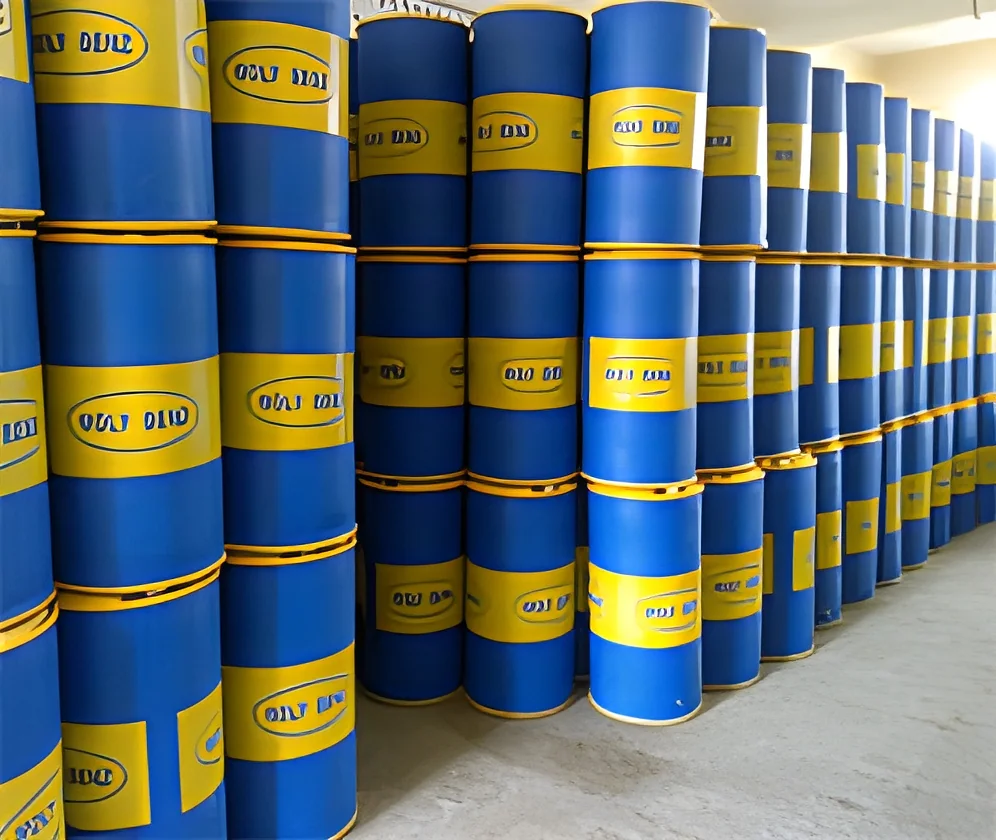
OEM Approved Lubricants are specialized lubricants certified by Original Equipment Manufacturers (OEMs) for use in specific machinery and applications. These lubricants are designed to meet the stringent requirements set by manufacturers, ensuring optimal performance and longevity of equipment. They help reduce friction, minimize wear, and improve efficiency in various industrial settings.
These lubricants find primary use in sectors such as automotive, manufacturing, and heavy machinery. Businesses rely on OEM Approved Lubricants to ensure their equipment operates smoothly and adheres to warranty conditions. The relevance of these lubricants in today's market is significant as companies look for reliable products that enhance operational efficiency and reduce downtime.
As industries evolve and technology advances, the demand for high-quality lubricants has increased. OEM Approved Lubricants play a crucial role in maintaining equipment reliability and performance, making them a vital component in industrial operations across various sectors.
Key Features and Specifications
OEM Approved Lubricants come with a range of features and specifications that set them apart from standard lubricants. These specifications are crucial for ensuring compatibility with specific machinery and meeting performance standards.
Key specifications include:
1. Viscosity Index
- Measures the lubricant's resistance to changes in viscosity with temperature.
- Typically ranges from 0 to 100+.
2. Flash Point
- Indicates the temperature at which the lubricant can vaporize to form an ignitable mixture in air.
- Usually above 200 degrees Celsius for industrial lubricants.
3. Pour Point
- The lowest temperature at which the lubricant remains fluid.
- Typically ranges from -30 to -50 degrees Celsius.
4. Oxidation Stability
- Refers to the lubricant’s ability to resist degradation under high temperatures.
- Extended stability is often measured in hours.
5. Wear Protection
- Evaluates the ability to protect machinery from wear and tear.
- Demonstrated through standardized testing methods.
6. Corrosion Resistance
- Indicates how well the lubricant protects metal surfaces from corrosion.
- Measured using various industry-standard tests.
7. Additives
- Specific additives enhance performance, providing anti-wear, anti-foam, and extreme pressure properties.
- Formulations vary depending on application requirements.
8. Compatibility
- Important for ensuring the lubricant works well with existing fluids and materials.
- Compatibility testing is crucial for optimal performance.
In summary, understanding these specifications helps businesses select the right OEM Approved Lubricants that cater to their specific operational needs.
Common Applications and Use Cases
OEM Approved Lubricants are utilized in a wide range of industries, each with unique requirements and applications.
1. Automotive: Used in engines, transmissions, and differentials to ensure smooth operation and longevity.
2. Manufacturing: Essential for machinery used in production lines, helping to reduce friction and wear.
3. Heavy Equipment: Critical for lubricating components in construction and agricultural machinery to maintain performance under load.
4. Aerospace: Applied in aircraft engines and systems where performance and safety are paramount.
5. Marine: Used in ship engines and gearboxes to protect against corrosion and wear in harsh environments.
6. Food Processing: Specially formulated lubricants that comply with safety standards for use in food production machinery.
7. Renewable Energy: Applied in wind turbines and solar equipment to ensure efficient operation and minimize maintenance.
Product Variants and Subcategories
OEM Approved Lubricants come in various formulations to address different industrial needs. This diversity allows businesses to select products tailored to their specific equipment and operating conditions.
High-Performance Engine Oil
This variant is designed for high-temperature environments, providing excellent lubrication and protection for engines. It is often used in automotive and heavy-duty applications.
Synthetic Industrial Grease
Formulated for extended service life, this grease offers superior performance in high-load and high-speed applications. It is ideal for manufacturing and heavy machinery.
Food-Grade Lubricants
These lubricants are specifically designed for use in food processing environments, ensuring compliance with safety standards while providing effective lubrication.
Hydraulic Fluids
Engineered for hydraulic systems, these fluids ensure optimal performance and resistance to breakdown under pressure, making them suitable for various industrial applications.
Benefits and Advantages
Choosing OEM Approved Lubricants offers numerous benefits that can enhance operational efficiency and equipment longevity.
1. Enhanced Equipment Longevity: These lubricants provide superior protection against wear and tear, extending the life of machinery.
2. Improved Efficiency: By reducing friction, OEM Approved Lubricants help machinery operate more smoothly, improving overall efficiency.
3. Warranty Compliance: Using certified lubricants ensures compliance with OEM warranty requirements, protecting investments.
4. Reduced Downtime: High-quality lubricants minimize equipment failures, leading to less unplanned downtime and higher productivity.
5. Customized Solutions: Many OEM Approved Lubricants are tailored to specific applications, ensuring optimal performance under varying conditions.
6. Environmental Safety: Some variants are formulated to meet environmental regulations, offering eco-friendly options without compromising performance.
Buying Guide for B2B Buyers
When sourcing OEM Approved Lubricants, it is essential to consider various factors to ensure the right choice for your business needs.
1. Quality Assessment: Evaluate the quality of lubricants by reviewing technical data sheets and performance certifications to ensure they meet industry standards.
2. Supplier Verification: Vet potential suppliers by checking their reputation, certifications, and track record in delivering quality products.
3. Pricing and MOQ: Consider pricing structures and minimum order quantities to align with your budget and operational needs.
4. Delivery and Lead Times: Assess logistics capabilities and expected lead times to ensure timely availability of products.
5. Compliance Requirements: Ensure that the lubricants meet all relevant industry regulations and standards to avoid compliance issues.
Compliance and Certifications
OEM Approved Lubricants must adhere to various quality standards and certifications to ensure reliability and safety in industrial applications. Some relevant standards include ISO 9001, which outlines quality management systems, and HACCP, which focuses on food safety in food-grade lubricants.
Additionally, CE certification is crucial for ensuring products meet European safety, health, and environmental protection requirements. Safety and testing requirements are paramount, necessitating rigorous testing to validate performance claims and safety measures.
Regional compliance considerations are also essential, as different regions may have specific standards and regulations that must be followed. Staying informed about these requirements is critical for businesses sourcing OEM Approved Lubricants.
Why Source OEM Approved Lubricants from Pepagora?
Pepagora provides a trusted platform for sourcing OEM Approved Lubricants, offering several advantages to businesses looking for quality products.
The verified supplier network ensures that buyers have access to high-quality lubricants from reputable manufacturers. This verification process minimizes the risk of purchasing subpar products.
The streamlined RFQ process simplifies the procurement of lubricants, allowing businesses to request quotations easily and compare options. This efficiency helps companies make informed purchasing decisions.
Trade assurance and support from Pepagora protect buyers throughout the transaction process, ensuring that their investments are secure and that they receive the products as promised.
Lastly, Pepagora's regional coverage in India, the GCC, and Southeast Asia enables companies to source lubricants tailored to their local market needs, facilitating smoother operations and reducing logistical challenges.


 India
 India
 India
 India
 India
Frequently Asked Questions
What are OEM Approved Lubricants?
OEM Approved Lubricants are specialized lubricants that have been tested and certified by Original Equipment Manufacturers (OEMs) to meet specific performance standards. These lubricants are designed to enhance the performance and lifespan of machinery and components in various industries.
What are the different types of OEM Approved Lubricants?
OEM Approved Lubricants come in various types, including engine oils, hydraulic fluids, gear oils, and greases. Each type is formulated for specific applications and is tailored to meet the requirements set by OEMs for optimal performance.
How do I choose the right OEM Approved Lubricants?
To choose the right OEM Approved Lubricants, consider the equipment's specifications, the operating conditions, and the manufacturer's recommendations. It's essential to review technical data sheets and consult with suppliers to ensure compatibility with your machinery.
What are the standard specifications for OEM Approved Lubricants?
The standard specifications for OEM Approved Lubricants typically include industry standards such as API, SAE, and ISO classifications. These specifications ensure that the lubricants meet certain performance criteria for viscosity, thermal stability, and wear protection.
What is the price range for OEM Approved Lubricants?
The price range for OEM Approved Lubricants can vary significantly based on the type, brand, and quantity purchased. Generally, prices can range from a few hundred to several thousand Indian Rupees per liter, depending on the formulation and supplier.
What quality standards apply to OEM Approved Lubricants?
OEM Approved Lubricants must adhere to various quality standards, including ISO 9001 for quality management systems and specific OEM quality standards that ensure consistency and reliability. Compliance with these standards is crucial for maintaining equipment performance.
Where can I find OEM Approved Lubricants suppliers in India?
You can find OEM Approved Lubricants suppliers in India through various online B2B marketplaces, industry trade shows, and local distributors. Websites like Pepagora.com provide a platform to connect with verified suppliers and manufacturers.
Can OEM Approved Lubricants be customized?
Yes, many manufacturers offer customization options for OEM Approved Lubricants to meet specific application needs. Custom formulations can be developed based on factors such as operating conditions, equipment specifications, and performance requirements.
What is the typical minimum order quantity for OEM Approved Lubricants?
The typical minimum order quantity (MOQ) for OEM Approved Lubricants can vary by supplier but usually ranges from 100 liters to 1000 liters. It's advisable to check with individual suppliers for their specific MOQs.
What is the typical lead time for OEM Approved Lubricants?
The typical lead time for OEM Approved Lubricants can vary depending on the supplier and order size, but it generally ranges from 1 to 4 weeks. Factors such as customization, production schedules, and shipping logistics can influence the lead time.
Why Businesses Trust Pepagora
Thousands of companies trust Pepagora to source smarter and sell faster
Expand Your Sales Globally

Source Smarter,Grow Faster
