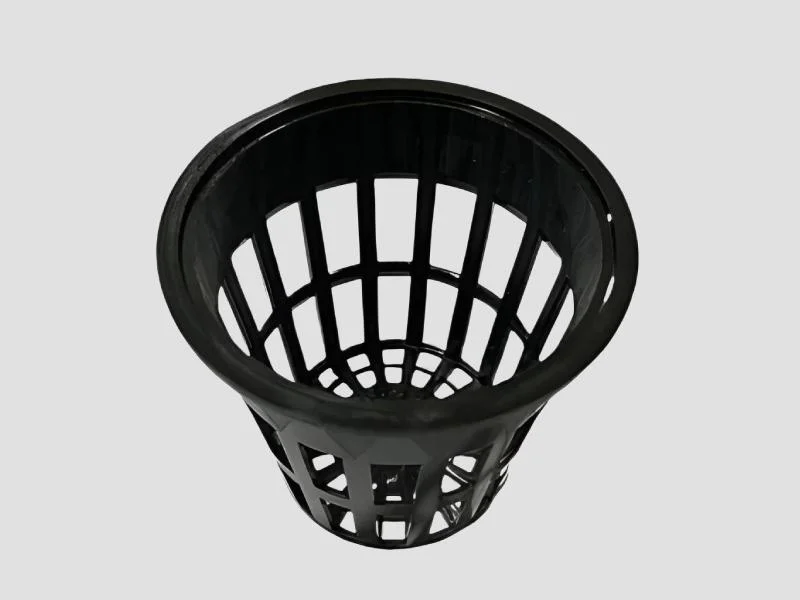
Key Features and Specifications
NFT systems incorporate several essential features that enhance their functionality and efficiency. They are designed to be user-friendly and adaptable to various environments. The specifications of an NFT system can vary based on the manufacturer and model, but key specifications typically include:
1. Channel Length
- Standard lengths range from 2 to 10 meters, allowing customization based on growing space.
2. Channel Width
- Common widths range from 10 to 30 cm, accommodating different plant types and growth stages.
3. Nutrient Reservoir Capacity
- Capacities typically vary from 100 to 1000 liters, providing sufficient nutrient solution for plant growth.
4. Pump Flow Rate
- Flow rates generally range from 1000 to 5000 liters per hour, ensuring optimal nutrient delivery.
5. Power Consumption
- Energy requirements typically range from 50 to 300 watts, depending on system size and pump specifications.
6. Materials
- Commonly constructed from food-grade PVC or polyethylene, ensuring durability and safety for food production.
7. System Weight
- Weights can vary but usually range from 50 to 200 kg, impacting installation and mobility.
8. Automation Features
- Some systems offer optional automation for monitoring nutrient levels and environmental conditions.
In summary, NFT systems are engineered for efficiency and adaptability, making them ideal for diverse agricultural applications.
Common Applications and Use Cases
NFT systems are versatile and find applications across various industries.
1. Commercial Agriculture: These systems are widely used for cultivating leafy greens, herbs, and strawberries, enhancing yield while reducing water use.
2. Urban Farming: In densely populated areas, NFT systems enable efficient food production in limited spaces, promoting local food sourcing.
3. Research Institutions: Universities and agricultural research facilities utilize NFT systems for studies on plant growth and nutrient absorption.
4. Greenhouses: When integrated into greenhouse setups, NFT systems optimize growth conditions and resource management.
5. Educational Programs: Schools and colleges implement NFT systems in educational programs to teach students about sustainable agriculture practices.
6. Vertical Farming: NFT systems are essential in vertical farming setups, where space optimization is crucial for maximizing production.
Product Variants and Subcategories
NFT systems are available in various configurations to meet specific needs.
Compact NFT Systems
These systems are designed for small-scale applications, making them perfect for home gardens or educational projects. They typically feature shorter channels and reduced reservoir sizes, promoting ease of use.
Commercial NFT Systems
Engineered for large-scale agricultural operations, these systems offer extended channel lengths and increased reservoir capacities. They are suitable for high-volume crop production, ensuring efficiency and productivity.
Modular NFT Systems
These systems allow for scalability, enabling users to expand their operations by adding more channels or units as needed. This flexibility is ideal for businesses looking to grow over time.
Benefits and Advantages
Investing in NFT systems can provide numerous advantages for businesses in the agricultural sector.
1. Water Efficiency: NFT systems use significantly less water compared to traditional farming methods, promoting sustainable practices.
2. Faster Growth Rates: Plants grown in NFT systems typically experience accelerated growth due to direct nutrient delivery.
3. Space Optimization: The vertical arrangement of NFT systems allows for high-density planting, maximizing production in limited space.
4. Reduced Labor Costs: Automated features can minimize manual labor, allowing for streamlined operations.
5. Year-Round Production: NFT systems enable consistent crop production regardless of seasonal changes, enhancing profitability.
6. Minimal Soil Use: The hydroponic nature of NFT systems reduces the need for soil, decreasing pest and disease risks.
Buying Guide for B2B Buyers
When sourcing NFT (Nutrient Film Technique) Systems, several key factors should be taken into account.
1. Quality Assessment: Look for systems constructed from durable, food-grade materials. Verify that they meet industry standards to ensure safety and efficiency.
2. Supplier Verification: Conduct thorough research on potential suppliers. Check for certifications, customer reviews, and previous project references to ensure reliability.
3. Pricing and MOQ: Understand the cost structure and minimum order quantities (MOQ) required by suppliers. This will help in budgeting and planning for purchases.
4. Delivery and Lead Times: Discuss logistics with suppliers to establish realistic delivery timelines. Ensure that they can meet your operational needs.
5. Compliance Requirements: Be aware of any regulatory standards applicable to NFT systems in your region. Ensure that suppliers can provide systems that comply with these regulations.
Compliance and Certifications
NFT systems must adhere to various quality standards and certifications to ensure safety and reliability.
ISO 9001 is a widely recognized standard that ensures consistent quality management systems within manufacturing processes. Compliance with this standard indicates that a supplier is committed to continuous improvement and customer satisfaction.
HACCP (Hazard Analysis and Critical Control Points) certification is relevant for systems used in food production, ensuring that all safety measures are in place to prevent contamination.
CE marking indicates that the product meets European safety, health, and environmental protection standards. This certification is crucial for companies looking to market their NFT systems in Europe.
It is also essential to consider safety and testing requirements specific to the region where the systems will be deployed. Different countries may have additional compliance considerations related to agricultural practices.
Why Source NFT (Nutrient Film Technique) Systems from Pepagora?
Pepagora offers a reliable platform for sourcing NFT (Nutrient Film Technique) Systems, providing several key advantages.
Verified Supplier Network: Pepagora connects buyers with suppliers who have been thoroughly vetted for quality and reliability. This ensures that buyers can trust the products they are purchasing.
Streamlined RFQ Process: The platform offers an efficient request for quotation (RFQ) process, allowing buyers to quickly receive competitive pricing and relevant information from multiple suppliers.
Trade Assurance and Support: Pepagora provides trade assurance to protect buyers throughout the purchasing process. Their customer support team is available to assist with any inquiries or issues that arise.
Regional Coverage: With a strong presence in India, the GCC, and Southeast Asia, Pepagora facilitates connections between buyers and suppliers across these key markets, enhancing access to high-quality NFT systems.

 IN
IN