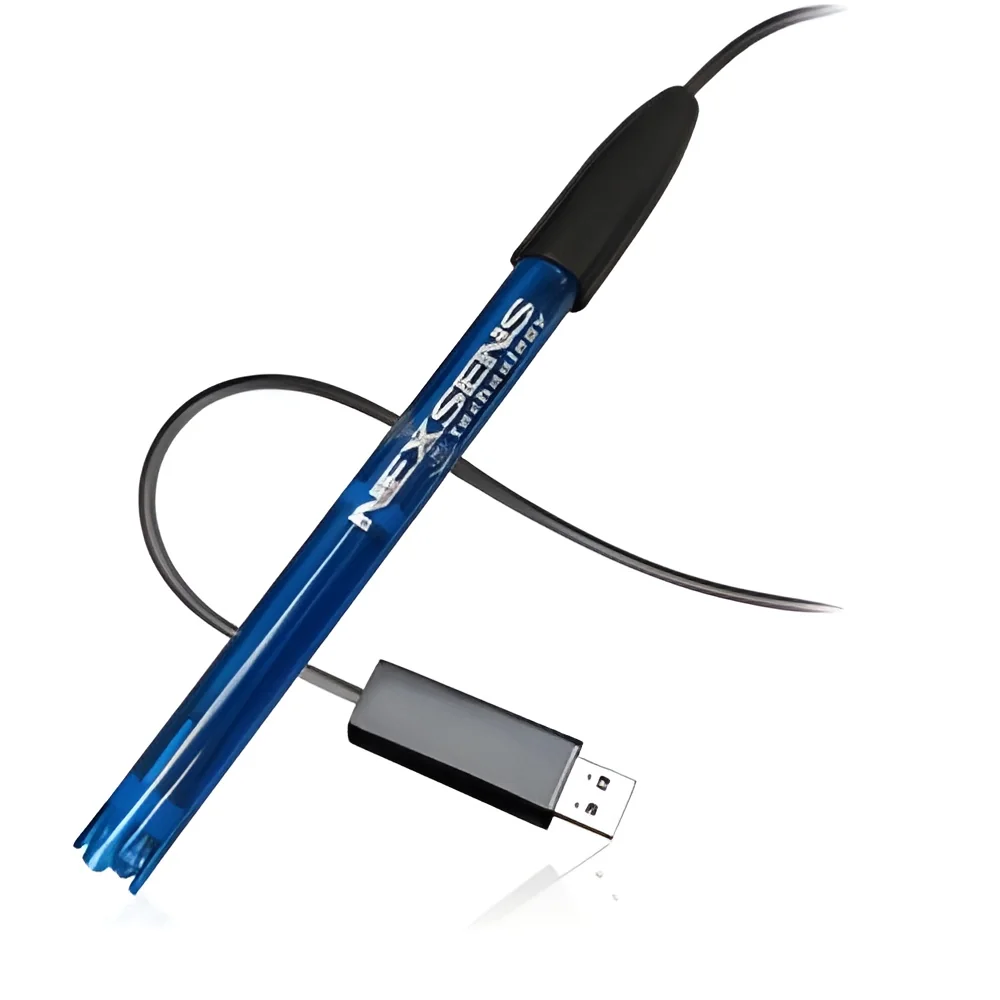
What are IoT-Enabled Hydroponic Sensors?
IoT-Enabled Hydroponic Sensors are advanced devices designed to monitor and manage the conditions of hydroponic systems. These sensors collect real-time data on various environmental parameters such as temperature, humidity, pH levels, and nutrient concentrations. By leveraging Internet of Things (IoT) technology, these sensors enable seamless data transmission to cloud-based systems or local dashboards, allowing users to make informed decisions quickly.
The primary applications of IoT-Enabled Hydroponic Sensors are found in agriculture, particularly within controlled environment agriculture (CEA) facilities. Businesses utilize these sensors to optimize plant growth, increase yield, and reduce resource consumption. By integrating these sensors into their operations, companies can achieve greater accuracy in monitoring environmental conditions, leading to enhanced productivity and efficiency. This technology is increasingly relevant in the market as more growers adopt precision agriculture techniques to maximize their returns.
With the rise of urban farming and sustainable agriculture practices, the demand for IoT-Enabled Hydroponic Sensors is growing. These devices not only support the needs of commercial growers but also align with global trends towards smarter agriculture solutions. As technology advances, the integration of IoT in hydroponics is becoming a critical component for businesses striving to stay competitive in the agricultural sector.
Key Features and Specifications
IoT-Enabled Hydroponic Sensors come equipped with a variety of features that enhance their functionality and usability. These sensors are designed for durability and efficiency, providing reliable data for growers.
Key specifications include:
1. Temperature Monitoring
- Monitors ambient and nutrient solution temperatures
- Typical range: 0 to 50 degrees Celsius
2. Humidity Control
- Measures relative humidity levels in the growing environment
- Typical range: 0 to 100 percent
3. pH Level Measurement
- Monitors pH levels of nutrient solutions
- Typical range: 0 to 14 pH units
4. Nutrient Concentration Detection
- Measures electrical conductivity to determine nutrient levels
- Typical range: 0 to 2,000 µS/cm
5. Data Connectivity
- Supports Wi-Fi, Bluetooth, or cellular connectivity for real-time data transmission
6. Battery Life
- Long-lasting battery with options for rechargeable power sources
7. User Interface
- Intuitive mobile or web-based application for easy monitoring and control
8. Alerts and Notifications
- Sends alerts for critical deviations in environmental conditions
These features allow businesses to maintain optimal growing conditions, ensuring better crop health and productivity.
Common Applications and Use Cases
IoT-Enabled Hydroponic Sensors are versatile tools that serve various industries effectively.
1. Commercial Agriculture: In large-scale farming operations, these sensors help monitor and control environmental conditions to maximize crop yields while minimizing resource usage.
2. Research Institutions: Universities and research facilities utilize these sensors for experiments and studies related to plant growth and nutrient management.
3. Urban Farming: In cities where space is limited, vertical farms and indoor gardens rely on these sensors to create optimal growing environments.
4. Horticulture: Flower and plant nurseries use these devices to ensure ideal conditions for plant propagation and growth.
5. Aquaponics: Combined aquaculture and hydroponics systems benefit from these sensors to maintain balanced conditions for both fish and plants.
6. Greenhouses: Greenhouse operators use these sensors to monitor climate factors, allowing for adjustments that improve plant health.
7. Home Gardening: Hobbyist gardeners are incorporating these sensors into their systems to enhance their growing experience and results.
Product Variants and Subcategories
IoT-Enabled Hydroponic Sensors come in various configurations to cater to different applications and user needs.
Basic Sensor Kit: This variant includes essential sensors for temperature, humidity, and pH monitoring. Ideal for small-scale operations and beginners, it provides fundamental data without overwhelming complexity.
Advanced Sensor Kit: Designed for commercial growers, this variant includes additional features such as nutrient concentration detection and advanced connectivity options. It allows for detailed monitoring and control of hydroponic conditions.
Wireless Sensor Network: This configuration consists of multiple sensors that communicate wirelessly, making it suitable for large operations where multiple monitoring points are needed.
Portable Sensor Device: Compact and easy to transport, this variant is perfect for field testing and on-site monitoring of various hydroponic setups.
Benefits and Advantages
Utilizing IoT-Enabled Hydroponic Sensors offers numerous benefits to businesses in the agricultural sector.
Key benefits include:
1. Enhanced Monitoring: These sensors provide real-time data that allows for immediate adjustments to environmental conditions, optimizing plant health.
2. Resource Efficiency: By accurately measuring conditions, businesses can reduce water and nutrient waste, leading to significant cost savings.
3. Increased Yields: Precise monitoring helps ensure that plants receive optimal conditions, which can increase crop yields and quality.
4. Data-Driven Decisions: Growers can make informed decisions based on actionable insights from the sensor data, improving overall management.
5. Remote Access: Users can monitor their hydroponic systems remotely, allowing for greater flexibility and responsiveness.
6. Predictive Analytics: Data collected over time can be analyzed to predict trends and identify potential issues before they become critical.
Buying Guide for B2B Buyers
When sourcing IoT-Enabled Hydroponic Sensors, it is essential for buyers to consider several factors to ensure they make the right choice.
1. Quality Assessment: Evaluate the quality of sensors by checking for certifications and customer reviews. High-quality sensors should provide accurate and reliable data.
2. Supplier Verification: Conduct thorough research to verify suppliers' credibility. Look for established companies with a track record of successful product delivery.
3. Pricing and MOQ: Consider the pricing structures and minimum order quantities. Ensure that the costs align with your budget and operational needs.
4. Delivery and Lead Times: Assess delivery options and lead times to ensure timely availability of products for your operations.
5. Compliance Requirements: Familiarize yourself with any regulatory compliance needs specific to your region or industry, ensuring that the sensors meet necessary standards.
Compliance and Certifications
Compliance and certifications are crucial for IoT-Enabled Hydroponic Sensors to ensure quality and safety. Relevant quality standards such as ISO 9001 highlight the importance of consistent quality management systems.
Industry certifications like CE indicate compliance with European safety and health regulations. This is essential for products entering the European market.
Safety and testing requirements often include rigorous evaluations to ensure that sensors perform accurately and reliably in various conditions. Buyers should also be aware of regional compliance considerations that may impact the usage of these sensors in different markets.
Why Source IoT-Enabled Hydroponic Sensors from Pepagora?
Pepagora offers a reliable platform for sourcing IoT-Enabled Hydroponic Sensors with several key advantages that cater to B2B buyers.
Verified Supplier Network: Pepagora connects buyers with a network of verified suppliers, ensuring that all products meet quality and performance standards.
Streamlined RFQ Process: The request for quotation (RFQ) process is designed to be user-friendly, allowing buyers to easily compare offers and make informed decisions.
Trade Assurance and Support: Pepagora provides buyer protection through trade assurance programs, ensuring that your purchases are secure and reliable.
Regional Coverage: With a strong presence in India, the GCC, and Southeast Asia, Pepagora offers extensive reach, making it easier for businesses to find the right sensors for their specific needs.

 IN
IN