What are Timers & Flow Regulators?
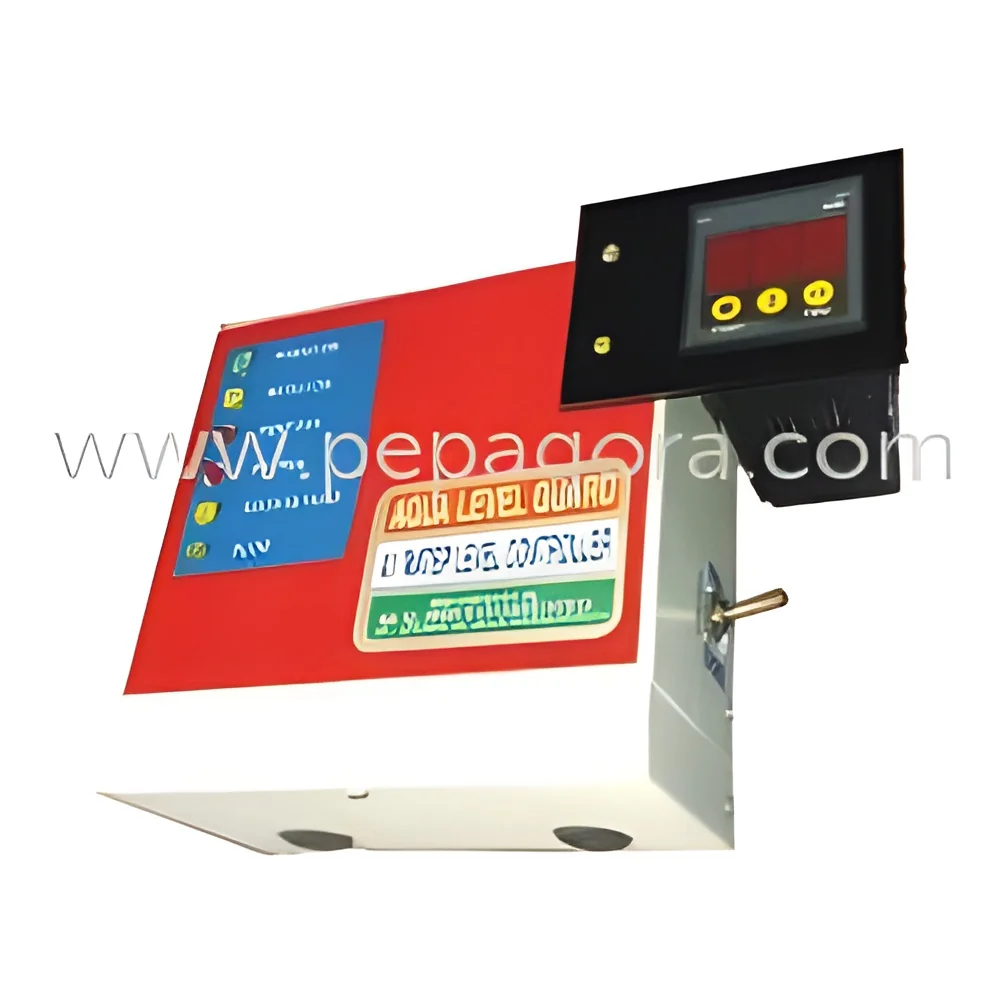
Timers and flow regulators are essential devices used in various industrial applications to control the timing and flow of liquids and gases. Timers are responsible for regulating the duration of operation of a system or process, ensuring that tasks occur at specific intervals. Flow regulators, on the other hand, maintain a steady flow rate of fluids in a system, preventing fluctuations that could disrupt operations.
These devices are widely utilized in sectors such as manufacturing, agriculture, and HVAC systems. In manufacturing, timers can control the timing of machinery operations, while flow regulators ensure consistent fluid delivery in processes like cooling or irrigation. Their relevance extends to areas requiring precise control over fluid dynamics and timing, making them vital components in efficient and safe industrial operations.
As industries continue to seek automation and efficiency, the demand for high-quality timers and flow regulators has grown. Companies are increasingly focusing on integrating these devices into their processes to enhance productivity, streamline operations, and maintain compliance with industry standards.
Key Features and Specifications
Timers and flow regulators come with several key features that make them suitable for diverse applications. Understanding these specifications is crucial for selecting the right product for your needs.
Key specifications include:
1. Timing Range
- This refers to the duration over which the timer can operate, typically measured in seconds, minutes, or hours.
2. Flow Rate Capacity
- This defines the maximum flow rate the regulator can handle, often expressed in liters per minute or gallons per hour.
3. Power Source
- Timers can be powered by AC or DC sources, affecting their suitability for different environments.
4. Control Type
- This can include manual, automatic, or programmable control systems, allowing for various levels of user interaction.
5. Operating Temperature Range
- Indicates the temperature limits within which the device can function properly.
6. Pressure Ratings
- Specifies the maximum pressure that flow regulators can withstand, ensuring safe operation in high-pressure systems.
7. Material Construction
- Common materials include stainless steel, plastic, or brass, with implications for durability and compatibility with different fluids.
8. Certifications
- Products may come with certifications such as UL and CE, signifying compliance with safety and quality standards.
In summary, understanding these features and specifications will help businesses choose the most suitable timers and flow regulators for their specific applications.
Common Applications and Use Cases
Timers and flow regulators are versatile components used across multiple industries, catering to various operational needs.
1. Manufacturing: In manufacturing processes, timers control machine cycles, ensuring tasks are performed at the right intervals to optimize production.
2. Agriculture: Flow regulators manage irrigation systems, providing consistent water flow to crops, which is essential for efficient growth and resource management.
3. HVAC: In heating, ventilation, and air conditioning systems, timers and flow regulators help maintain desired temperature and airflow, contributing to energy efficiency.
4. Food Processing: Timers are used to regulate cooking times, while flow regulators ensure precise ingredient delivery, maintaining product quality.
5. Chemical Processing: Flow regulators are critical for controlling the flow of chemicals during production, ensuring safety and compliance with environmental standards.
6. Aquaculture: Timers manage feeding schedules for fish farms, while flow regulators maintain water quality by controlling water exchange rates.
7. Pharmaceutical: Timers and flow regulators are used to regulate processes in drug manufacturing, ensuring precise measurements and consistent quality.
Product Variants and Subcategories
The market offers a variety of timers and flow regulators designed to meet specific needs in different sectors.
Digital Timers: These timers provide precise timing control and are easily programmable. They are ideal for applications requiring detailed timing schedules.
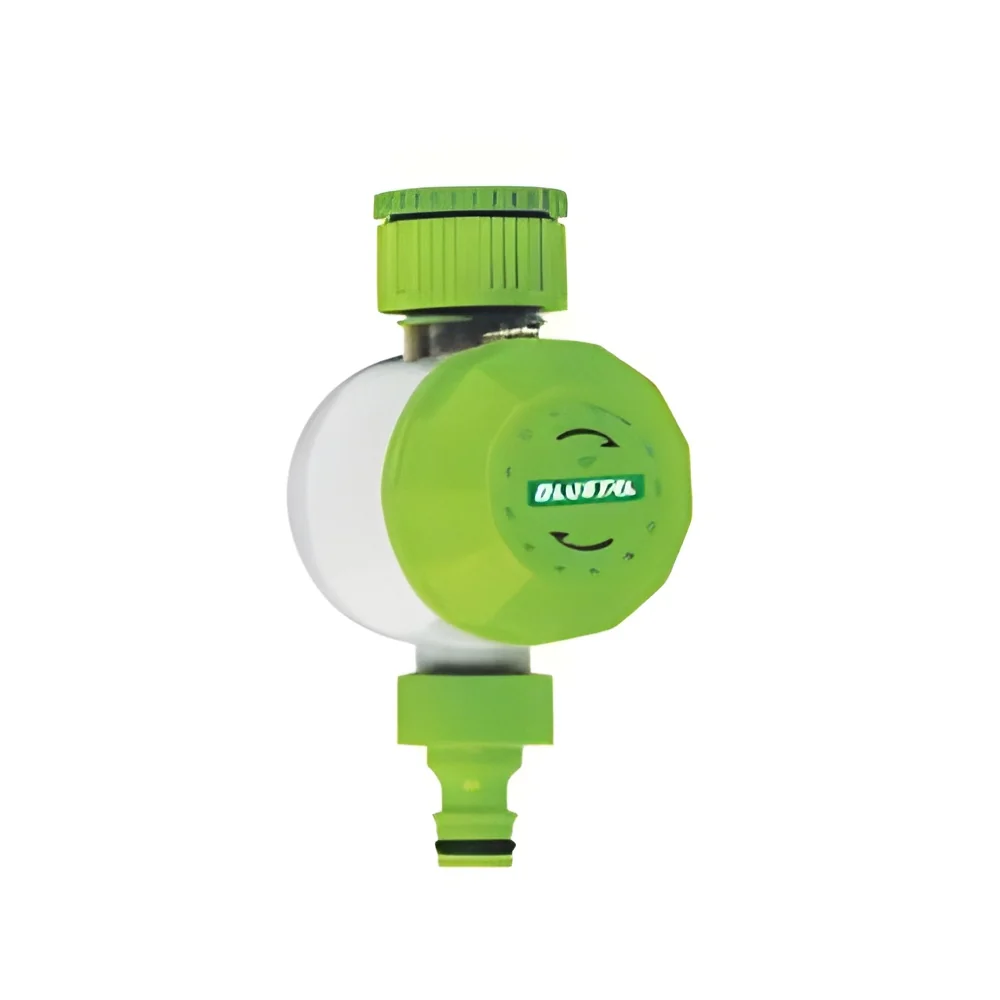
Mechanical Timers: Often used in simpler applications, mechanical timers provide reliable timing without the need for electricity, making them suitable for various environments.
Flow Meter Regulators: These devices not only regulate flow but also measure it, providing crucial data for monitoring and optimization purposes.
Pressure-Activated Flow Regulators: Designed to automatically adjust flow based on pressure changes, these regulators are perfect for dynamic systems.
Pneumatic Timers: Used in pneumatic systems, these timers ensure that air-operated devices function in sync, enhancing overall system efficiency.
Benefits and Advantages
Timers and flow regulators provide numerous advantages that contribute to operational efficiency and safety in industrial applications.
1. Improved Efficiency: By ensuring that processes occur at the right times and with the right flow rates, businesses can optimize productivity and reduce waste.
2. Enhanced Precision: These devices allow for accurate control over timing and fluid dynamics, which is crucial for maintaining product quality.
3. Cost Savings: Efficient operation leads to reduced energy consumption and waste, resulting in significant cost savings over time.
4. Safety Compliance: Timers and flow regulators help maintain compliance with safety regulations by controlling processes to prevent accidents.
5. Versatility: With a wide range of applications across various industries, these devices can be tailored to meet specific operational needs.
6. Reliability: High-quality timers and flow regulators are built to endure demanding conditions, ensuring long-term reliability and performance.
Buying Guide for B2B Buyers
When sourcing timers and flow regulators, several key factors must be considered to ensure the best selection for your business needs.
1. Quality Assessment: Evaluate the quality of devices through manufacturer certifications and customer reviews. Look for products that meet international quality standards.
2. Supplier Verification: Vet suppliers thoroughly by checking their reputation, experience, and customer feedback to ensure reliability and support.
3. Pricing and MOQ: Understand the pricing structure and minimum order quantities (MOQ) to align with your budget and purchasing strategy.
4. Delivery and Lead Times: Consider logistics and expected delivery times to ensure timely integration into your operations.
5. Compliance Requirements: Verify that products meet relevant regulatory standards applicable to your industry, ensuring safety and reliability.
Compliance and Certifications
Compliance with industry standards is critical for timers and flow regulators to ensure safety and reliability. Relevant quality standards include ISO 9001, which outlines the requirements for a quality management system, and HACCP, which focuses on food safety management.
Industry certifications such as UL and CE signify that products have been tested and meet safety and performance criteria. These certifications are crucial for ensuring that devices can be used safely within various applications.
Additionally, manufacturers must be aware of regional compliance considerations, as different countries may have specific regulations governing the use of timers and flow regulators. Ensuring compliance not only enhances safety but also builds customer trust in product reliability.
Why Source Timers & Flow Regulators from Pepagora?
Pepagora offers a trusted platform for sourcing timers and flow regulators, providing several key advantages for B2B buyers.
Verified Supplier Network: Pepagora has established a network of verified suppliers, ensuring that buyers can access high-quality products from reputable manufacturers. This verification process helps eliminate risks associated with sourcing.
Streamlined RFQ Process: The platform simplifies the request for quotation (RFQ) process, allowing buyers to easily compare product offerings and prices from multiple suppliers. This efficiency aids in making informed purchasing decisions.
Trade Assurance and Support: Pepagora prioritizes buyer protection through trade assurance measures, providing support throughout the purchasing process. This ensures that buyers are satisfied with their transactions and can trust the quality of their purchases.
Regional Coverage: With a strong presence in India, the GCC, and Southeast Asia, Pepagora offers extensive geographic reach, connecting buyers with suppliers across these regions. This network facilitates easy access to a variety of timers and flow regulators tailored to meet diverse industrial needs.

 IN
IN