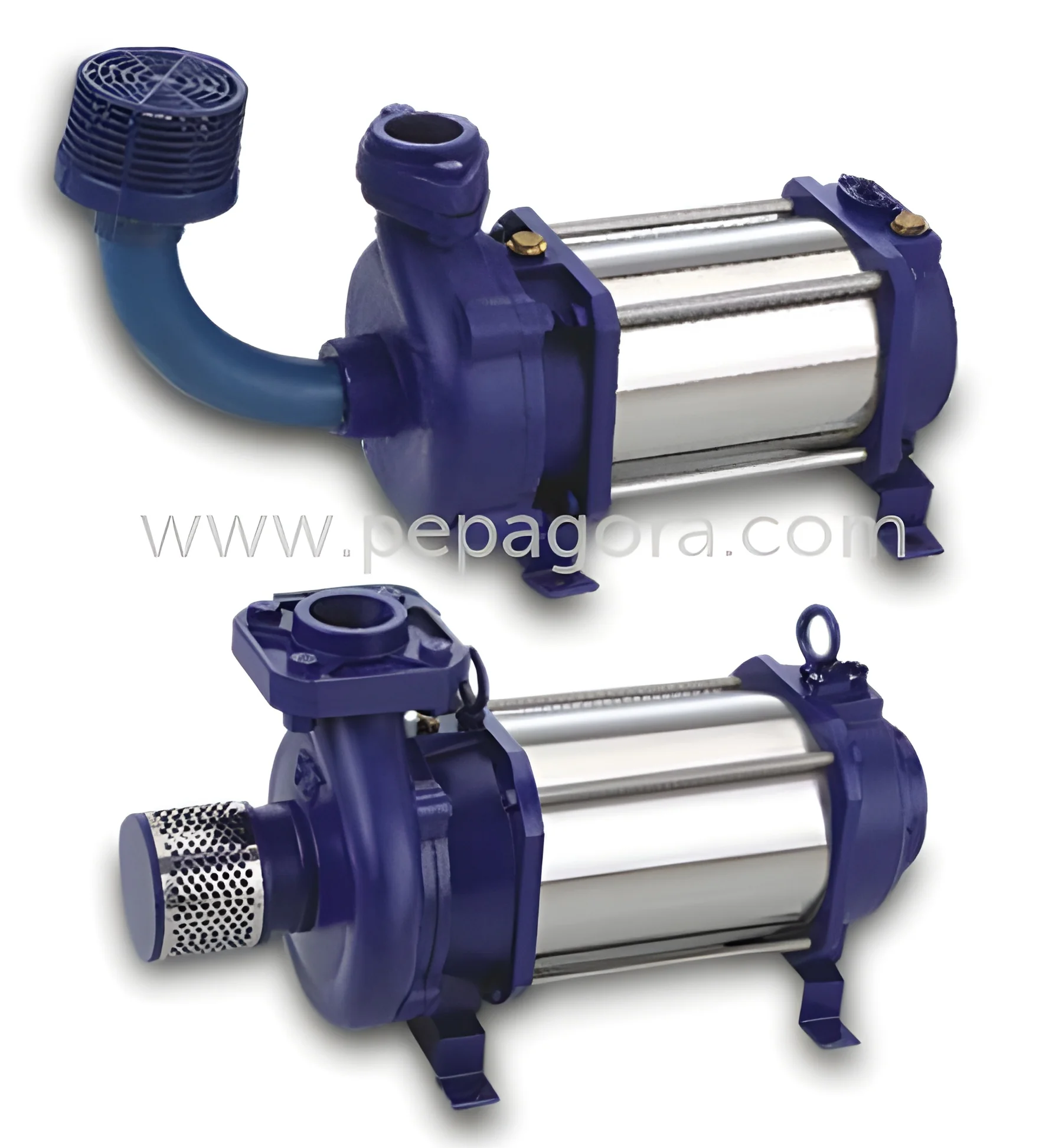
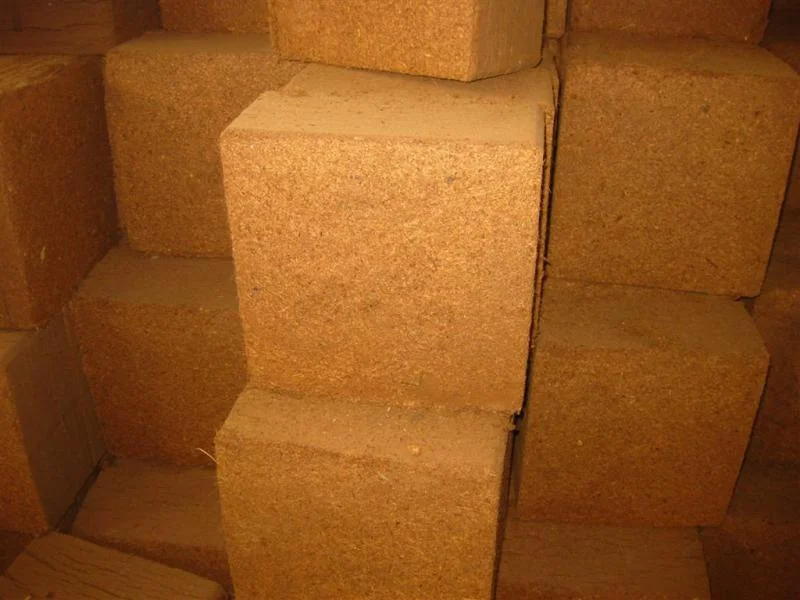
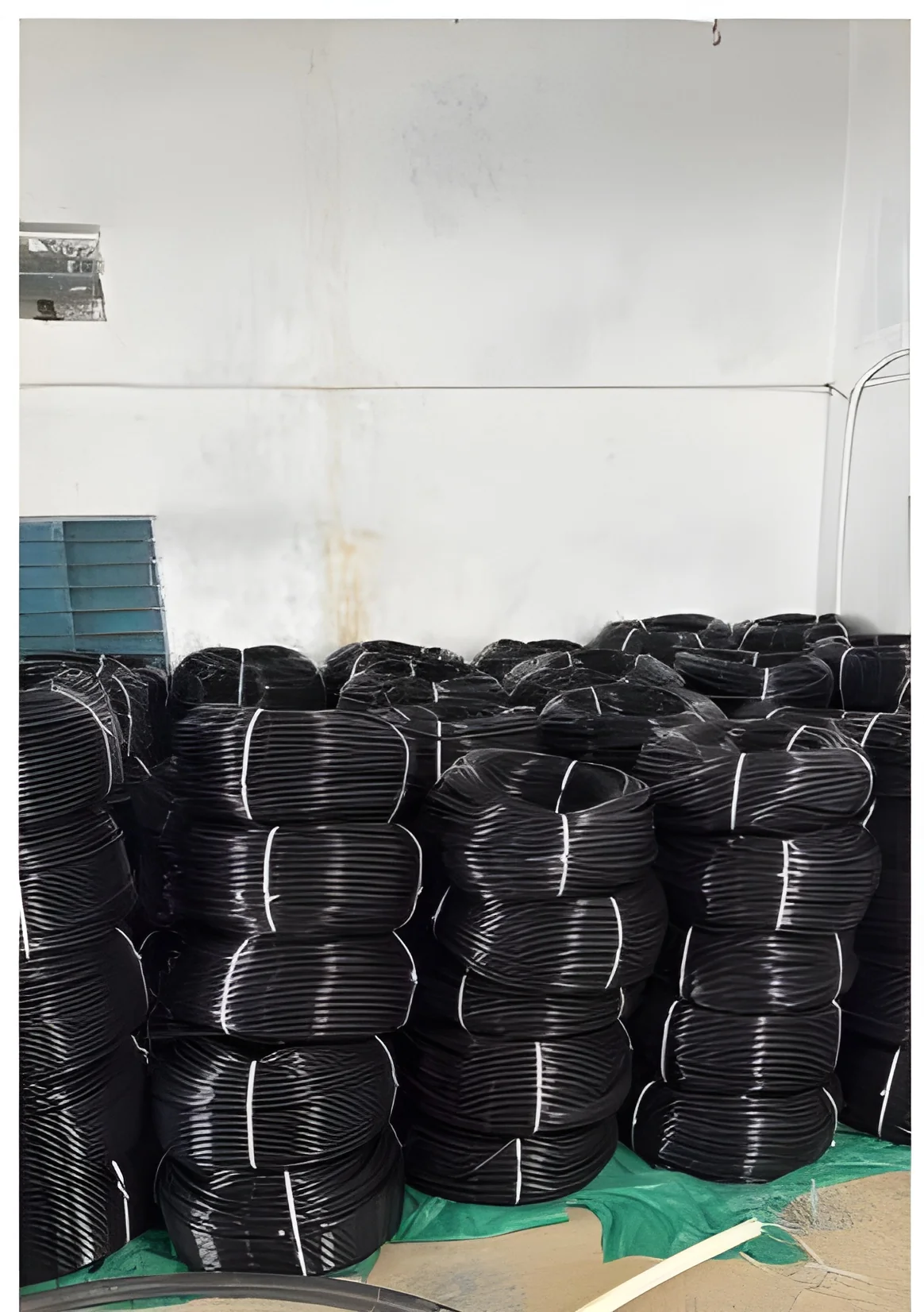
𝗪𝗵𝗮𝘁 𝗮𝗿𝗲 𝗛𝘆𝗱𝗿𝗼𝗽𝗼𝗻𝗶𝗰 & 𝗩𝗲𝗿𝘁𝗶𝗰𝗮𝗹 𝗙𝗮𝗿𝗺𝗶𝗻𝗴 𝗦𝘆𝘀𝘁𝗲𝗺𝘀?
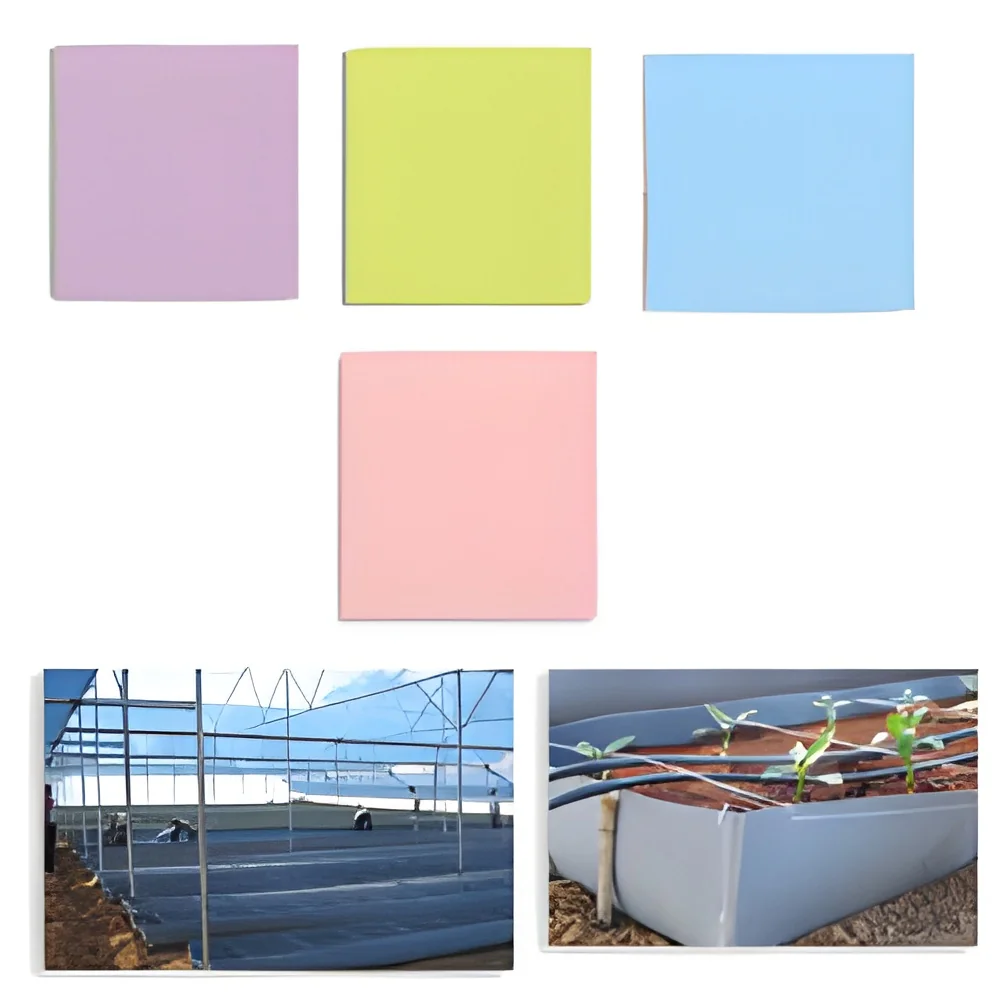
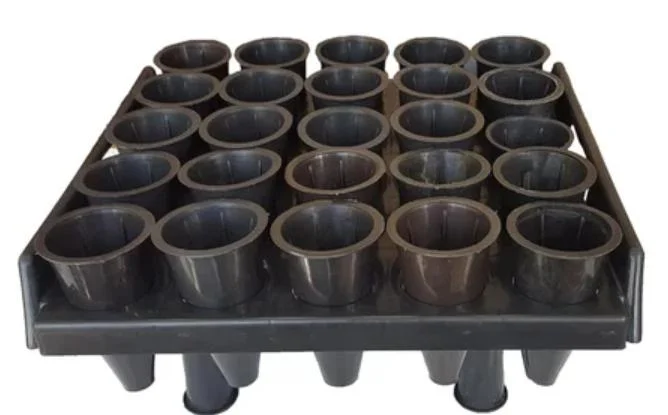
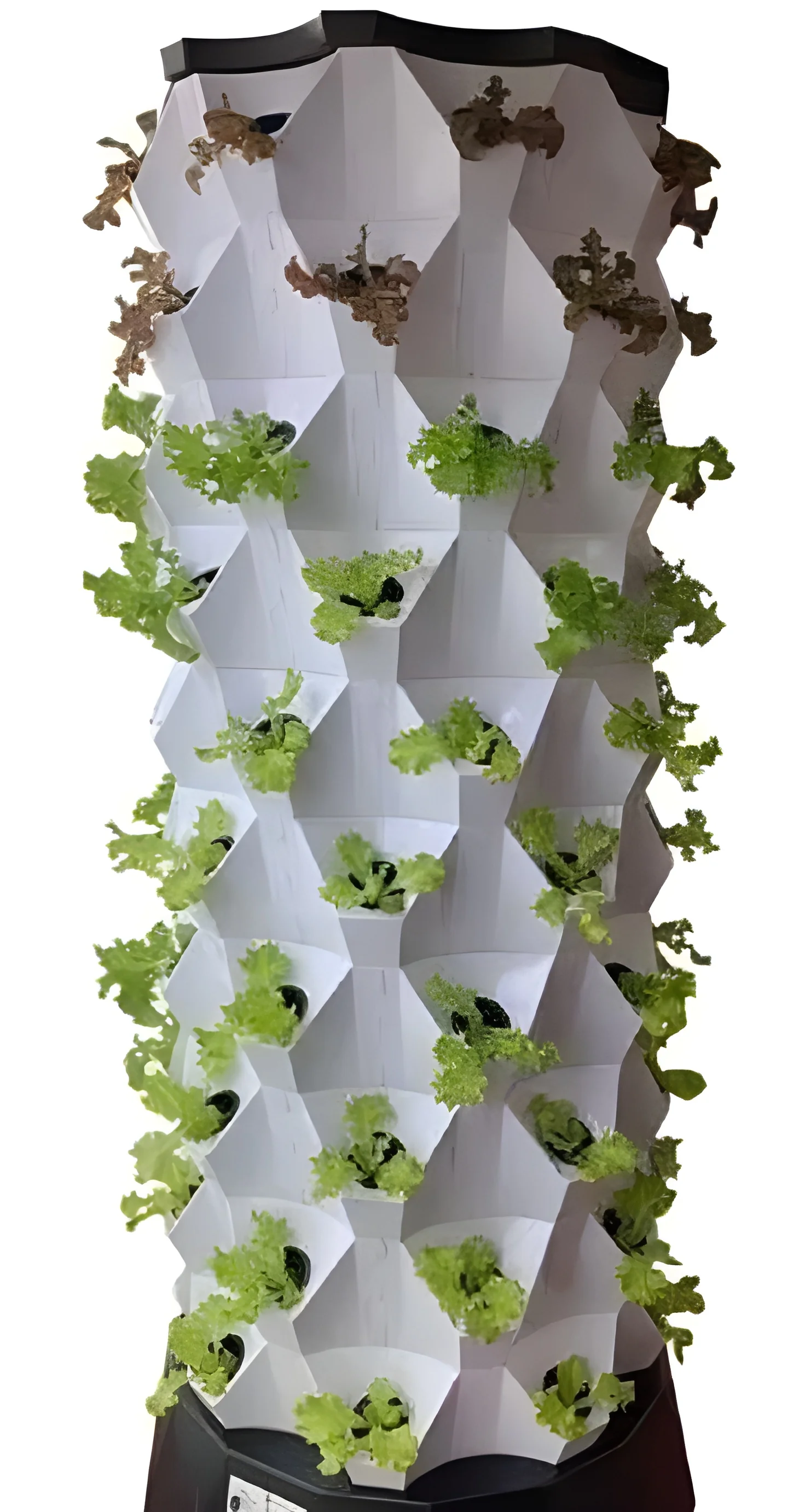
Hydroponic and vertical farming systems are innovative agricultural methods that allow for the cultivation of plants without soil. Instead of traditional farming techniques, these systems utilize nutrient-rich water solutions to provide essential minerals and nutrients directly to plant roots. Vertical farming further enhances this method by stacking layers of crops, maximizing space and increasing yield per square foot. This approach is particularly advantageous in urban settings where land is limited.
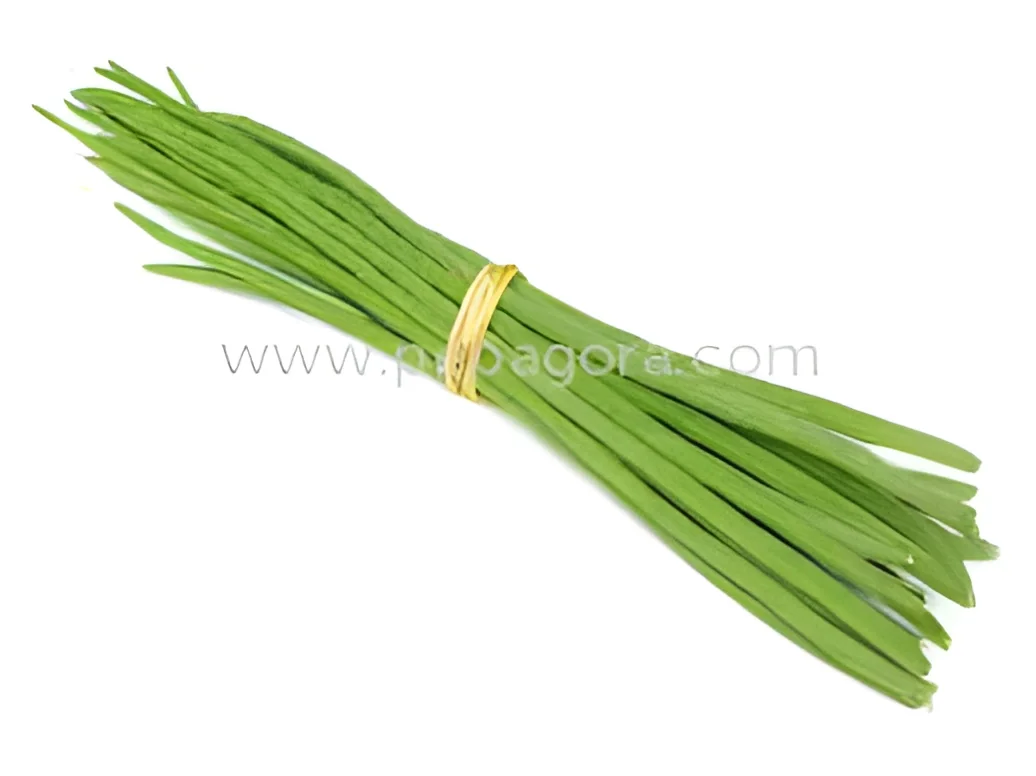
These systems are primarily used in commercial agriculture, research institutions, and even home gardening. They offer solutions for growing various crops, including leafy greens, herbs, and certain fruits. Businesses can benefit from these technologies by reducing water usage, minimizing land requirements, and achieving faster growth cycles. As the demand for sustainable food production increases, hydroponic and vertical farming systems are becoming increasingly relevant, driving investment and interest in the agricultural technology sector.
𝗞𝗲𝘆 𝗙𝗲𝗮𝘁𝘂𝗿𝗲𝘀 𝗮𝗻𝗱 𝗦𝗽𝗲𝗰𝗶𝗳𝗶𝗰𝗮𝘁𝗶𝗼𝗻𝘀
Hydroponic and vertical farming systems come with a variety of features designed to optimize plant growth and resource efficiency. These specifications can vary based on the type of system and the intended application.
Key specifications include:
1. Hydroponic Method Type
- Deep Water Culture, Nutrient Film Technique, and Aeroponics are common methods.
- Each method has specific advantages in terms of growth rates and resource use.
2. Growth Area
- Systems can range from small-scale units for home use to large commercial setups.
- Typical sizes range from a few square feet to several thousand square feet.
3. Lighting Systems
- LED grow lights are often used to provide the necessary light spectrum for plant growth.
- Adjustable light intensity and spectrum settings can enhance growth performance.
4. Nutrient Delivery System
- Automated systems can precisely control nutrient delivery and pH levels.
- Nutrient composition can be tailored based on crop requirements.
5. Environmental Controls
- Temperature and humidity control systems help create optimal growing conditions.
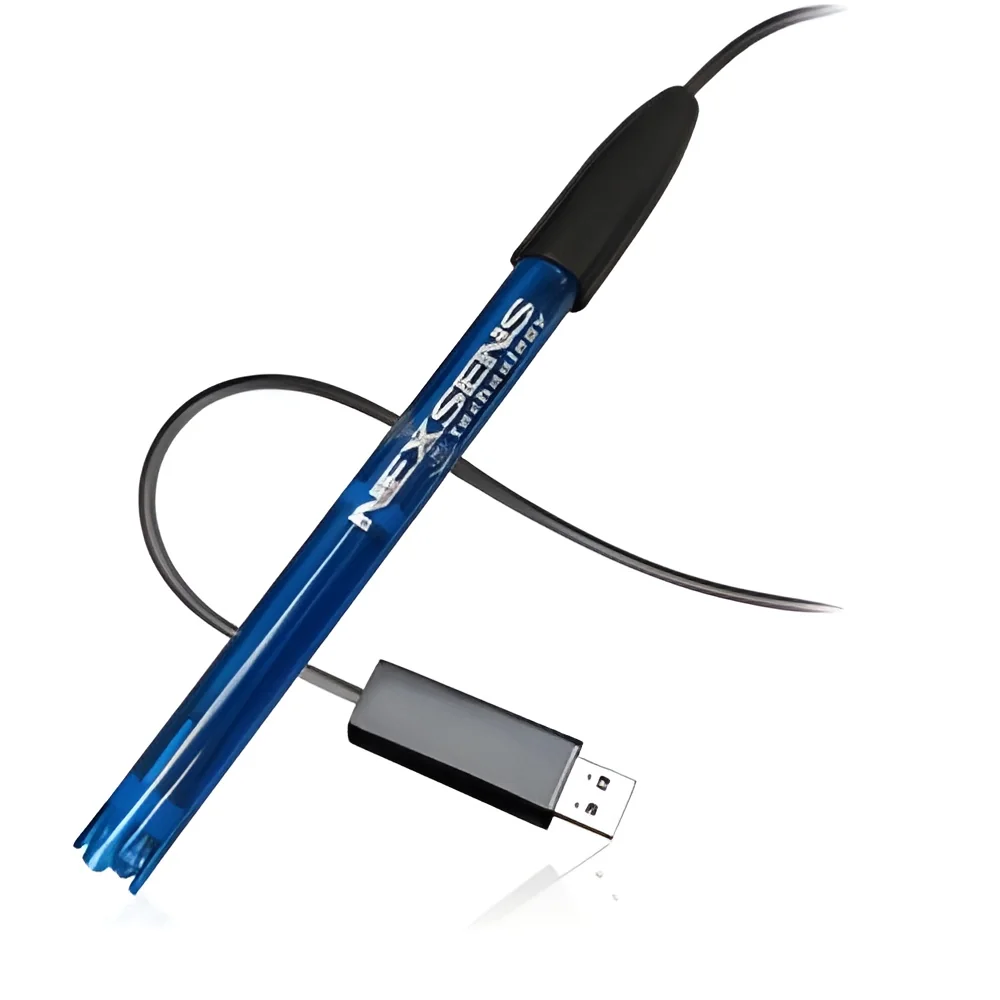
- Sensors may monitor environmental variables and adjust systems accordingly.
6. Water Usage Efficiency
- Hydroponic systems can use up to 90% less water than traditional farming.
- Recirculating systems minimize waste and maximize resource efficiency.
7. Modular Design
- Many systems are modular, allowing for easy expansion or reconfiguration.
- Flexibility in design can accommodate different types of crops and growing methods.
In summary, hydroponic and vertical farming systems combine advanced technology with agricultural practices to create efficient, sustainable food production solutions.
𝗖𝗼𝗺𝗺𝗼𝗻 𝗔𝗽𝗽𝗹𝗶𝗰𝗮𝘁𝗶𝗼𝗻𝘀 𝗮𝗻𝗱 𝗨𝘀𝗲 𝗖𝗮𝘀𝗲𝘀
Hydroponic and vertical farming systems serve a wide range of industries, each benefiting from the advantages these technologies provide.
1. Agriculture: These systems allow for year-round crop production, independent of seasonal changes. This leads to higher yields and consistent supply, particularly for high-demand crops.
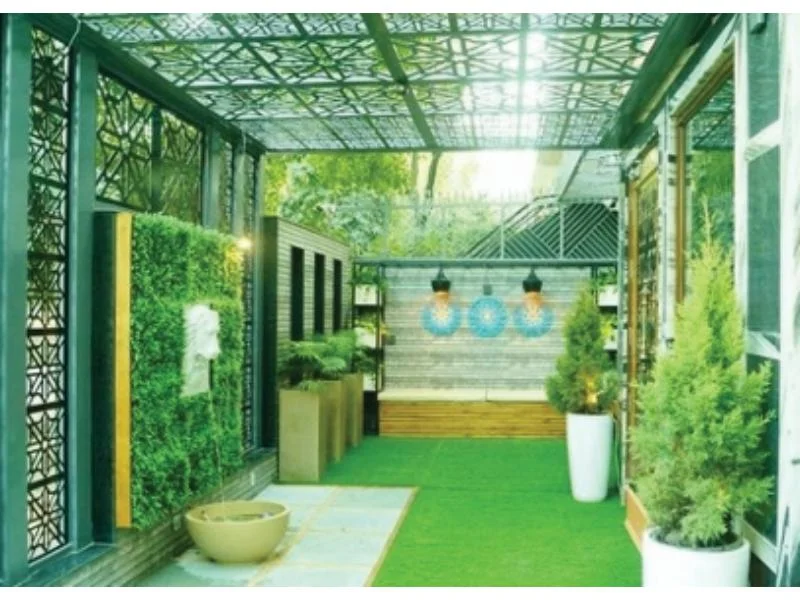
2. Urban Farming: In densely populated areas, vertical farming enables local food production, reducing transportation costs and carbon footprints. This approach also utilizes otherwise unused spaces, such as rooftops and abandoned buildings.
3. Research Institutions: Universities and agricultural research centers utilize these systems to study plant growth, nutrient management, and pest control in controlled environments.
4. Restaurants: Some restaurants are adopting hydroponic systems to grow fresh herbs and vegetables on-site, enhancing menu quality and freshness.
5. Retail: Grocery stores and supermarkets are exploring vertical farming solutions to offer fresh, locally grown produce in urban environments.
6. Education: Educational institutions are incorporating hydroponic systems into their curriculum to teach students about sustainable agriculture and technology.
7. Pharmaceuticals: Certain plants used in medicine can be grown more effectively in controlled hydroponic environments, supporting research and development.
𝗣𝗿𝗼𝗱𝘂𝗰𝘁 𝗩𝗮𝗿𝗶𝗮𝗻𝘁𝘀 𝗮𝗻𝗱 𝗦𝘂𝗯𝗰𝗮𝘁𝗲𝗴𝗼𝗿𝗶𝗲𝘀
Hydroponic and vertical farming systems come in various configurations, catering to different needs and technologies.
Home Hydroponic Kits: These compact systems are designed for amateur gardeners and hobbyists. They typically include all necessary components and instructions for easy setup and operation.
Commercial Vertical Farming Systems: Tailored for large-scale production, these systems maximize space and yield. They often feature advanced automation and environmental controls.
NFT Systems: Nutrient Film Technique systems deliver a thin film of nutrient solution directly to plant roots. This method is efficient and suitable for growing leafy greens.
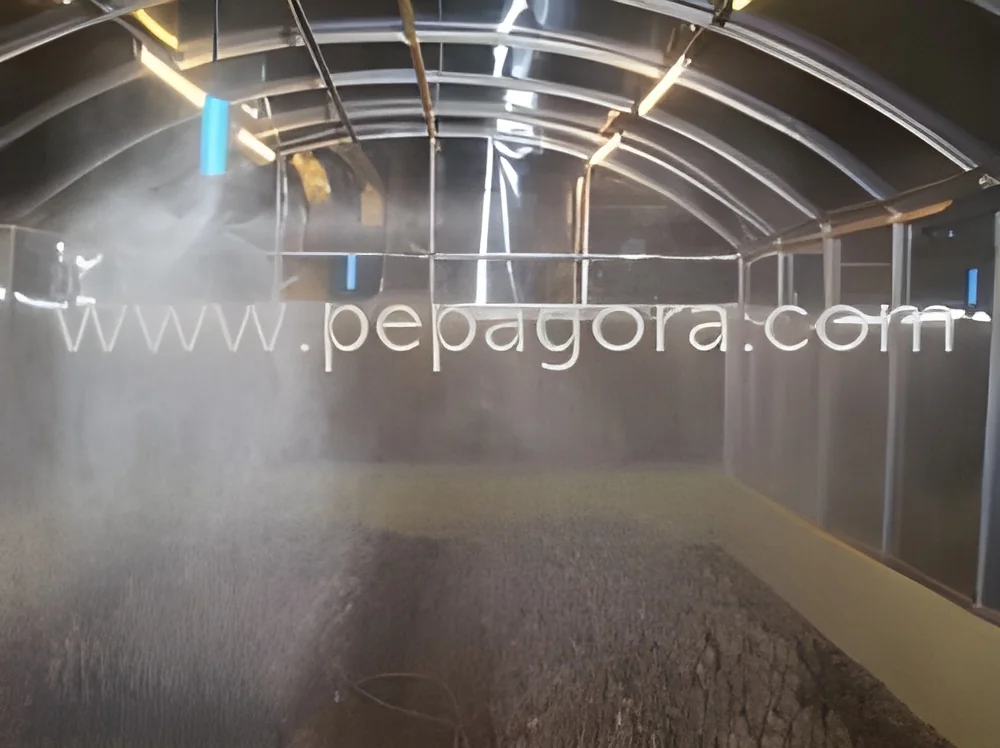
Aeroponic Systems: These systems mist plant roots with nutrient-rich water, promoting rapid growth and minimizing resource use.
𝗕𝗲𝗻𝗲𝗳𝗶𝘁𝘀 𝗮𝗻𝗱 𝗔𝗱𝘃𝗮𝗻𝘁𝗮𝗴𝗲𝘀
Hydroponic and vertical farming systems offer numerous benefits that appeal to B2B buyers in various sectors.
1. Resource Efficiency: These systems significantly reduce water usage compared to traditional farming, making them more sustainable and cost-effective.
2. Space Optimization: Vertical farming maximizes production in limited spaces, allowing businesses to grow more crops without requiring additional land.
3. Faster Growth Cycles: Plants grown in hydroponic systems typically experience faster growth rates, leading to quicker harvests and improved profitability.
4. Reduced Pesticide Use: Controlled growing environments minimize pests and diseases, reducing the need for chemical pesticides and promoting healthier produce.
5. Year-Round Production: Hydroponic systems enable consistent crop production regardless of seasonal changes, ensuring reliable supply and market presence.
6. Customizable Solutions: Many systems can be tailored to specific crop needs and business requirements, providing flexibility in operations.
𝗕𝘂𝘆𝗶𝗻𝗴 𝗚𝘂𝗶𝗱𝗲 𝗳𝗼𝗿 𝗕𝟮𝗕 𝗕𝘂𝘆𝗲𝗿𝘀
When sourcing hydroponic and vertical farming systems, there are several important factors to consider.
1. Quality Assessment: Evaluate the materials and components used in the system. Durable and high-quality materials will ensure longevity and efficiency.
2. Supplier Verification: Research and verify suppliers to ensure they have a good reputation and reliable track record. Check for customer reviews and feedback.
3. Pricing and MOQ: Understand the pricing structure and minimum order quantities. Compare offers from multiple suppliers to find the best value.
4. Delivery and Lead Times: Consider logistics and delivery times when planning your purchase. Ensure suppliers can meet your timeline for installation and setup.
5. Compliance Requirements: Be aware of any regulatory standards that apply to your region. Ensure that the systems meet safety and quality certifications to avoid potential issues.
𝗖𝗼𝗺𝗽𝗹𝗶𝗮𝗻𝗰𝗲 𝗮𝗻𝗱 𝗖𝗲𝗿𝘁𝗶𝗳𝗶𝗰𝗮𝘁𝗶𝗼𝗻𝘀
Hydroponic and vertical farming systems are subject to various quality standards and certifications that ensure safety and efficiency.
ISO 9001 is a relevant quality standard that applies to manufacturing processes within the agricultural technology sector. Compliance with this standard indicates a commitment to consistent quality and continuous improvement.
HACCP (Hazard Analysis Critical Control Point) is crucial for systems involved in food production. It ensures that processes are in place to identify and mitigate potential food safety hazards.
CE certification is important for hydroponic systems sold in Europe, indicating compliance with health, safety, and environmental protection standards.
Safety and testing requirements vary by region, necessitating a thorough understanding of local regulations. Businesses should ensure that systems comply with all applicable standards.
In summary, understanding compliance and certifications is essential for businesses looking to invest in hydroponic and vertical farming systems, ensuring they meet necessary safety and quality benchmarks.
𝗪𝗵𝘆 𝗦𝗼𝘂𝗿𝗰𝗲 𝗛𝘆𝗱𝗿𝗼𝗽𝗼𝗻𝗶𝗰 & 𝗩𝗲𝗿𝘁𝗶𝗰𝗮𝗹 𝗙𝗮𝗿𝗺𝗶𝗻𝗴 𝗦𝘆𝘀𝘁𝗲𝗺𝘀 𝗳𝗿𝗼𝗺 𝗣𝗲𝗽𝗮𝗴𝗼𝗿𝗮?
Pepagora offers a trusted platform for sourcing hydroponic and vertical farming systems, providing several key advantages for buyers.
Verified Supplier Network: Pepagora connects buyers with verified suppliers who have undergone thorough vetting processes. This ensures reliability and quality in sourcing.
Streamlined RFQ Process: The platform simplifies the request for quotation process, enabling buyers to easily obtain and compare quotes from multiple suppliers. This efficiency saves time and enhances decision-making.
Trade Assurance and Support: Pepagora provides trade assurance, ensuring buyer protection throughout the purchasing process. This support fosters confidence and security in business transactions.
Regional Coverage: With a strong presence in India, the GCC, and Southeast Asia, Pepagora offers regional solutions tailored to local market needs. This geographic reach enables buyers to find the best systems suited to their specific requirements.
In conclusion, Pepagora stands out as a reliable partner for businesses seeking hydroponic and vertical farming systems, facilitating connections with trusted suppliers and supporting informed purchasing decisions.

 IN
IN