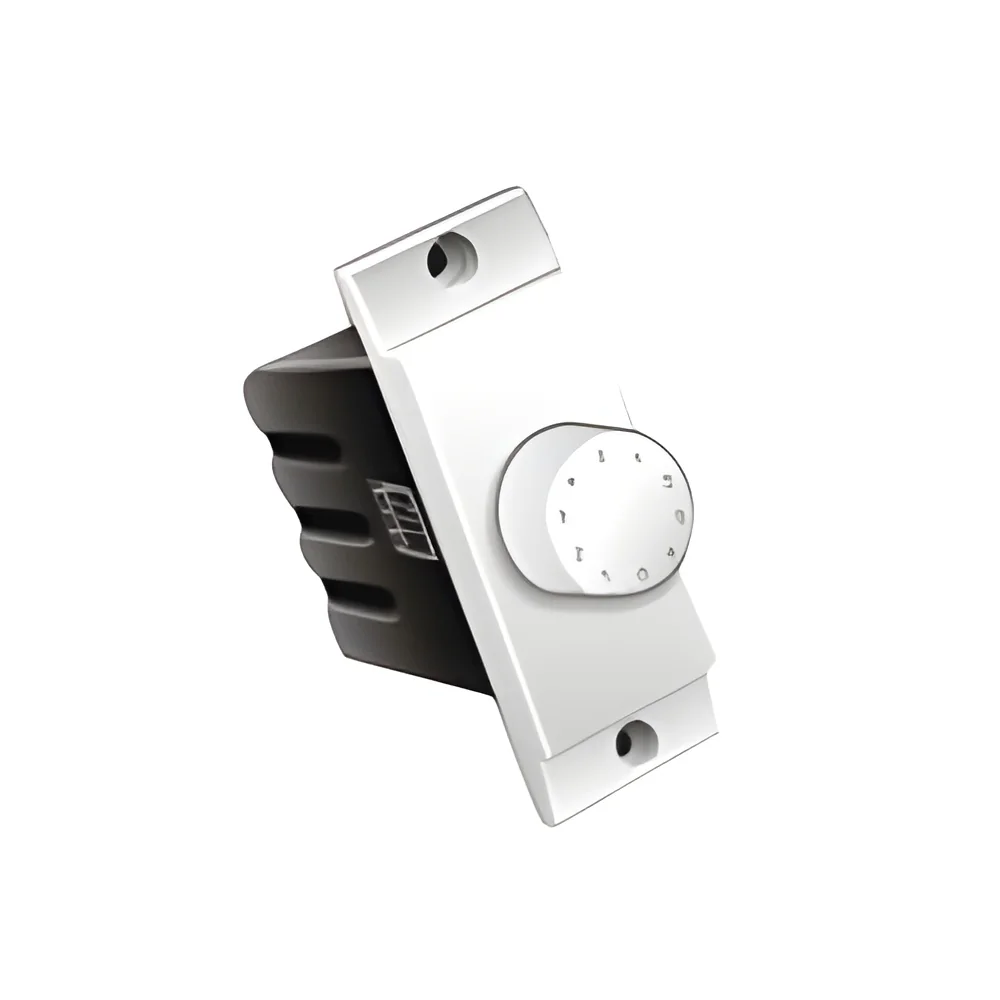
What are Mini Fans & Exhaust Systems?
Mini fans and exhaust systems are compact ventilation solutions designed to improve air circulation and remove airborne contaminants in various environments. Mini fans are typically smaller in size and offer localized cooling and airflow, making them ideal for specific areas where larger fans may be impractical. Exhaust systems, on the other hand, are engineered to expel unwanted air, fumes, or heat from a designated space, ensuring a cleaner and healthier atmosphere.
These systems find extensive applications across numerous sectors such as manufacturing, food processing, and HVAC. In manufacturing, mini fans can help cool machinery and workers, while exhaust systems are crucial for removing hazardous vapors. In food processing, maintaining optimal temperature and air quality is vital for safety and compliance. Industries that require precise climate control, such as pharmaceuticals and electronics, also rely heavily on these systems for maintaining operational integrity.
As industries evolve and face growing demands for energy efficiency and sustainability, mini fans and exhaust systems are increasingly relevant. They play a critical role in ensuring compliance with health and safety regulations while promoting energy use reduction and improved workplace conditions.
Key Features and Specifications
Mini fans and exhaust systems come with a range of features tailored to meet various operational needs. Understanding these specifications is essential for making informed purchasing decisions.
Key specifications include:
1. Airflow Capacity
- Measures the volume of air moved by the fan or exhaust system.
- Typically expressed in cubic feet per minute (CFM).
2. Power Consumption
- Indicates the electrical power required to operate the system.
- Generally measured in watts or kilowatts.
3. Noise Level
- Refers to the sound produced during operation.
- Measured in decibels (dB), with lower values indicating quieter performance.
4. Mounting Options
- Describes how the unit can be installed.
- Options may include wall-mounted, ceiling-mounted, or portable designs.
5. Control Features
- Details on how the system is controlled.
- May include manual switches, remote controls, or smart controls.
6. Durability and Material
- Specifies the material used in construction.
- Common materials include plastic, metal, or corrosion-resistant alloys.
7. Safety Certifications
- Indicates compliance with safety standards.
- Common certifications include CE marking.
8. Size and Weight
- Provides dimensions and weight of the units.
- Important for installation and portability considerations.
In summary, understanding these features and specifications helps businesses select the right mini fans and exhaust systems that align with their specific operational requirements.
Common Applications and Use Cases
Mini fans and exhaust systems serve a variety of industries, each with unique needs and applications.
1. Manufacturing: In manufacturing settings, mini fans help cool machinery and workers, enhancing productivity and safety. Exhaust systems are essential for removing harmful fumes resulting from various processes.
2. Food Processing: These systems are crucial for maintaining air quality and temperature control. Mini fans ensure proper cooling of storage areas, while exhaust systems help eliminate odors and airborne contaminants.
3. Pharmaceuticals: Controlled environments are critical in the pharmaceutical industry. Mini fans and exhaust systems help maintain specific temperature and humidity levels to ensure product integrity.
4. Agriculture: In agricultural settings, mini fans provide ventilation in livestock facilities, while exhaust systems help manage air quality in greenhouses.
5. Automotive: In automotive manufacturing, these systems are used to manage air quality in paint booths and assembly lines, ensuring a safe working environment.
6. Electronics: In electronics manufacturing, maintaining a dust-free environment is vital. Exhaust systems help remove airborne particles, while mini fans provide localized cooling for sensitive equipment.
7. Laboratories: Laboratories require precise climate control, and these systems are integral in maintaining optimal conditions for experiments and storage.
Product Variants and Subcategories
Mini fans and exhaust systems come in various models, each designed to cater to specific applications and requirements.
Portable Mini Fans
These lightweight and compact fans are ideal for localized cooling in small spaces. They are commonly used in offices, workshops, and personal workstations, providing targeted airflow where needed.
Inline Exhaust Fans
These fans are designed to be installed within ductwork, offering efficient air removal in larger areas. They are commonly used in commercial kitchens and industrial settings to expel heat and odors.
Wall-Mounted Exhaust Systems
These systems are designed for fixed installation on walls, ideal for spaces where floor space is limited. They are often used in bathrooms, kitchens, and workshops to maintain air quality.
Ducted Mini Fans
These fans can be integrated into existing duct systems, providing a seamless airflow solution. They are often used in HVAC applications to enhance air distribution.
Benefits and Advantages
Investing in mini fans and exhaust systems offers numerous advantages to businesses across various industries.
Key benefits include:
1. Enhanced Air Quality: These systems help remove contaminants and improve overall air quality, creating healthier work environments.
2. Energy Efficiency: Many modern systems are designed to optimize energy consumption, reducing operational costs and environmental impact.
3. Improved Comfort: By providing effective air circulation, mini fans enhance comfort levels for workers, leading to increased productivity.
4. Versatility: With various models available, these systems can be tailored to meet specific needs in diverse applications.
5. Regulatory Compliance: Using these systems helps businesses comply with health and safety regulations, reducing the risk of penalties.
6. Maintenance Flexibility: Many models are designed for easy maintenance, reducing downtime and ensuring consistent performance.
Buying Guide for B2B Buyers
When sourcing mini fans and exhaust systems, several key factors should be considered to ensure the right purchase is made.
1. Quality Assessment: Evaluate the quality of materials and construction. Look for reputable brands that adhere to industry standards for durability and performance.
2. Supplier Verification: Conduct thorough research to vet potential suppliers. Check for certifications, customer reviews, and their track record in delivering reliable products.
3. Pricing and MOQ: Understand the pricing structure and minimum order quantities. Compare quotes from different suppliers to find the best value for your budget.
4. Delivery and Lead Times: Consider logistics and delivery times. Ensure the supplier can meet your project timelines to avoid delays.
5. Compliance Requirements: Verify that the products meet relevant industry standards and certifications. This is crucial for regulatory compliance and operational safety.
Compliance and Certifications
Compliance is a critical aspect of mini fans and exhaust systems. These products must adhere to various quality standards and certifications to ensure safety and efficiency.
ISO 9001 is a widely recognized standard for quality management systems. It indicates that the manufacturer has established processes to ensure consistent quality in their products.
CE marking signifies that the product meets European safety, health, and environmental requirements. This certification is crucial for products sold in European markets.
Safety and testing requirements often include assessments for electrical safety, fire resistance, and performance under different operational conditions. These tests ensure that the systems function reliably and safely in various environments.
Regional compliance considerations may vary. It is essential for businesses to be aware of local regulations to ensure that their selected products meet all necessary compliance standards.
Why Source Mini Fans & Exhaust Systems from Pepagora?
Pepagora provides an excellent platform for sourcing mini fans and exhaust systems, offering several key advantages to B2B buyers.
Verified Supplier Network: Pepagora connects buyers with a network of verified suppliers. Each supplier undergoes a thorough vetting process to ensure they meet the highest standards of quality and reliability.
Streamlined RFQ Process: The request for quotation process on Pepagora is user-friendly and efficient. Buyers can easily submit their requirements, receive multiple quotes, and compare options to make informed decisions.
Trade Assurance and Support: Pepagora offers trade assurance to protect buyers during transactions. This provides peace of mind and ensures that any issues can be promptly addressed with supplier support.
Regional Coverage: With a strong presence in India, the GCC, and Southeast Asia, Pepagora caters to a diverse range of businesses. This regional coverage ensures that buyers can find suitable suppliers that meet their specific local needs.

 IN
IN