
 IN
Perlite & Vermiculite
6 products available
What are Perlite & Vermiculite?
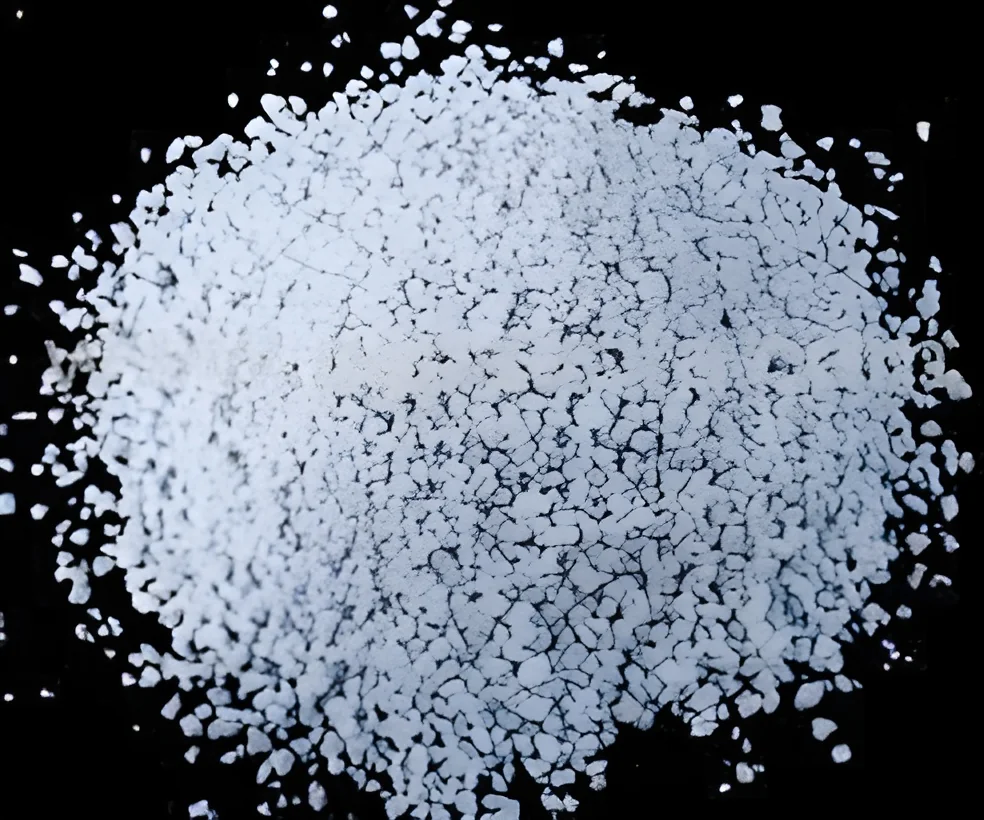
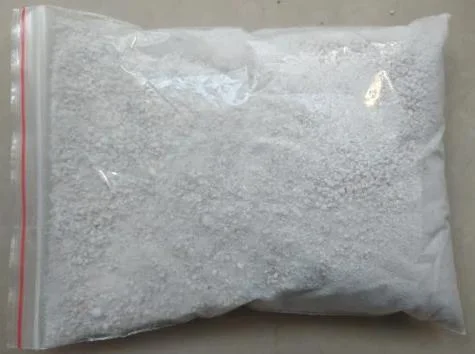
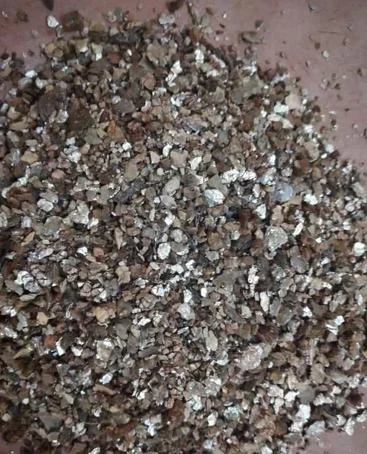
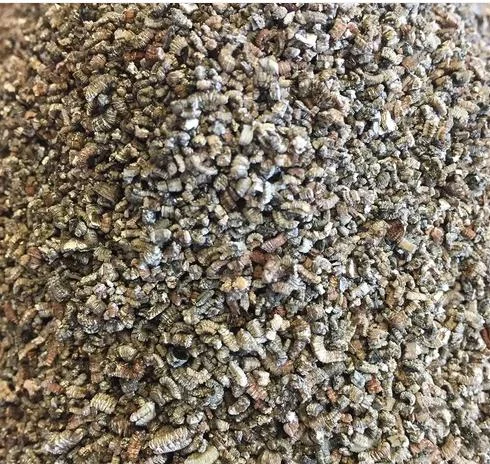
Perlite and vermiculite are naturally occurring minerals used extensively in various industrial applications. Perlite is a volcanic glass that expands when heated, creating a lightweight, porous material. Vermiculite is a hydrous phyllosilicate mineral that expands when heated, resulting in a lightweight, sponge-like substance. Both products are non-toxic, environmentally friendly, and play a crucial role in enhancing soil structure, moisture retention, and aeration in horticulture and agriculture.
These minerals are primarily used in agriculture, construction, and insulation. In horticulture, perlite improves soil drainage and aeration, while vermiculite retains moisture and nutrients. In construction, both materials are used for insulation and as lightweight aggregates in concrete. The growing demand for sustainable building materials and efficient agricultural practices has increased their relevance in today's market, further establishing their significance across various industries.
Key Features and Specifications
Perlite and vermiculite offer unique features that make them suitable for a variety of applications. Understanding their specifications is essential for making informed purchasing decisions.
Key specifications include:
1. Particle Size
- Perlite typically ranges from 1 to 5 millimeters in diameter.
- Vermiculite is available in sizes ranging from fine to coarse, depending on application needs.
2. Bulk Density
- Perlite has a bulk density of approximately 80 to 150 kg/m³.
- Vermiculite has a bulk density of around 50 to 120 kg/m³.
3. Water Retention Capacity
- Perlite has low water retention, making it ideal for drainage.
- Vermiculite retains moisture effectively, promoting nutrient availability.
4. pH Level
- Perlite is generally neutral with a pH around 7.
- Vermiculite usually has a pH range of 6.0 to 7.5.
5. Thermal Conductivity
- Perlite exhibits low thermal conductivity, providing good insulation.
- Vermiculite also offers excellent thermal insulation properties.
6. Chemical Composition
- Perlite consists mainly of silicon dioxide (SiO2) with trace minerals.
- Vermiculite contains magnesium, iron, and aluminum silicates.
7. Fire Resistance
- Both materials are non-combustible and exhibit high fire resistance.
In summary, the specifications of perlite and vermiculite highlight their versatile applications in various industries, making them valuable resources for businesses.
Common Applications and Use Cases
Perlite and vermiculite serve a broad range of industries due to their unique properties.
1. Agriculture: Perlite is widely used in potting mixes to improve drainage and aeration, while vermiculite retains moisture and nutrients, making it ideal for seed starting and soil amendment.
2. Construction: Both materials are used as lightweight aggregates in concrete, improving thermal insulation and reducing overall weight in building structures.
3. Horticulture: Perlite and vermiculite are popular in greenhouse production for their ability to enhance soil structure and promote healthy plant growth.
4. Industrial Insulation: Vermiculite's excellent thermal properties make it suitable for insulation in industrial applications, including pipes and equipment.
5. Packaging: Expanded perlite is used in packaging materials to provide cushioning and protect fragile items during transit.
6. Environmental Remediation: Perlite is utilized in filtration systems and as an absorbent for spills due to its porous nature.
7. Fireproofing: Vermiculite is often used in fireproofing applications due to its non-combustible properties.
Product Variants and Subcategories
Though there are no specific subcategories available for perlite and vermiculite, the products can vary based on application and processing.
Horticultural Grade Perlite
This variant is designed specifically for use in gardening and horticultural applications. It has a fine texture that enhances aeration and drainage in potting mixes.
Industrial Grade Vermiculite
This variant is processed for construction and insulation applications. It offers superior thermal resistance and is ideal for fireproofing and lightweight concrete.
Expanded Perlite
Expanded perlite is produced by heating raw perlite, resulting in a lightweight, insulating material suitable for various applications including construction and horticulture.
Expanded Vermiculite
Similar to expanded perlite, expanded vermiculite is treated to enhance its moisture retention and insulating properties, making it ideal for horticultural and industrial uses.
Benefits and Advantages
Sourcing perlite and vermiculite offers numerous benefits for businesses across various sectors.
1. Lightweight: Both materials are lightweight, facilitating easier handling and transportation.
2. Eco-Friendly: Perlite and vermiculite are natural minerals, making them environmentally sustainable choices for various applications.
3. Versatile: Their unique properties allow them to be used in a wide range of industries, from agriculture to construction.
4. Cost-Effective: These materials can reduce overall project costs due to their lightweight nature and effectiveness in enhancing product performance.
5. Improved Plant Growth: In horticulture, perlite and vermiculite promote healthy root development and nutrient absorption, leading to better crop yields.
6. Fire Resistant: Their non-combustible nature makes them ideal for use in fireproofing applications, enhancing safety in buildings.
Buying Guide for B2B Buyers
When sourcing perlite and vermiculite, it is important to consider several key factors.
1. Quality Assessment: Evaluate the quality of the materials based on their physical characteristics, such as particle size and bulk density, to ensure they meet application requirements.
2. Supplier Verification: Vet suppliers by checking their credentials, industry experience, and customer reviews to ensure reliability and product quality.
3. Pricing and MOQ: Understand the pricing models and minimum order quantities (MOQ) to make informed purchasing decisions while staying within budget.
4. Delivery and Lead Times: Confirm logistics arrangements and lead times for delivery to ensure timely availability of materials for your projects.
5. Compliance Requirements: Ensure that the products meet relevant regulations and industry standards for safety and performance.
Compliance and Certifications
Perlite and vermiculite must meet various quality standards and certifications to ensure safety and efficacy in their applications. Key quality standards include ISO 9001, which signifies adherence to quality management systems, and HACCP for food safety considerations.
Industry certifications such as UL and CE ensure that the products meet safety and performance requirements in respective markets. Compliance with regional regulations is also critical, as different areas may have specific guidelines for the use of insulation materials and soil amendments.
Testing requirements may involve assessing chemical composition, fire resistance, and thermal conductivity to ensure the products meet the necessary specifications. Understanding these compliance factors is essential for businesses looking to source perlite and vermiculite responsibly.
Why Source Perlite & Vermiculite from Pepagora?
Pepagora offers a trusted platform for sourcing perlite and vermiculite, providing several key advantages for B2B buyers.
Verified Supplier Network: Pepagora has established a comprehensive network of verified suppliers, ensuring that buyers can access high-quality materials from reputable sources.
Streamlined RFQ Process: The platform offers an efficient Request for Quotation (RFQ) system, enabling buyers to easily request quotes from multiple suppliers and compare options.
Trade Assurance and Support: Pepagora provides trade assurance, protecting buyers from potential risks associated with transactions. Support services are available to assist with any inquiries throughout the purchasing process.
Regional Coverage: With a strong presence in India, the GCC, and Southeast Asia, Pepagora ensures that businesses in these regions have convenient access to perlite and vermiculite, facilitating efficient sourcing and logistics.


Frequently Asked Questions
What are Perlite & Vermiculite?
Perlite and vermiculite are naturally occurring minerals that are used in various applications, including horticulture, construction, and insulation. Perlite is a volcanic glass that expands when heated, while vermiculite is a hydrated laminar mineral that expands when heated to create a lightweight material.
What are the different types of Perlite & Vermiculite?
There are several types of perlite and vermiculite, categorized primarily by their size and application. Perlite can be found in various grades, including coarse, medium, and fine, while vermiculite is available in grades based on its expansion ratio, which affects its lightweight properties and insulation capabilities.
How do I choose the right Perlite & Vermiculite?
Choosing the right perlite and vermiculite depends on the intended application. Factors to consider include the size of the particles, the expansion ratio, and the specific requirements of your project, such as moisture retention, aeration, and insulation properties.
What are the standard specifications for Perlite & Vermiculite?
Standard specifications for perlite and vermiculite include particle size distribution, bulk density, and thermal conductivity. These specifications may vary based on the supplier and the intended use, so it's essential to consult with manufacturers for precise technical data.
What is the price range for Perlite & Vermiculite?
The price range for perlite and vermiculite can vary widely based on factors such as quality, quantity, and supplier. Generally, perlite prices can range from INR 20 to INR 50 per kg, while vermiculite may range from INR 30 to INR 80 per kg.
What quality standards apply to Perlite & Vermiculite?
Quality standards for perlite and vermiculite may include compliance with industry regulations and certifications such as ASTM and ISO. These standards ensure that the products meet specific performance criteria for safety and effectiveness in their applications.
Where can I find Perlite & Vermiculite suppliers in India?
You can find perlite and vermiculite suppliers in India through various online platforms, industry directories, and trade shows. Websites like Pepagora.com provide a comprehensive list of manufacturers and suppliers in the B2B marketplace.
Can Perlite & Vermiculite be customized?
Yes, perlite and vermiculite can be customized based on specific project requirements. Manufacturers often offer options for different particle sizes, expansion ratios, and packaging to meet the needs of various applications.
What is the typical minimum order quantity for Perlite & Vermiculite?
The typical minimum order quantity (MOQ) for perlite and vermiculite can vary by supplier, but it generally ranges from 500 kg to 1 ton. It's advisable to check with individual suppliers for their specific MOQs.
What is the typical lead time for Perlite & Vermiculite?
The typical lead time for perlite and vermiculite orders can vary based on the supplier and order volume. Generally, lead times can range from 1 to 4 weeks, depending on availability and shipping logistics.
Why Businesses Trust Pepagora
Thousands of companies trust Pepagora to source smarter and sell faster
Expand Your Sales Globally

Source Smarter,Grow Faster
