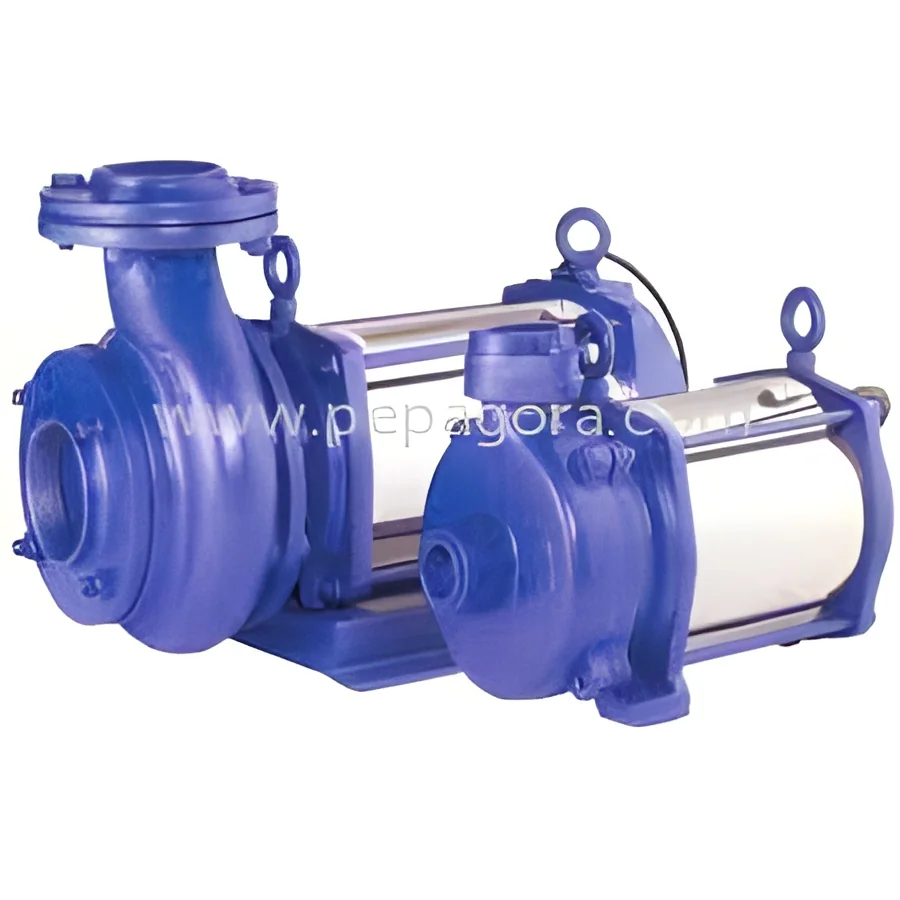
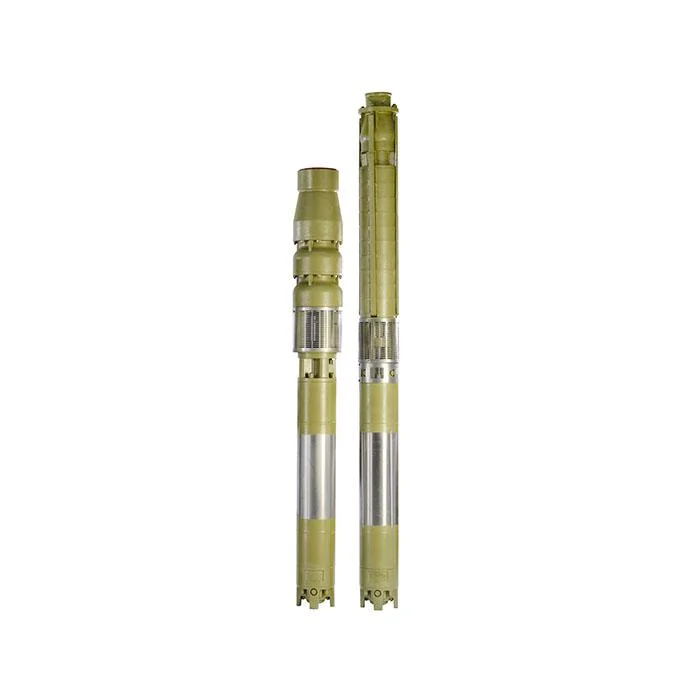
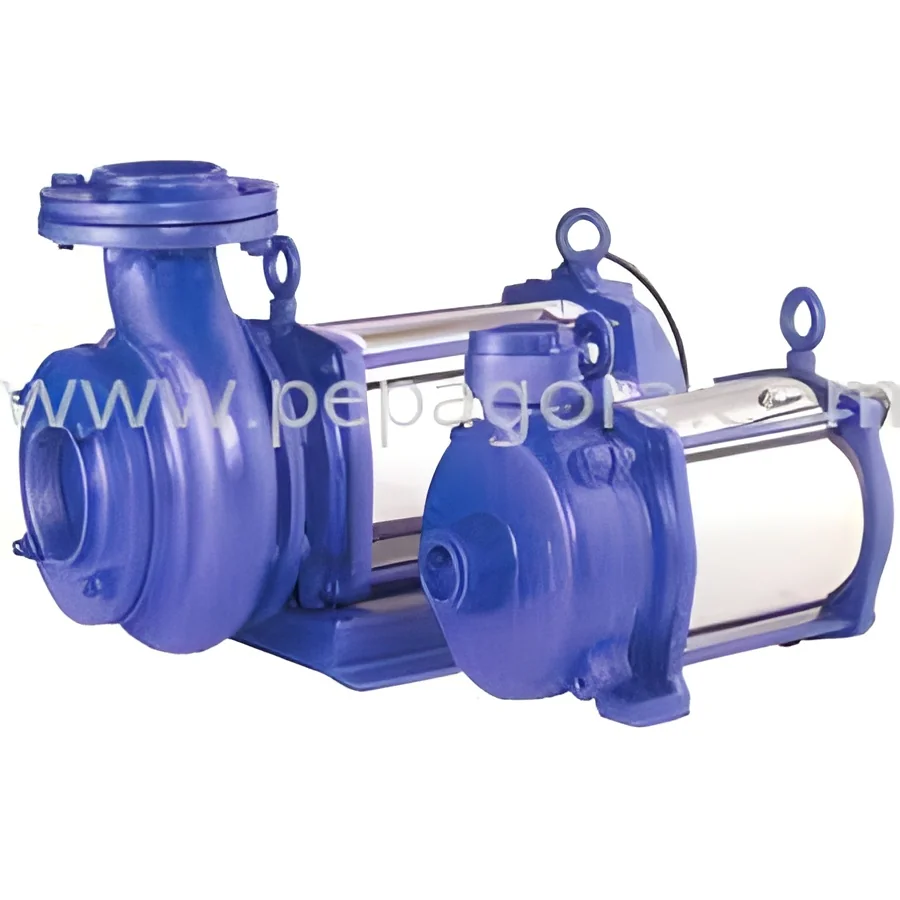
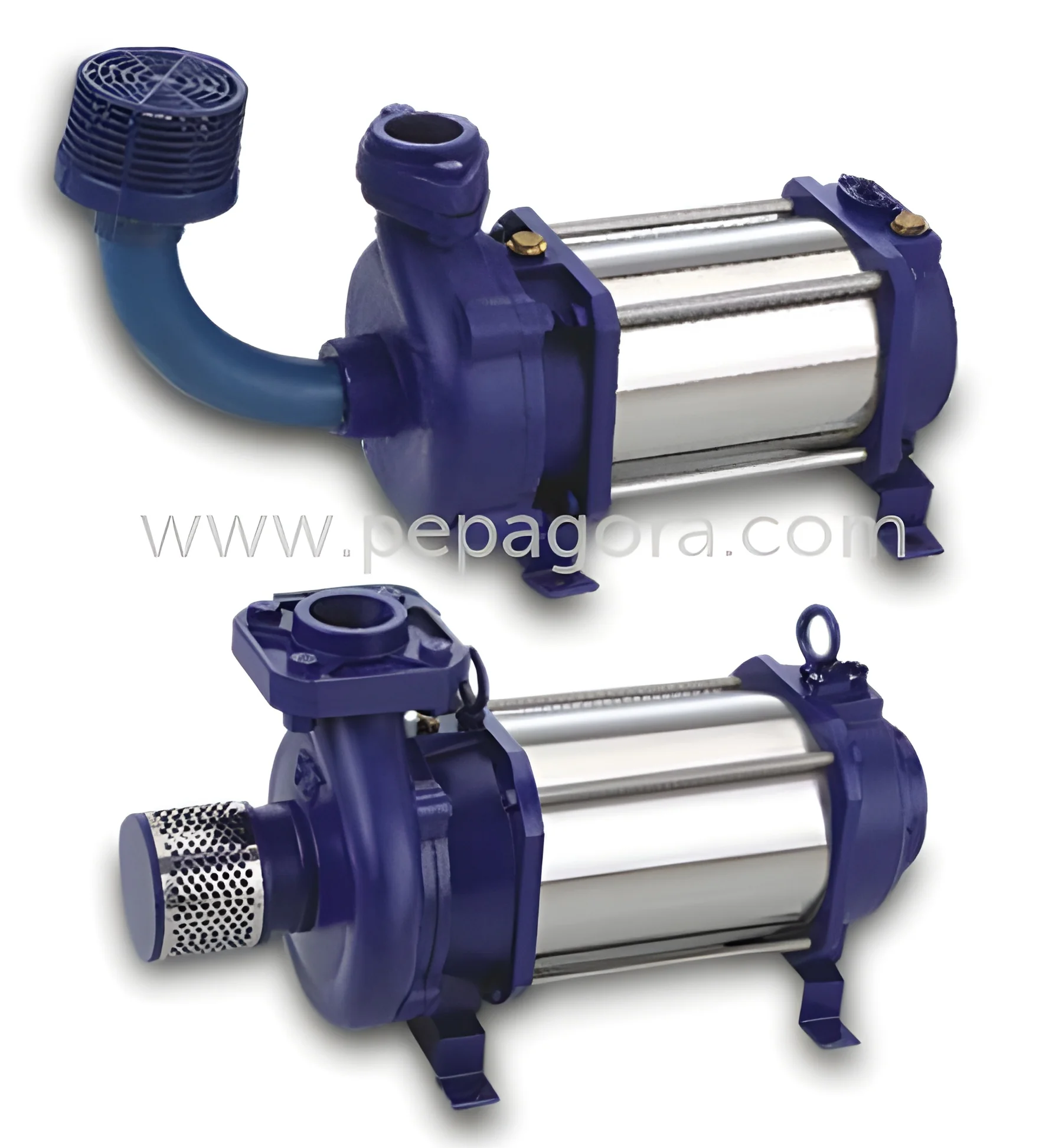
What are Submersible Water Pumps?
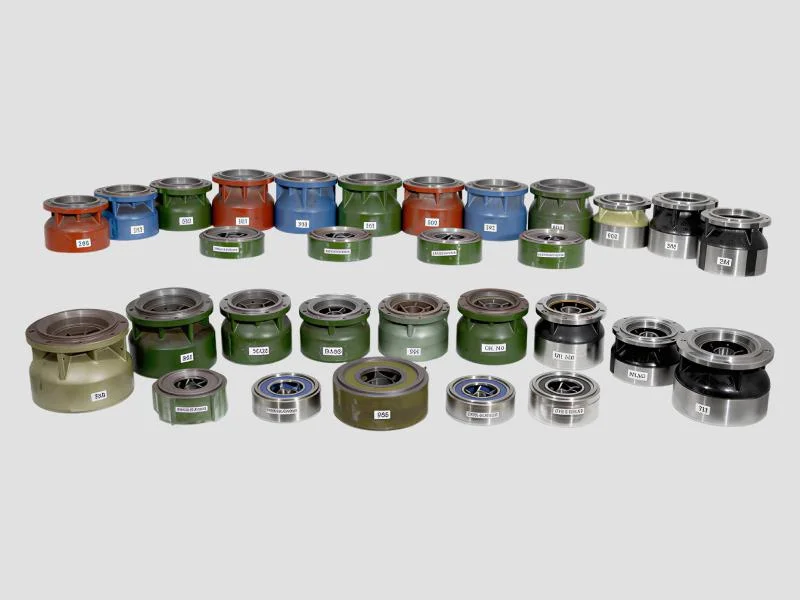
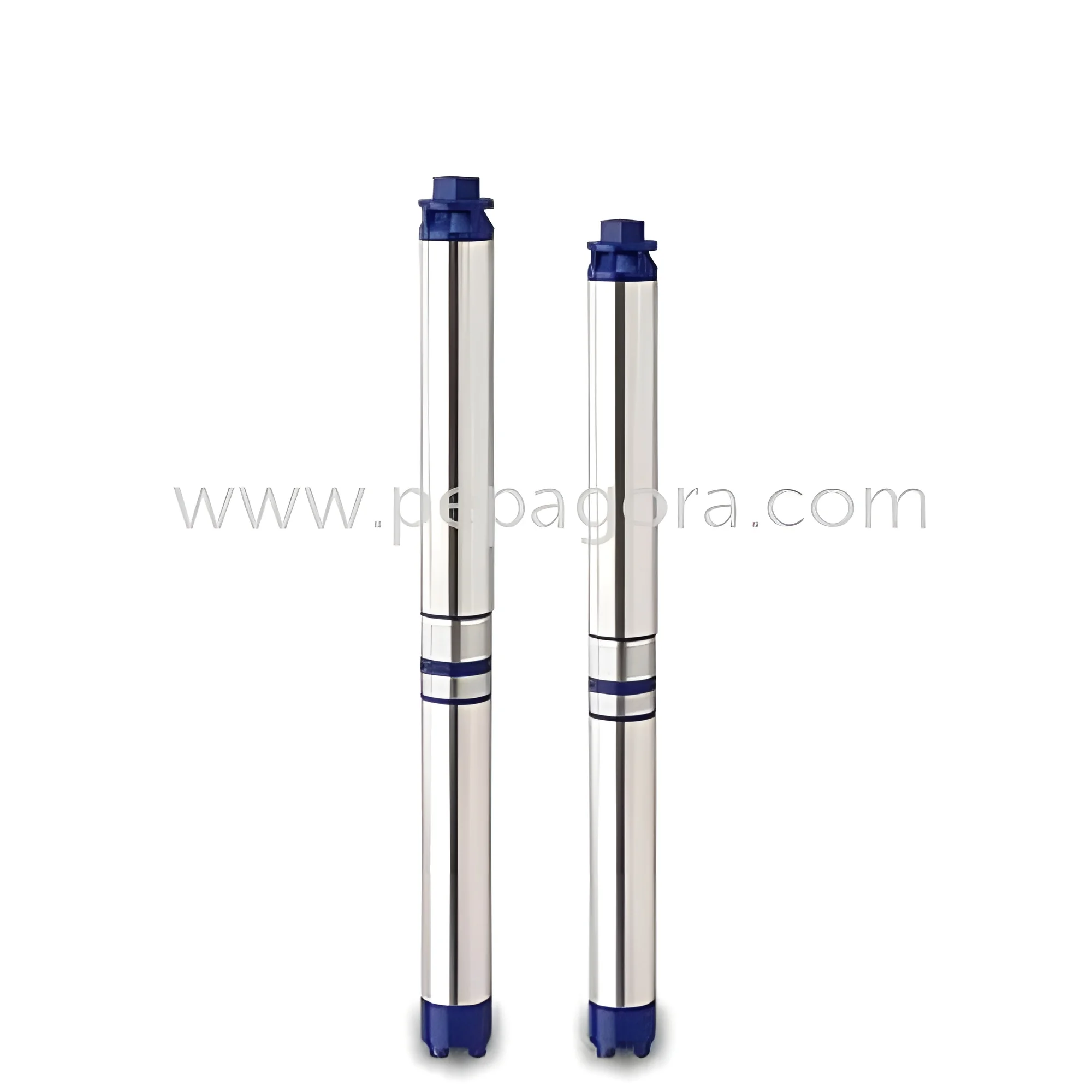
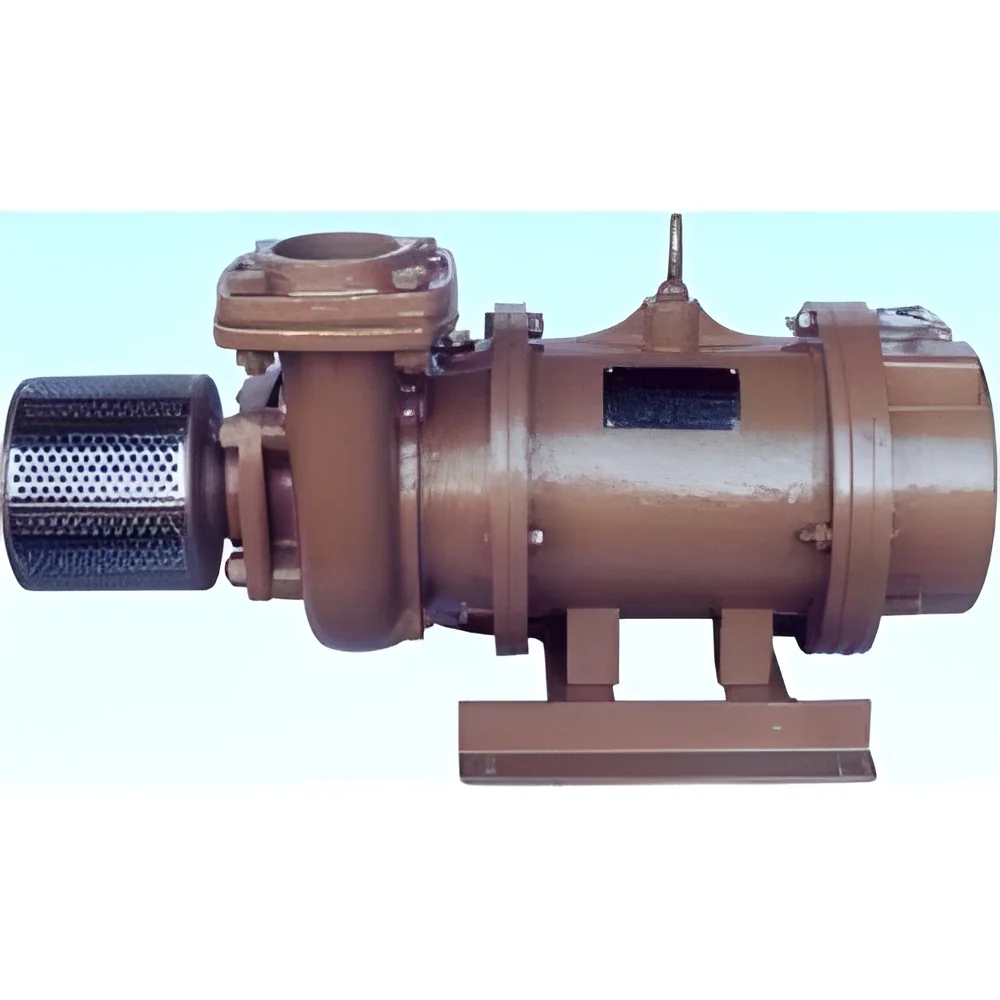
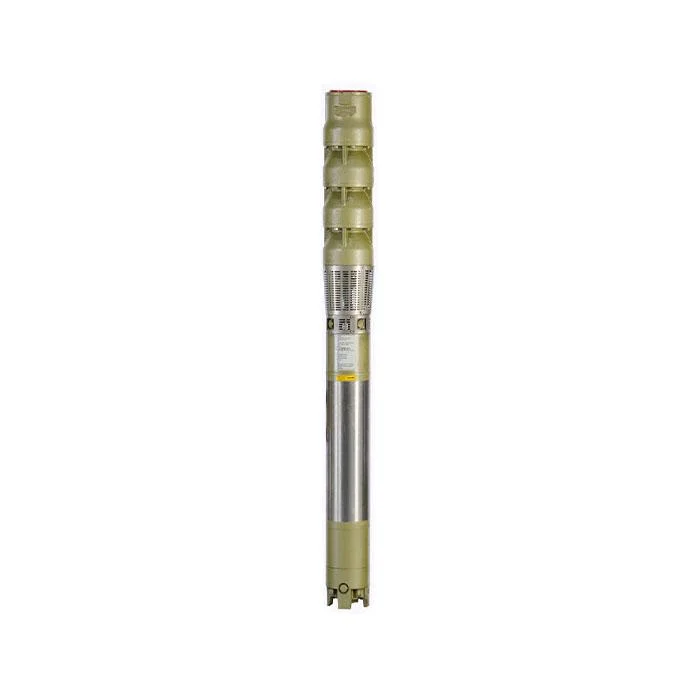
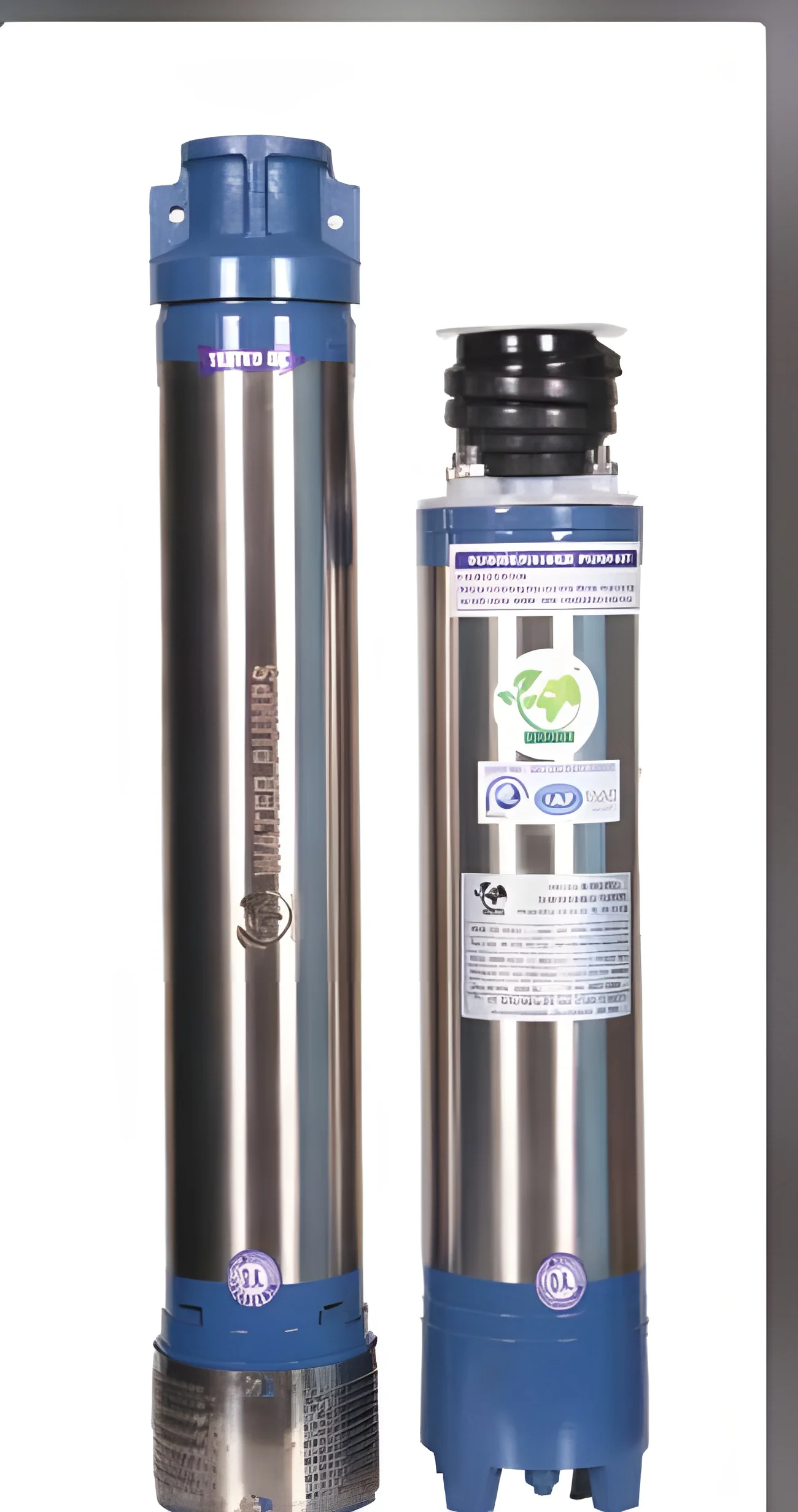
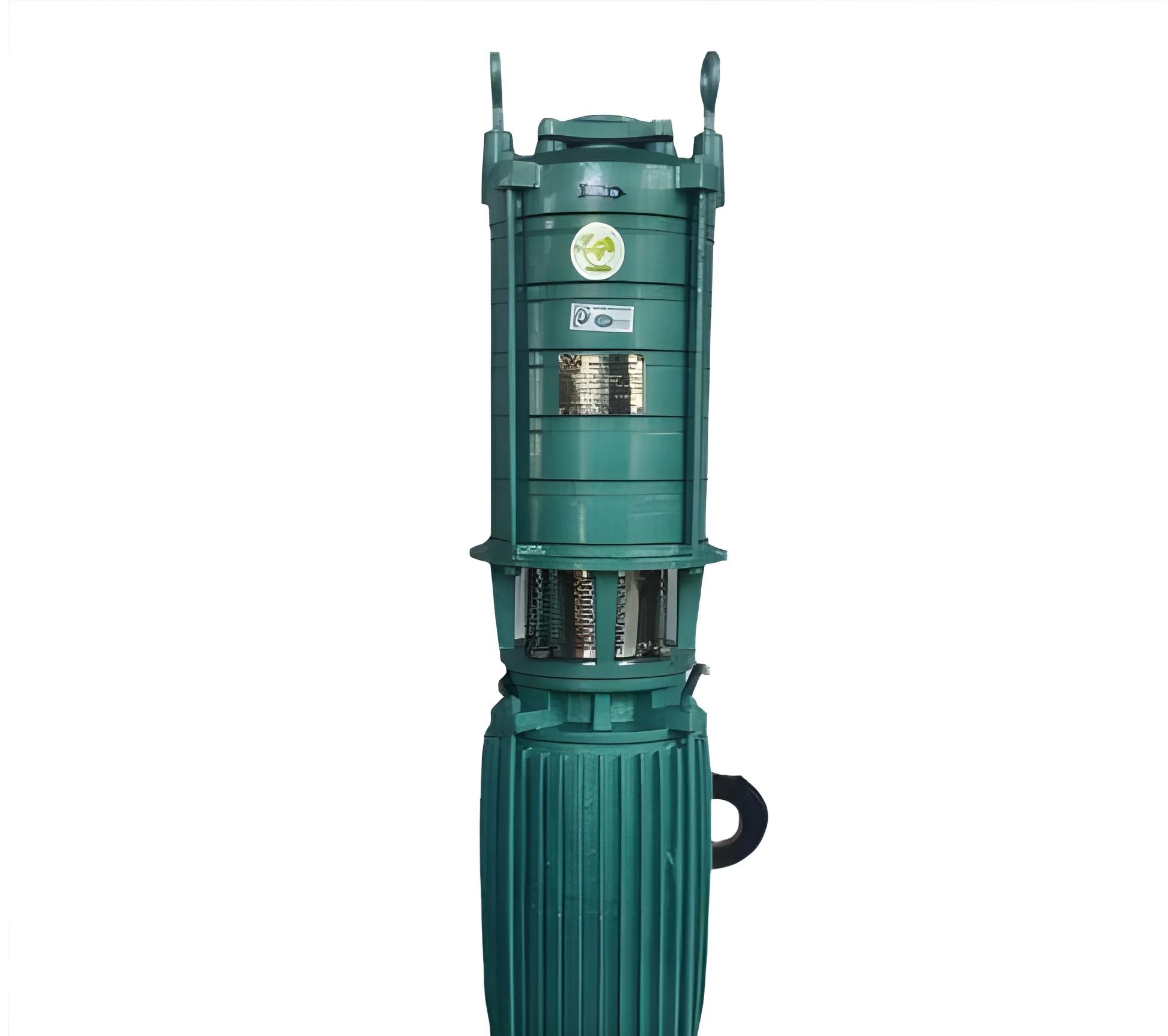
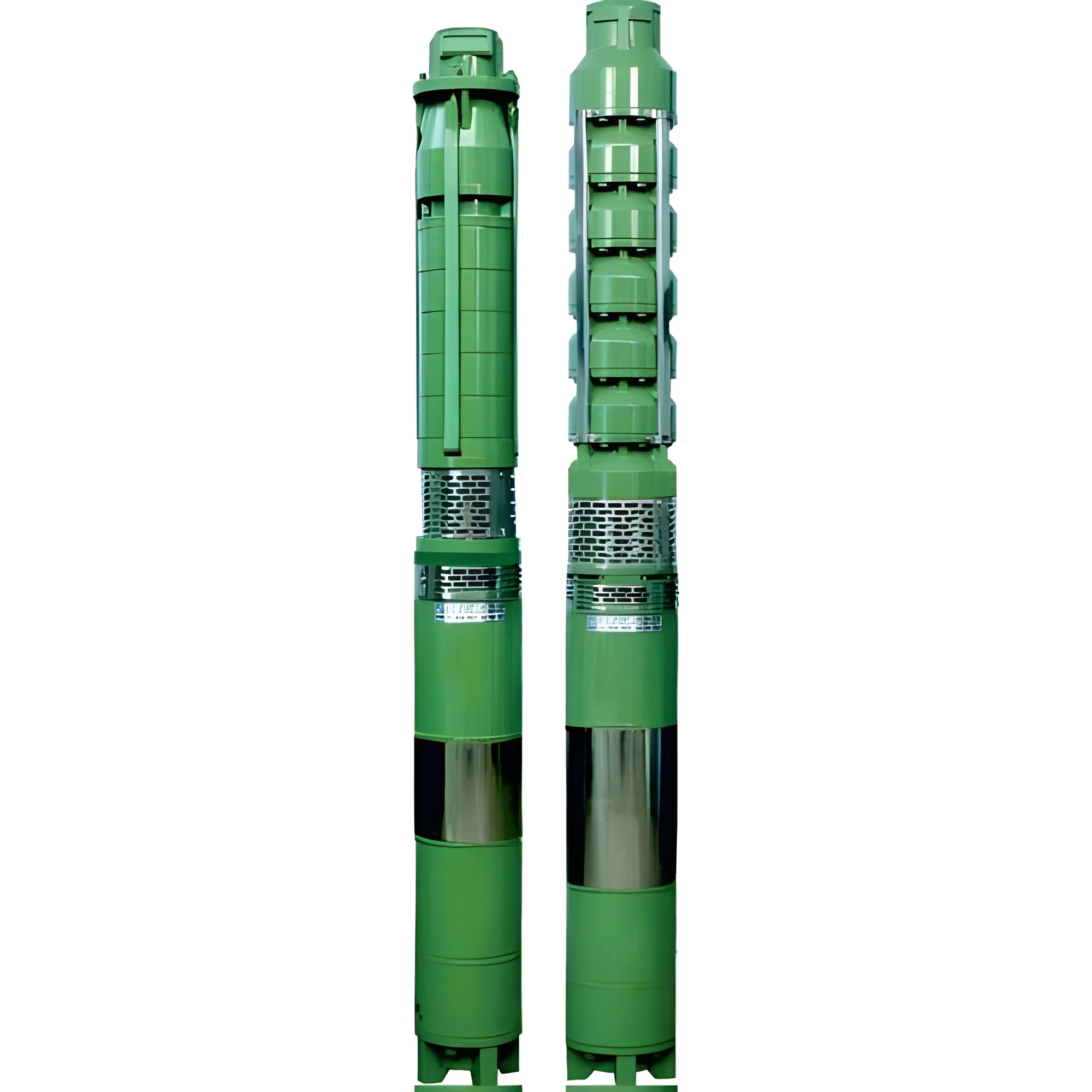
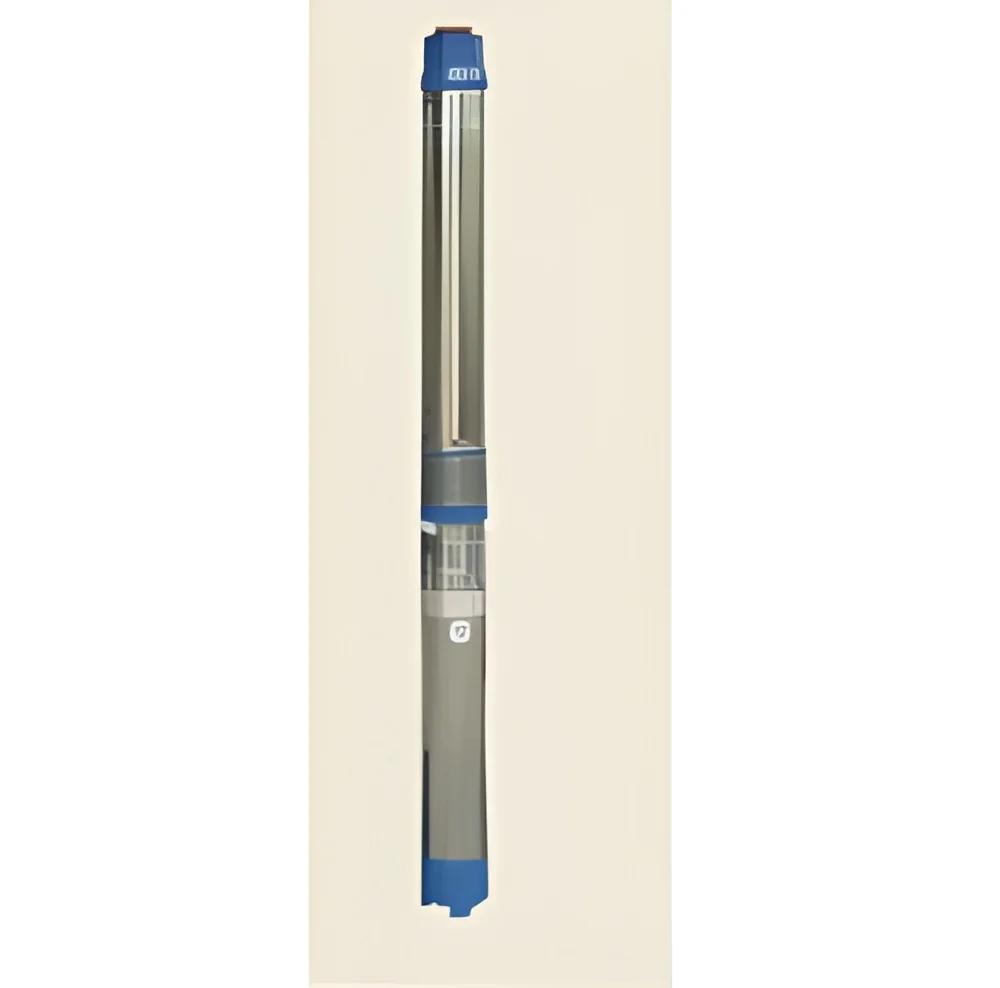
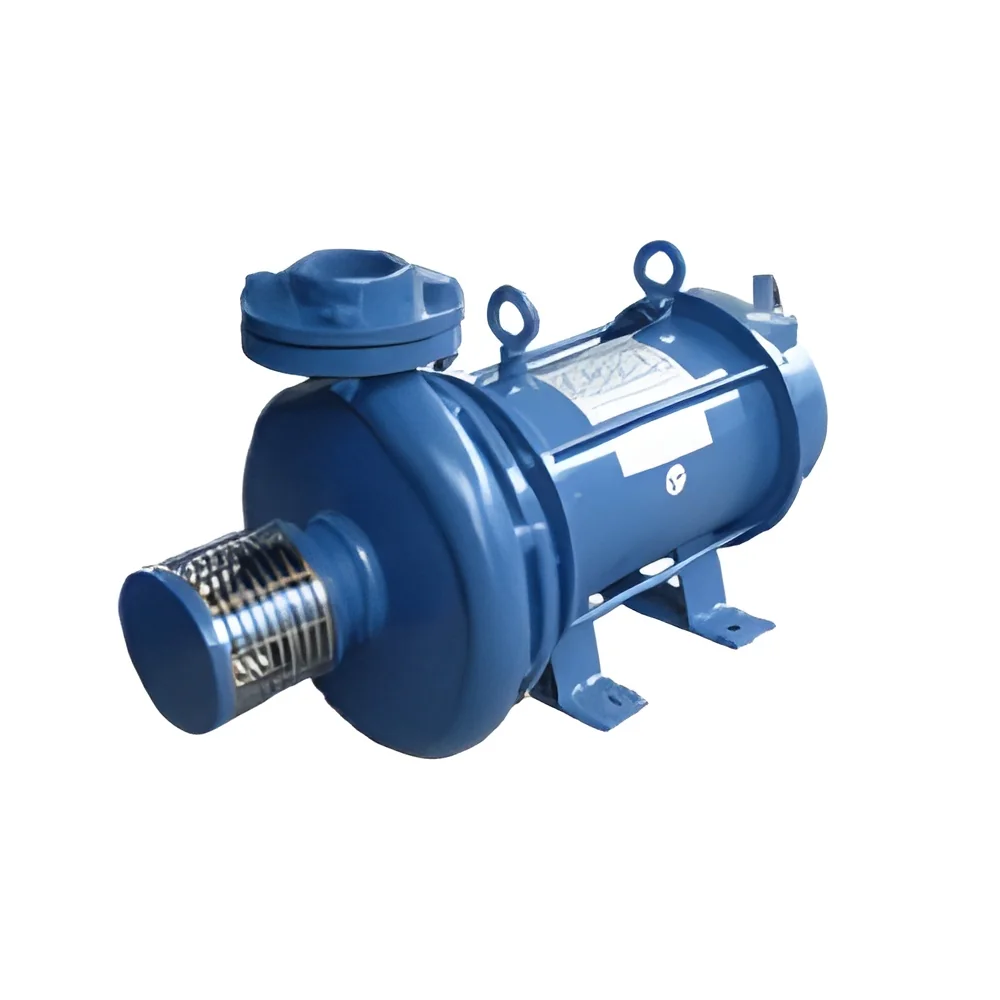
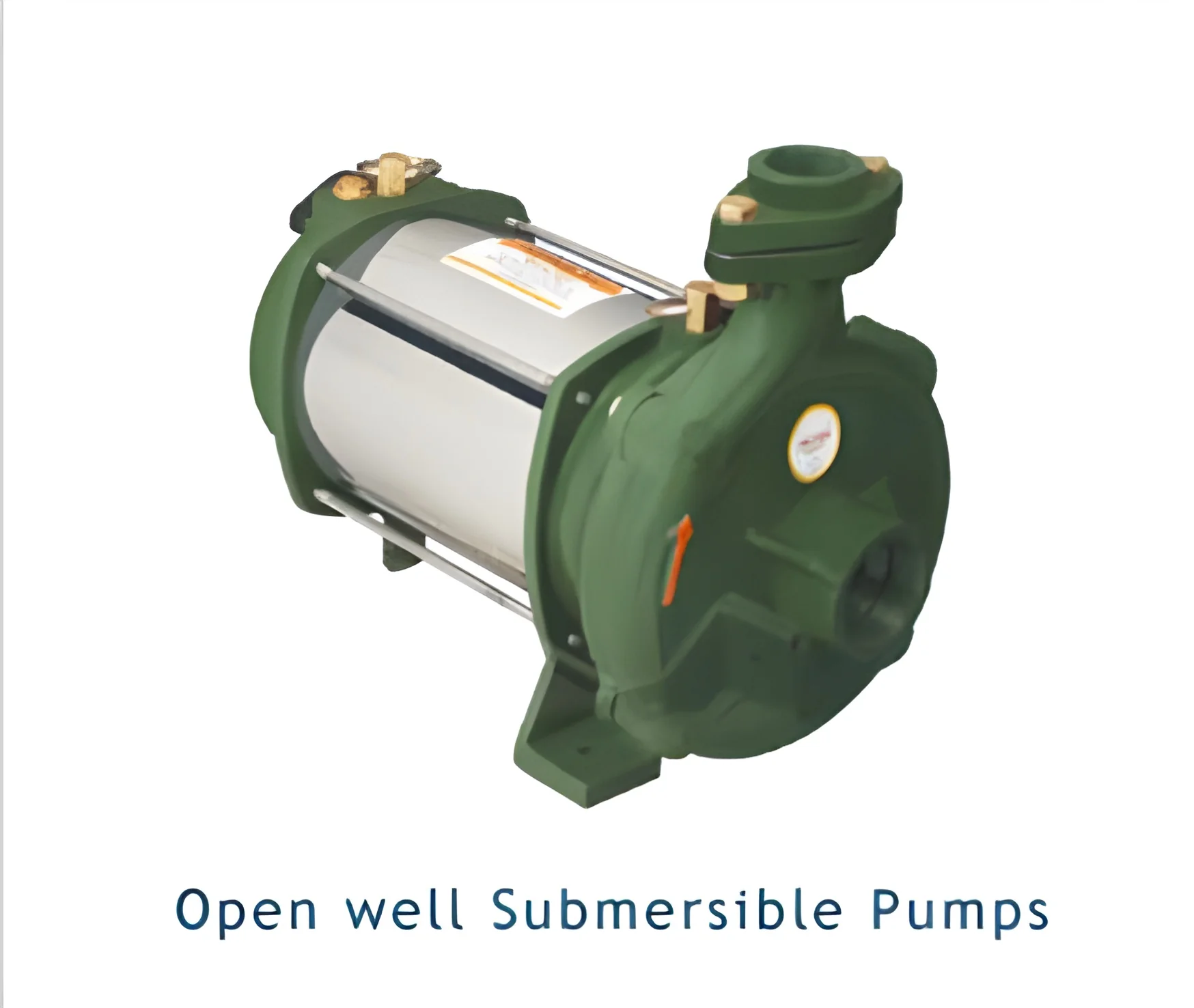
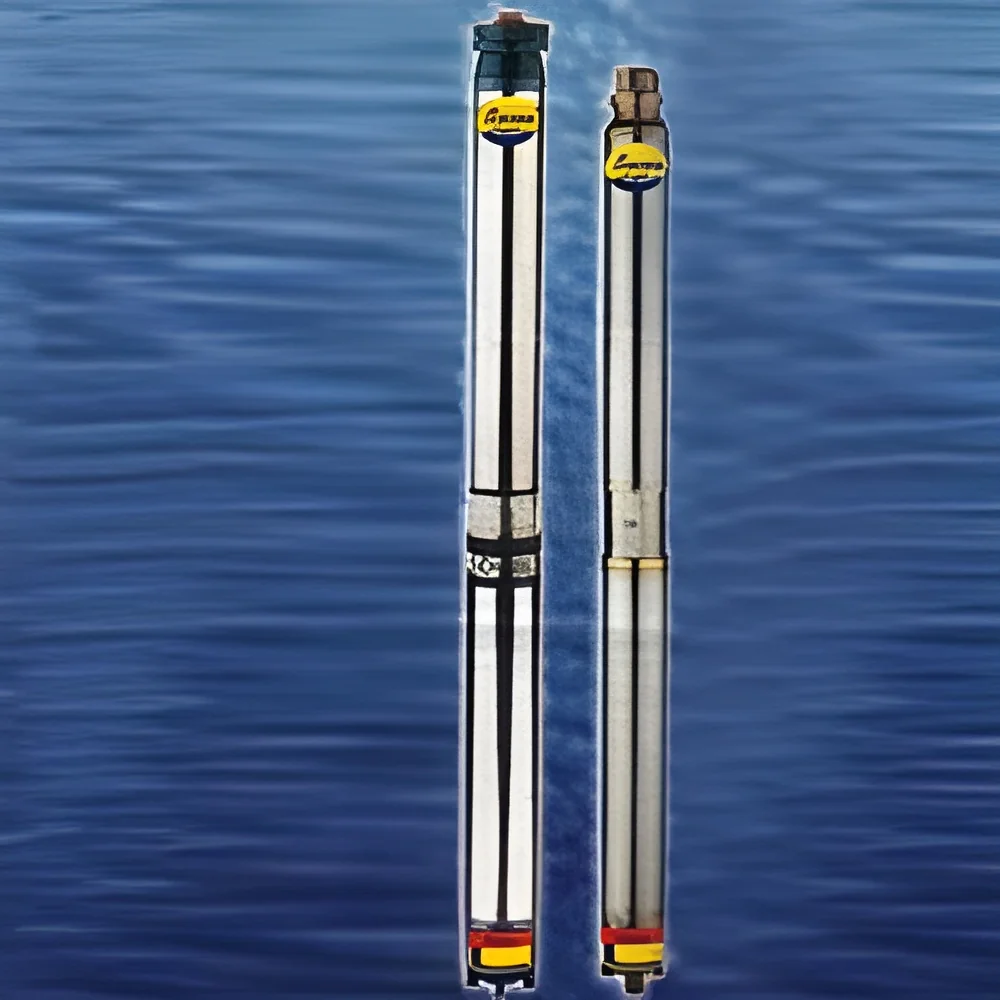
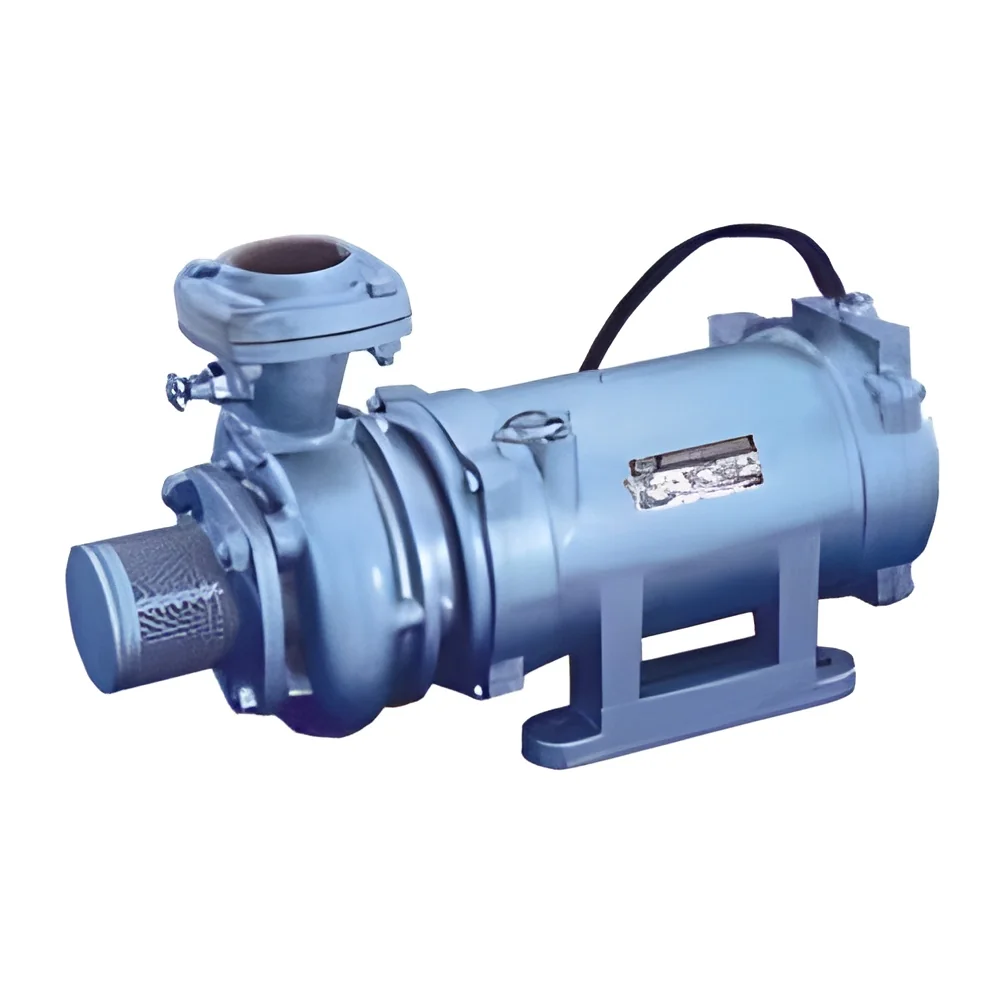
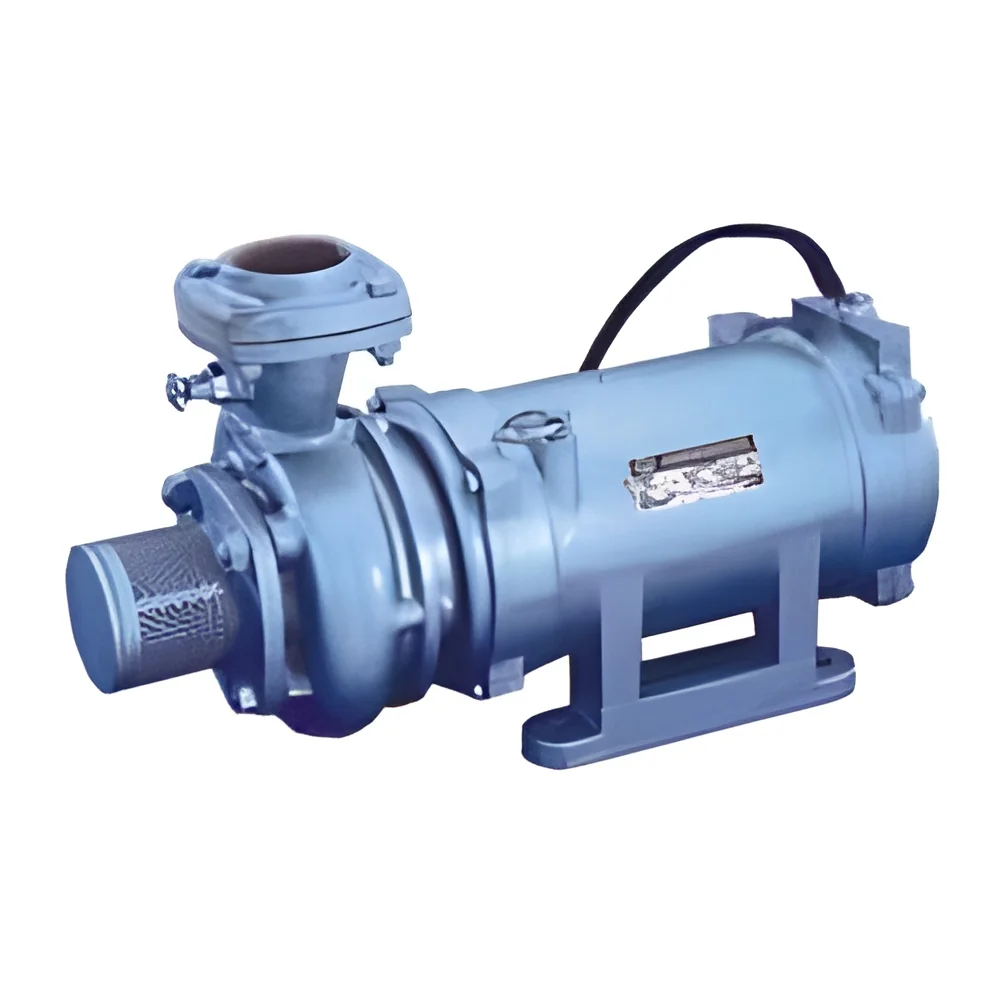
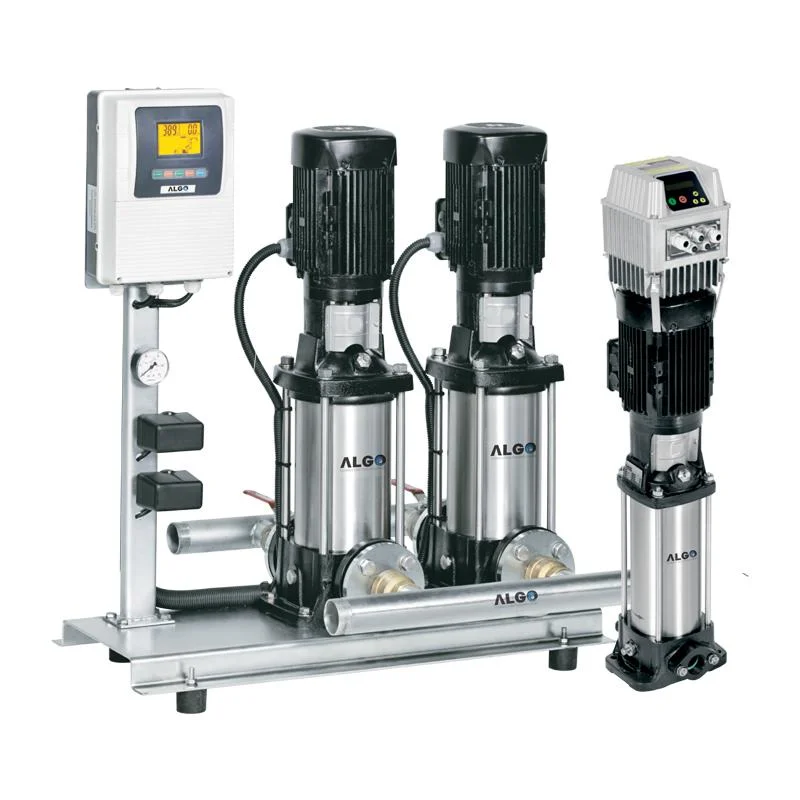
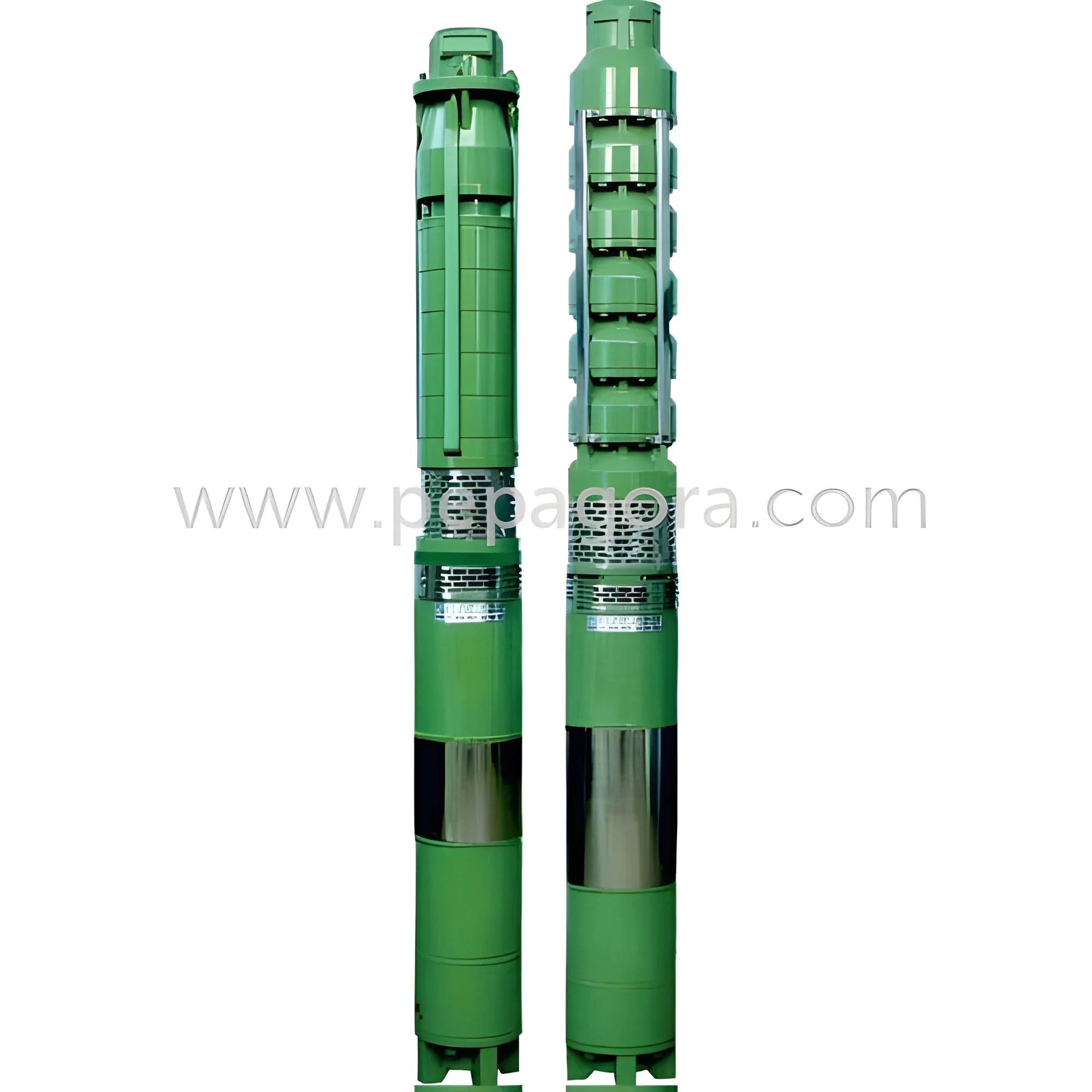
Submersible water pumps are a type of pump designed to be submerged in water to effectively move fluids from one location to another. These pumps operate by pushing fluid to the surface through a series of impellers and are commonly used in various applications where the liquid needs to be pumped from below ground level or underwater. Their sealed construction allows them to operate efficiently while submerged, protecting the motor from damage.
These pumps find extensive use across multiple sectors, including agriculture, construction, mining, and municipal water systems. In agriculture, they are employed for irrigation purposes, while in construction, they help manage groundwater levels at job sites. Additionally, they serve in residential applications for draining basements or swimming pools. The growing demand for efficient fluid management solutions drives the market for submersible water pumps, making them an essential component in many industrial operations.
Key Features and Specifications
Submersible water pumps come equipped with various features that enhance their functionality and efficiency. Understanding these specifications is crucial for selecting the right pump for specific applications.
Key specifications include:
1. Power Rating
- Typically ranges from 0.5 HP to 10 HP
- Determines the pumping capacity and depth capability
2. Flow Rate
- Measured in gallons per minute (GPM) or liters per second (L/s)
- Common ranges vary from 10 GPM to over 200 GPM, depending on design
3. Maximum Head
- Indicates how high the pump can lift water, usually measured in feet or meters
- Commonly ranges from 20 feet to over 300 feet
4. Material Construction
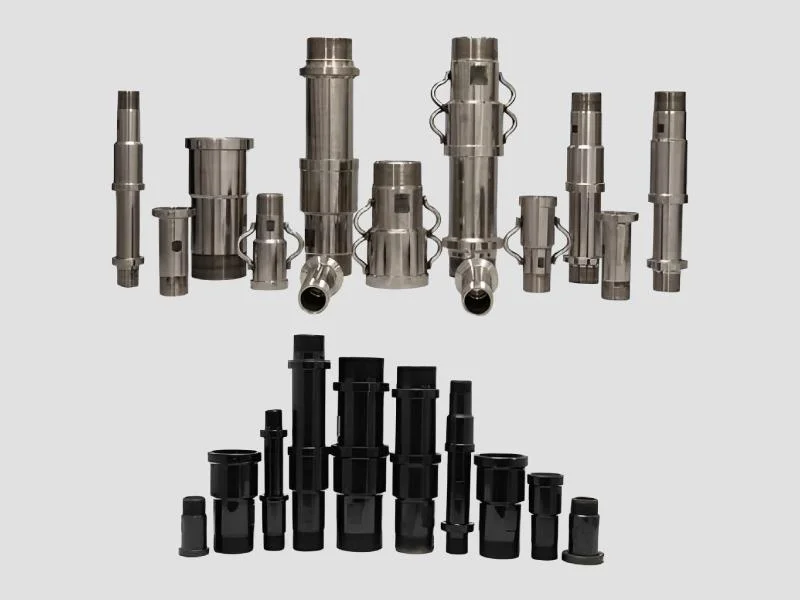
- Often made from stainless steel, thermoplastic, or cast iron
- Affects durability and resistance to corrosion
5. Voltage Options
- Available in various voltages, including 110V, 230V, or 460V
- Important for compatibility with electrical systems
6. Operating Temperature
- Designed to operate in a specific temperature range
- Typically suitable for temperatures from 32°F to 140°F
7. Impeller Design
- Varies from single-channel to multi-channel designs
- Affects efficiency and the ability to handle solids
8. Safety Features
- May include thermal overload protection and automatic shut-off systems
- Enhances safety during operation
In summary, understanding these features and specifications is vital for selecting the right submersible water pump for your specific needs.
Common Applications and Use Cases
Submersible water pumps are versatile and are utilized in various industries.
1. Agriculture: These pumps are essential for irrigation systems, enabling farmers to efficiently deliver water to crops from wells or surface water sources.
2. Construction: They are frequently used to manage groundwater levels at construction sites, preventing flooding and ensuring safe working conditions.
3. Mining: In mining operations, submersible pumps remove excess water from mines, allowing for safer extraction of minerals.
4. Wastewater Management: These pumps help in the efficient removal of wastewater from treatment facilities and in sewage systems.
5. Residential Use: Homeowners often use submersible pumps for draining basements, ponds, or swimming pools.
6. Aquaculture: In fish farms, they are used to maintain water levels and ensure a constant supply of oxygen-rich water.
7. Fire Protection: Submersible pumps can be part of fire suppression systems, providing a reliable water source for firefighting efforts.
Product Variants and Subcategories
Submersible water pumps come in various designs to meet specific operational needs. The diversity of variants caters to different applications and requirements.
Standard Submersible Pumps
These pumps are designed for general-purpose water transfer and are commonly used in agriculture, construction, and residential applications. They offer reliable performance for pumping clean or slightly contaminated water.
Effluent Pumps
Effluent pumps are specialized for handling wastewater and are designed to handle solids and debris. They are often used in septic systems and wastewater treatment applications.
Sump Pumps
These are a type of submersible pump specifically designed to remove water from basements or crawl spaces. They are essential for preventing flooding in residential properties.
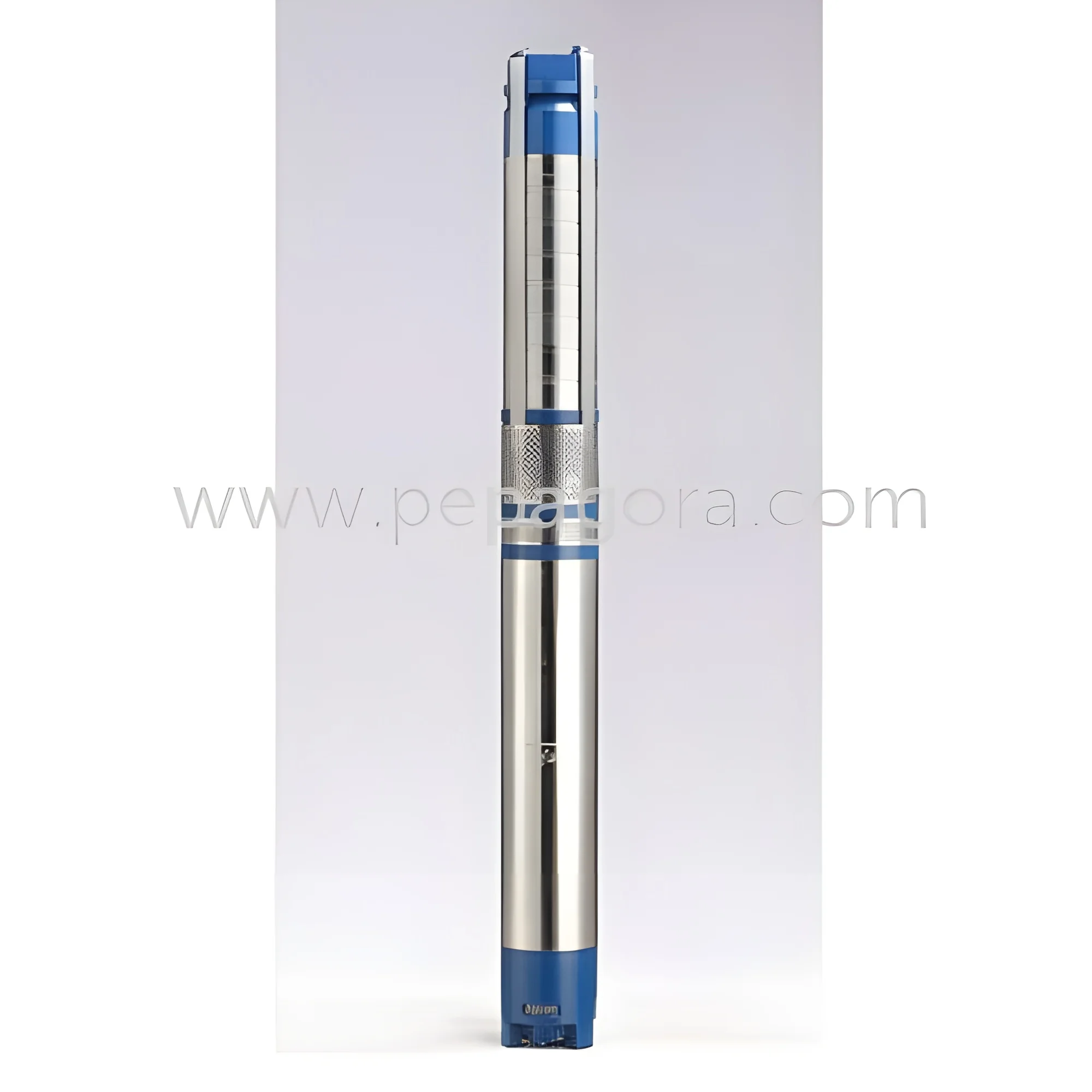
Deep Well Pumps
Designed for deeper applications, these pumps can reach significant depths, making them ideal for agricultural irrigation and water supply in remote areas.
Benefits and Advantages
Submersible water pumps offer numerous benefits that make them a preferred choice in various applications.
1. High Efficiency: These pumps are designed to operate while submerged, resulting in reduced energy consumption and improved efficiency.
2. Versatility: They can be used in many applications, from agricultural irrigation to residential drainage, adapting to various operational needs.
3. Space-Saving Design: Their compact design allows for installation in tight spaces, making them ideal for confined areas.
4. Low Maintenance: Submersible pumps typically require less maintenance compared to surface pumps, leading to lower operational costs.
5. Reliable Performance: Built to withstand harsh conditions, these pumps provide consistent performance over time, ensuring reliable operation.
6. Safety Features: Many submersible pumps come with safety mechanisms, reducing the risk of overheating and electrical hazards.
Buying Guide for B2B Buyers
When sourcing submersible water pumps, it is essential to consider several key factors to ensure you select the right product for your needs.
1. Quality Assessment: Evaluate the pump's construction materials and design to ensure durability and reliability. Look for pumps that meet industry standards and have a good track record.
2. Supplier Verification: Vet suppliers to confirm their reputation and reliability. Check for reviews and testimonials from other buyers to gauge their performance.
3. Pricing and MOQ: Consider the cost of the pumps and any minimum order quantity requirements. Ensure that the pricing aligns with your budget and purchasing strategy.
4. Delivery and Lead Times: Assess the supplier’s ability to meet your delivery requirements. Timely delivery is crucial for maintaining project schedules.
5. Compliance Requirements: Ensure that the pumps meet relevant compliance and regulatory standards for your industry. This may include certifications such as CE for safety and quality assurance.
Compliance and Certifications
Submersible water pumps are subject to various compliance and certification standards that ensure quality and safety in their operation.
ISO 9001 is a widely recognized quality management standard that verifies the adherence to quality principles in manufacturing processes. This certification is crucial for suppliers to demonstrate their commitment to producing reliable products.
Additionally, CE certification indicates that the pumps meet essential health, safety, and environmental protection standards within the European Economic Area. This certification is particularly important for businesses that operate in or export to Europe.
Safety and testing requirements are also vital. Manufacturers often conduct rigorous testing to ensure that their pumps can operate safely under various conditions and meet industry performance benchmarks.
Regional compliance considerations may vary, so it is essential to be aware of local regulations that could impact the selection and use of submersible water pumps in different markets.
Why Source Submersible Water Pumps from Pepagora?
Pepagora provides a trusted platform for sourcing submersible water pumps, offering several key advantages to B2B buyers.
Verified Supplier Network: Pepagora connects buyers with a network of verified suppliers. This ensures that buyers can source high-quality pumps from reputable manufacturers who have been vetted for reliability and performance.
Streamlined RFQ Process: The Request for Quotation (RFQ) system simplifies the procurement process. Buyers can easily submit their requirements and receive competitive quotes, saving time and effort in sourcing.
Trade Assurance and Support: Pepagora offers trade assurance programs that protect buyers from potential risks associated with transactions. This includes support throughout the buying process to address any concerns.
Regional Coverage: With a wide geographic reach in India, the GCC, and Southeast Asia, Pepagora can facilitate sourcing for businesses looking for local suppliers. This regional coverage helps buyers find the right products close to their operational areas, enhancing logistics and delivery efficiency.

 IN
IN