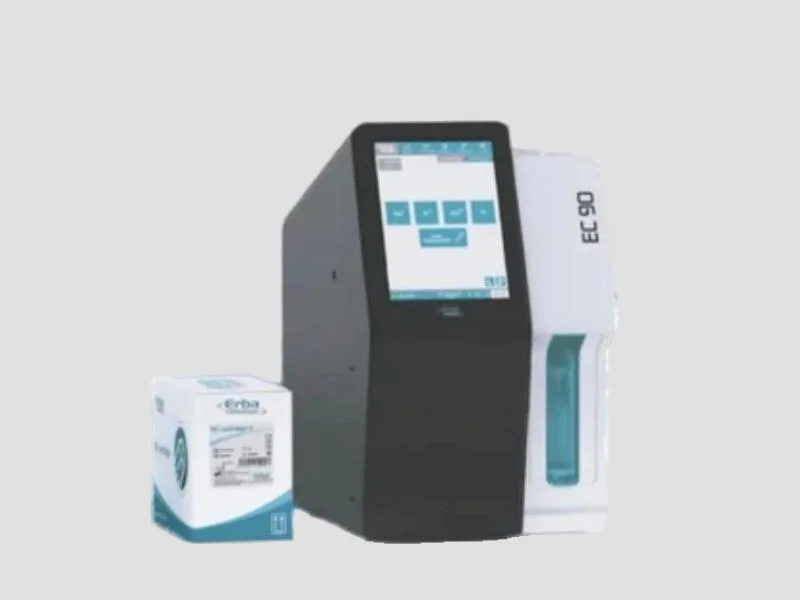
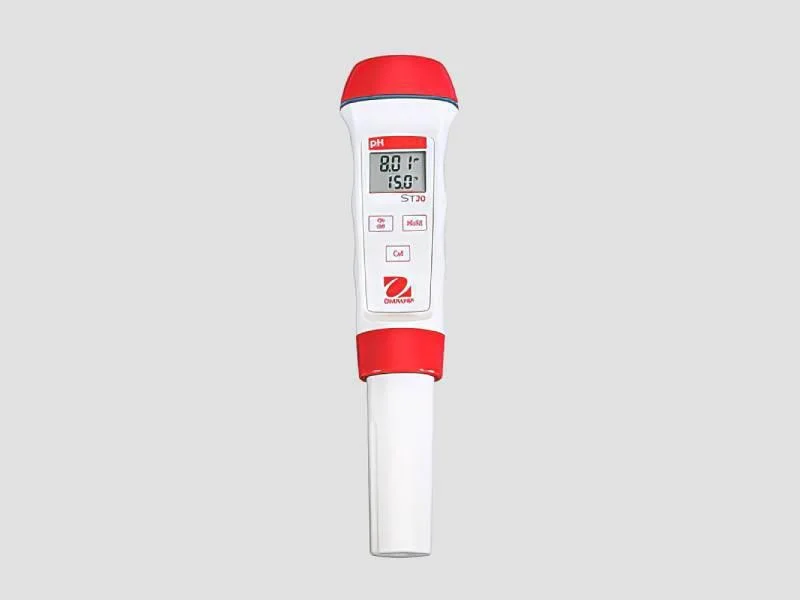
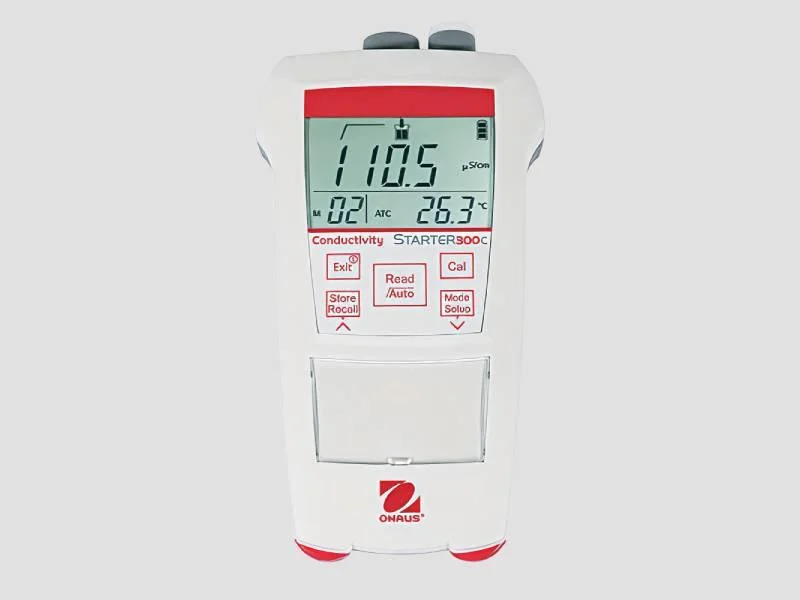
What are pH & EC Meters?
pH and EC meters are essential instruments used to measure the acidity or alkalinity (pH) and electrical conductivity (EC) of solutions. pH meters determine how acidic or basic a solution is on a scale from 0 to 14, while EC meters measure the concentration of ions in a solution, indicating its ability to conduct electricity. These devices are critical in various scientific and industrial applications, providing accurate and reliable data necessary for process control and quality assurance.
The primary uses of pH and EC meters span across multiple industries, including agriculture, environmental monitoring, and food processing. In agriculture, they are used to assess soil health and optimize nutrient solutions for hydroponics. Environmental scientists utilize these meters to monitor water quality in rivers and lakes. In the food industry, pH and EC measurements ensure the safety and quality of products throughout the production process.
In terms of market context, the demand for pH and EC meters is growing as industries increasingly recognize the importance of precise measurements for compliance and quality control. With advancements in technology, modern meters are becoming more user-friendly and accurate, leading to broader adoption across various sectors.
Key Features and Specifications
When evaluating pH and EC meters, several key features and specifications are essential to consider to ensure optimal performance and reliability.
Key specifications include:
1. Measurement Range
- pH meters typically measure from 0 to 14.
- EC meters measure conductivity in microsiemens per centimeter (µS/cm), often ranging from 0 to 200,000 µS/cm.
2. Accuracy
- pH meters usually offer an accuracy of ±0.01 pH units.
- EC meters provide accuracy ranging from ±1% to ±2% of the reading.
3. Calibration
- Many pH meters come with automatic calibration features for ease of use.
- EC meters may require manual calibration with standard solutions.
4. Display Type
- Digital displays are standard, providing clear readings.
- Some models feature backlit displays for visibility in low-light conditions.
5. Temperature Compensation
- Many pH meters include automatic temperature compensation to ensure accurate readings.
- EC meters may also have this feature to account for temperature variations.
6. Power Source
- Most pH and EC meters operate on batteries or can be plugged into an electrical outlet.
- Battery life varies, with some models offering extended use capabilities.
7. Portability
- Handheld models are available for field use, while benchtop models are designed for laboratory settings.
- Weight and size considerations impact ease of transport.
8. Connectivity Options
- Some meters include Bluetooth or USB connectivity for data transfer and analysis.
- Integration with software for data logging is also available in advanced models.
In summary, understanding the key features and specifications of pH and EC meters allows businesses to select the right instruments tailored to their specific needs.
Common Applications and Use Cases
pH and EC meters serve a wide range of industries with various applications, making them versatile tools in many sectors.
1. Agriculture: Farmers and agronomists use pH and EC meters to monitor soil and nutrient solution conditions. This data is crucial for optimizing crop yields and ensuring plant health.
2. Environmental Monitoring: Researchers and environmental agencies employ these meters to assess water quality in natural bodies of water and wastewater treatment facilities. Accurate measurements help in pollution control and ecosystem management.
3. Food and Beverage: In food processing, pH and EC meters are used to monitor the acidity of products, which is vital for safety, flavor, and preservation. They help maintain quality standards in production lines.
4. Hydroponics: Growers in hydroponic systems rely on these meters to ensure nutrient solutions are at optimal pH and conductivity levels for plant growth.
5. Chemical Manufacturing: In chemical production, maintaining specific pH levels is critical for reaction efficiency and product quality, making these meters indispensable.
6. Pharmaceuticals: The pharmaceutical industry uses pH and EC meters to ensure that products meet strict quality and safety standards throughout the manufacturing process.
7. Aquaculture: Fish and shellfish farmers use these meters to monitor water conditions, ensuring optimal environments for aquatic life growth.
Product Variants and Subcategories
pH and EC meters come in various forms, catering to different user needs and applications.
Portable pH Meters
These handheld devices are designed for field use, providing quick and accurate measurements. Portable pH meters are essential for agricultural and environmental applications, allowing users to monitor conditions on-site.
Benchtop pH Meters
These models are intended for laboratory use and offer advanced features such as multiple calibration points and data logging capabilities. They are ideal for research and detailed analysis.
Pocket EC Meters
Compact and easy to carry, pocket EC meters are suitable for quick conductivity measurements in various settings, such as aquaculture and hydroponics.
Professional EC Meters
These meters are designed for industrial applications, providing high accuracy and advanced features suitable for rigorous quality control processes.
Benefits and Advantages
Investing in pH and EC meters offers numerous benefits for businesses across various sectors.
Key benefits include:
1. Enhanced Accuracy: These meters provide precise measurements, improving quality control and compliance with industry standards.
2. Improved Efficiency: With real-time measurements, businesses can make informed decisions quickly, optimizing processes and reducing waste.
3. User-Friendly Features: Many modern meters come with intuitive interfaces and automatic calibration, making them accessible to users with varying levels of expertise.
4. Versatility: pH and EC meters can be used in multiple applications across different industries, providing flexibility for businesses.
5. Data Management: Advanced models offer connectivity options for data logging and analysis, facilitating better record-keeping and reporting.
6. Cost-Effective Solutions: By ensuring optimal conditions, these meters contribute to better product quality and yield, ultimately saving costs in production.
Buying Guide for B2B Buyers
When sourcing pH and EC meters, B2B buyers should consider several key factors to ensure they select the right products for their needs.
1. Quality Assessment: Evaluate the quality of the meters by reviewing certifications and performance specifications. Ensure they meet industry standards for accuracy and reliability.
2. Supplier Verification: Vet suppliers to confirm their reputation and reliability. Look for manufacturers with a track record of quality products and customer service.
3. Pricing and MOQ: Understand the pricing structure and minimum order quantity (MOQ) requirements. Compare prices among suppliers to ensure competitive rates.
4. Delivery and Lead Times: Discuss logistics with suppliers to establish expected delivery timelines. Ensure that lead times align with project schedules.
5. Compliance Requirements: Verify that the meters comply with relevant regulations and standards specific to your industry, such as FDA or ISO certifications.
Compliance and Certifications
Compliance and certifications are critical aspects of pH and EC meters that ensure product quality and safety.
Many pH and EC meters adhere to quality standards such as ISO 9001, which signifies a commitment to quality management systems. Compliance with HACCP (Hazard Analysis and Critical Control Points) ensures that these meters contribute to food safety processes.
Industry certifications like CE mark compliance indicate that the products meet European health, safety, and environmental protection standards.
Safety and testing requirements must be met to ensure that the meters operate reliably under various conditions. This includes assessing their performance in different environmental factors such as temperature and humidity.
Regional compliance considerations may vary, so it is crucial to understand the specific regulations that apply to your location and industry.
Why Source pH & EC Meters from Pepagora?
Pepagora provides a trusted platform for sourcing pH and EC meters, offering several key advantages for businesses.
Verified Supplier Network: Pepagora connects buyers with verified suppliers who have a proven track record in manufacturing quality pH and EC meters. This reduces the risk of sourcing unreliable products.
Streamlined RFQ Process: The platform simplifies the request for quotation (RFQ) process, allowing buyers to easily compare offers from multiple suppliers and select the best options for their needs.
Trade Assurance and Support: Pepagora offers buyer protection through trade assurance, ensuring that transactions are secure and that customers receive the quality products they expect.
Regional Coverage: With a strong presence in India, the Gulf Cooperation Council (GCC), and Southeast Asia, Pepagora extends its reach to cover diverse markets, making it easier for businesses to find the products they need in their respective regions.

 IN
IN