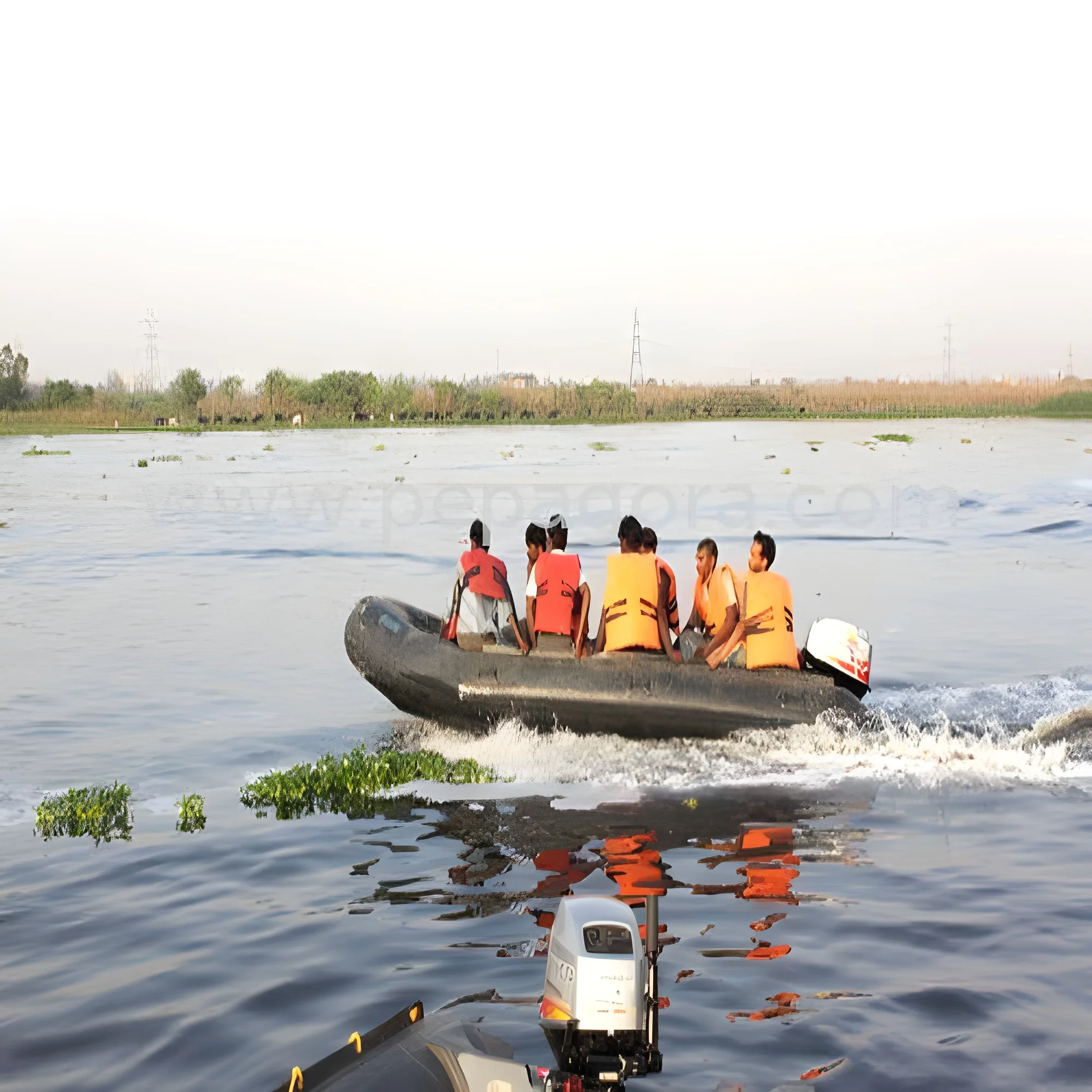
What are Floating Raft Systems?
Floating raft systems are modular platforms designed to provide stable surfaces for various applications in aquatic environments. These systems typically consist of buoyant structures that rest on water bodies, offering a reliable solution for activities such as aquaculture, water treatment, and recreational use. The design allows for easy installation and flexibility in configuration, making them an attractive choice for businesses seeking efficient and versatile solutions.
The primary applications of floating raft systems include fish farming, where they serve as platforms for netting and feeding, and in water treatment facilities, where they can support aeration and filtration processes. Additionally, these systems are utilized for environmental monitoring and research, providing a stable base for equipment and personnel. The relevance of floating raft systems has increased in various industries, particularly as sustainable practices gain traction and the demand for effective water management solutions rises.
In the current market, floating raft systems are essential tools for organizations aiming to optimize their operations in aquatic settings. They are particularly significant in regions where water resources are crucial for economic activities and environmental sustainability.
Key Features and Specifications
Floating raft systems come equipped with various features that enhance their functionality and performance in aquatic environments. These features are critical for ensuring reliability and efficiency in their applications.
Key specifications include:
1. Material Composition
- Typically made from high-density polyethylene (HDPE) or other durable, weather-resistant materials
- Resistant to UV rays, corrosion, and chemical exposure
2. Load Capacity
- Designed to support significant weight, depending on the configuration
- Can handle loads ranging from several hundred to thousands of kilograms per unit
3. Modular Design
- Allows for easy assembly and disassembly
- Customizable arrangements to fit specific project requirements
4. Stability Features
- Equipped with stabilizers to maintain balance in varying water conditions
- Designed for high wave resistance
5. Surface Area
- Available in multiple sizes to accommodate different applications
- Can be scaled up or down depending on the user's needs
6. Anchoring Options
- Various anchoring solutions available for securing the raft in place
- Includes both permanent and temporary anchoring systems
7. Environmental Compatibility
- Designed to minimize ecological impact and promote sustainability
- Often suitable for use in protected marine areas
8. Safety Standards
- Complies with relevant safety and quality standards, including CE certification
- Tested for durability and performance under various conditions
These specifications contribute to the overall effectiveness of floating raft systems, ensuring they meet the demands of their intended applications.
Common Applications and Use Cases
Floating raft systems find utility across a range of industries, each leveraging their unique features for specific needs.
1. Aquaculture: Floating raft systems are widely used in fish farming to create stable environments for breeding and growing fish. The platforms facilitate feeding, monitoring, and harvesting processes.
2. Water Treatment: In municipal and industrial water treatment facilities, these systems support various processes, including aeration and filtration, enhancing water quality.
3. Environmental Research: Researchers utilize floating rafts for conducting studies in aquatic ecosystems, providing stable platforms for equipment and data collection.
4. Recreational Activities: Floating rafts are often used in recreational settings, such as lakes and rivers, for activities like swimming, fishing, and water sports.
5. Marine Construction: These systems can serve as temporary platforms for construction activities on water, allowing for easy access and workspace.
6. Renewable Energy: Floating solar panel systems utilize raft technology to generate renewable energy while minimizing land use.
7. Disaster Response: In emergency situations, floating rafts can be deployed for rescue operations or to provide temporary shelter in flooded areas.
Product Variants and Subcategories
Floating raft systems offer a variety of designs to cater to different operational needs and environments. Each variant is tailored to specific applications.
Raft for Aquaculture
This variant is specifically designed for fish farming. It features reinforced surfaces and integrated feeding systems, making it ideal for supporting aquaculture activities.
Raft for Water Treatment
Engineered for use in water purification facilities, this variant includes features that enhance aeration and filtration processes, facilitating efficient water treatment.
Raft for Research Purposes
This variant provides a stable platform for environmental studies. It is equipped with monitoring equipment mounts and can be customized for scientific research needs.
Raft for Recreational Use
Designed for leisure activities, this variant features safety measures and comfortable surfaces for users, making it suitable for recreational environments like lakes and rivers.
Benefits and Advantages
Floating raft systems offer a range of benefits that make them an attractive option for businesses operating in aquatic environments.
Key benefits include:
1. Versatility: These systems can be adapted for various applications, from aquaculture to environmental research, enhancing their utility across industries.
2. Cost-Effectiveness: By providing stable platforms, floating rafts reduce the need for extensive infrastructure, leading to lower installation and maintenance costs.
3. Easy Installation: Their modular design allows for quick assembly and disassembly, facilitating fast deployment in various settings.
4. Environmental Sustainability: Floating raft systems can be designed to minimize ecological impact, supporting sustainable practices in aquaculture and water management.
5. Enhanced Access: These platforms provide easier access to water bodies, improving operational efficiency for activities such as monitoring and maintenance.
6. Improved Safety: Designed to meet safety standards, floating rafts provide a secure working environment, reducing risks associated with aquatic operations.
Buying Guide for B2B Buyers
When sourcing floating raft systems, buyers should consider several key factors to ensure they select the right products for their needs.
1. Quality Assessment: Look for materials and construction methods that guarantee durability and resistance to environmental conditions. Ensure the product meets relevant quality standards.
2. Supplier Verification: Vet suppliers to confirm their reliability and reputation in the industry. Check references and past projects to ensure they have a proven track record.
3. Pricing and MOQ: Understand the cost structure of floating raft systems and be aware of minimum order quantities. Compare prices among different suppliers to ensure competitive rates.
4. Delivery and Lead Times: Consider the logistics of shipping and delivery. Ensure that suppliers can meet your project timelines and provide timely updates on the status of your order.
5. Compliance Requirements: Verify that the floating raft systems meet all necessary regulatory standards and certifications, including safety and environmental compliance.
Compliance and Certifications
Floating raft systems must adhere to various quality and safety standards to ensure their effectiveness and reliability. Key standards include ISO 9001, which outlines quality management principles, and HACCP, which focuses on food safety in aquaculture applications.
Industry certifications such as CE are crucial, indicating that the product meets European safety and health requirements. Additionally, manufacturers may need to conduct safety and performance testing to comply with regional regulations.
Regional compliance considerations vary depending on the market. Buyers should be aware of local laws and regulations that impact the use and installation of floating raft systems in their specific geographic areas. Compliance with these standards not only ensures safety but also enhances product credibility in the market.
Why Source Floating Raft Systems from Pepagora?
Pepagora provides a trusted platform for sourcing floating raft systems, offering several key advantages to B2B buyers.
Verified Supplier Network: Pepagora has established a strong network of verified suppliers who provide high-quality floating raft systems. Each supplier undergoes a rigorous vetting process to ensure reliability and compliance with industry standards.
Streamlined RFQ Process: The platform simplifies the request for quotation process, allowing buyers to easily compare offerings from different suppliers. This efficiency helps businesses find the best solutions for their needs without extensive searching.
Trade Assurance and Support: Pepagora offers trade assurance, providing buyers with protection against potential issues during transactions. In addition, the platform provides support throughout the purchasing process, ensuring a smooth experience.
Regional Coverage: With a strong presence in India, the GCC, and Southeast Asia, Pepagora enables buyers to access local suppliers and solutions tailored to their specific regional needs. This geographical reach enhances the convenience and effectiveness of sourcing floating raft systems.

 IN
IN