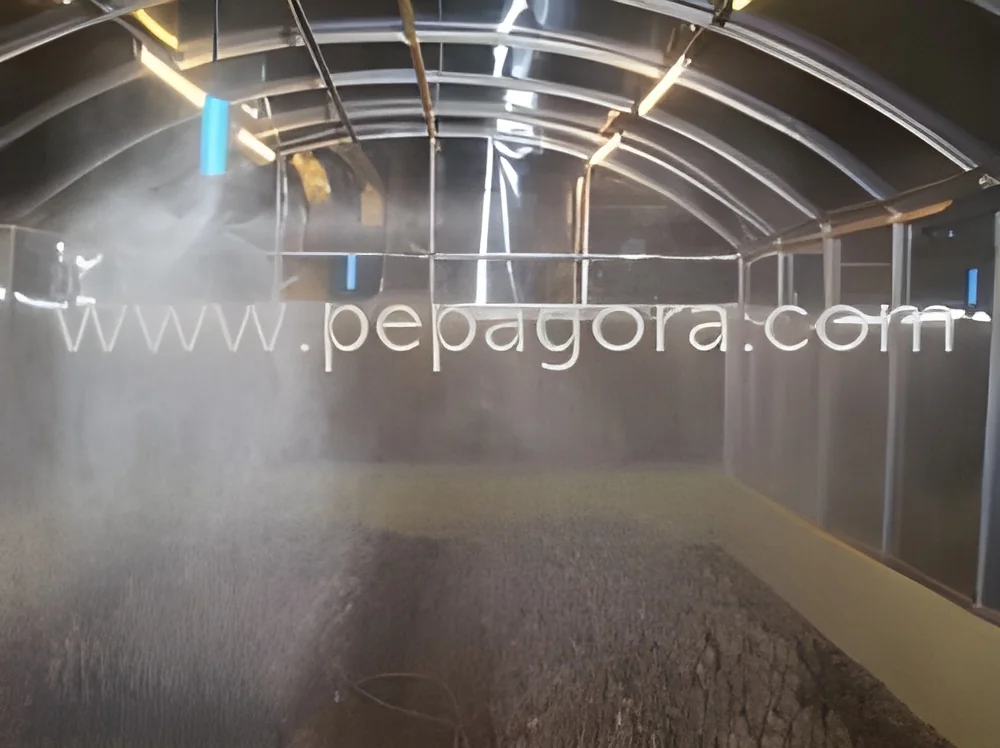
What are Aeroponics Systems?
Aeroponics systems are advanced agricultural technologies that enable the efficient growth of plants without the use of soil. Instead, these systems utilize a nutrient-rich mist to provide essential water and nutrients directly to the plant roots. This method allows for optimal oxygenation and faster growth rates, making aeroponics an attractive option for modern agriculture.
These systems are commonly used in various commercial applications, including vertical farming, greenhouse production, and research facilities. They are particularly beneficial for growing high-value crops such as herbs, leafy greens, and medicinal plants. The aeroponic method is gaining traction as a sustainable agricultural solution, contributing to reduced water usage and increased crop yields.
As urbanization and population growth continue to put pressure on traditional farming methods, the relevance of aeroponics systems in the agricultural industry is growing. Market demand for efficient, sustainable, and space-saving farming techniques is driving innovation and adoption of aeroponic technology worldwide.
Key Features and Specifications
Aeroponics systems come equipped with several features designed to enhance plant growth and operational efficiency. Understanding these specifications is crucial for businesses looking to invest in this technology.
Key specifications include:
1. Nutrient Delivery System
- Provides a precise mist of nutrients to plant roots
- Can be adjusted according to plant growth stages
2. Environmental Control System
- Monitors and regulates temperature, humidity, and light
- Ensures optimal growing conditions for plants
3. Water Efficiency
- Uses up to 90% less water than traditional soil-based farming
- Recirculates water to minimize waste
4. Space Optimization
- Vertical configurations allow for maximum use of limited space
- Ideal for urban farming and greenhouse applications
5. Growth Rate
- Accelerates plant growth by providing direct access to nutrients and oxygen
- Plants typically mature faster than in soil-based systems
6. Automation Features
- Many systems include automated sensors and controls
- Reduces manual labor and increases operational efficiency
7. Scalability
- Designed for easy expansion to accommodate growing operations
- Suitable for small-scale urban farms as well as large commercial operations
8. Modular Design
- Allows for easy installation and reconfiguration
- Facilitates maintenance and upgrades without significant downtime
In summary, aeroponics systems are equipped with advanced features that make them suitable for a variety of agricultural applications, enhancing efficiency and productivity.
Common Applications and Use Cases
Aeroponics systems are versatile tools applicable in numerous industries, making them a valuable investment for various sectors.
1. Agriculture: Aeroponics is widely used in commercial agriculture for growing vegetables and herbs, offering faster growth rates and higher yields compared to traditional methods.
2. Research and Development: These systems are utilized in academic and industrial research settings to study plant biology and optimize growing conditions for various crops.
3. Urban Farming: In densely populated areas, aeroponics provides a space-efficient solution for local food production, contributing to urban sustainability.
4. Pharmaceutical: Aeroponics can be used to cultivate medicinal plants, allowing for controlled environments that enhance the quality and potency of the plants.
5. Landscaping: Some landscaping companies adopt aeroponics for creating sustainable green spaces, providing plants with optimal growth conditions even in limited space.
6. Education: Schools and universities incorporate aeroponics systems into curricula to teach students about sustainable agriculture and environmental science.
Benefits and Advantages
Investing in aeroponics systems offers numerous benefits that enhance agricultural productivity and sustainability.
1. Resource Efficiency: Aeroponics systems use significantly less water than traditional farming, promoting sustainable resource management.
2. Faster Growth Rates: Plants grown in aeroponic systems typically mature more quickly due to direct access to nutrients and oxygen, boosting overall productivity.
3. Reduced Pesticide Use: The controlled environment reduces the risk of pests and diseases, leading to lower pesticide requirements and healthier crops.
4. Space Savings: The vertical design of aeroponics systems maximizes the use of space, making them ideal for urban farming and small land areas.
5. Year-Round Production: With controlled environmental conditions, these systems enable year-round cultivation, independent of seasonal changes.
6. Quality Control: The precise nutrient delivery allows growers to optimize plant health and quality, resulting in superior products.
Buying Guide for B2B Buyers
When sourcing aeroponics systems, businesses should consider several key factors to ensure they select the right solution for their needs.
1. Quality Assessment: Evaluate the quality of materials and components used in the system. Look for systems that adhere to industry standards for durability and performance.
2. Supplier Verification: Conduct thorough vetting of suppliers to ensure they have a good reputation and provide reliable products. Check for reviews and testimonials from other businesses.
3. Pricing and MOQ: Compare pricing among different suppliers and consider the minimum order quantity. Ensure the investment aligns with your budget and operational requirements.
4. Delivery and Lead Times: Clarify delivery schedules and lead times with suppliers. Timely delivery is crucial for maintaining operational efficiency.
5. Compliance Requirements: Understand any regulatory requirements or certifications applicable to aeroponics systems in your region. Ensure that the systems meet these standards for safety and quality.
Compliance and Certifications
Aeroponics systems must adhere to specific compliance standards to ensure quality and safety in their operation.
Relevant quality standards include ISO 9001, which outlines requirements for a quality management system, ensuring consistent product quality. HACCP (Hazard Analysis Critical Control Point) standards may also be applicable, particularly in food production, to ensure safety in the handling of edible crops.
Industry certifications such as CE are essential for demonstrating compliance with European health, safety, and environmental protection standards.
Additionally, safety and testing requirements are crucial in verifying that aeroponics systems operate safely and efficiently. This includes ensuring that electrical components are compliant with safety regulations and that materials used are free from harmful substances.
Regional compliance considerations should also be taken into account, as different areas may have specific agricultural regulations that impact the use of aeroponics technology.
Why Source Aeroponics Systems from Pepagora?
Pepagora offers a reliable platform for sourcing aeroponics systems, presenting several key advantages for B2B buyers.
Verified Supplier Network: Pepagora features a robust network of verified suppliers, ensuring that buyers can connect with reputable manufacturers and obtain high-quality products.
Streamlined RFQ Process: The platform simplifies the request for quotation process, allowing buyers to easily request quotes from multiple suppliers, making it easier to compare options.
Trade Assurance and Support: Buyers benefit from trade assurance measures that protect their purchases, ensuring a secure transaction environment and providing support throughout the buying process.
Regional Coverage: Pepagora serves a wide geographic area, including India, the GCC, and Southeast Asia, making it easier for businesses in these regions to access advanced aeroponics systems tailored to their needs.

 IN
IN