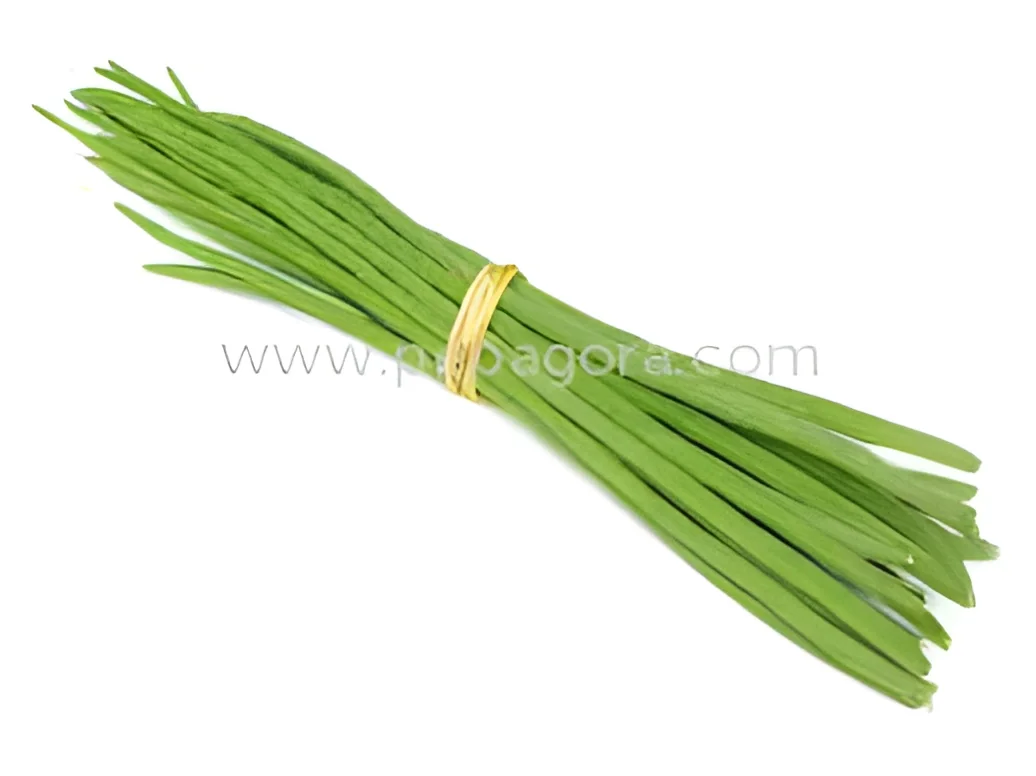
What are Basil, Mint, Coriander Seeds?
Basil, mint, and coriander seeds are essential herbs widely used in culinary and medicinal applications. Basil is known for its aromatic leaves and is a staple in Mediterranean cooking. Mint seeds produce plants valued for their refreshing flavor and aroma, while coriander seeds are used for both their leaves and seeds in various cuisines around the world. Each of these seeds can be cultivated in diverse climates, making them accessible for growers in different regions.
These seeds have primary applications in food and beverage industries, ranging from flavor enhancement to garnishing. They are used in various products, including sauces, teas, and essential oils. Additionally, these herbs play a significant role in traditional medicine, where they are utilized for their health benefits. As the demand for natural and organic ingredients grows, the market for basil, mint, and coriander seeds is expanding globally, making them critical components in many food-related businesses.
Key Features and Specifications
Basil, mint, and coriander seeds offer a variety of features that make them appealing for agricultural and commercial use. Understanding their specifications is important for buyers seeking quality seeds for cultivation.
Key specifications include:
1. Seed Type
- Open-pollinated or hybrid varieties
- Genetic traits influencing growth and yield
2. Germination Rate
- Minimum germination percentage recommended
- Testing methods to ensure seed viability
3. Seed Size
- Average dimensions of seeds
- Variations based on type and variety
4. Purity Level
- Minimum standards for seed purity
- Testing for contaminants and other seed types
5. Packaging
- Bulk or retail packaging options
- Labeling details such as batch number and expiry date
6. Shelf Life
- Typical shelf life of seeds under proper storage conditions
- Recommendations for storage to maintain viability
7. Growth Conditions
- Ideal temperature and humidity for germination
- Soil type and pH requirements for optimal growth
8. Disease Resistance
- Common diseases affecting these plants
- Breeding for resistance against specific pathogens
These specifications assist businesses in selecting the right seeds for their production needs and ensure optimal growth and yield.
Common Applications and Use Cases
Basil, mint, and coriander seeds are utilized in various industries, showcasing their versatility and importance.
1. Culinary Industry: These seeds are essential in food preparation, contributing flavors to dishes, sauces, and beverages. They are also used in the production of spice blends and condiments.
2. Herbal Medicine: Both basil and mint have therapeutic properties. They are often used in herbal teas and supplements for their health benefits, including digestive support and anti-inflammatory effects.
3. Cosmetic Industry: Essential oils derived from these herbs are used in skincare and personal care products. Their aromatic properties make them popular in fragrances and aromatherapy.
4. Agriculture: Basil, mint, and coriander are cultivated for commercial production. They are often grown in greenhouses, allowing for year-round availability and higher quality yields.
5. Food Processing: These seeds are key ingredients in the production of snacks, sauces, and ready-to-eat meals, catering to consumer demands for flavorful and aromatic products.
6. Beverage Industry: Mint and basil are commonly used in flavoring beverages, including soft drinks, cocktails, and herbal infusions, enhancing the sensory experience for consumers.
7. Organic Farming: With the rising trend toward organic produce, these seeds are increasingly sought after by organic farmers who prioritize sustainable practices.
Product Variants and Subcategories
The diversity of basil, mint, and coriander seeds allows for various options tailored to specific needs and preferences.
Sweet Basil Seeds: This variant is known for its aromatic leaves and is widely used in Italian cuisine. It thrives in warm climates and requires well-drained soil.
Peppermint Seeds: These seeds produce a robust mint plant favored for its strong flavor. Peppermint is often used in teas, candies, and essential oils.
Cilantro Seeds: The seeds of the coriander plant are known as coriander seeds. They are used whole or ground in various culinary applications, particularly in Asian and Middle Eastern cuisines.
Thai Basil Seeds: This variant has a distinct flavor profile and is commonly used in Southeast Asian dishes. It is particularly valued for its aromatic leaves.
Benefits and Advantages
Sourcing basil, mint, and coriander seeds provides numerous advantages for businesses in various sectors.
1. Flavor Enhancement: These herbs add unique flavors and aromas to dishes, enhancing the overall culinary experience.
2. Health Benefits: Basil and mint are known for their medicinal properties, offering potential health benefits such as digestive support and anti-inflammatory effects.
3. Market Demand: The growing trend toward natural and organic ingredients increases the demand for these seeds, making them a valuable addition to any product line.
4. Versatility: These seeds can be used in a wide range of applications, from culinary to cosmetic, making them suitable for diverse industries.
5. Sustainable Sourcing: Many suppliers offer organic options, allowing businesses to meet consumer demands for sustainable and ethically sourced products.
6. Cultural Significance: Incorporating these herbs into products can appeal to consumers’ cultural preferences, especially in culinary applications.
Buying Guide for B2B Buyers
When sourcing basil, mint, and coriander seeds, businesses should consider several key factors to ensure quality and reliability.
1. Quality Assessment: Evaluate seed quality based on germination rates, purity levels, and disease resistance. Requesting samples for testing can also help verify quality.
2. Supplier Verification: Vet potential suppliers by checking their credentials, certifications, and reputation in the market. Look for reviews and feedback from other businesses.
3. Pricing and MOQ: Understand the pricing structure and minimum order quantities (MOQ) required by suppliers. This helps in budgeting and planning for inventory needs.
4. Delivery and Lead Times: Discuss logistics with suppliers, including delivery schedules and lead times. Timely delivery is crucial for maintaining production schedules.
5. Compliance Requirements: Ensure that the seeds meet relevant regulatory standards and certifications. This includes compliance with food safety regulations and quality assurance protocols.
Compliance and Certifications
Basil, mint, and coriander seeds must adhere to various industry standards and certifications to ensure quality and safety.
ISO 9001 certification is relevant for suppliers, as it indicates a commitment to quality management and continuous improvement. This standard helps ensure that seeds are produced and handled under stringent quality controls.
HACCP (Hazard Analysis and Critical Control Points) is another essential standard that addresses food safety. Compliance with HACCP principles ensures that potential hazards are identified and mitigated throughout the supply chain.
Additionally, CE certification may apply to specific products derived from these seeds, ensuring they meet necessary safety and health requirements.
Safety and testing requirements must also be considered, as these seeds should undergo rigorous testing for contaminants and pathogens to ensure they are safe for consumption.
Regional compliance considerations may vary, and suppliers should be knowledgeable about local regulations that apply to the sale and distribution of these seeds within specific markets.
Why Source Basil, Mint, Coriander Seeds from Pepagora?
Pepagora offers a reliable platform for sourcing basil, mint, and coriander seeds, providing numerous advantages for businesses.
Verified Supplier Network: Pepagora has established a network of verified suppliers, ensuring that buyers can trust the quality and authenticity of the seeds they purchase. This reduces the risk associated with sourcing from unverified sources.
Streamlined RFQ Process: The request for quotation (RFQ) process is designed for efficiency. Buyers can easily submit their requirements and receive competitive quotes from multiple suppliers, simplifying the procurement process.
Trade Assurance and Support: Pepagora provides trade assurance, protecting buyers against potential issues such as non-delivery or substandard products. This support fosters confidence in sourcing decisions.
Regional Coverage: With a strong presence in India, the GCC, and Southeast Asia, Pepagora offers broad geographic reach. This facilitates access to local suppliers and ensures timely delivery of products to various markets.
By choosing Pepagora, businesses can enhance their sourcing experience for basil, mint, and coriander seeds, ultimately contributing to their success in the competitive marketplace.

 IN
IN