
 IN
Cocopeat Blocks & Grow Slabs
31 products available
What are Cocopeat Blocks & Grow Slabs?
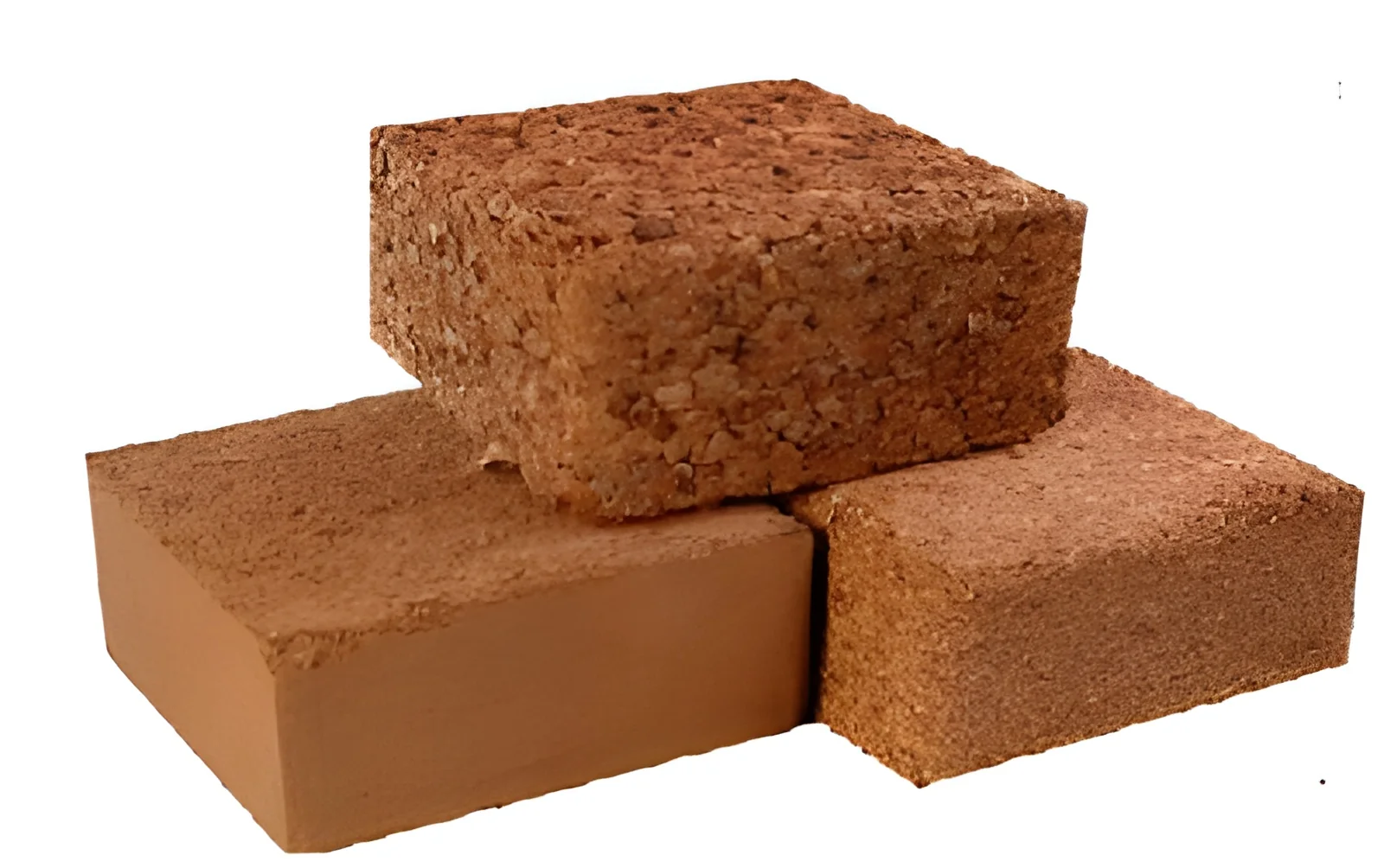
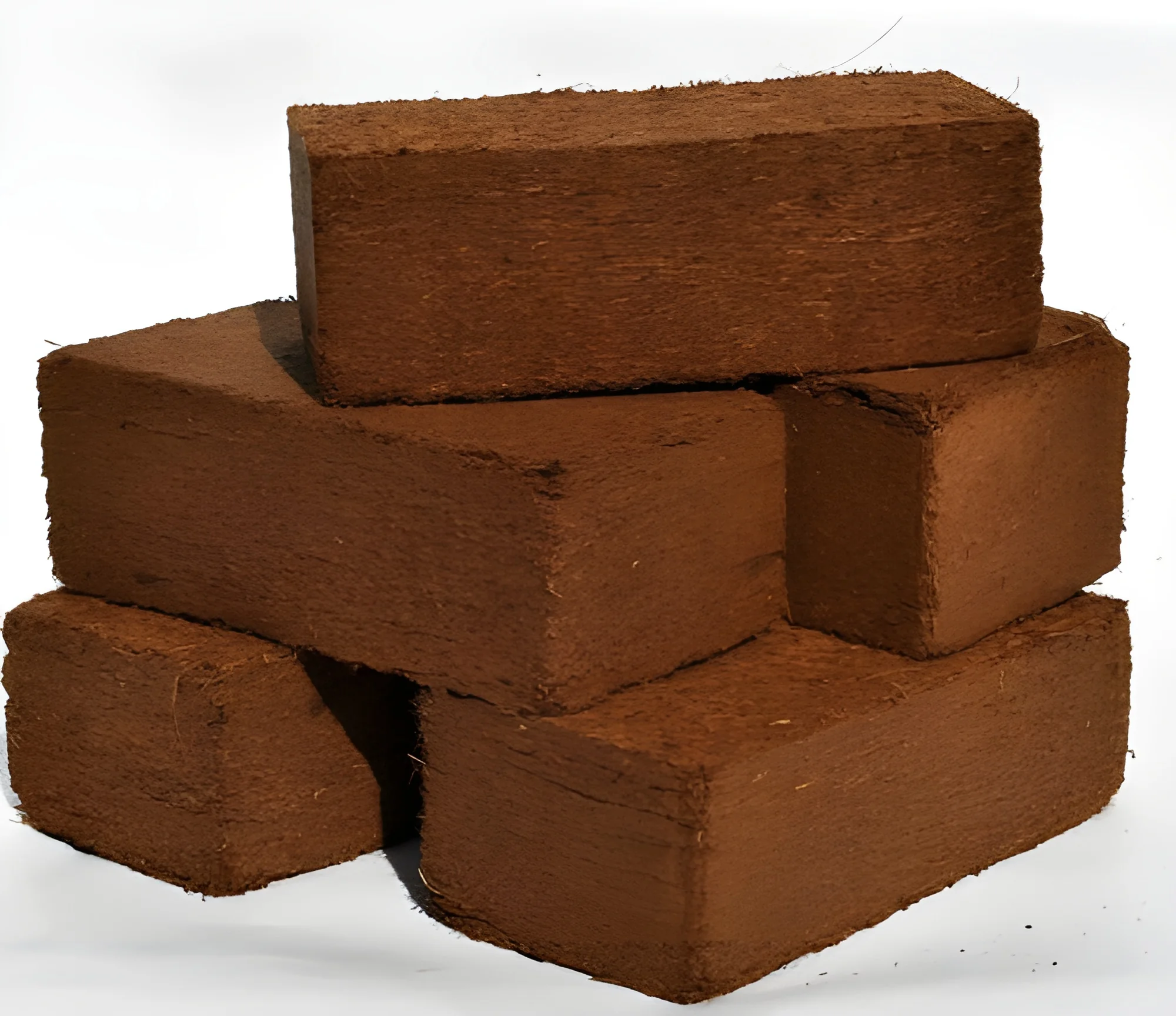
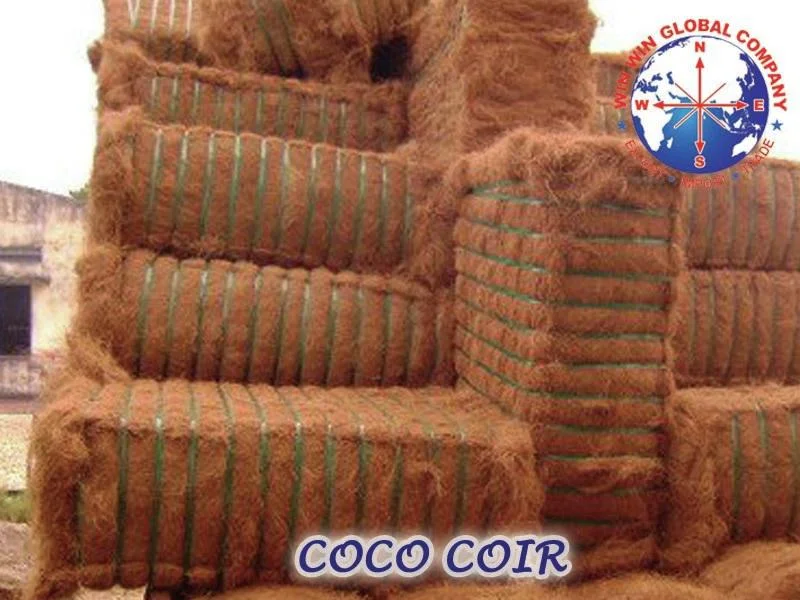
Cocopeat blocks and grow slabs are sustainable growing mediums made from the fibrous husks of coconuts. They are processed into compressed blocks or slabs that can be rehydrated to create a lightweight, moisture-retaining substrate suitable for plant cultivation. These products are not only eco-friendly but also offer excellent aeration and drainage properties, making them ideal for a variety of horticultural applications.
Cocopeat is primarily used in agriculture, horticulture, and landscaping. It serves as an alternative to soil, particularly in hydroponics and container gardening. Businesses in the agriculture sector utilize cocopeat blocks and grow slabs for seedling production, potting mixes, and raised beds. The growing demand for sustainable agriculture practices has positioned cocopeat as a valuable resource in the marketplace, appealing to growers who prioritize environmental sustainability.
Cocopeat products are relevant across different industries, including commercial agriculture, horticulture, and landscaping. With an increasing focus on sustainable practices and organic agriculture, the market for cocopeat blocks and grow slabs is expanding. Businesses are increasingly recognizing the benefits of using these products due to their eco-friendliness and efficiency in enhancing plant growth.
Key Features and Specifications
Cocopeat blocks and grow slabs come with a variety of features that make them suitable for diverse applications. Their composition and processing techniques ensure they meet specific agricultural needs, making them a preferred choice for many growers.
Key specifications include:
1. Composition
- Made from 100% coconut coir
- Free from harmful chemicals and pathogens
2. Moisture Retention
- Capable of holding up to 8-10 times its weight in water
- Reduces the need for frequent irrigation
3. pH Level
- Neutral pH range of 5.5 to 6.5
- Suitable for a wide variety of plants
4. Aeration Properties
- Provides excellent aeration to the root zone
- Promotes healthy root development
5. Compressed Size
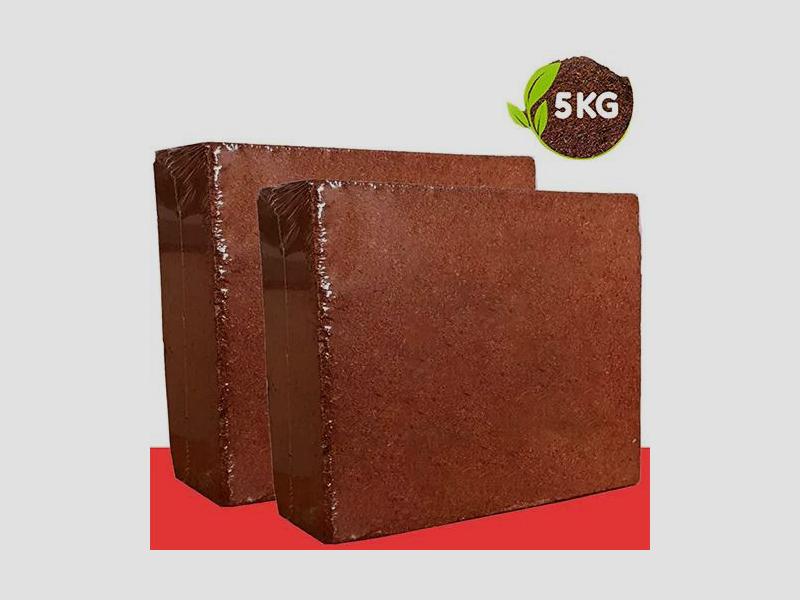
- Available in various sizes, typically 5 kg to 10 kg blocks
- Convenient for storage and transport
6. Rehydration Rate
- Quick rehydration when soaked in water
- Efficient for immediate use in planting
7. Environmental Impact
- Biodegradable and environmentally friendly
- Supports sustainable agriculture initiatives
8. Compatibility
- Can be mixed with other growing media
- Enhances the performance of soil-based mixes
In summary, cocopeat blocks and grow slabs offer a range of features that cater to the needs of modern agriculture, making them a versatile choice for growers.
Common Applications and Use Cases
Cocopeat blocks and grow slabs are widely used in various industries, highlighting their versatility and effectiveness as a growing medium.
1. Agriculture: They are used in large-scale vegetable and fruit cultivation, providing an ideal substrate for root development and moisture retention.
2. Horticulture: Professional landscapers and greenhouse operators utilize cocopeat for potting mixes, seedling trays, and bedding plants.
3. Hydroponics: Cocopeat serves as an excellent medium in hydroponic systems, ensuring proper drainage and aeration for plant roots.
4. Nursery Production: Plant nurseries use cocopeat blocks for germination and propagation of young plants due to its sterile nature.
5. Indoor Gardening: Urban gardeners and hobbyists prefer cocopeat for container gardening, as it is lightweight and easy to manage.
6. Landscaping: Cocopeat is used in landscaping projects for soil amendment, improving soil structure and moisture retention.
7. Export Markets: Many countries import cocopeat products for various agricultural purposes, reflecting its global appeal.
Product Variants and Subcategories
Cocopeat blocks and grow slabs come in various forms to suit different cultivation needs.
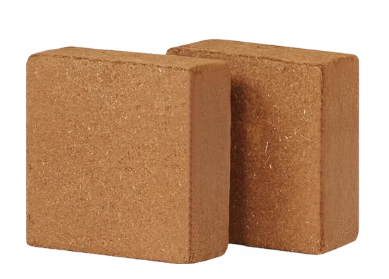
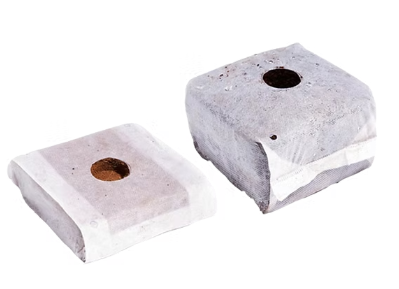
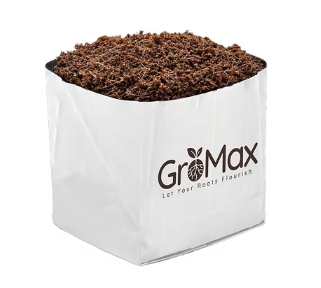
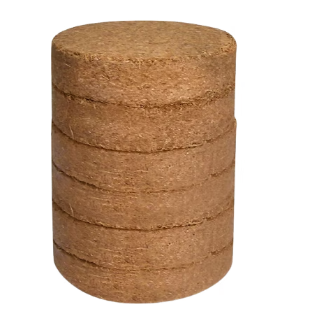
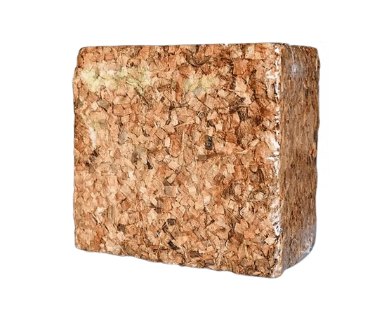
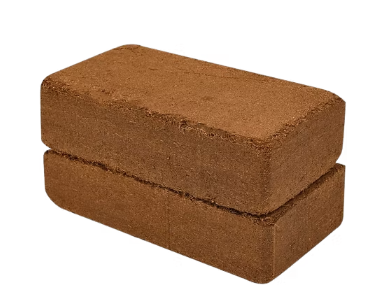
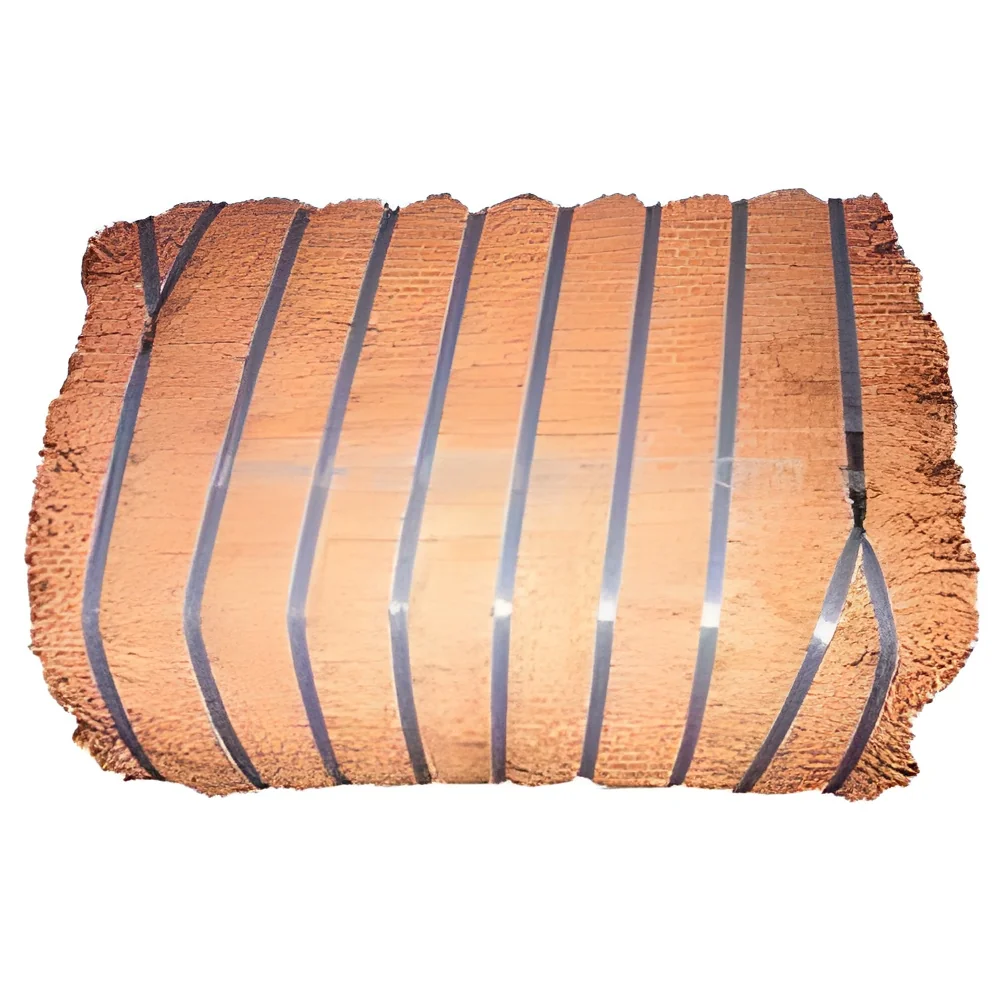
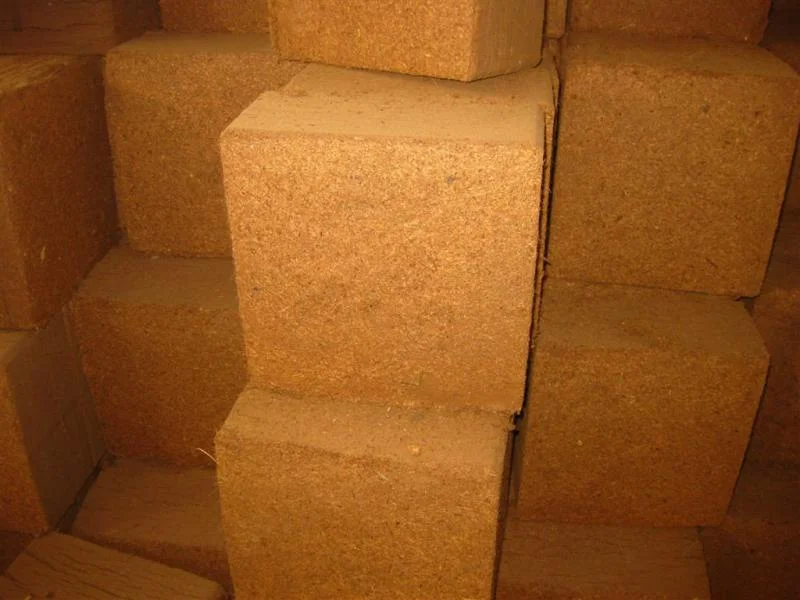
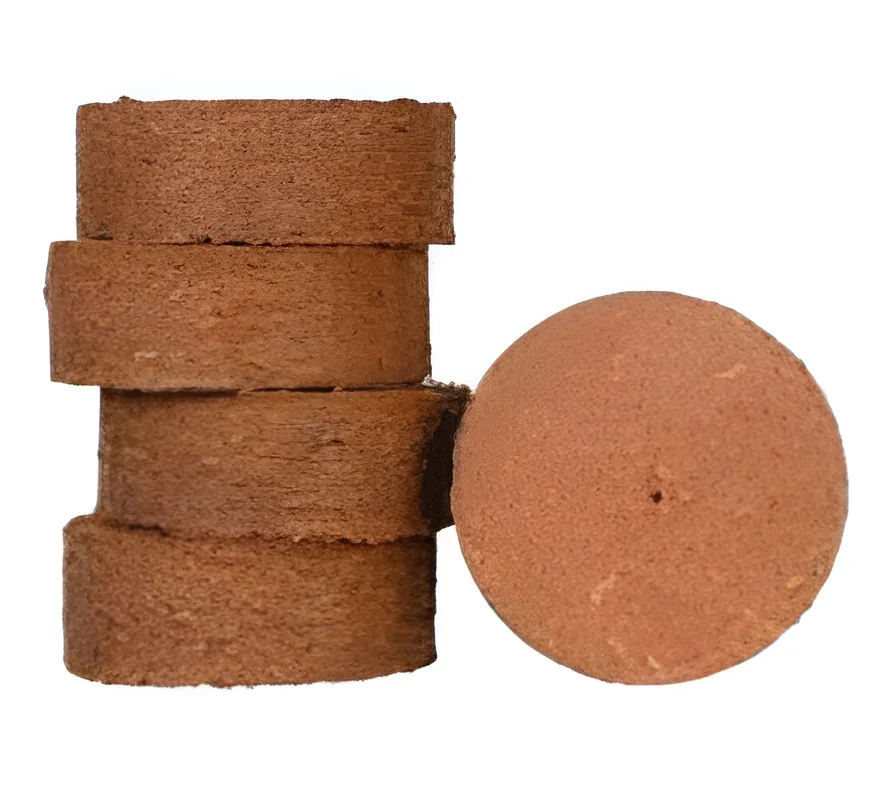
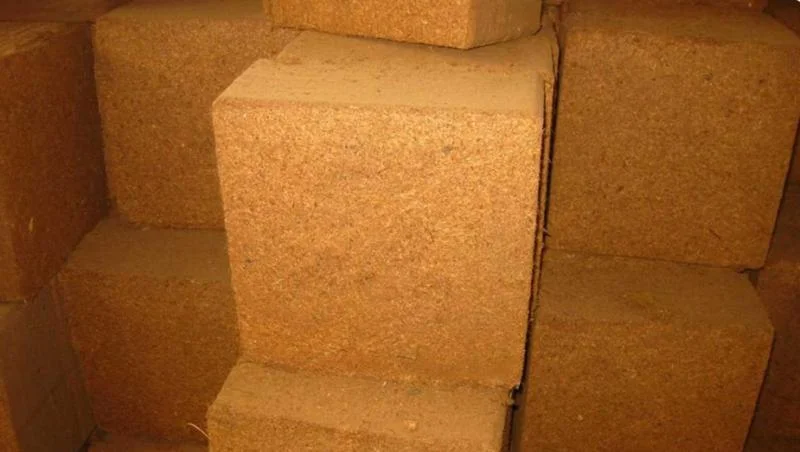
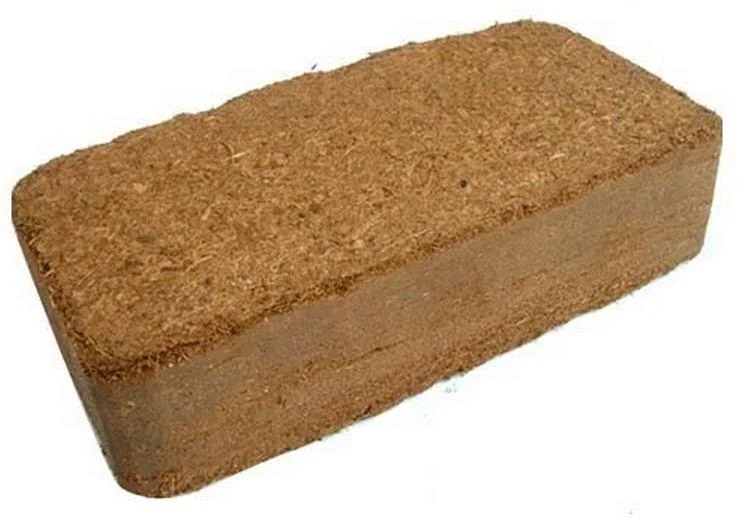
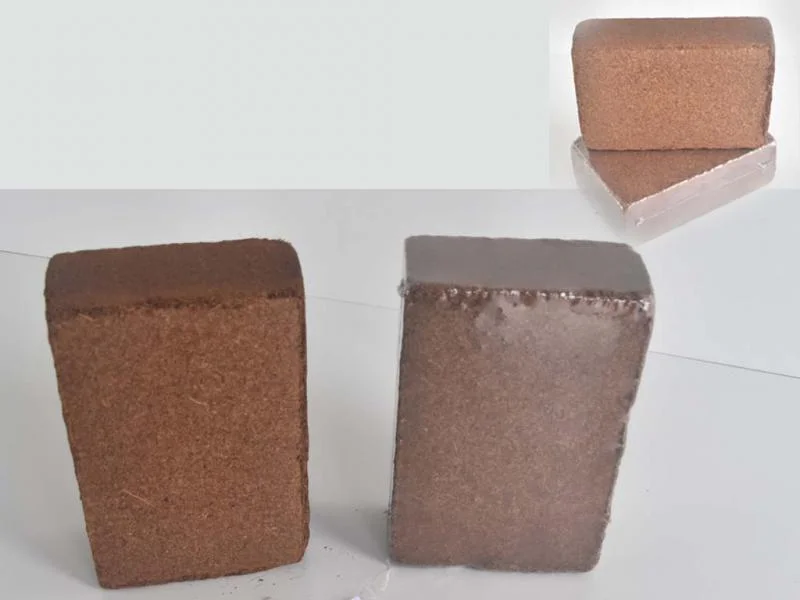
Compressed Cocopeat Blocks
These blocks are manufactured by compacting coconut coir fibers, providing a high-quality growing medium that expands when water is added. They are ideal for large-scale agricultural use and easy handling.
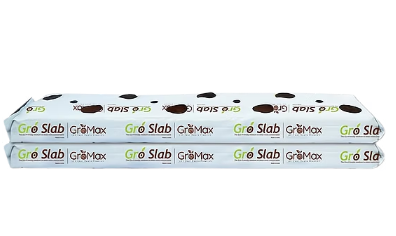
Cocopeat Grow Slabs
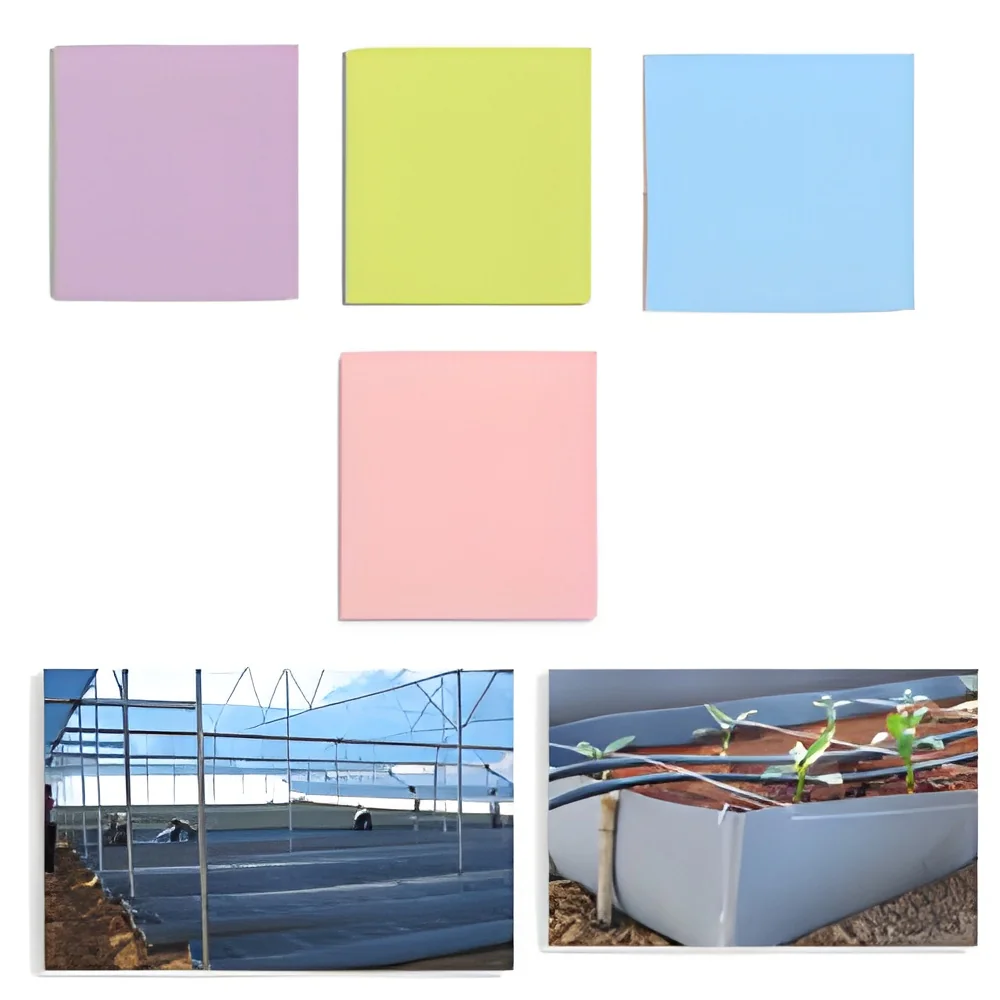
Designed for hydroponic systems, grow slabs offer a larger surface area for planting. They provide excellent drainage and aeration, making them suitable for high-density planting.
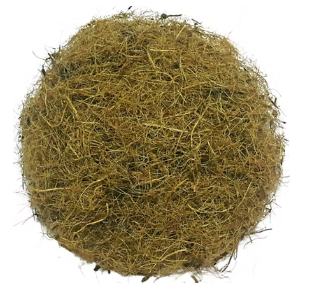
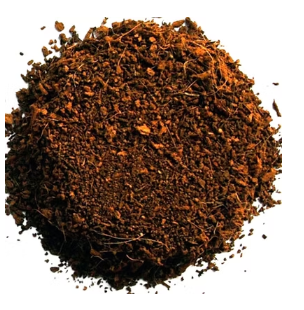
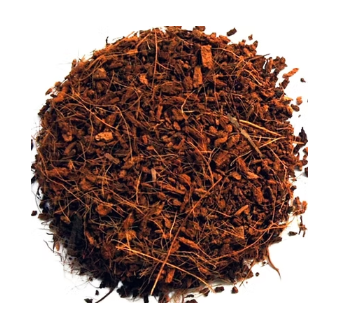
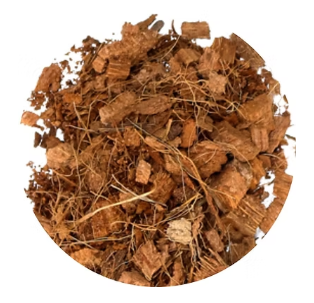
Bulk Cocopeat
Offered in bulk quantities, this product is suitable for larger operations that require significant amounts of growing medium. It is cost-effective and convenient for extensive agricultural applications.
Benefits and Advantages
Cocopeat blocks and grow slabs provide numerous benefits that enhance their appeal to businesses.
1. Sustainable Option: Made from renewable coconut husks, they contribute to eco-friendly agricultural practices.
2. Cost-Effective: Reduced water consumption and improved plant growth can lead to lower operational costs for growers.
3. Lightweight and Easy to Handle: The compressed form facilitates easy transportation and storage, making it user-friendly.
4. Versatile Applications: Suitable for various planting methods, including hydroponics, container gardening, and soil amendment.
5. Enhanced Plant Growth: The properties of cocopeat promote healthy root systems, resulting in better crop yields.
6. Disease Resistance: Being free from pathogens, cocopeat minimizes the risk of soil-borne diseases.
Buying Guide for B2B Buyers
When sourcing cocopeat blocks and grow slabs, businesses should consider several important factors to ensure they make informed purchasing decisions.
1. Quality Assessment: Evaluate the quality of cocopeat based on its composition, moisture retention capabilities, and pH levels. High-quality cocopeat will support better plant growth.
2. Supplier Verification: Research and verify suppliers to ensure they adhere to industry standards and provide reliable products. Look for reviews or testimonials from other buyers.
3. Pricing and MOQ: Understand the pricing structure and minimum order quantities (MOQ) to assess overall costs. Compare prices between suppliers to get the best deal.
4. Delivery and Lead Times: Inquire about logistics and lead times to ensure timely delivery. Efficient supply chain management is crucial for agricultural operations.
5. Compliance Requirements: Confirm that the products meet all regulatory and quality standards applicable in your region, including certifications like CE.
Compliance and Certifications
Cocopeat blocks and grow slabs are required to meet certain quality standards and certifications to ensure safety and efficacy in their applications.
The most relevant quality standard is ISO 9001, which outlines requirements for a quality management system. Compliance with this standard ensures that the products are consistently manufactured to meet customer expectations.
CE certification is also significant as it indicates that the products comply with European health, safety, and environmental protection standards. This certification is crucial for businesses looking to market their products in Europe and other regions.
Safety and testing requirements are important to ensure that cocopeat products are free from contaminants and pathogens. Regular testing for quality assurance helps maintain high standards.
Additionally, regional compliance considerations must be taken into account, especially when exporting cocopeat products. Different countries may have varying regulations, and it is essential to stay informed to ensure compliance.
Why Source Cocopeat Blocks & Grow Slabs from Pepagora?
Pepagora offers a trusted platform for sourcing cocopeat blocks and grow slabs, providing significant advantages to B2B buyers.
Verified Supplier Network: Pepagora verifies its suppliers to ensure they meet industry standards and provide high-quality products. This verification process gives buyers confidence in their purchasing decisions.
Streamlined RFQ Process: The platform features a streamlined Request for Quotation (RFQ) process, allowing buyers to easily obtain quotes from multiple suppliers. This efficiency saves time and enhances transparency in pricing.
Trade Assurance and Support: Pepagora offers trade assurance to protect buyers during transactions. This includes support in case of disputes or issues with orders, ensuring a secure purchasing experience.
Regional Coverage: With a strong presence in India, the GCC, and Southeast Asia, Pepagora provides extensive geographic reach. This allows businesses to source cocopeat products efficiently from reliable suppliers within their region.




Frequently Asked Questions
What are Cocopeat Blocks & Grow Slabs?
Cocopeat blocks and grow slabs are eco-friendly growing mediums made from the processed husk of coconuts. They are primarily used in horticulture and agriculture to improve soil aeration, moisture retention, and nutrient supply.
What are the different types of Cocopeat Blocks & Grow Slabs?
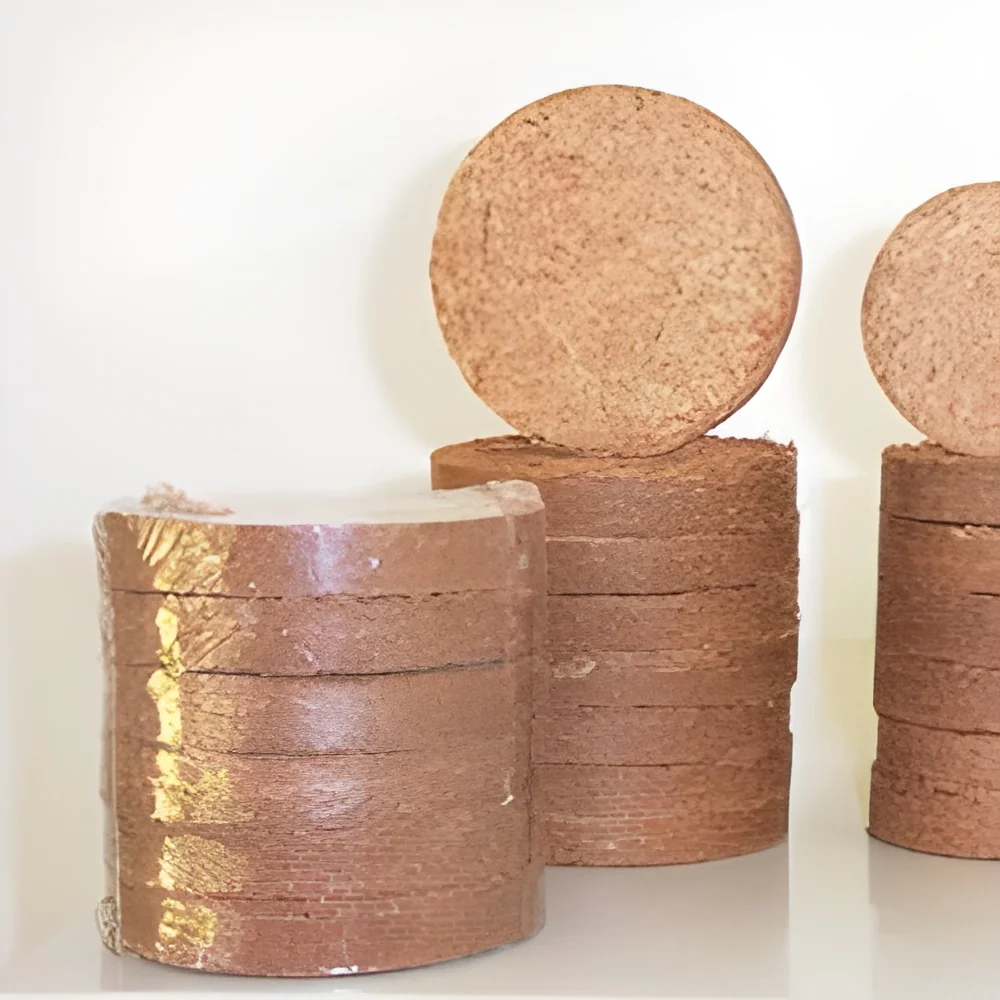
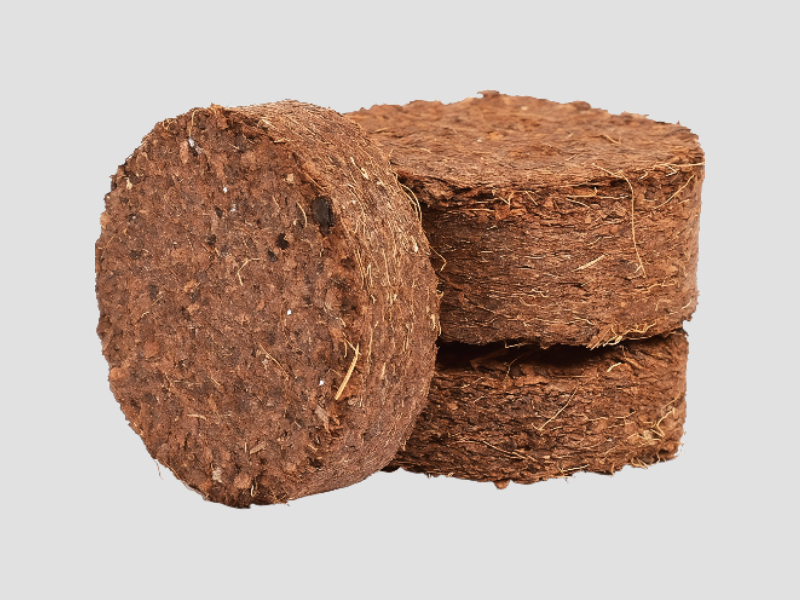
Cocopeat blocks are typically available in various sizes and densities, while grow slabs can come in different thicknesses and dimensions tailored for specific plant types. Common variations include compressed blocks, loose cocopeat, and slabs designed for specific crops.
How do I choose the right Cocopeat Blocks & Grow Slabs?
When selecting Cocopeat blocks and grow slabs, consider factors such as the type of plants you are growing, the specific moisture and nutrient requirements, and the intended use (e.g., hydroponics or soil amendment). It is also essential to choose the right density and size to match your cultivation system.
What are the standard specifications for Cocopeat Blocks & Grow Slabs?
Standard specifications for Cocopeat blocks typically include a moisture content of 10-20%, pH levels ranging from 5.5 to 6.5, and a fiber length of 15-30 mm. Grow slabs may have specific dimensions, density, and compression ratios depending on their intended use.
What is the price range for Cocopeat Blocks & Grow Slabs?
The price of Cocopeat blocks and grow slabs can vary based on factors such as size, quality, and supplier. Generally, prices can range from INR 500 to INR 3000 per cubic meter, depending on the form and packaging.
What quality standards apply to Cocopeat Blocks & Grow Slabs?
Quality standards for Cocopeat blocks and grow slabs often include parameters set by agricultural and horticultural bodies. These may encompass physical and chemical properties such as moisture retention, pH level, and absence of contaminants or pathogens.
Where can I find Cocopeat Blocks & Grow Slabs suppliers in India?
You can find Cocopeat blocks and grow slabs suppliers in India through online B2B marketplaces like Pepagora, agricultural trade shows, or local gardening and agricultural supply stores. It is important to research and compare suppliers for quality and pricing.
Can Cocopeat Blocks & Grow Slabs be customized?
Yes, many manufacturers offer customization options for Cocopeat blocks and grow slabs, including size, density, and packaging. Custom solutions can be tailored to meet specific horticultural needs or cultivation methods.
What is the typical minimum order quantity for Cocopeat Blocks & Grow Slabs?
The typical minimum order quantity (MOQ) for Cocopeat blocks and grow slabs can vary by supplier but often ranges from 100 to 500 kilograms. Larger orders may be required for wholesale purchases or custom products.
What is the typical lead time for Cocopeat Blocks & Grow Slabs?
The lead time for Cocopeat blocks and grow slabs typically ranges from 7 to 30 days, depending on the supplier's stock availability and order size. Custom orders may require additional time for production and shipping.
Why Businesses Trust Pepagora
Thousands of companies trust Pepagora to source smarter and sell faster
Expand Your Sales Globally

Source Smarter,Grow Faster
