What are Germination Trays & Domes?
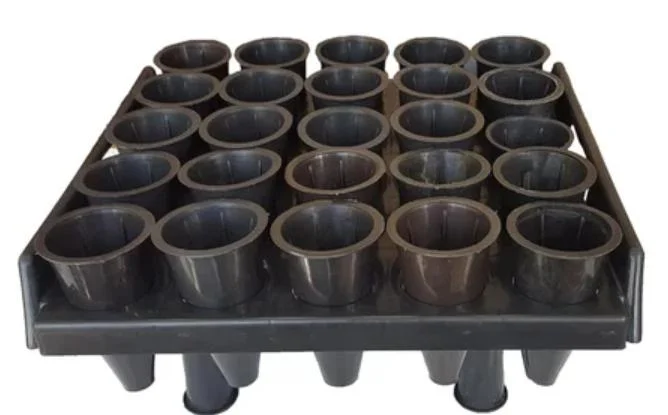
Germination trays and domes are specialized equipment designed for the efficient propagation of seeds and seedlings. These trays typically consist of multiple cells that allow for organized planting, while the domes provide a controlled environment that retains moisture and maintains warmth. This combination is crucial for fostering optimal germination conditions.
These products are primarily used in horticulture, agriculture, and landscaping. They serve as essential tools for nurseries and greenhouse operations, enabling growers to start plants indoors before transferring them to outdoor environments. The demand for germination trays and domes has risen due to the growing interest in sustainable farming and the rising popularity of home gardening, making them relevant in various market contexts.
The industrial relevance of germination trays and domes is underscored by their contribution to efficient plant production. As agricultural practices evolve, these tools are increasingly integrated into automated systems, enhancing productivity and consistency in seedling growth. This trend reflects a broader movement towards innovation in agricultural technology.
Key Features and Specifications
Germination trays and domes come with a variety of features that cater to different planting needs. Their specifications can significantly impact plant growth and overall user experience.
Key specifications include:
1. Material Composition
- Typically made from durable, high-quality plastic or biodegradable materials
- Ensures longevity and environmental sustainability
2. Cell Size
- Available in various sizes, commonly from 50 to 128 cells per tray
- Cell size affects root development and seedling health
3. Dome Height
- Domes come in different heights to accommodate different plant sizes
- Helps maintain humidity and temperature levels
4. Drainage Features
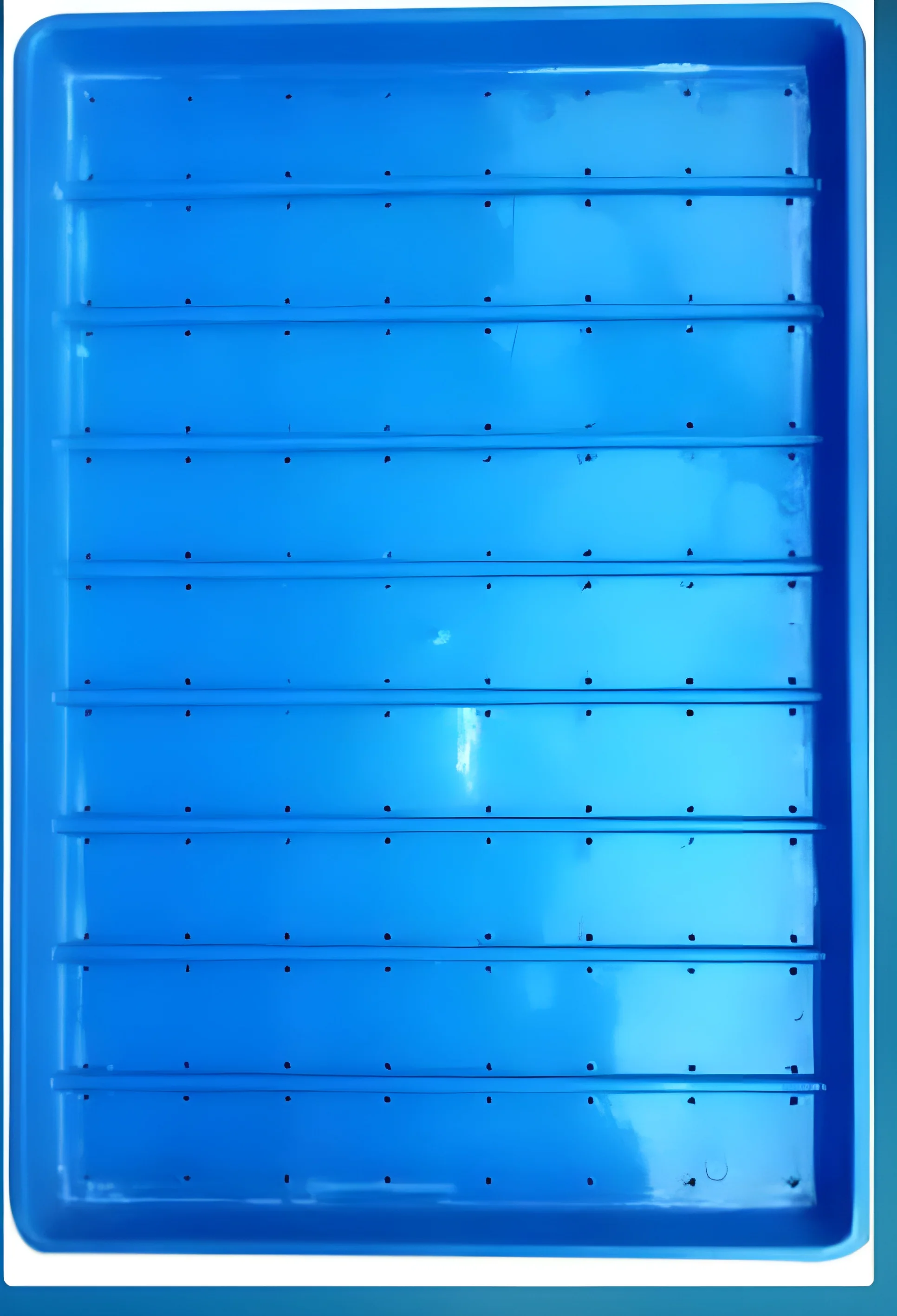
- Trays often include drainage holes to prevent overwatering
- Essential for root health and plant development
5. Compatibility with Grow Lights
- Designed to work seamlessly with grow lights for indoor cultivation
- Ensures adequate light exposure for seedlings
6. Reusability
- Many trays and domes are designed for multiple growing cycles
- Cost-effective and environmentally friendly option
7. Temperature Resistance
- Capable of withstanding various temperature ranges
- Important for maintaining optimal growing conditions
8. Customization Options
- Some manufacturers offer customization for branding or specific needs
- Enhances business identity and marketing potential
In summary, understanding the features and specifications of germination trays and domes is essential for making informed purchasing decisions. Selecting the right specifications can significantly enhance the success rate of seed germination and seedling development.
Common Applications and Use Cases
Germination trays and domes are utilized across several industries, each benefiting from their unique attributes.
1. Horticulture: Nurseries and greenhouses use these products to start plants before transferring them to outdoor gardens. The controlled environment fosters healthy seedling growth, leading to better yield.
2. Agriculture: Farmers rely on germination trays to optimize crop production. Early-stage planting in trays can lead to stronger seedlings, which are more resilient when transplanted into fields.
3. Landscaping: Landscape professionals use these trays for starting decorative plants and flowers, ensuring robust growth before planting in various outdoor settings.
4. Retail Gardening: Home gardening retailers often stock germination trays and domes to meet the needs of DIY gardeners. These products simplify the planting process for consumers.
5. Research and Development: Agricultural researchers use germination trays in laboratories to study plant growth under various conditions, contributing to advancements in agricultural science.
6. Hydroponics: In hydroponic systems, these trays are used to start seeds in nutrient-rich solutions, facilitating the growth of plants without soil.
7. Educational Institutions: Schools and universities use germination trays for educational purposes, teaching students about plant biology and sustainable agriculture practices.
Product Variants and Subcategories
Germination trays and domes come in various designs to accommodate different growing needs. This diversity allows users to choose the right product for their specific applications.
Standard Germination Trays
These trays typically feature multiple cells for planting seeds. They are designed for easy transportation and can be placed in greenhouses or on shelves for efficient use of space.
Humidity Domes
Humidity domes are specifically designed to fit over germination trays. They help create a warm, moist environment, which is essential for successful seed germination.
Propagation Trays
Propagation trays generally have larger cells to accommodate young plants that are ready for transplanting. They are ideal for those looking to grow larger seedlings.
Deep Cell Trays
These trays have deeper cells, allowing for more extensive root development. They are suitable for plants that require a longer growing period before transplantation.
Benefits and Advantages
Germination trays and domes offer numerous advantages that enhance the seed germination process.
Key benefits include:
1. Improved Germination Rates: The controlled environment provided by trays and domes helps achieve higher germination success rates, ensuring a robust start for plants.
2. Space Efficiency: Their design allows for multiple seedlings to be grown in a compact space, maximizing the use of available area in greenhouses and nurseries.
3. Time Savings: Starting seeds in trays can accelerate the growing process, allowing for earlier planting in outdoor environments.
4. Cost-Effectiveness: Reusable trays and domes reduce the need for repeated purchasing, making them a sustainable option for growers.
5. Versatility: Suitable for various plants, including vegetables, flowers, and herbs, these products cater to a wide range of horticultural needs.
6. Enhanced Monitoring: The transparent nature of some domes allows for easy monitoring of seedling growth and moisture levels, aiding in better care management.
Buying Guide for B2B Buyers
When sourcing germination trays and domes, it's essential to consider several factors to ensure optimal purchasing decisions.
1. Quality Assessment: Look for trays made from durable materials that can withstand multiple planting cycles. Quality should also include resistance to UV light and temperature variations.
2. Supplier Verification: Vet suppliers for reliability and reputation in the industry. Check for customer reviews and their history in providing quality products.
3. Pricing and MOQ: Understand the pricing structure and minimum order quantities (MOQ) offered by suppliers. This can impact budget planning and inventory management.
4. Delivery and Lead Times: Ensure that suppliers can meet your delivery timelines. Delays can affect planting schedules and overall operations.
5. Compliance Requirements: Be aware of any regional or industry-specific compliance needs. This includes certifications and safety standards that the products must meet.
Compliance and Certifications
Germination trays and domes must adhere to various quality standards and certifications to ensure safety and reliability.
Relevant quality standards include ISO 9001, which indicates a commitment to quality management systems. Compliance with HACCP standards is critical for food-related plants, ensuring that plants are safe for consumption.
Industry certifications such as CE demonstrate that products meet European safety standards, providing assurance to buyers regarding product quality and safety.
Safety and testing requirements are crucial for maintaining high standards in production. Regular testing for material safety ensures that products do not leach harmful substances.
Understanding regional compliance considerations is also vital, especially when distributing products across different markets. This can affect how products are marketed and sold.
Why Source Germination Trays & Domes from Pepagora?
Pepagora provides a trusted platform for sourcing germination trays and domes, offering several key advantages that benefit B2B buyers.
Verified Supplier Network: Pepagora has established a robust network of verified suppliers, ensuring that buyers have access to quality products. Each supplier undergoes a rigorous vetting process to maintain high standards.
Streamlined RFQ Process: The request for quotation (RFQ) system simplifies the sourcing process, allowing buyers to receive competitive quotes quickly. This enhances decision-making and saves time.
Trade Assurance and Support: Pepagora offers buyer protection through trade assurance, giving buyers confidence in their purchases. Customer support is readily available to address any concerns.
Regional Coverage: With a strong presence in India, the GCC, and Southeast Asia, Pepagora provides extensive geographic reach, connecting buyers with local suppliers and facilitating efficient transactions.
By choosing Pepagora, businesses can ensure they are sourcing high-quality germination trays and domes while benefiting from a comprehensive support system.

 IN
IN