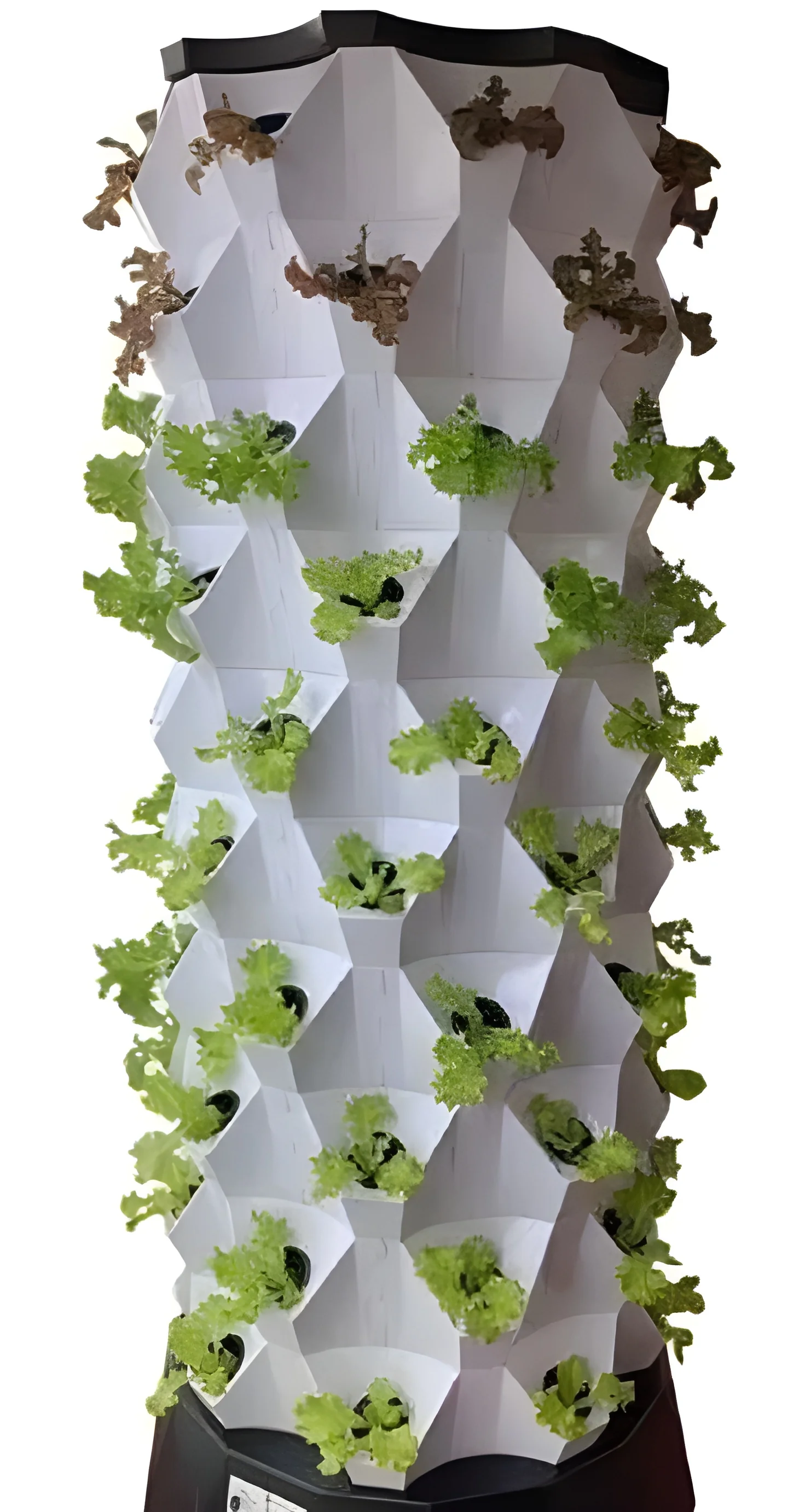
What are Vertical Farming Towers?
Vertical farming towers are innovative agricultural systems that enable the cultivation of plants in vertically stacked layers. This technique maximizes space efficiency and allows for the growth of various crops in a controlled environment. Vertical farming towers utilize advanced technologies such as hydroponics, aeroponics, and LED grow lights to optimize plant growth while minimizing resource use. As urbanization increases and arable land decreases, these systems present a sustainable solution for food production in urban settings.
The primary uses of vertical farming towers extend beyond traditional farming. They are utilized in commercial agriculture, research institutions, and educational facilities. Businesses leverage these systems to produce fresh produce year-round, regardless of external weather conditions. The commercial viability of vertical farming towers has gained traction in recent years, making them relevant in discussions about food security and sustainable agriculture practices.
The market for vertical farming is rapidly expanding, driven by increasing demand for local and organic produce. With a growing emphasis on sustainability and food safety, vertical farming towers are becoming a preferred choice for urban farmers and businesses looking to innovate their food production processes.
Key Features and Specifications
Vertical farming towers offer a range of features designed to enhance agricultural productivity and efficiency. These systems are engineered to provide optimal growing conditions while utilizing minimal space. Below are some key specifications that are commonly found in vertical farming towers.
1. Growth Medium
- Typically utilizes hydroponic or aeroponic systems.
- Provides a soil-less environment for rapid plant growth.
2. Lighting System
- Equipped with energy-efficient LED grow lights.
- Adjustable light spectrum to support different growth stages.
3. Watering and Nutrient Delivery
- Automated irrigation systems for consistent moisture control.
- Nutrient delivery systems to ensure plants receive essential nutrients.
4. Space Efficiency
- Designed to maximize vertical space, allowing for higher crop yields in smaller areas.
- Modular designs for easy scalability.
5. Environmental Control
- Integrated systems for monitoring temperature and humidity levels.
- Smart sensors for real-time data tracking and adjustments.
6. Material Durability
- Constructed from high-quality, weather-resistant materials.
- Ensures long-lasting performance in various environments.
7. Maintenance Requirements
- Low maintenance due to automated features and durable materials.
- Designed for easy access during routine checks.
8. Customization Options
- Available in various sizes and configurations to meet specific needs.
- Potential for tailored features based on client requirements.
In summary, vertical farming towers are equipped with advanced technology and specifications that promote efficient and sustainable agriculture, making them a vital asset for businesses looking to innovate in food production.
Common Applications and Use Cases
Vertical farming towers serve a variety of industries, providing sustainable solutions for food production and research.
1. Agriculture: Farmers use vertical farming towers to grow vegetables and herbs, enabling year-round production regardless of climate.
2. Education: Schools and universities implement vertical farming systems for agricultural education, promoting awareness of sustainable practices among students.
3. Research: Agricultural research institutions utilize these towers for studies on plant growth, pest management, and sustainable agricultural practices.
4. Retail: Grocery stores and restaurants adopt vertical farming towers to supply fresh produce directly to consumers, enhancing their local offerings.
5. Urban Development: City planners integrate vertical farming into urban spaces, transforming unused areas into productive green spaces.
6. Hospitality: Hotels and resorts use vertical farming towers to grow fresh ingredients for their kitchens, enhancing farm-to-table dining experiences.
7. Non-Profit Organizations: Community organizations employ vertical farming to address food insecurity and provide fresh produce to underserved populations.
Product Variants and Subcategories
Vertical farming towers come in various designs and configurations, catering to different needs and applications.
Compact Vertical Farming Tower
This variant is designed for small spaces, making it ideal for home use or small businesses. Its modular design allows for easy setup and scalability, while maintaining all essential growing features.
Commercial Vertical Farming Tower
Targeted at larger agricultural operations, this variant offers extensive capacity for high-yield crop production. It is equipped with advanced monitoring systems and customizable features to meet the demands of commercial farming.
Smart Vertical Farming Tower
Incorporating IoT technology, this variant allows users to monitor and control growing conditions remotely. It is perfect for tech-savvy growers seeking data-driven agricultural solutions.
Benefits and Advantages
Vertical farming towers provide numerous benefits that appeal to businesses and growers alike.
1. Space Efficiency: Vertical farming towers utilize vertical space, allowing for higher yields in smaller footprints compared to traditional farming methods.
2. Resource Conservation: These systems use less water and land, promoting sustainable agricultural practices and reducing environmental impact.
3. Year-Round Production: With controlled growing conditions, vertical farming towers can produce crops regardless of seasonal changes, ensuring a consistent supply of fresh produce.
4. Reduced Transportation Costs: By growing food closer to urban centers, vertical farming towers minimize transportation needs, lowering costs and carbon footprints.
5. Enhanced Crop Quality: Controlled environments lead to healthier plants with fewer pests and diseases, resulting in higher quality produce.
6. Educational Opportunities: Vertical farming towers provide hands-on learning experiences for students and communities, promoting awareness of sustainable agriculture.
Buying Guide for B2B Buyers
When sourcing vertical farming towers, businesses should consider several important factors to ensure they select the right solution for their needs.
1. Quality Assessment: Evaluate the materials and technology used in the towers. Look for systems that meet high durability standards and are backed by reliable performance data.
2. Supplier Verification: Conduct thorough research on potential suppliers. Check their reputation, client reviews, and experience in the vertical farming industry to ensure you partner with a reputable source.
3. Pricing and MOQ: Understand the pricing structure and minimum order quantities associated with vertical farming towers. Consider budget constraints while ensuring quality is not compromised.
4. Delivery and Lead Times: Inquire about delivery schedules and lead times for installation. Timely delivery is crucial for planning and ensuring operations run smoothly.
5. Compliance Requirements: Be aware of any regulatory compliance specific to your region, including safety standards and certifications that the farming towers must meet.
Compliance and Certifications
Vertical farming towers must adhere to relevant quality standards and certifications to ensure they meet industry requirements.
ISO 9001 is a common standard that emphasizes quality management systems, ensuring that manufacturers maintain consistent quality in their products.
HACCP (Hazard Analysis Critical Control Point) is essential for systems designed for food production, focusing on food safety throughout the production process.
CE marking indicates that the product complies with European health, safety, and environmental protection standards.
Safety and testing requirements are crucial for ensuring the structural integrity and operational reliability of vertical farming towers.
Additionally, regional compliance considerations may vary, requiring businesses to stay informed about local regulations that affect the installation and operation of vertical farming systems.
Why Source Vertical Farming Towers from Pepagora?
Pepagora serves as a reliable platform for sourcing vertical farming towers, offering several advantages that benefit B2B buyers.
Verified Supplier Network: Pepagora connects buyers with a network of verified suppliers, ensuring that businesses can trust the quality and reliability of their purchases. This verification process mitigates risks associated with sourcing agricultural equipment.
Streamlined RFQ Process: The request for quotation (RFQ) process on Pepagora is designed for efficiency. Buyers can easily submit their requirements and receive competitive quotations from multiple suppliers, allowing for informed decision-making.
Trade Assurance and Support: Pepagora provides trade assurance features that protect buyers throughout the transaction process. This includes support for payment security and order fulfillment, ensuring a smooth purchasing experience.
Regional Coverage: Pepagora has a broad geographic reach, serving markets in India, the GCC, and Southeast Asia. This regional coverage allows businesses to access local suppliers and adapt to market demands effectively.
By leveraging these advantages, businesses can confidently source vertical farming towers that meet their operational needs while fostering sustainable agricultural practices.

 IN
IN