
 IN
Machine Screws
7 products available
What are Machine Screws?
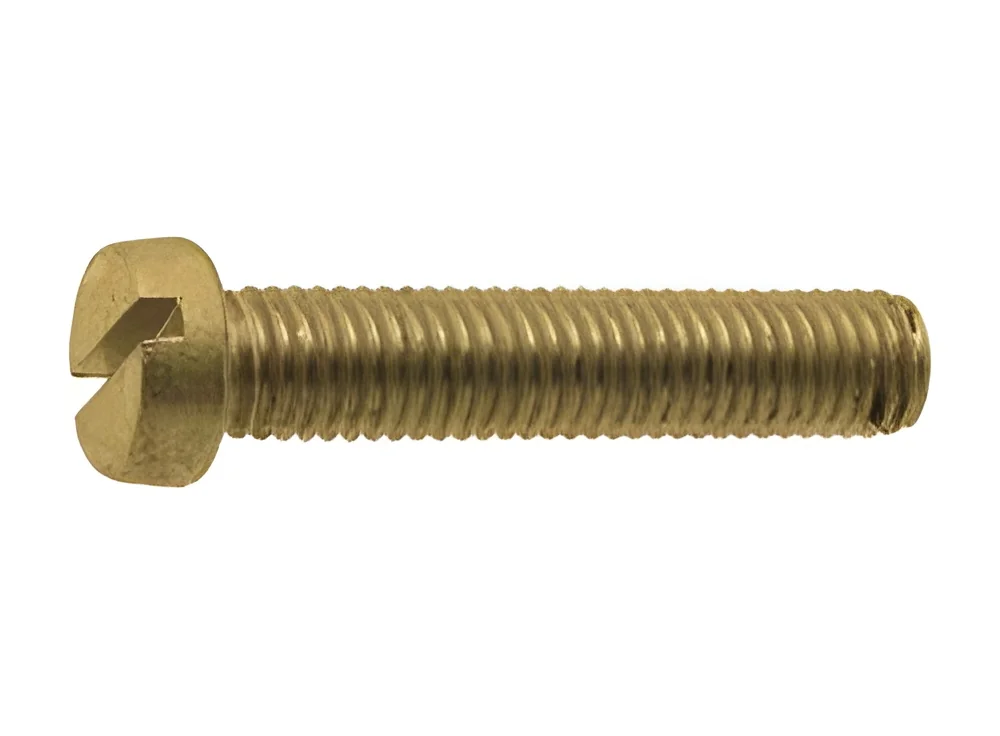
Machine screws are fasteners designed to hold objects together or secure components in machinery. They are characterized by their uniform diameter and threading along the shaft, which allows them to be inserted into pre-tapped holes or used with nuts for fastening. Unlike wood screws, which have a tapered point, machine screws typically have a flat or rounded end, making them suitable for a variety of applications where precision is critical.
These fasteners are commonly used across various industries, including manufacturing, automotive, aerospace, and construction. Their applications range from assembling machinery to securing electronic devices. Machine screws play a vital role in ensuring the integrity and stability of mechanical structures. As a result, they are an essential component in many engineering and construction projects.
In the current market, machine screws are increasingly in demand due to the growth of industrial sectors and the need for reliable fastening solutions. As companies focus on enhancing the quality and durability of their products, the relevance of high-quality machine screws continues to rise. This trend underscores the importance of sourcing these fasteners from reputable suppliers to meet industry standards and customer expectations.
Key Features and Specifications
Machine screws offer a variety of features that make them suitable for diverse applications. Understanding these specifications is crucial for selecting the right type for your needs.
Key specifications include:
1. Thread Type
- Common types include coarse, fine, and special threads.
- Thread pitch can vary, affecting compatibility with nuts and tapped holes.
2. Material
- Made from materials such as stainless steel, carbon steel, and brass.
- Material choice impacts corrosion resistance, strength, and weight.
3. Head Style
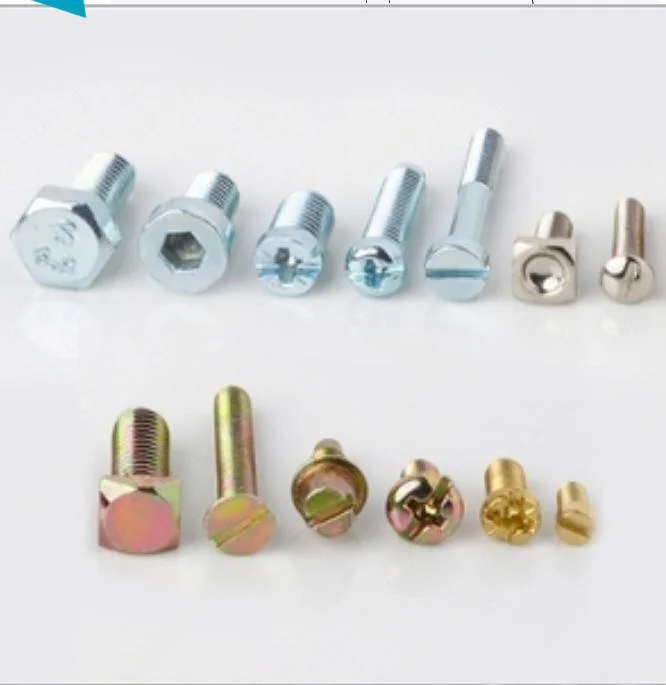
- Available in various styles, including flat, pan, and hex heads.
- Head style influences the type of tool required for installation and the surface finish.
4. Diameter
- Common diameters range from 2 mm to 20 mm.
- Diameter selection is vital for load-bearing capacity and fit.
5. Length
- Available in lengths from 6 mm to 100 mm or more.
- Length selection depends on the thickness of the materials being joined.
6. Finish
- Common finishes include zinc plating, black oxide, and anodizing.
- Finish affects appearance and resistance to environmental factors.
7. Strength Grade
- Ratings such as Grade 8.8, 10.9, and 12.9 indicate tensile strength.
- Higher grades provide better performance in demanding applications.
8. Packaging Options
- Available in bulk packaging or individual packets.
- Packaging choice can affect ease of handling and storage.
In summary, machine screws are versatile fasteners with various specifications that cater to different industrial needs. Understanding these features helps businesses make informed decisions when selecting the appropriate screws for their applications.
Common Applications and Use Cases
Machine screws are essential components across a range of industries. Their versatility allows for numerous applications, making them a staple in many manufacturing processes.
1. Automotive Industry: Machine screws are used in vehicle assembly to secure engine components, body panels, and interior fittings. Their reliability ensures the safety and performance of automobiles.
2. Aerospace Sector: In aircraft manufacturing, machine screws secure critical components such as wings and fuselage sections. High-strength screws are essential to withstand extreme conditions.
3. Electronics Manufacturing: Machine screws are used to assemble electronic devices, securing circuit boards and various housing parts. Precision is crucial to maintain functionality.
4. Construction Industry: In construction, machine screws fasten structural elements and fixtures. They ensure the stability and durability of buildings and infrastructure.
5. Machinery and Equipment: Machine screws are used in industrial machinery to hold parts together. Their strength and durability are vital in high-load applications.
6. Furniture Manufacturing: In furniture assembly, machine screws help secure joints and components, providing stability to items such as tables and chairs.
7. Medical Devices: In the medical field, machine screws are used in the assembly of devices and equipment where precision and reliability are paramount.
Product Variants and Subcategories
Machine screws come in different variants to meet specific needs. Understanding these variants allows businesses to select the right type for their applications.
Hex Head Machine Screws: These screws feature a hexagonal head, allowing for easy tightening with a wrench. They are commonly used in heavy-duty applications where high torque is required.
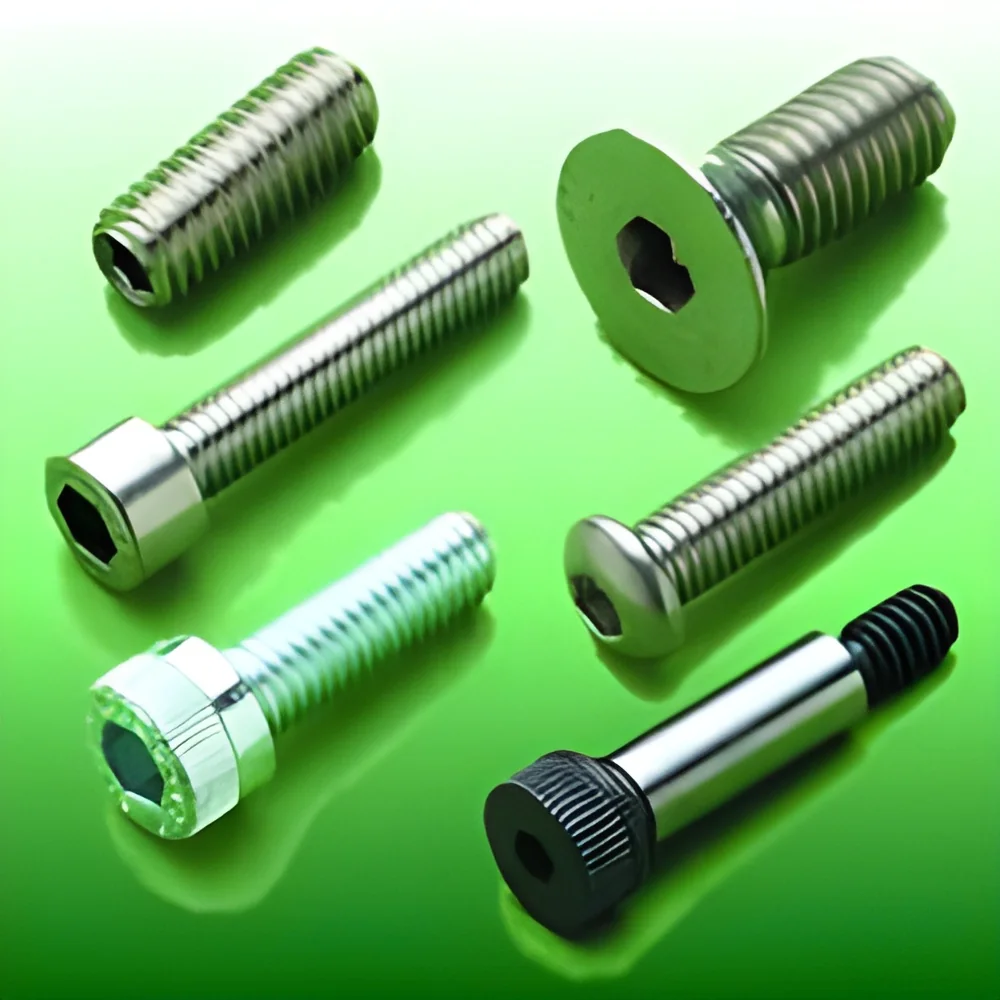
Socket Head Cap Screws: These screws have a cylindrical head with a recessed socket for Allen wrench insertion. They are ideal for applications with limited space and provide a clean look.
Flat Head Machine Screws: With a flat top, these screws are designed to sit flush with the material surface. They are often used in applications where a smooth finish is required.
Pan Head Machine Screws: These screws have a rounded head that provides a larger bearing surface. They are often used in situations where aesthetics are important.
Countersunk Machine Screws: Designed to fit into a countersunk hole, these screws create a flush surface. They are frequently used in woodworking and cabinetry.
Benefits and Advantages
Choosing machine screws offers several advantages for businesses looking for reliable fastening solutions.
1. High Strength: Machine screws are designed to withstand significant loads, making them ideal for heavy-duty applications.
2. Versatility: With various sizes, materials, and head styles, machine screws can suit a wide range of applications across different industries.
3. Easy Installation: Most machine screws can be easily installed using common tools, reducing labor time and improving efficiency.
4. Corrosion Resistance: Many machine screws are available in corrosion-resistant materials, ensuring longevity and durability even in harsh environments.
5. Cost-Effectiveness: Machine screws provide a reliable fastening solution at a competitive price, making them a budget-friendly choice for businesses.
6. Consistency: Machine screws offer uniformity in size and specifications, which helps maintain quality control in manufacturing processes.
Buying Guide for B2B Buyers
When sourcing machine screws, it is essential to consider several factors to ensure the right choice for your business needs.
1. Quality Assessment: Evaluate screws based on material grade, tensile strength, and finish. High-quality screws reduce the risk of failure and ensure product longevity.
2. Supplier Verification: Research potential suppliers to ensure they have a solid reputation and adhere to industry standards. Look for certifications that indicate reliability.
3. Pricing and MOQ: Consider the cost per unit and minimum order quantities. Balancing quality with budget constraints is crucial for maximizing value.
4. Delivery and Lead Times: Assess suppliers' delivery capabilities and lead times. Timely delivery is essential to maintain production schedules.
5. Compliance Requirements: Ensure that the screws meet relevant industry standards and regulations. Compliance helps avoid legal issues and ensures safety.
Compliance and Certifications
Machine screws must adhere to various quality standards and certifications to ensure reliability and safety in their applications. Key standards include ISO 9001, which emphasizes quality management systems, and CE certification, which indicates compliance with European safety requirements.
In addition to these certifications, machine screws may be subject to safety and testing requirements to ensure they meet specific performance standards. This includes tensile strength tests and corrosion resistance evaluations.
Regional compliance considerations are also important, as different markets may have specific regulations governing the materials and manufacturing processes used in machine screws. Staying informed about these requirements helps businesses maintain compliance and avoid potential issues.
Why Source Machine Screws from Pepagora?
Pepagora is a trusted platform for sourcing machine screws, offering several key advantages for businesses.
Verified Supplier Network: Pepagora connects buyers with a network of verified suppliers, ensuring that the sourced products meet quality and compliance standards. This network fosters trust and reliability in the procurement process.
Streamlined RFQ Process: The platform offers a streamlined Request for Quotation (RFQ) process, allowing businesses to quickly obtain competitive quotes from multiple suppliers. This efficiency saves time and simplifies decision-making.
Trade Assurance and Support: Pepagora provides trade assurance and support to buyers, protecting their interests throughout the purchasing process. This includes handling disputes and ensuring timely deliveries.
Regional Coverage: With a strong presence in India, the GCC, and Southeast Asia, Pepagora offers regional coverage that facilitates sourcing for businesses in these markets. This geographic reach enhances accessibility to quality machine screws and encourages local partnerships.



 India
 India
 India


 India
Frequently Asked Questions
What are Machine Screws?
Machine screws are fasteners with a uniform diameter and a thread that runs along the entire length of the screw. They are designed to be used with a nut or a tapped hole and are commonly employed in machinery, appliances, and construction applications.
What are the different types of Machine Screws?
There are several types of machine screws, including flat head, round head, pan head, and hex head screws. Each type has distinct features and is suited for specific applications, such as providing a flush surface or allowing for easy tightening.
How do I choose the right Machine Screws?
To choose the right machine screws, consider factors such as the material, size, thread type, and head style. Additionally, evaluate the environment in which the screws will be used to ensure compatibility with factors like corrosion resistance.
What are the standard specifications for Machine Screws?
Standard specifications for machine screws include dimensions such as diameter, length, and thread pitch, as well as material properties like tensile strength and corrosion resistance. Common standards include ASTM and ISO specifications.
What is the price range for Machine Screws?
The price range for machine screws can vary based on factors like material, size, and quantity ordered. Typically, prices can range from a few rupees for standard screws to higher amounts for specialized or custom screws.
What quality standards apply to Machine Screws?
Quality standards for machine screws often include adherence to ASTM, ISO, and other relevant industry specifications. These standards ensure consistent performance, reliability, and safety in applications where machine screws are used.
Where can I find Machine Screws suppliers in India?
You can find machine screws suppliers in India through online B2B marketplaces, trade directories, and industry associations. Websites like Pepagora.com are valuable resources for connecting with reputable manufacturers and suppliers.
Can Machine Screws be customized?
Yes, machine screws can be customized in terms of size, material, and coating to meet specific requirements. Many manufacturers offer customization options to cater to the unique needs of their clients.
What is the typical minimum order quantity for Machine Screws?
The typical minimum order quantity (MOQ) for machine screws can vary by supplier but often ranges from 100 to 1000 pieces. It is advisable to check with individual suppliers for their specific MOQ policies.
What is the typical lead time for Machine Screws?
The typical lead time for machine screws varies depending on the supplier and the complexity of the order. Generally, standard orders can be fulfilled within 1 to 4 weeks, while custom orders may take longer.
Why Businesses Trust Pepagora
Thousands of companies trust Pepagora to source smarter and sell faster
Expand Your Sales Globally

Source Smarter,Grow Faster
