
 IN
Load Testing & Calibration
14 products available
What are Load Testing & Calibration?
Load Testing and Calibration are essential processes used to ensure that industrial equipment and systems operate within specified parameters. Load testing involves applying a known load to a system or piece of equipment to evaluate its performance under real-world conditions. Calibration, on the other hand, refers to the process of adjusting and verifying the accuracy of measurement instruments and sensors to ensure they provide reliable data.
These processes are critical in various sectors, including manufacturing, energy, and transportation. Businesses leverage load testing to determine the capacity and reliability of their equipment, while calibration ensures that measurement tools deliver precise readings. Together, they help organizations maintain operational efficiency and compliance with industry standards.
In today's competitive market, the relevance of Load Testing and Calibration cannot be overstated. Industries must adhere to strict quality and safety regulations, making these practices vital for risk management and operational integrity. As technology advances and equipment becomes more sophisticated, the demand for accurate testing and calibration solutions continues to grow.
Key Features and Specifications
Load Testing and Calibration products come with various features designed to meet the needs of different industries. Understanding these specifications is crucial for selecting the right equipment.
Key specifications include:
1. Load Capacity
- Maximum load that can be tested.
- Typically ranges from a few tons to several hundred tons depending on the equipment.
2. Measurement Accuracy
- Precision level of the calibration instruments.
- Often specified in terms of percentage error, such as ±0.1%.
3. Environmental Tolerance
- Operating temperatures and humidity levels.
- Designed to function effectively in various conditions, although specific ranges may not be available.
4. Monitoring Features
- Capabilities for real-time data monitoring.
- May include digital displays and data logging functions.
5. Compliance Standards
- Adherence to industry regulations such as CE certification.
- Ensures product reliability and safety.
6. User Interface
- Ease of use and accessibility of controls.
- Often includes intuitive interfaces for quick operation.
7. Portability
- Design features that facilitate transportation and setup.
- Lightweight materials and compact designs are common.
8. Calibration Range
- Scope of calibration for different types of instruments.
- Typically covers a wide range to accommodate various applications.
In summary, understanding the key features and specifications of Load Testing and Calibration products is essential for making informed purchasing decisions.
Common Applications and Use Cases
Load Testing and Calibration find applications across multiple industries. These practices ensure safety and efficiency in various operational contexts.
1. Manufacturing: Load testing is used to evaluate machinery such as cranes and conveyors, ensuring they can handle specified weights without failure.
2. Energy: Calibration of sensors in power plants is crucial for monitoring temperature and pressure, ensuring optimal performance and safety.
3. Transportation: Load testing is essential for vehicles and trailers to verify that they can safely carry designated loads, preventing potential accidents.
4. Construction: Equipment like lift systems is load tested to confirm they meet safety regulations before use at job sites.
5. Aerospace: Calibration of instruments is vital for navigation and control systems, ensuring precision in flight operations.
6. Telecommunications: Load testing is performed on infrastructure to guarantee that systems can support anticipated data loads during peak usage periods.
7. Health Care: Calibration of medical devices ensures accurate measurements critical for patient care.
Product Variants and Subcategories
Load Testing and Calibration products come in various forms to meet specific user needs. Each variant offers distinct features tailored to different applications.
Standard Load Testers
These devices are designed for general load testing applications in industrial settings. They typically support a wide range of load capacities and come equipped with basic monitoring features.
Advanced Calibration Equipment
This equipment is ideal for industries requiring high precision. It includes advanced sensors and data logging capabilities for in-depth analysis.
Portable Load Testing Kits
These kits are designed for field use, offering lightweight and compact solutions for on-site testing. They are user-friendly and easy to set up.
Benefits and Advantages
Investing in Load Testing and Calibration yields significant advantages for businesses.
1. Enhanced Safety: Ensures that equipment operates within safe limits, reducing the risk of accidents.
2. Improved Accuracy: Calibration guarantees that measurement instruments provide precise data, which is essential for compliance and quality control.
3. Increased Efficiency: Load testing identifies weaknesses in equipment, allowing for timely maintenance and reducing downtime.
4. Regulatory Compliance: Adhering to industry standards through testing and calibration helps avoid legal issues and enhances company reputation.
5. Cost Savings: Regular testing and calibration can prevent costly failures and extend the lifespan of equipment.
6. Data-Driven Decisions: Accurate measurements and load assessments enable better decision-making regarding equipment use and procurement.
Buying Guide for B2B Buyers
When sourcing Load Testing and Calibration solutions, several factors should be considered to ensure the best purchase decision.
1. Quality Assessment: Evaluate the quality of products based on industry standards and customer reviews. Look for certifications such as CE to ensure reliability.
2. Supplier Verification: Vet potential suppliers by checking their credentials, experience, and customer feedback. Reliable suppliers should have a proven track record in the industry.
3. Pricing and MOQ: Understand the pricing structure and minimum order quantities. Compare quotes from different suppliers to find competitive rates.
4. Delivery and Lead Times: Inquire about delivery schedules and lead times to ensure timely receipt of equipment. Consider suppliers with efficient logistics.
5. Compliance Requirements: Ensure that the products meet all necessary compliance and regulatory requirements for your specific industry.
Compliance and Certifications
Compliance and certifications play a crucial role in Load Testing and Calibration products. Adhering to recognized quality standards is essential for ensuring safety and reliability.
ISO 9001 is a widely recognized standard that focuses on quality management systems. It ensures that organizations consistently provide products that meet customer and regulatory requirements. Companies offering Load Testing and Calibration solutions often seek this certification to demonstrate their commitment to quality.
CE certification is also important, particularly in Europe. It indicates that products meet EU safety, health, and environmental protection standards. This certification is essential for gaining access to the European market and instilling confidence in customers.
Additionally, safety and testing requirements vary by industry. It is vital for companies to stay informed about regional compliance considerations to ensure their products meet local regulations.
Why Source Load Testing & Calibration from Pepagora?
Pepagora provides a trusted platform for sourcing Load Testing and Calibration solutions, offering several key advantages that cater to B2B buyers.
Verified Supplier Network: Pepagora has a robust network of verified suppliers, ensuring that buyers can connect with reputable manufacturers. This verification process helps reduce risks and enhances buyer confidence.
Streamlined RFQ Process: The Request for Quotation process at Pepagora is designed to be efficient and user-friendly. Buyers can quickly submit their requirements and receive competitive quotes from multiple suppliers.
Trade Assurance and Support: Pepagora offers trade assurance to protect buyers throughout the purchasing process. This includes support for order tracking and dispute resolution, ensuring a smooth transaction experience.
Regional Coverage: With a strong presence in India, the GCC, and Southeast Asia, Pepagora provides extensive regional coverage. This geographic reach ensures that buyers can access a diverse range of suppliers and products tailored to their specific needs.


 India
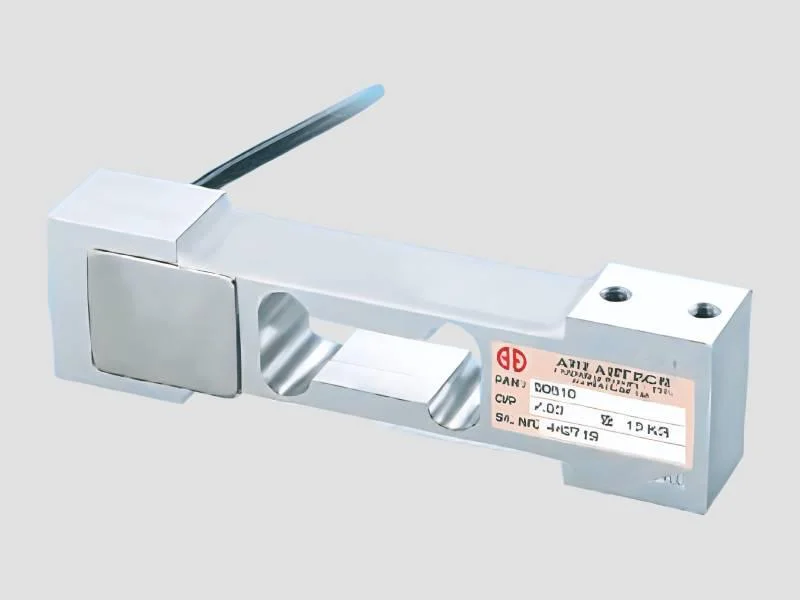
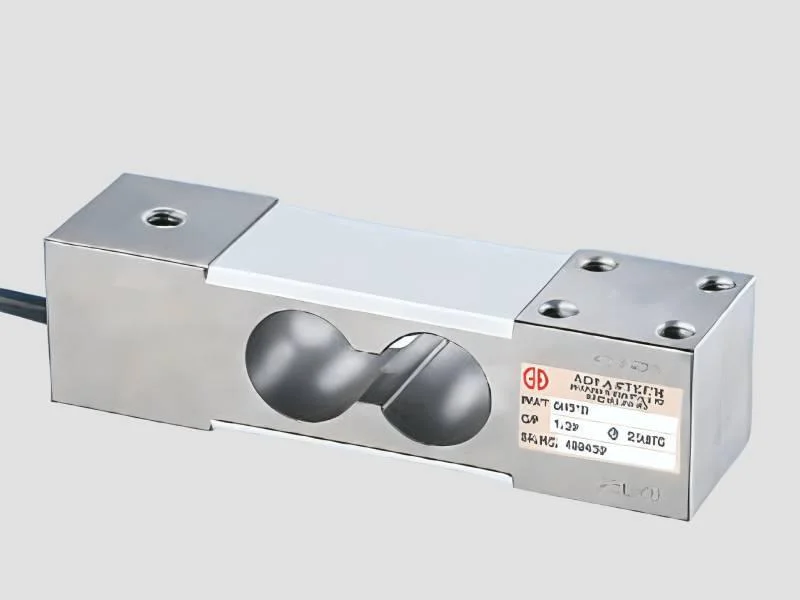
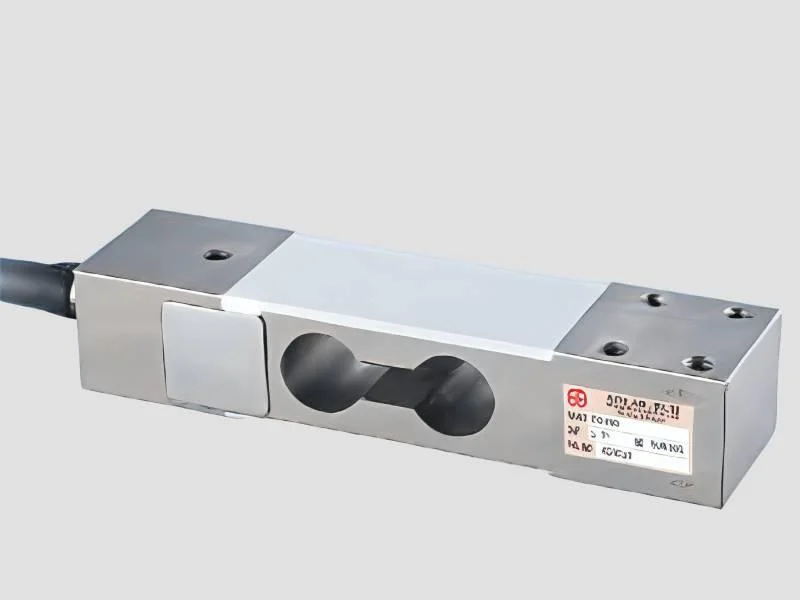
 India
 India
 India
 India
 India
Frequently Asked Questions
What are Load Testing & Calibration?
Load Testing & Calibration refer to the processes used to evaluate the performance and accuracy of measuring instruments and systems under specific loads or conditions. This ensures that equipment operates within its specified tolerances and meets industry standards.
What are the different types of Load Testing & Calibration?
There are several types of Load Testing & Calibration, including static load testing, dynamic load testing, and calibration of electronic and mechanical measuring devices. Each type is designed for specific applications and may involve different methods and equipment.
How do I choose the right Load Testing & Calibration?
To choose the right Load Testing & Calibration, consider the specific requirements of your application, such as the type of equipment, the load capacity, and the environment in which the testing will occur. Additionally, evaluate the reputation and certifications of potential suppliers.
What are the standard specifications for Load Testing & Calibration?
Standard specifications for Load Testing & Calibration may vary by industry but often include parameters such as load capacity, accuracy tolerance, and environmental resistance. It is essential to refer to relevant industry standards and guidelines.
What is the price range for Load Testing & Calibration?
The price range for Load Testing & Calibration can vary significantly based on factors such as the complexity of the testing, the type of equipment used, and the supplier. Typically, prices can range from a few thousand to several lakhs of Indian Rupees.
What quality standards apply to Load Testing & Calibration?
Quality standards for Load Testing & Calibration are often governed by ISO certifications and other industry-specific regulations. Compliance with these standards ensures that testing and calibration processes are reliable and consistent.
Where can I find Load Testing & Calibration suppliers in India?
You can find Load Testing & Calibration suppliers in India through online marketplaces, industry trade shows, and professional associations. Websites like Pepagora.com offer a platform to connect with various manufacturers and suppliers.
Can Load Testing & Calibration be customized?
Yes, Load Testing & Calibration services can often be customized to meet the specific needs of a client. Customization may involve adjusting testing procedures, equipment, or reporting formats to suit particular applications.
What is the typical minimum order quantity for Load Testing & Calibration?
The typical minimum order quantity (MOQ) for Load Testing & Calibration services can vary by supplier and the scope of the project. Many suppliers may have flexible MOQs, especially for standard testing services.
What is the typical lead time for Load Testing & Calibration?
The typical lead time for Load Testing & Calibration can range from a few days to several weeks, depending on the complexity of the tests and the scheduling availability of the service provider. It is advisable to discuss timelines with suppliers before placing an order.
Why Businesses Trust Pepagora
Thousands of companies trust Pepagora to source smarter and sell faster
Expand Your Sales Globally

Source Smarter,Grow Faster
